
Logical thinking Reading Worksheets for Ages 3-9
10 filtered results
Difficulty Level
Grade
Age
-
From - To
Subject
Activity
Standards
Explore our engaging "Logical Thinking Reading Worksheets for Ages 3-9," designed to enhance critical thinking skills through fun and interactive activities. Crafted for young learners, these worksheets encourage children to analyze, infer, and make connections while reading. With colorful illustrations and varied exercises, kids will enjoy practicing logical reasoning as they solve puzzles and answer thought-provoking questions. Our resources not only promote reading comprehension but also lay a strong foundation for problem-solving skills essential for future learning. Ideal for classroom or home use, these worksheets help foster a lifelong love for learning while developing vital logical thinking abilities in your child!
Favorites
With answer key
Interactive
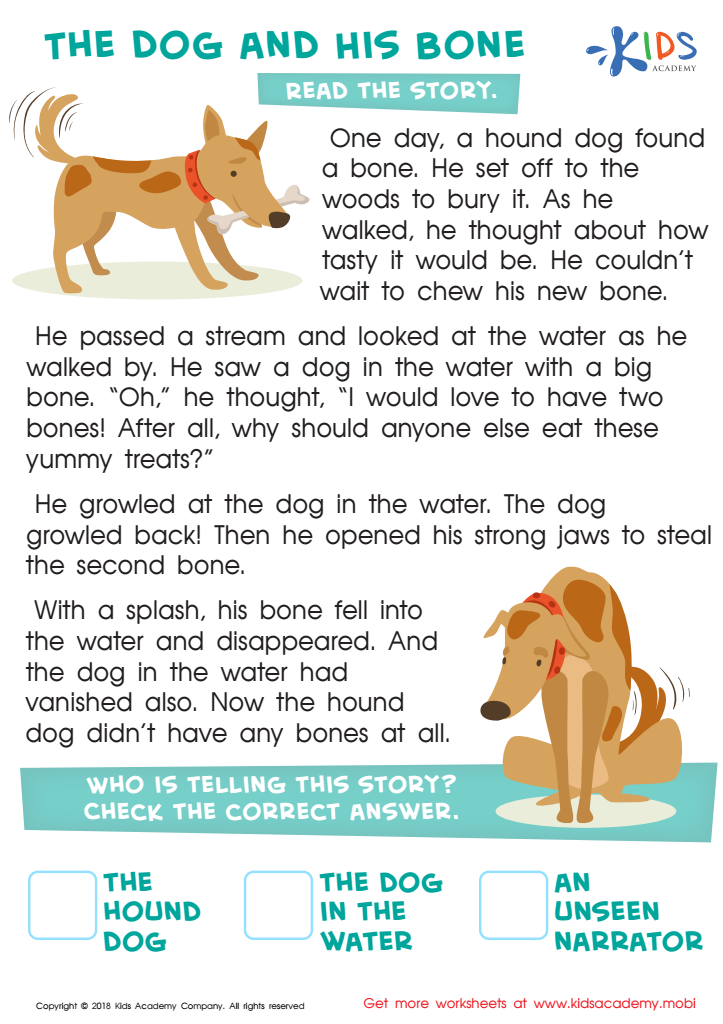
The Dog and His Bone Worksheet
Read the story of The Dog and His Bone to your kids, making sure they take in the details. Ask them the questions in this worksheet and help them check the answers. Encourage them to think carefully.
 Assign to My Students
The Dog and His Bone Worksheet
Worksheet
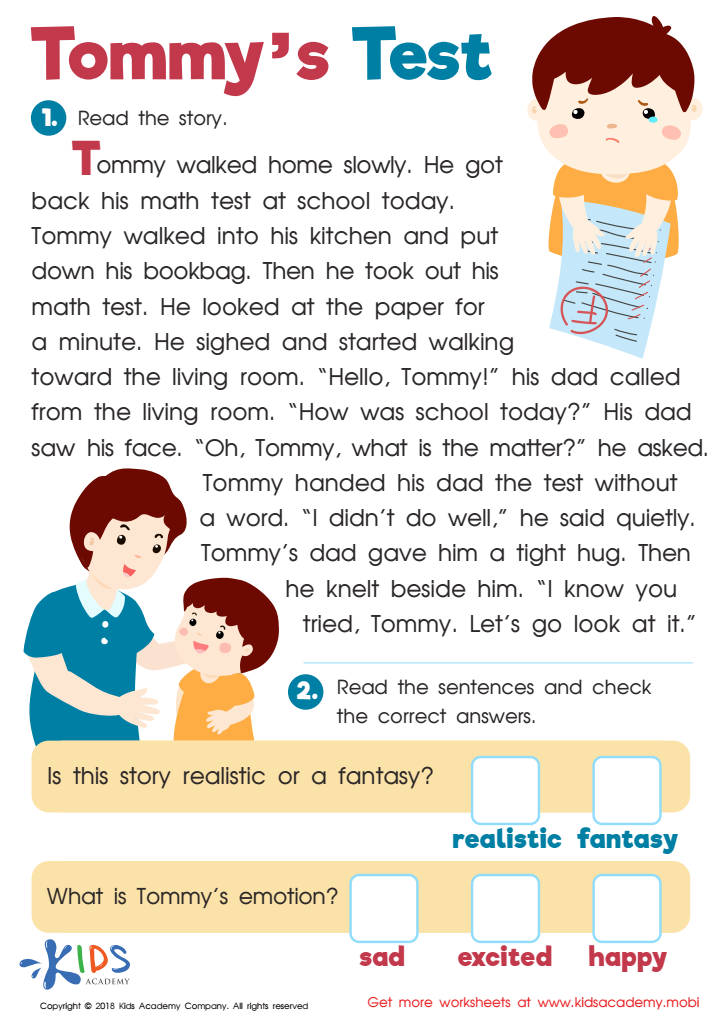
Tommys Test Worksheet
Reading short stories to your students builds a bond, teaches new words and lessons. Read the story aloud and then have them listen for details. Ask them the questions at the bottom and help them check the answers.
Tommys Test Worksheet
Worksheet
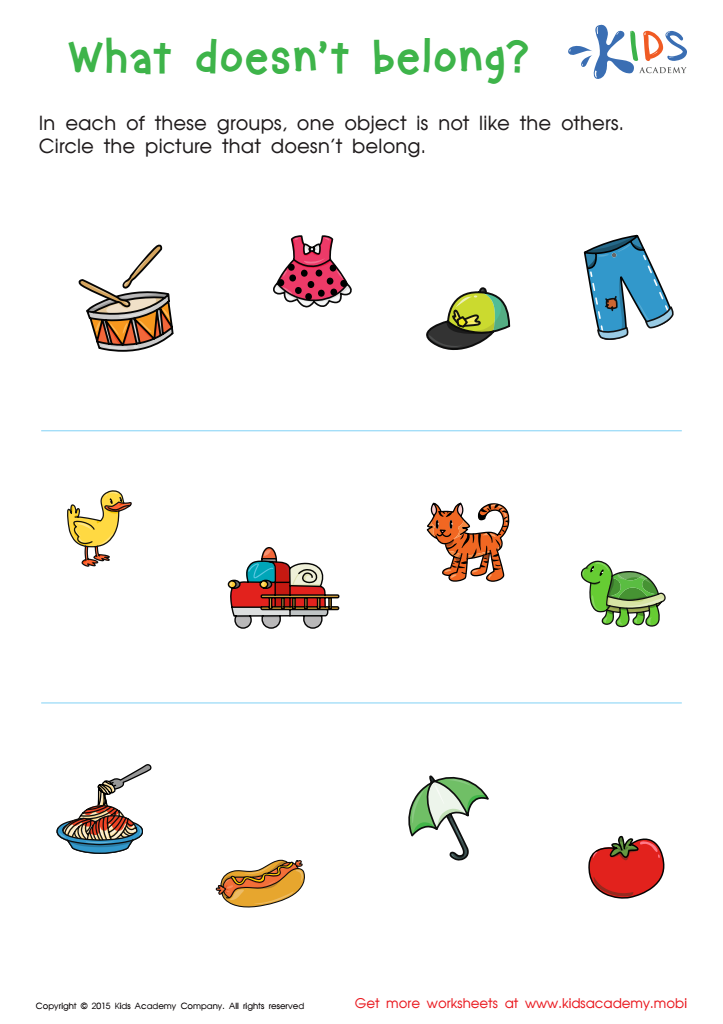
First Words: What Doesn't Belong Worksheet
Categorizing items is an important skill for little learners. Sorting and classifying objects helps kids make sense of the world. With this "what doesn't belong" worksheet, your child will practice problem-solving, strengthen categorization and improve logical reasoning skills. It's perfect for toddlers and preschoolers, with bright and exciting images giving their minds a challenging workout!
First Words: What Doesn't Belong Worksheet
Worksheet
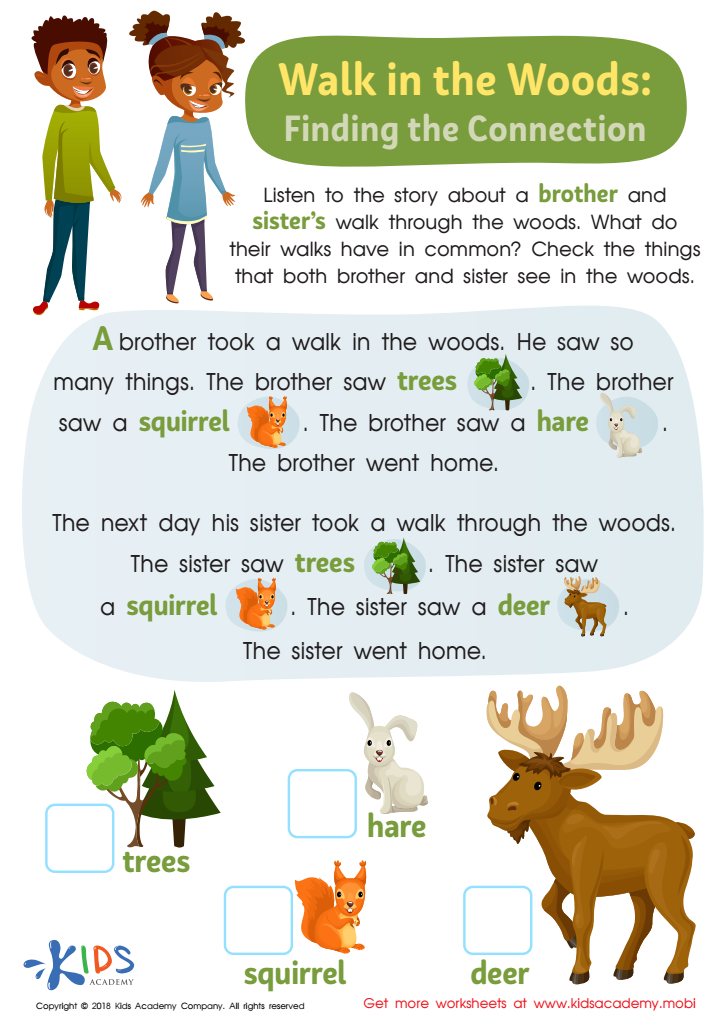
Walk In the Woods: Finding Connections Worksheet
Brother and sister took a walk in the woods to connect with nature and get some exercise. As they went, they noted different things like birds and plants, which they share in this story. Read it to your little ones, and help them check off the items the two saw. It's a great way to learn about nature and enjoy the outdoors.
Walk In the Woods: Finding Connections Worksheet
Worksheet
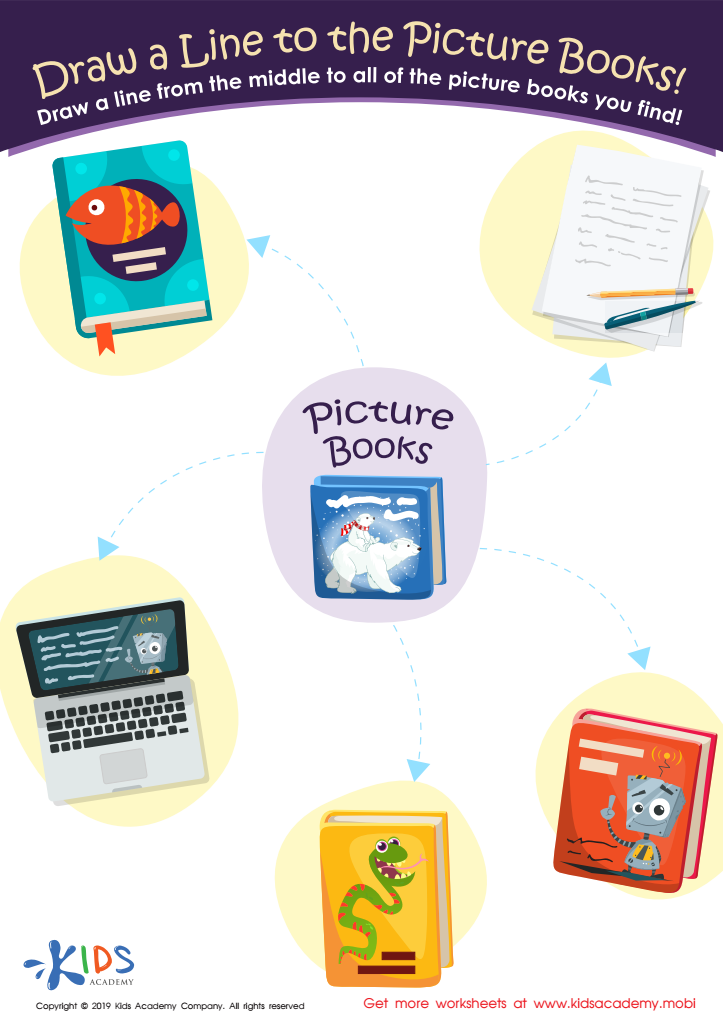
Draw a Line to the Picture Books Worksheet
Encourage your students to read and explore with this fun exercise! They'll draw a line from the word 'picture books' to the five objects. Picture books are exciting, with stories and colorful images. Make story time even more enjoyable with this worksheet!
Draw a Line to the Picture Books Worksheet
Worksheet
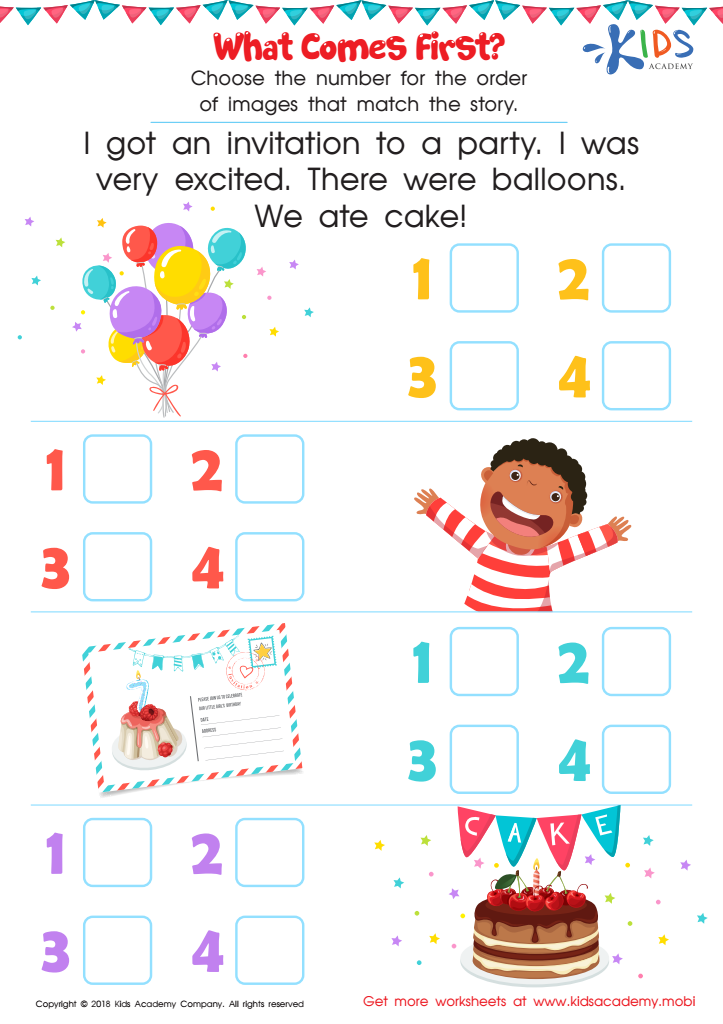
What Comes First Worksheet
Before you start, ask your child what they see in the picture. Read the story aloud together, then show them the images in order, numbered 1-5. Ask them to choose the numbers that match the story. Have fun and enjoy this party worksheet with your little one! (80 words)
What Comes First Worksheet
Worksheet
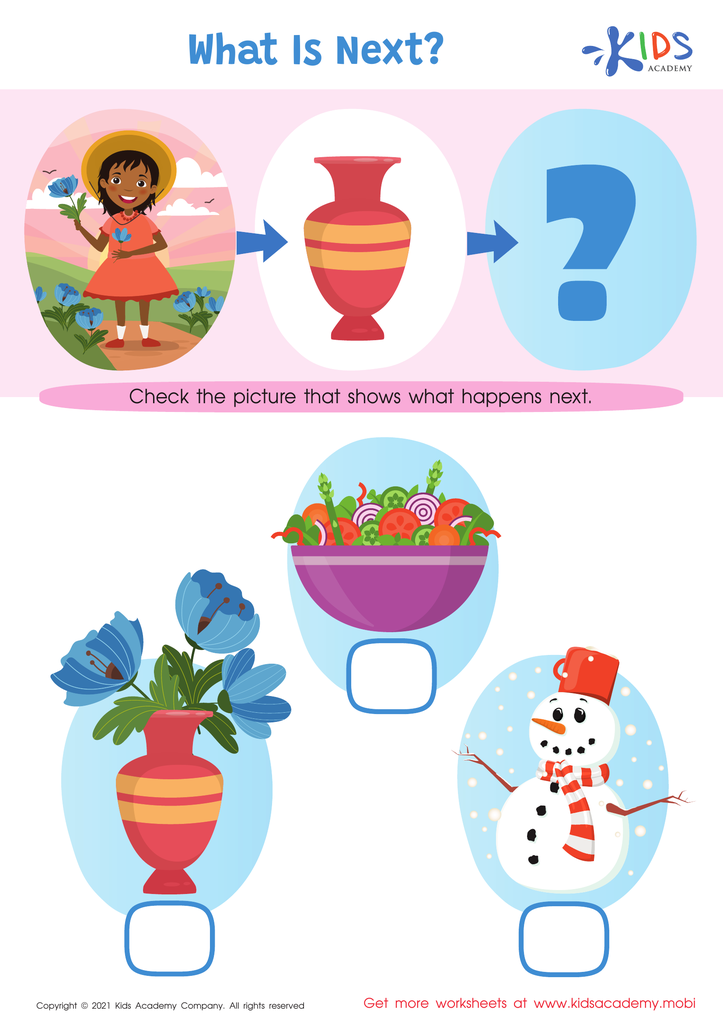
What is Next? Worksheet
The purpose of our company is to provide customers with the highest quality products and the best customer service experience in the industry.
We're committed to providing customers with excellent products and customer service. Our goal is to be the best in the industry.
What is Next? Worksheet
Worksheet
Join Kids Academy for Free
Who is primarily going to use this learning content?





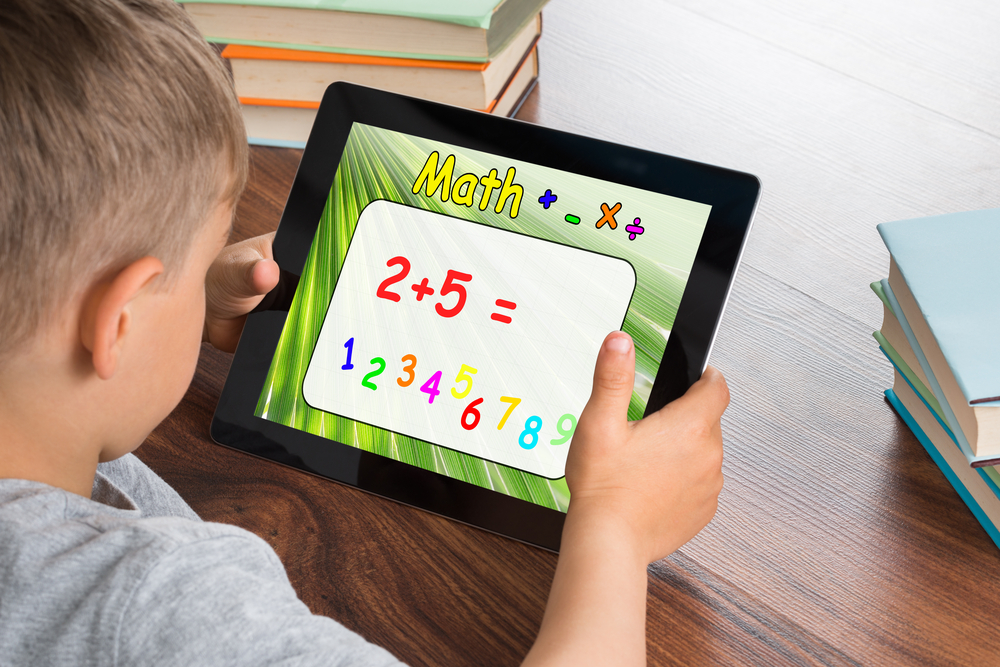


Logical thinking reading skills are crucial for children aged 3-9 as they lay the foundation for cognitive development and academic success. During these formative years, children's brains undergo rapid development, and engaging them in logical thinking activities fosters critical reasoning, problem-solving, and analytical skills. Reading at this stage promotes vocabulary expansion and comprehension, encouraging them to think critically about the material they encounter.
Parents and teachers should prioritize logical thinking reading because it helps children make connections between ideas, enhancing their ability to engage with texts deeply and discerningly. This type of reading often incorporates puzzles, scenarios, and narratives that challenge children to infer, deduce, and evaluate outcomes, honing their reasoning abilities.
Moreover, these skills are not only essential for academic achievement but also equip children with life skills such as decision-making and effective communication. Early exposure to logical thinking through reading creates an environment where curiosity is encouraged and questions are welcomed, fostering a love for learning. Ultimately, investing time in developing logical thinking reading skills ensures that children become thoughtful, analytical, and confident learners, setting the stage for their future educational endeavors.








