Recognizing shapes Reading Worksheets for Ages 3-9
12 filtered results
-
From - To
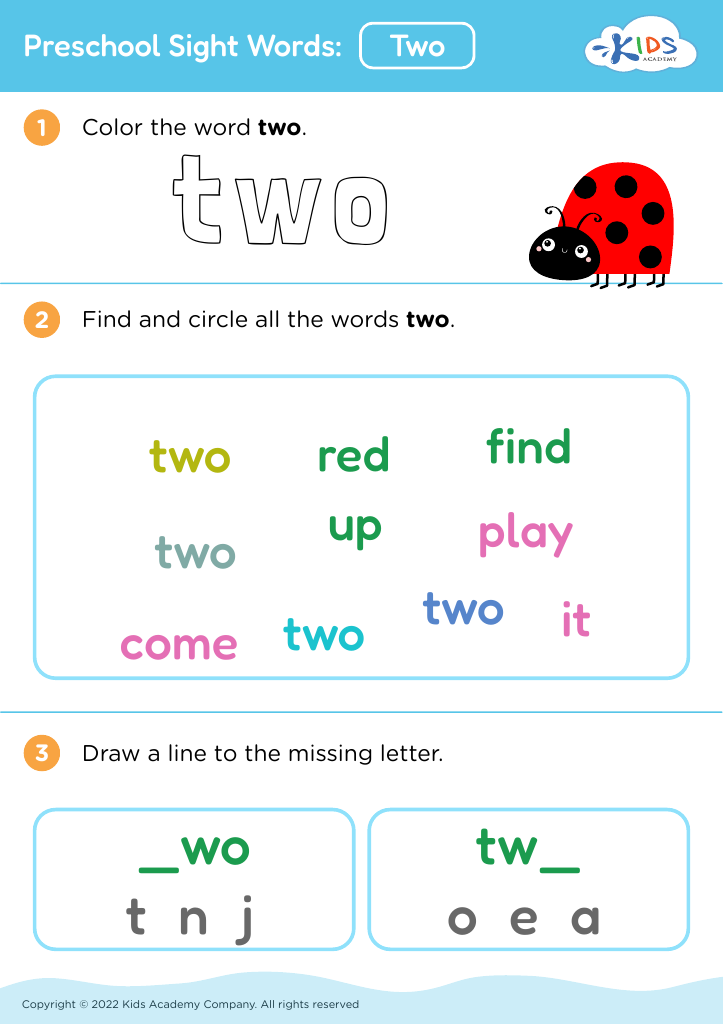
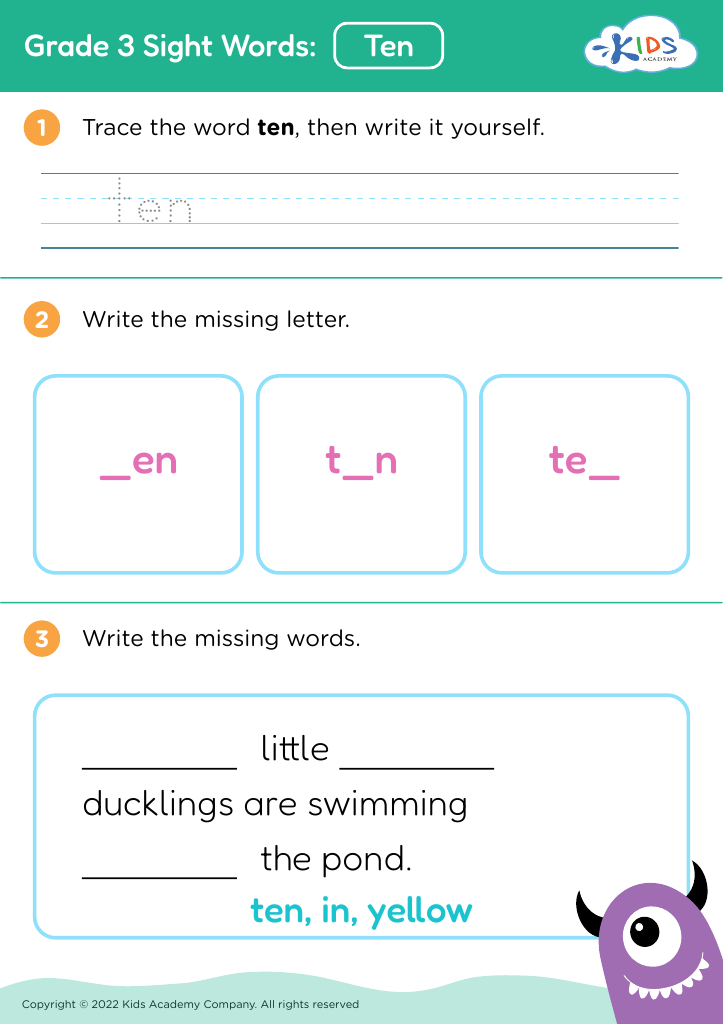
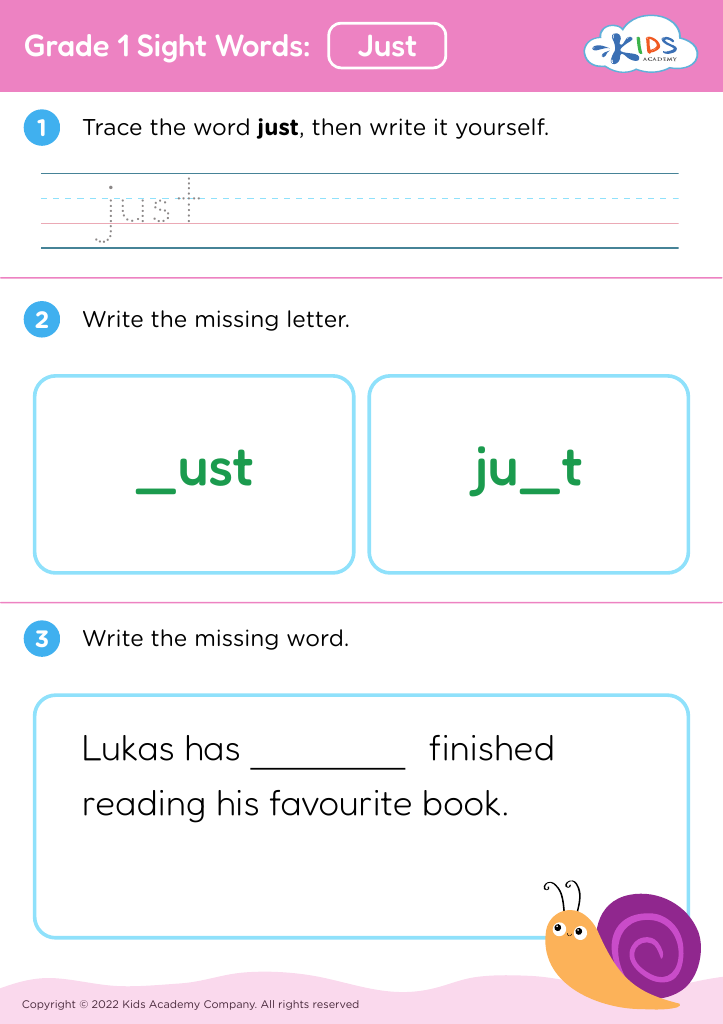
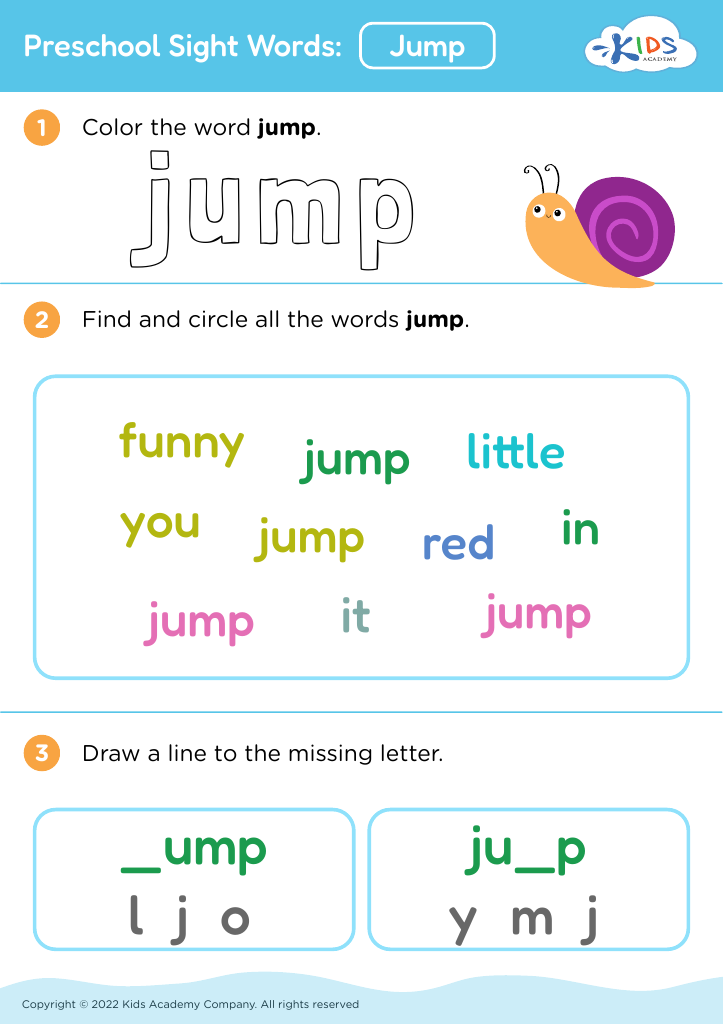
Discover our engaging "Recognizing Shapes" reading worksheets designed for children ages 3 to 9! These interactive activities help young learners identify and understand various shapes through captivating exercises. Our worksheets combine visual aids, fun illustrations, and simple text, making learning about shapes enjoyable and effective. Ideal for parents and educators, these printable resources promote essential literacy skills while reinforcing shape recognition. Whether at home or in the classroom, these worksheets support early learners as they explore shapes in everyday life. Dive into our collection and watch your child build confidence in their reading and shape identification abilities today!
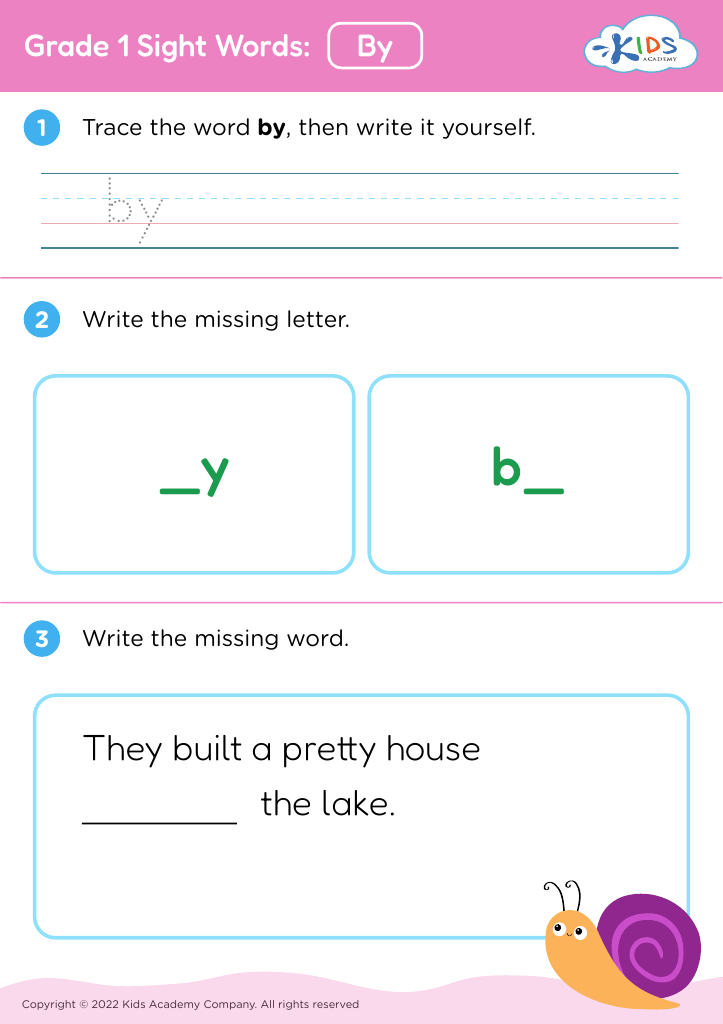
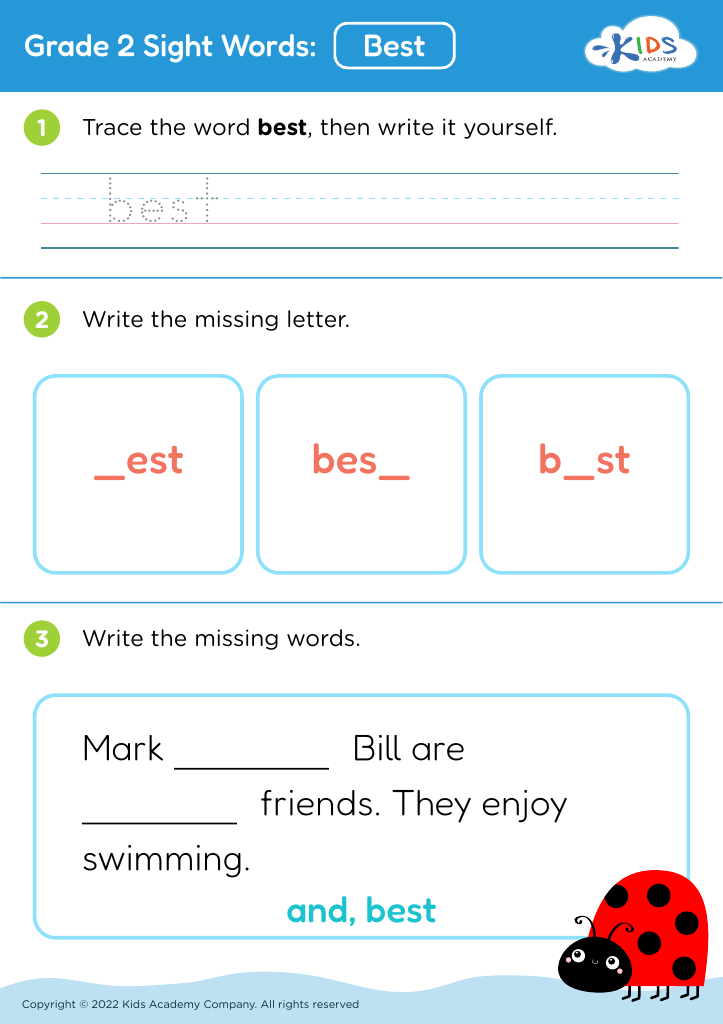
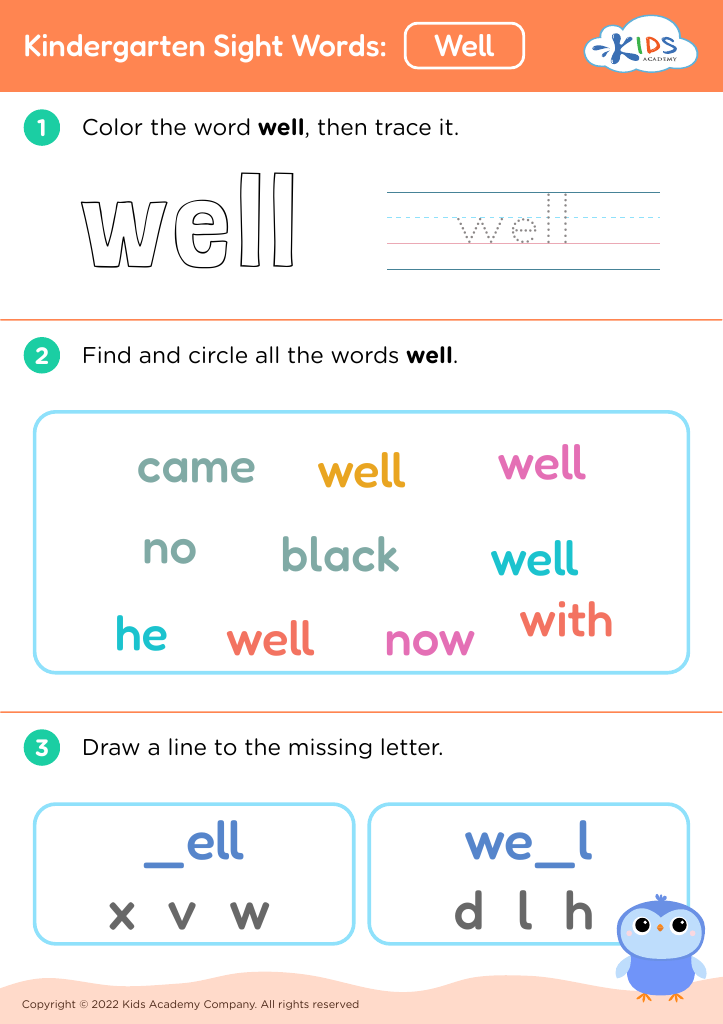
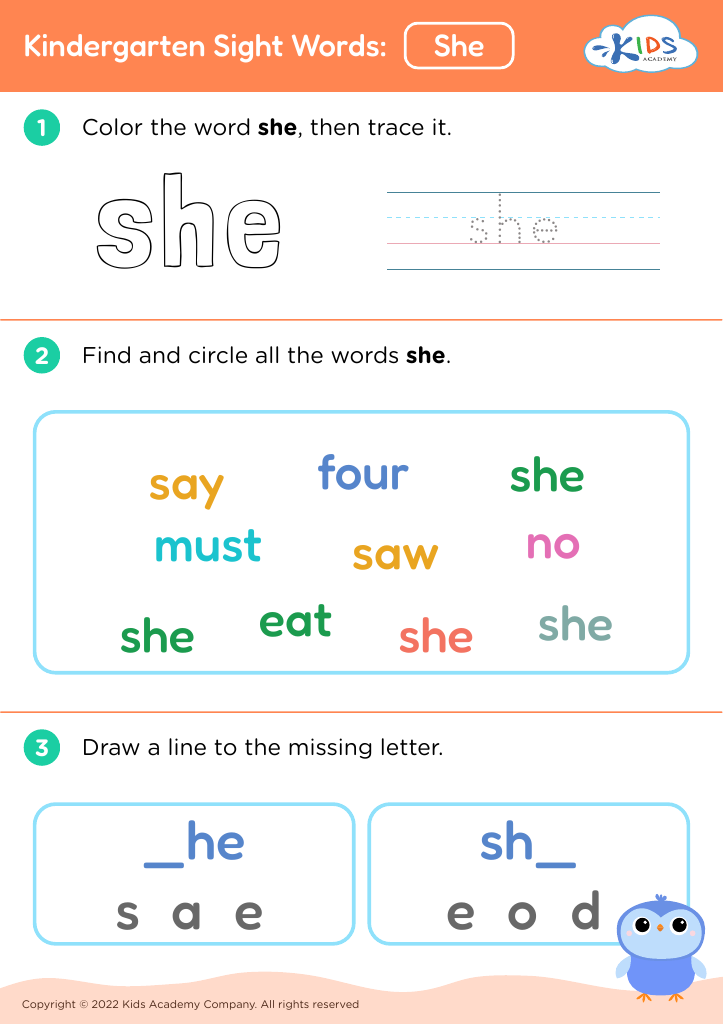







Recognizing shapes is a fundamental skill in early childhood development that lays the groundwork for more advanced mathematical and cognitive abilities. For children aged 3-9, understanding shapes not only enhances their spatial awareness but also fosters critical thinking and problem-solving skills. By engaging with shapes, children learn to classify, compare, and relate objects, which is essential for developing logical reasoning.
Parents and teachers should prioritize shape recognition because it is interwoven with other essential learning areas, such as reading and writing. Many letters and numbers incorporate shapes, making comprehension more accessible when students are familiar with geometric concepts. Furthermore, recognizing shapes can enhance vocabulary acquisition, as children learn to articulate their observations and experiences related to shapes in their environment.
Additionally, shape recognition promotes sensory exploration and creativity. Activities involving shapes, such as drawing, building, and crafting, encourage fine motor skills and artistic expression. Engaging children in shape-related activities can also aid in making learning fun and interactive, fostering a lifelong love for education.
In summary, emphasizing shape recognition during early childhood is crucial for developing essential cognitive skills, enhancing literacy, and encouraging exploration and creativity. It provides a strong foundation for learners as they embark on their educational journeys.








