Vocabulary improvement Reading Worksheets for Ages 3-9
3 filtered results
-
From - To
Enhance your child's vocabulary with our engaging Vocabulary Improvement Reading Worksheets, specially designed for ages 3-9. These worksheets provide a fun and interactive way for young learners to expand their word knowledge while developing essential reading skills. Featuring colorful illustrations and age-appropriate activities, our resources encourage creativity and critical thinking, making learning enjoyable. Each worksheet focuses on thematic vocabulary, providing kids with context to understand and remember new words. Perfect for classrooms, homeschooling, or extra practice at home, our vocabulary worksheets ensure that children build a strong linguistic foundation, setting them on a path to reading success. Download and inspire learning today!
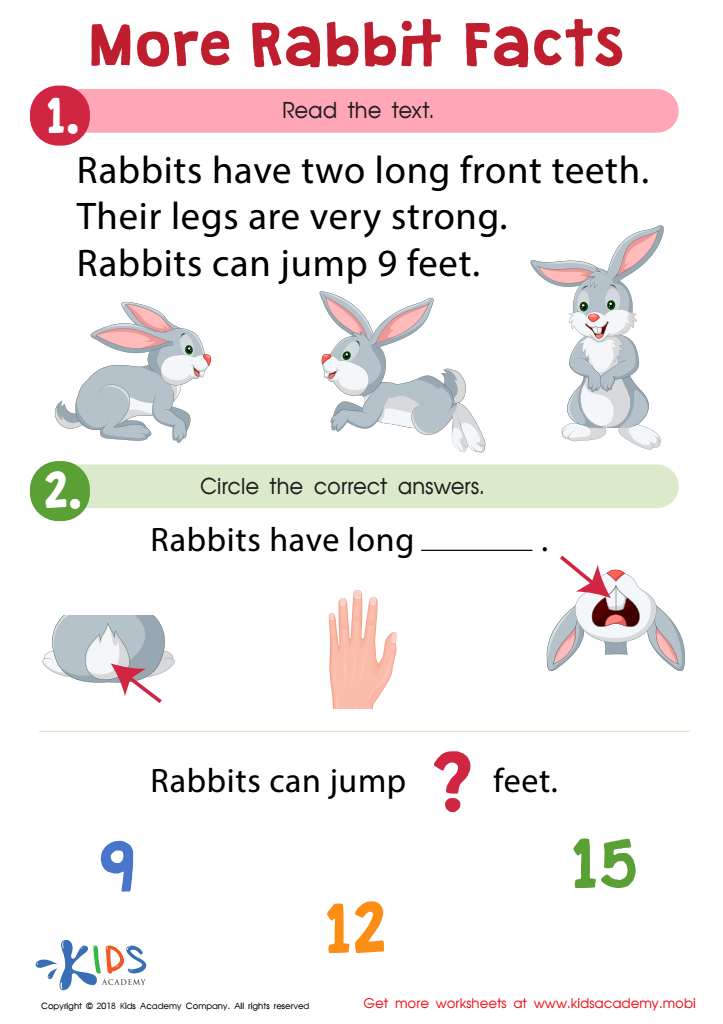
More Rabbit Facts Worksheet
 Assign to My Students
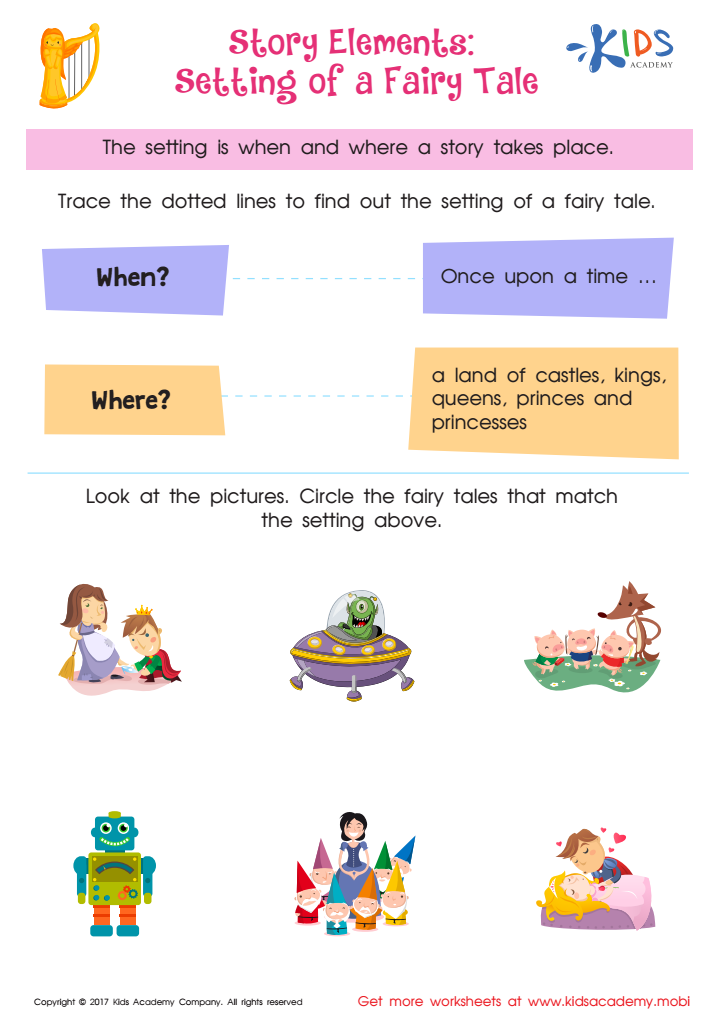
Story Elements: Setting of a Fairy Tale Printable
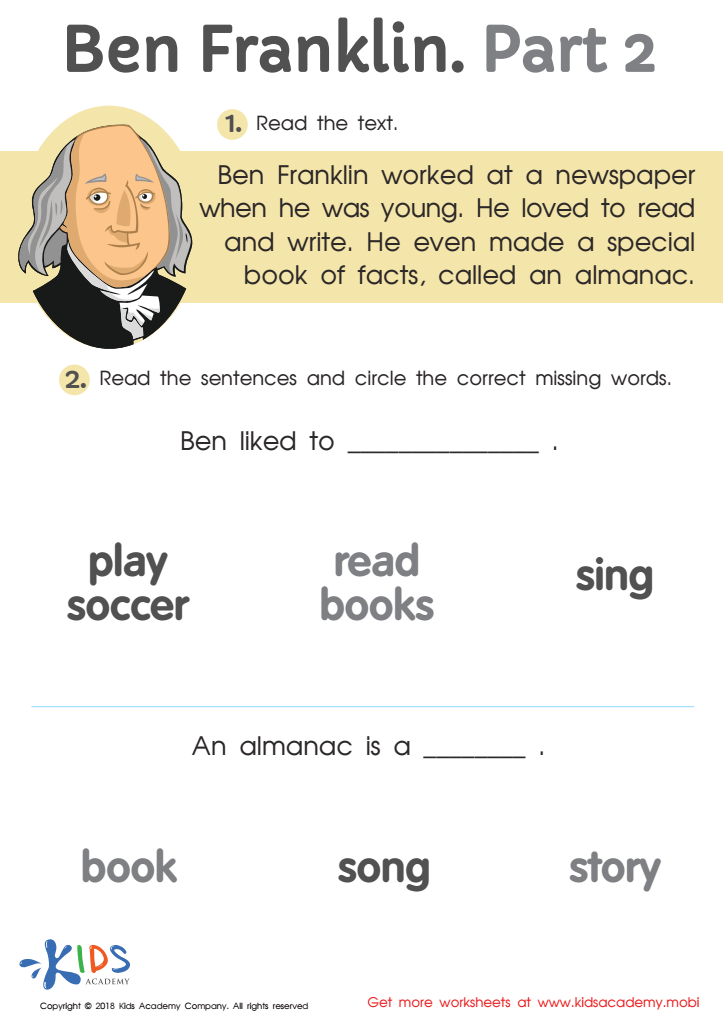
Ben Franklin Part 2 Worksheet








Vocabulary development is crucial for children aged 3-9 as it lays the foundation for effective communication and academic success. A rich vocabulary enhances comprehension and expression, allowing children to articulate their thoughts and emotions clearly. For parents and teachers, focusing on vocabulary improvement during these formative years is essential, as it directly impacts literacy skills and fosters a love of reading.
Early exposure to diverse vocabulary boosts children's understanding of various subjects and concepts, equipping them to tackle more complex material as they progress in their education. Children with strong vocabularies are more likely to excel in standardized tests, contributing to better performance in school.
Moreover, a robust vocabulary enriches a child's social interactions, helping them build relationships and engage with peers effectively. Listening to varied words in stories, conversations, and educational activities provides children with context, making learning enjoyable and memorable.
By prioritizing vocabulary development through reading, conversations, and engaging activities, parents and teachers can empower children to become confident, capable learners. Investing time and effort in this area ultimately paves the way for lifelong success, ensuring children are well-prepared to navigate the complexities of language and communication in their future.








