Word association Reading Worksheets for Ages 3-9
4 filtered results
-
From - To
Discover the joy of learning with our Word Association Reading Worksheets designed for children aged 3-9! These engaging worksheets enhance vocabulary, reading comprehension, and critical thinking skills through fun and interactive activities. Tailored for young learners, our resources offer a variety of word association exercises that foster early literacy development. Whether at home or in the classroom, these worksheets make reading enjoyable while promoting cognitive connections between words. Equip your child with the essential skills they need as they embark on their educational journey. Download our free worksheets today and inspire a lifelong love of reading!
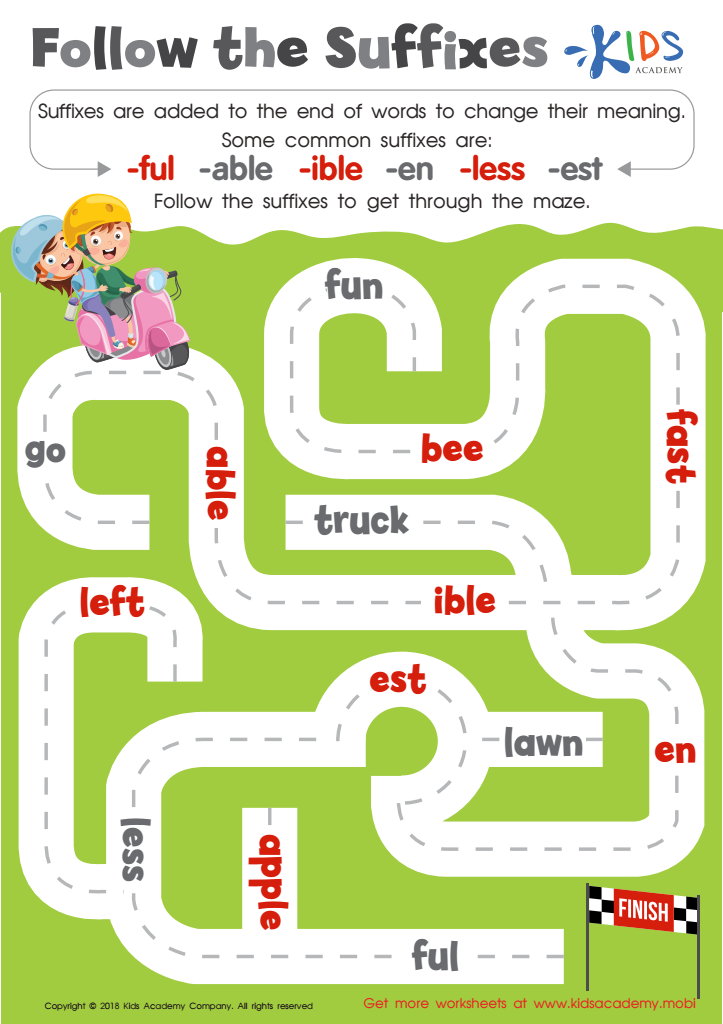
Reading: Follow the Suffixes Worksheet
 Assign to My Students
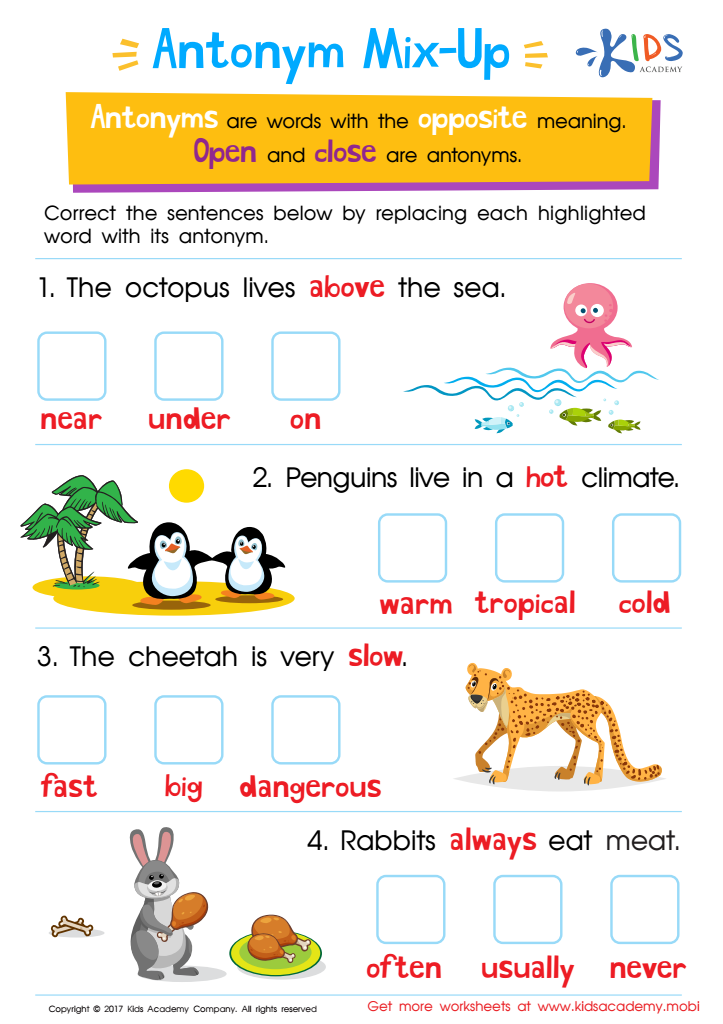
Vocabulary Antonyms Worksheet
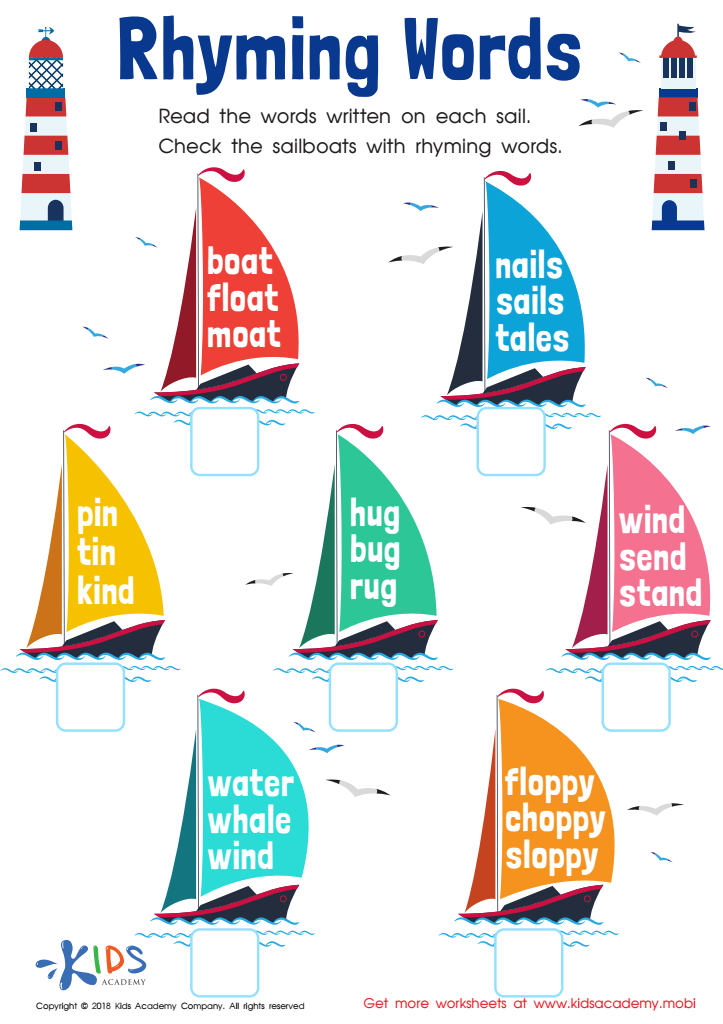
Rhyming Words Worksheet
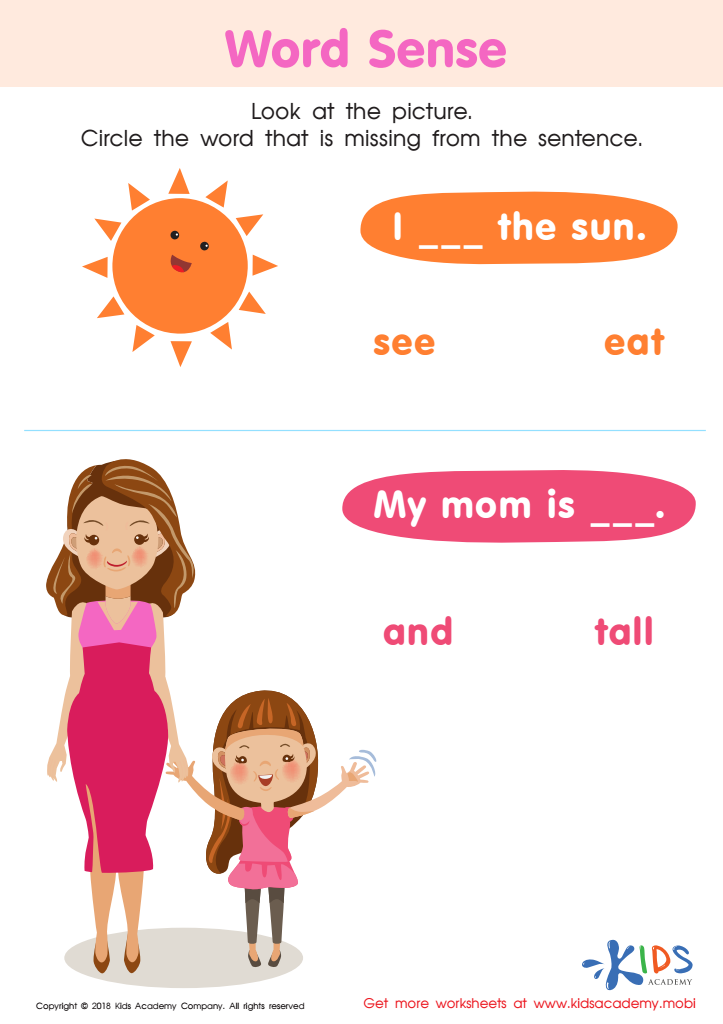
Word Sense Worksheet








Word association reading is a crucial aspect of literacy development for children ages 3-9, and it's essential for parents and teachers to prioritize it. This reading technique encourages children to connect words with their meanings and contexts, fostering vocabulary expansion and cognitive development. Engaging in word associations can help children recognize patterns and relationships between words, making reading more enjoyable and less daunting.
By participating in word association activities, children enhance their critical thinking skills and improve comprehension. This method also promotes phonemic awareness, an important skill for early reading success. As children make connections between related words, they build a foundation for more complex language skills, setting the stage for lifelong literacy.
Moreover, word association reading supports social and emotional development. When teachers and parents participate in these activities together, they create bonding moments that enrich the child's learning experience. It provides an opportunity for guided discussion, making reading more interactive and meaningful.
Ultimately, prioritizing word association reading cultivates a love for language, helps in developing essential communication skills, and prepares children for academic success. For these reasons, parents and teachers should actively engage children in such reading activities during these formative years.








