Enhancing vocabulary Reading Comprehension Worksheets for Ages 3-9
5 filtered results
-
From - To
Unlock your child's potential with our "Enhancing Vocabulary Reading Comprehension Worksheets," specially designed for ages 3-9. These engaging worksheets promote vocabulary growth while reinforcing reading skills essential for early learners. Our age-appropriate activities encourage children to explore new words in context, enhancing their understanding and enjoyment of reading. Each worksheet is crafted to facilitate comprehension through fun exercises like matching, fill-in-the-blanks, and word games. With our resources, children will develop confidence in their reading abilities, paving the way for lifelong learning. Start building your child's vocabulary foundation today and watch their comprehension skills soar!
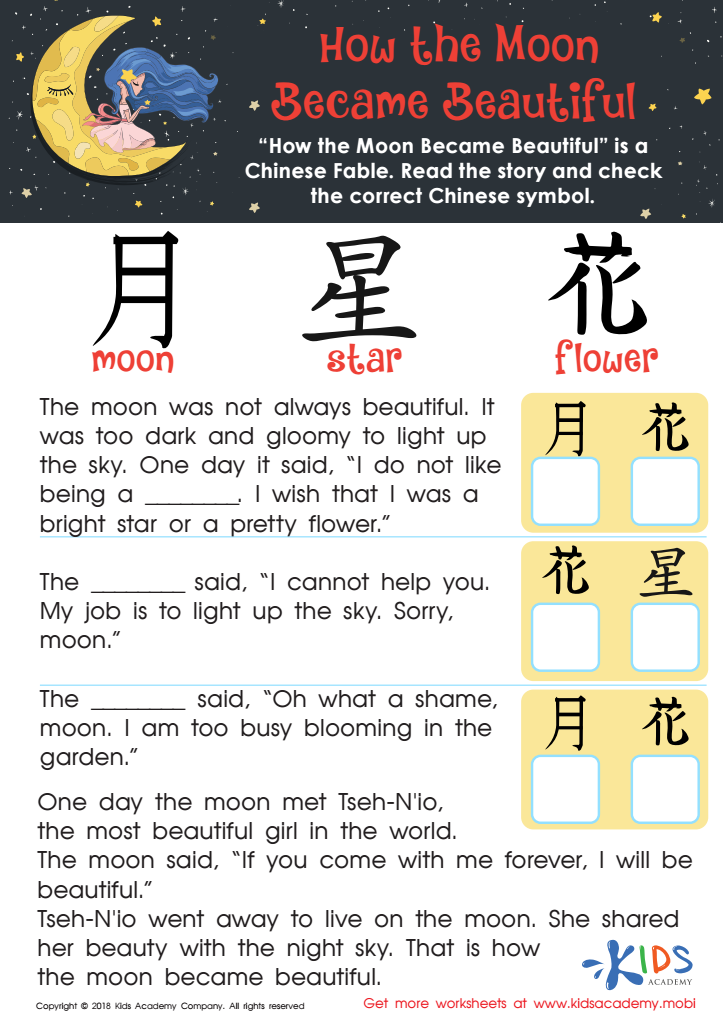
How the Moon Became Beautiful Worksheet
 Assign to My Students
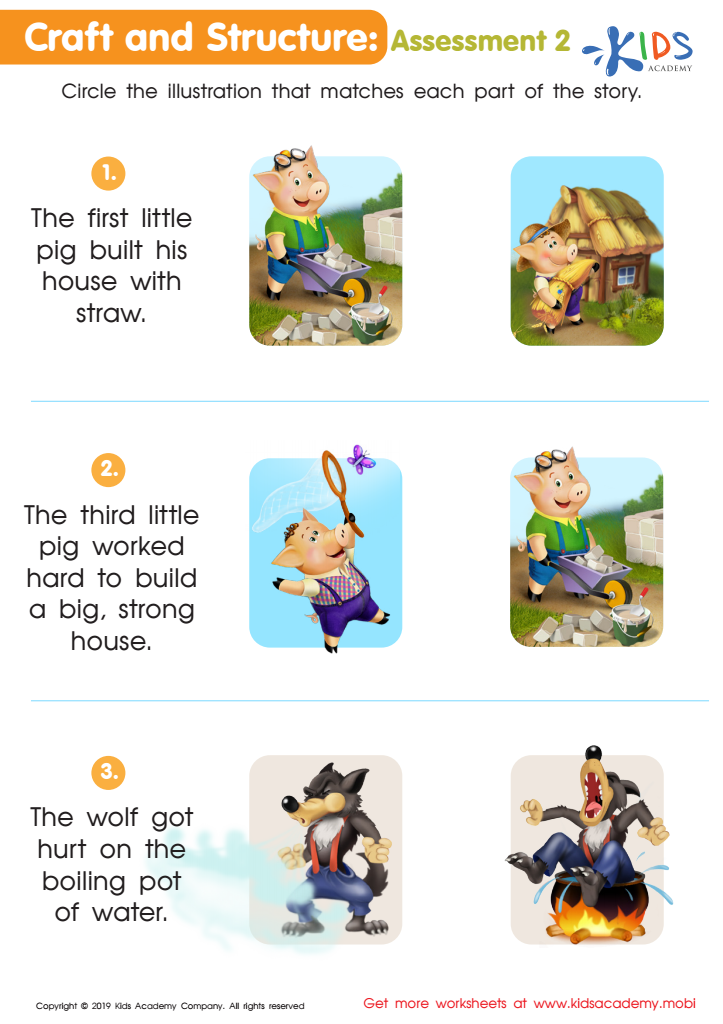
Craft and Structure: Assessment 2 Worksheet 2
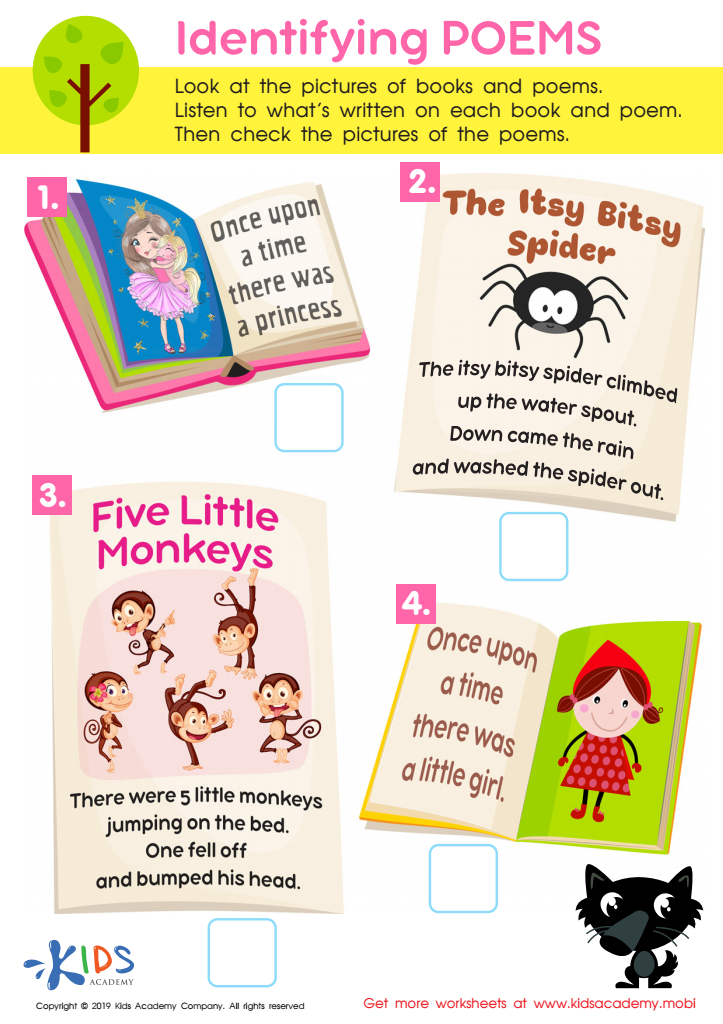
Identifying Poems Worksheet
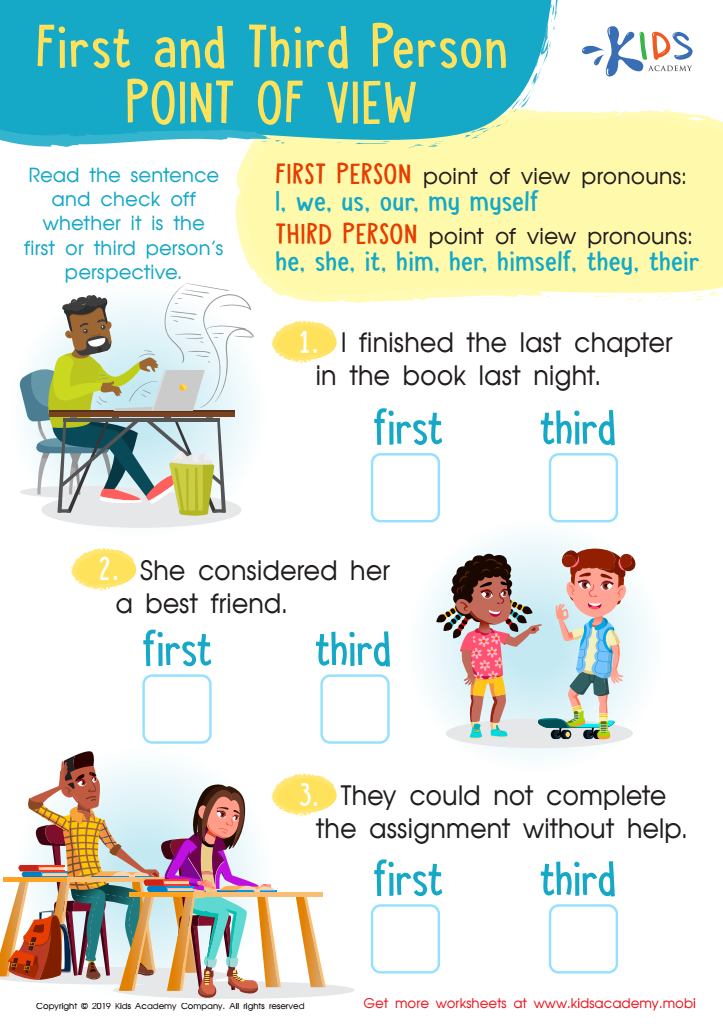
First and Third Person Point of View Worksheet
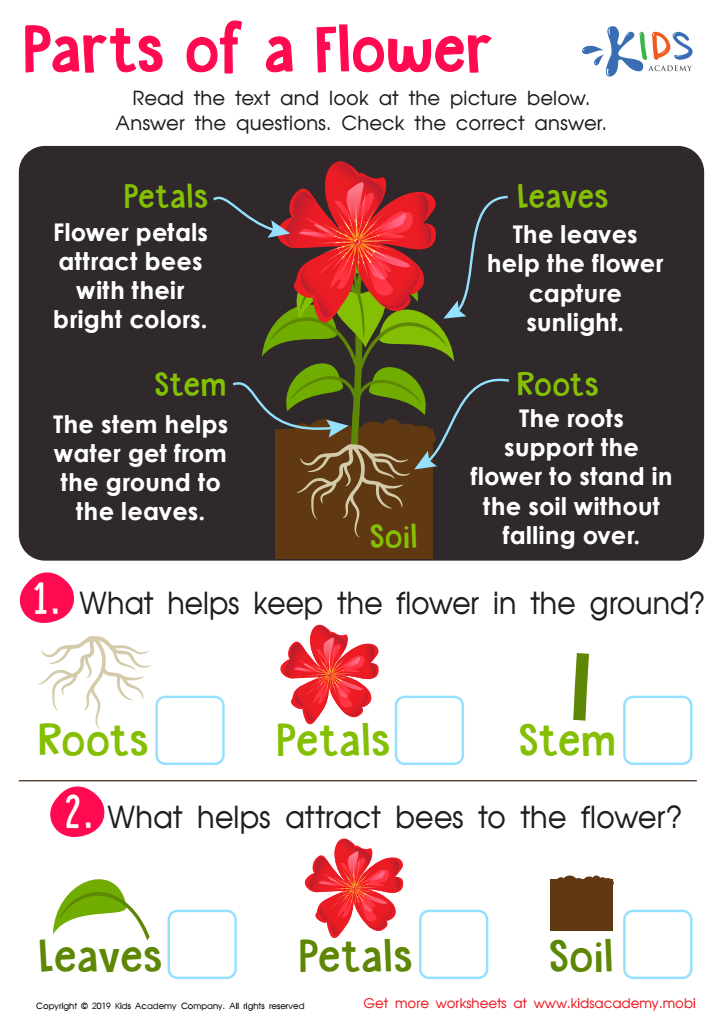
Parts of Flower Worksheet








Enhancing vocabulary and reading comprehension for children ages 3-9 is crucial for their overall language development and academic success. At this early age, children are rapidly acquiring language skills, and a rich vocabulary is fundamental to expressing thoughts and ideas effectively. When children have a strong vocabulary foundation, they are better equipped to understand and interpret texts, leading to improved reading comprehension.
Strong reading comprehension skills are essential for future learning across all subjects. Children with enhanced vocabulary can grasp complex concepts, follow narratives, and critically analyze information. This ability fosters a love for reading, encouraging them to explore stories and non-fiction materials, broadening their horizons.
Moreover, increased vocabulary and comprehension contribute to greater confidence in communication, empowering children to engage in discussions and share their perspectives. This is vital for social interactions and cooperative learning experiences.
For teachers and parents, fostering vocabulary development and reading comprehension creates a strong foundation for lifelong learning. Engaging them through interactive story-telling, discussions, and vocabulary games nurtures curiosity and cognitive skills. By prioritizing these areas, we equip children with the tools necessary for successful communication and academic achievement both now and in the future.








