Spelling practice Reading Comprehension Worksheets for Ages 3-9
9 filtered results
-
From - To
Discover our Spelling Practice Reading Comprehension Worksheets, designed for children ages 3-9. These vibrant, engaging worksheets help young learners build essential spelling and reading comprehension skills through fun activities. Perfect for early grade students, our exercises feature appealing illustrations and age-appropriate passages that captivate children’s attention while aiding in letter recognition, vocabulary expansion, and sentence formation. Each worksheet offers diverse challenges to meet various learning styles and skill levels, ensuring comprehensive development in spelling and reading comprehension. Ideal for both classroom and at-home practice, our resources make learning an enjoyable and rewarding experience for every child.
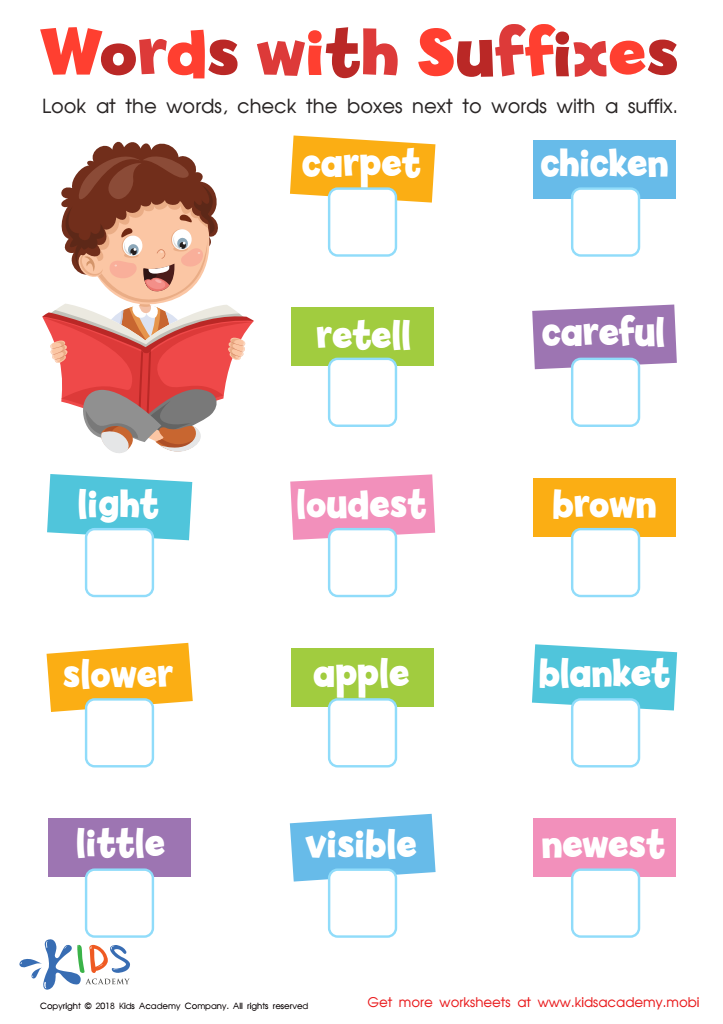
Reading: Words With Suffixes Worksheet
 Assign to My Students
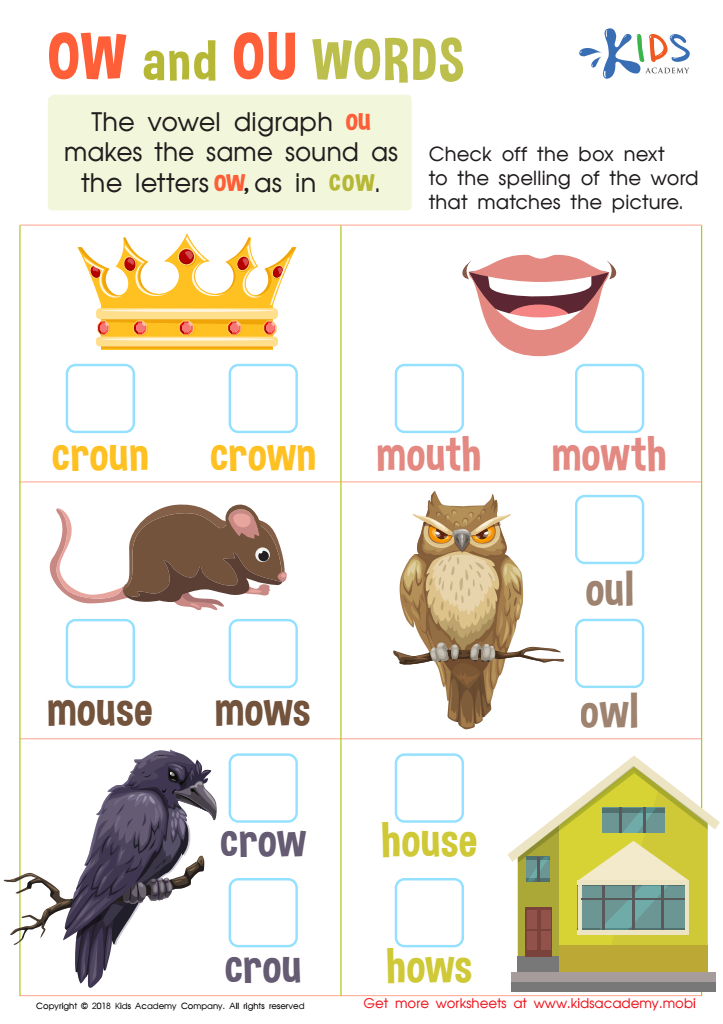
Reading: OW and OU Words Worksheet
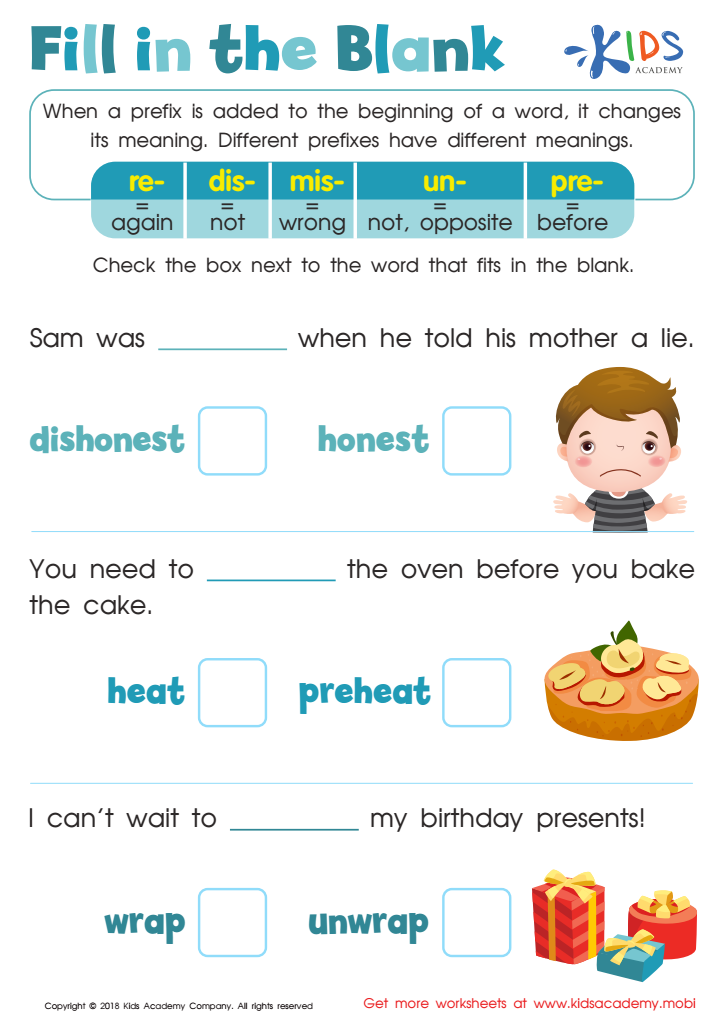
Reading: Fill in the Blank Worksheet
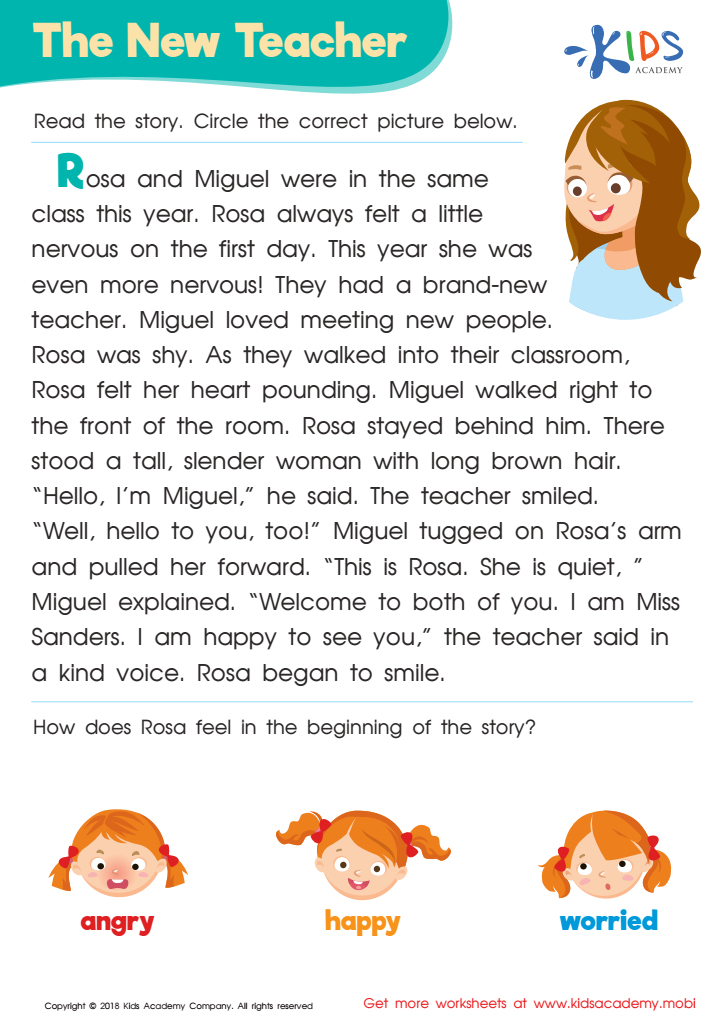
The New Teacher Worksheet
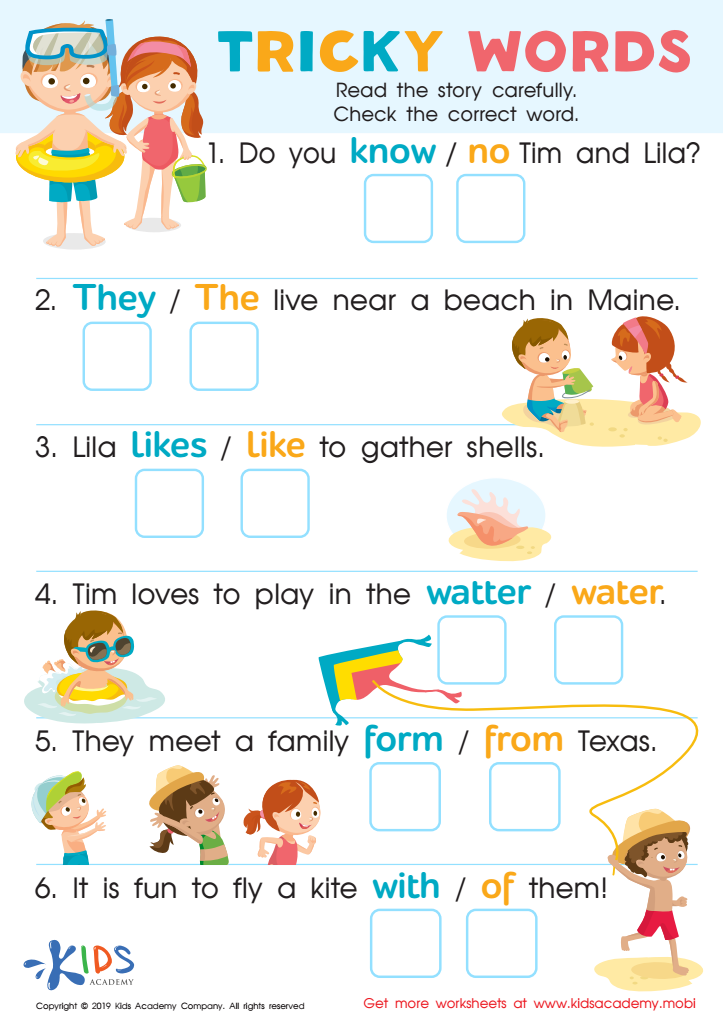
Tricky Words Worksheet
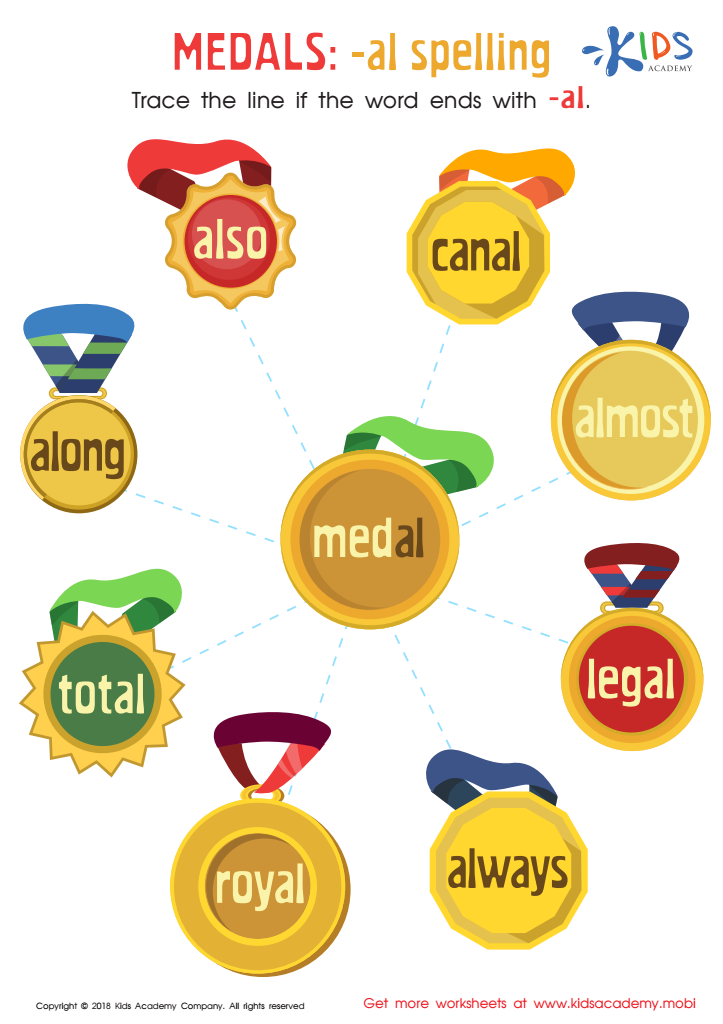
Medals: Al Spelling Worksheet
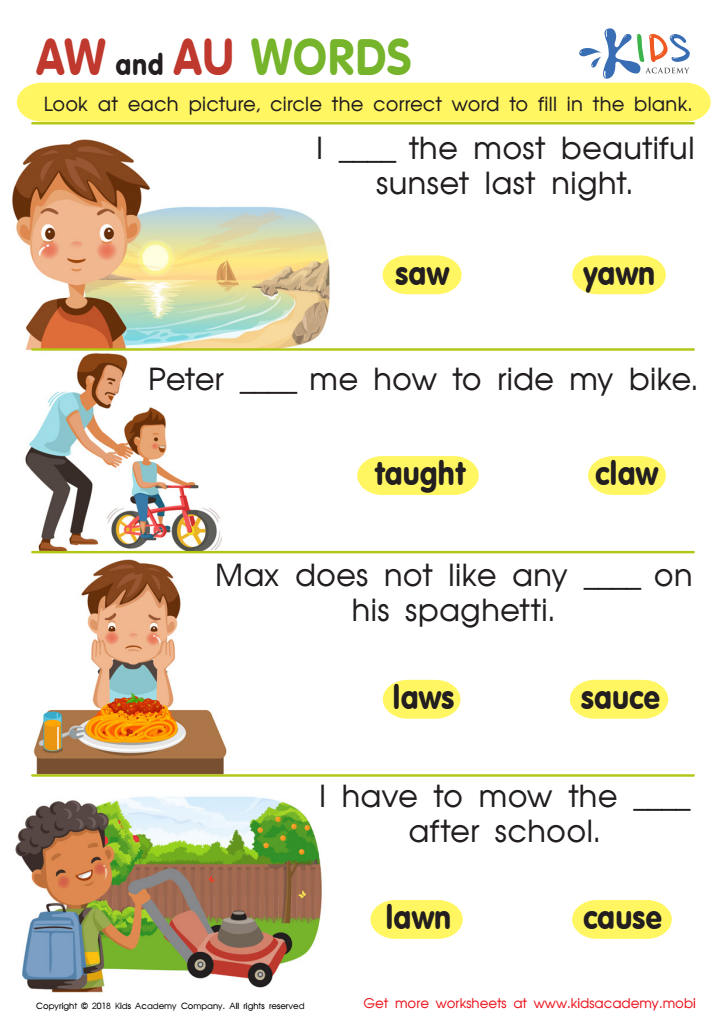
Reading: AW and AU Words Worksheet
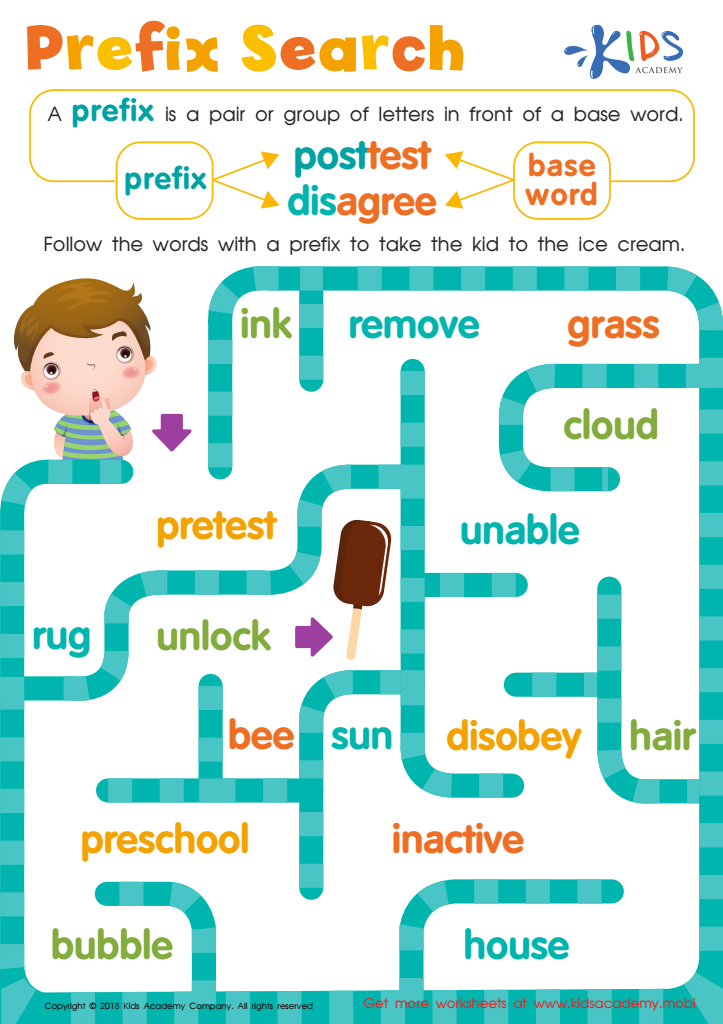
Reading: Prefix Search Worksheet
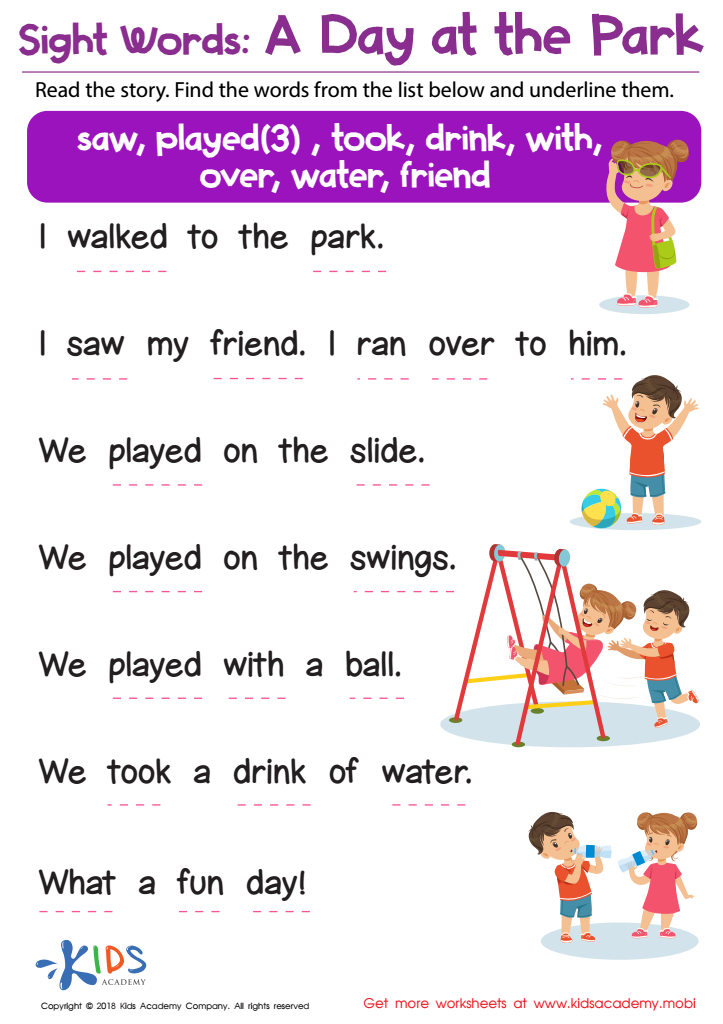
Sight Words: A Day at the Park Worksheet








Spelling practice and reading comprehension are foundational skills that significantly impact a child's overall educational journey. During the early years, ages 3-9, children's brains are incredibly receptive to new information and skills, making this an ideal period to instill strong language and literacy abilities.
Spelling practice goes beyond just being able to write words correctly. It enhances vocabulary, phonemic awareness, and the understanding of word structures. When children learn to spell, they become more adept at recognizing and processing words, which directly translates to improved reading fluency and comprehension.
Reading comprehension, on the other hand, is the ability to understand and make meaning from text. It's not just about reading the words but grasping the concepts, stories, and information conveyed. Good comprehension skills are imperative for academic success across all subjects, as they enable children to understand assignments, follow directions, and absorb new information.
Combined, spelling and reading comprehension strengthen each other. Practicing spelling helps children decode words during reading, while reading broadens their word exposure, reinforcing spelling patterns. Focused practice in these areas encourages a love for reading and learning, fosters critical thinking, and builds confidence. For parents and teachers, prioritizing these skills is an investment in a child's future academic achievements and lifelong intellectual curiosity.








