Word Recognition Reading Comprehension Worksheets for Ages 3-9
8 filtered results
-
From - To
Discover engaging Word Recognition Reading Comprehension Worksheets designed specifically for children ages 3-9! Our resources enhance early literacy skills through fun and interactive exercises that make learning enjoyable. These worksheets focus on developing essential word recognition abilities, enabling young learners to improve their reading and comprehension skills effectively. With a variety of activities, including matching, filling in the blanks, and reading practice, kids will cultivate confidence in their reading journey. Tailored for home and classroom use, these worksheets are perfect for helping children develop a love for reading while mastering essential skills for academic success. Explore our collection today!
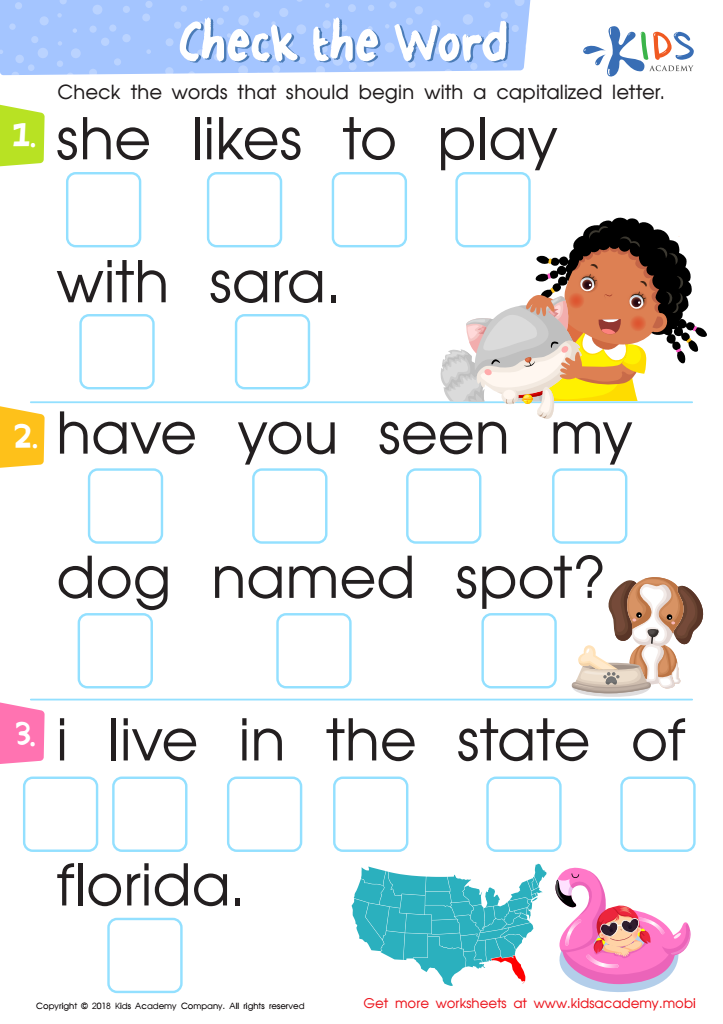
Check the Word Worksheet
 Assign to My Students
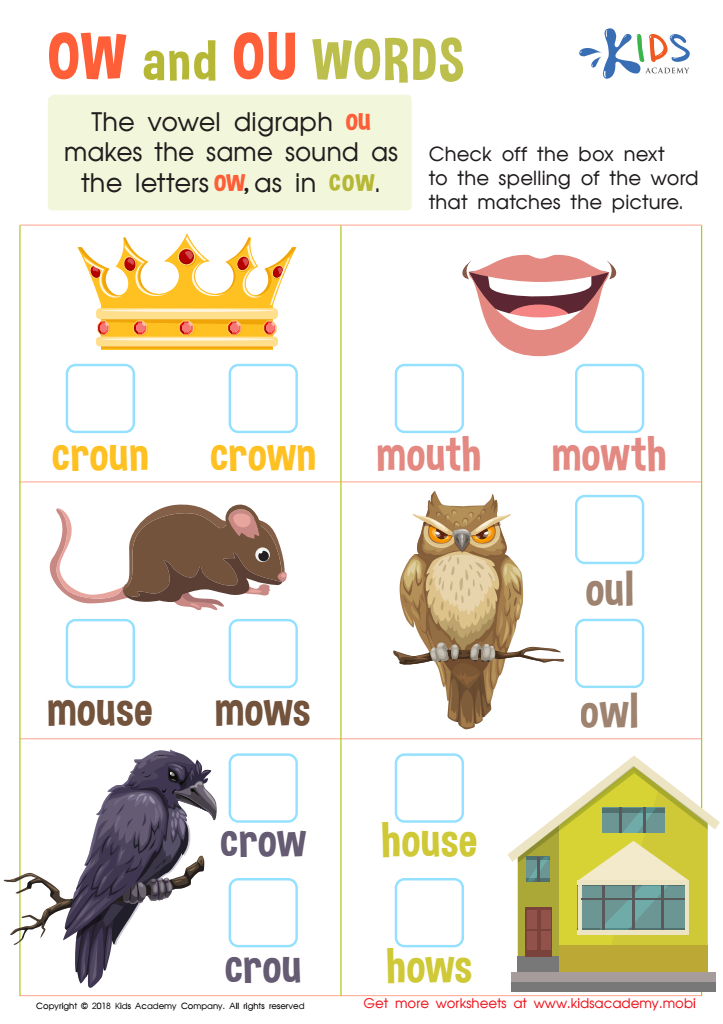
Reading: OW and OU Words Worksheet
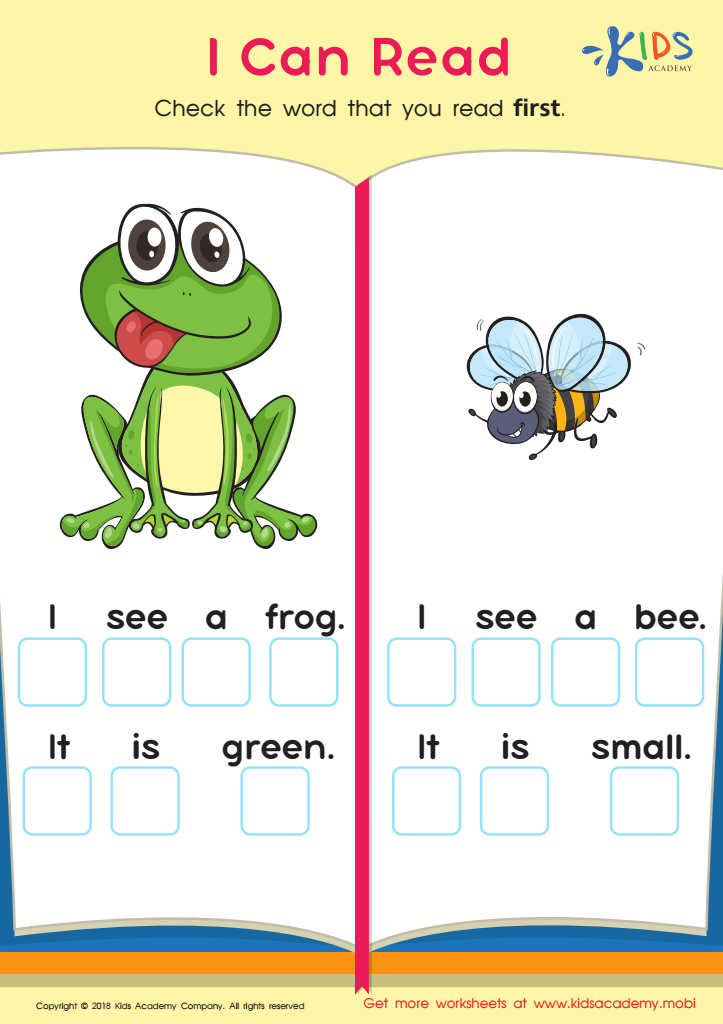
I Can Read Worksheet
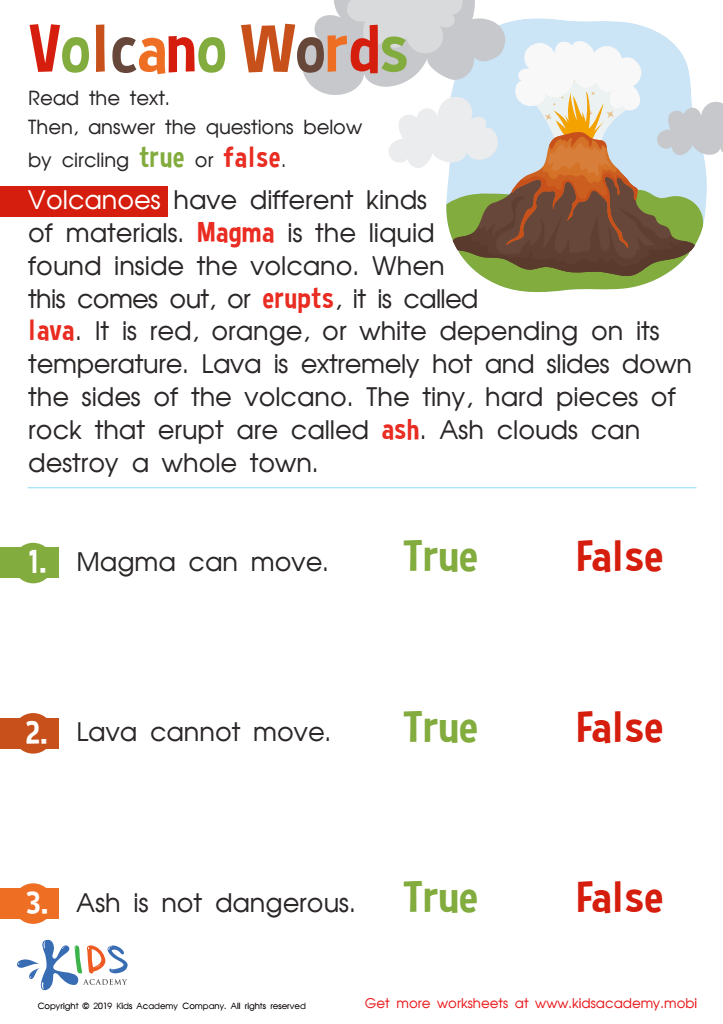
Volcano Words Worksheet
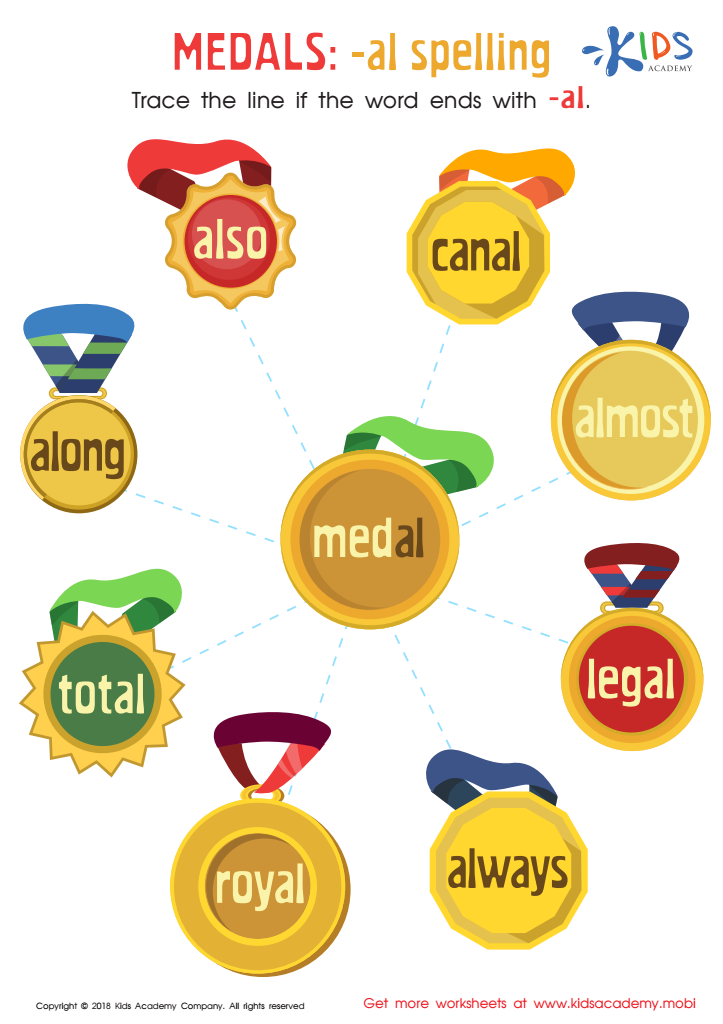
Medals: Al Spelling Worksheet
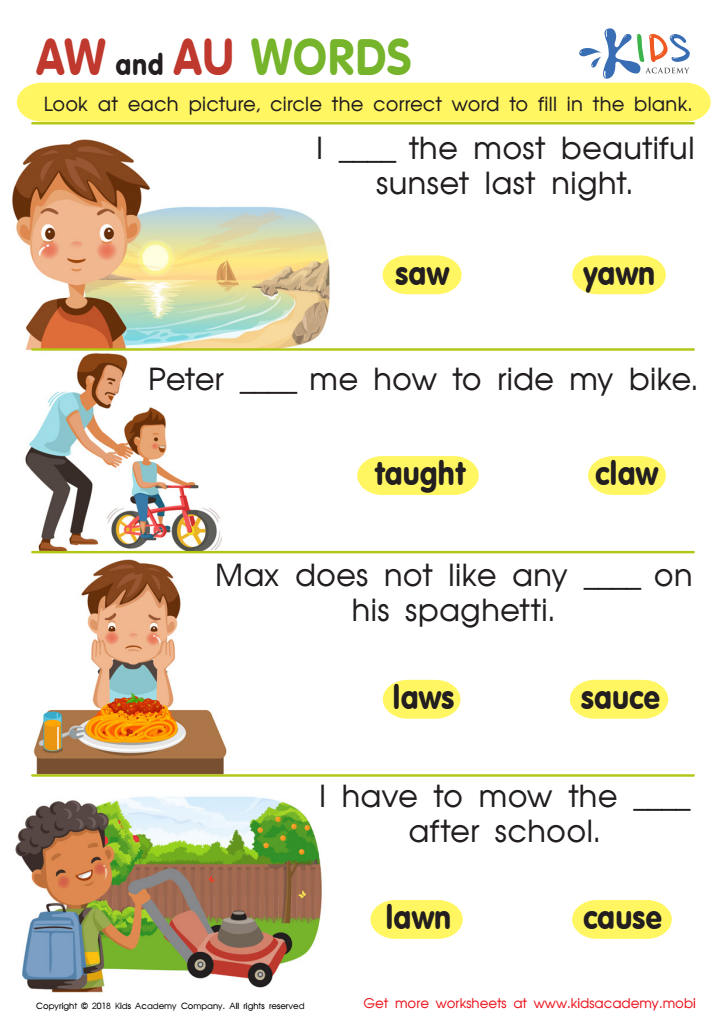
Reading: AW and AU Words Worksheet
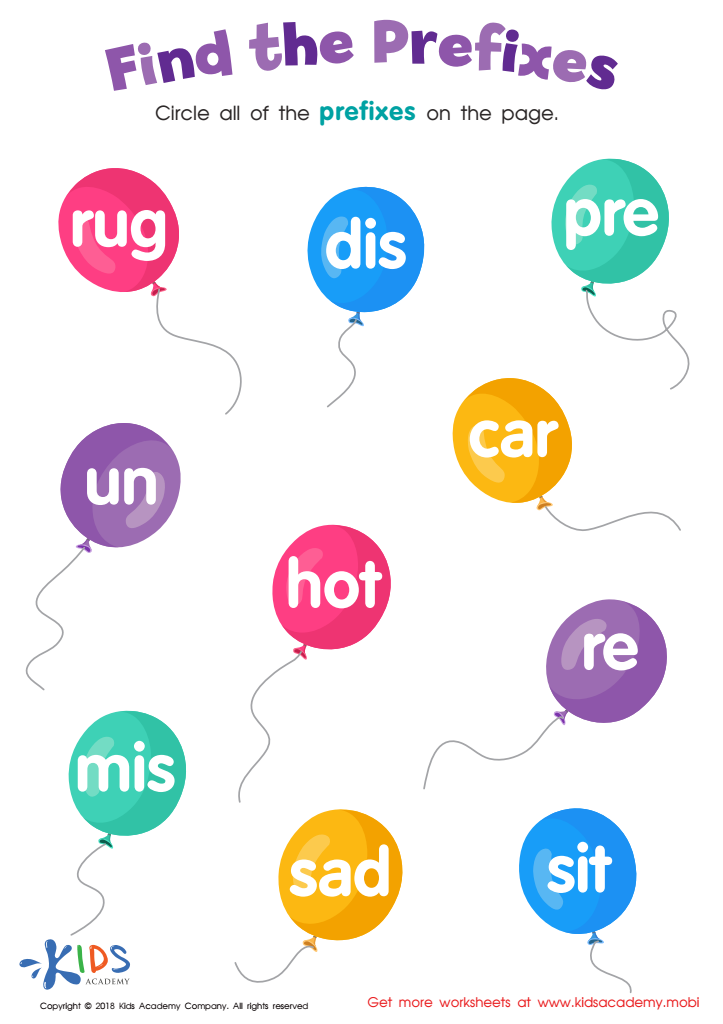
Reading: Find the Prefixes Worksheet
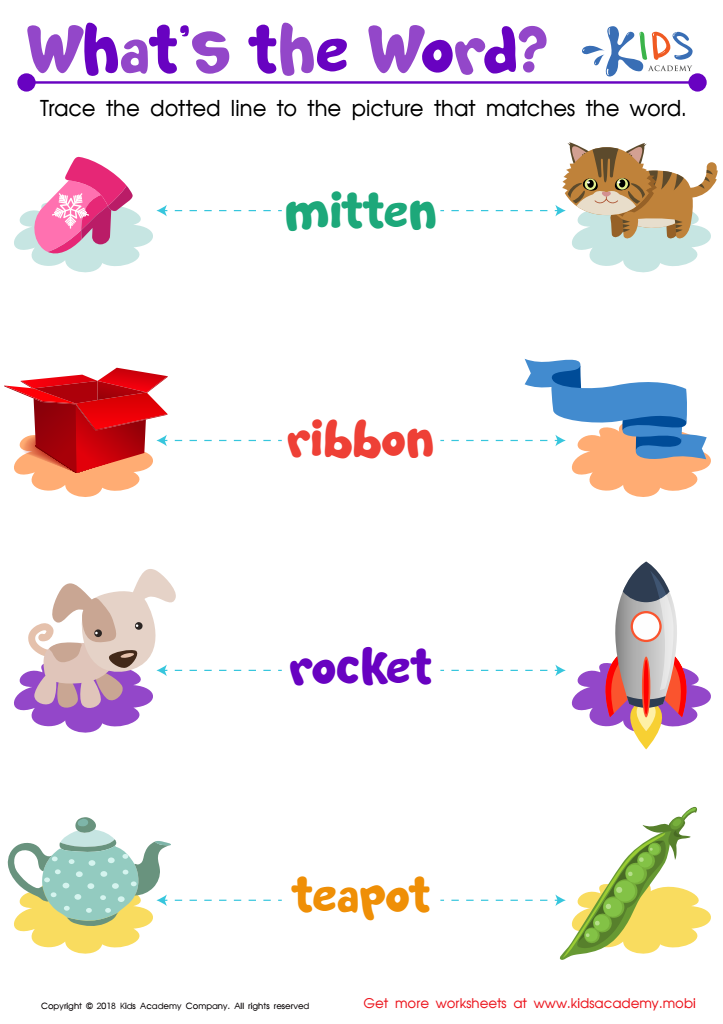
Reading: What's Word Worksheet







.jpg)
Word recognition and reading comprehension are crucial developmental skills for children ages 3-9, laying the foundation for lifelong literacy and learning. Parents and teachers should prioritize these skills because they significantly impact academic success across all subjects. Word recognition, the ability to identify and understand words quickly and accurately, enables young learners to transition from decoding letters to engaging with more complex texts.
At this age, children are particularly receptive to learning and developing language capabilities. Effective word recognition fosters confidence and motivation in reading, encouraging children to explore books independently and become enthusiastic readers. Meanwhile, reading comprehension—the ability to understand and interpret what one reads—ensures that children can derive meaning and make connections from texts.
Higher reading comprehension skills contribute to improved communication abilities, creativity, and critical thinking. Furthermore, these skills foster social and emotional development as children learn to empathize and relate to diverse characters and situations in stories.
By focusing on word recognition and comprehension, parents and teachers can cultivate a strong literacy foundation, empowering children for future academic challenges and instilling a love for reading that can benefit them for years to come. Investing in these skills ultimately shapes brighter futures for young learners.








