Critical Thinking Reading Fiction Worksheets for Ages 3-9 - Page 2
47 filtered results
-
From - To
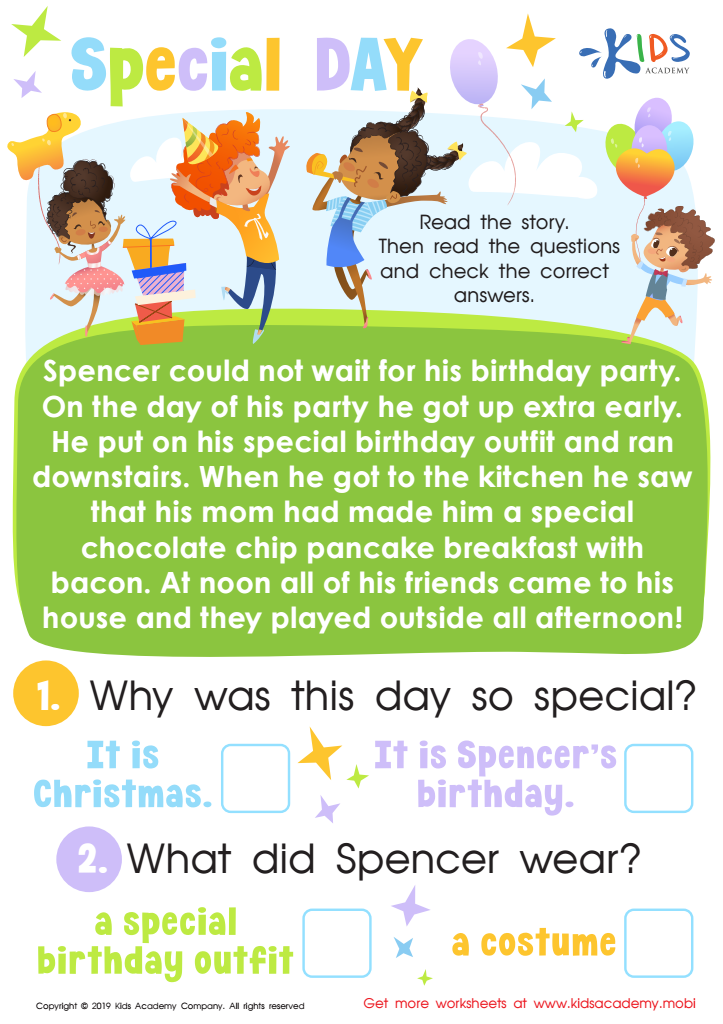
Special Day Worksheet
 Assign to My Students
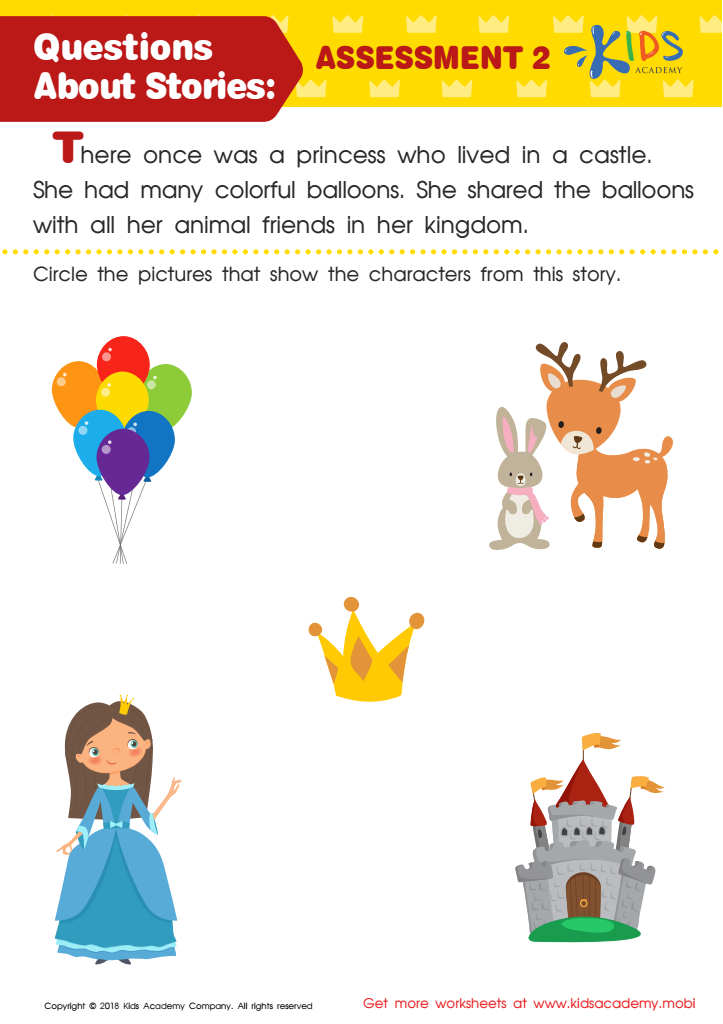
Questions About Stories: Assessment 2 Worksheet
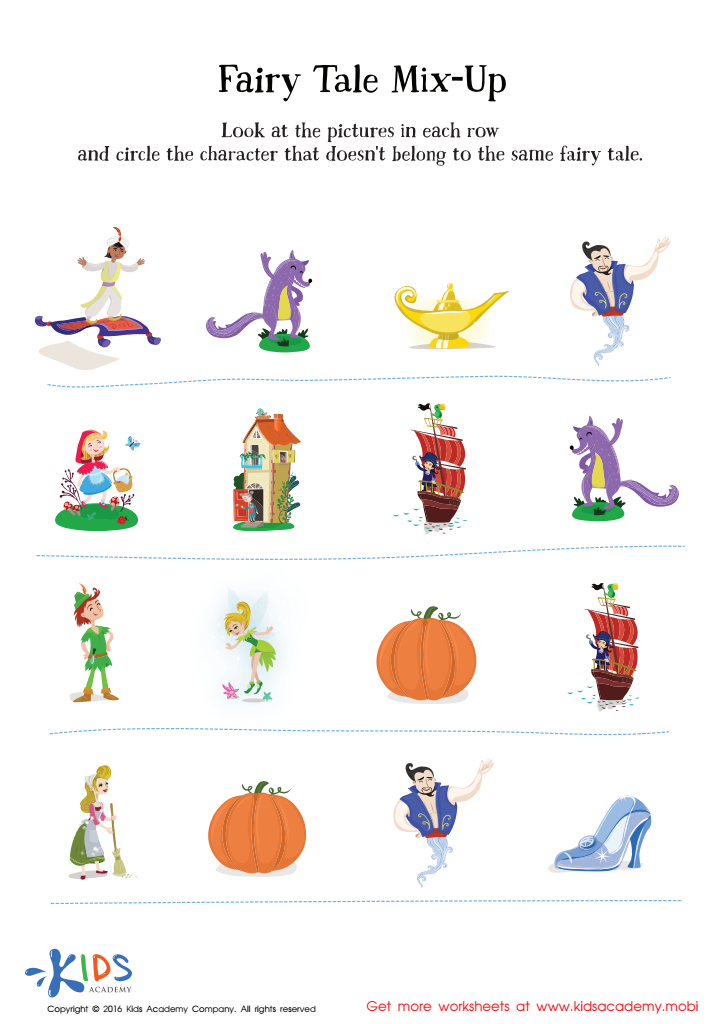
Fairy Tale Worksheet: Story Mix Up
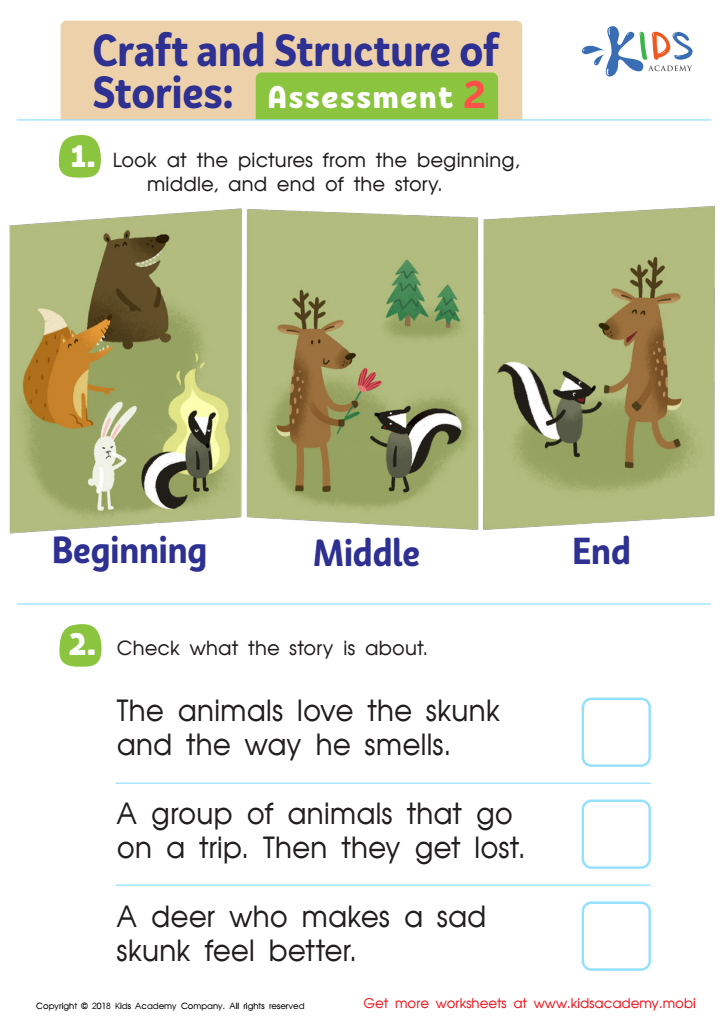
Craft and Structure of Stories: Assessment 2 Worksheet
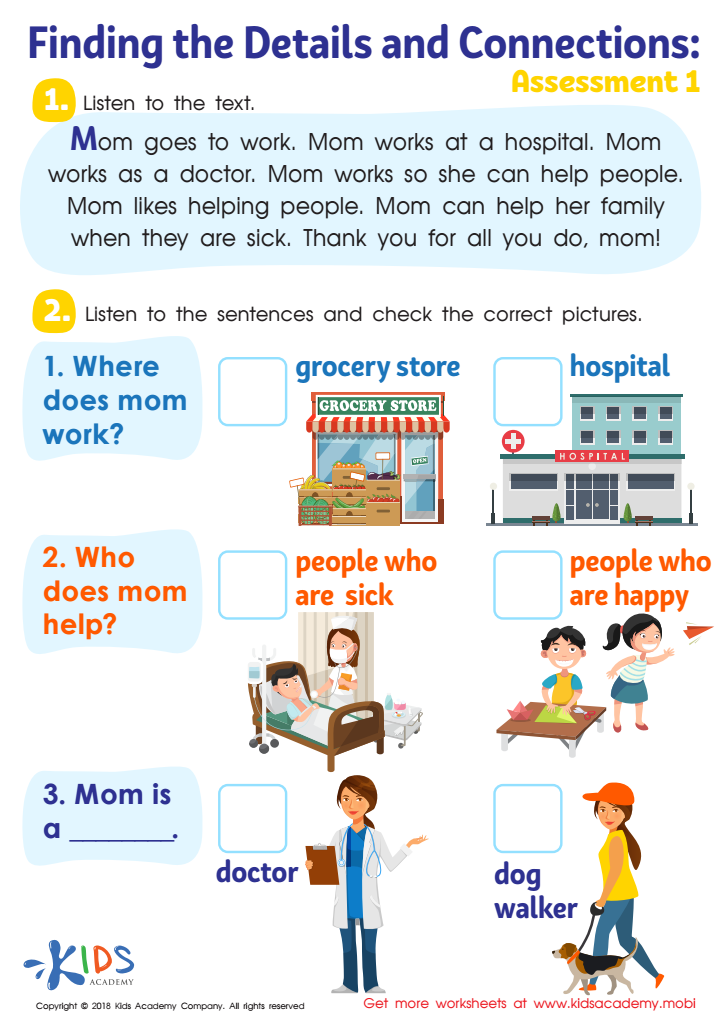
Finding the Details and Connections: Assessment 1 Worksheet
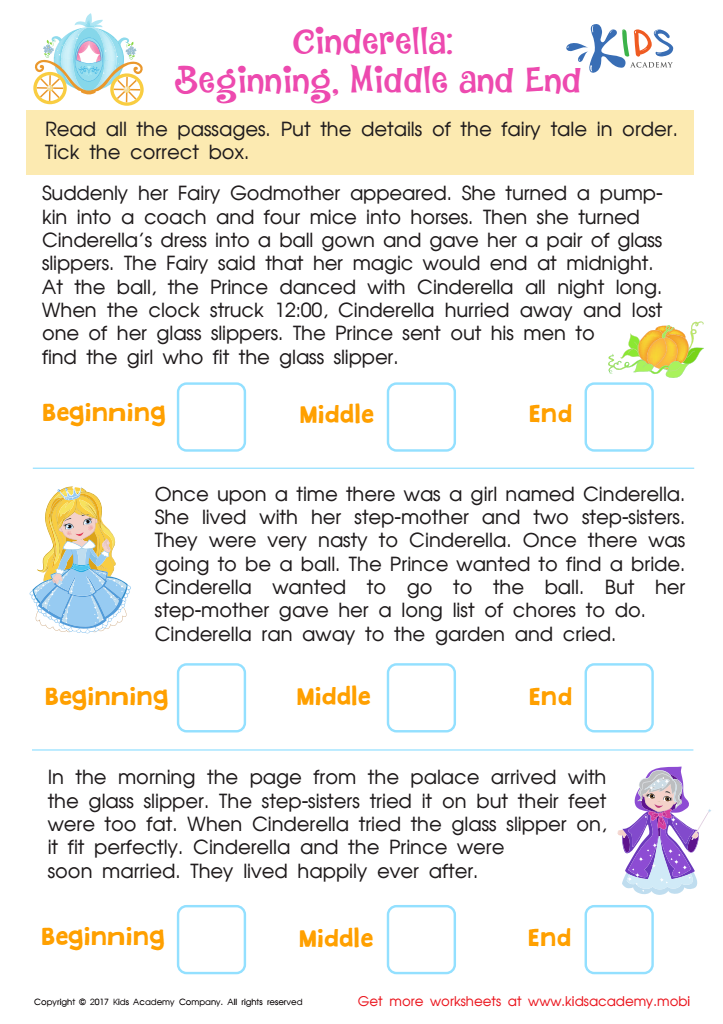
Cinderella: Beginning, Middle and End Worksheet
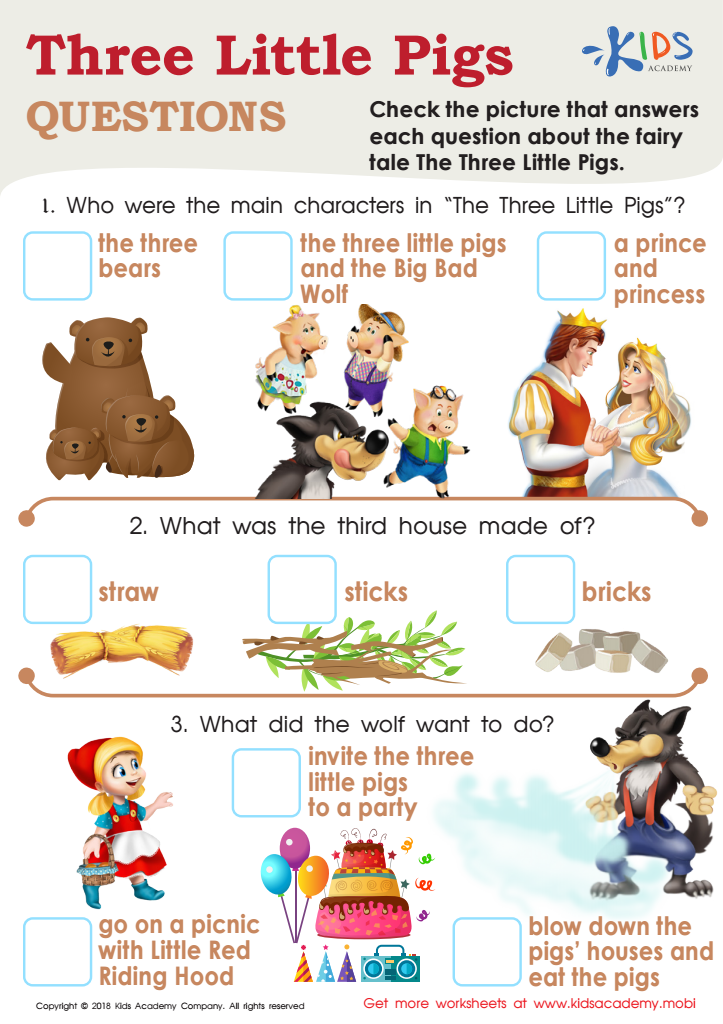
Three Little Pigs Questions Worksheet
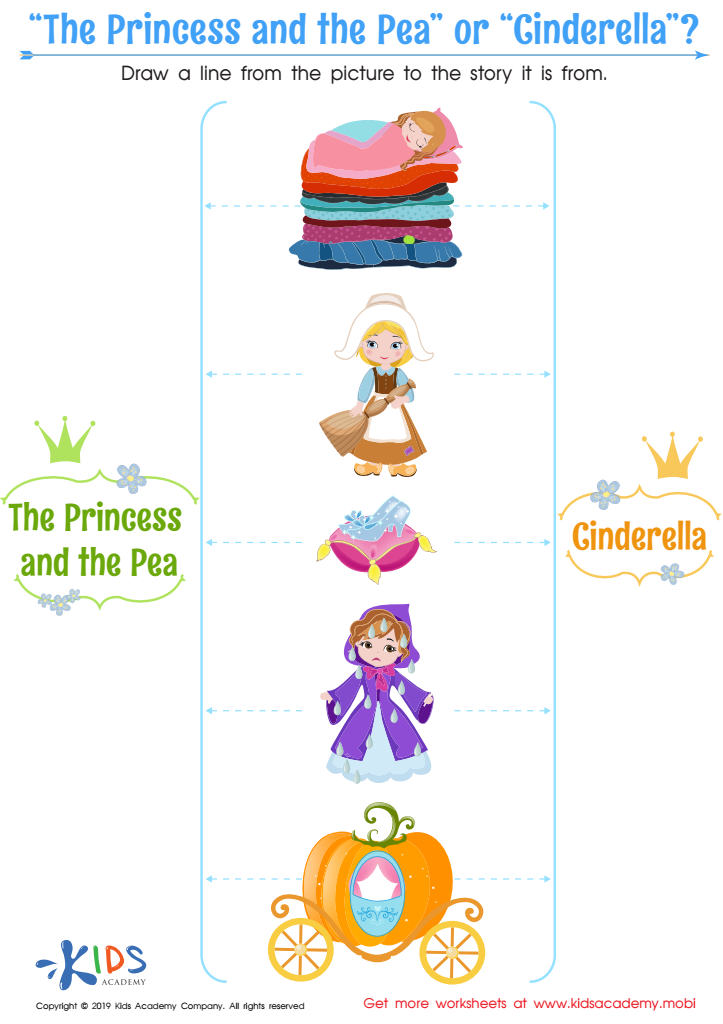
“The Princess and the Pea” or “Cinderella” Worksheet
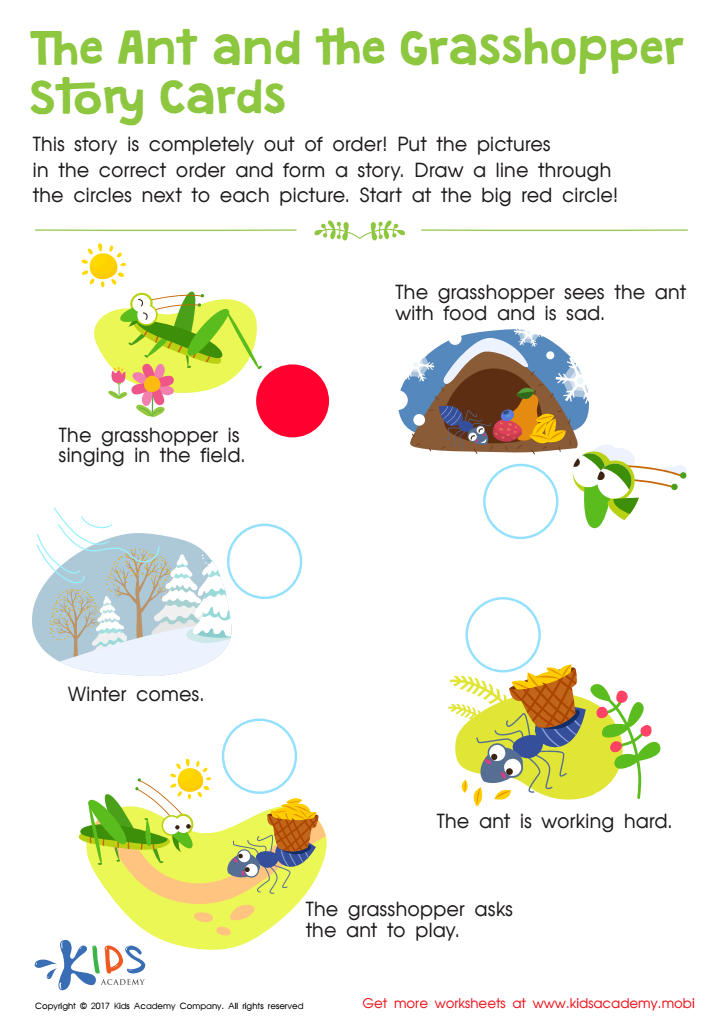
The Ant and The Grasshopper Worksheet
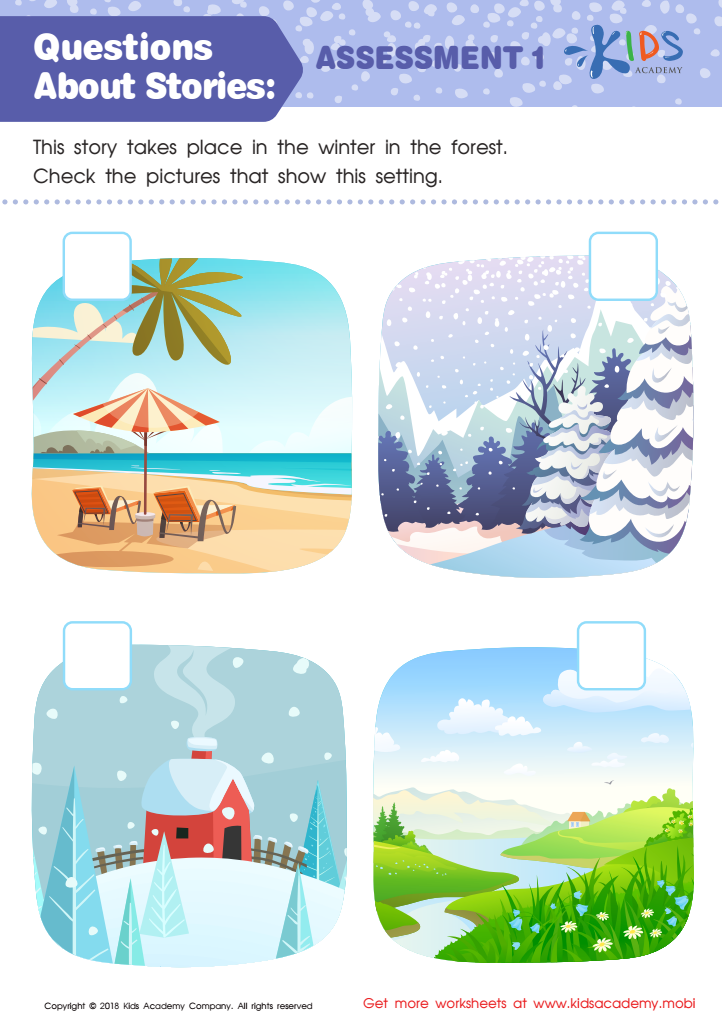
Questions About Stories: Assessment 1 Worksheet
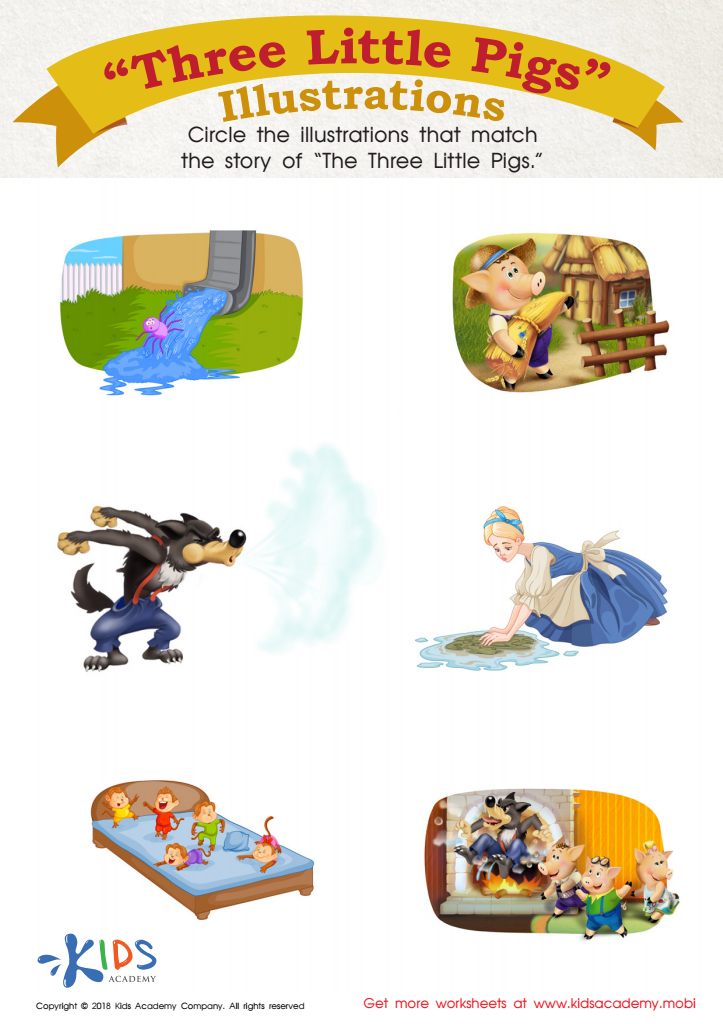
Three Little Pigs: Illustrations Worksheet
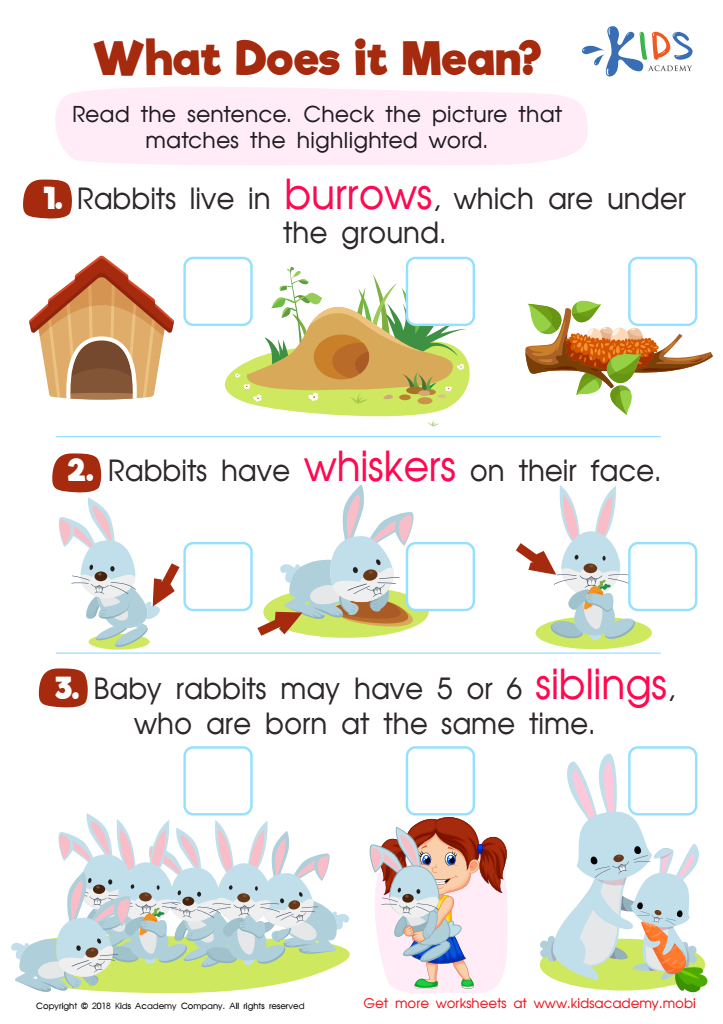
What Does It Mean? Worksheet
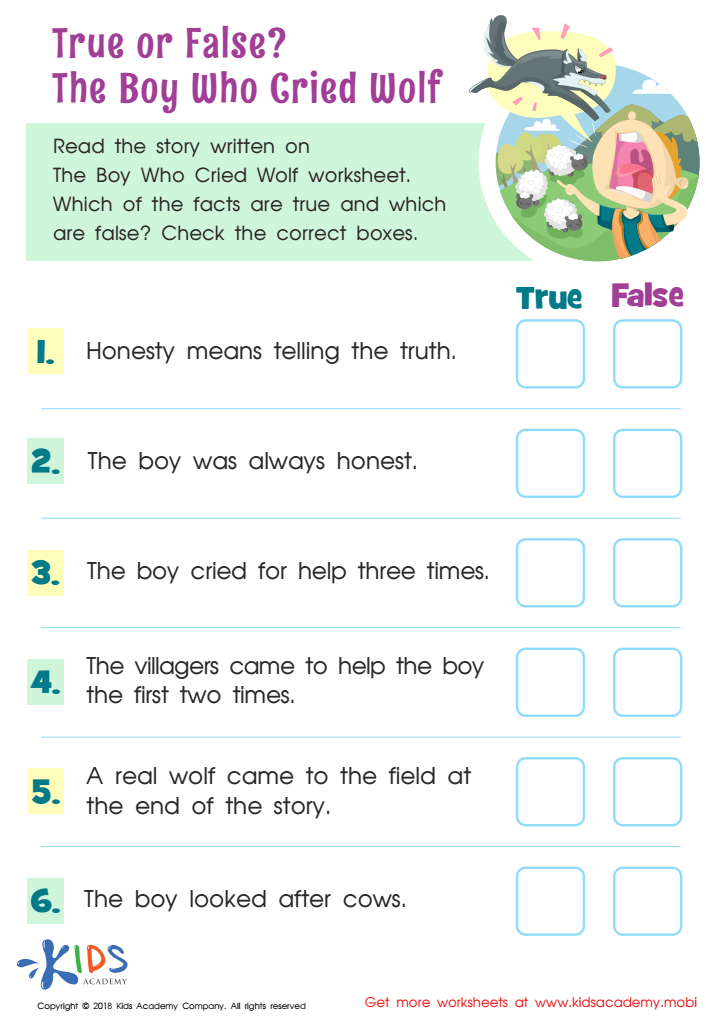
True or False? The Boy Who Cried Wolf Worksheet
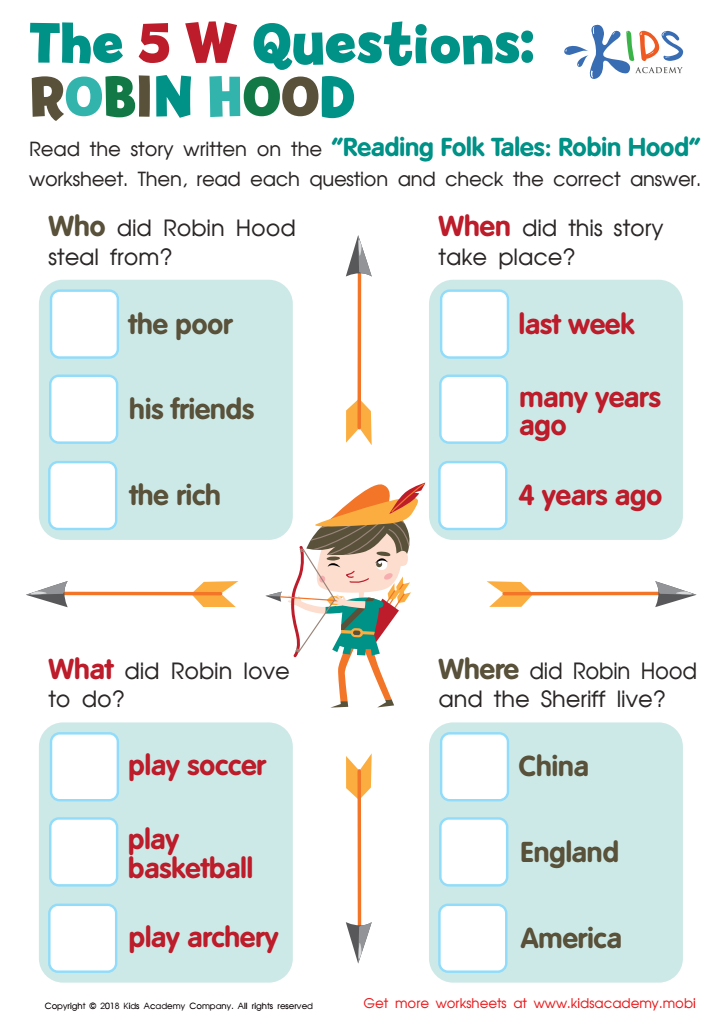
The 5 W Questions: Robin Hood Worksheet
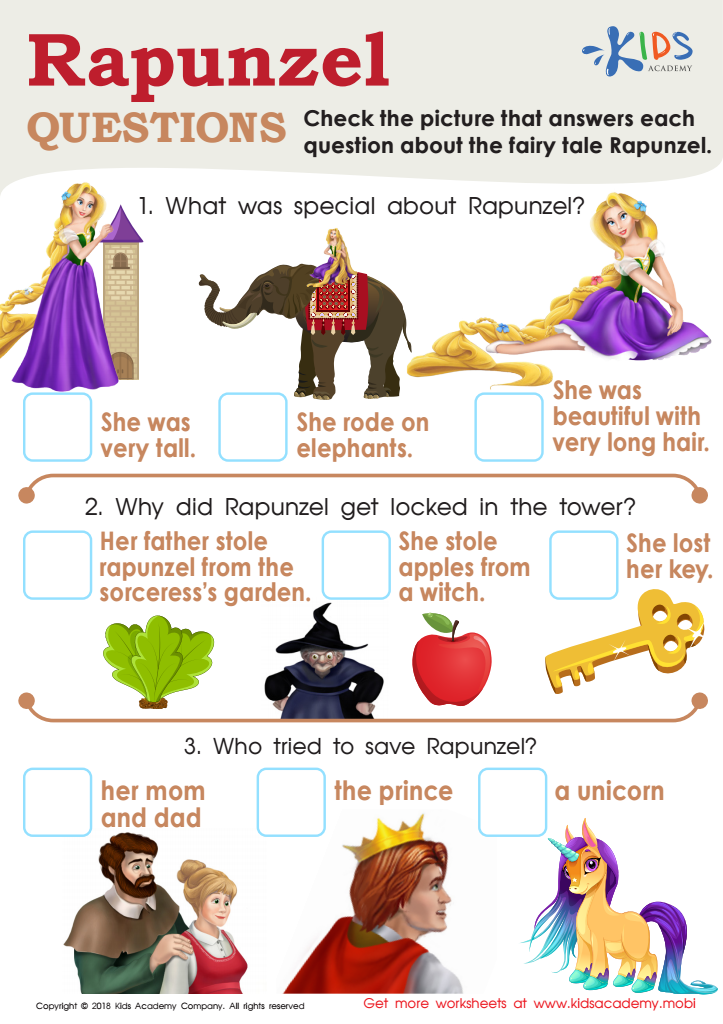
Rapunzel Questions Worksheet
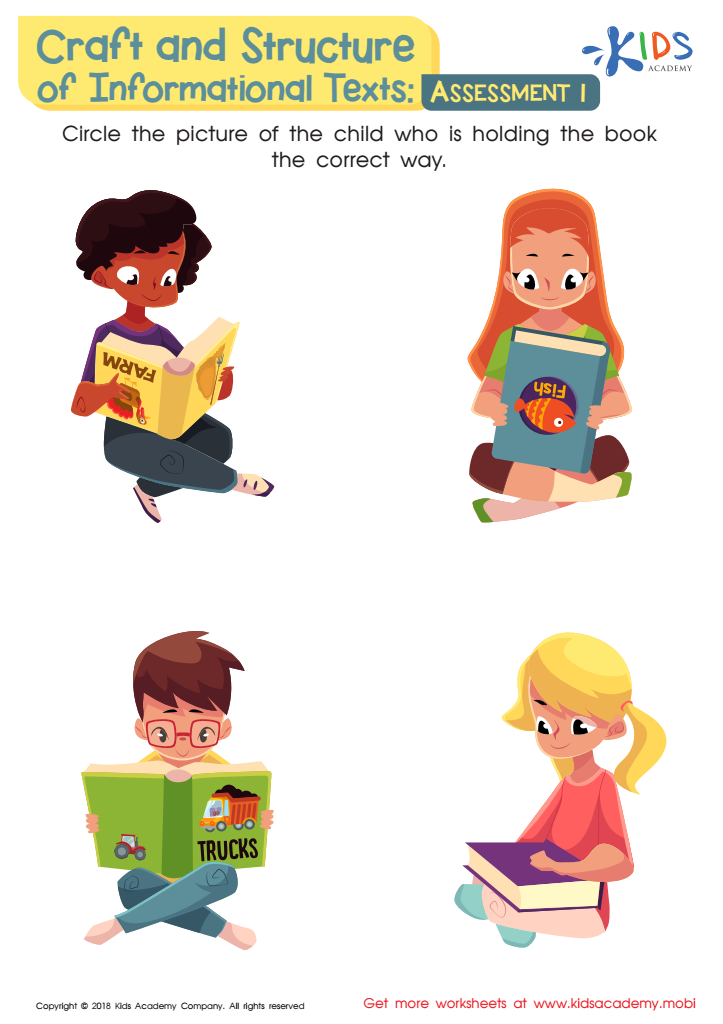
Craft and Structure of Informational Texts: Assessment 1 Worksheet
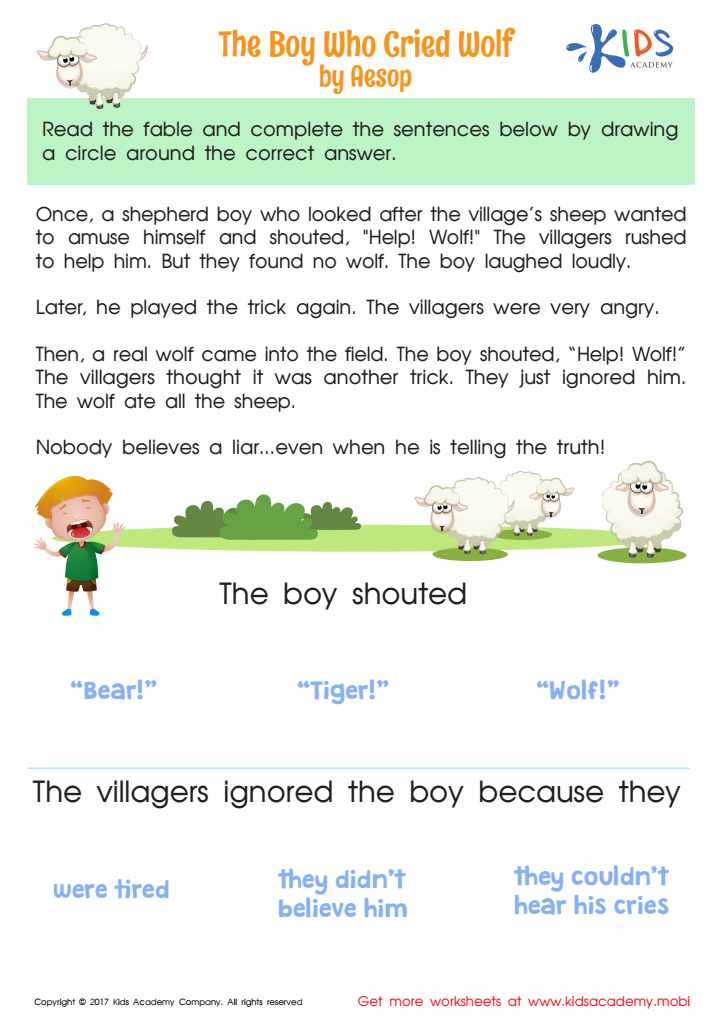
The Boy Who Cried Wolf Worksheet
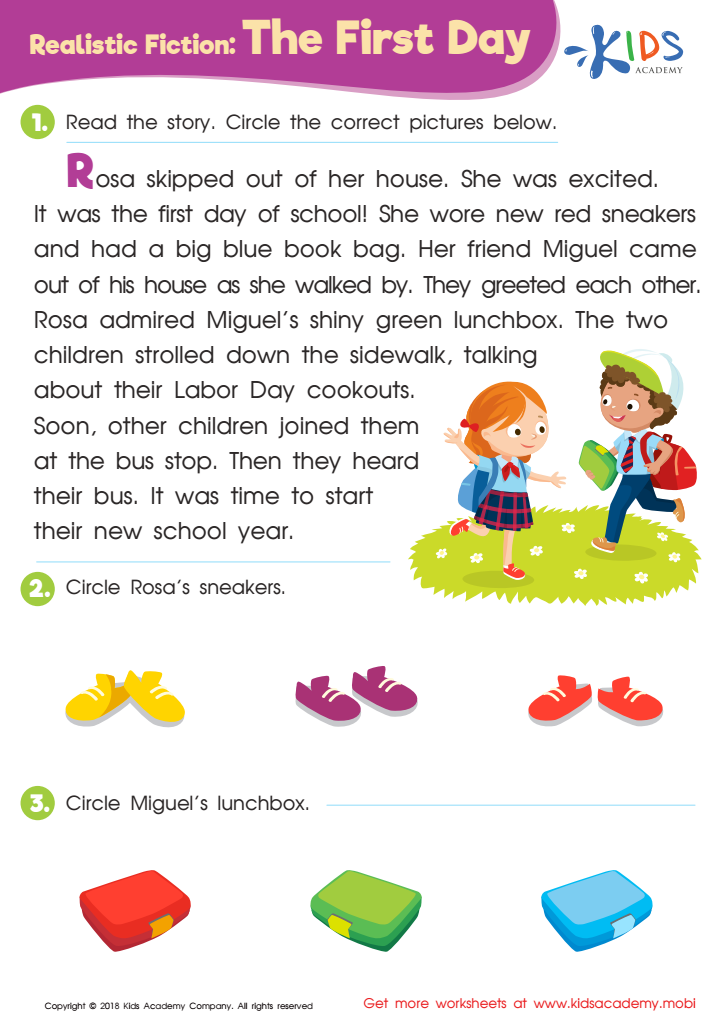
Realistic Fiction: The First Day Worksheet
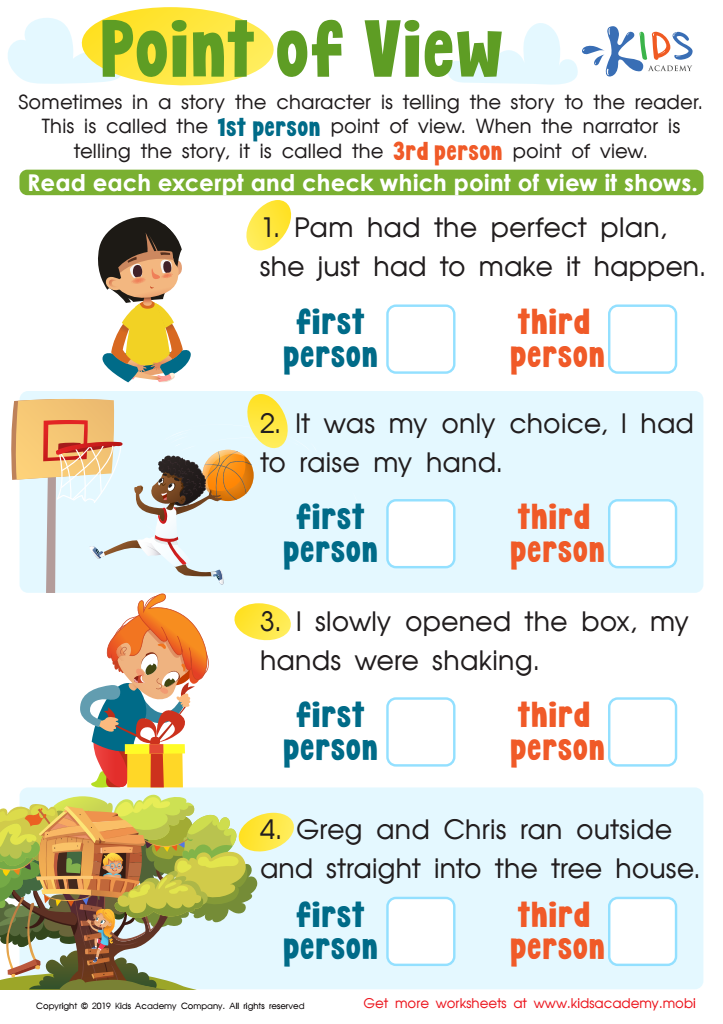
Point of View Printable
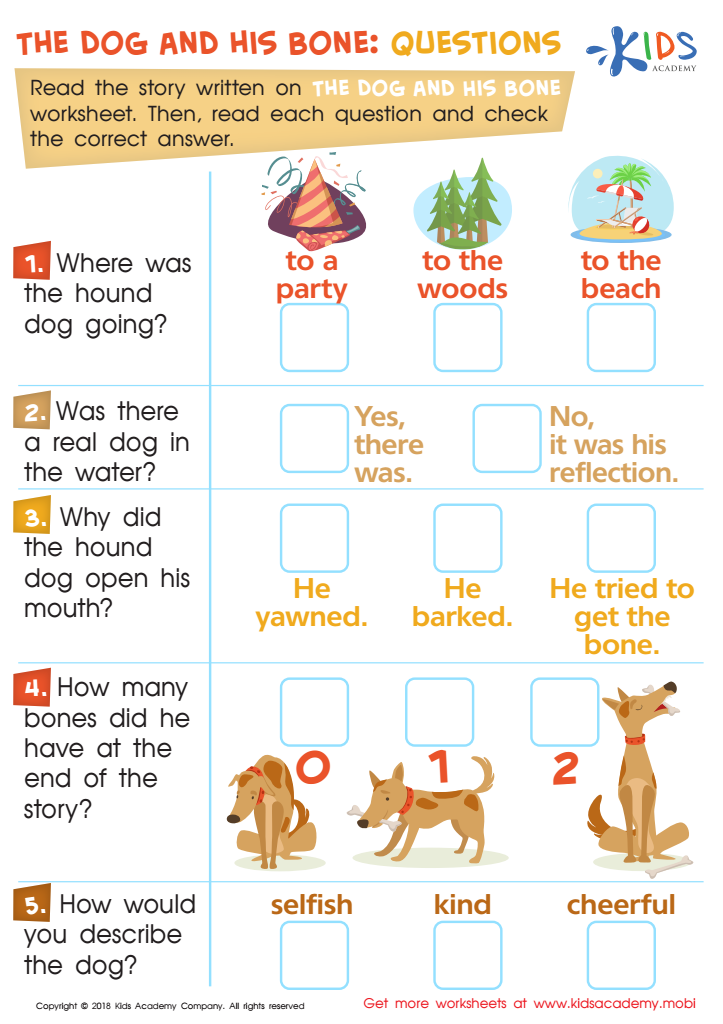
The Dog and His Bone: Questions Worksheet
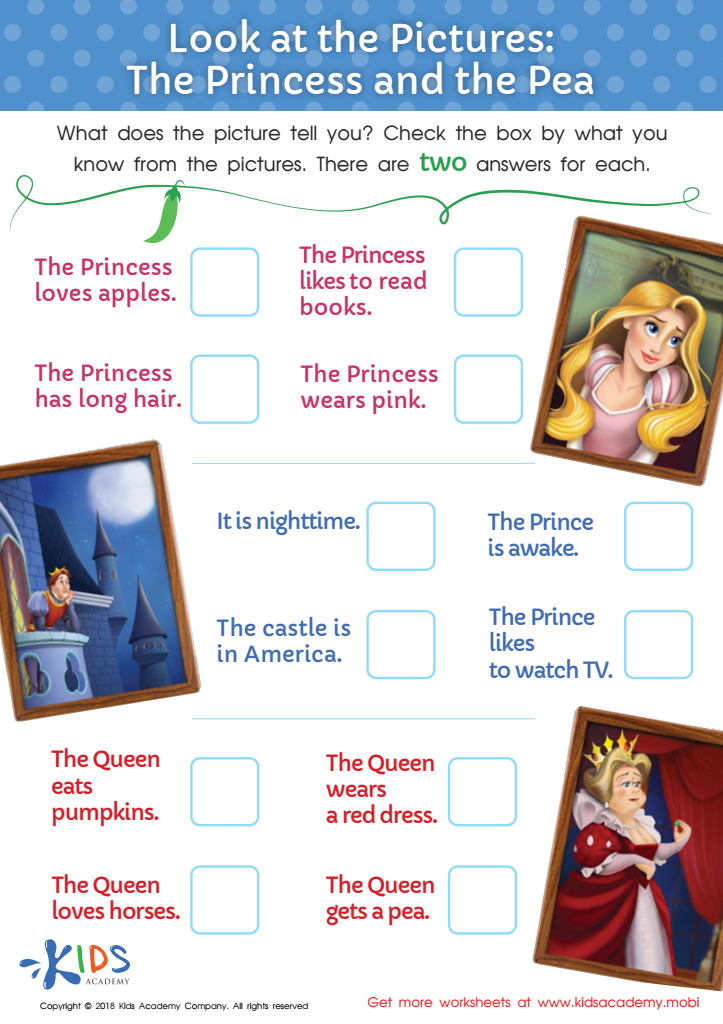
Look at the Pictures: The Princess and the Pea Worksheet
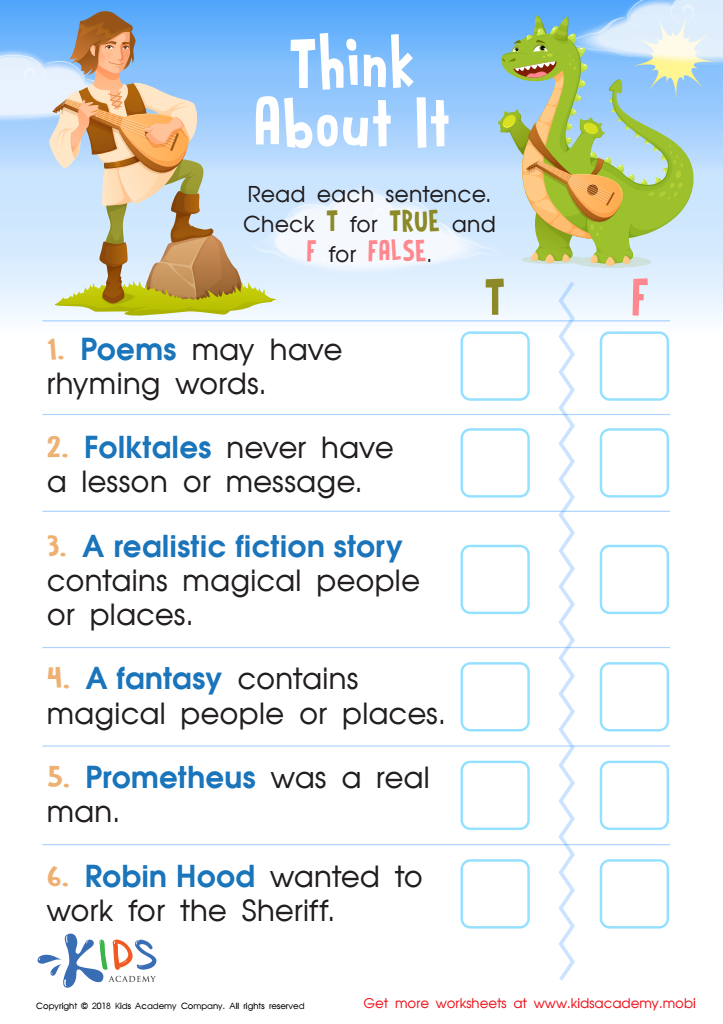
Think About It: Assessment Worksheet
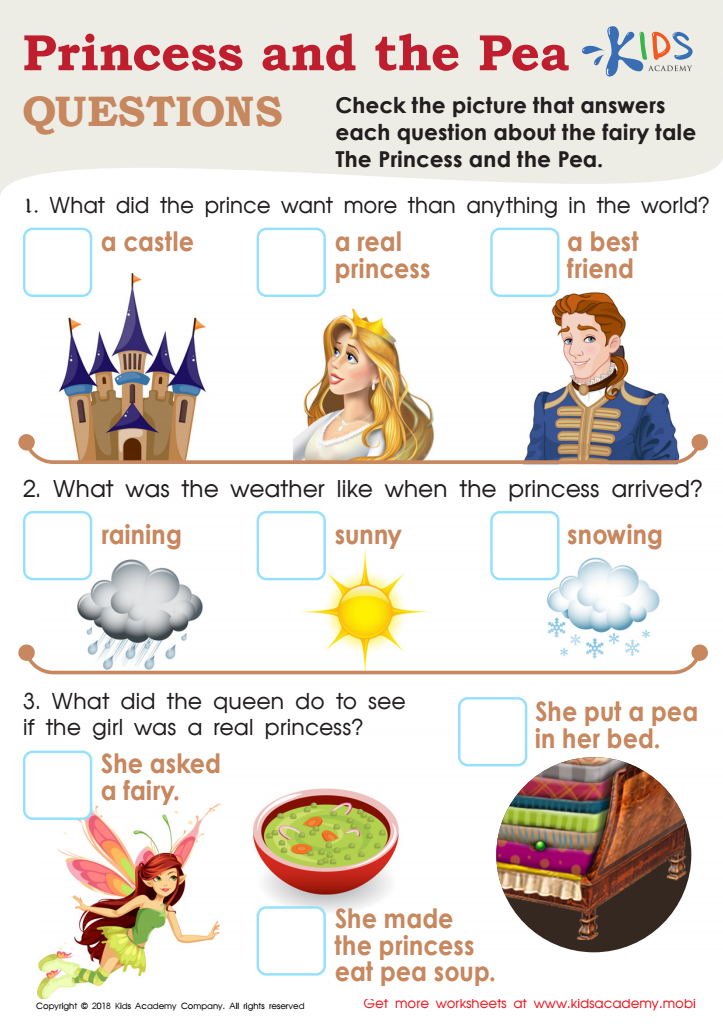
Princess and the Pea Questions Worksheet







Critical thinking in reading fiction is essential for children aged 3-9 as it lays the groundwork for cognitive and social development. By engaging with stories, young readers are encouraged to analyze characters, comprehend plots, and identify themes, which enhances their reasoning skills. This process helps children learn to ask questions about the text, predict outcomes, and infer meanings, fostering a curious mindset that is essential for lifelong learning.
Reading fiction also nurtures empathy and social awareness, as children encounter diverse perspectives and experiences through characters and narratives. This exposure helps them appreciate different viewpoints, promoting emotional intelligence and understanding. Furthermore, critical thinking skills developed through reading fiction empower children to connect concepts and apply learned knowledge to real-world situations.
Parents and teachers play a vital role in this process by selecting age-appropriate books and engaging children in discussions about the stories. These interactions not only improve children's literacy but also cultivate a love for reading. Encouraging critical thinking through fiction ultimately equips children with essential skills to navigate their world, enhance problem-solving abilities, and build resilience. Investing time in reading and discussing stories can yield lifelong benefits for young learners.








