Vocabulary enhancement The 5 Senses Worksheets for Ages 3-9
3 filtered results
-
From - To
Enhance your child's vocabulary with our engaging "5 Senses Worksheets for Ages 3-9." These expertly designed printable activities, available at Kids Academy, focus on expanding language skills through fun and interactive tasks. Each worksheet encourages young learners to explore their senses—sight, hearing, touch, taste, and smell—while boosting their vocabulary through descriptive words and phrases. Perfect for children aged 3-9, these activities create a strong foundation for effective communication and a deeper understanding of the world around them. Empower your child’s learning journey today with our vocabulary-enhancing worksheets!
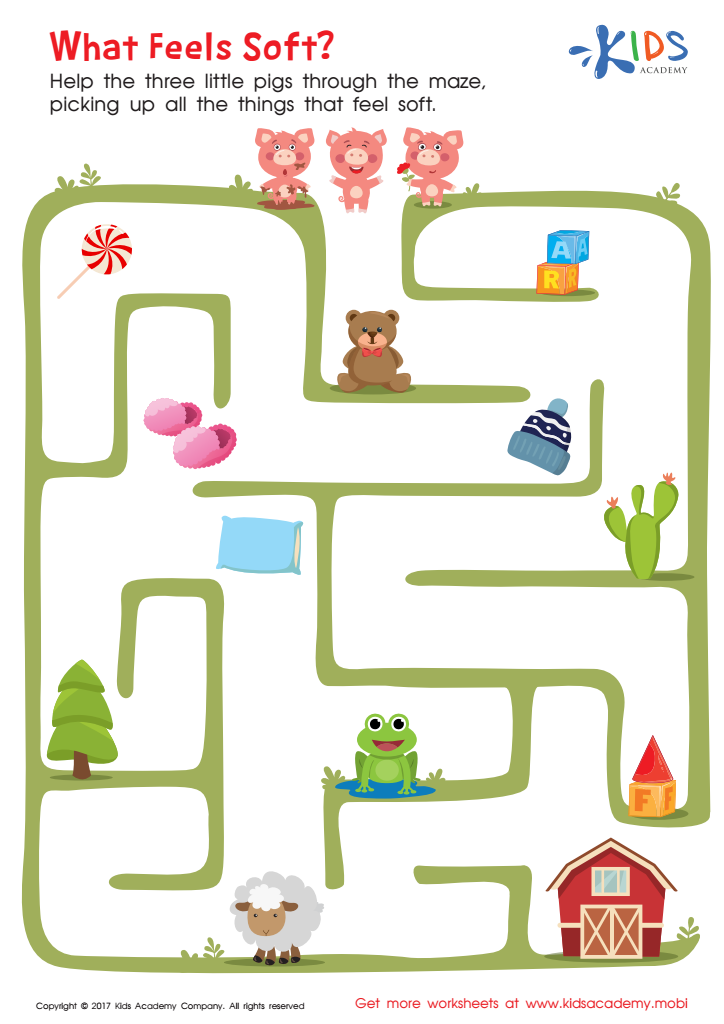
What Feels Soft Printable
 Assign to My Students
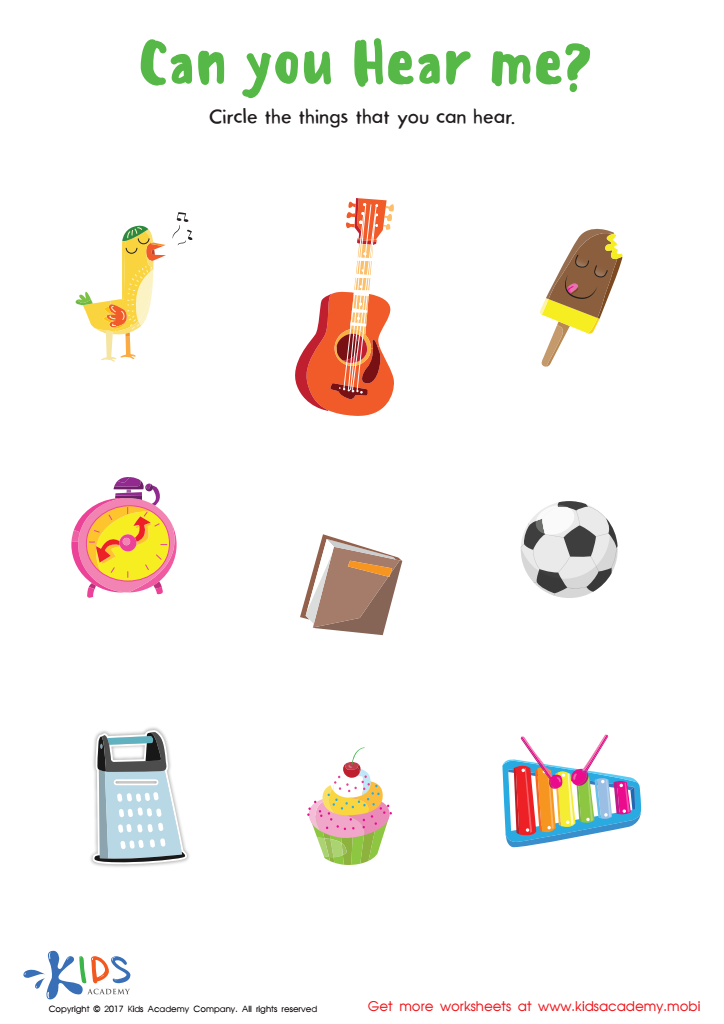
Can You Hear Me Worksheet
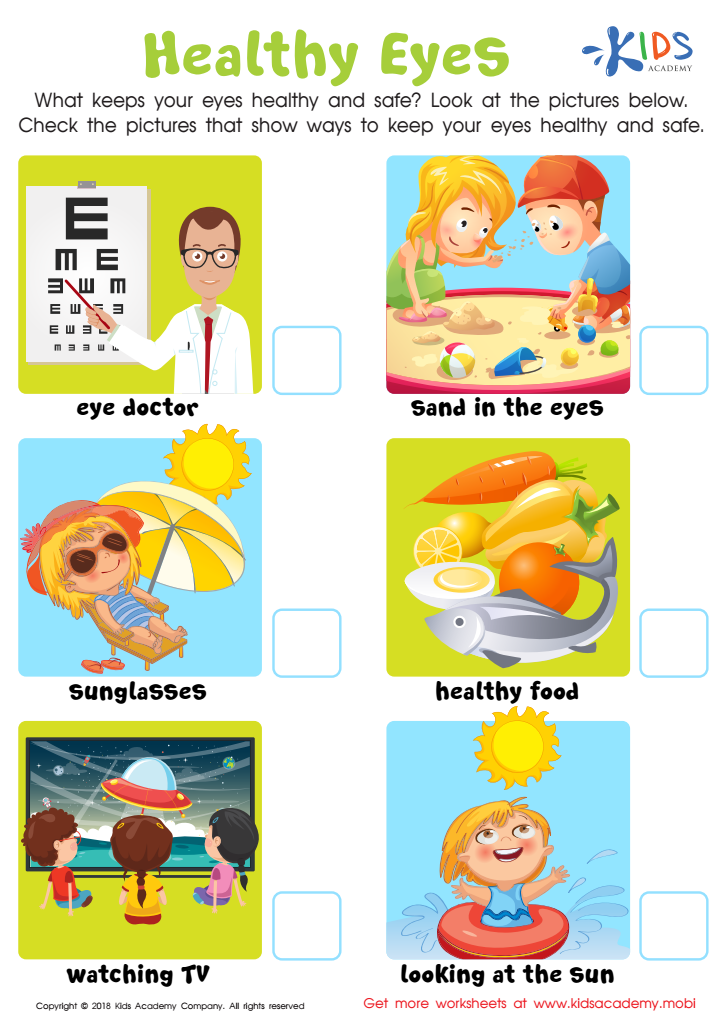
Healthy Eyes Worksheet



Enhancing vocabulary related to the five senses (sight, hearing, touch, taste, and smell) for children ages 3-9 is crucial for their overall development. At this early stage, children are natural explorers, and their senses are primary tools for interacting with the world. By enriching vocabulary targeted to these senses, parents and teachers can significantly boost cognitive and language development.
Firstly, children with a rich sensory vocabulary can describe experiences in more detail. This not only boosts their communication skills but also enhances social interactions with peers and adults. For example, being able to describe the texture of a surface ("smooth," "rough") or the taste of a fruit ("sour," "sweet") makes them better communicators.
Secondly, sensory vocabulary expansion fosters critical thinking and observational skills. It pushes children to pay closer attention to their surroundings and articulate what they experience. This advanced ability to observe and describe is foundational for success in subjects such as science, where detailed observation is crucial.
Moreover, enriched vocabulary also enhances reading comprehension. Children who are exposed to a wide range of sensory words tend to understand and engage with storybooks and texts better, as they can more easily relate the words to their sensory experiences.
In sum, focusing on sensory vocabulary for children is not just about language skills but encompasses social, cognitive, and academic benefits, forming a robust foundation for future learning.







