Analyzing data Science Worksheets for Ages 3-9
5 filtered results
-
From - To
Discover the exciting world of data analysis with our "Analyzing Data Science Worksheets" designed specifically for children aged 3-9! These interactive and engaging worksheets foster essential skills such as sorting, categorizing, and interpreting data through fun activities tailored to young learners. Each worksheet encourages critical thinking and promotes early mathematical understanding while exploring colorful visuals and relatable themes. Ideal for use at home or in the classroom, our resources help children build confidence in their analytical abilities while making learning enjoyable. Unlock your child's potential in science and math with these thoughtfully crafted worksheets that inspire curiosity and exploration!
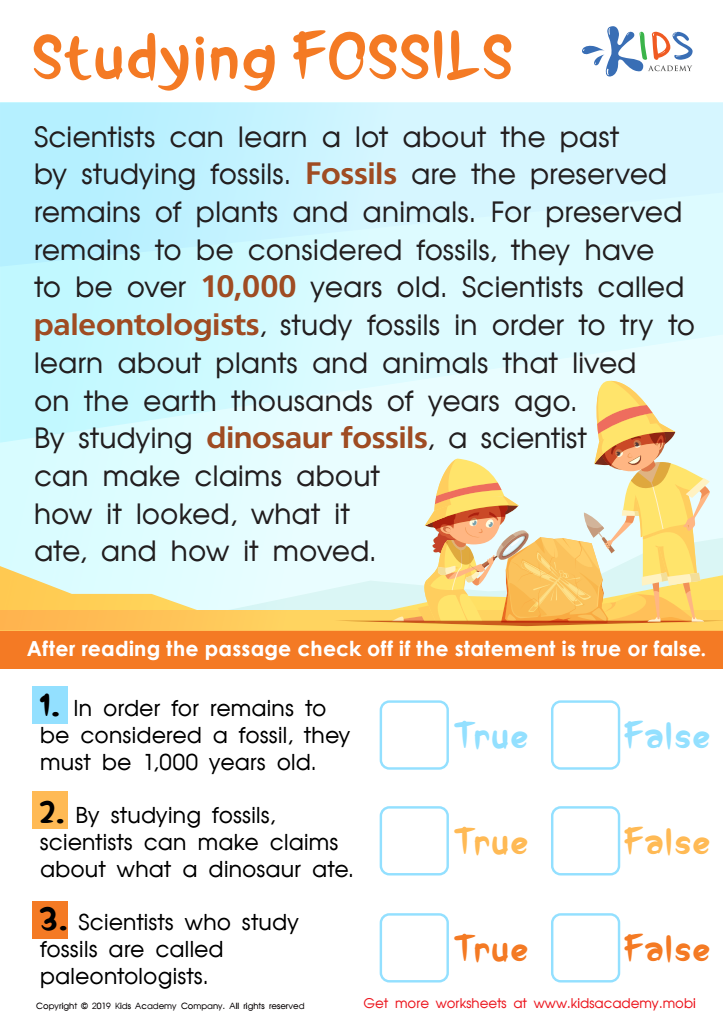
Studying Fossils Worksheet
 Assign to My Students
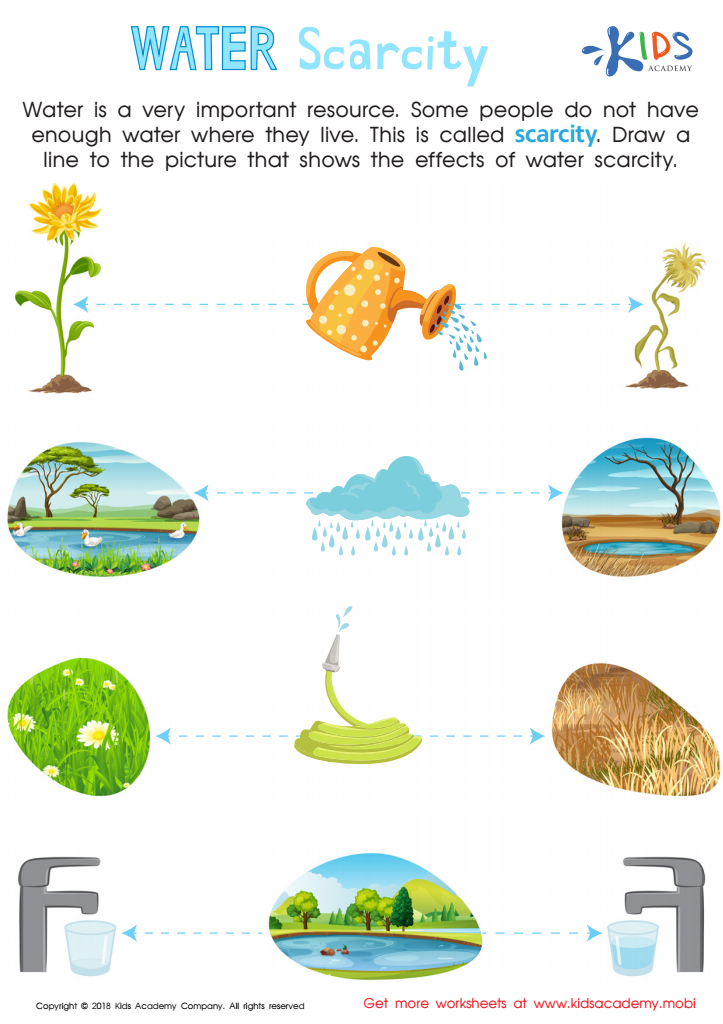
Water Scarcity Worksheet
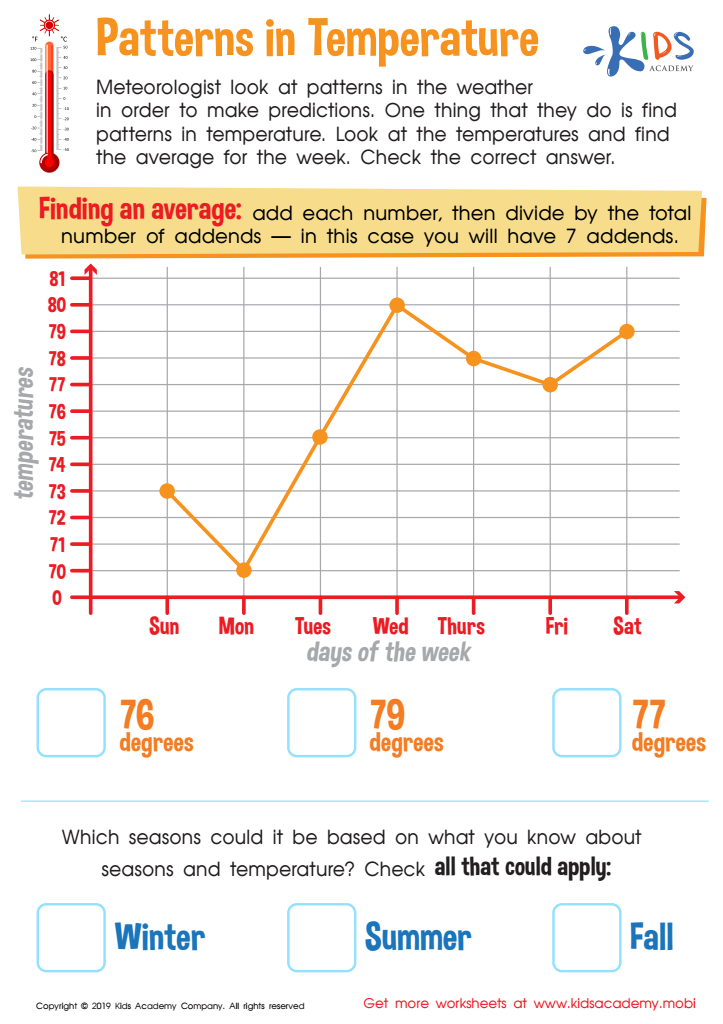
Patterns in Temperature Worksheet
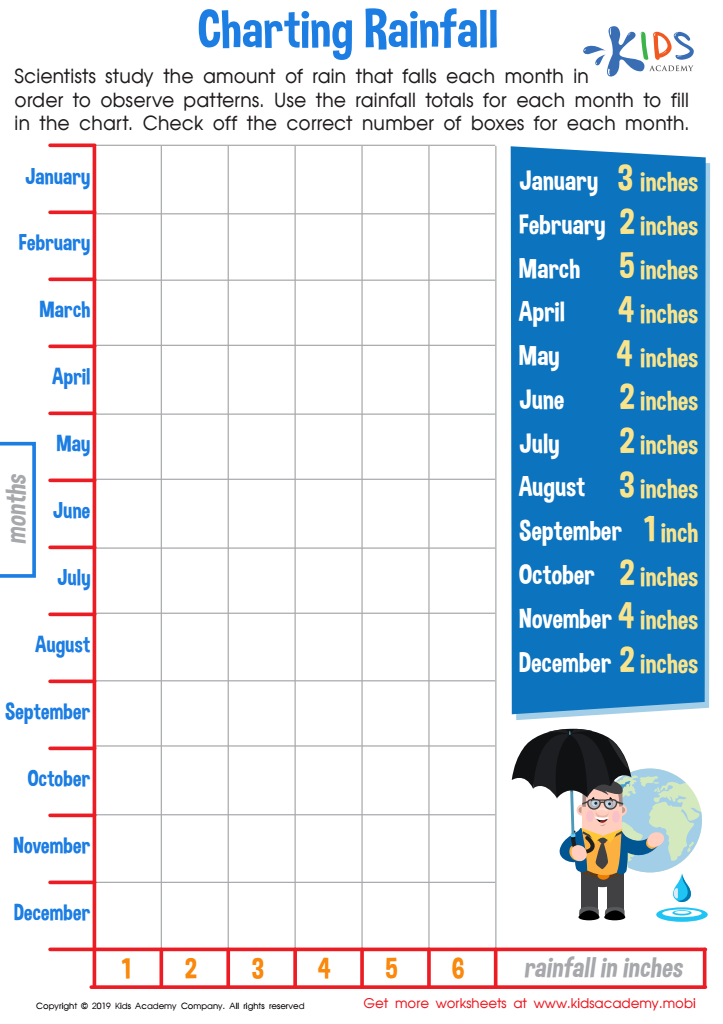
Charting Rainfall Worksheet
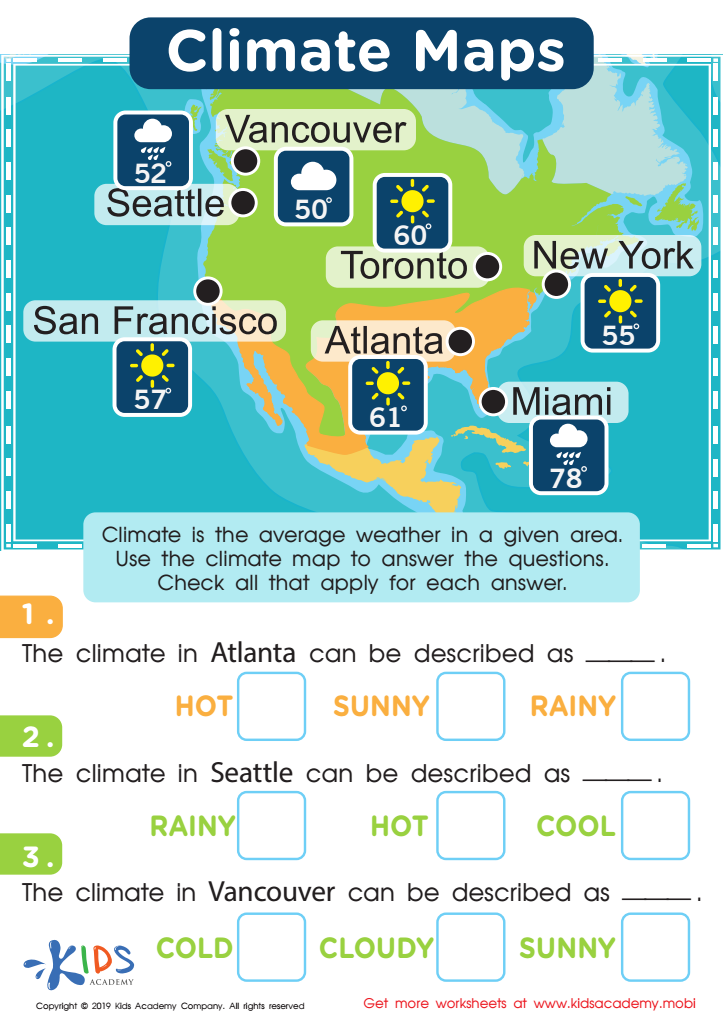
Climate Maps Worksheet







Analyzing data science for children aged 3-9 is crucial for both parents and teachers as it fosters early cognitive development and cultivates critical thinking skills. At this tender age, children are naturally curious and eager to explore their surroundings. Introducing them to basic data analysis concepts equips them with the tools to make sense of the information they encounter. It enhances problem-solving abilities and encourages them to ask questions, think logically, and draw conclusions from observations.
Moreover, understanding data patterns can improve children's academic readiness by sharpening their numeracy and analytical skills. As they incorporate these skills into everyday activities—such as counting, sorting, and measuring—they develop a solid foundation for future STEM education. This is increasingly important in a technology-driven world, where data literacy becomes essential for success.
For parents and teachers, embracing data science education means recognizing its significance in supporting children's growth. It help informs instructional decisions and tailored learning experiences. By focusing on data analysis skills early on, educators and parents lay the groundwork for lifelong learning, ultimately empowering children to navigate and thrive in an increasingly complex, information-rich environment. Thus, investing in data science education during these formative years is both strategic and beneficial.







