Animal identification Science Worksheets for Ages 3-9
8 filtered results
-
From - To
Discover the excitement of Animal Identification with our Science Worksheets for ages 3-9. These engaging and educational worksheets are designed to help young learners explore and identify various animals, their habitats, and characteristics. Perfect for classroom or home use, our high-quality printables promote observation, critical thinking, and a love for nature. Each worksheet features colorful images, fun facts, and interactive activities to enhance your child's learning experience. Support your budding biologist's educational journey and foster a deeper understanding of the animal kingdom with our expertly crafted resources from Kids Academy.
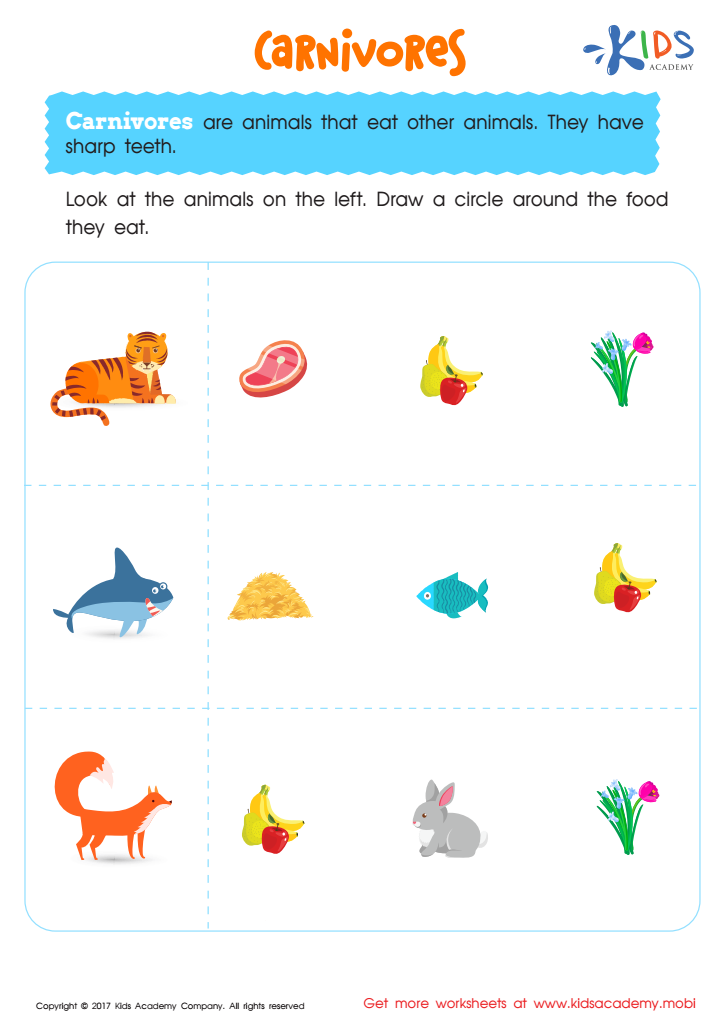
Carnivores Worksheet
 Assign to My Students
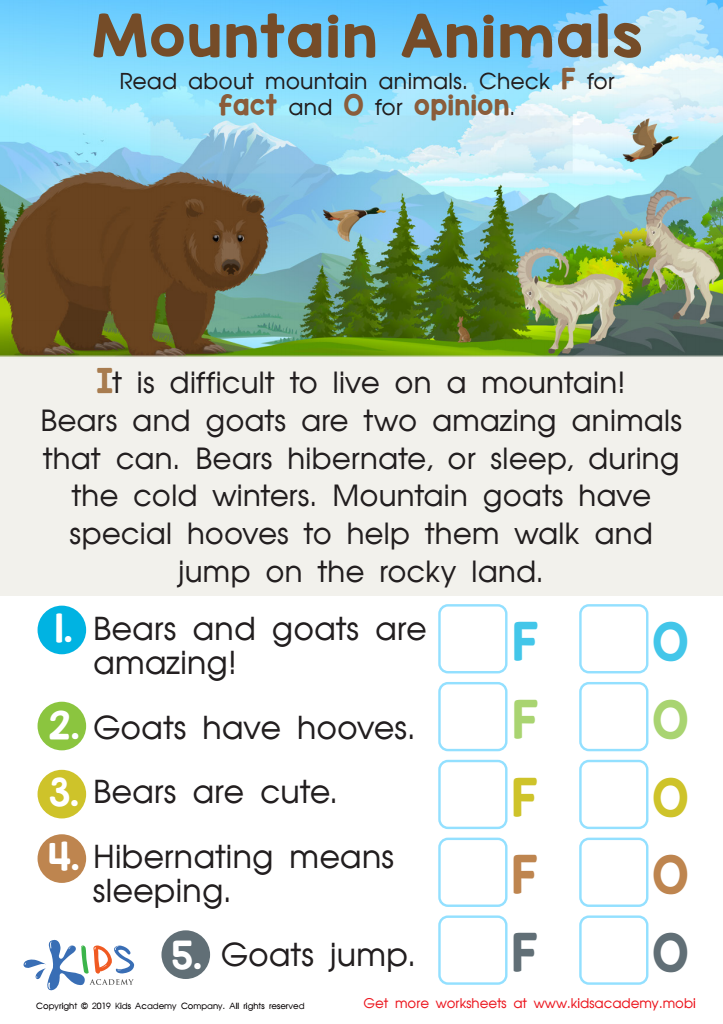
Mountain Animals Worksheet
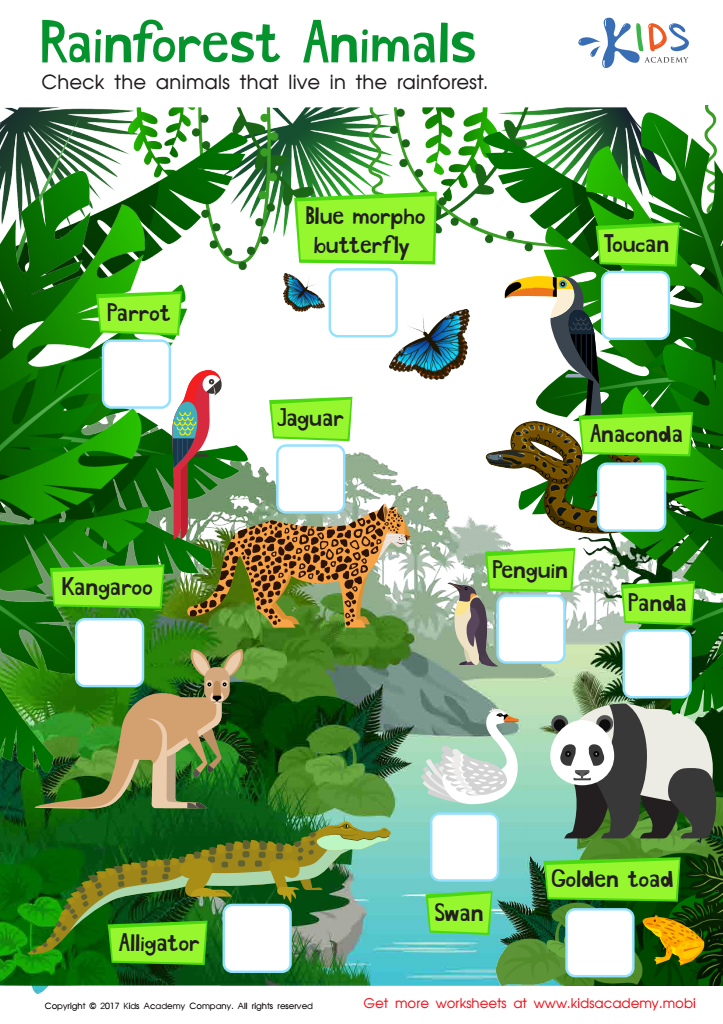
Rainforest Animals Worksheet
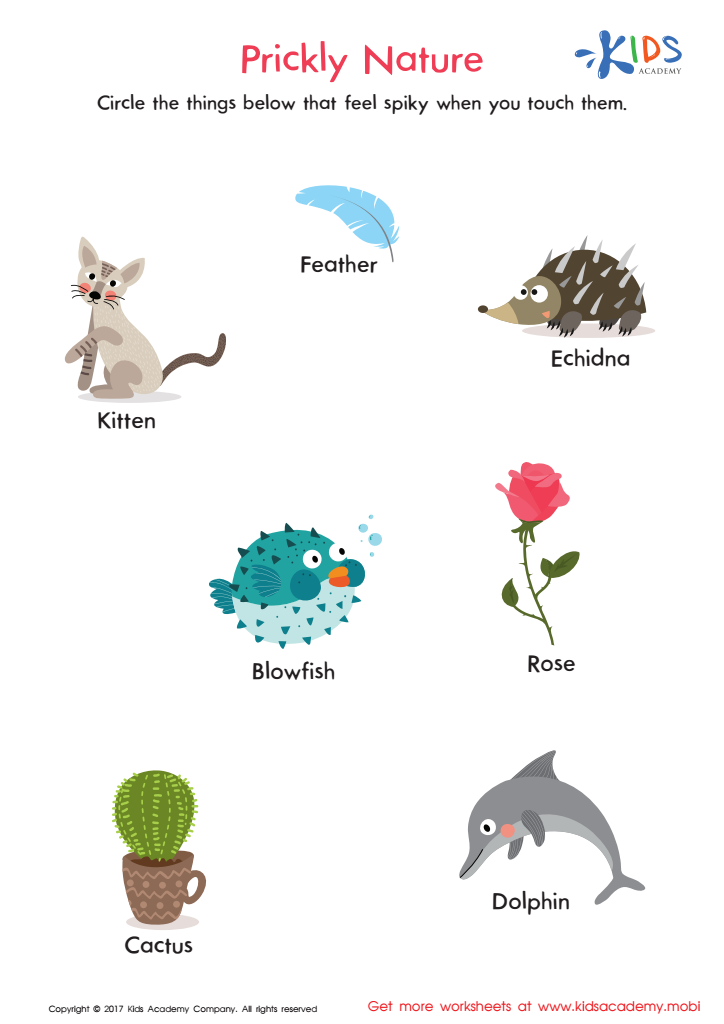
Prickly Nature Worksheet
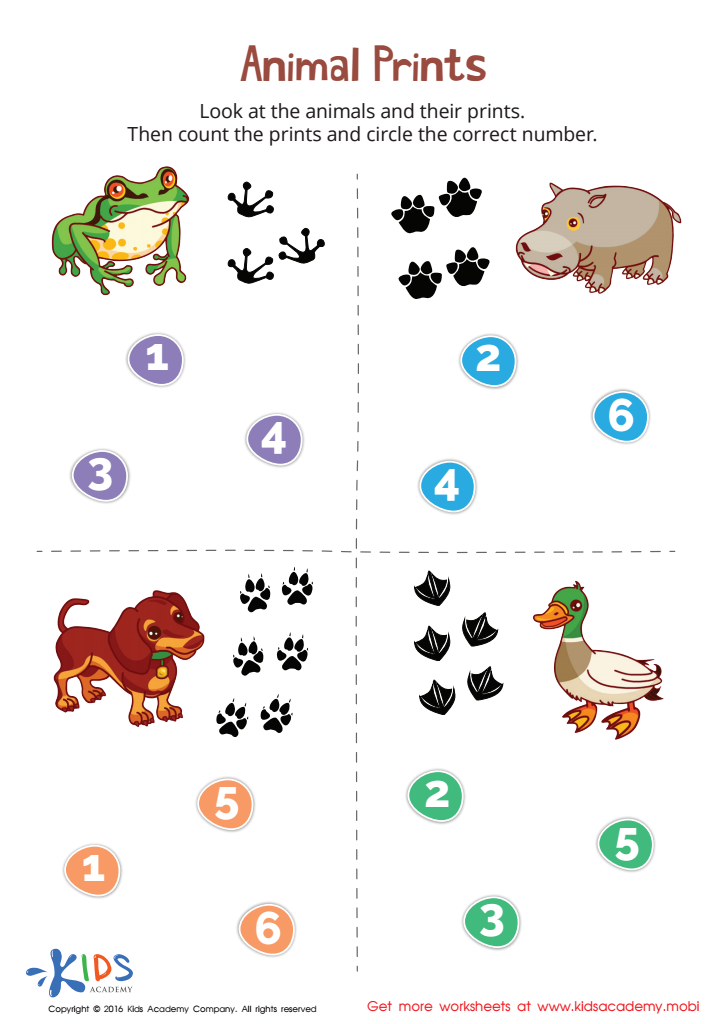
Animal Prints Match-Up Worksheet
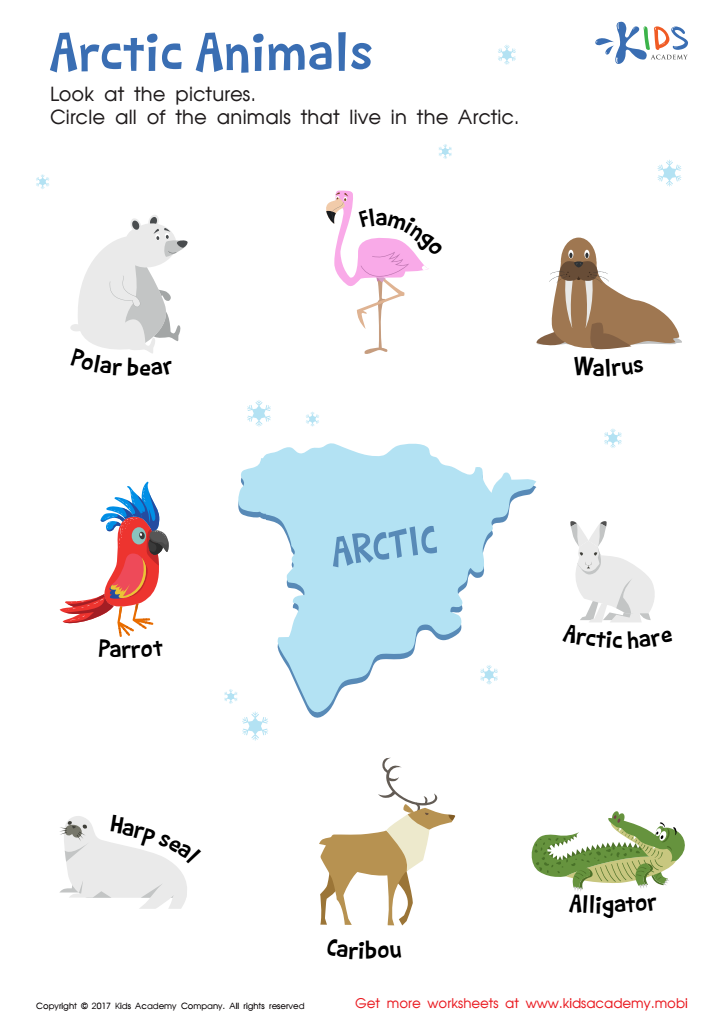
Arctic Animals Worksheet
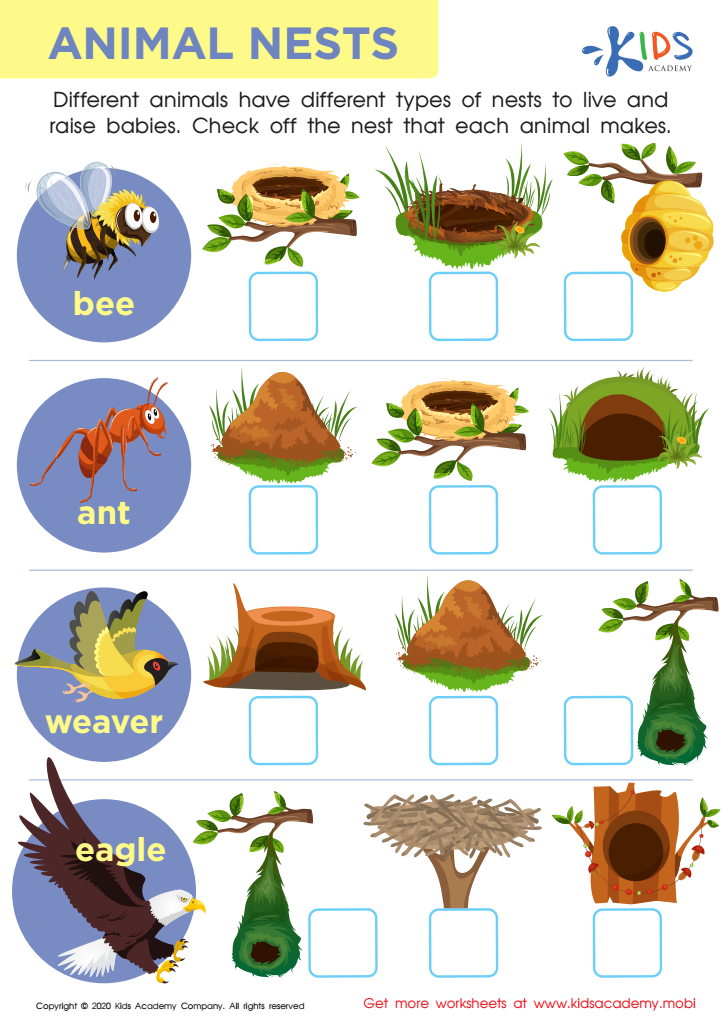
Animal Nests Worksheet
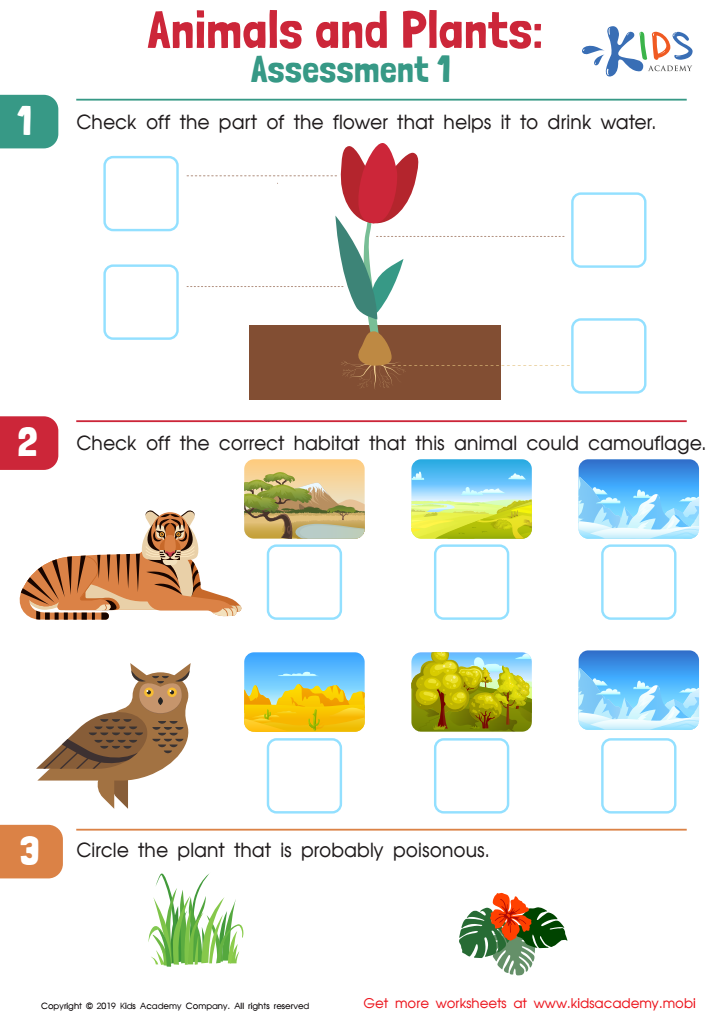
Animals and Plants: Assessment 1 Worksheet


.jpg)




Animal identification science is crucial for children ages 3-9 as it fosters foundational skills and values critical to their development. During these formative years, young minds are highly receptive and absorb information rapidly. Introducing them to the science of identifying animals can spark curiosity about the natural world, promoting a lifelong interest in learning and discovery.
Firstly, recognizing different species cultivates observational skills. When children learn to distinguish between mammals, birds, reptiles, and insects, they enhance their attention to detail and pattern recognition. This skill set is transferable to other academic disciplines, from reading to mathematics.
Secondly, knowledge of animal identification encourages discussions about biodiversity and ecosystems, highlighting the interconnectedness of life. Children can grasp the basics of biology and ecology, understanding how different species contribute to environmental balance. This early comprehension can nurture a sense of responsibility towards nature, promoting environmental stewardship from a young age.
Furthermore, talking about animals often enriches vocabulary and improves language skills. Describing animal characteristics, habitats, and habits introduces children to new words and concepts, enhancing their linguistic abilities.
Finally, discovering animals can be a social activity, engaging peers and family in explorative play, strengthening relationships, and collaboration skills. Overall, animal identification is a gateway to broader learning, empathy towards living beings, and a deeper appreciation of our world.







