Categorizing objects Science Worksheets for Ages 3-9
4 filtered results
-
From - To
Discover engaging Categorizing Objects Science Worksheets for children ages 3-9 at Kids Academy! These carefully crafted worksheets are designed to enhance young learners’ observational and analytical skills through fun and interactive activities. Your child will enjoy sorting and grouping objects based on various attributes, such as size, shape, color, and function. These educational resources not only reinforce basic science concepts but also promote critical thinking and decision-making skills. Perfect for use at home or in the classroom, our worksheets provide a solid foundation for early learning in an enjoyable and effective manner. Begin your science adventure today!
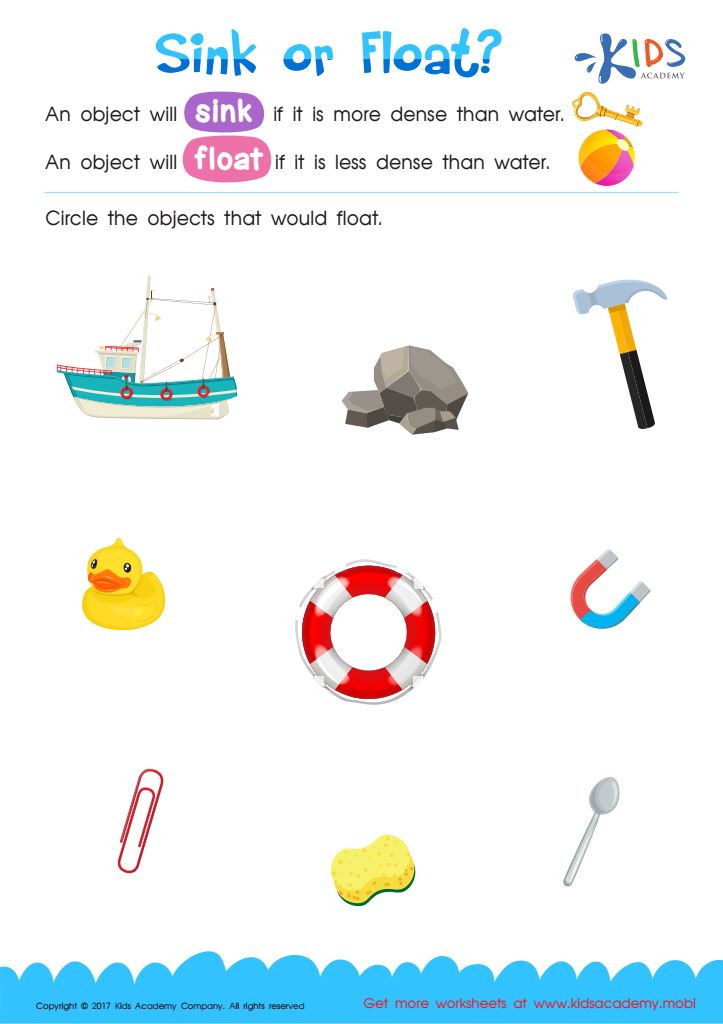
Sink or Float Printable
 Assign to My Students
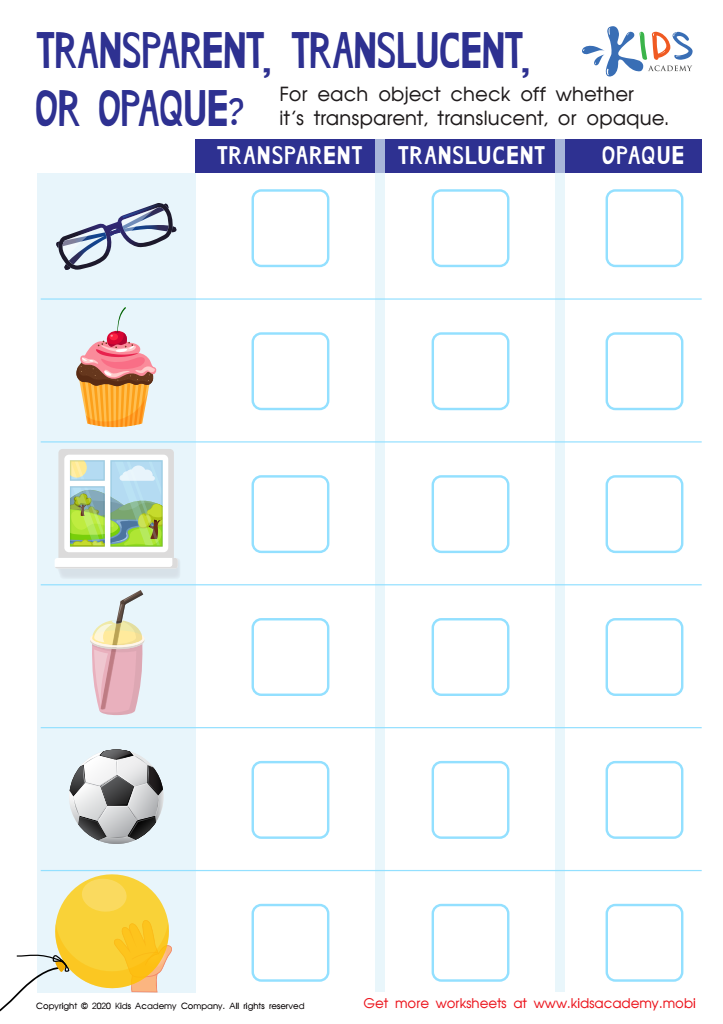
Transparent, Translucent, or Opaque Worksheet
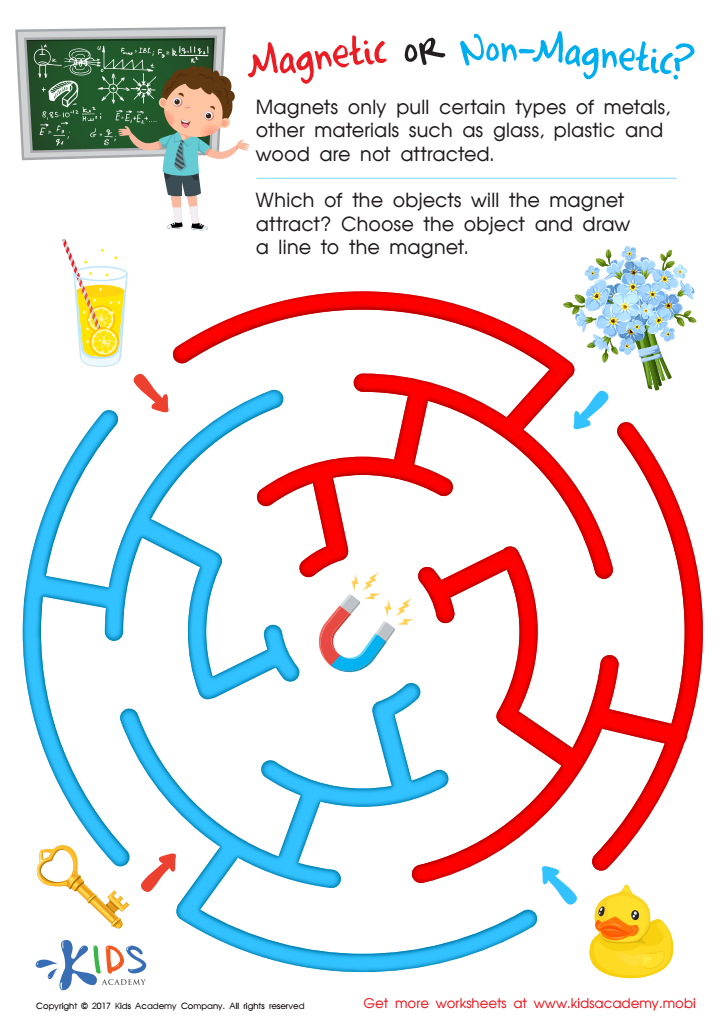
Magnetic or Non–Magnetic Worksheet
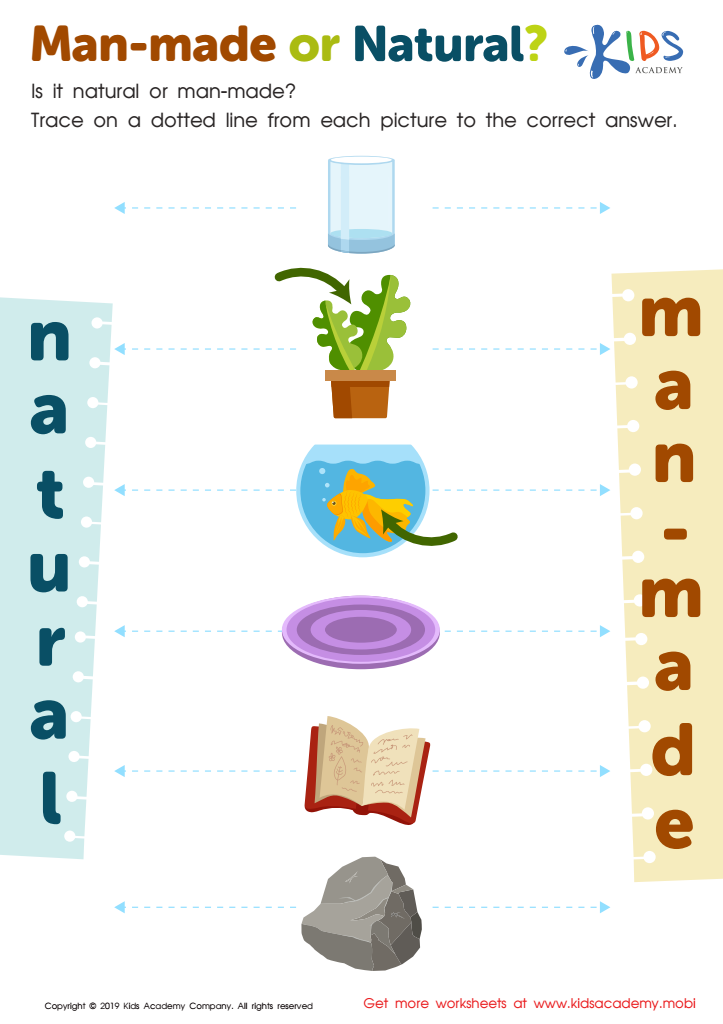
Man-Made or Natural? Worksheet








Categorizing objects is a vital skill for young children aged 3-9 because it lays the foundation for cognitive development and scientific reasoning. At this developmental stage, children are naturally curious and constantly trying to make sense of the world around them. Categorizing objects helps them recognize patterns, similarities, and differences, which are fundamental scientific concepts.
For parents and teachers, fostering this skill is crucial as it enhances a child's problem-solving abilities and critical thinking. By sorting objects based on attributes such as size, shape, color, or function, children learn to organize information in a structured way, making it easier for them to understand complex concepts later in life.
Moreover, categorization supports language development. As children describe and classify objects, they expand their vocabulary and improve their communication skills. For example, knowing the names of different fruits or types of animals helps in building a richer language base.
Finally, categorizing objects promotes observational skills and attention to detail, which are essential for scientific inquiry. Encouraging children to observe closely and make distinctions prepares them for future encounters in science and other academic disciplines. Therefore, both teachers and parents should actively engage young children in categorization activities to support their overall intellectual growth.







