Science knowledge Science Worksheets for Ages 3-9
3 filtered results
-
From - To
Discover the joy of learning with our "Science Knowledge Worksheets for Ages 3-9." Perfectly crafted for young minds, these worksheets inspire curiosity and facilitate comprehensive understanding of scientific concepts. Our worksheets cover a broad range of topics, from basic biology to simple physics, tailored to each age group's developmental stage. Whether exploring the natural world or understanding basic scientific principles, these printables engage and educate children in a fun, interactive way. Ideal for parents and teachers alike, our worksheets provide the essential foundation for lifelong scientific curiosity and are sure to make learning an exciting adventure!
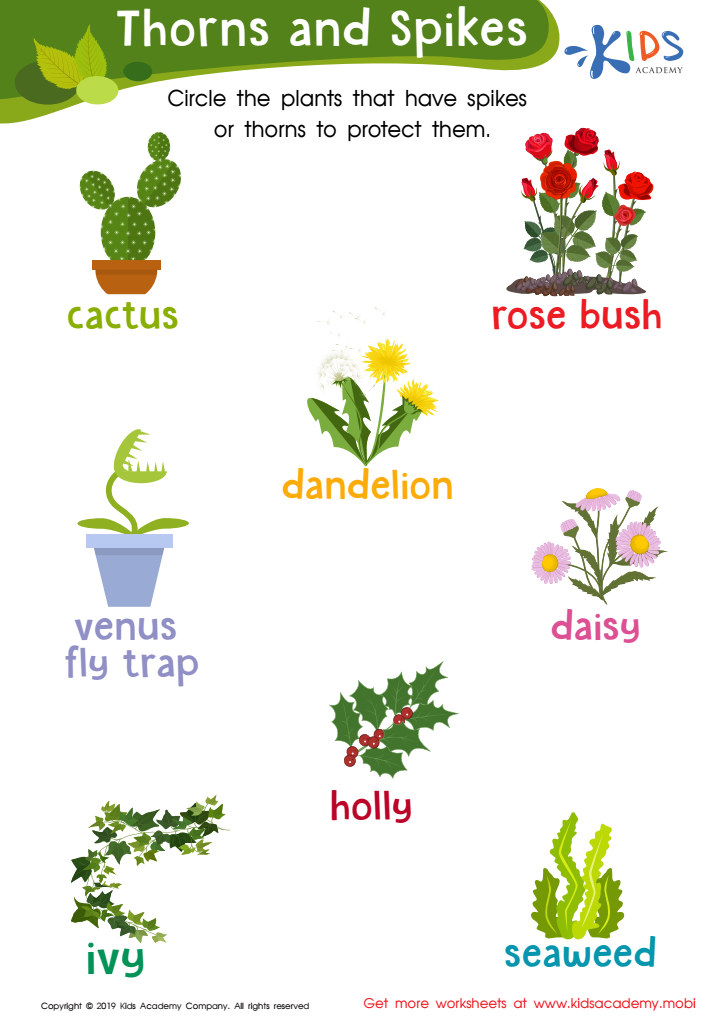
Thorns and Spikes Worksheet
 Assign to My Students
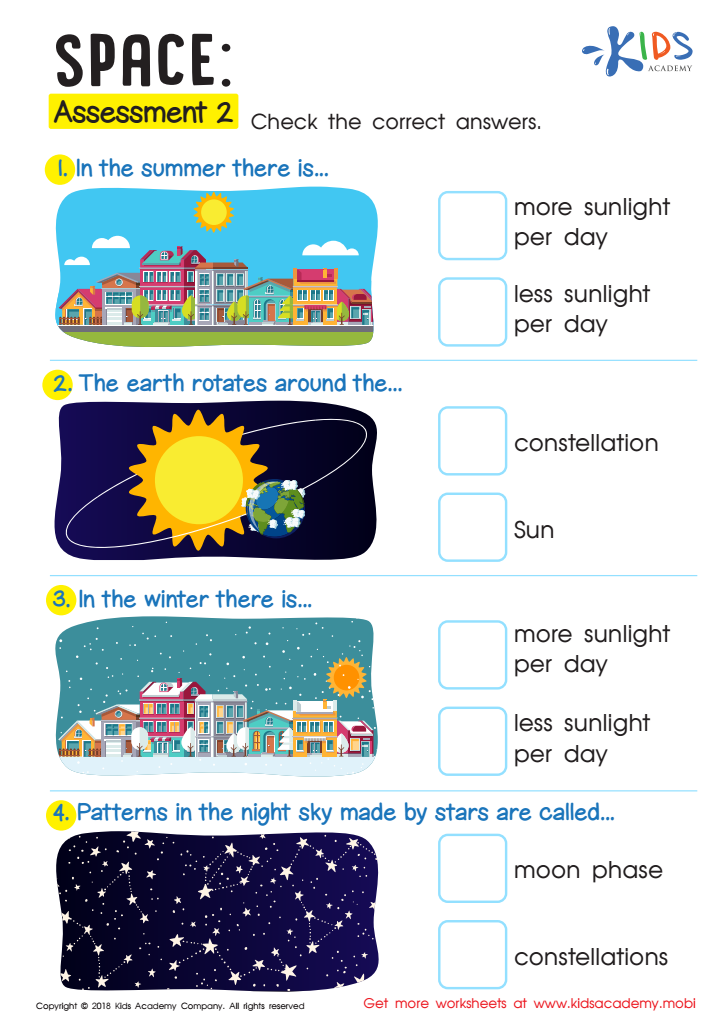
Space: Assessment 2 Worksheet






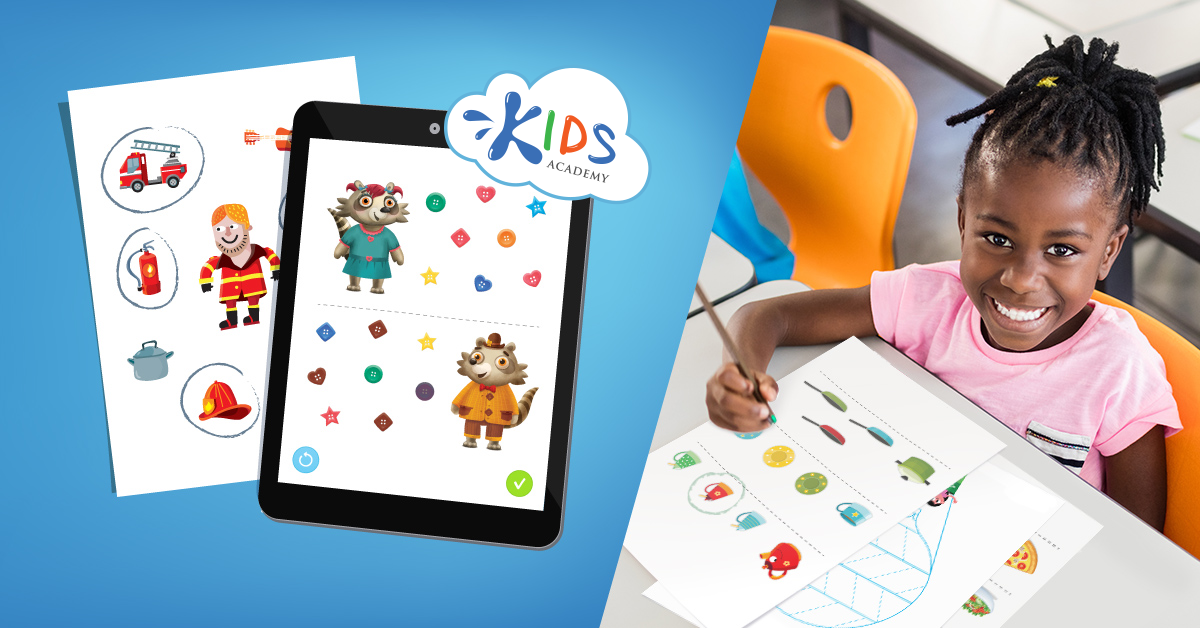
Fostering a love for science in young children, ages 3-9, cultivates curiosity, critical thinking, and a lifelong interest in learning. At this formative stage, children's minds are incredibly absorbent and open to new ideas. Introducing science early helps develop essential skills such as observation, analysis, and problem-solving.
Science knowledge encourages children to ask questions, explore their environment, and understand how the world works. For instance, activities like mixing colors, planting seeds, or playing with magnets are not just fun but also foundational learning experiences that teach basic scientific principles. These hands-on activities make abstract concepts tangible and relatable.
Moreover, children who engage with science early on are more likely to develop confidence in their ability to understand and interact with complex topics. This can translate to increased academic success across various subjects, as the skills learned through science are transferable.
Parents and teachers play a pivotal role in nurturing a child's interest in science. By providing stimulating and supportive environments, they can inspire a sense of wonder and enthusiasm. This early encouragement can set the stage for future scientific endeavors and cultivate informed, critically-minded adults, capable of making thoughtful decisions in an increasingly scientific and technological world.







