Sequencing skills improvement Science Worksheets for Ages 3-9
3 filtered results
-
From - To
Enhance your child's sequencing skills with our engaging science worksheets designed for ages 3-9! Our curated collection focuses on developing critical thinking and logical reasoning through fun and interactive activities. These worksheets encourage children to arrange events in the correct order, fostering their understanding of cause and effect as well as storyline development. With vibrant illustrations and age-appropriate content, kids will enjoy learning while improving their sequencing abilities. Perfect for home or classroom use, these resources make learning enjoyable and effective. Explore our worksheets today and help your child build a strong foundation for future academic success!
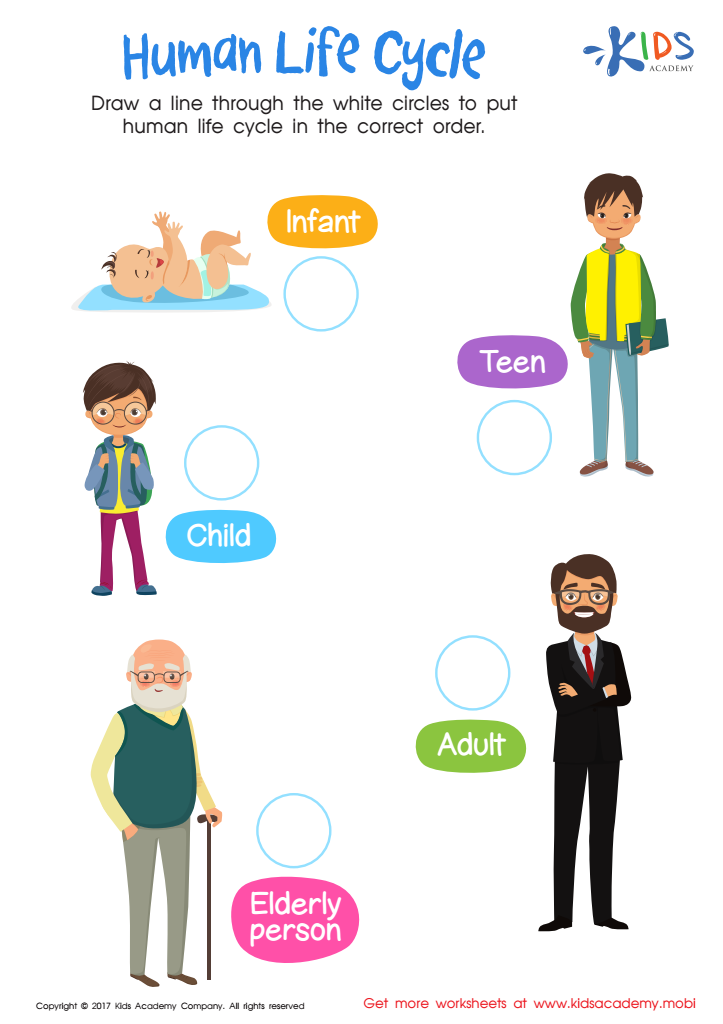
Human Life Cycle Worksheet
 Assign to My Students
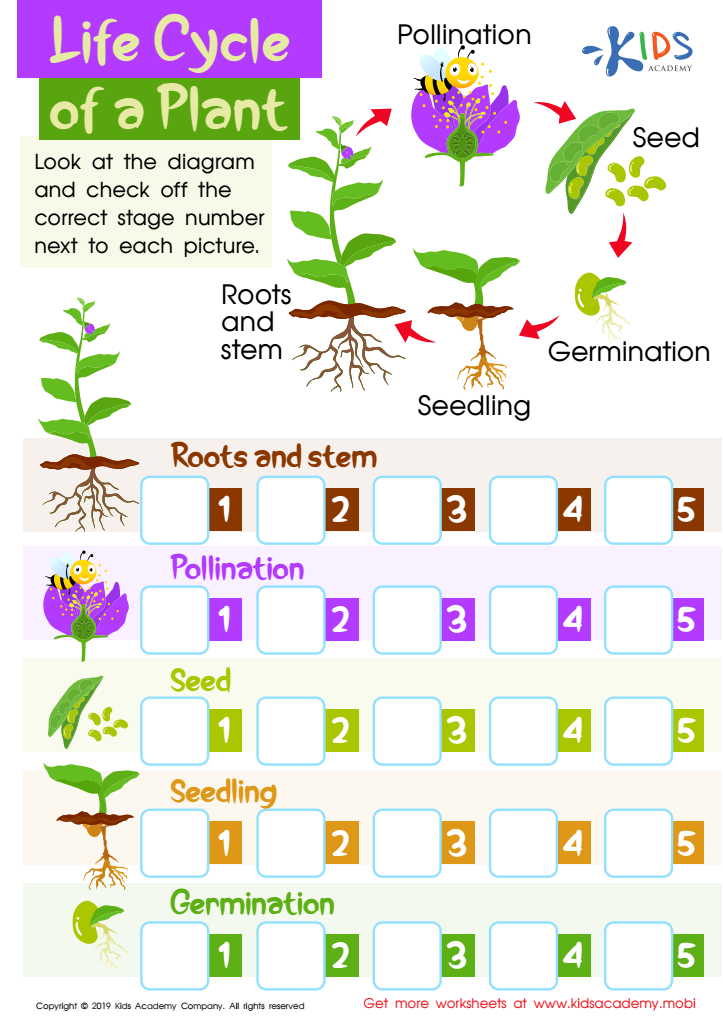
Life Cycle of a Plant Worksheet
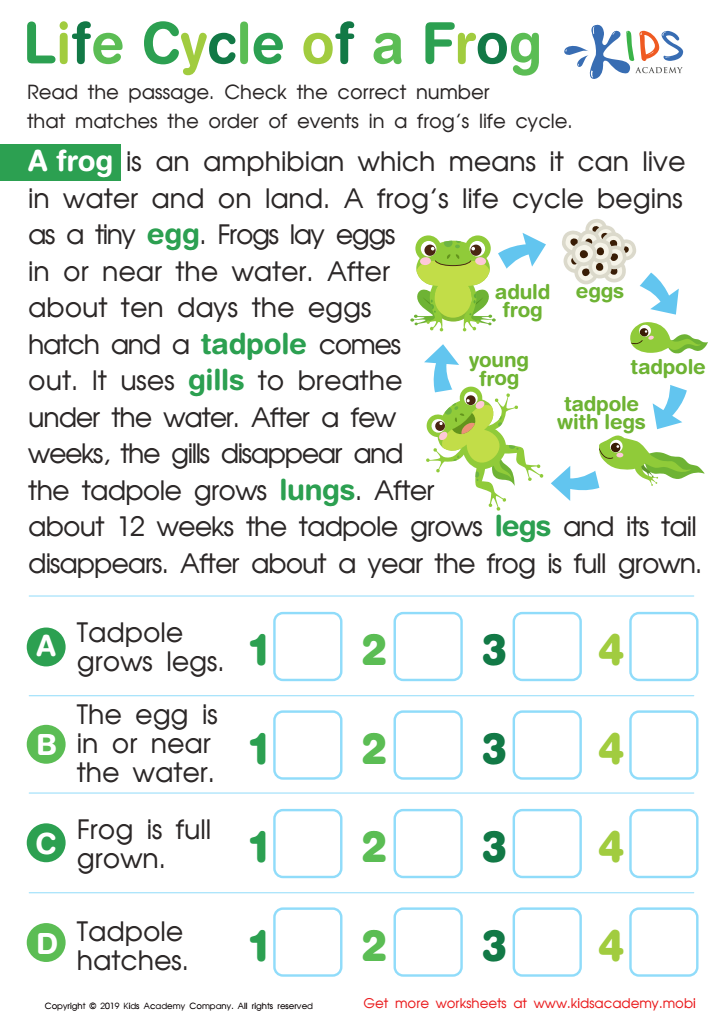
Life Cycle of a Frog Worksheet








Sequencing skills are fundamental to children’s cognitive development and academic success, particularly in science education for ages 3-9. Understanding sequences helps children grasp cause-and-effect relationships, which are crucial in scientific inquiry. For instance, when learning about the life cycle of a butterfly, recognizing each stage—egg, larva, pupa, and adult—enables them to comprehend the transformation process. This foundational knowledge promotes critical thinking and problem-solving capabilities.
Moreover, sequencing fosters logical reasoning. By learning to arrange events in a logical order, children enhance their ability to make predictions and derive conclusions based on observed patterns—key skills in scientific experimentation. Improved sequencing also supports effective communication, as children articulate their thoughts in a structured manner, benefiting both their oral and written skills.
For parents and teachers, prioritizing sequencing skills development ensures children are not just passive learners, but active participants in their education. It enhances engagement and lays the groundwork for more complex scientific concepts in later years. By nurturing this skill early on, parents and teachers empower children to navigate the world around them scientifically and confidently. Strong sequencing abilities ultimately contribute to their long-term academic performance across all subjects.







