Vocabulary enhancement Science Worksheets for Ages 3-9
50 filtered results
-
From - To
Boost young learners’ scientific vocabulary with our Vocabulary Enhancement Science Worksheets tailored for ages 3-9. Designed to be fun and engaging, these worksheets cover key scientific concepts through interactive activities that spark curiosity. Our age-appropriate materials help kids learn critical terminology in subjects like biology, earth science, and physics, fostering a lifelong love for science. Whether identifying plant parts, exploring weather patterns, or understanding basic physics, our worksheets offer the perfect blend of education and entertainment. Ideal for home or classroom use, these tools ensure children build a solid foundation in scientific language. Start enhancing their vocab today!
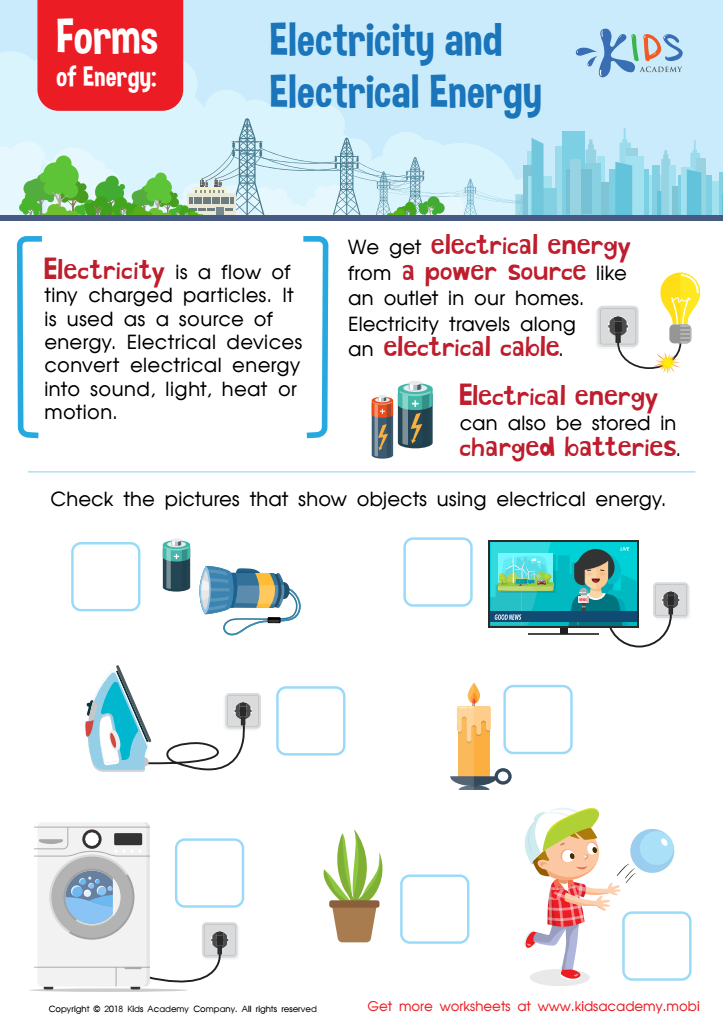
Forms of Energy Worksheet
 Assign to My Students
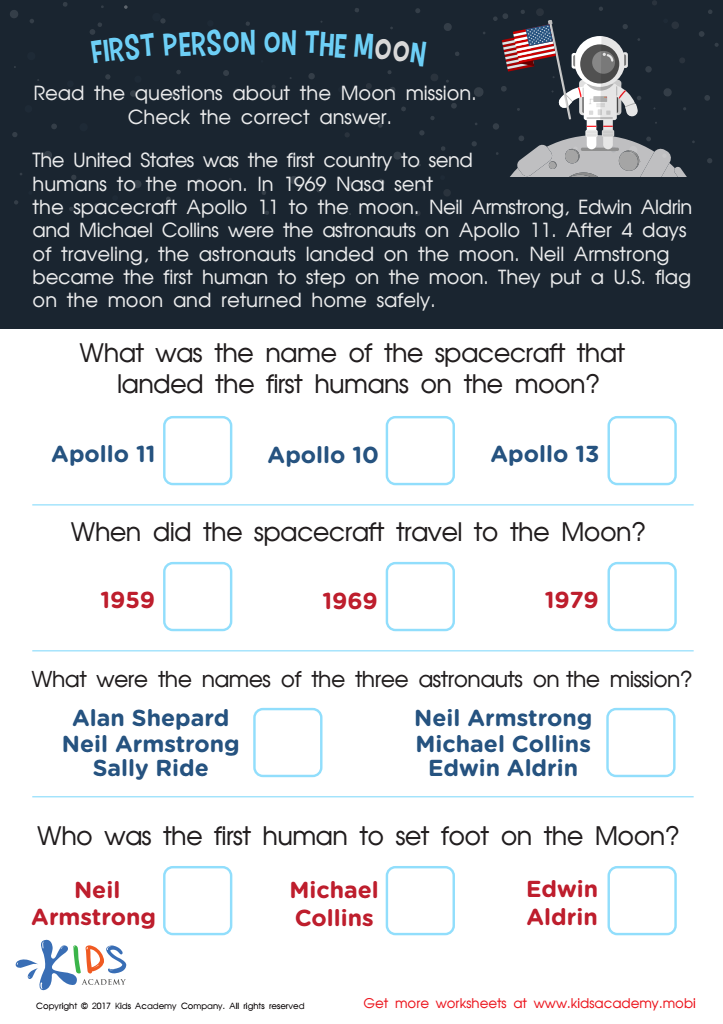
First Person on the Moon Worksheet
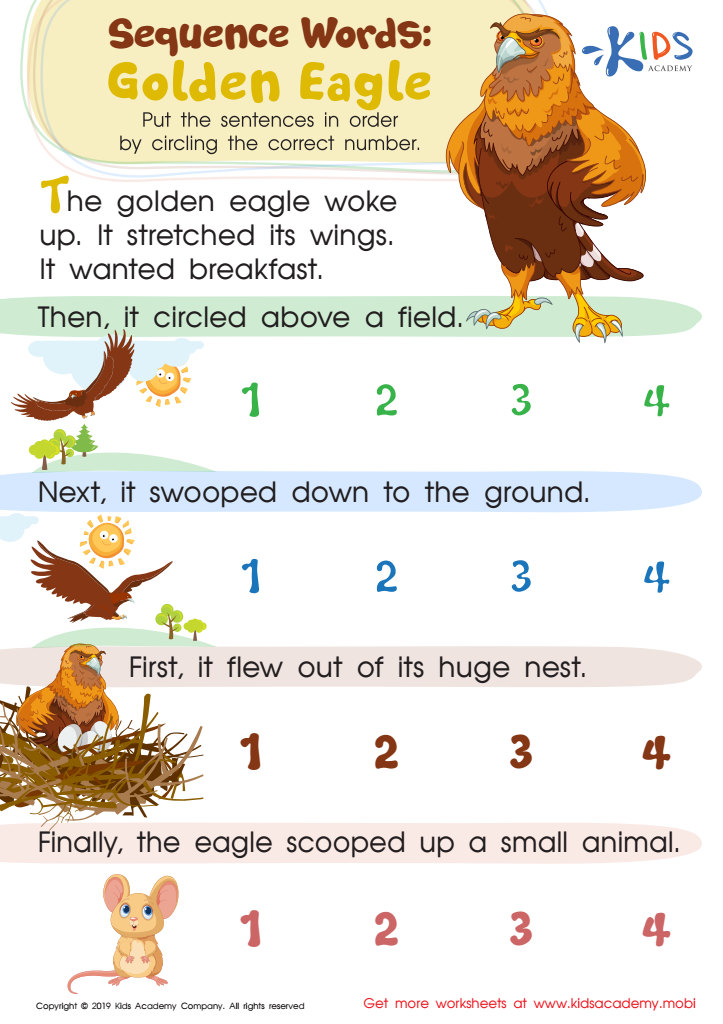
Sequence Word Eagle Worksheet
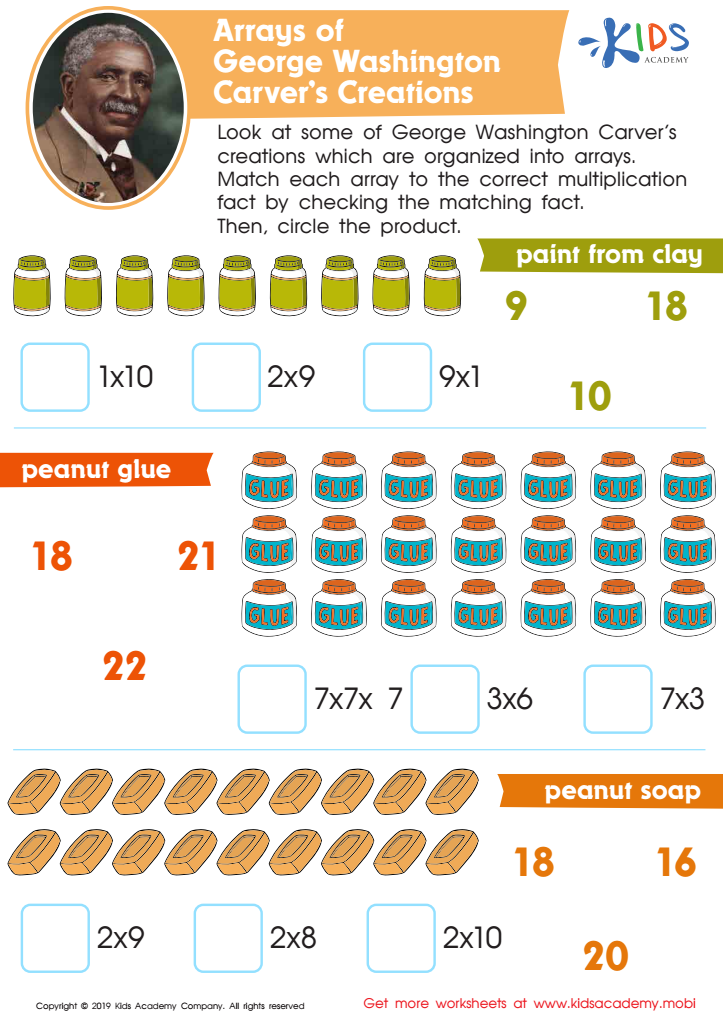
Arrays of George Washington Carver’s Creations Worksheet
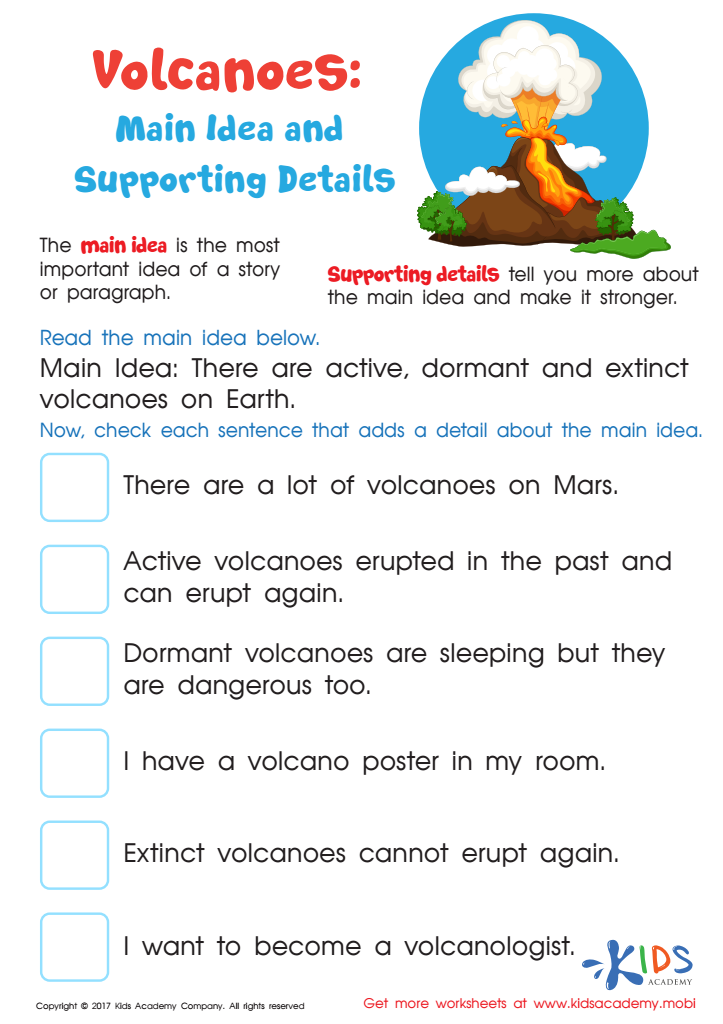
Volcano Facts Worksheet

Protecting Our Homes Worksheet
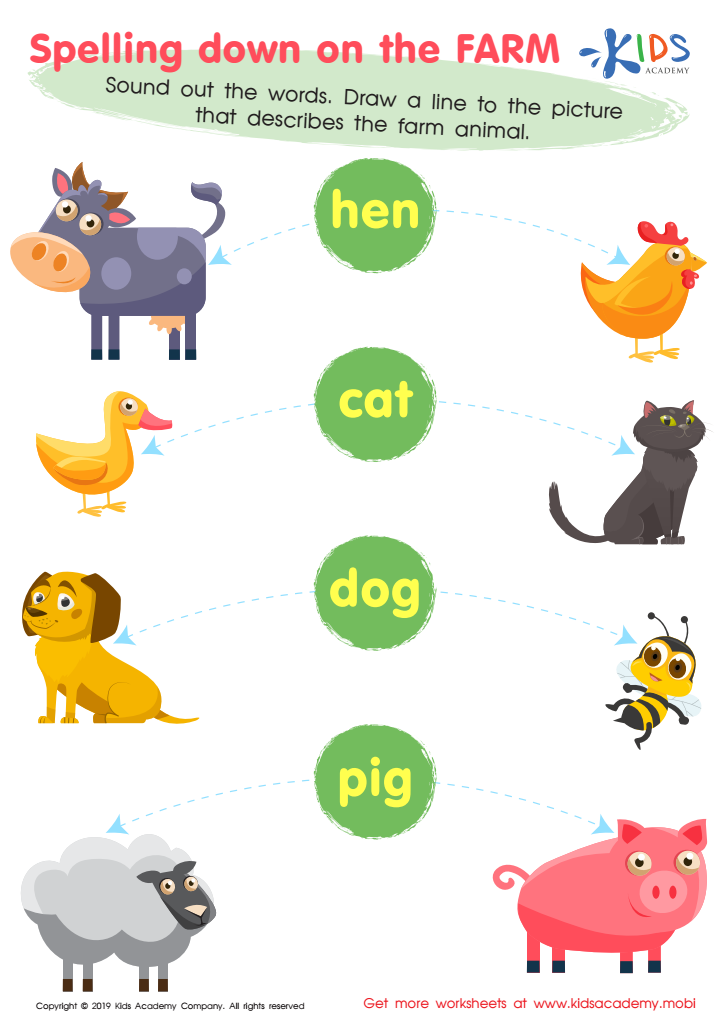
Spelling Down on the Farm Worksheet
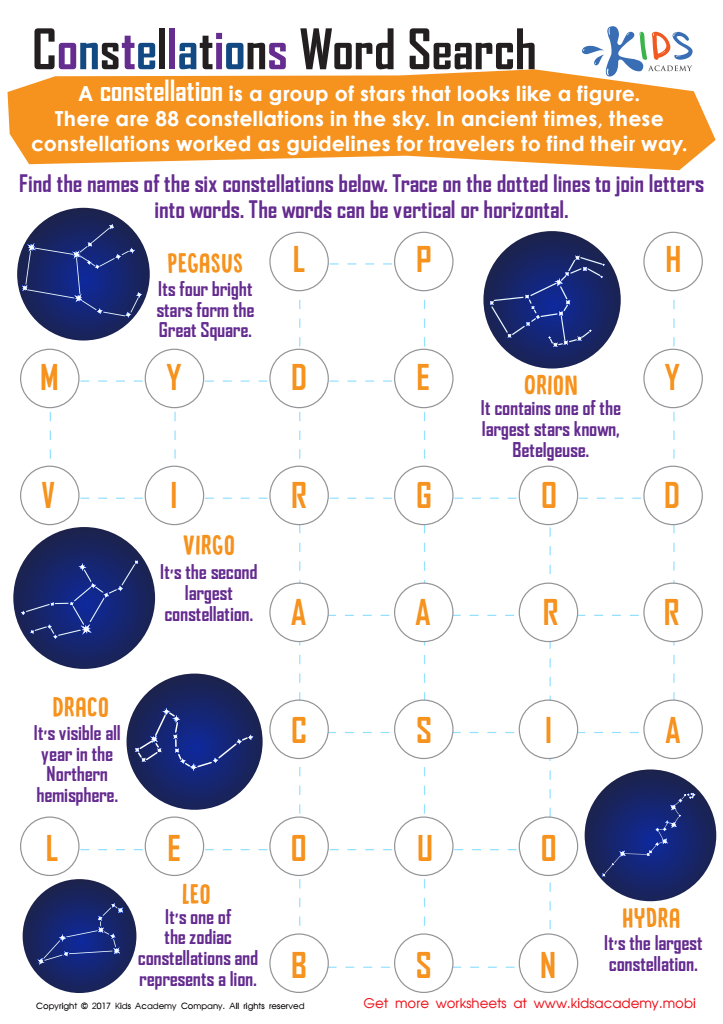
Constellations Word Search Printable
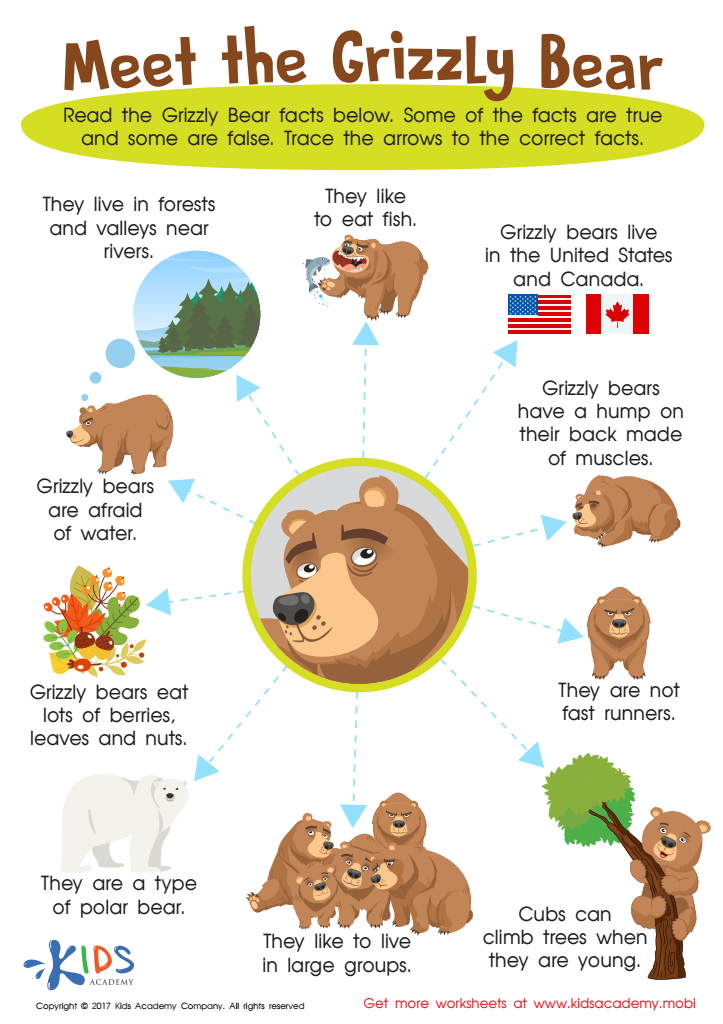
Grizzly Bear Facts Worksheet
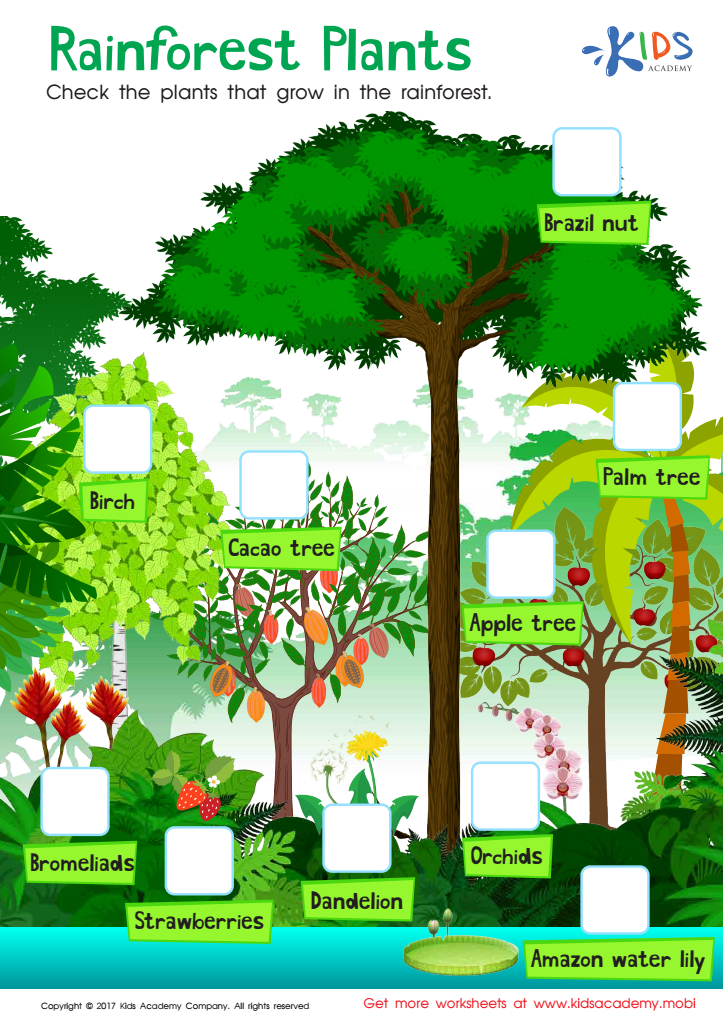
Rainforest Plants Worksheet
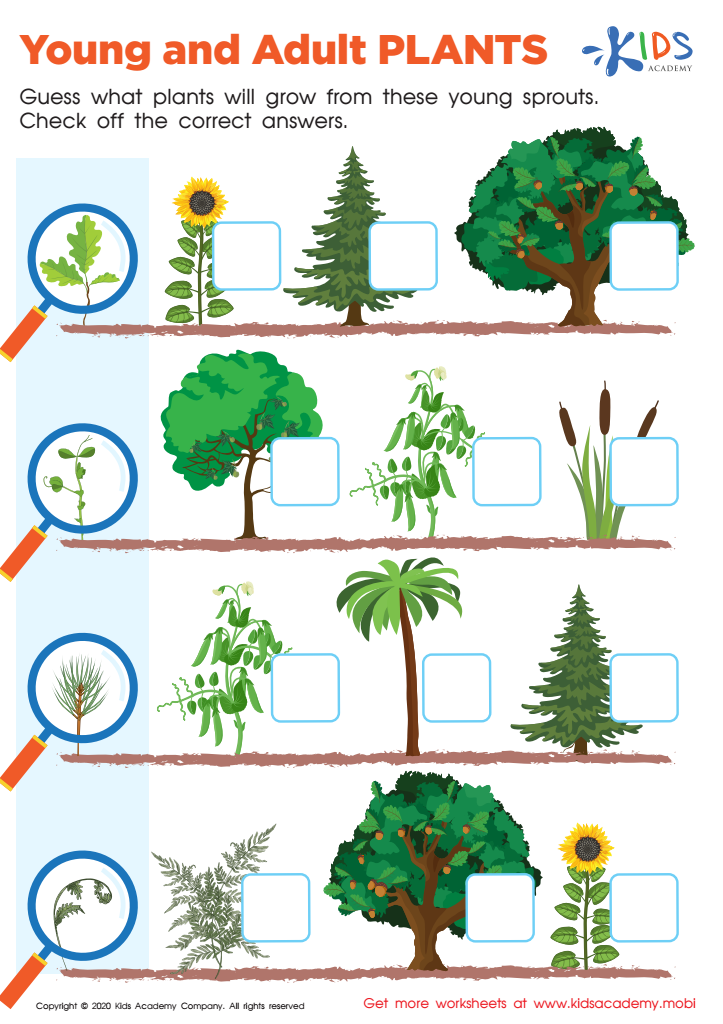
Young and Adult Plants Worksheet
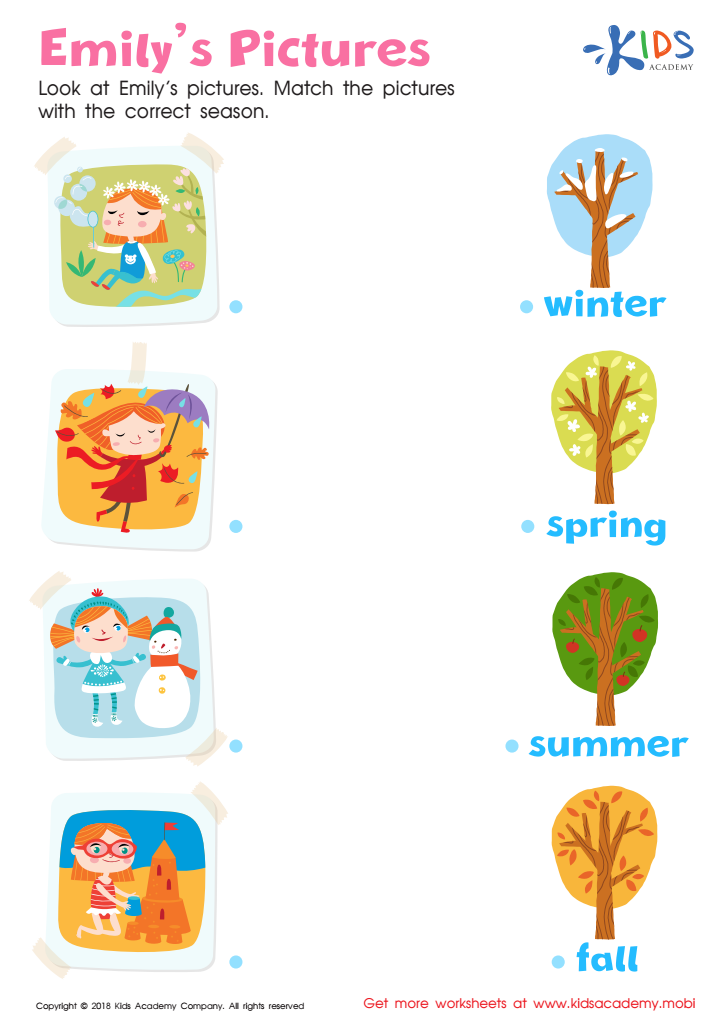
Emily's Pictures Worksheet
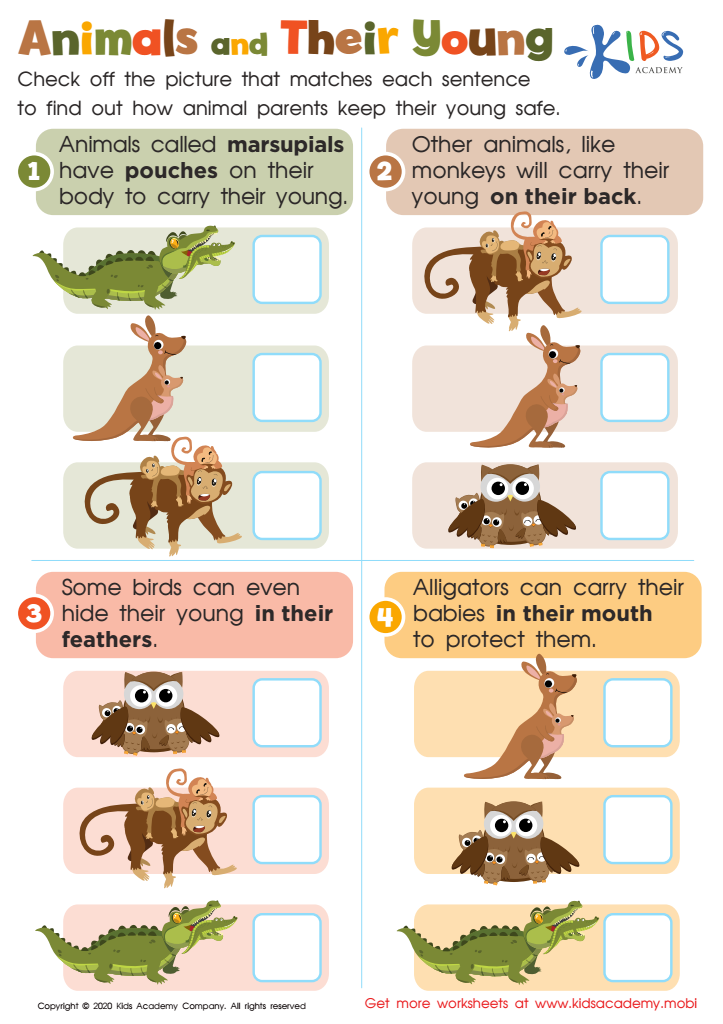
Animals and Their Young Worksheet
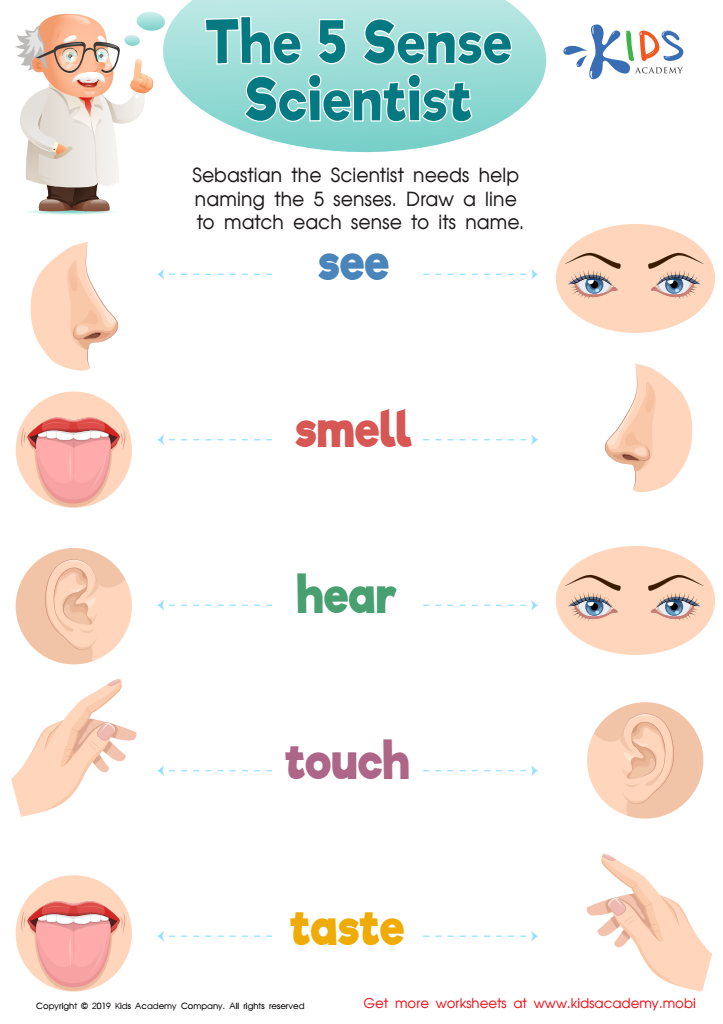
The 5 Sense Scientist Worksheet
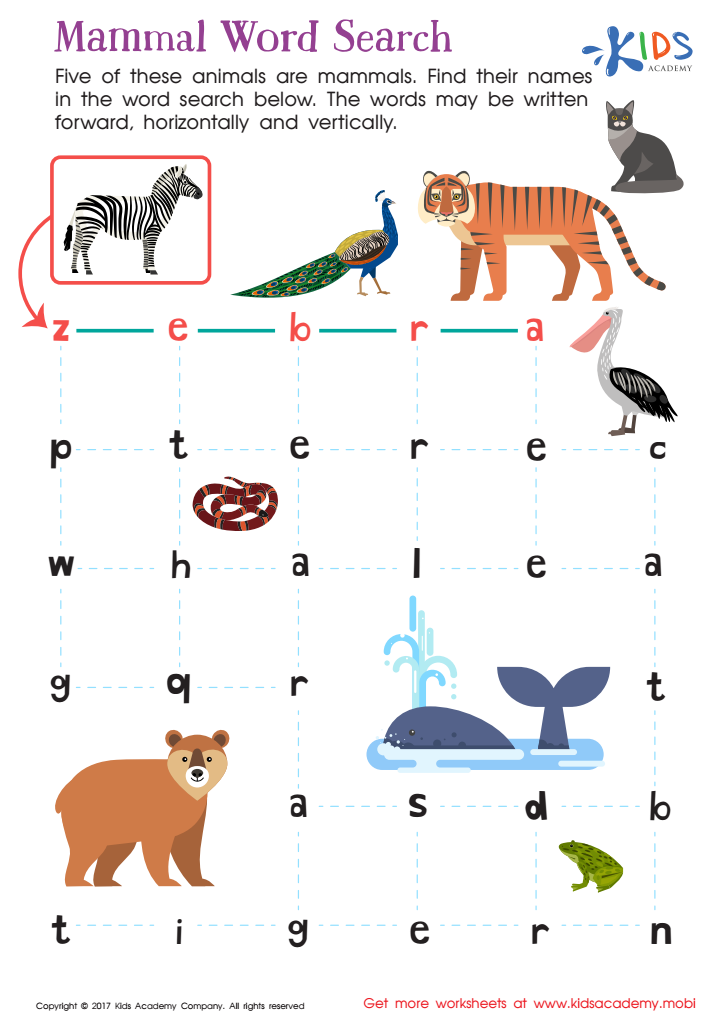
Printable Mammal Word Search
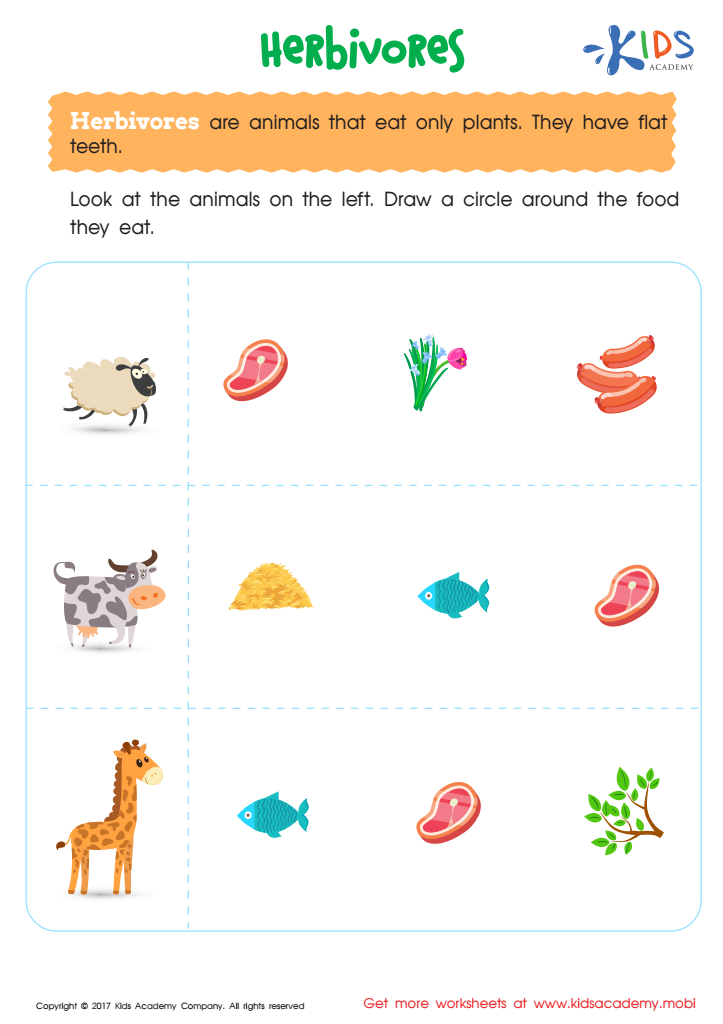
Herbivores Printable

The Night Sky: Aries Worksheet
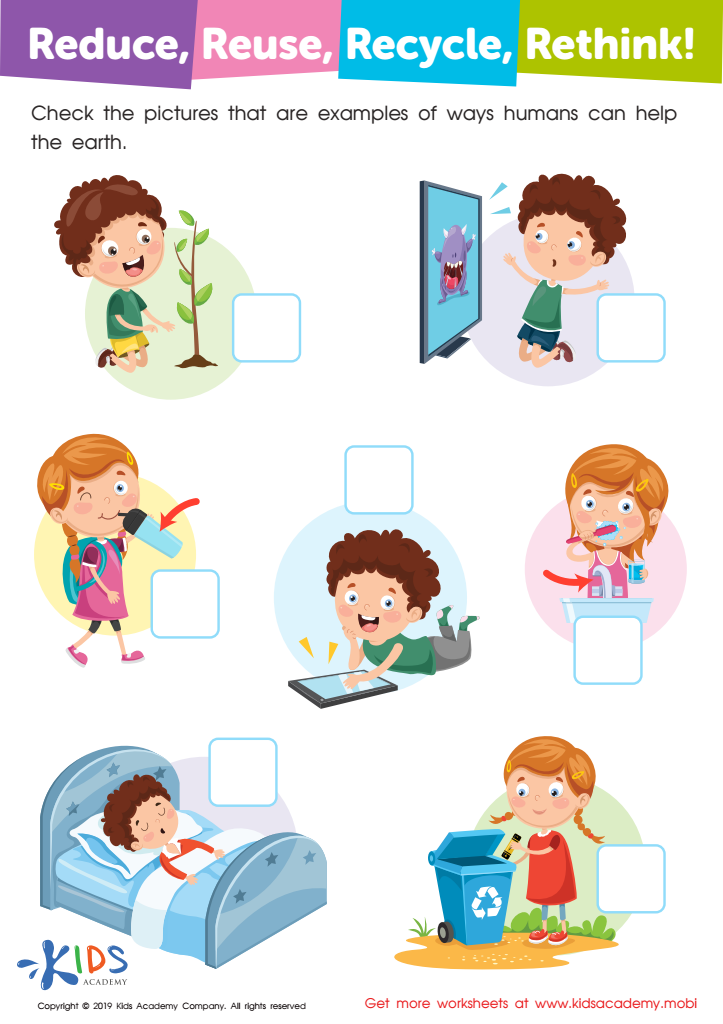
Reduce, Reuse, Recycle, Rethink Worksheet
Over or Under? Worksheet
Plant Fun Worksheet
Activities for Different Kinds of Weather Worksheet
What Feels Soft Printable
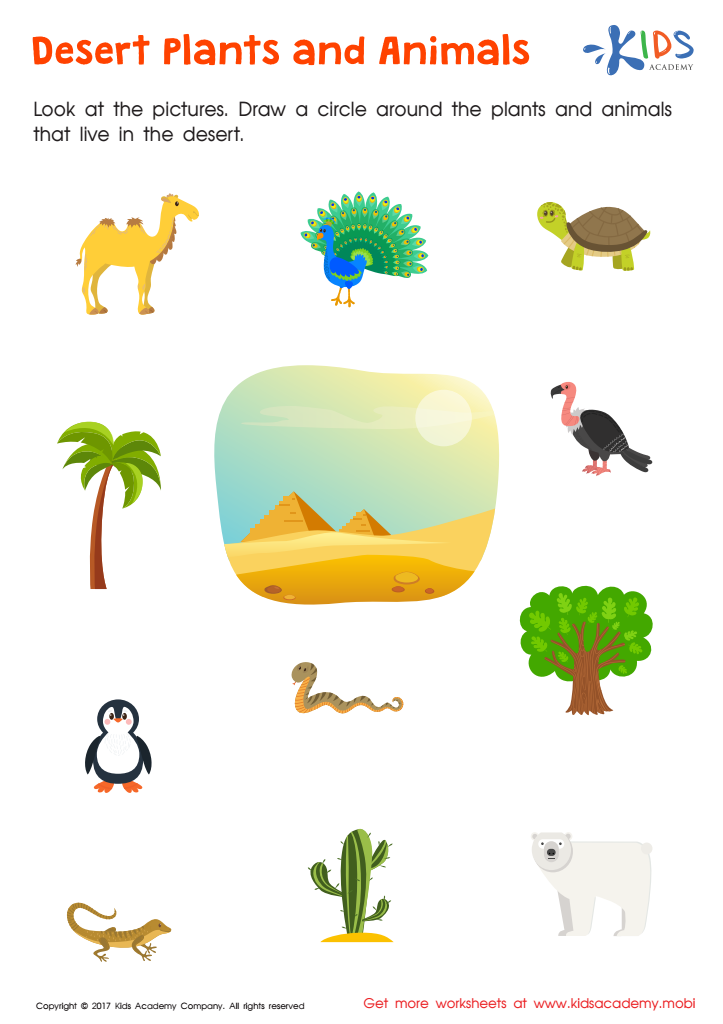
Desert Plants Animals Printable
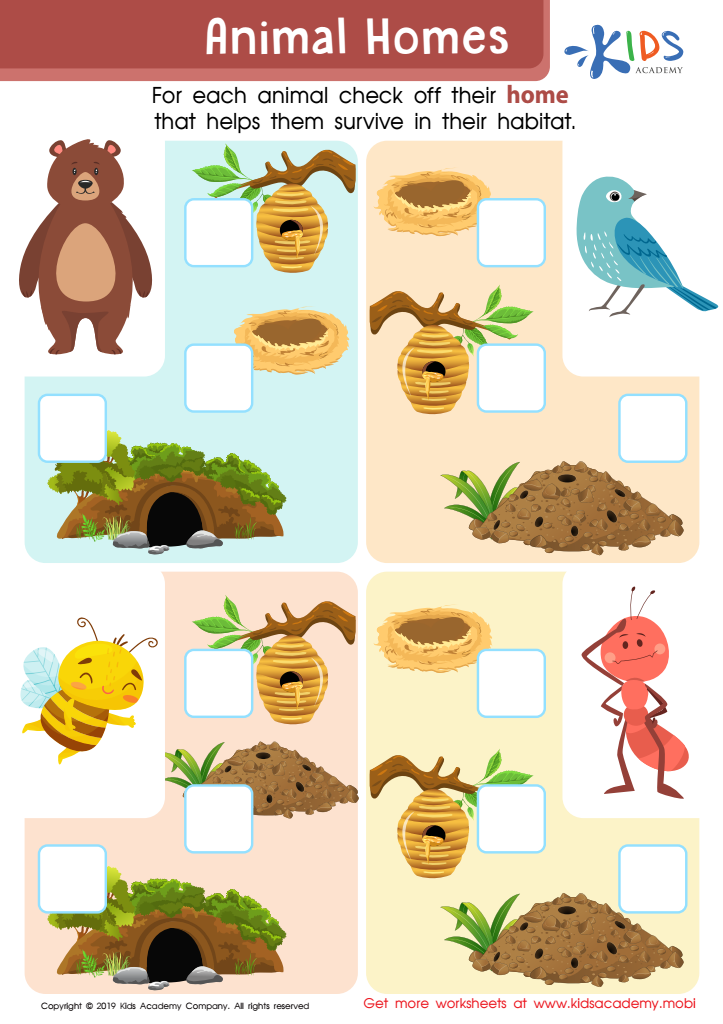
Animal Homes Worksheet







%20(1).jpg)
Vocabulary enhancement in science for children aged 3-9 is crucial for several reasons. First, a strong vocabulary foundation aids in overall language development, which is a critical component of communication. When children understand and can use scientific terms, it boosts their reading comprehension and expressive language skills.
Second, early exposure to scientific vocabulary stimulates curiosity and fosters a love for learning. Children who are equipped with the right terms can better articulate questions and observations, fueling a deeper interest in science. This sets a strong groundwork for future academic success in subjects that rely heavily on technical language.
Moreover, enhancing vocabulary in science helps to develop critical thinking and problem-solving skills. Understanding terms like "experiment," "hypothesis," and "observation" empowers children to grasp scientific concepts more quickly and apply them in everyday situations.
Parents and teachers who prioritize vocabulary enhancement provide children with tools to make sense of the world around them. For instance, knowing the word "evaporation" helps a child comprehend why puddles disappear after it rains.
In essence, investing in vocabulary enhancement from a young age sets the stage for lifelong learning and intellectual curiosity in science and beyond. It helps children not only understand their environment but thrive in educational settings.







