Reading comprehension Life Science Worksheets for Ages 3-9
13 filtered results
-
From - To
Unlock the magic of reading with our Reading Comprehension Life Science Worksheets designed specifically for children aged 3-9! These engaging resources will enhance your child's understanding of the natural world while building essential reading skills. Perfect for young learners, our worksheets cover various life science topics, from plants and animals to ecosystems, blending simple texts and interactive activities to captivate young minds. Each worksheet is thoughtfully crafted to promote curiosity and critical thinking. Ideal for both classroom use and at-home learning, they provide a joyful educational journey that sparks a lifelong love for science and reading.
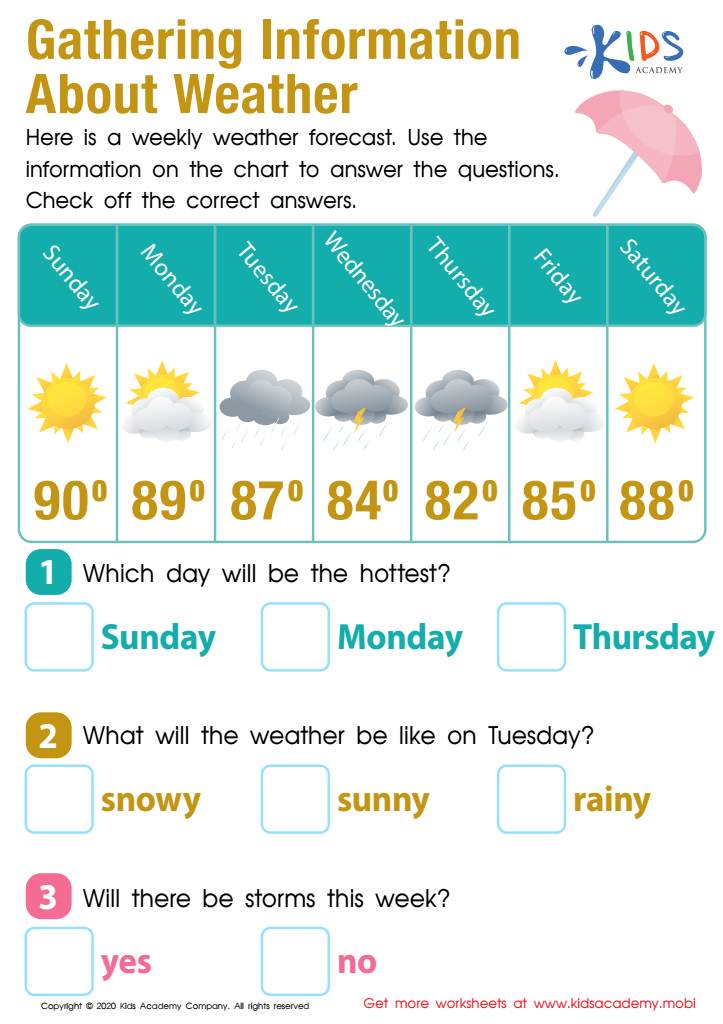
Gathering Information About the Weather Worksheet
 Assign to My Students
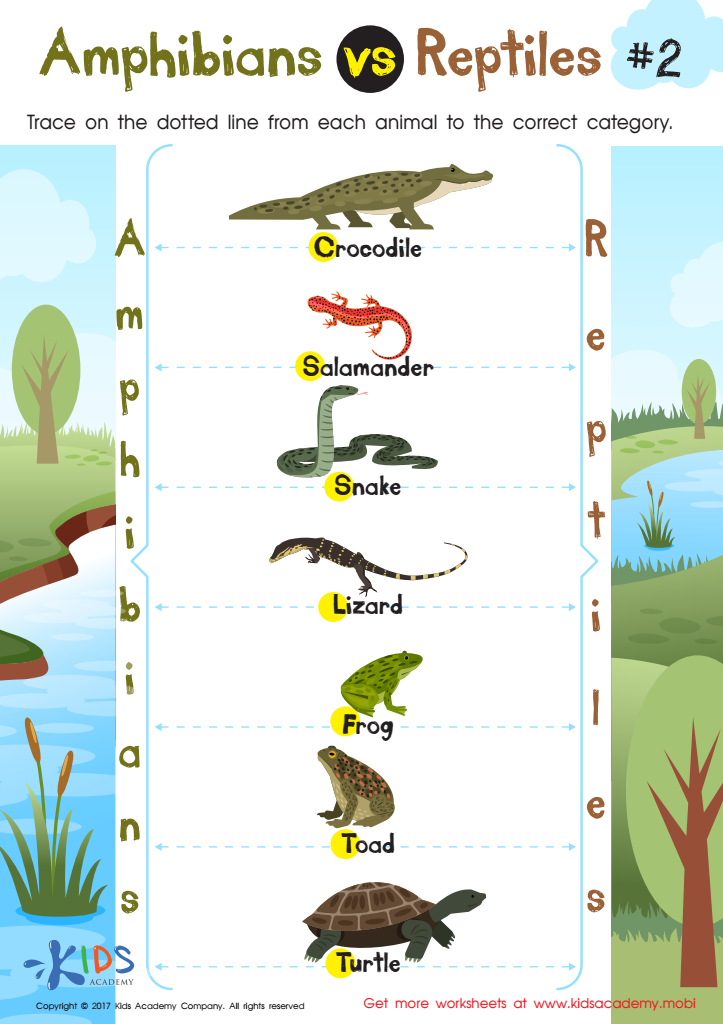
Amphibians vs Reptiles Worksheet for 3rd Grade
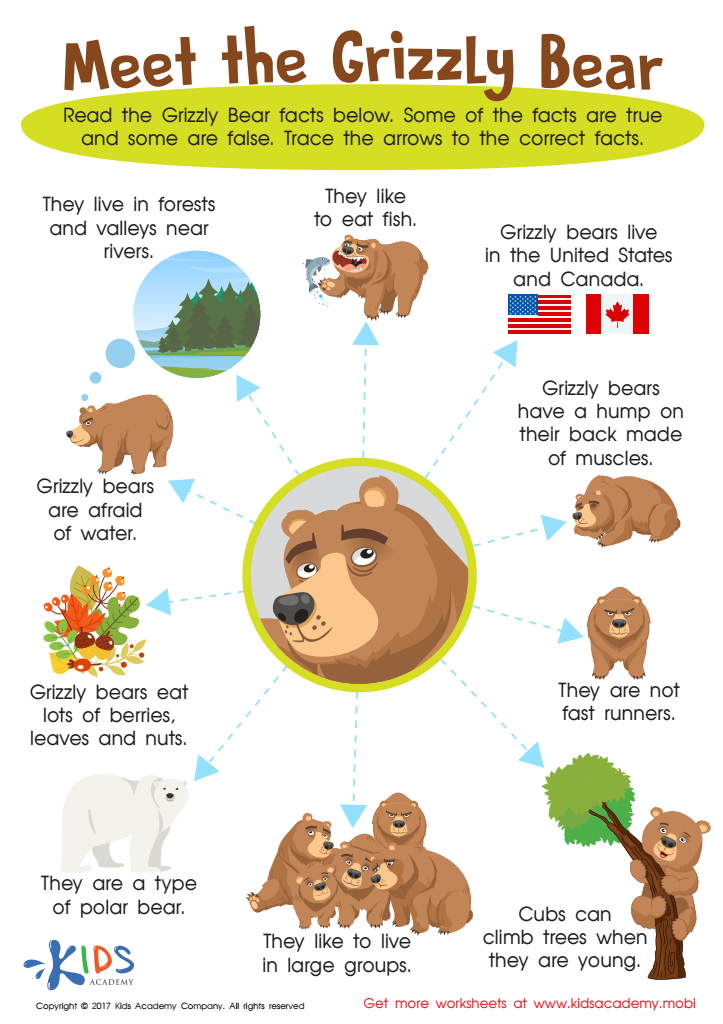
Grizzly Bear Facts Worksheet
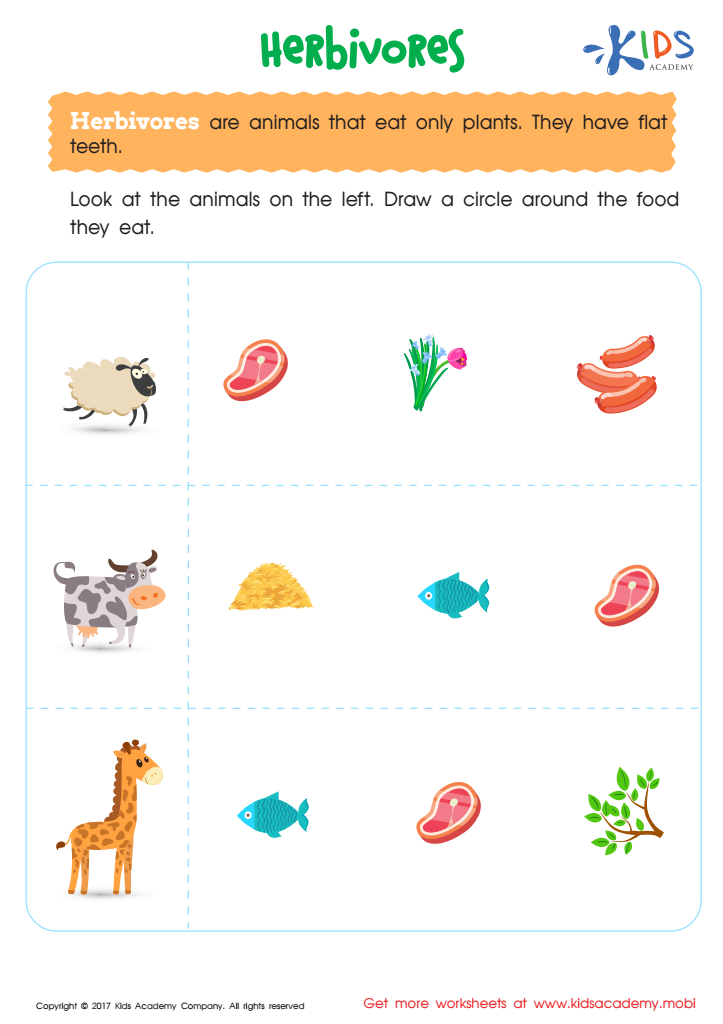
Herbivores Printable
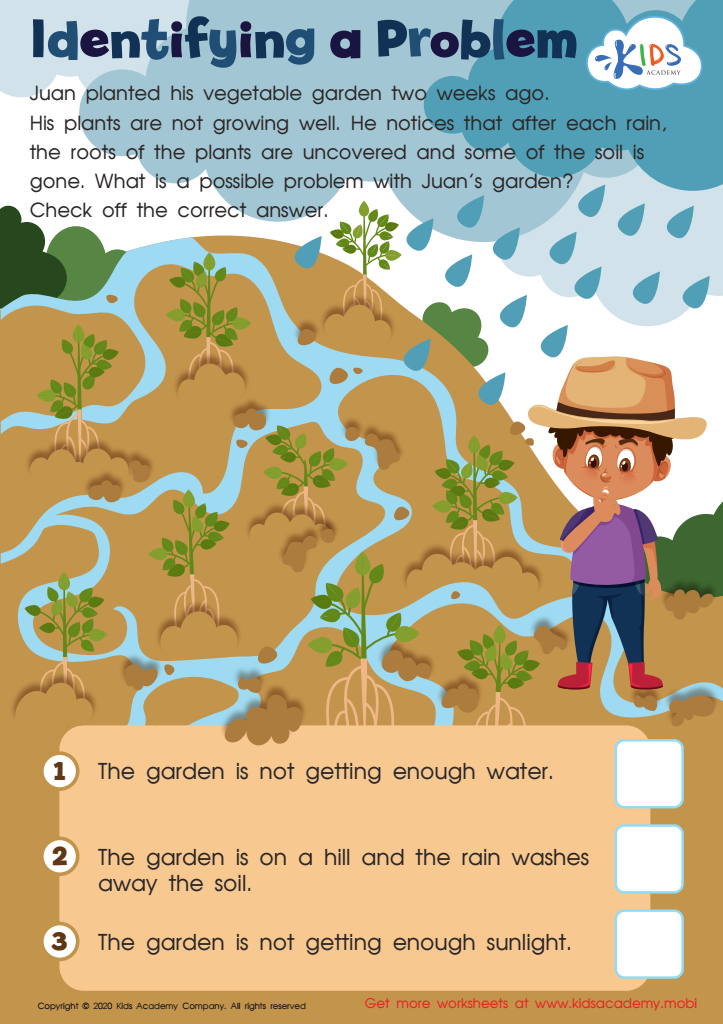
Identifying a Problem Worksheet
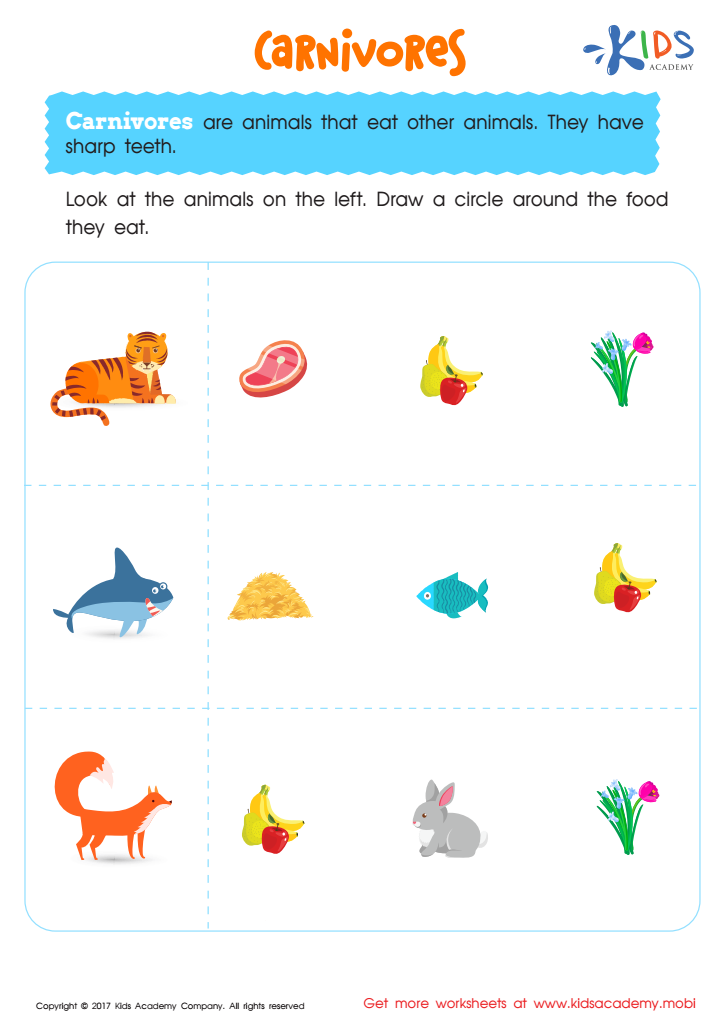
Carnivores Worksheet
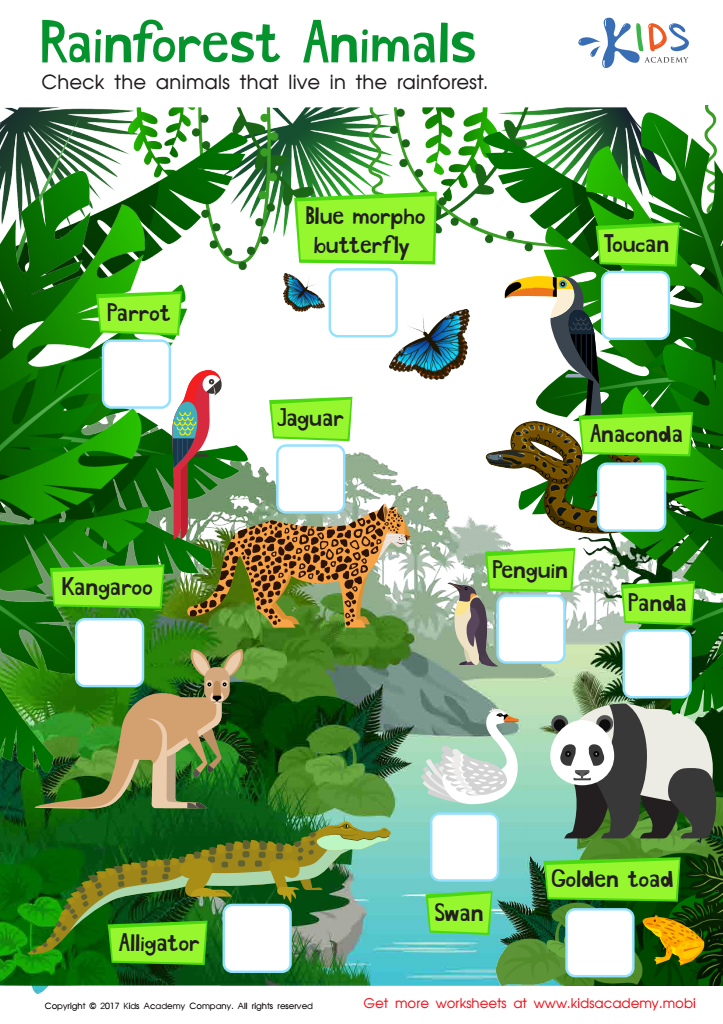
Rainforest Animals Worksheet
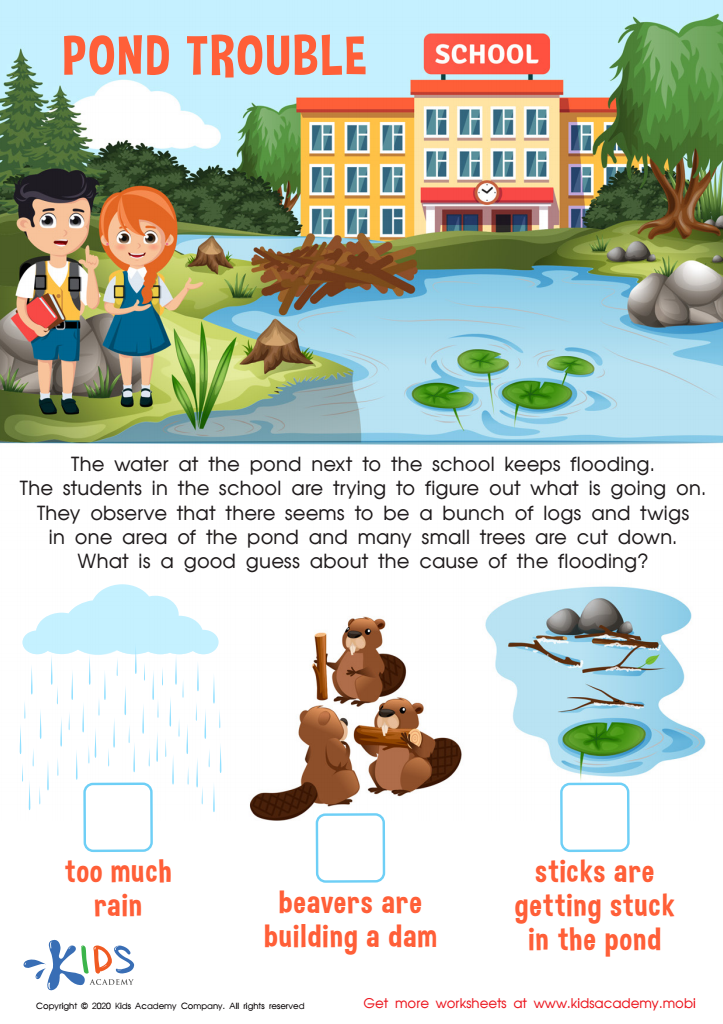
Pond Trouble Worksheet
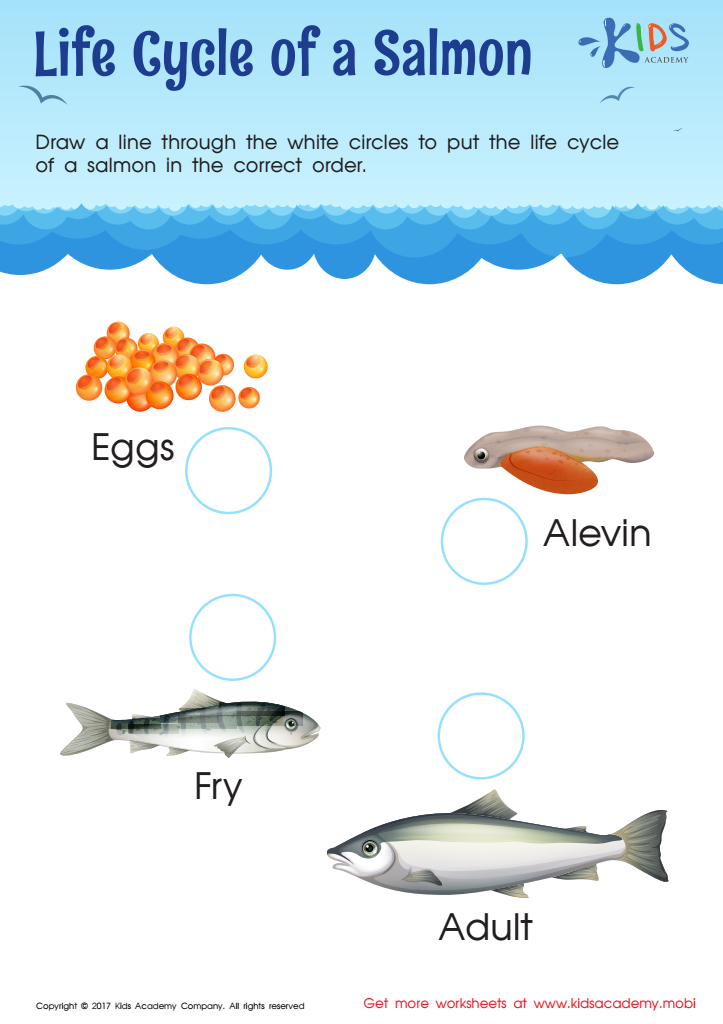
Cycle Of Salmon Worksheet
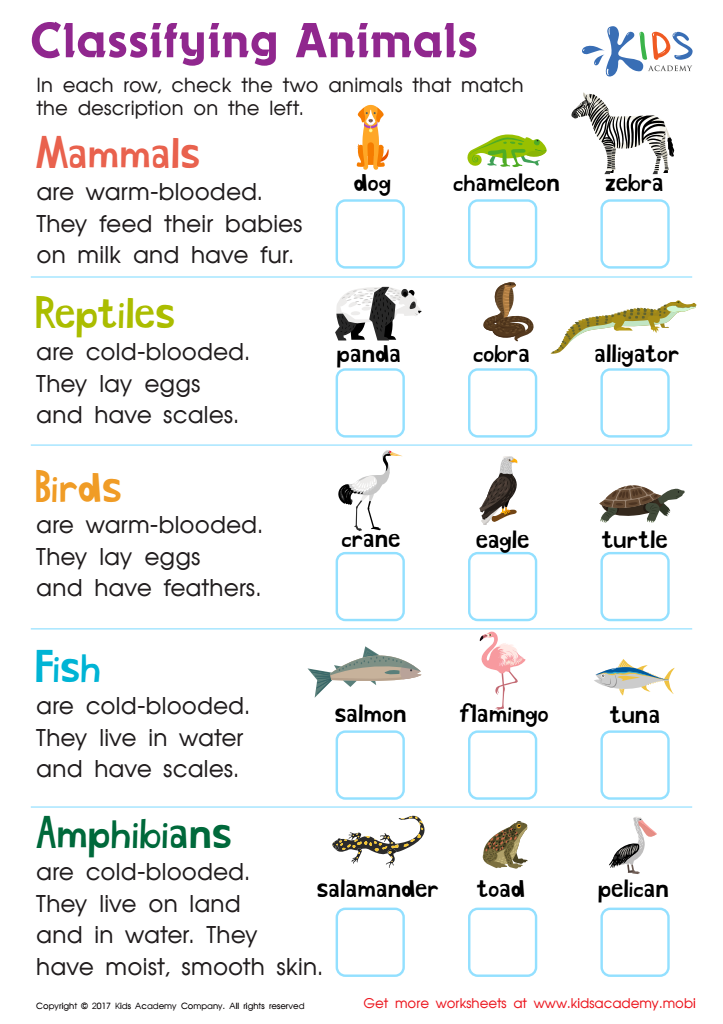
Classifying Animals Worksheet
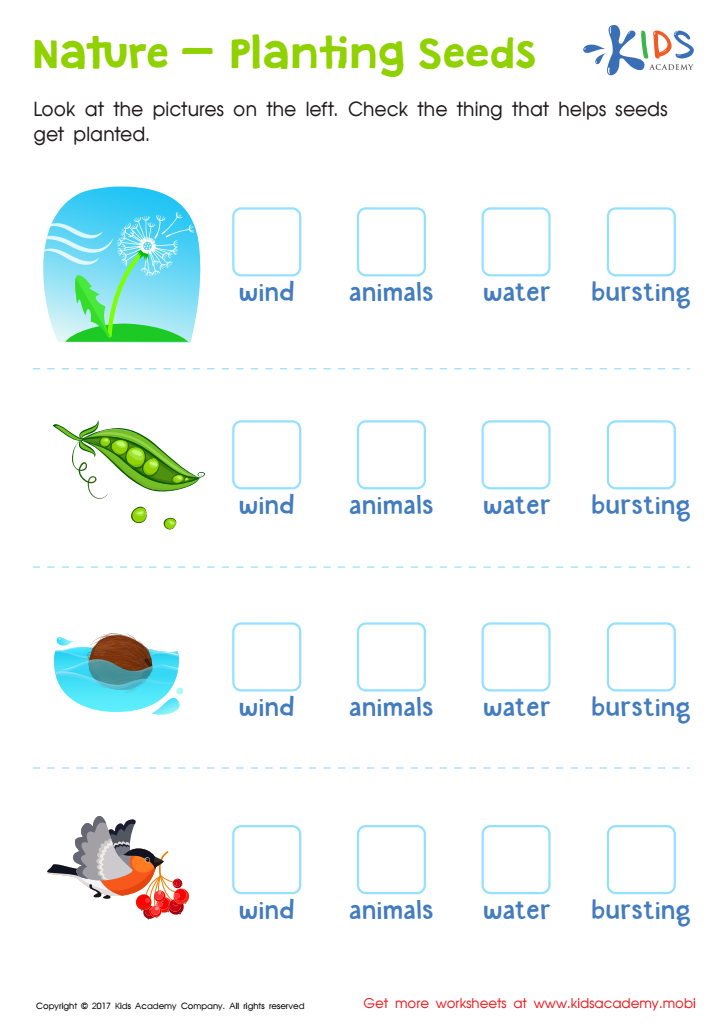
Nature Planting Seeds Worksheet
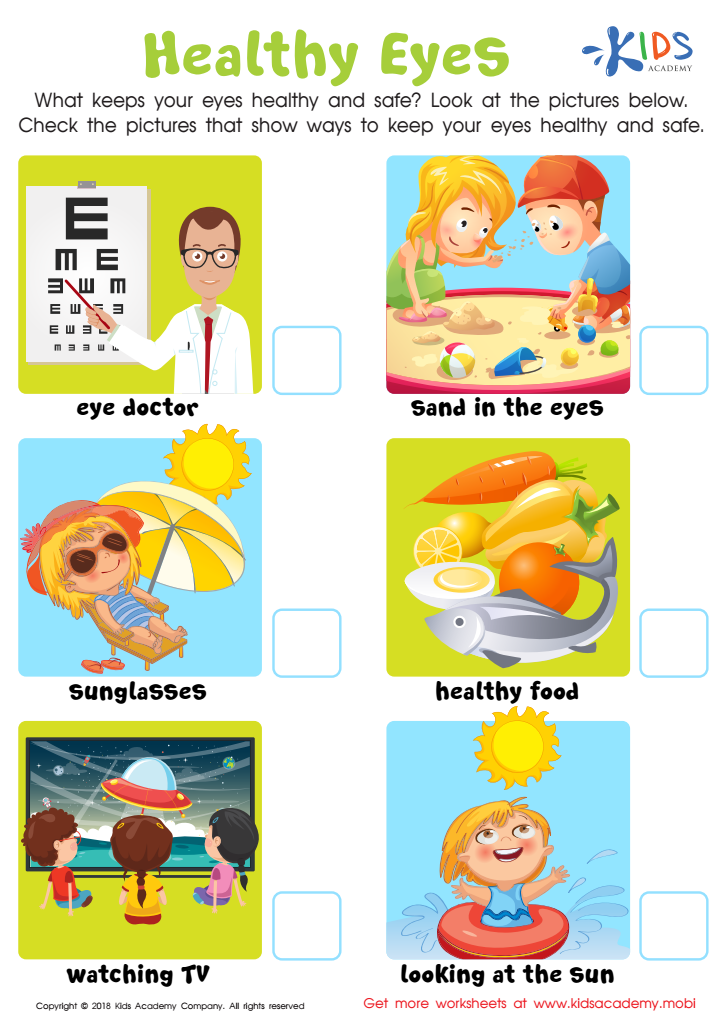
Healthy Eyes Worksheet
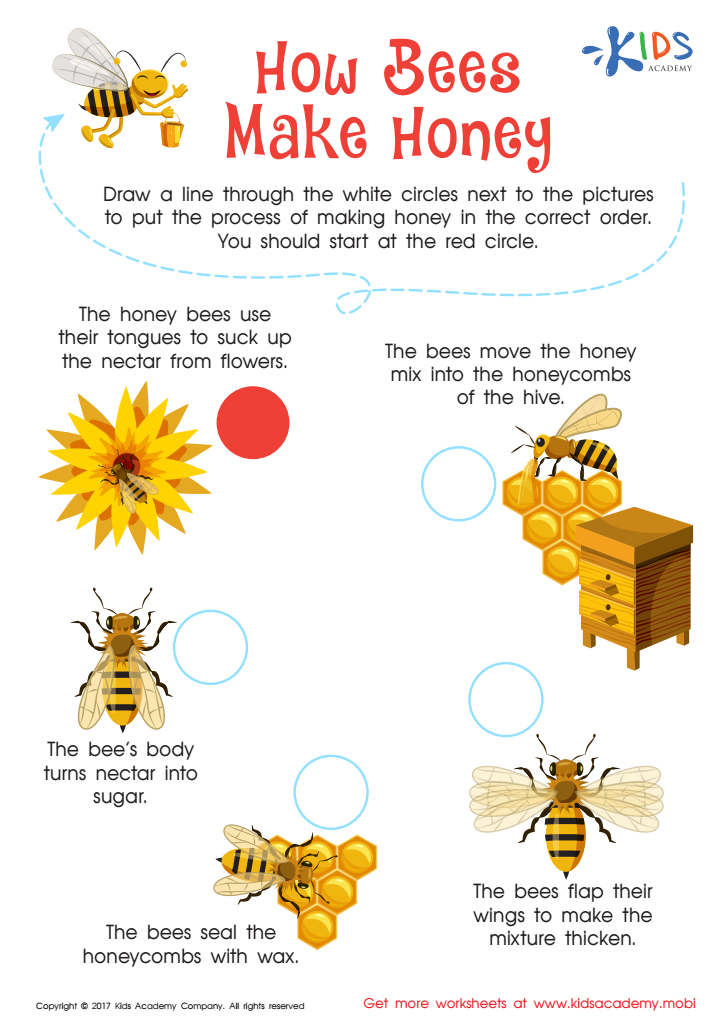
Honey Bee Worksheet






Reading comprehension in Life Science for ages 3-9 is crucial for numerous reasons, and both parents and teachers have a significant role to play in fostering this skill. At this formative age, children are naturally curious about the world around them. Life Science introduces them to fundamental concepts about living organisms, ecosystems, and the environment, laying a foundation for future scientific learning.
By engaging with Life Science texts, children enhance their reading comprehension skills, which are essential for academic success across all subjects. Understanding scientific vocabulary, identifying key ideas, and making connections between text and real-life experiences improve critical thinking and problem-solving abilities.
For parents, supporting reading comprehension in Life Science nurtures an early interest in science, potentially guiding future educational and career pursuits. Additionally, it allows quality bonding time, as parents can explore and answer questions together with their children.
Teachers contribute by integrating Life Science into various subjects, creating a comprehensive learning environment. They can use interactive and age-appropriate materials to make science concepts accessible and engaging.
Ultimately, fostering reading comprehension in Life Science prepares young learners for a well-rounded education. It encourages curiosity, critical thinking, and a lifelong love for learning, giving children the tools they need to navigate and understand the natural world.








