Vocabulary enhancement Life Science Worksheets for Ages 3-9
8 filtered results
-
From - To
Discover our engaging Vocabulary Enhancement Life Science Worksheets designed for children ages 3-9. These worksheets are perfect for introducing young learners to essential science vocabulary in a fun and interactive way. Each worksheet focuses on key life science concepts, helping students develop language skills while exploring topics like plants, animals, and ecosystems. With colorful illustrations and age-appropriate activities, children will enhance their understanding of scientific terms and improve their reading comprehension. Ideal for homeschooling, classroom learning, or extra practice, our worksheets inspire curiosity about the natural world while building a solid foundation in vocabulary. Start your child’s science journey today!
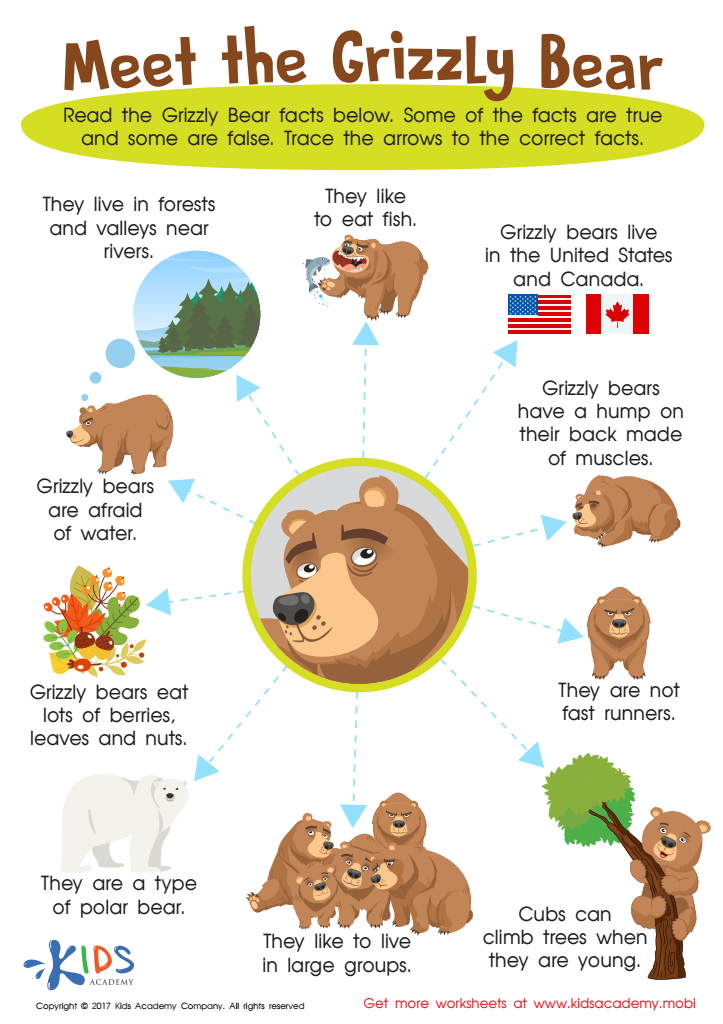
Grizzly Bear Facts Worksheet
 Assign to My Students
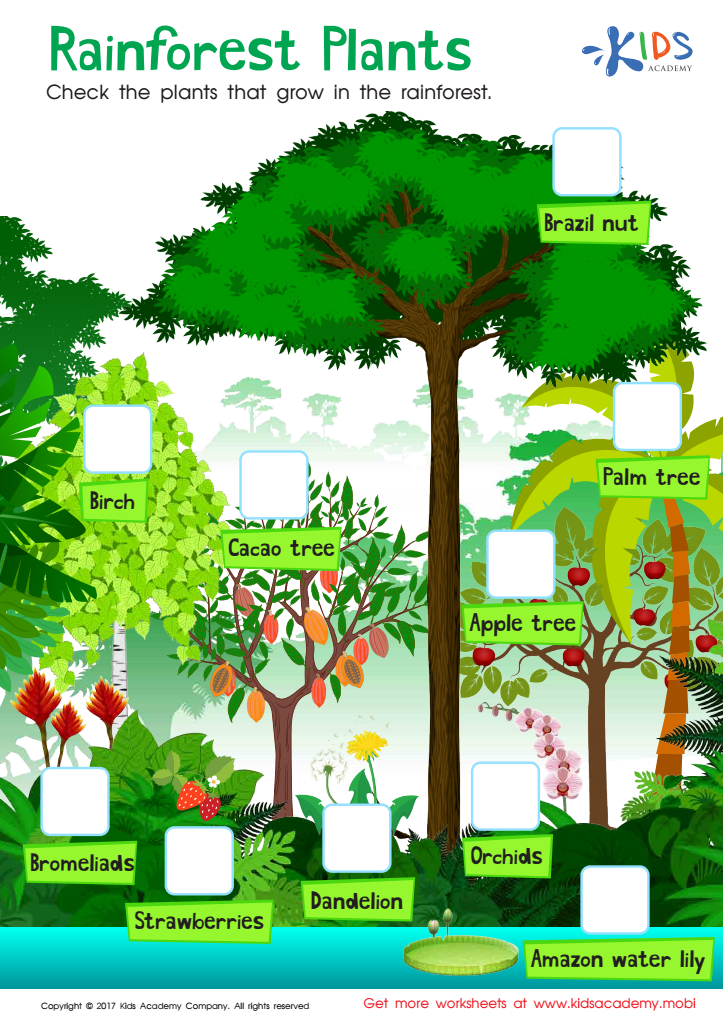
Rainforest Plants Worksheet
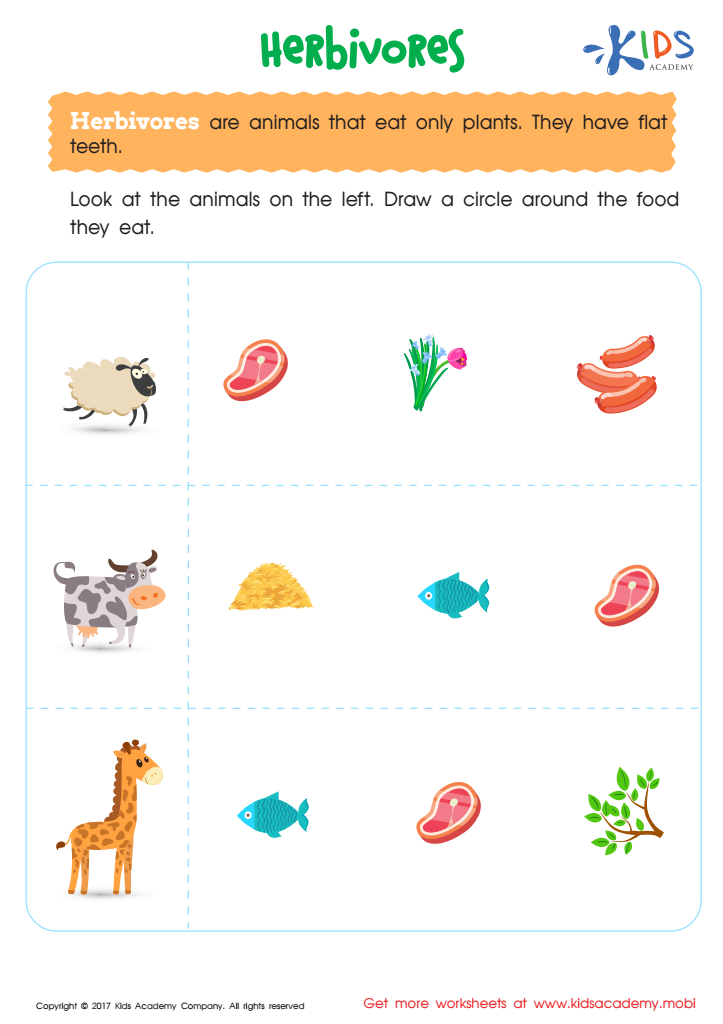
Herbivores Printable
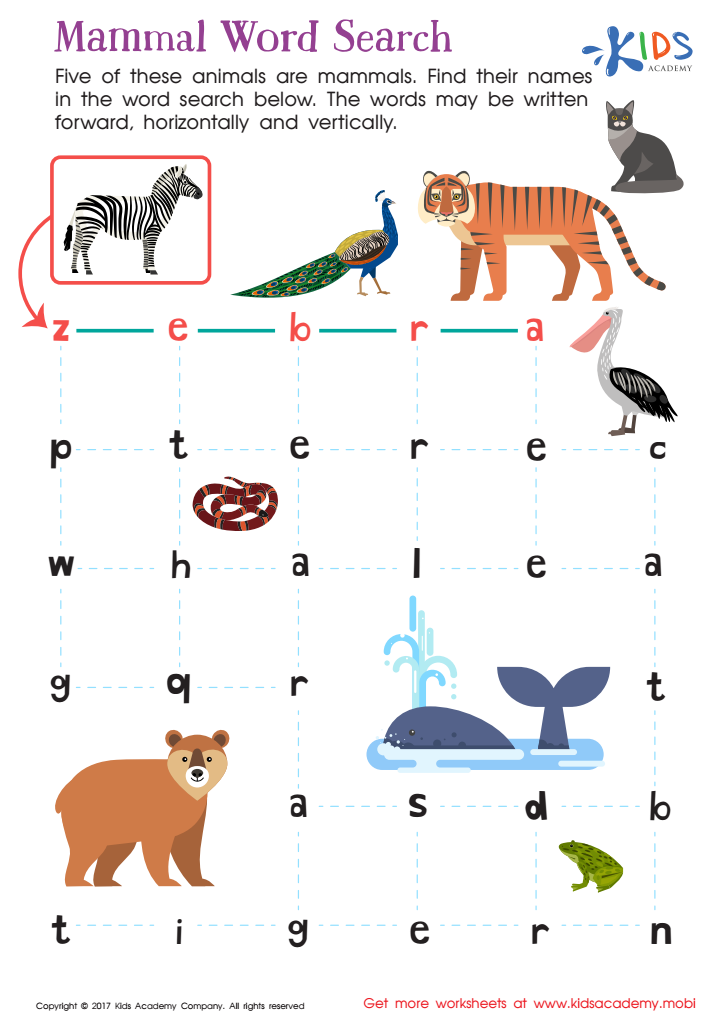
Printable Mammal Word Search
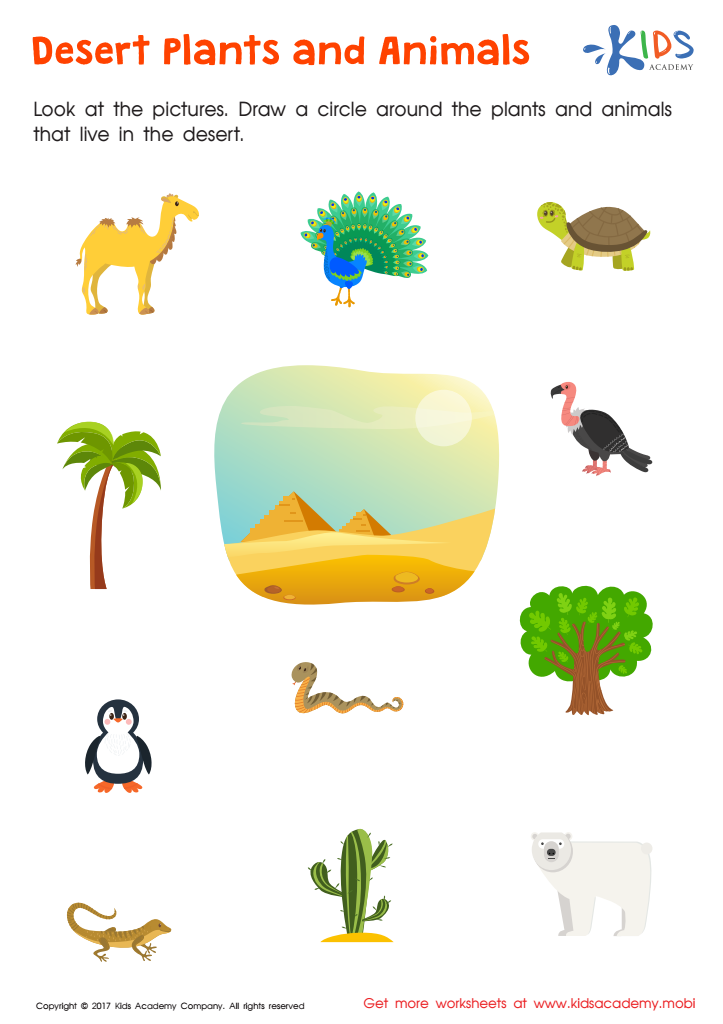
Desert Plants Animals Printable
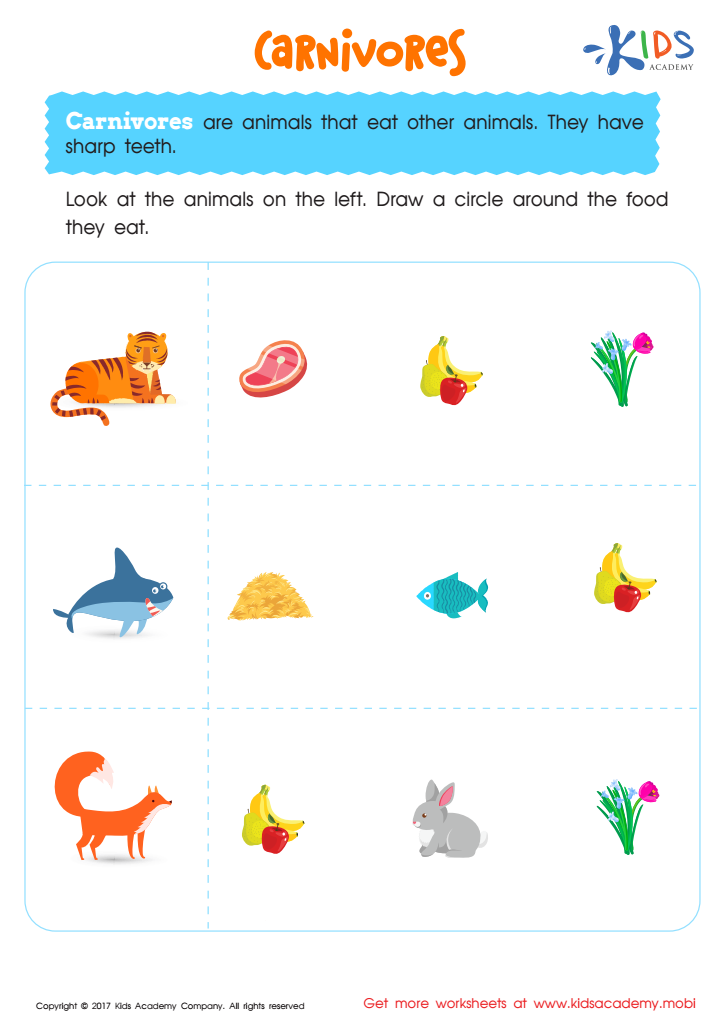
Carnivores Worksheet
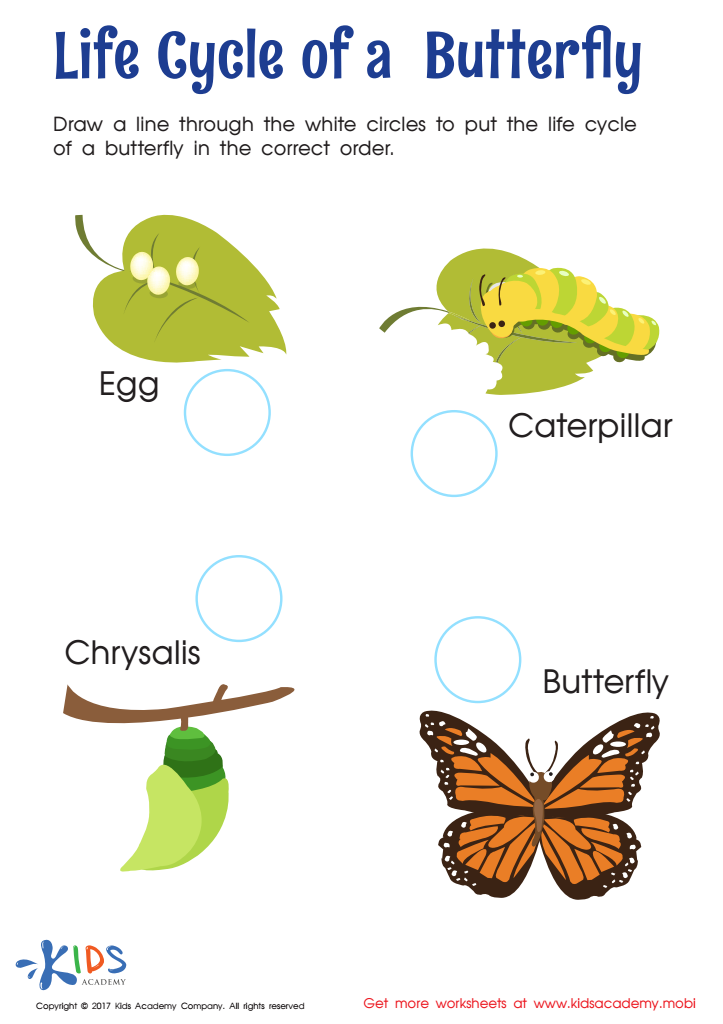
Life Cycle of Butterfly Worksheet
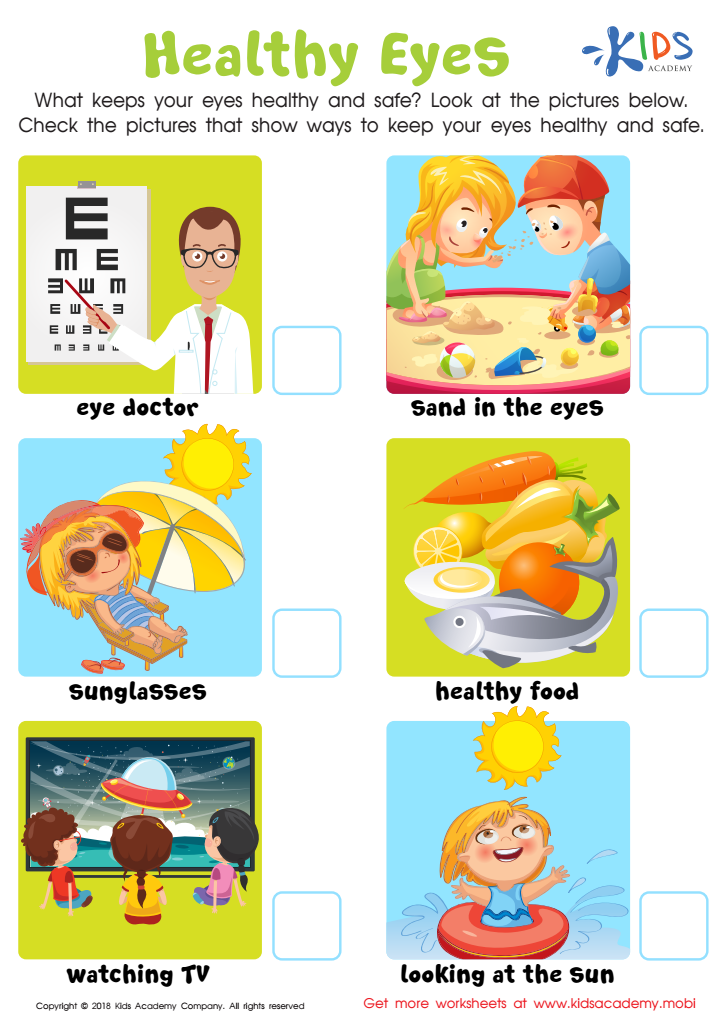
Healthy Eyes Worksheet






Parents and teachers should prioritize vocabulary enhancement in life science for children ages 3-9 because language acquisition is fundamental to cognitive development and understanding complex concepts. At this age, children are naturally curious about the world around them and are beginning to form language skills. Enhancing their vocabulary in life sciences allows them to articulate their observations, ask questions, and engage more deeply with topics such as ecosystems, animals, and the human body.
When children learn and use specific vocabulary, they gain the ability to communicate scientific ideas effectively. This not only fosters a love for learning but also builds critical thinking skills, as they learn to categorize, analyze, and connect information. Additionally, a robust vocabulary in life science lays the groundwork for academic success in later years, where subject-specific language becomes increasingly complex.
Furthermore, discussing life science topics helps children establish a connection to the environment and health, promoting feelings of responsibility and stewardship. By cultivating an interest and understanding of vocabulary in this field, parents and teachers empower young learners to explore their world, instilling confidence and encouraging future scientific inquiry. Beyond educational benefits, these discussions can strengthen the bond between adults and children, enriching their learning experiences together.








