Animal recognition Plants and Animals Worksheets for Ages 3-9
6 filtered results
-
From - To
Discover our engaging "Animal Recognition Plants and Animals Worksheets" designed for children aged 3-9! These interactive worksheets inspire young learners to explore the fascinating world of animals and their habitats while developing essential recognition skills. Through fun activities, kids will identify and categorize various species, enhancing their observation abilities and knowledge of nature. Ideal for home or classroom use, our resources encourage hands-on learning and creativity. Foster a love for wildlife and science in your little ones today! Whether they’re coloring, matching, or filling in, your children will enjoy every step of their animal recognition journey. Join us in making learning fun!
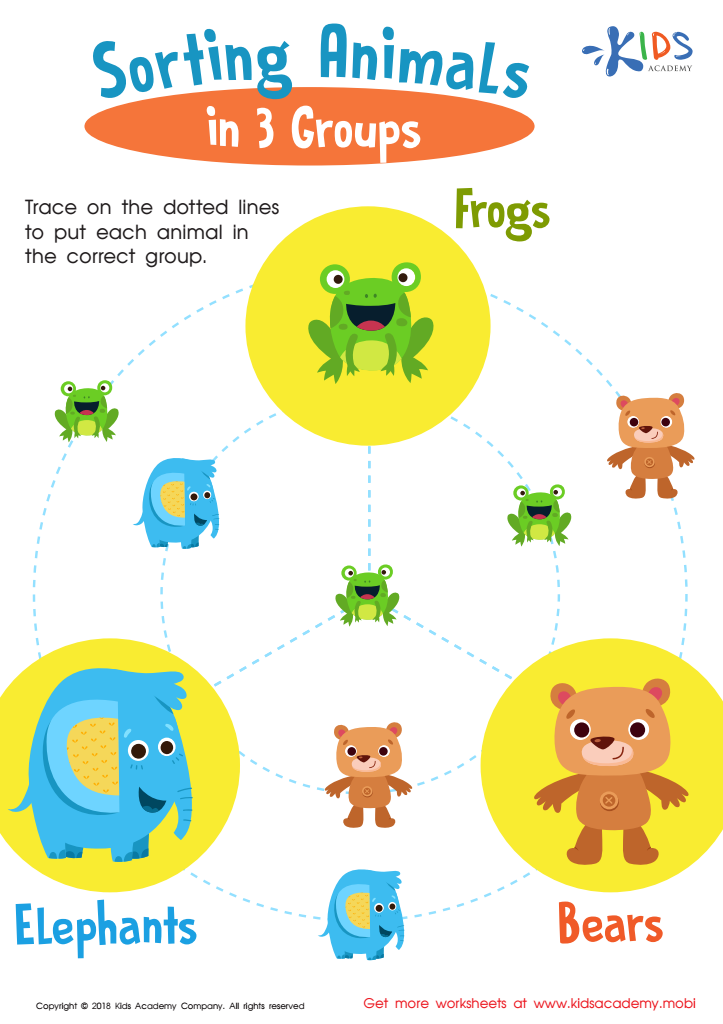
Sorting Animals in 3 Groups Worksheet
 Assign to My Students











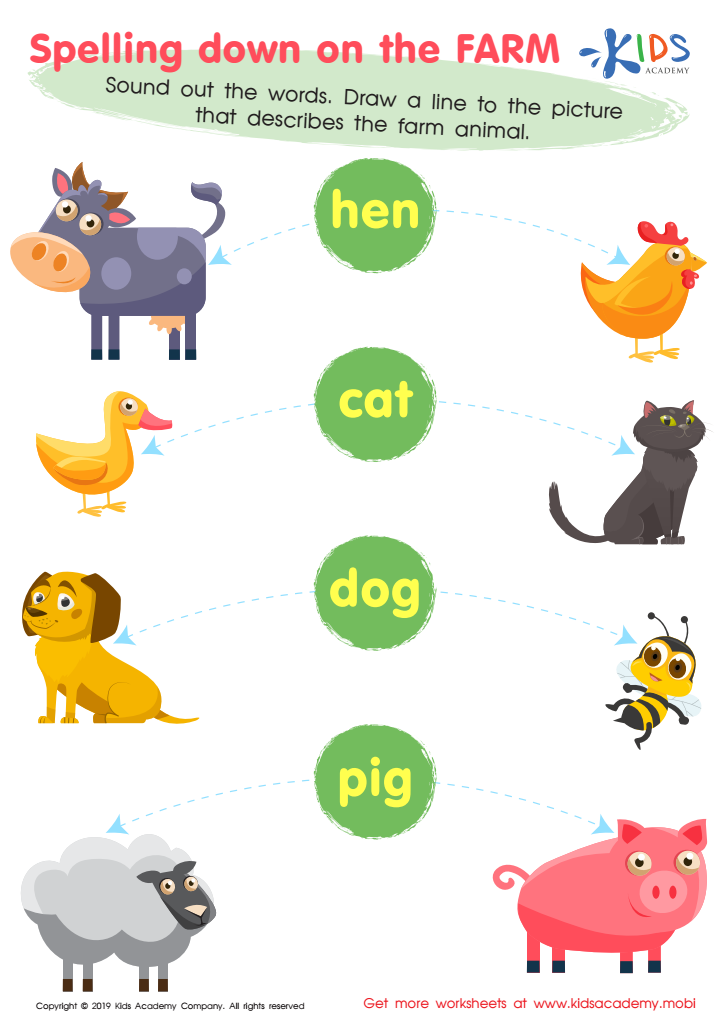
Spelling Down on the Farm Worksheet
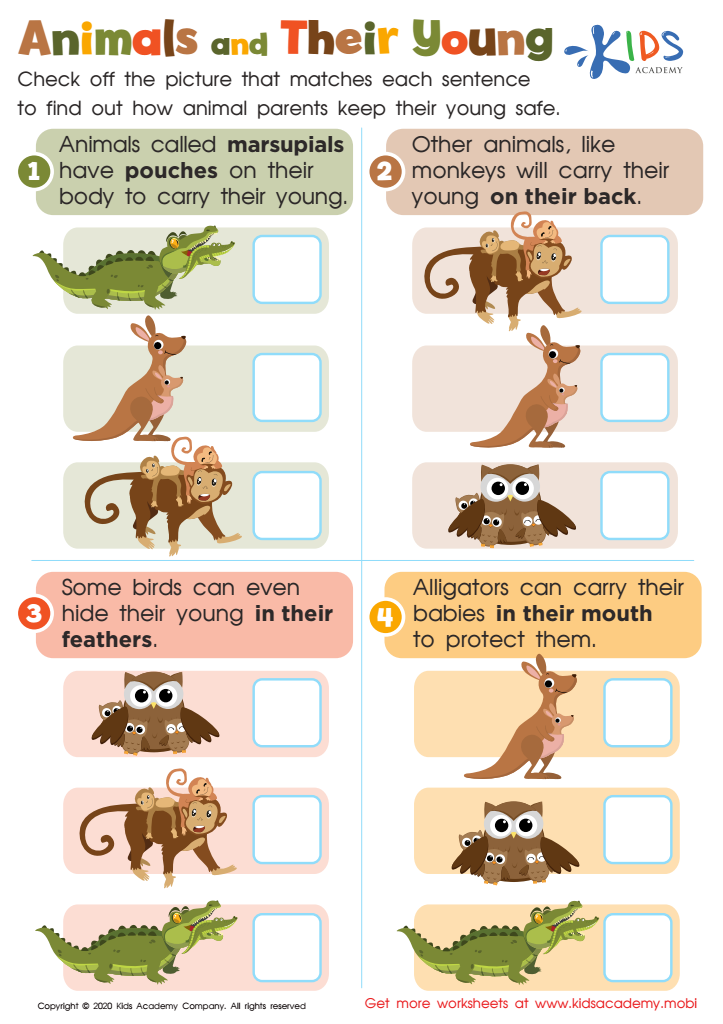
Animals and Their Young Worksheet
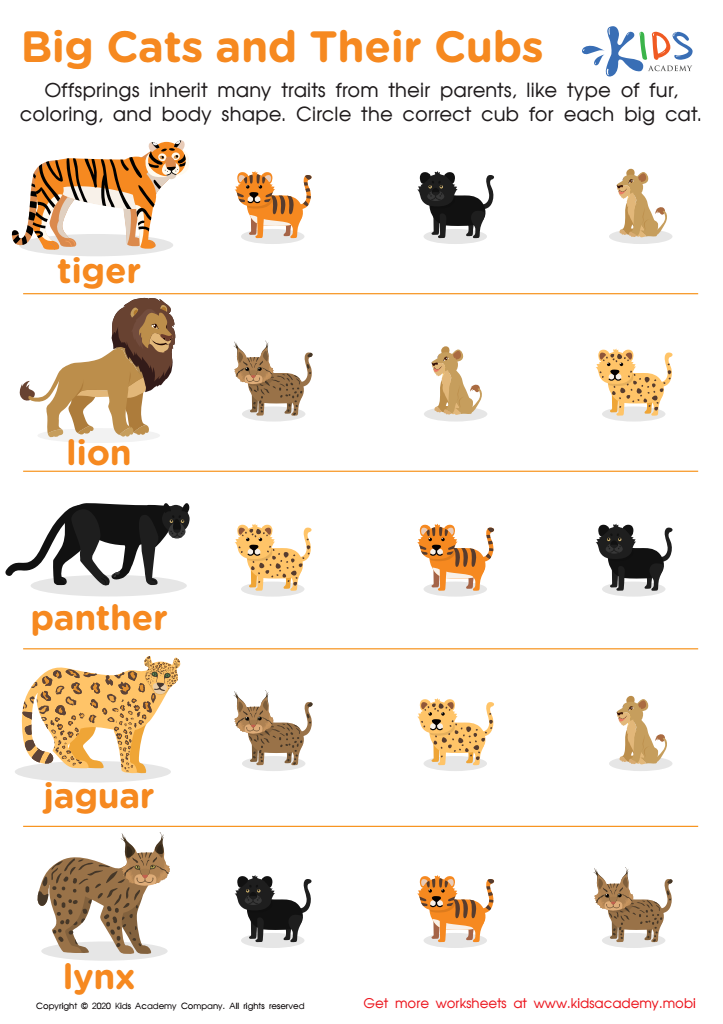
Big Cats and Their Cubs Worksheet
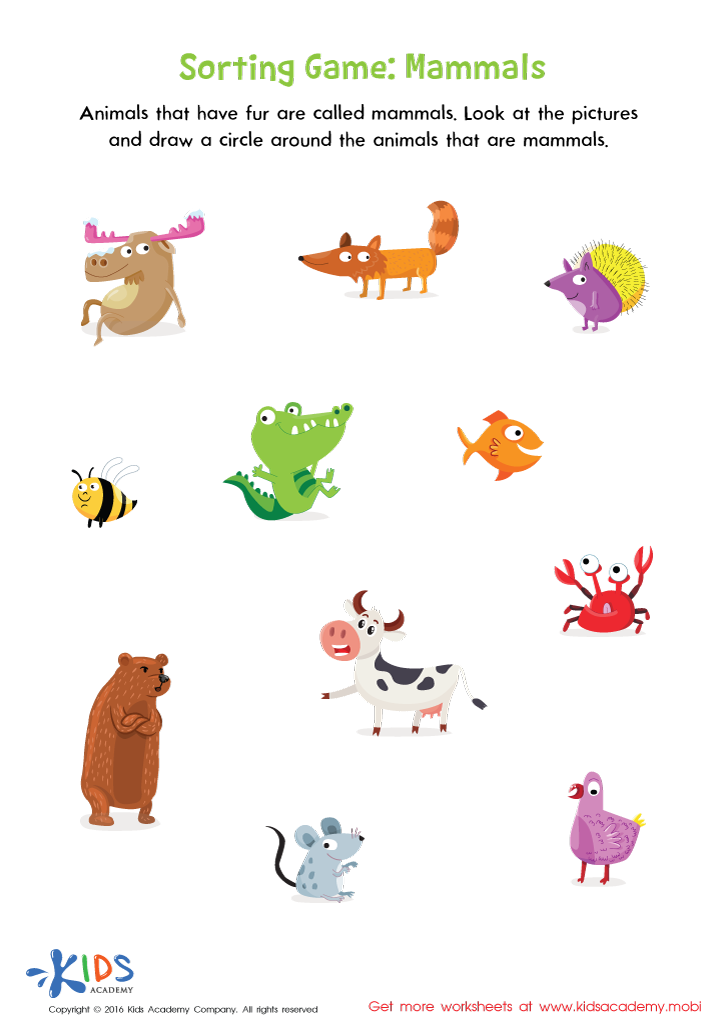
Mammals Sorting Worksheet
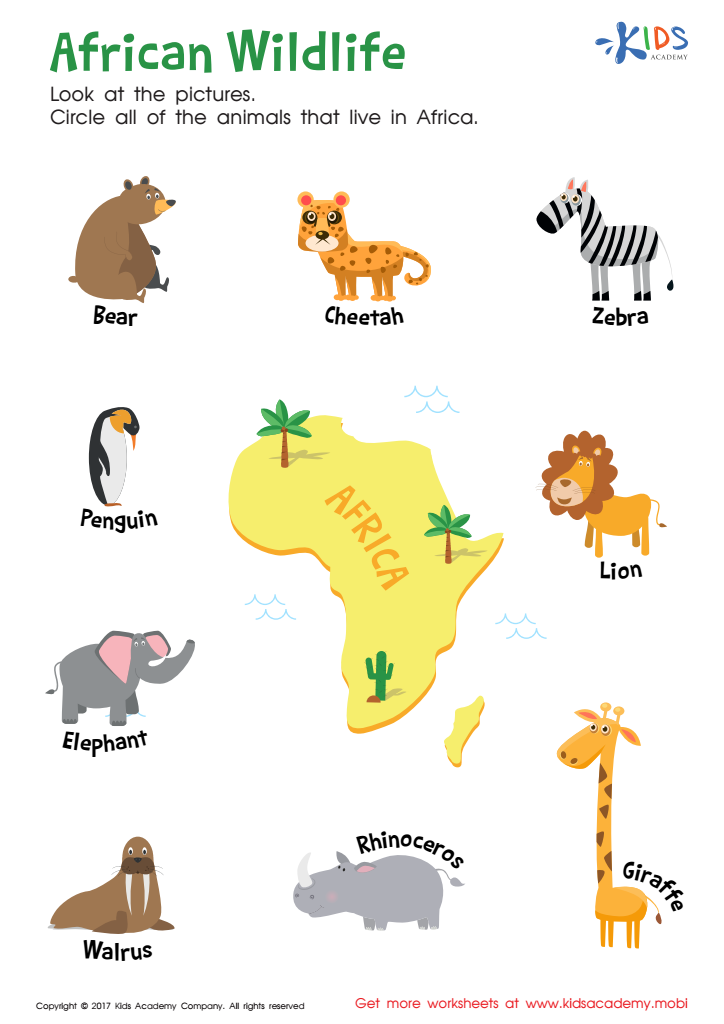







Parents and teachers should prioritize animal recognition for children aged 3-9 because understanding the natural world fosters empathy, curiosity, and cognitive development. At this age, children are naturally inquisitive, and introducing them to various animals aids in enhancing their observational skills and critical thinking. It encourages them to ask questions about habits, habitats, and the roles animals play in the ecosystem, laying the groundwork for future inquiry.
Moreover, learning about animals can promote social-emotional skills. Recognizing and appreciating different animals enhances empathy, as children learn to relate to their characteristics and actions. This awareness can help cultivate kindness and respect for all living beings, which is essential for building a nurturing community.
Additionally, animated interactions with animal recognition can stimulate language acquisition, as children expand their vocabulary by learning names, characteristics, and behaviors of different species. This builds foundational skills for reading and communication as they progress through their educational journey.
Lastly, exposure to diverse plants and animals in educational settings can inspire a love for science and nature, fostering conservation awareness as they grow. Cultivating an appreciation for the natural world in early childhood will ultimately produce environmentally conscious individuals in the future.








