Plant identification Plants and Animals Worksheets for Ages 3-9
5 filtered results
-
From - To
Explore the wonders of nature with our "Plant Identification Plants and Animals Worksheets" designed for children aged 3 to 9. These engaging worksheets encourage young learners to observe, identify, and appreciate various plants and animals around them. Through colorful illustrations and interactive activities, kids will develop essential skills in observation, classification, and critical thinking. Each worksheet combines fun and education, helping children learn the names and characteristics of different plants while promoting a love for the natural world. Perfect for home or classroom use, these resources make learning about nature enjoyable and accessible for young children. Dive into exploration today!
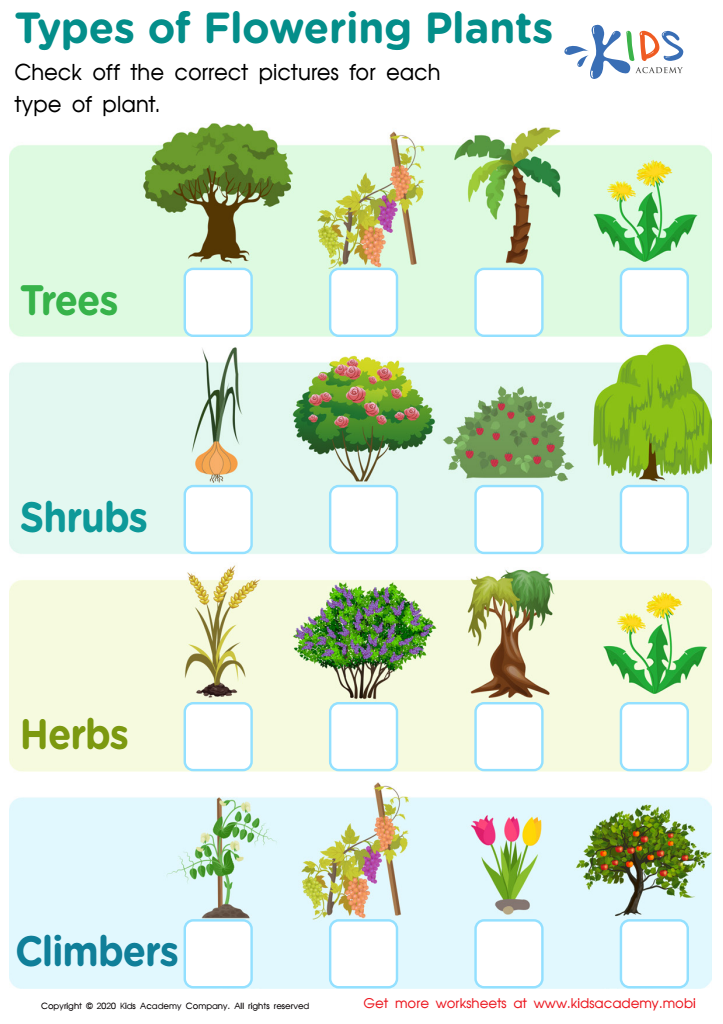
Types of Flowering Plants Worksheet
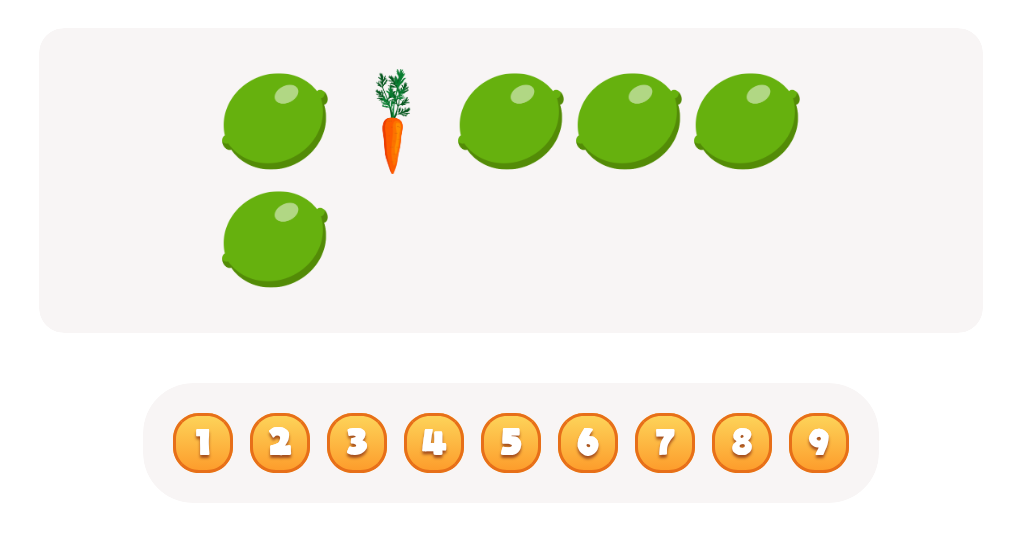

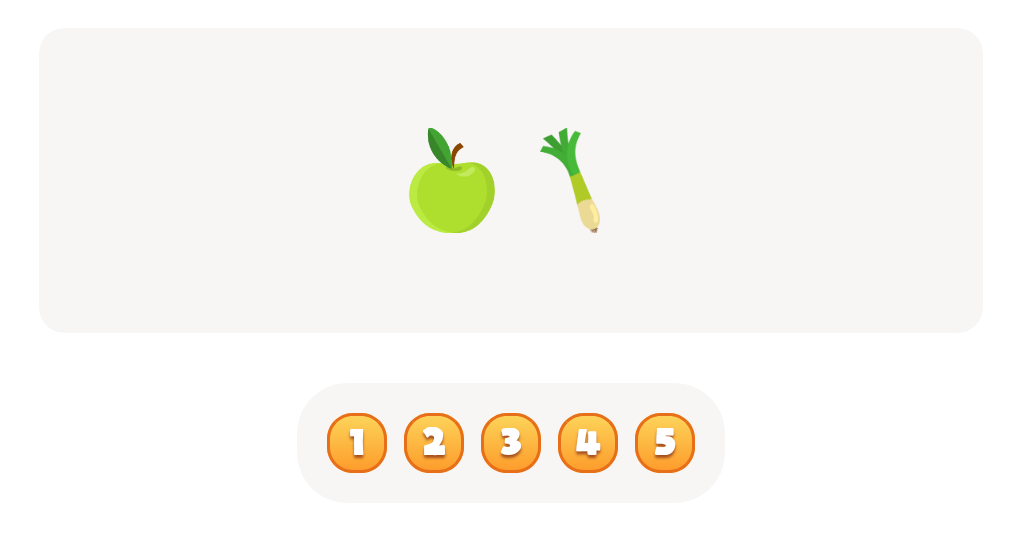
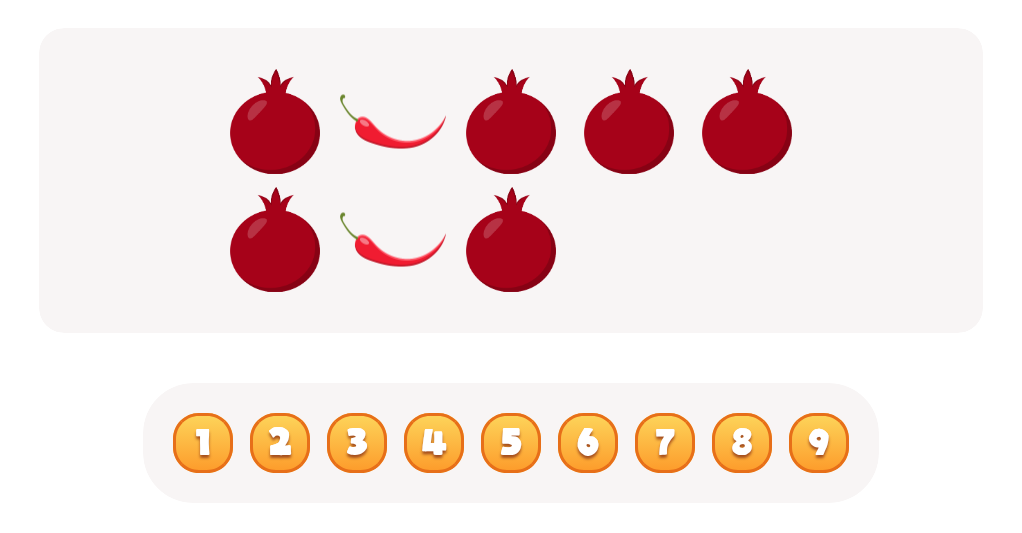
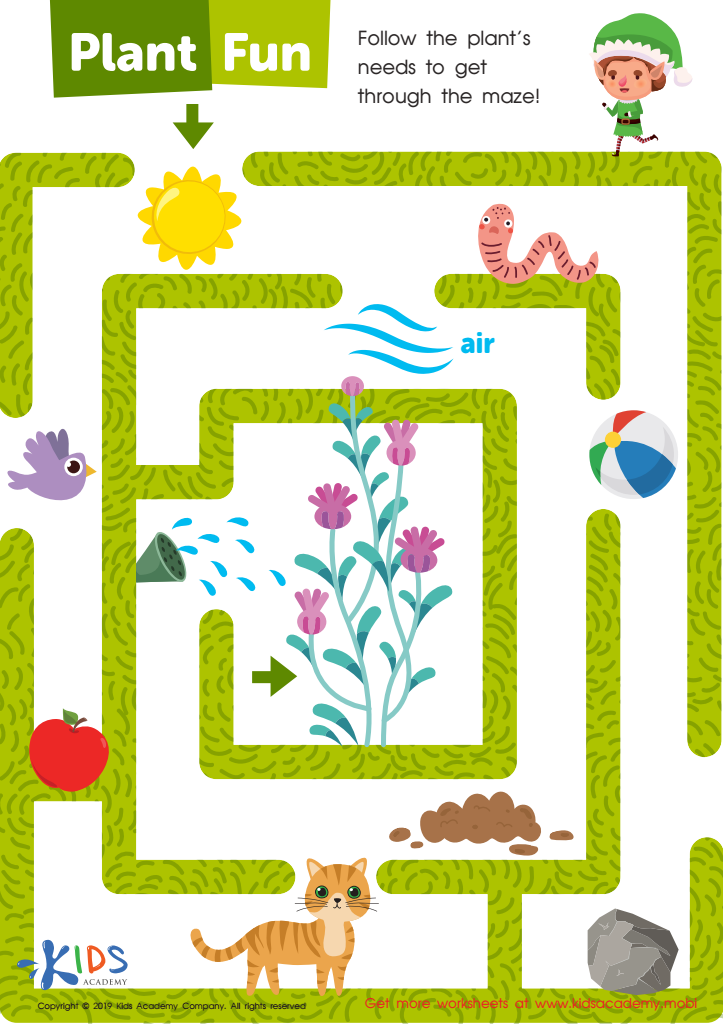
Plant Fun Worksheet
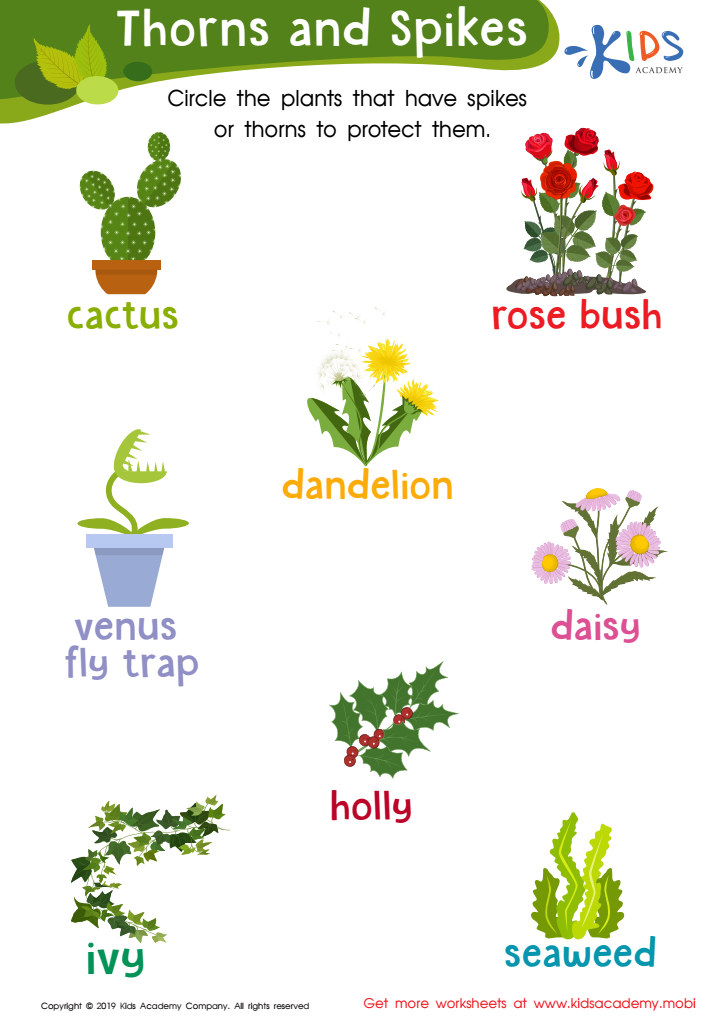
Thorns and Spikes Worksheet
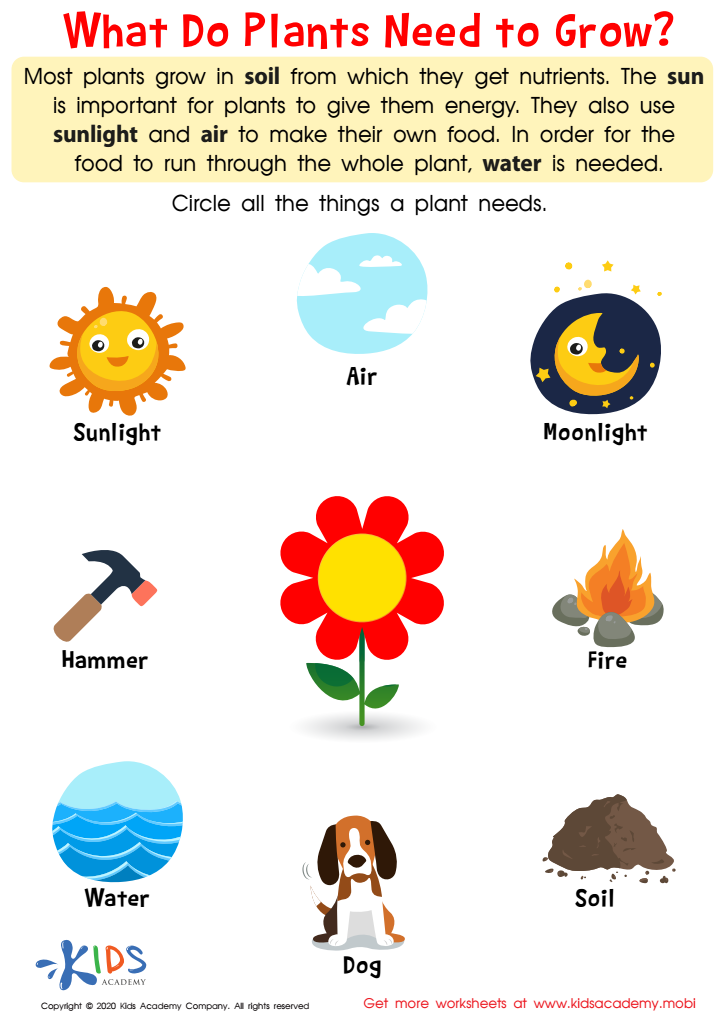
What Do Plants Need to Grow Worksheet
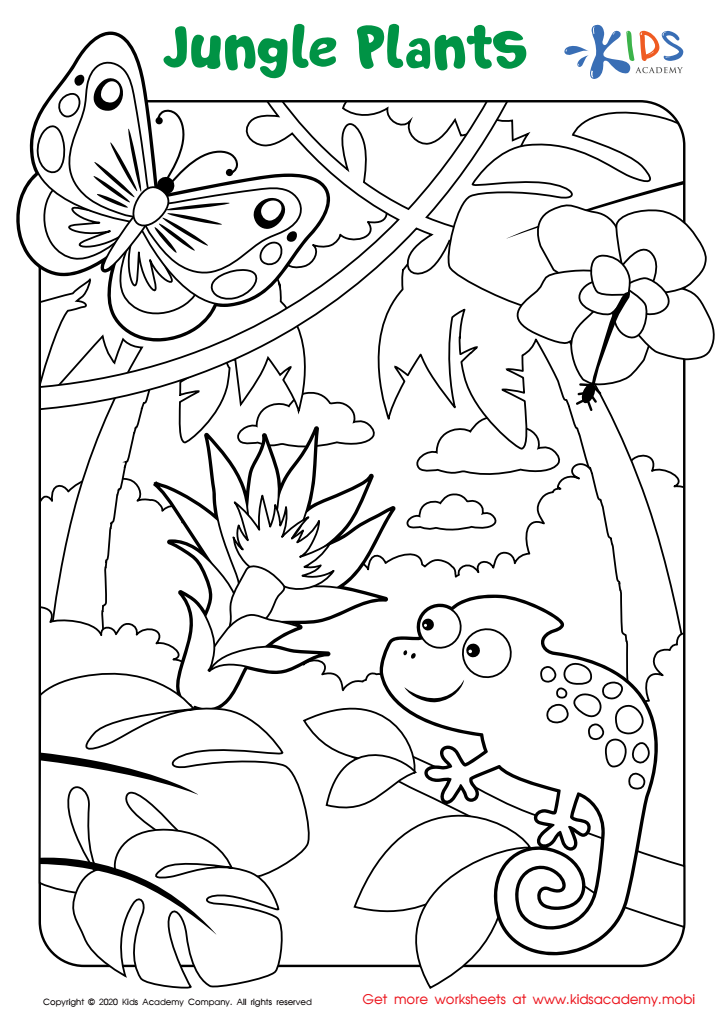
Jungle Plants Worksheet
 Assign to My Students








Plant and animal identification is crucial for children aged 3-9, as it fosters curiosity and promotes a deeper understanding of the natural world. For parents and teachers, engaging children in plant and animal identification helps cultivate essential observational skills, encouraging children to notice details in their environment. This process enhances critical thinking and supports scientific literacy from an early age.
Moreover, familiarity with local flora and fauna fosters a sense of belonging and appreciation for nature, which contributes to emotional well-being. Children learn to recognize the importance of biodiversity and environmental conservation, laying the groundwork for responsible stewardship of the planet as they grow.
Additionally, plant and animal identification can serve as a gateway to broader educational themes, such as ecosystems, life cycles, and nutrition. Recognizing which plants are edible increases awareness about healthy food choices and promotes discussions about nutrition.
Incorporating these activities into early education aligns well with play-based learning, making it enjoyable and engaging. Hands-on experiences, such as exploring a garden or a local park, allow children to connect theoretical knowledge with real-life applications. Ultimately, educating children about plants and animals instills a sense of wonder and curiosity integral to lifelong learning.








