Vocabulary Building Plants and Animals Worksheets for Ages 3-9
5 filtered results
-
From - To
Enhance your child's vocabulary with our engaging "Vocabulary Building Plants and Animals Worksheets" designed for ages 3-9. These worksheets provide a fun and interactive way for young learners to discover essential words related to the natural world. Covering various topics such as different plant species, animal habitats, and life cycles, each activity helps to reinforce language skills while encouraging a love for science. Ideal for homeschooling or classroom settings, our resources promote vocabulary retention through simple definitions, illustrations, and captivating exercises. Foster your child's learning journey and deepen their understanding of nature with our thoughtfully crafted worksheets today!
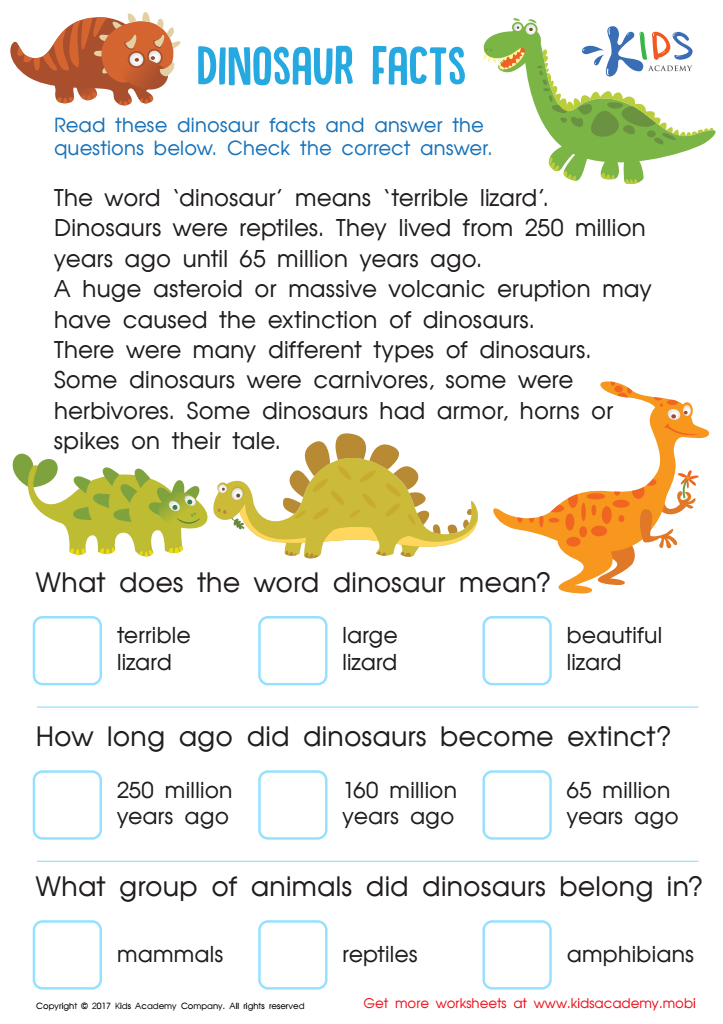
Dinosaur Facts Worksheet
 Assign to My Students

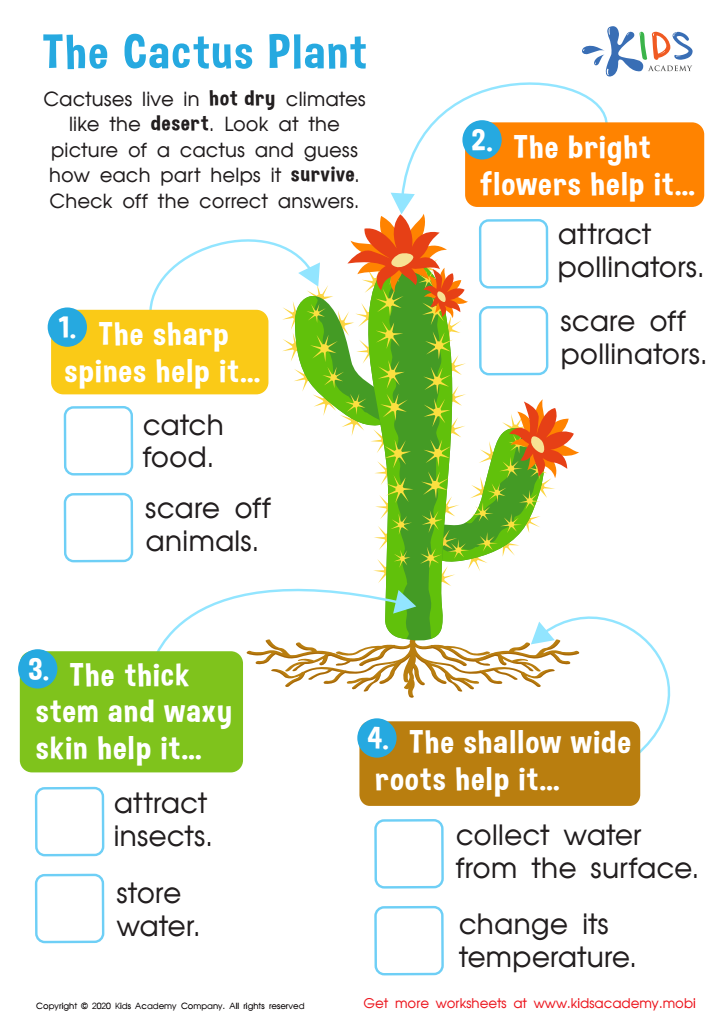
The Cactus Plant Worksheet
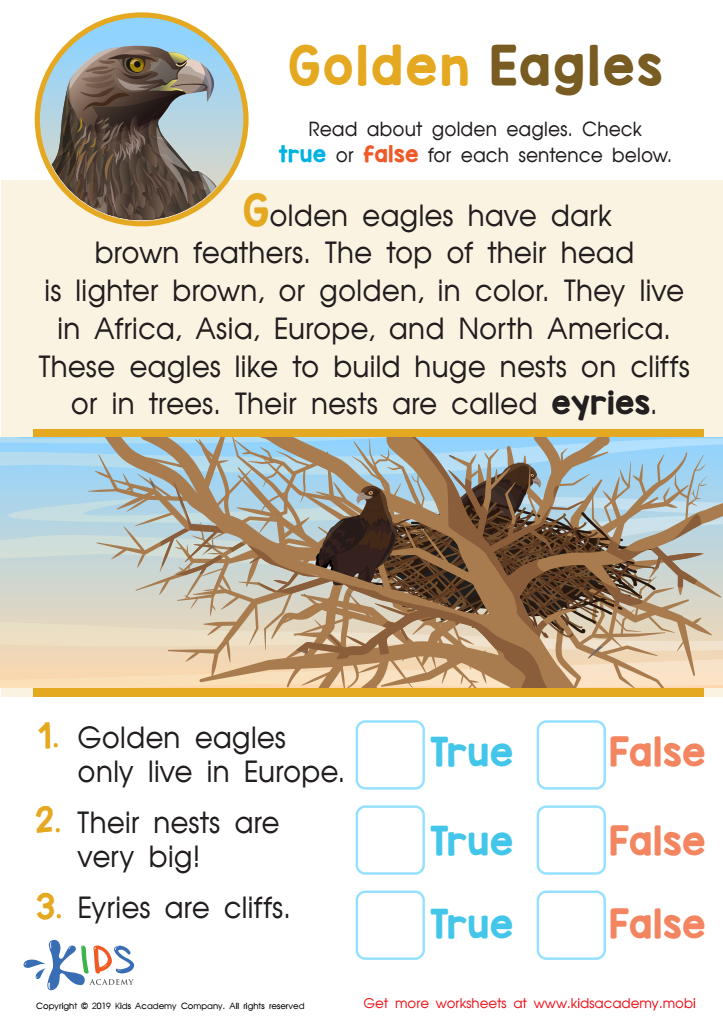
Golden Eagles Worksheet
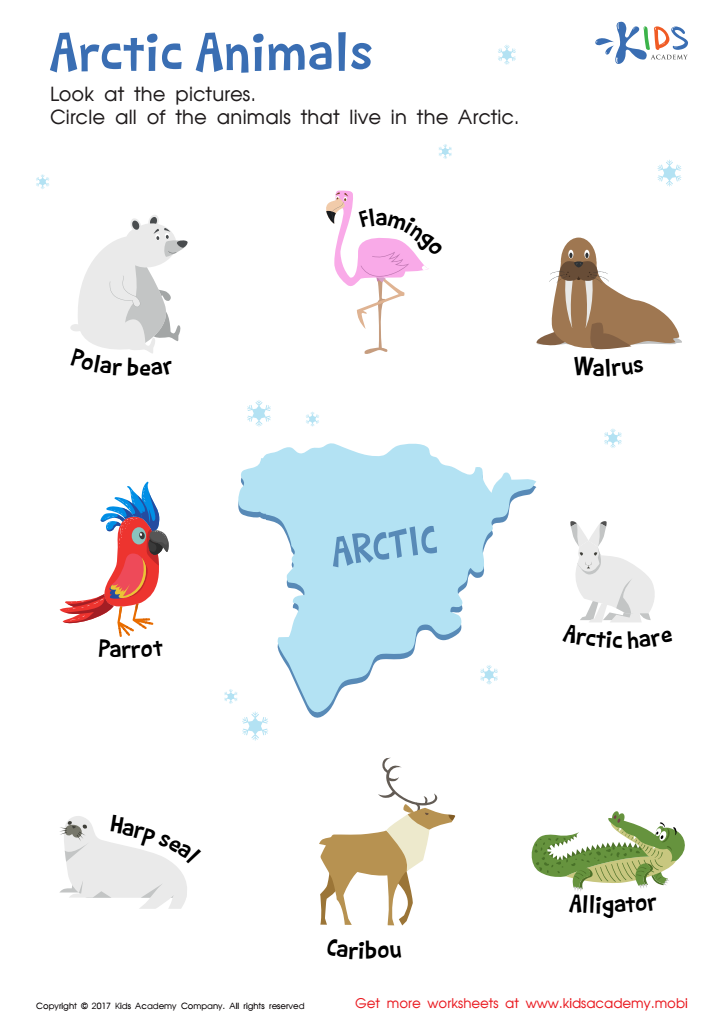
Arctic Animals Worksheet
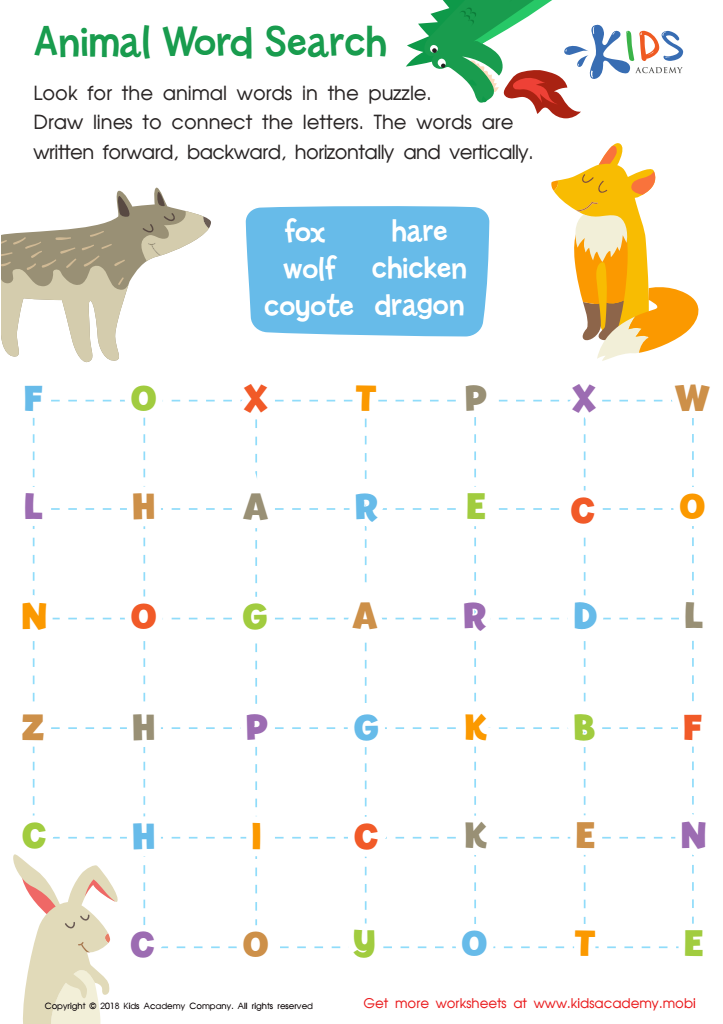
Animal Word Search Worksheet







Vocabulary building around plants and animals is crucial for children aged 3-9 because it lays the foundation for their overall language development and cognitive growth. During these formative years, children are naturally curious and eager to explore the world around them; incorporating plants and animals into their learning aligns with this intrinsic curiosity. By introducing them to a rich vocabulary related to nature, parents and teachers help children expand their language skills, facilitating effective communication and comprehension.
Understanding the names and characteristics of various plants and animals enhances children's observational skills and encourages critical thinking as they categorize and connect concepts. This knowledge fosters a sense of environmental awareness and respect for living organisms, instilling values of conservation and empathy towards the planet.
Moreover, a robust vocabulary related to plants and animals enhances early literacy, as these terms frequently appear in storybooks and educational materials. Engaging children in discussions about diverse species encourages dialogue, storytelling, and creative thinking, all of which are vital components of early education.
Ultimately, building vocabulary around plants and animals is not just about word acquisition; it nurtures a holistic development where curiosity, communication, and critical thinking flourish in young learners.








