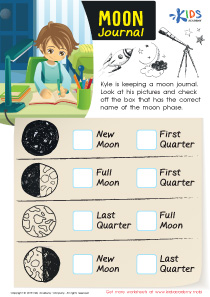
Vocabulary development Plants and Animals Worksheets for Ages 3-9
4 filtered results
-
From - To
Enhance your child's vocabulary and foster a love for nature with our dedicated "Vocabulary Development: Plants and Animals Worksheets for Ages 3-9." These engaging worksheets feature a variety of fun, educational activities designed to introduce young learners to the fascinating world of flora and fauna. Specifically tailored to support early language acquisition and cognitive skills, each worksheet encourages children to explore and describe different plants and animals. Perfect for at-home enrichment or supplementary classroom materials, our worksheets provide a solid foundation in both vocabulary development and scientific curiosity. Start your child’s educational journey with us today!
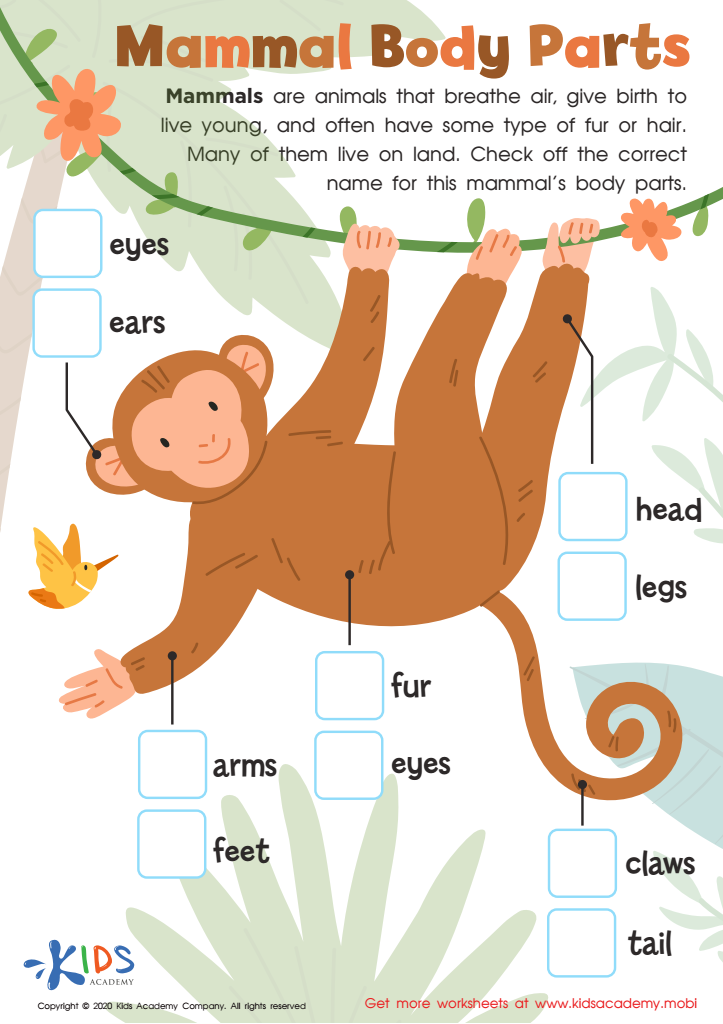
Mammal Body Parts Worksheet
 Assign to My Students
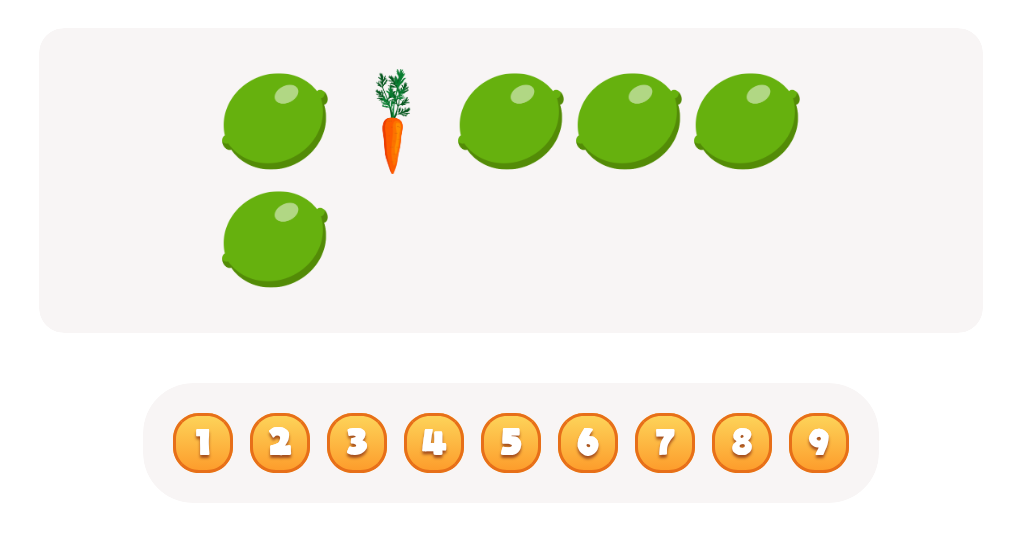

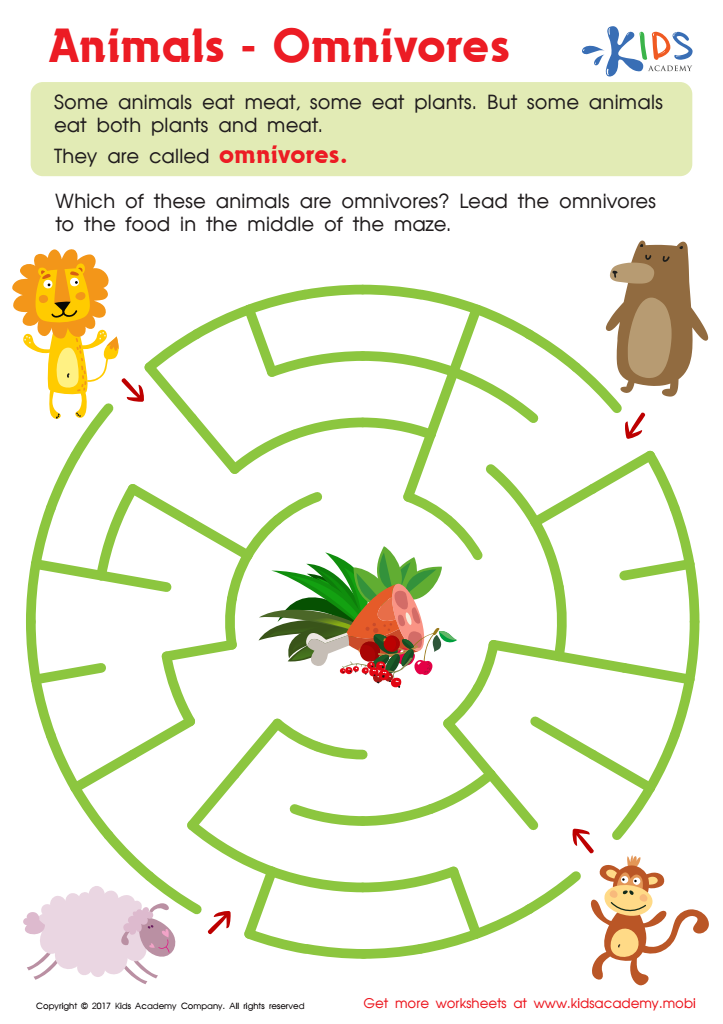
Omnivores Animals Worksheet
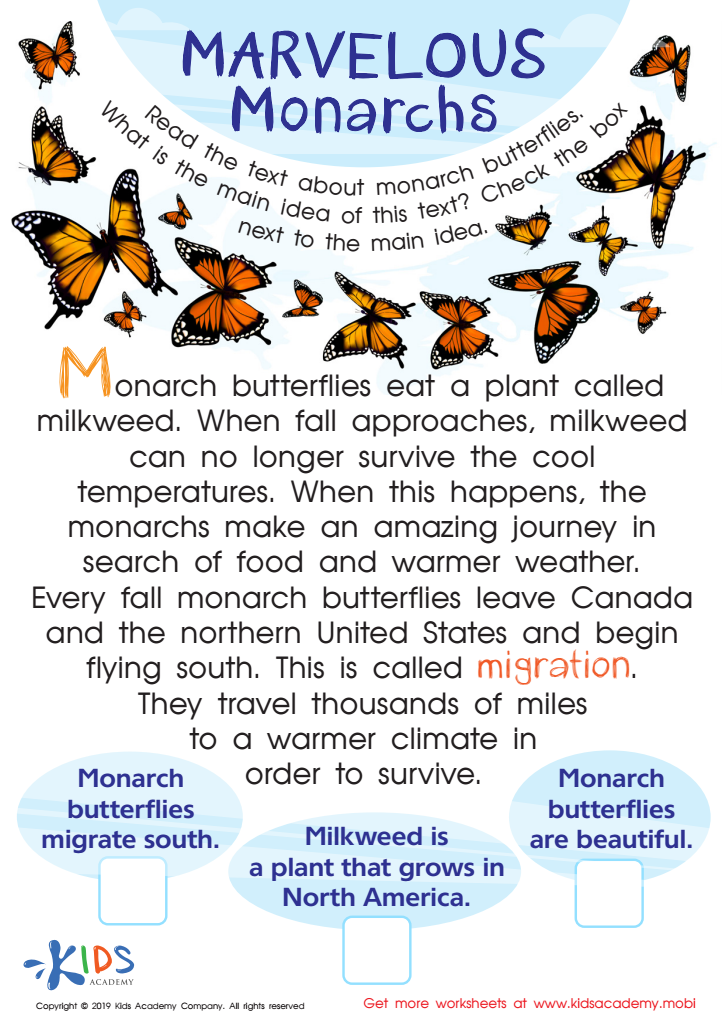
Marvelous Monarchs Worksheet
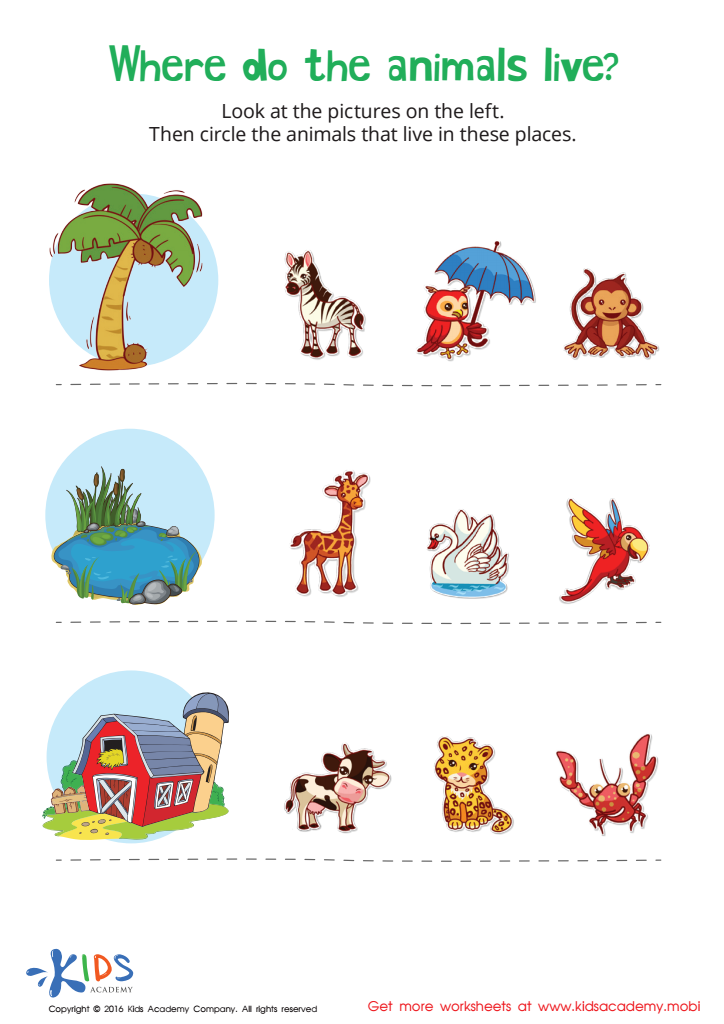
Where Animals Live Worksheet







Vocabulary development is crucial for children ages 3-9 as it lays the foundation for their academic and social success. During these formative years, children are highly receptive to new words and concepts, often displaying a natural curiosity about the world around them, including plants and animals. Teaching them vocabulary related to these subjects can greatly enhance their cognitive skills and boost their general knowledge.
Understanding scientific terms and concepts associated with plants and animals helps children connect more deeply with nature. This connection not only fosters a sense of wonder but also promotes environmental awareness from a young age. When children learn about the parts of a flower, the habitat of a squirrel, or the lifecycle of a butterfly, they develop observational skills and critical thinking abilities.
Moreover, a well-developed vocabulary helps children express themselves more clearly and confidently. This can improve their reading comprehension and communication skills, which are essential for their educational journey. Engaging children with books, activities, and discussions about plants and animals stimulates their language acquisition, enriches their learning experiences, and nurtures a lifelong interest in the natural world.
In sum, incorporating vocabulary about plants and animals into early education helps build a rich linguistic base, supports cognitive and emotional development, and lays the groundwork for future learning and environmental stewardship.