Cultural awareness Social Studies Worksheets for Ages 3-9
16 filtered results
-
From - To
Discover Kids Academy’s engaging Cultural Awareness Social Studies Worksheets tailored for children ages 3-9. These worksheets help young learners explore diverse cultures, fostering understanding and respect from an early age. Each activity is designed to be both educational and fun, featuring vibrant illustrations and interactive tasks. Children will delve into different customs, traditions, and ways of life, enhancing their global awareness and social skills. Ideal for classroom use or home learning, our worksheets support educators and parents in cultivating a culturally inclusive learning environment. Start your child's journey to becoming a global citizen with Kids Academy today!
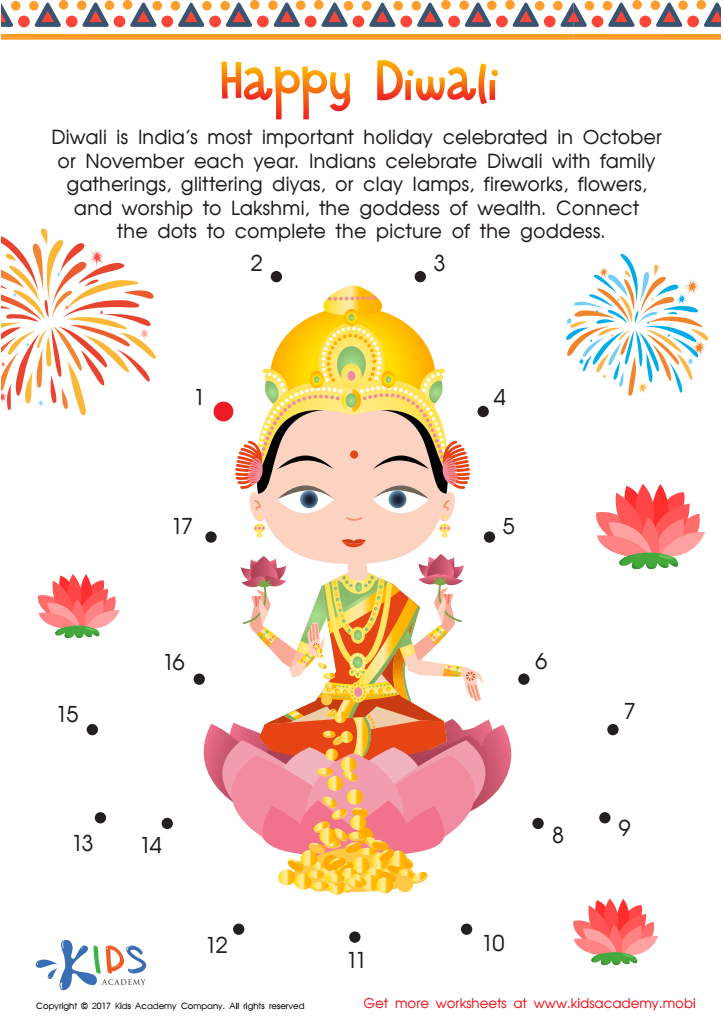
Happy Diwali Printable
 Assign to My Students
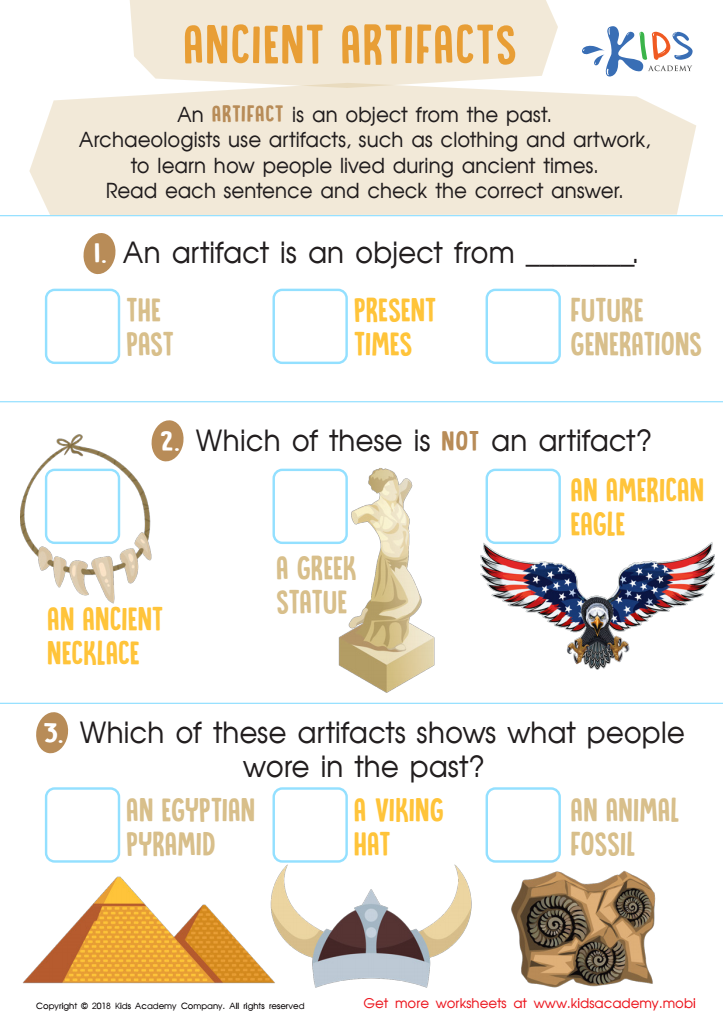
Ancient Artifacts Worksheet
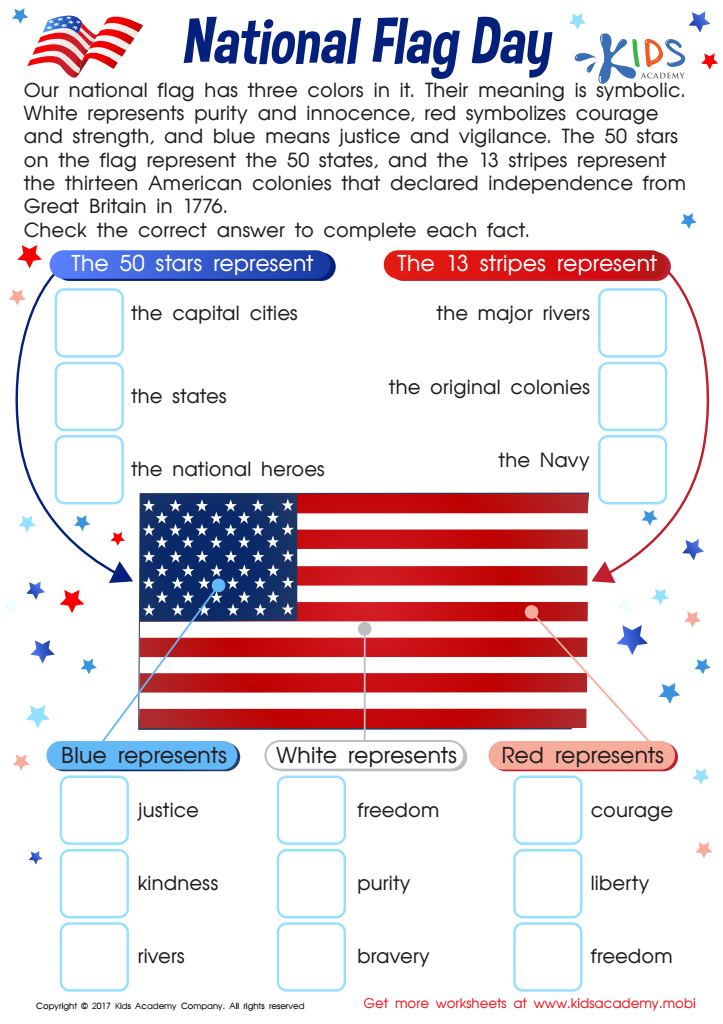
US National Flag Day Worksheet
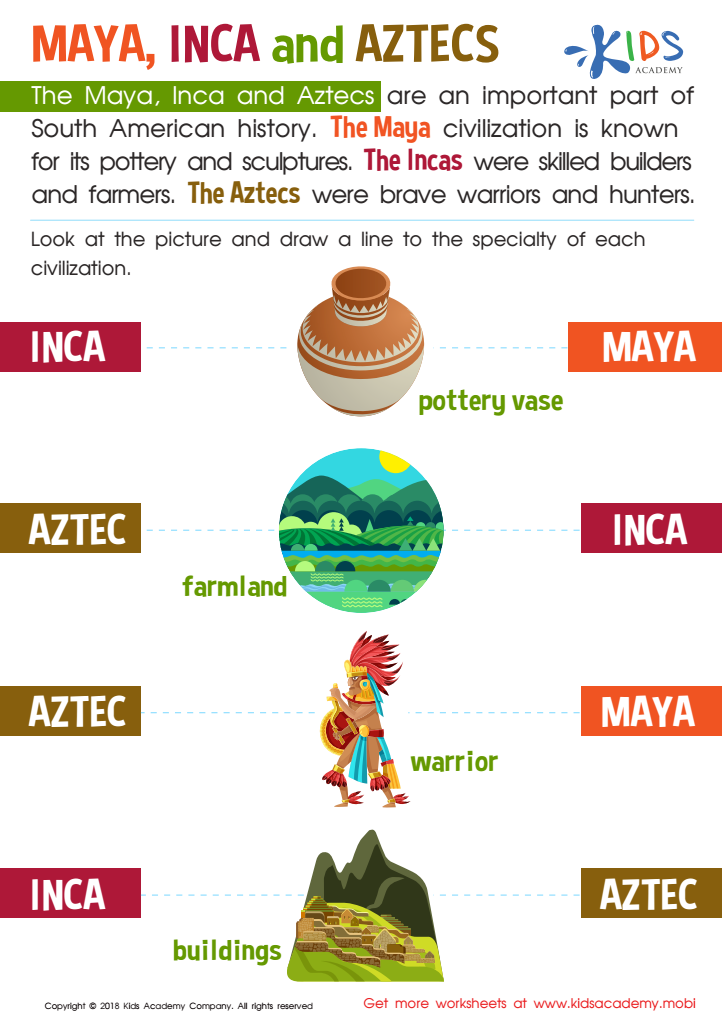
Maya, Inca and Aztecs Worksheet
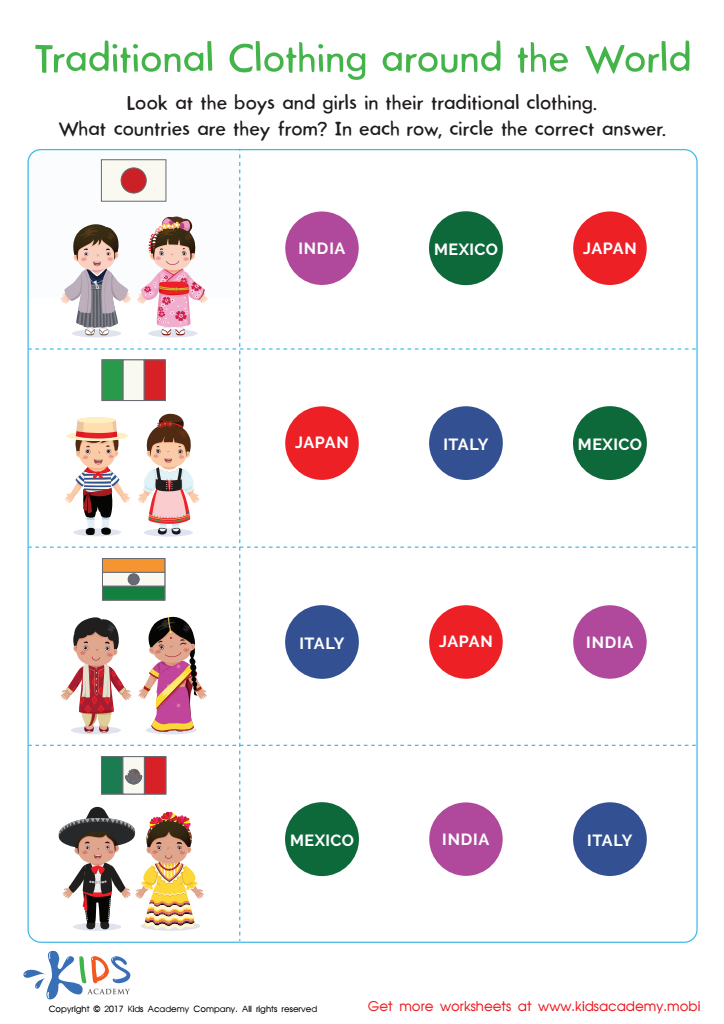
Traditional Clothing Worksheet
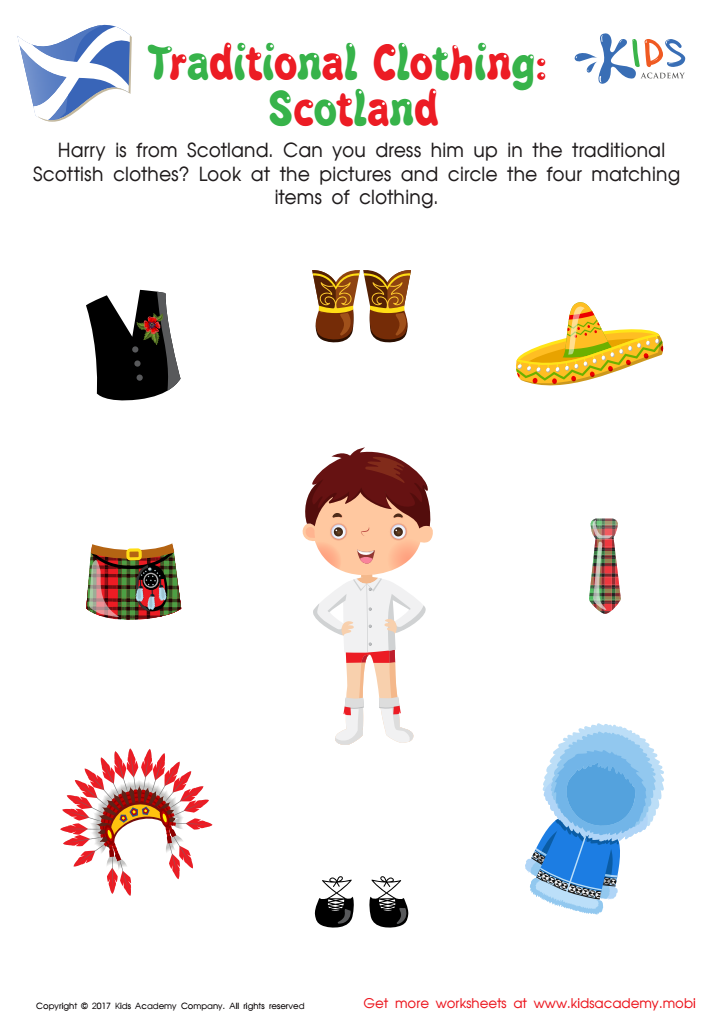
Traditional Clothing in Scotland Worksheet
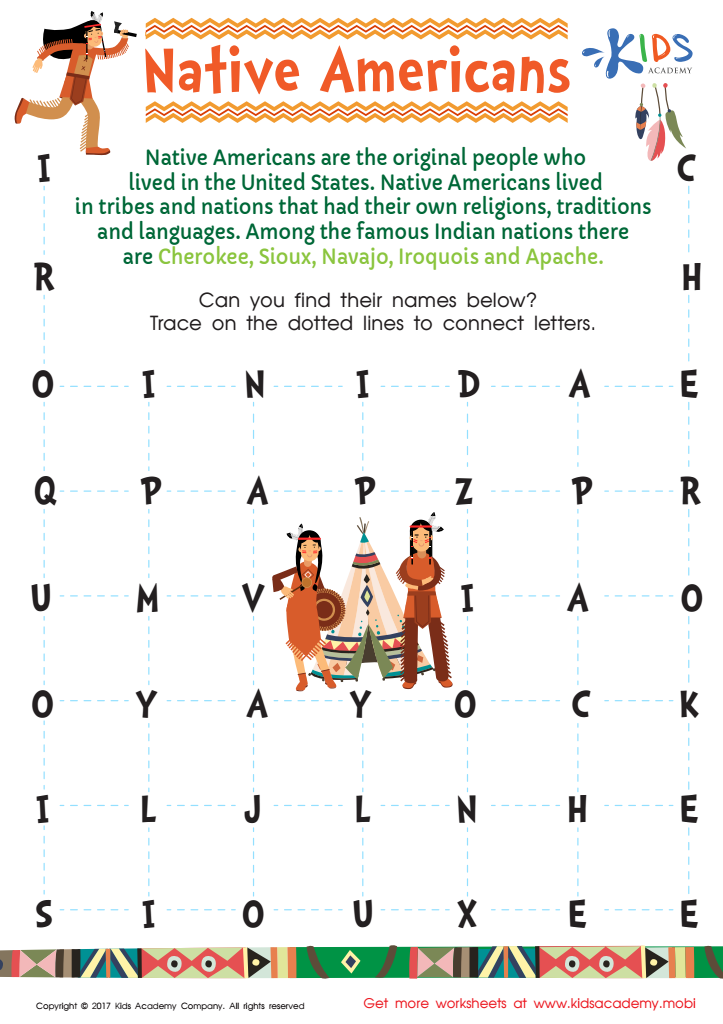
Native American Word Search Printable
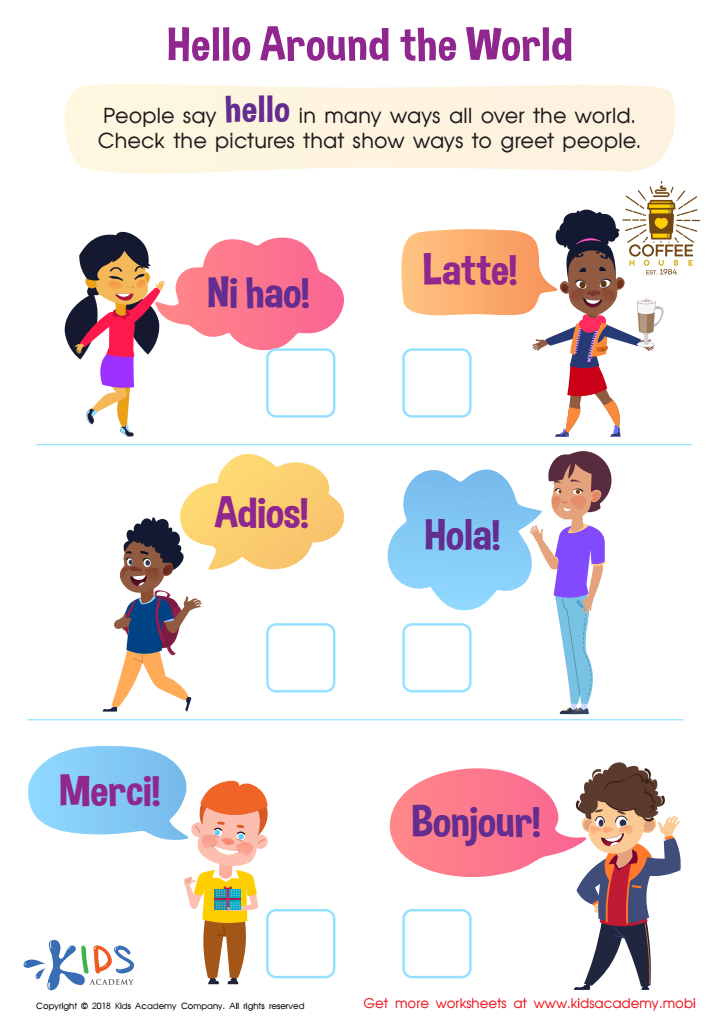
Hello Around the World Worksheet

Thanksgiving Holiday Printable
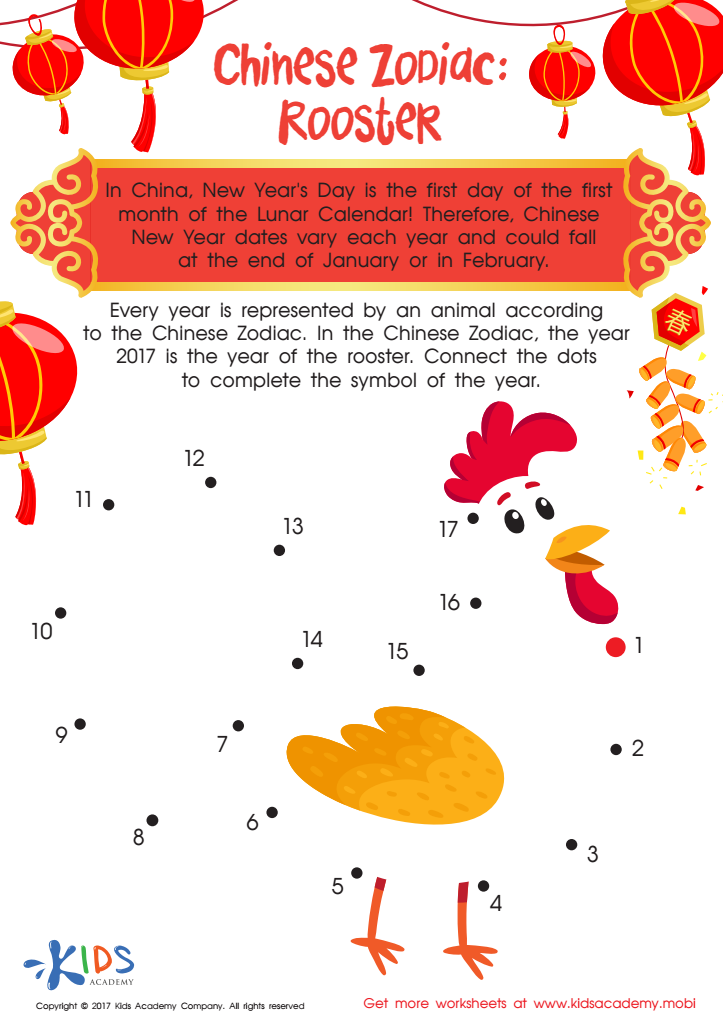
Chinese Zodiac Printable
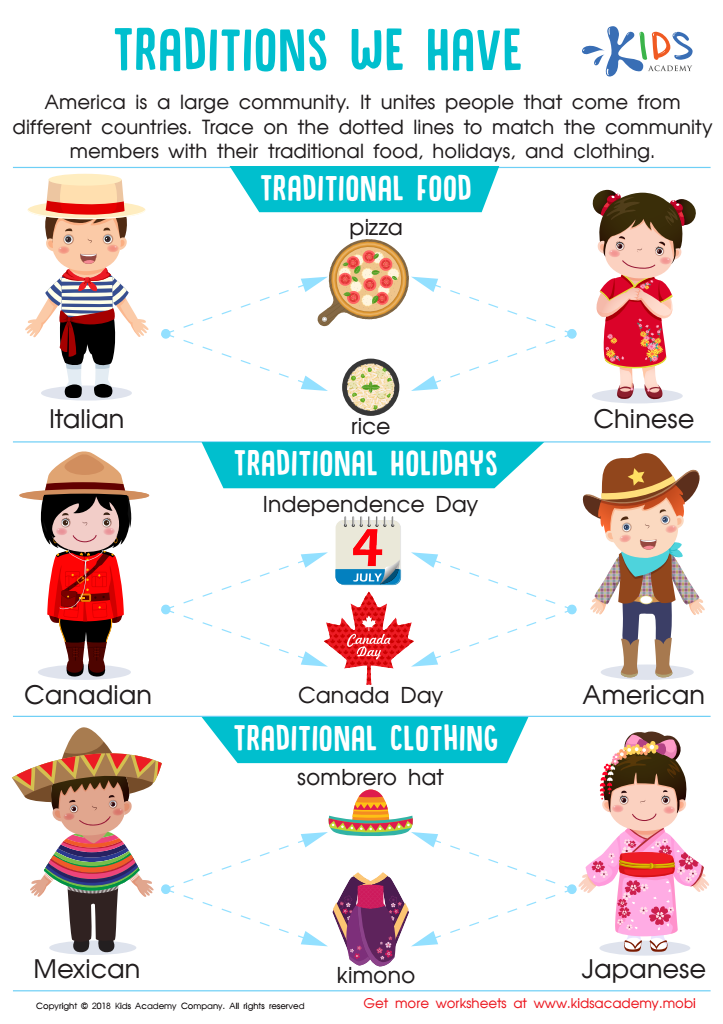
Traditions We Have Worksheet
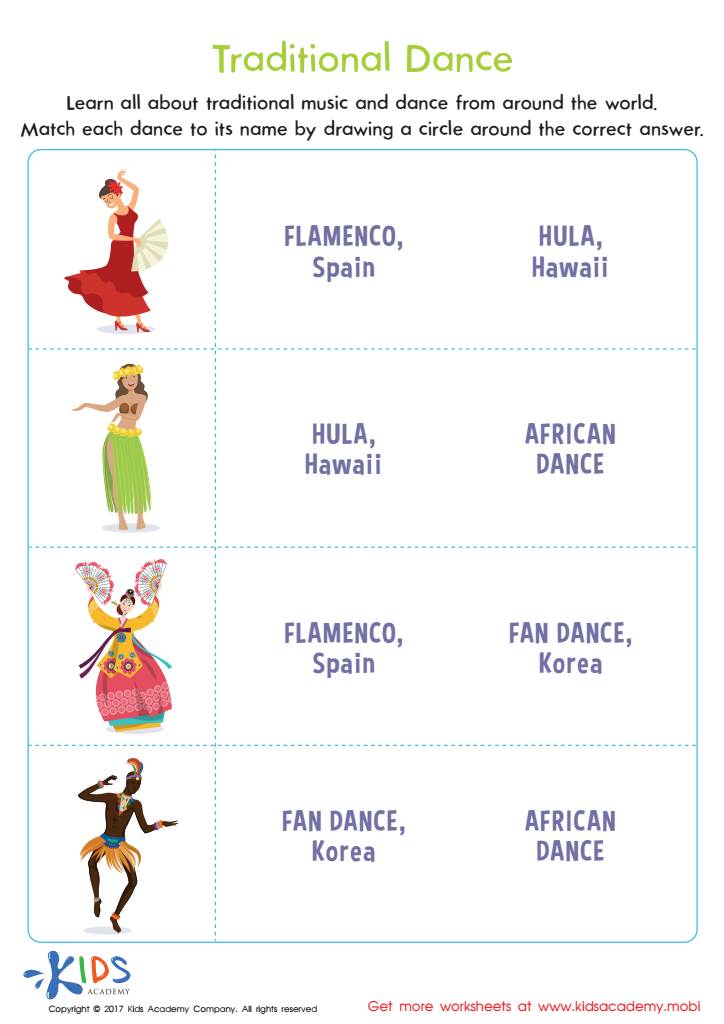
Traditional Dance Printable
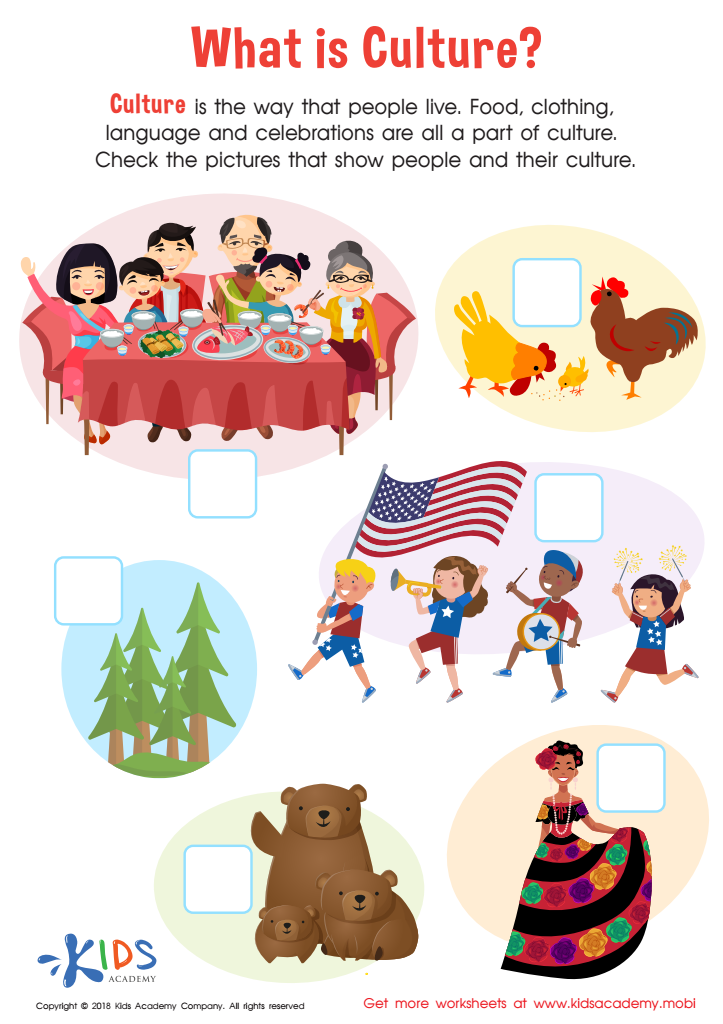
What Is Culture? Worksheet
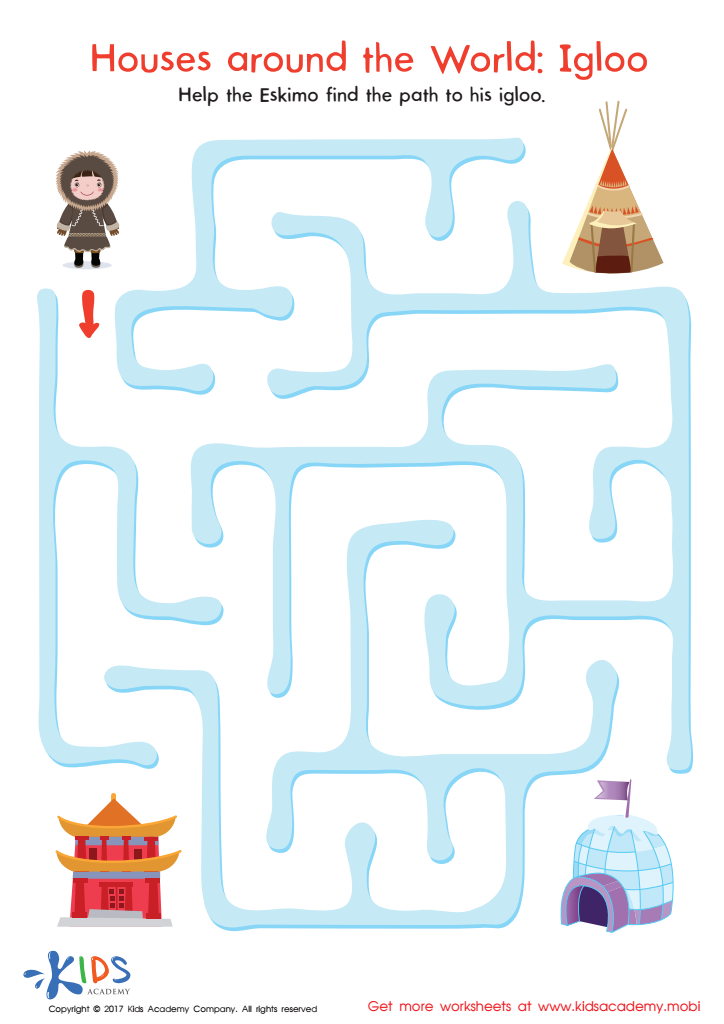
Houses Around the World: Igloo Printable
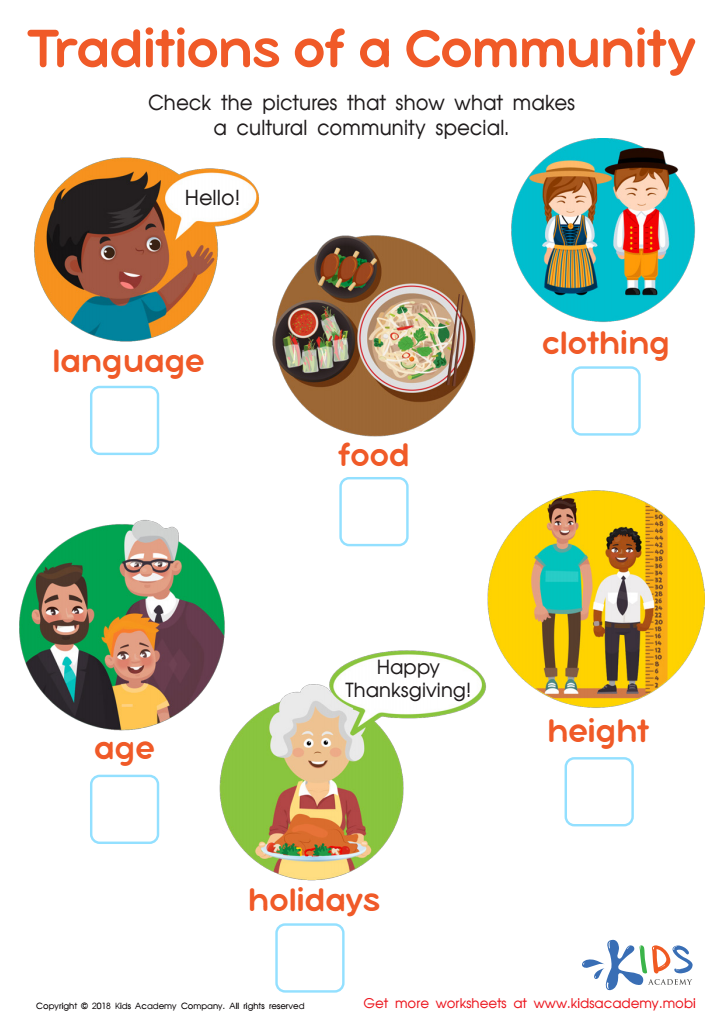
Traditions of a Community Worksheet
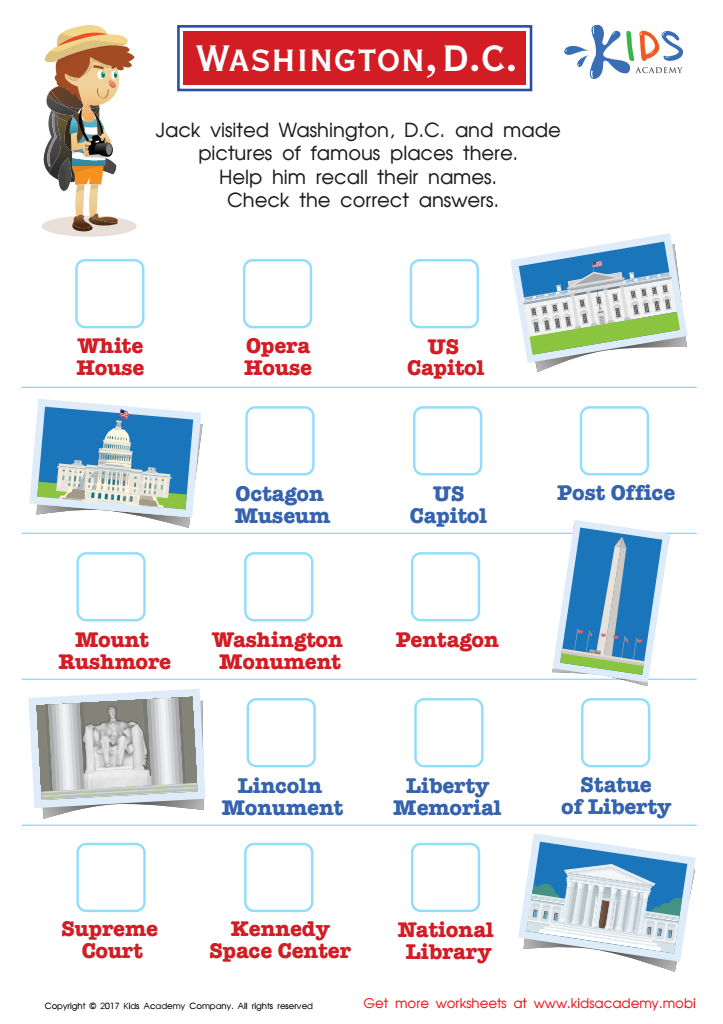
Washington D.C. Printable Worksheet







.jpg)
Cultural awareness in social studies for ages 3-9 is crucial for several reasons, making it a key focus area for parents and teachers. During these formative years, children develop foundational attitudes and perceptions about the world around them. Introducing cultural awareness at a young age helps instill respect, empathy, and understanding for people from diverse backgrounds. This early exposure fosters an inclusive mindset that can counteract prejudices and stereotypes.
Understanding different cultures also promotes cognitive development by encouraging children to think critically about various social norms and lifestyles. This helps them appreciate diversity, rather than fear or misunderstand it. Moreover, cultural awareness enhances communication skills, as interacting with peers from different backgrounds in a respectful manner is encouraged.
Incorporating cultural awareness in social studies ignites curiosity, sparking interest in global languages, traditions, and histories. Such experiences can significantly broaden a child's worldview, making them more adaptable and open-minded individuals. This prepares them for the increasingly interconnected world where cultural sensitivity is an invaluable skill.
Lastly, discussions surrounding different cultures create a sense of identity and belonging for children from minority backgrounds, affirming their traditions and experiences. Altogether, prioritizing cultural awareness in early education lays the groundwork for a more empathetic, respectful, and interconnected community and society.