Phonics Skills Writing Worksheets for Ages 3-9
11 filtered results
-
From - To
Enhance your child's writing abilities with our Phonics Skills Writing Worksheets, designed specifically for ages 3-9. These engaging, interactive worksheets help young learners develop essential phonics skills, promoting literacy and comprehension through fun activities. Each worksheet focuses on phonemes, letter-sound relationships, and word formation, making learning enjoyable and effective. Perfect for classrooms or home learning, our resources cater to different learning paces and styles. By integrating phonics practice into writing exercises, children will strengthen their reading and spelling capabilities, laying a solid foundation for future academic success. Explore our collection today and watch your child's confidence soar!
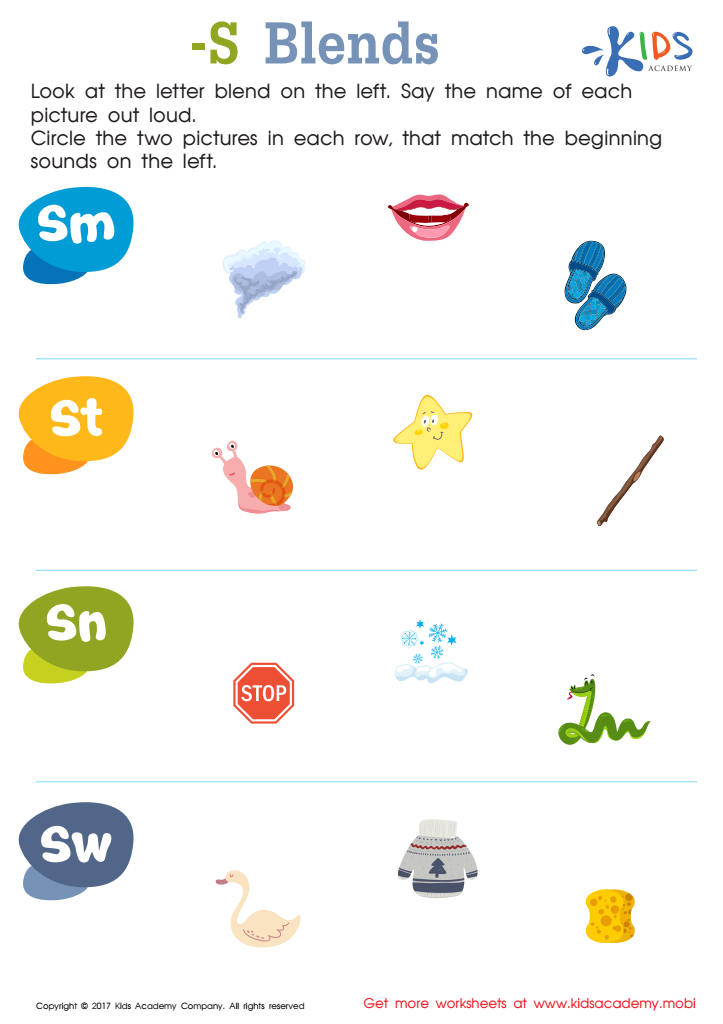
"s" Blends Spelling Printable
 Assign to My Students
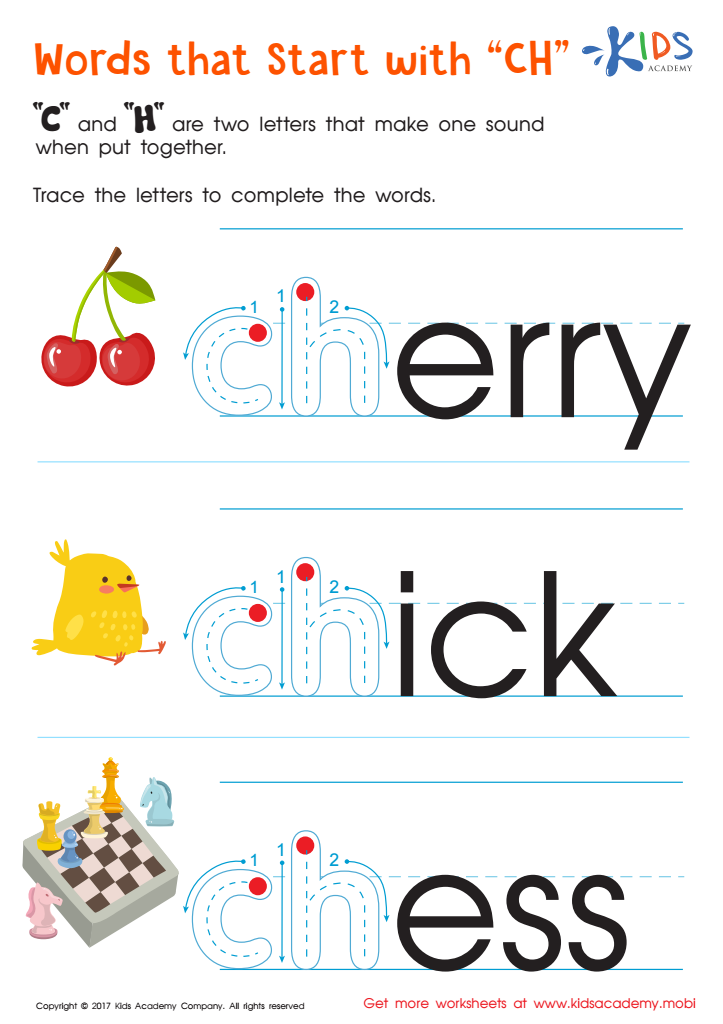
Words That Start with "ch" Spelling Worksheet
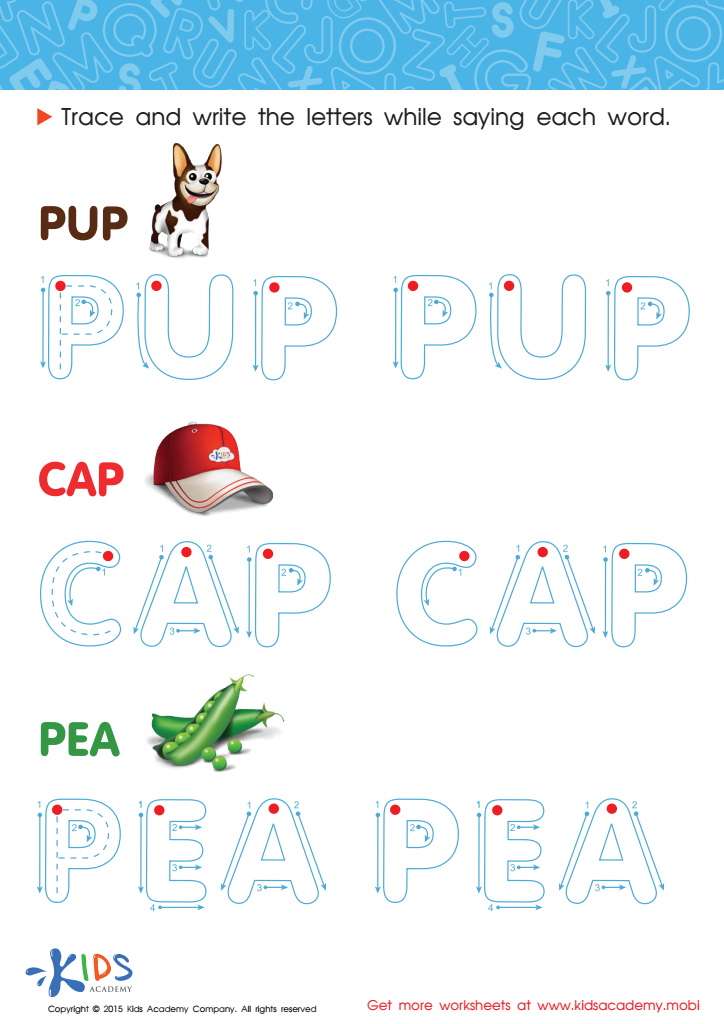
A Pup, a Cap and a Pea Spelling Worksheet
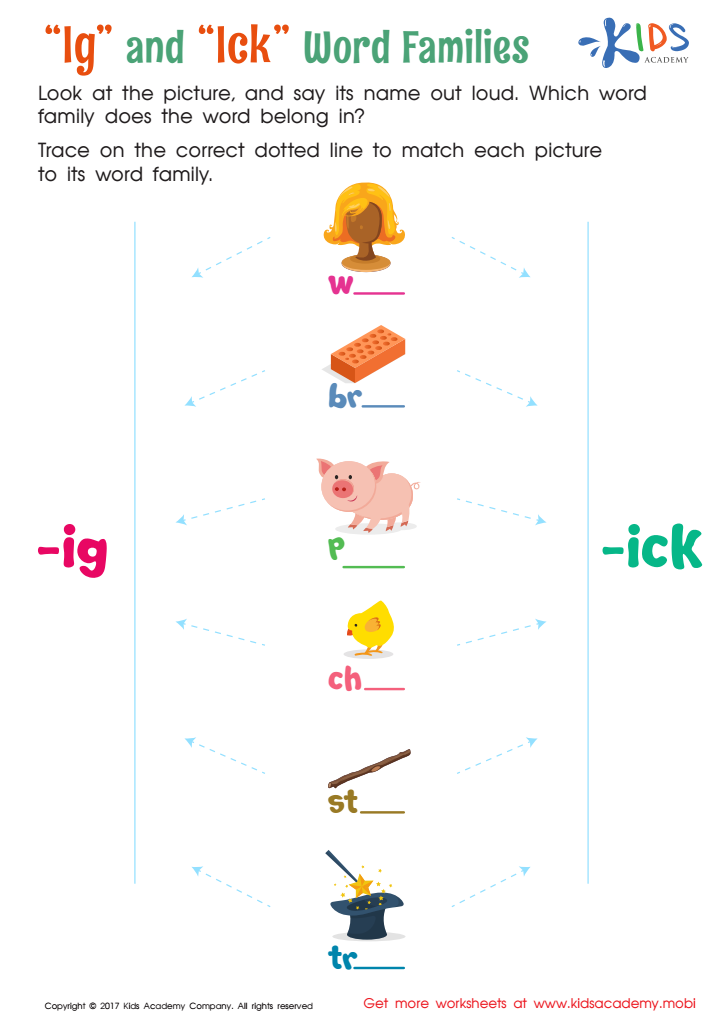
Words Families "ig" and "ick" Spelling Worksheet

Short Vowels /e/, /i/, and /u/ Worksheet
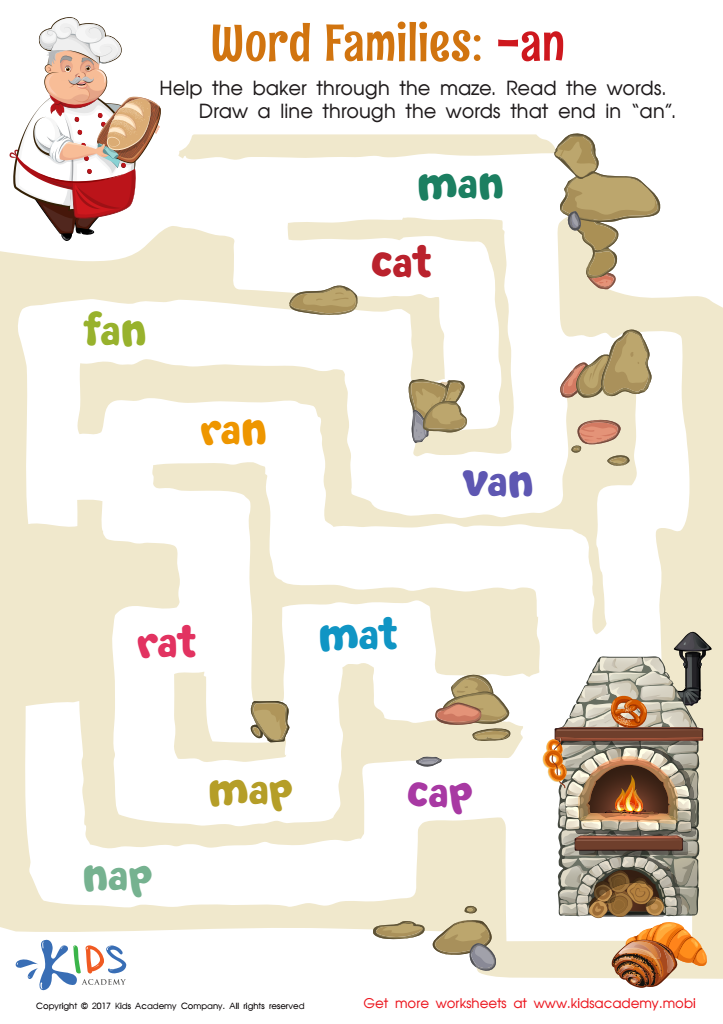
Words Families "an" Spelling Worksheet
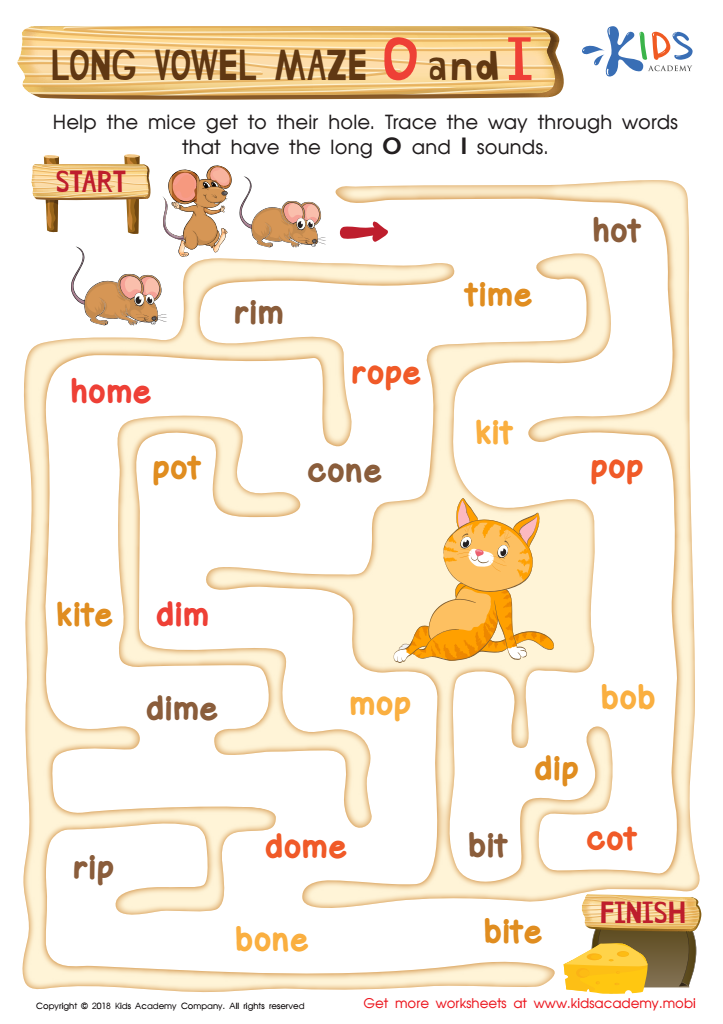
Long Vowel Maze /o/ and /i/ Worksheet
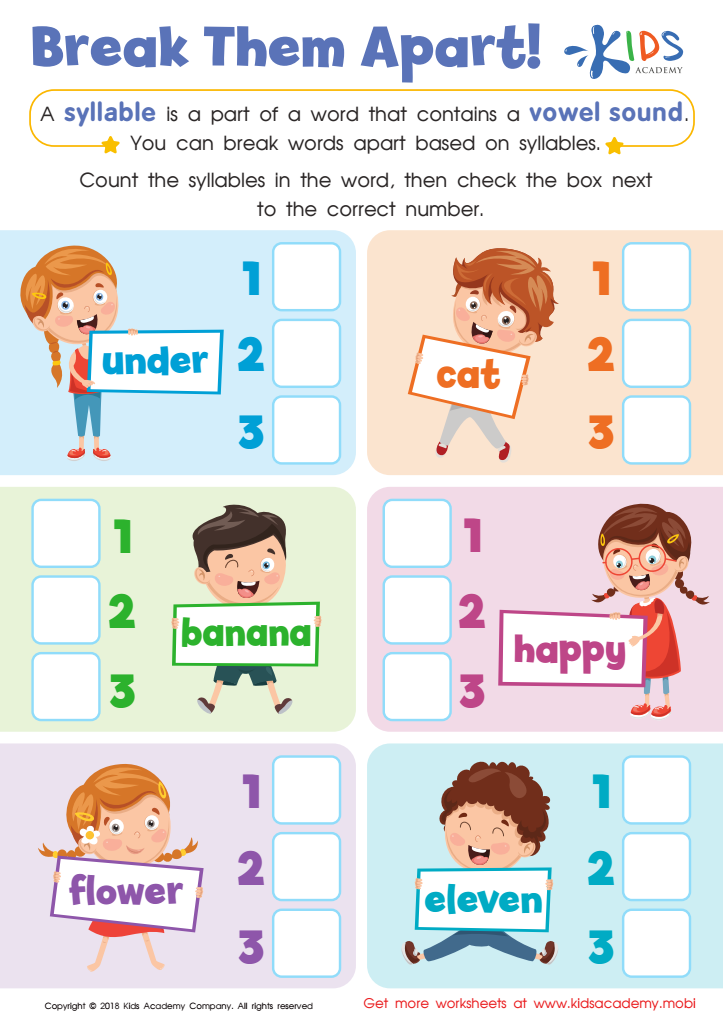
Reading: Break Them Apart Worksheet
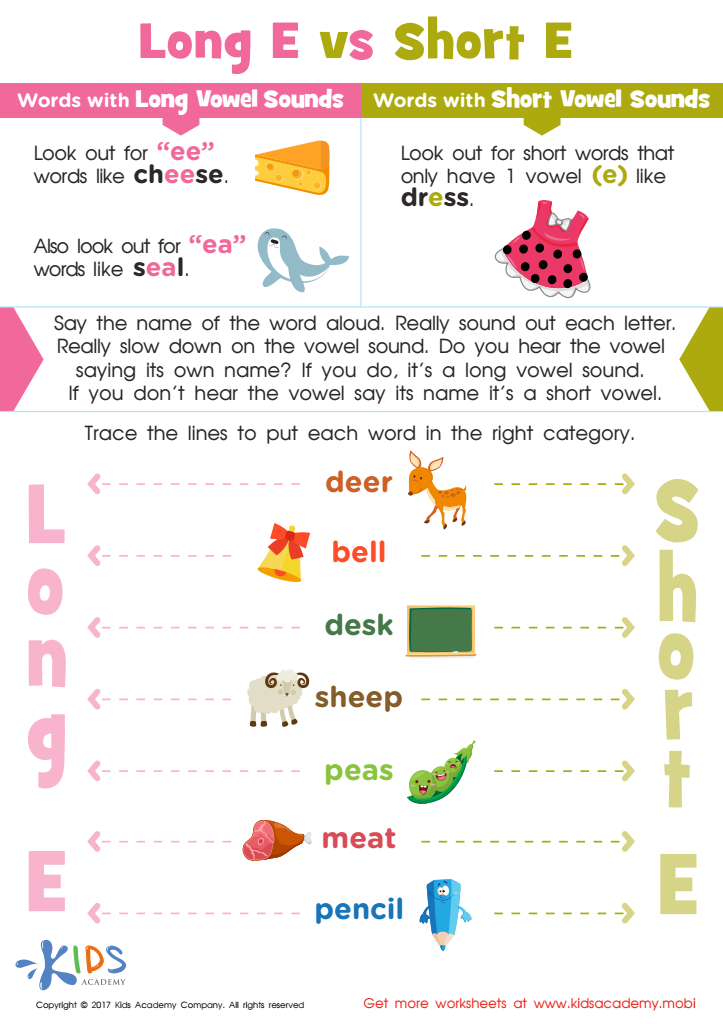
Long and Short Vowel E Spelling Worksheet
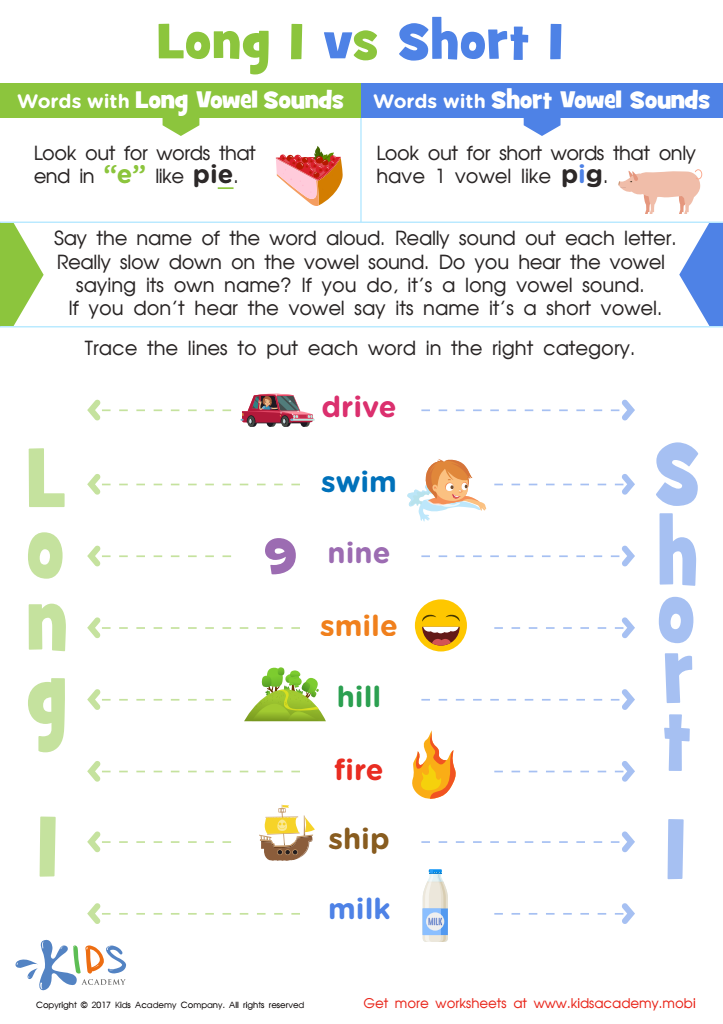
Long and Short Vowel I Spelling Worksheet
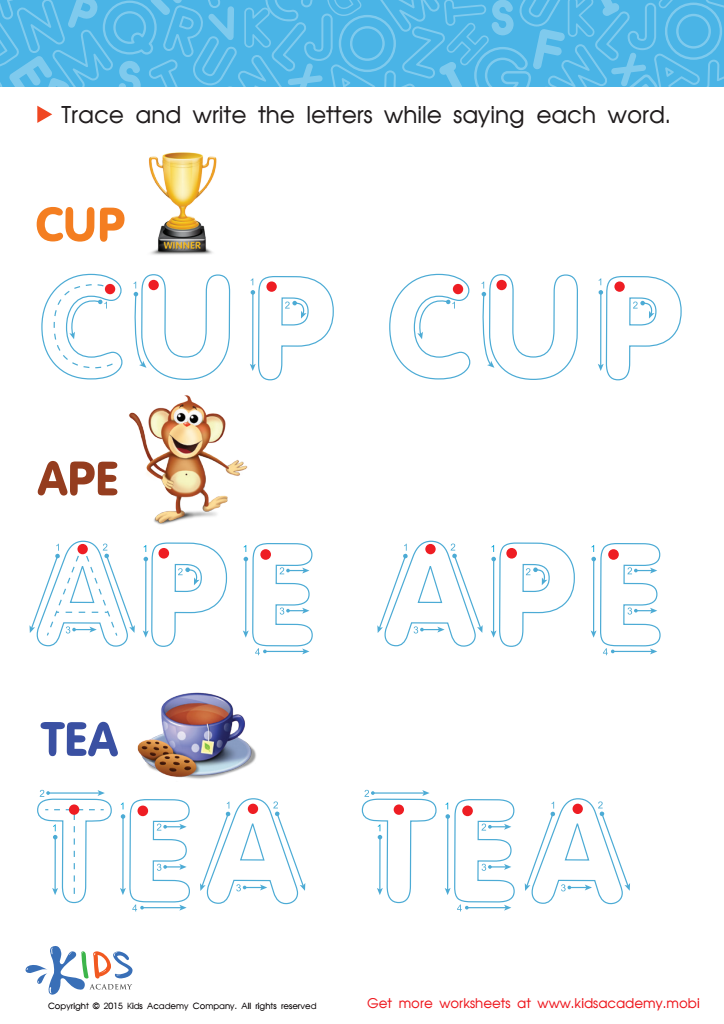
A Cup, an Ape and Tea Spelling Worksheet








Phonics skills are essential for young children, particularly those aged 3-9, as they serve as the foundation for reading and writing development. When parents and teachers prioritize phonics instruction, they equip children with the ability to sound out letters and blend them to form words. This skill fosters not only accurate reading but also enhances writing skills—an essential aspect of literacy.
Early mastery of phonics leads to greater confidence in language use, enabling children to express thoughts and ideas effectively through writing. It helps them understand the relationship between sounds and letters, which is paramount for spelling. In today's digital age, strong literacy skills also play a crucial role in overall academic success and future opportunities.
Additionally, effective phonics teaching can close the literacy gap often seen among children from diverse backgrounds. Engaged parents and supportive teachers can create a rich learning environment, reinforcing phonics at home and in the classroom, leading to improved cognitive development.
In summary, focusing on phonics skills writing is not just about literacy; it’s about nurturing competent communicators empowered to navigate their educational paths successfully. Prioritizing these foundational skills in early childhood sets the stage for lifelong learning.