Spelling practice Writing Worksheets for Ages 3-9 - Page 3
51 filtered results
-
From - To
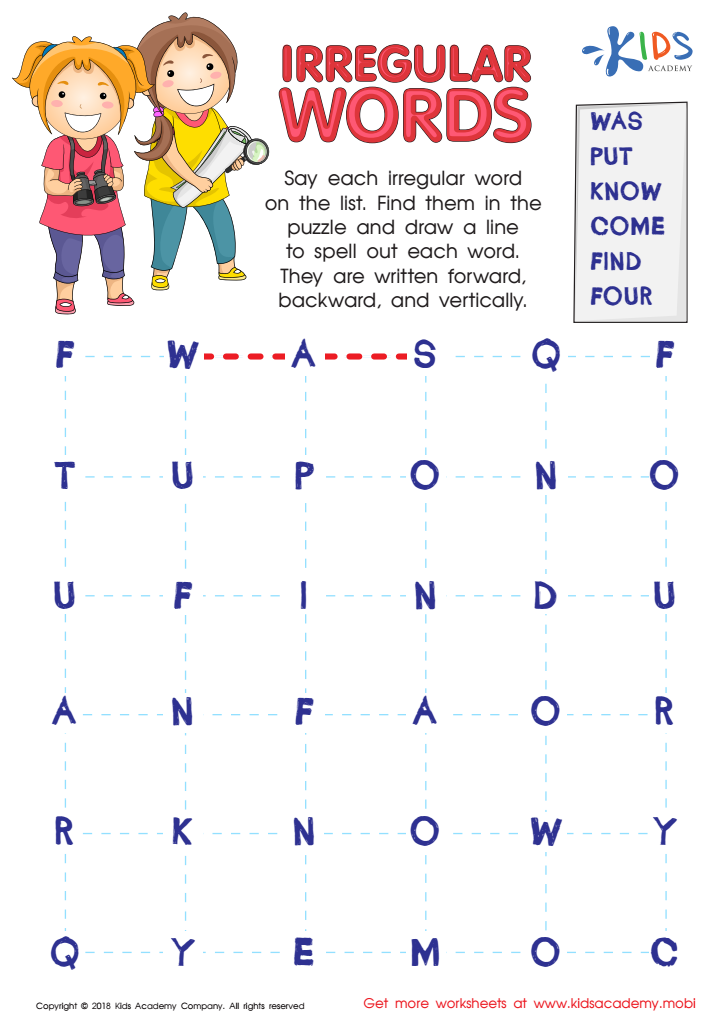
Irregular Words Worksheet
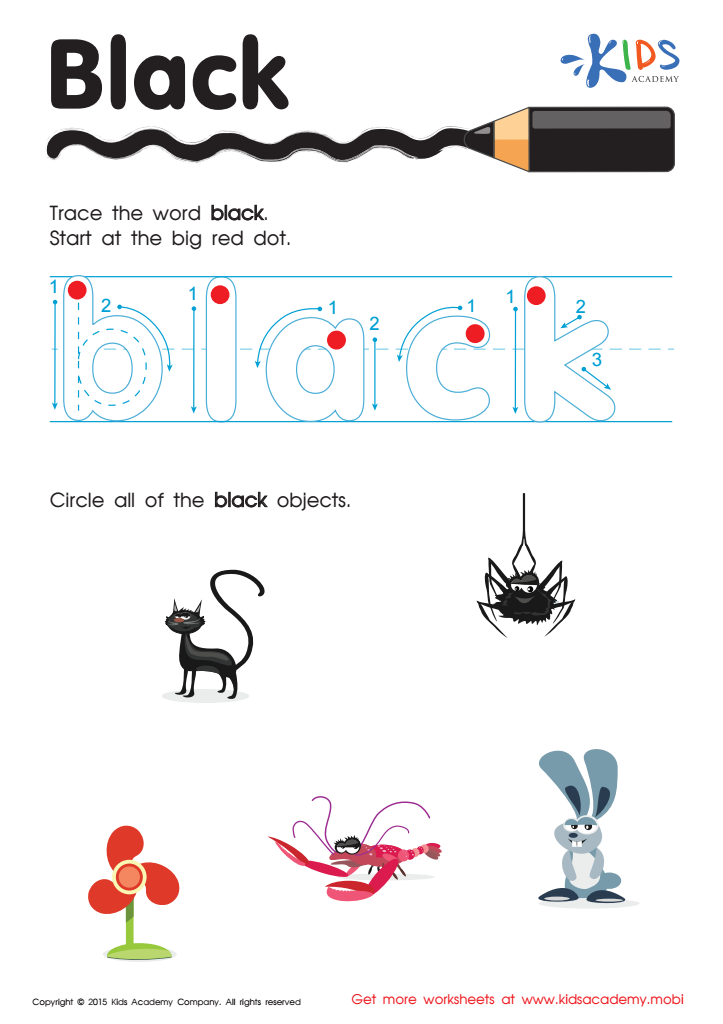
Black Tracing Color Words Printable
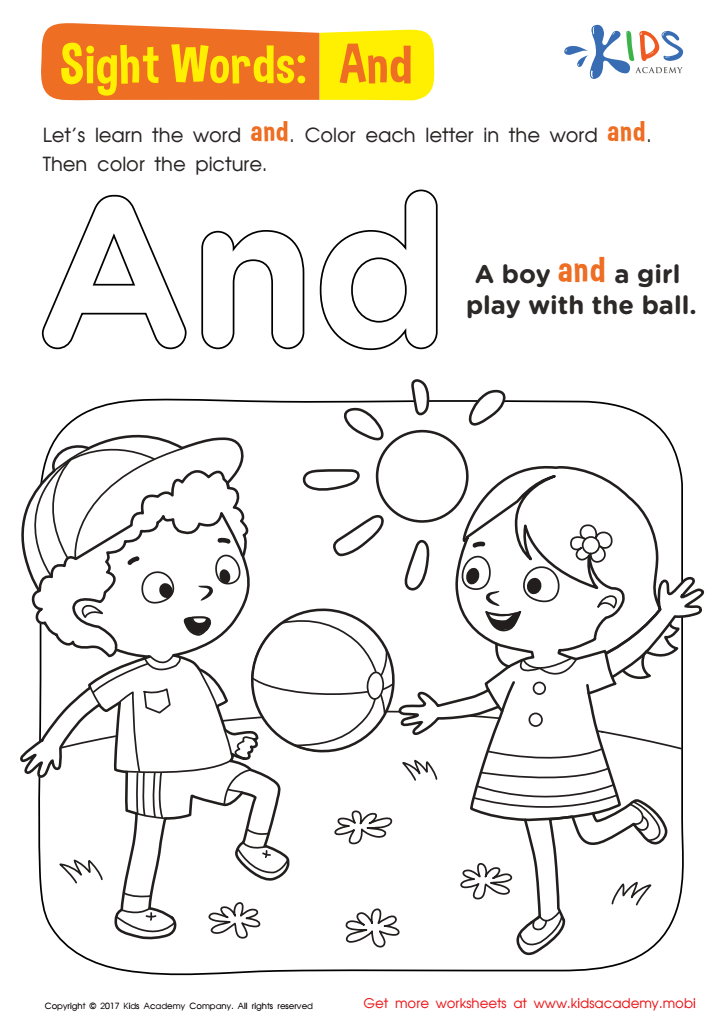
And Worksheet Sight Words Worksheet
 Assign to My Students








Spelling practice is a crucial aspect of literacy development for children aged 3-9, as it lays the foundation for successful reading and writing skills. Engaging in spelling activities enhances children's phonemic awareness—the ability to hear, identify, and manipulate individual sounds in words—making them more proficient in decoding and encoding language. Early spelling practice helps children recognize patterns in language, encouraging their ability to understand grammar and sentence structure.
Additionally, practicing spelling fosters confidence in young learners. When children can spell and express their thoughts clearly, they are more likely to participate in classroom discussions and share their writing with peers. This engagement nurtures a love for reading and writing, essential tools for lifelong learning.
Parents and teachers play vital roles in this process by providing structured spelling activities and praise, ensuring children view spelling as a fun challenge rather than an arduous task. Incorporating games, challenges, and interactive activities into spelling practice makes it enjoyable and effective, catering to various learning styles. Ultimately, dedicated spelling practice not only improves children's academic performance but also equips them with essential communication skills for future success. Investing time in these foundational skills now will yield benefits throughout their educational journey and beyond.








