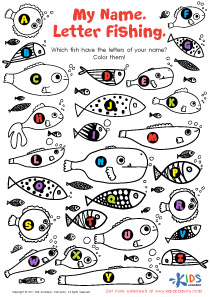
Letter recognition ABC Order Worksheets for 3-Year-Olds
15 filtered results
-
From - To
Introducing our "Letter Recognition ABC Order Worksheets for 3-Year-Olds" – a fun and educational resource designed to aid your child's early literacy journey. Each colorful sheet is thoughtfully crafted to engage young minds in recognizing and ordering letters, building a solid foundation for reading success. Our printable worksheets incorporate playful images and activities that make learning the alphabet exciting and memorable. Perfect for home or classroom use, these resources promote letter recognition, sequencing skills, and cognitive development, making early learning both enjoyable and effective. Spark your child’s curiosity and watch them master the ABCs with ease!
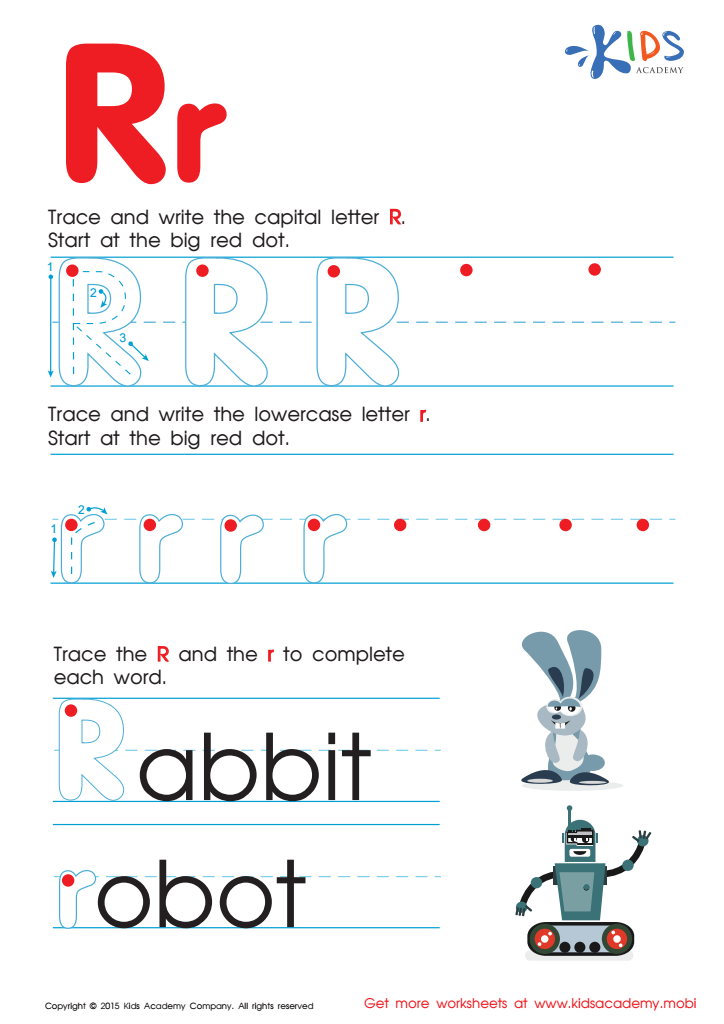
Letter R Tracing Page
 Assign to My Students





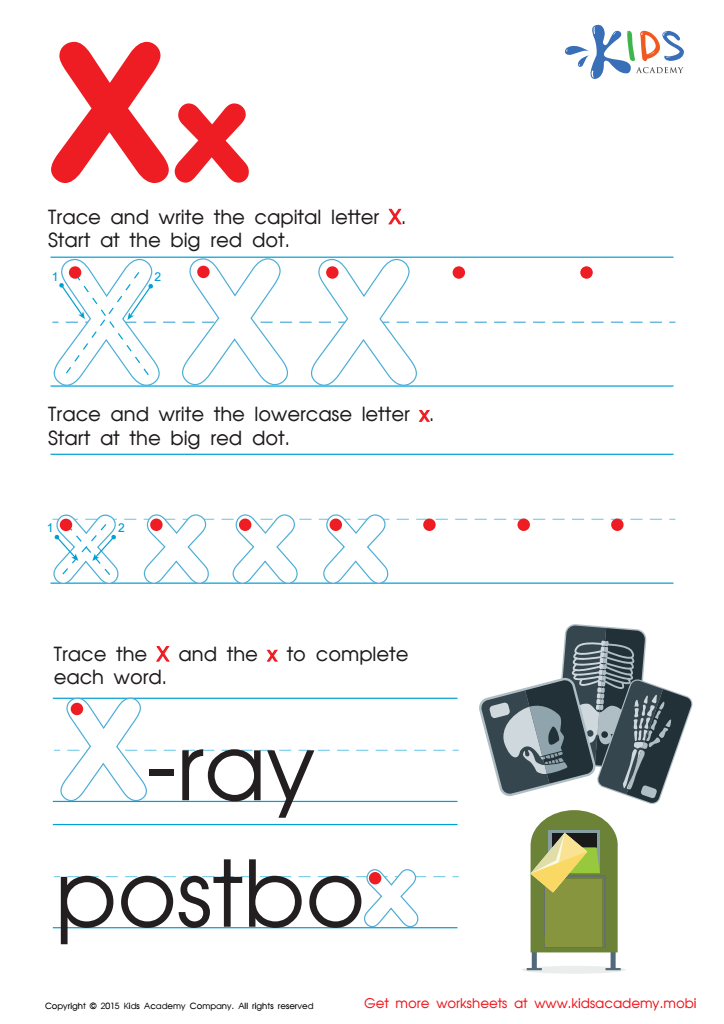
Letter X Tracing Page
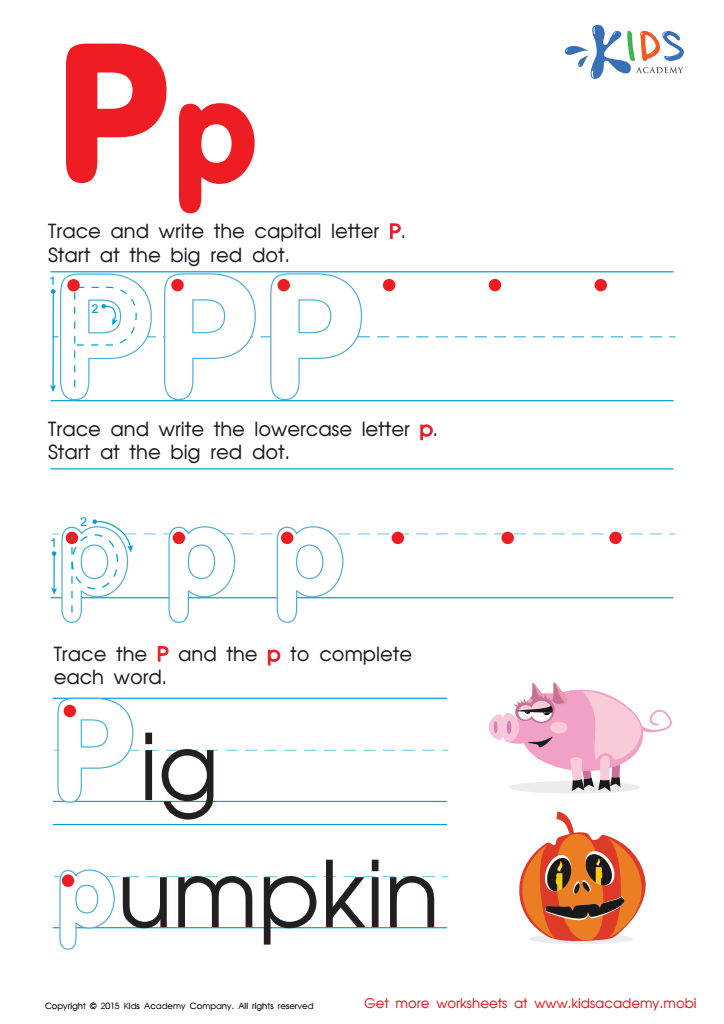
Letter P Tracing Page
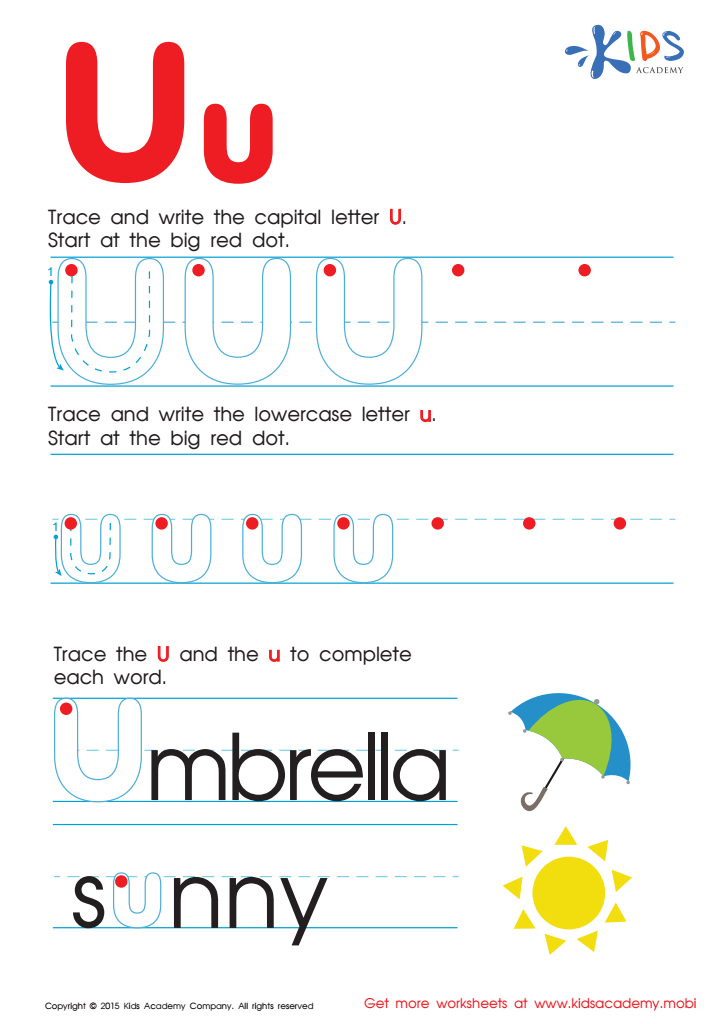
Letter U Tracing Page
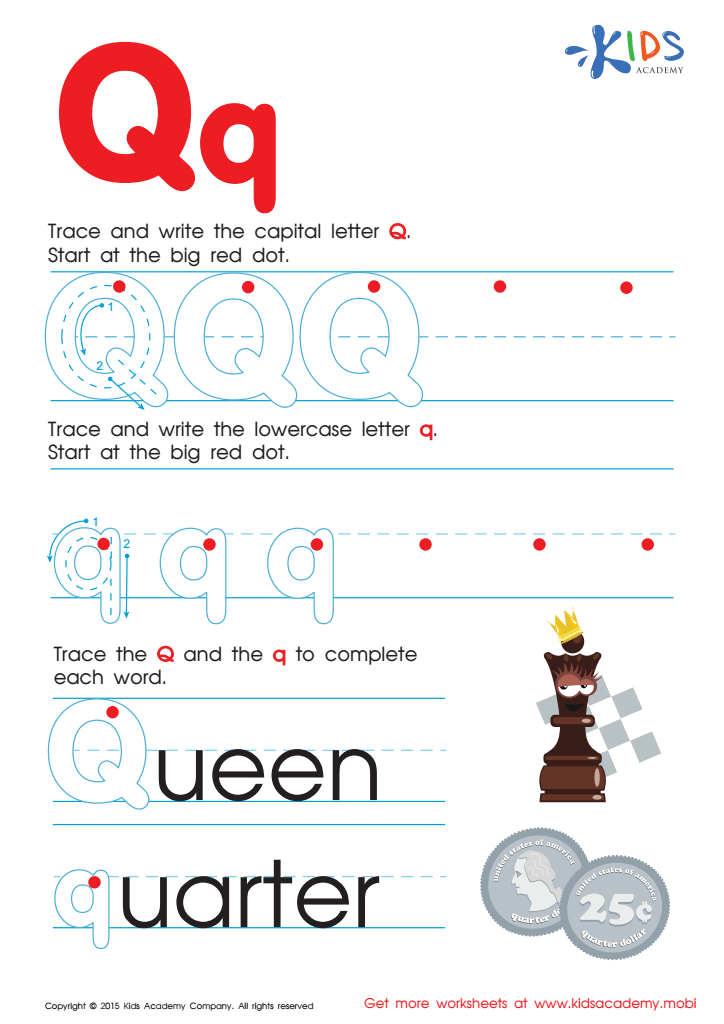
Letter Q Tracing Page
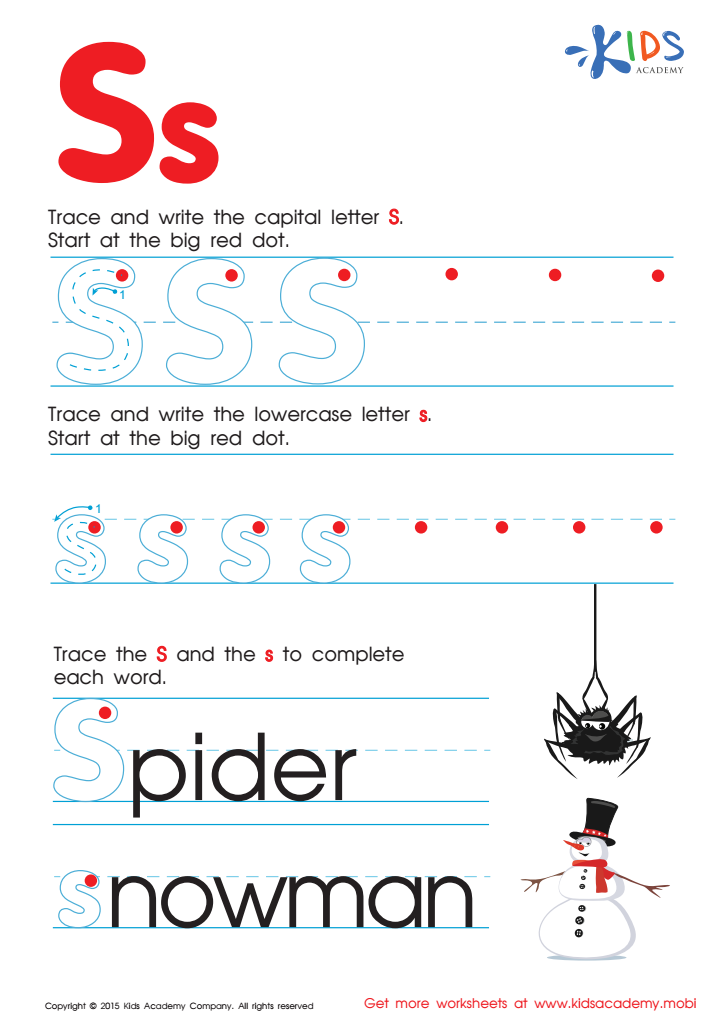
Letter S Tracing Page
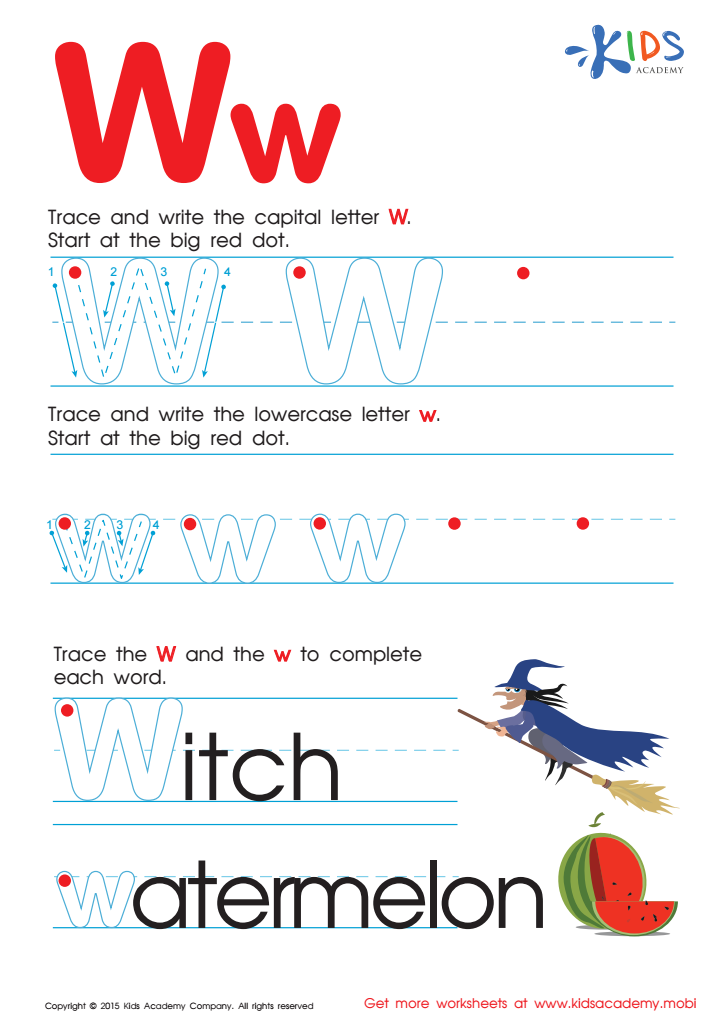
Letter W Tracing Page
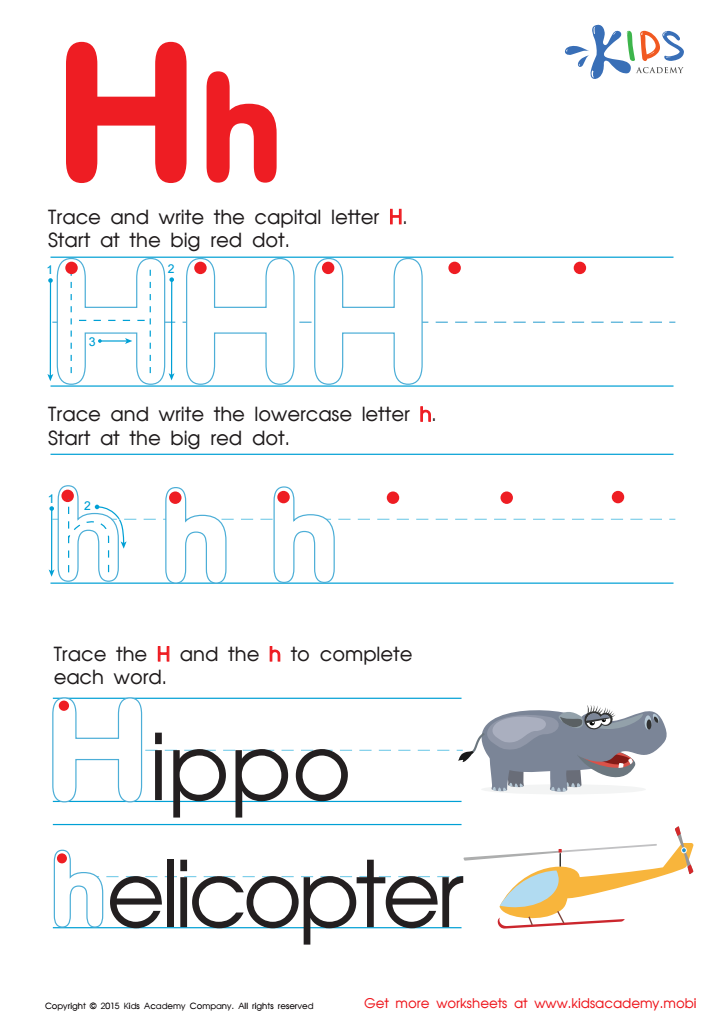
Letter H Tracing Page
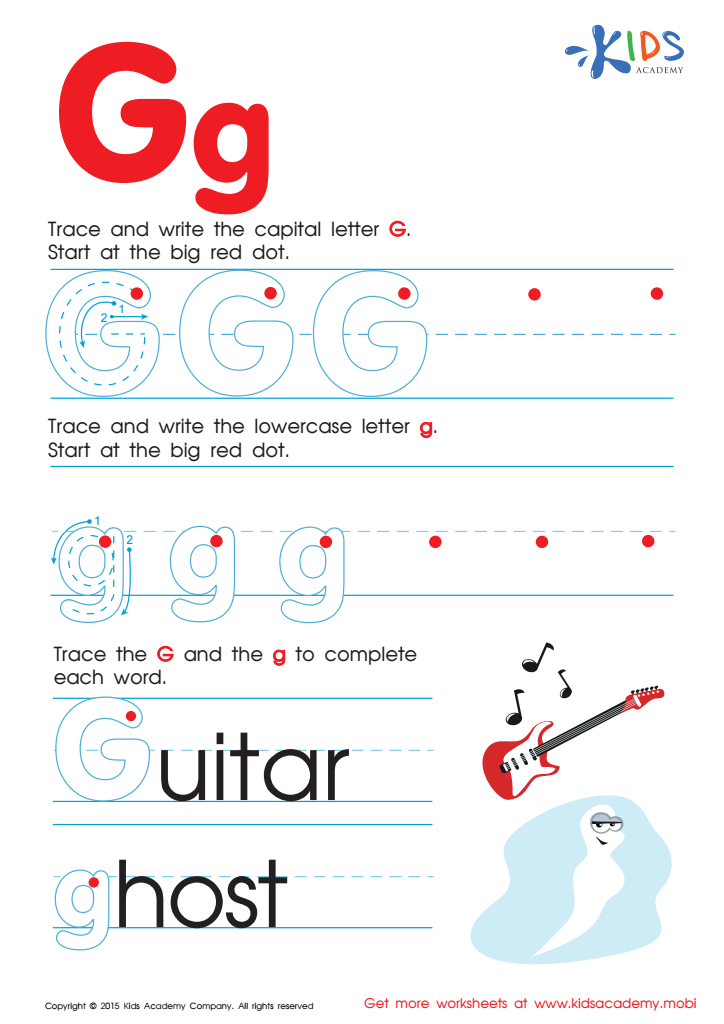
Letter G Tracing Page
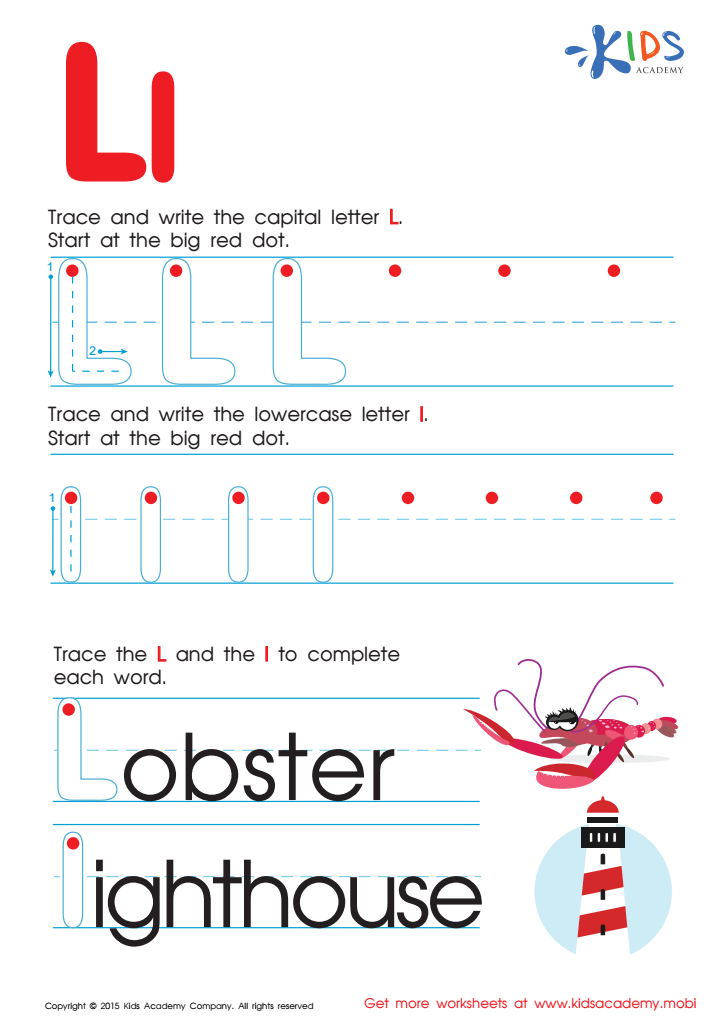
Letter L Tracing Page
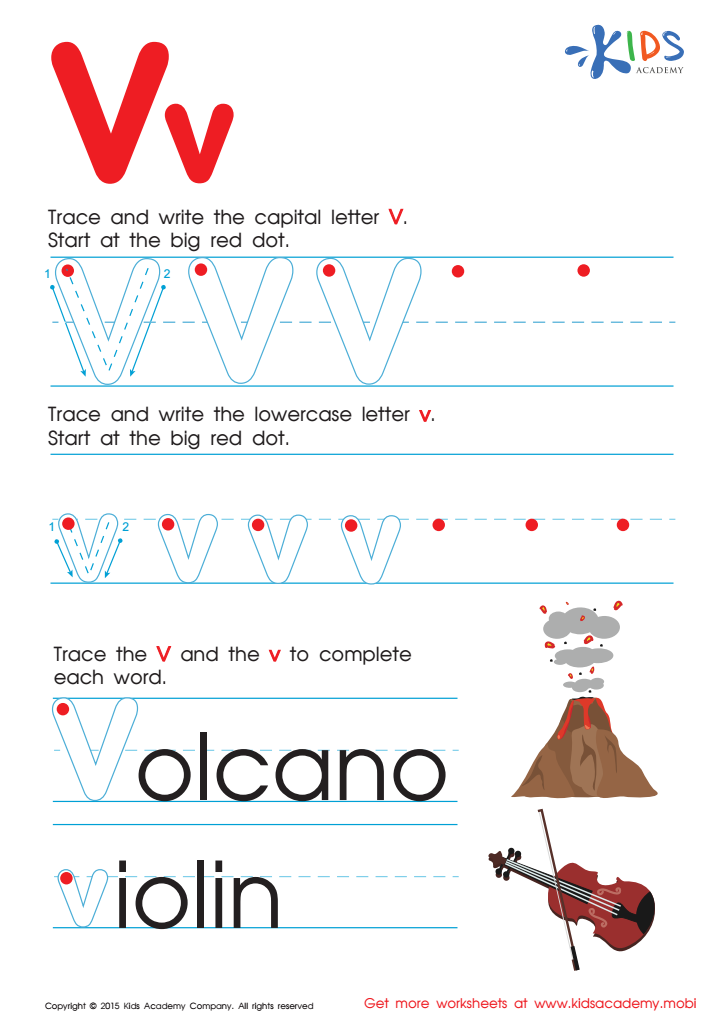
Letter V Tracing Page
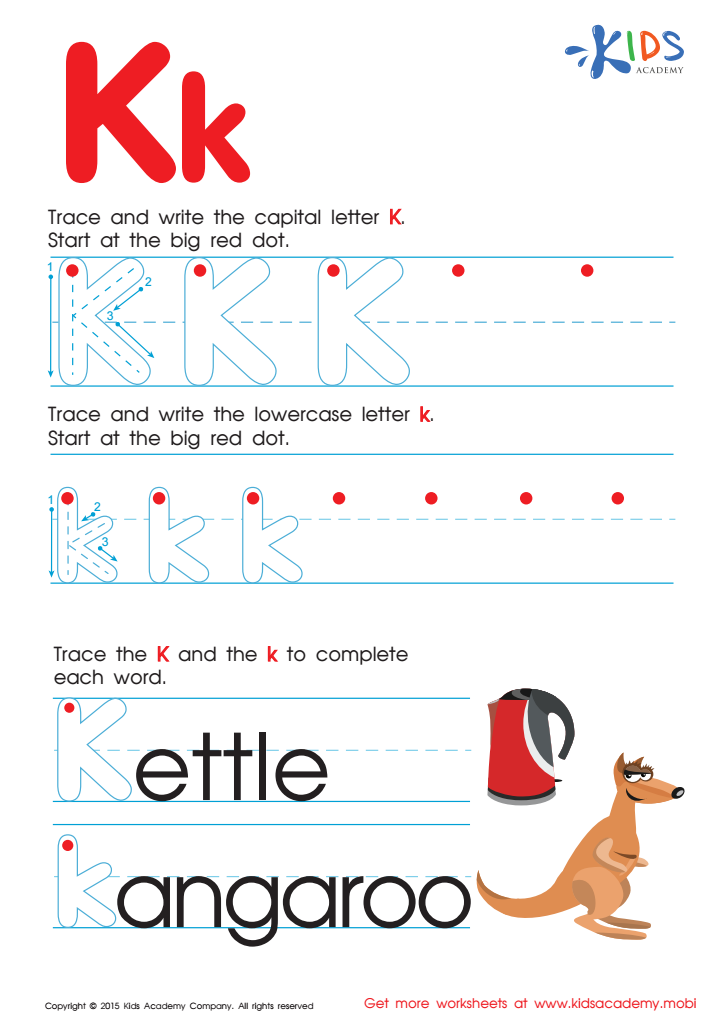
Letter K Tracing Page
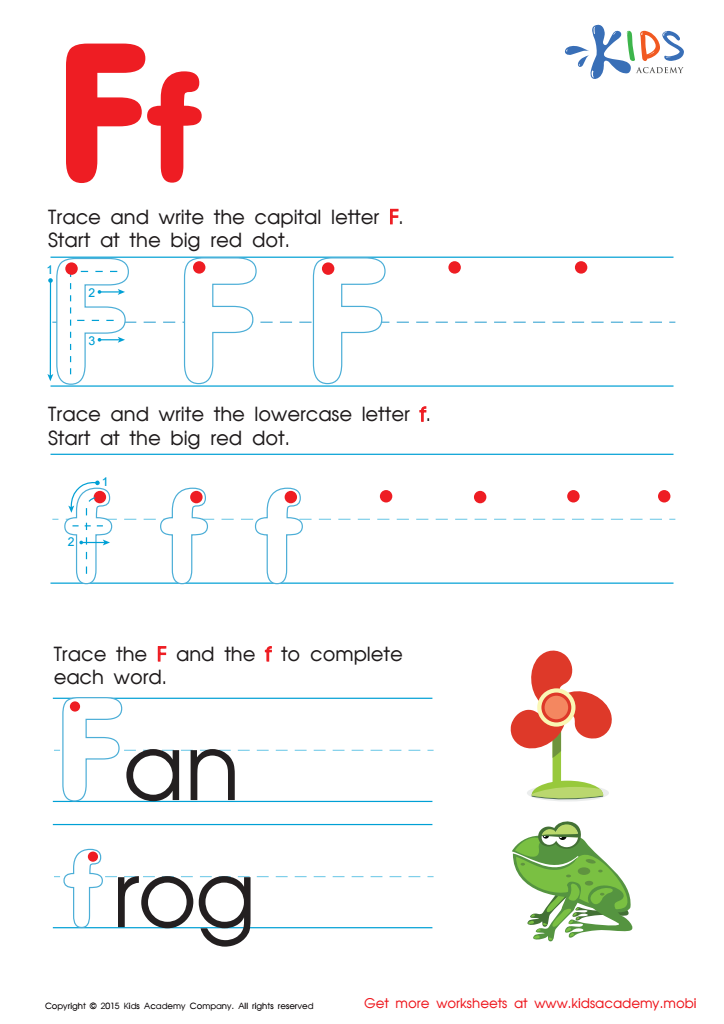
Letter F Tracing Page
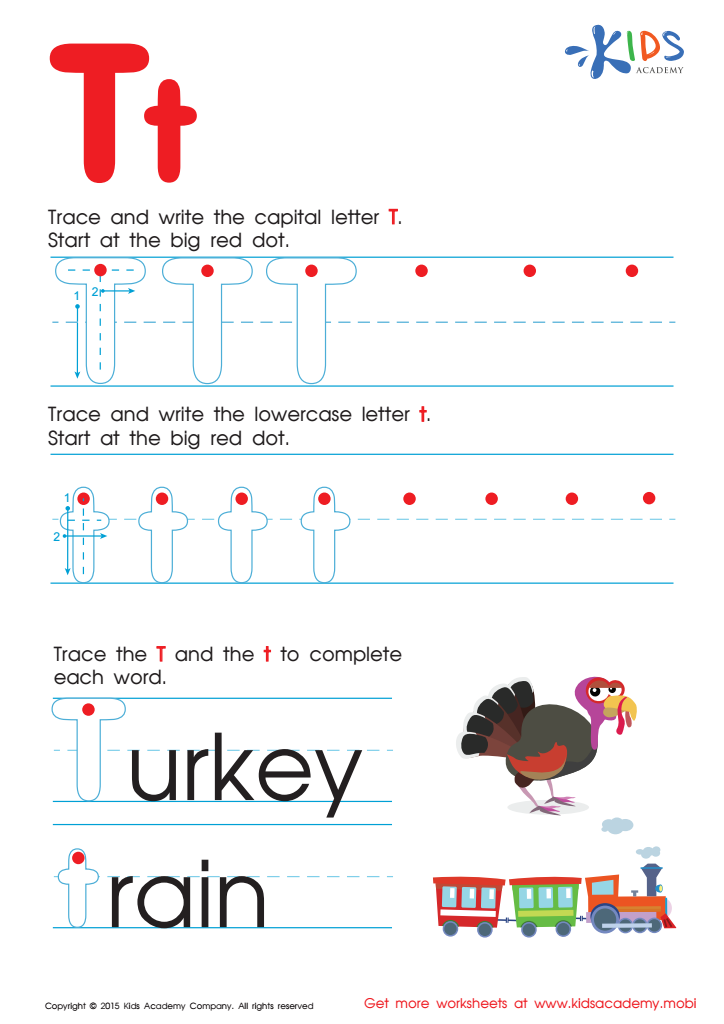
Letter T Tracing Page
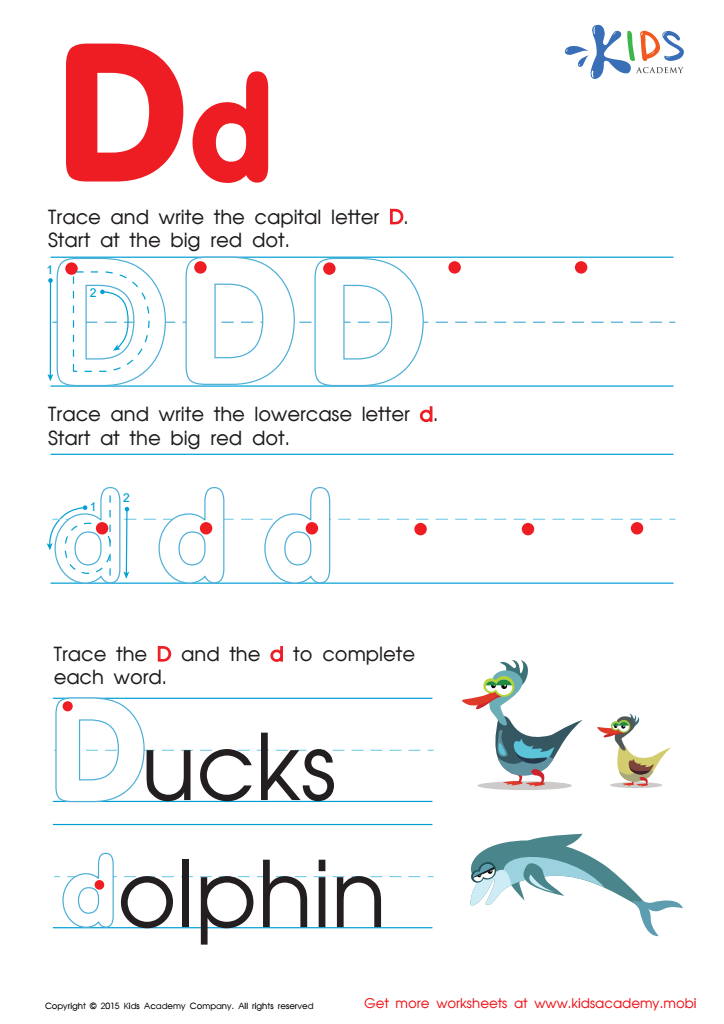
Letter D Tracing Page








Parents and teachers should care about letter recognition and alphabetical order for 3-year-olds because these foundational skills are critical for early literacy development. Recognizing letters and understanding their correct sequence is the first step in learning to read and write. At this tender age, children's brains are highly receptive to new information, and introducing them to the alphabet helps stimulate cognitive growth, improve memory, and enhance language skills.
Letter recognition allows children to identify and differentiate between letter shapes and sounds, which is essential for phonemic awareness – the ability to hear, identify, and manipulate phonemes. This skill is a prerequisite for decoding words, a cornerstone of reading proficiency. Knowing the order of the alphabet also aids in developing organizational skills and prepares children for the systematic structure of language, such as following directions and understanding sequences in stories or daily activities.
Moreover, early mastery of the alphabet boosts a child's confidence and enthusiasm for learning. It promotes a sense of accomplishment and curiosity, laying a solid foundation for further education. Parents' and teachers' involvement at this critical stage ensures that children receive the support and encouragement needed to thrive academically, socially, and emotionally as they progress through preschool and beyond.