Letter recognition Alphabet Worksheets for 3-Year-Olds - Page 3
58 filtered results
-
From - To
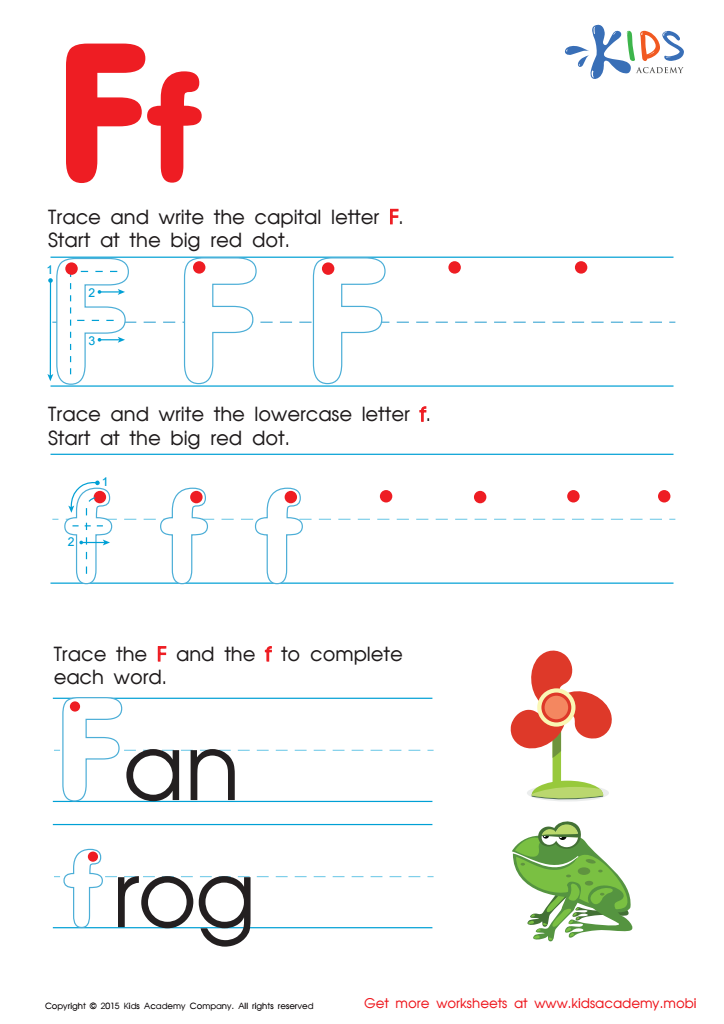
Letter F Tracing Page
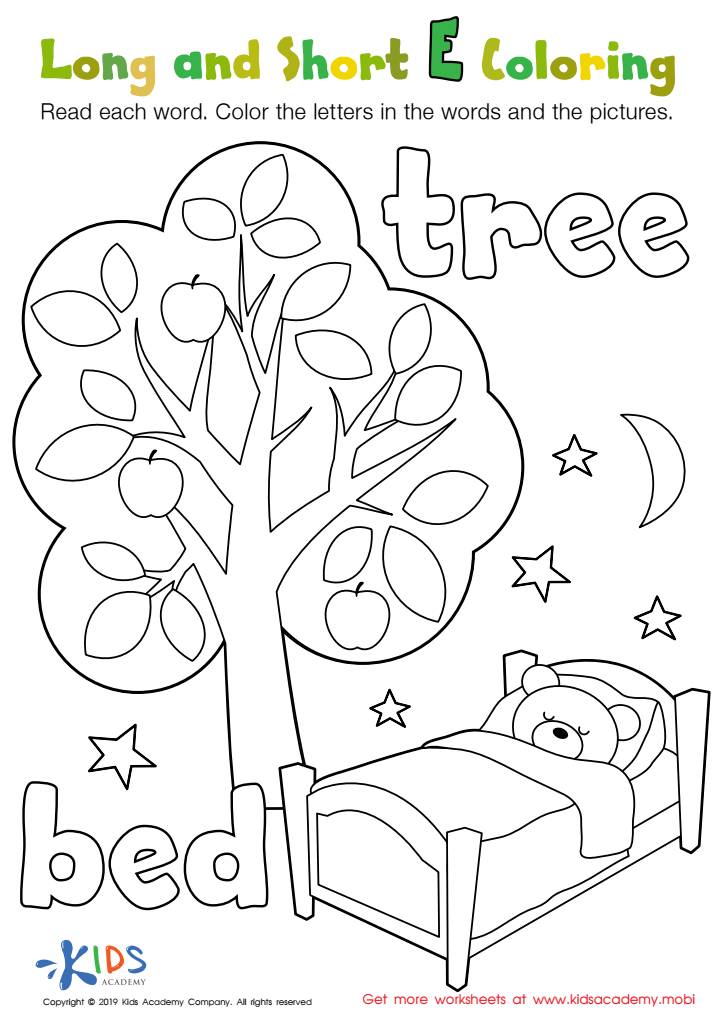
Long and Short E Worksheet
 Assign to My Students
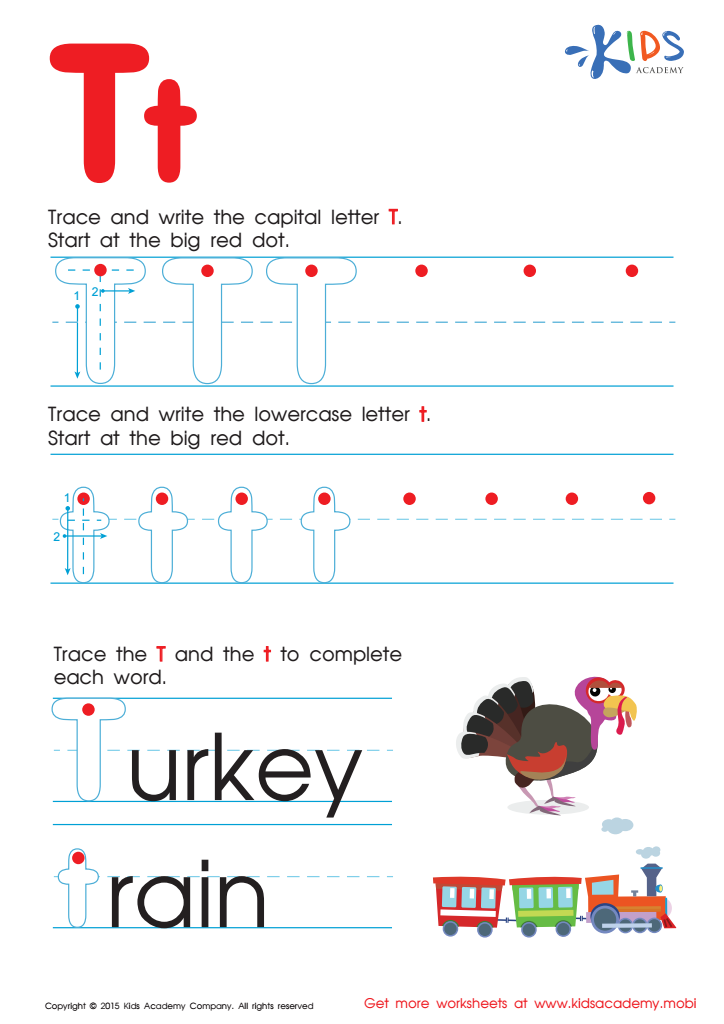
Letter T Tracing Page
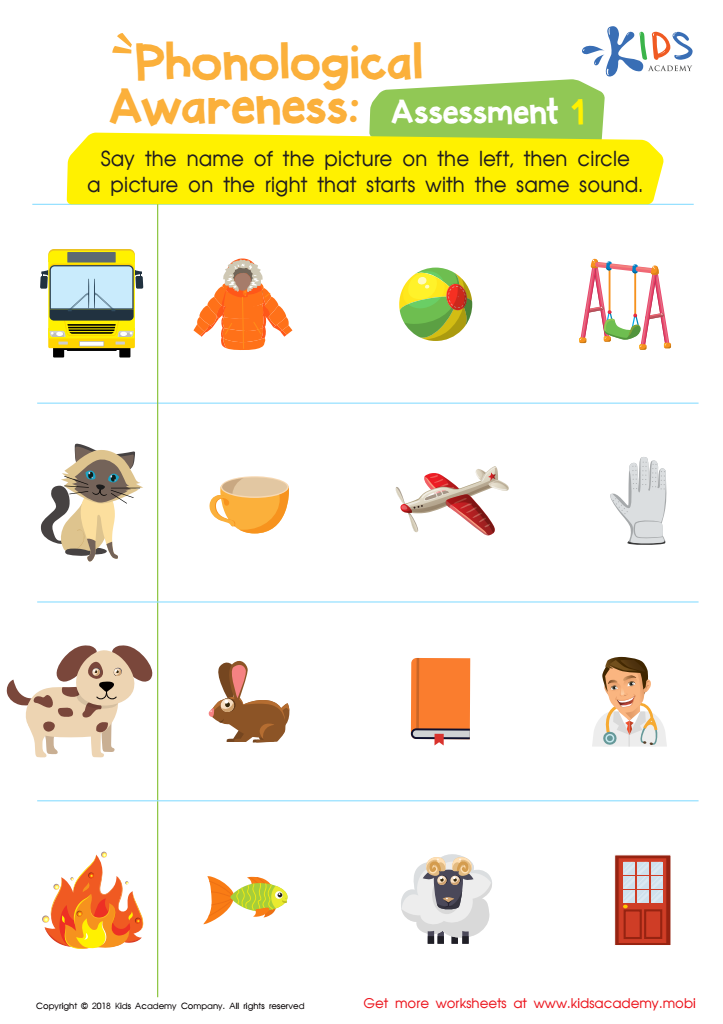
Phonological Awareness: Assessment 1 Worksheet
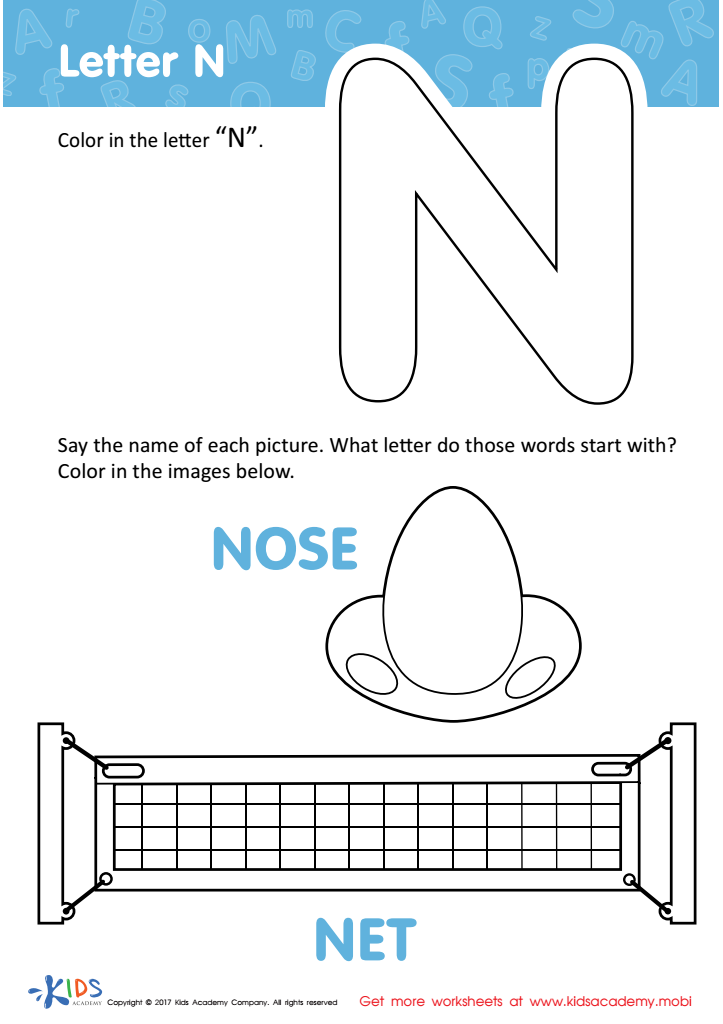
Letter N Coloring Sheet
Assign to My Students
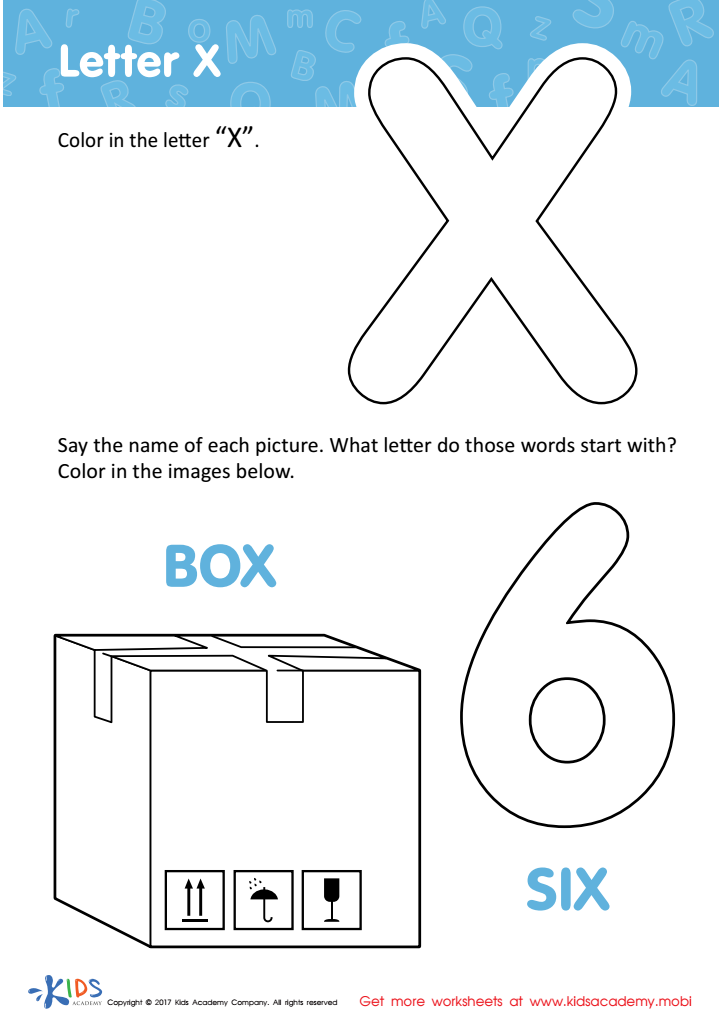
Letter X Coloring Sheet
Assign to My Students
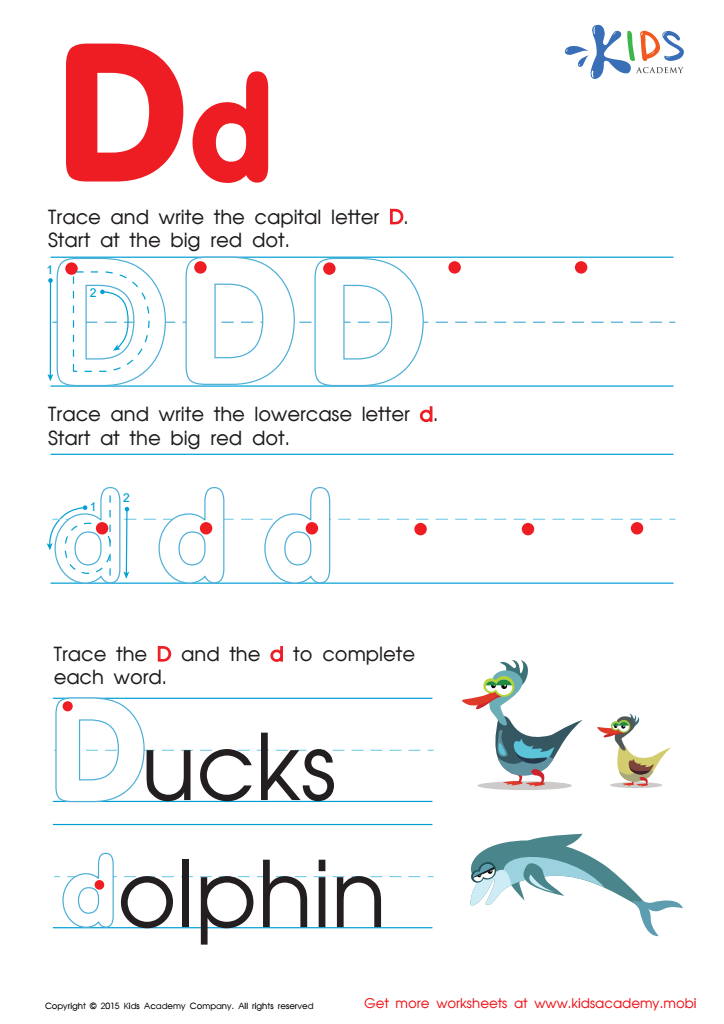
Letter D Tracing Page
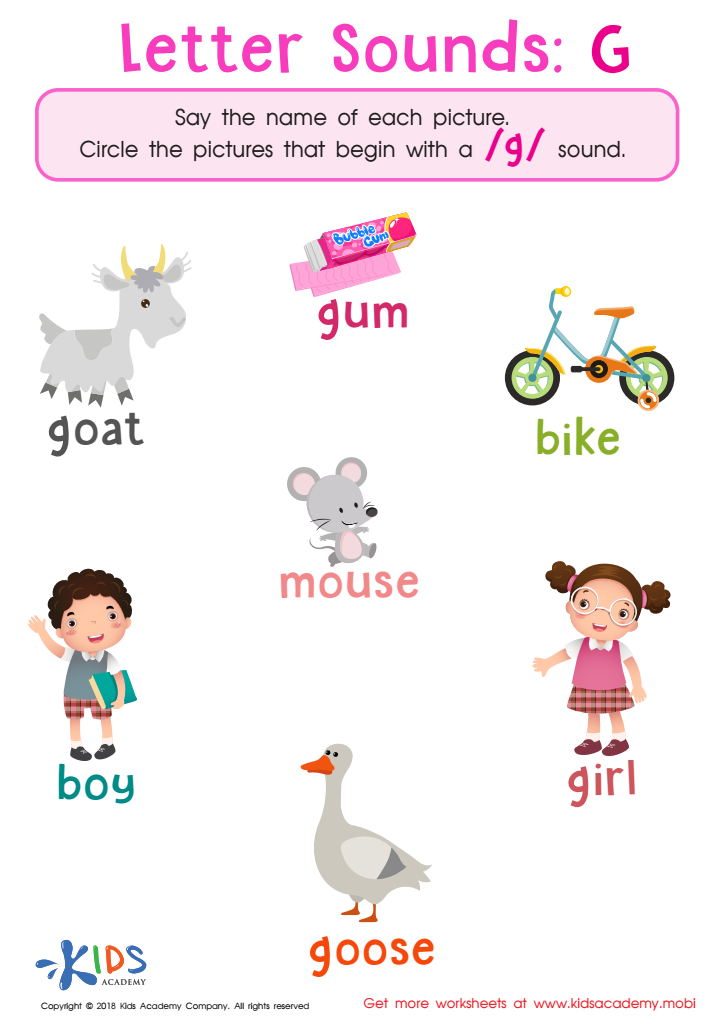
Letter G Sounds Worksheet
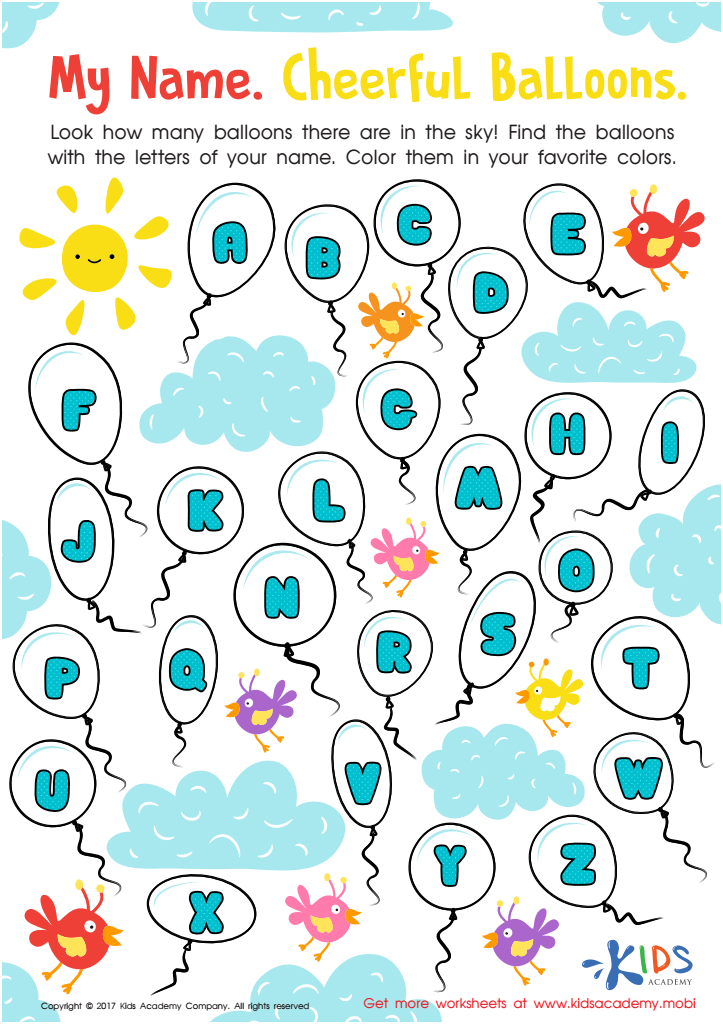
My Name: Cheerful Balloons Worksheet
Assign to My Students
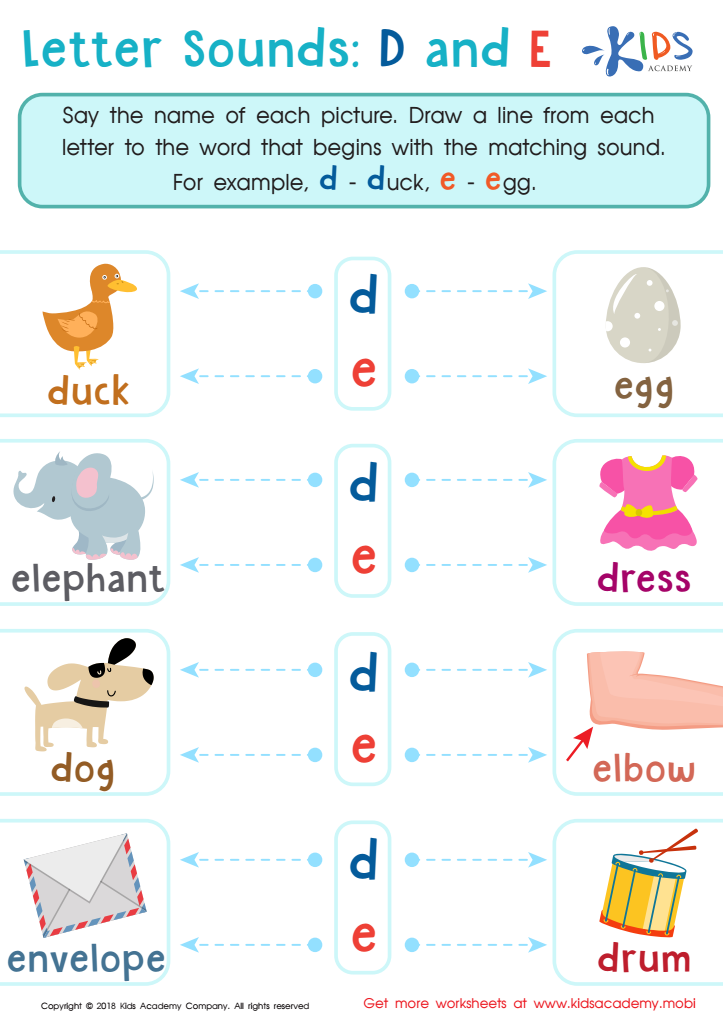
Letter D and E Sounds Worksheet





Letter recognition is a foundational skill that significantly impacts early literacy development in children. For three-year-olds, recognizing letters is more than just identifying shapes; it's about building pre-reading skills that will facilitate future learning. Skilled letter recognition supports phonemic awareness, which is crucial for understanding that letters represent sounds. When parents and teachers prioritize letter recognition, they help children make connections between spoken and written language.
Moreover, early letter recognition fosters a sense of confidence and curiosity about reading and writing. It encourages children to engage with books and literacy activities, fostering a love for reading at a young age. The ability to recognize letters also assists children in understanding classroom routines, such as recognizing their names on desks or cubbies.
Additionally, focusing on letter recognition can help identify any early struggles with literacy. Early intervention can be pivotal in giving children the support they need for long-term success. Overall, nurturing letter recognition in three-year-olds lays the groundwork for a lifelong journey of learning, self-expression, and literacy, making it essential for parents and educators to actively support this developmental milestone.







