Vocabulary Building Phonics Worksheets for 3-Year-Olds
4 filtered results
-
From - To
Discover a world of fun and education with our Vocabulary Building Phonics Worksheets for 3-Year-Olds! Tailored specifically for early learners, these interactive worksheets engage young minds while developing essential vocabulary skills. Each activity introduces children to phonics and key vocabulary concepts through colorful illustrations and exciting exercises, making learning enjoyable and effective. Perfect for parents and educators, these worksheets foster language development and comprehension, building a strong foundation for literacy. Encourage your child’s love for words with our engaging resources, ensuring they gain confidence in communicating effectively. Start their vocabulary journey today with our specially designed phonics worksheets!
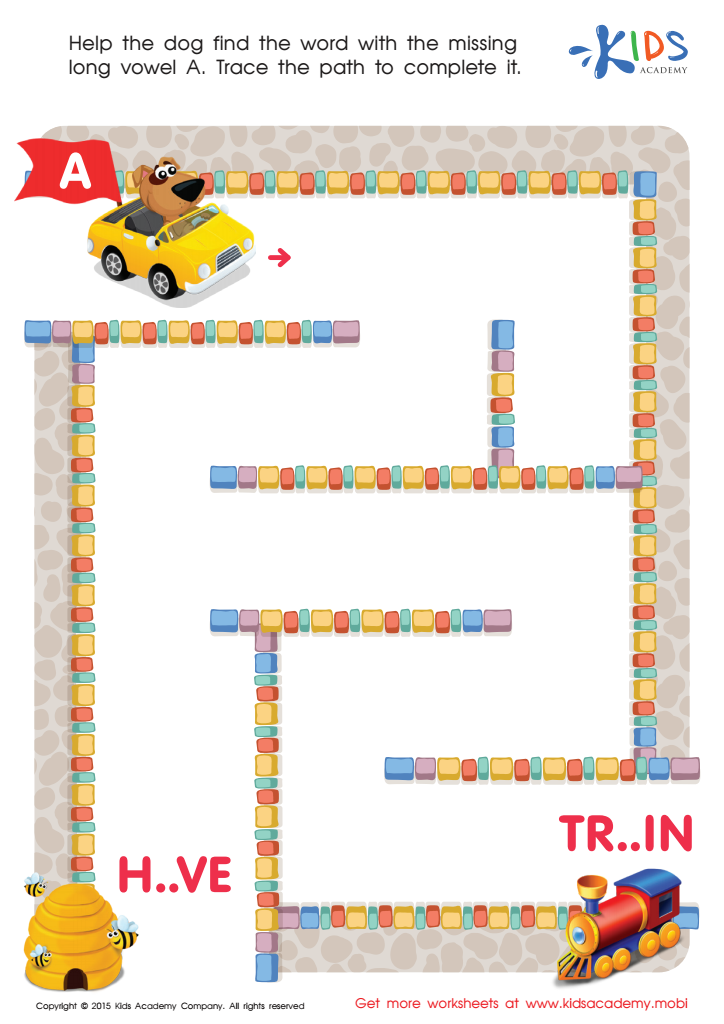
Long Vowel Sound A Worksheet
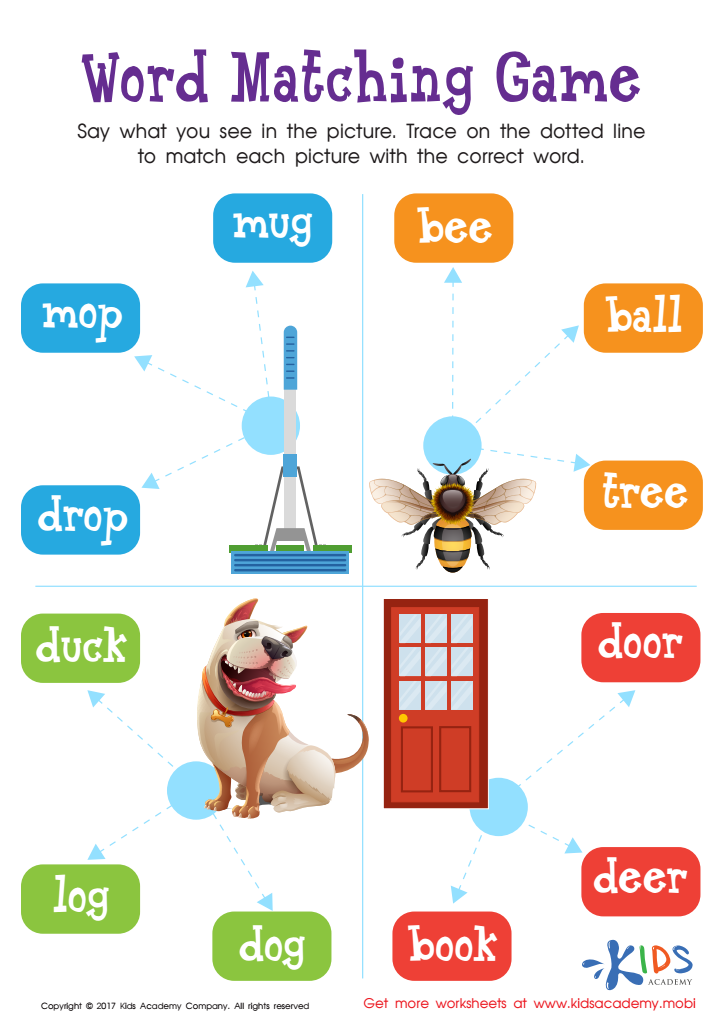
Word Matching Game Worksheet
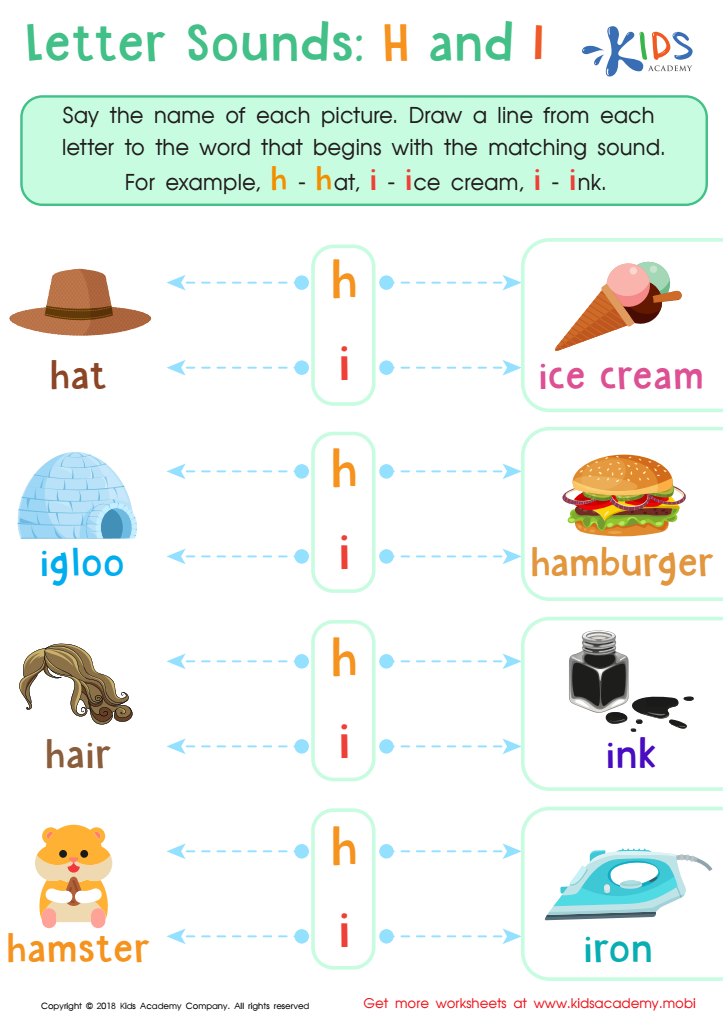
Letter H and I Sounds Worksheet
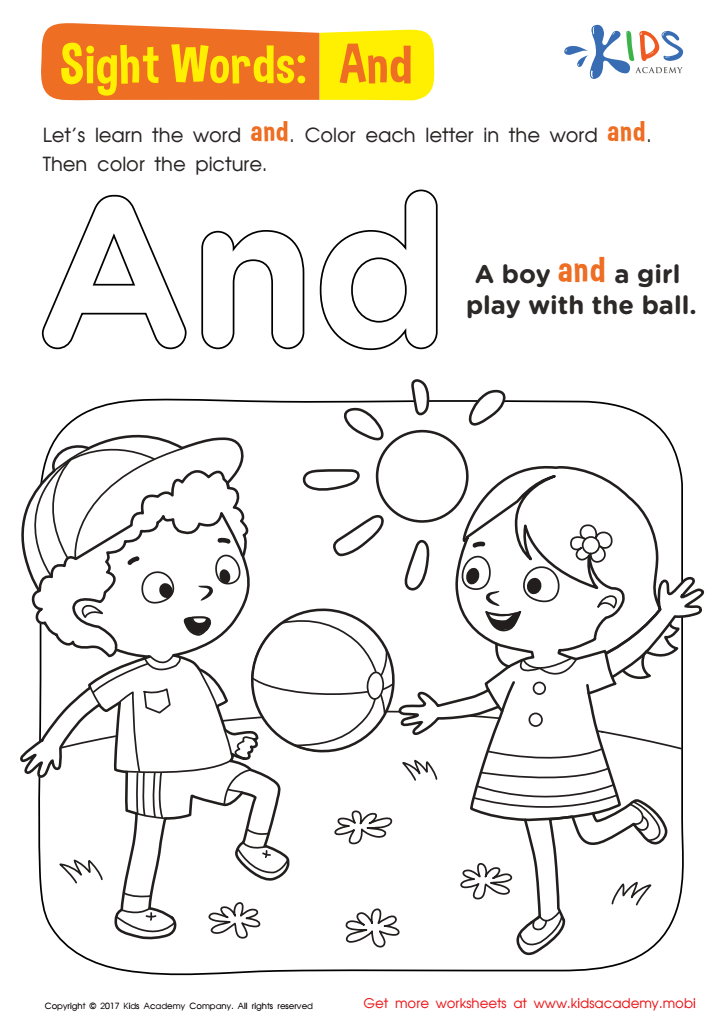
And Worksheet Sight Words Worksheet
 Assign to My Students








Vocabulary building through phonics is essential for 3-year-olds as it lays a strong foundation for literacy and communication skills. At this age, children are highly receptive to language acquisition, and incorporating phonics helps them understand the relationship between letters and sounds. This understanding is pivotal in enabling them to recognize words, spell, and eventually read.
Engaging children in phonics activities nurtures curiosity and enhances cognitive development, allowing them to express themselves more effectively. As they build their vocabulary, they gain the tools to articulate their thoughts and emotions, promoting confidence and social skills. Furthermore, mastering phonics can prevent future reading difficulties, ensuring a smoother educational journey as they progress through school.
For parents and teachers, fostering a rich vocabulary boosts overall academic performance. Strong communication skills not only aid in learning but also prepare children for collaborative projects and team interactions later in life. Additionally, children with robust vocabulary skills tend to develop better critical thinking and comprehension abilities, essential for their overall intellectual growth.
By prioritizing vocabulary building through phonics, both parents and teachers contribute significantly to shaping well-rounded, capable learners ready to tackle the challenges of their educational journey.







