Vocabulary expansion Phonics Worksheets for 3-Year-Olds
14 filtered results
-
From - To
Boost your 3-year-old's language skills with our engaging Vocabulary Expansion Phonics Worksheets. Specifically designed for early learners, these fun and interactive activities help build a strong foundation in essential reading and phonics. Through playful exercises, children will discover new words, sounds, and letters, enhancing their vocabulary and phonics recognition. Perfect for both parents and educators, our worksheets provide an enjoyable learning experience that keeps young minds engaged and excited. These worksheets blend creativity with education, ensuring your child develops critical language skills while having fun. Start your child's reading journey today with our expertly crafted phonics worksheets!
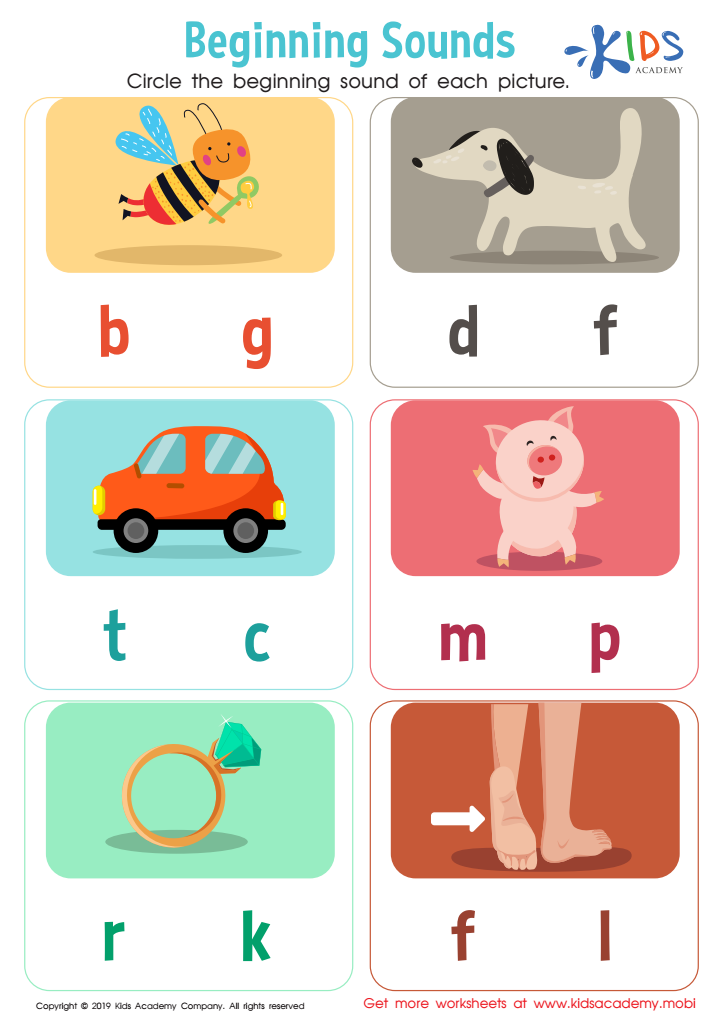
Beginning Sounds Worksheet
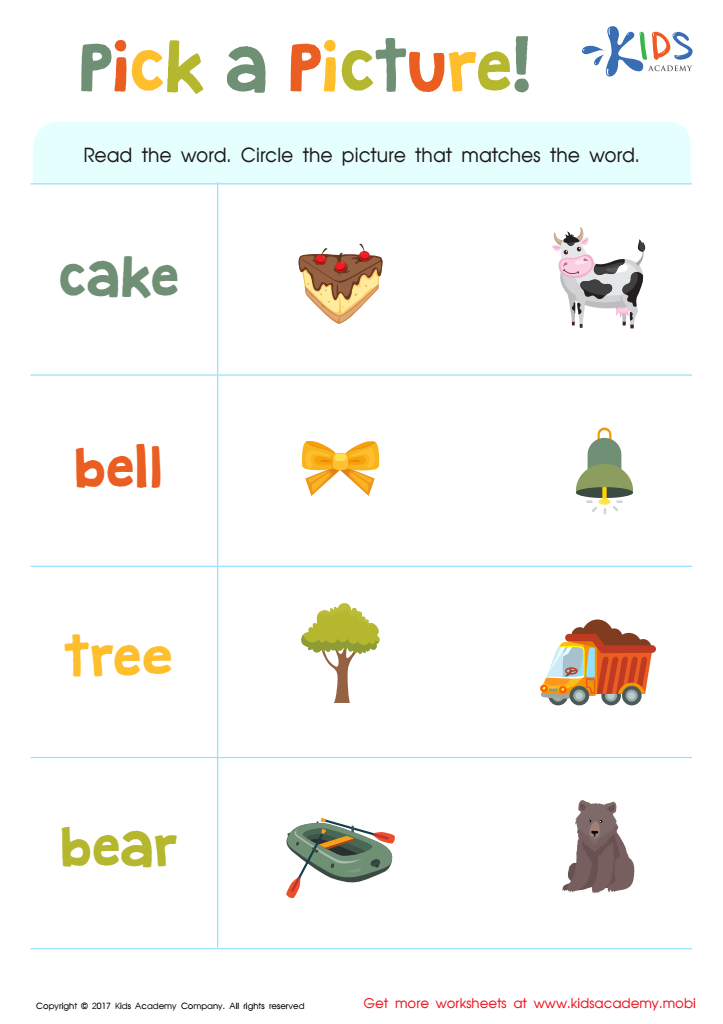
Pick a Picture Word Recognition Worksheet
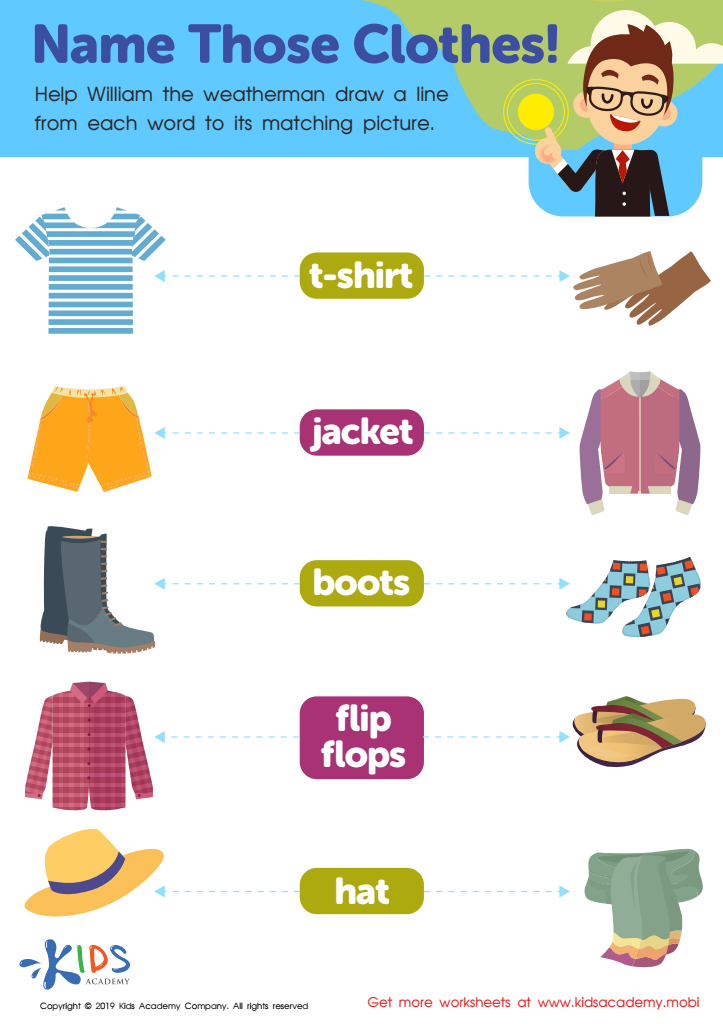
Name Those Clothes Worksheet
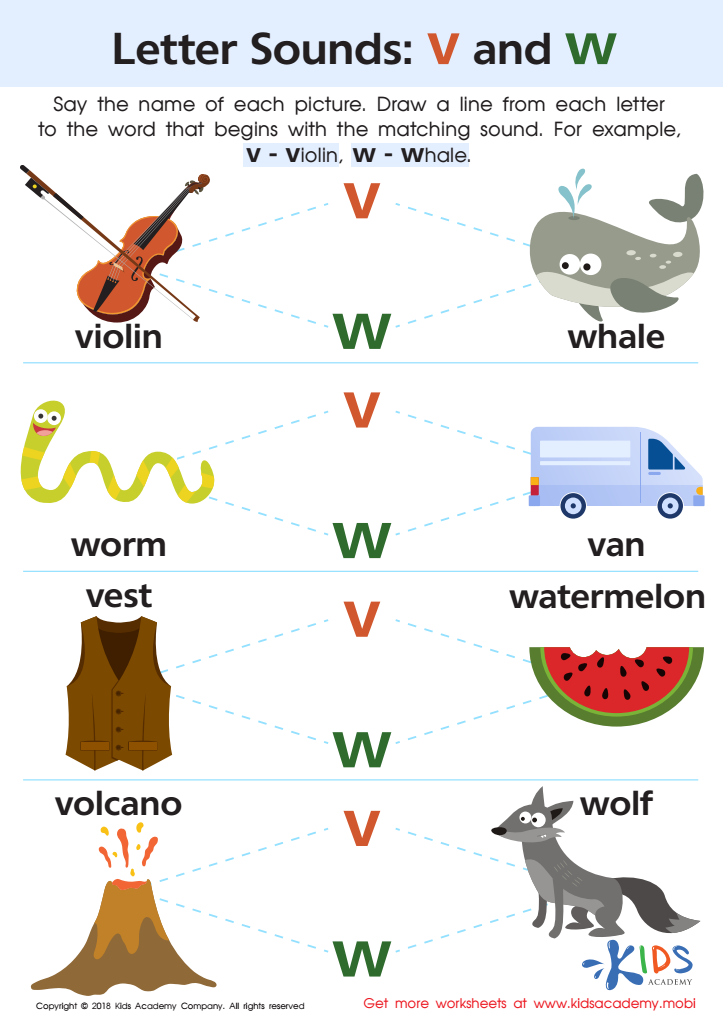
Letter V and W Sounds Worksheet
Short Vowel Sound U Worksheet Worksheet
Opposite Day Worksheet
Short Vowel Sound U Worksheet
Long and Short U Worksheet
 Assign to My Students
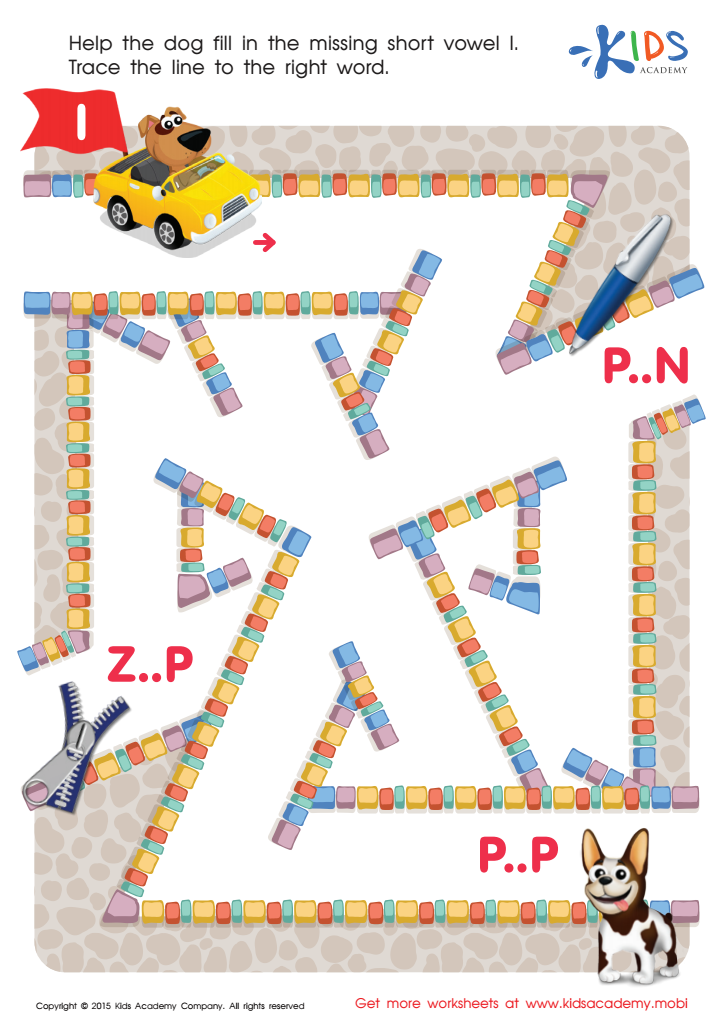
Short Vowel Sound I Worksheet
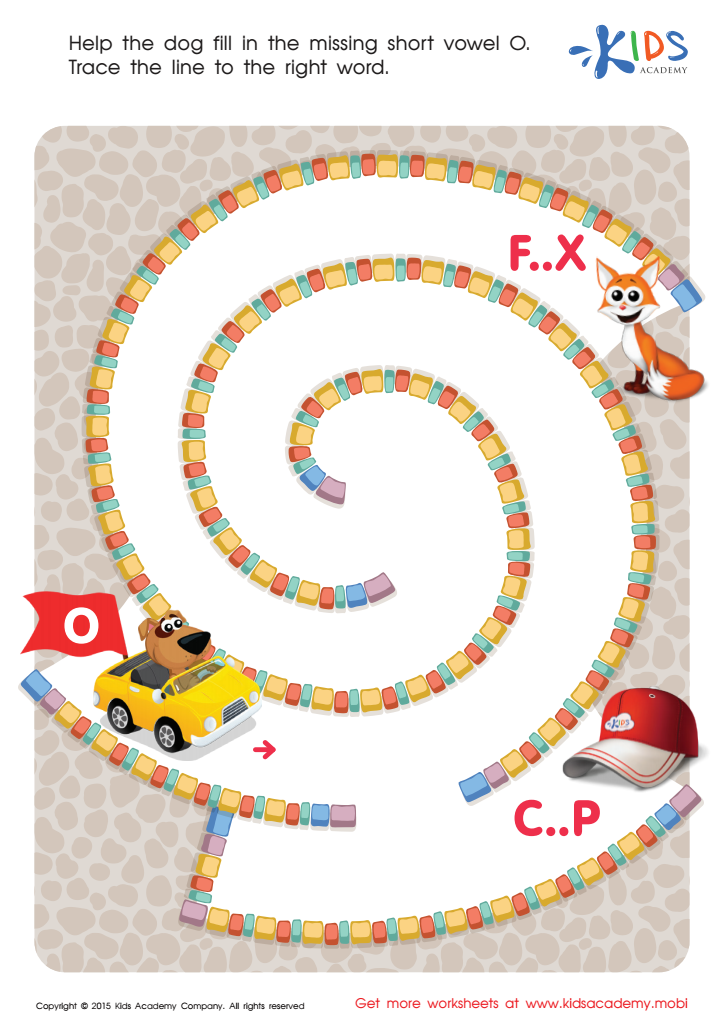
Short Vowel Sound O Worksheet
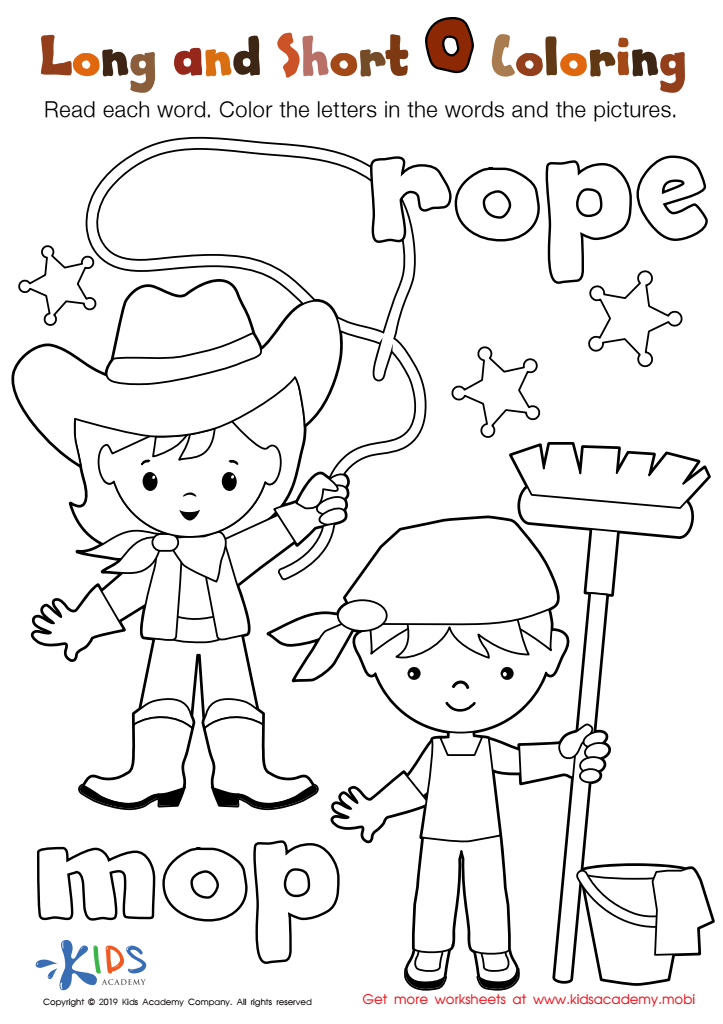
Long and Short O Worksheet
Assign to My Students
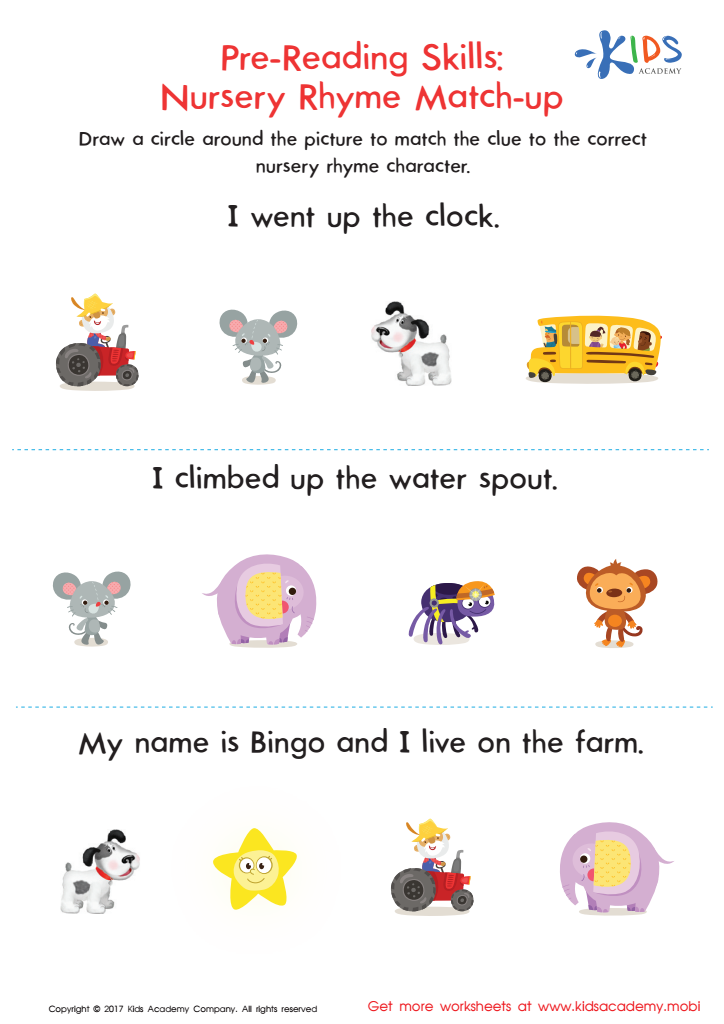
Nursery Rhyme Match–Up Worksheet
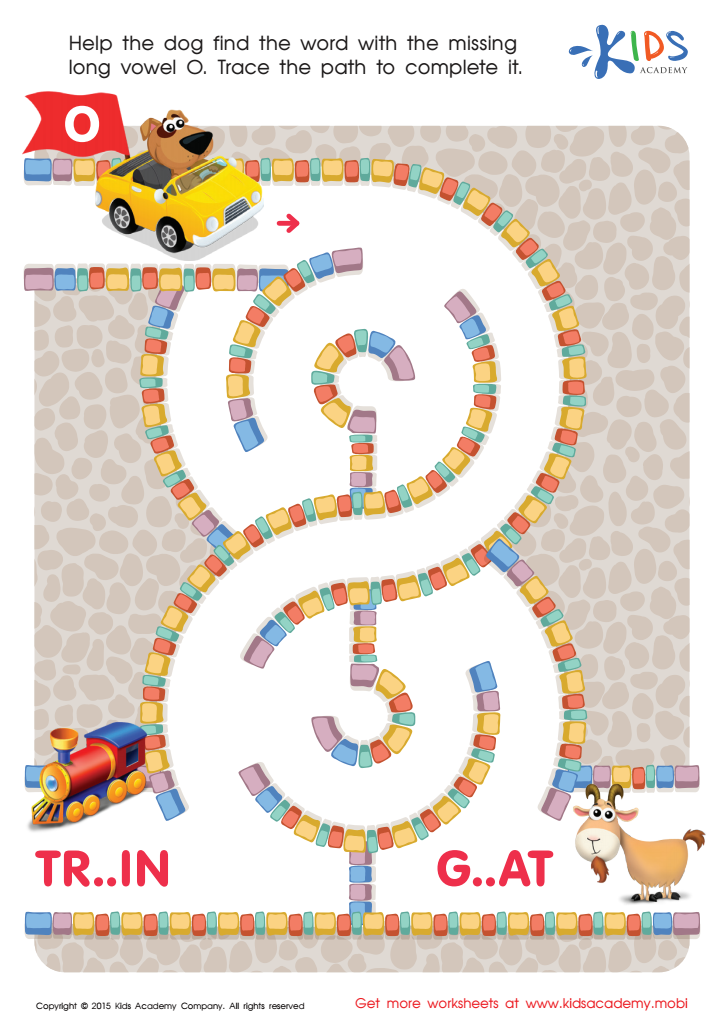
Long Vowel Sound O Worksheet
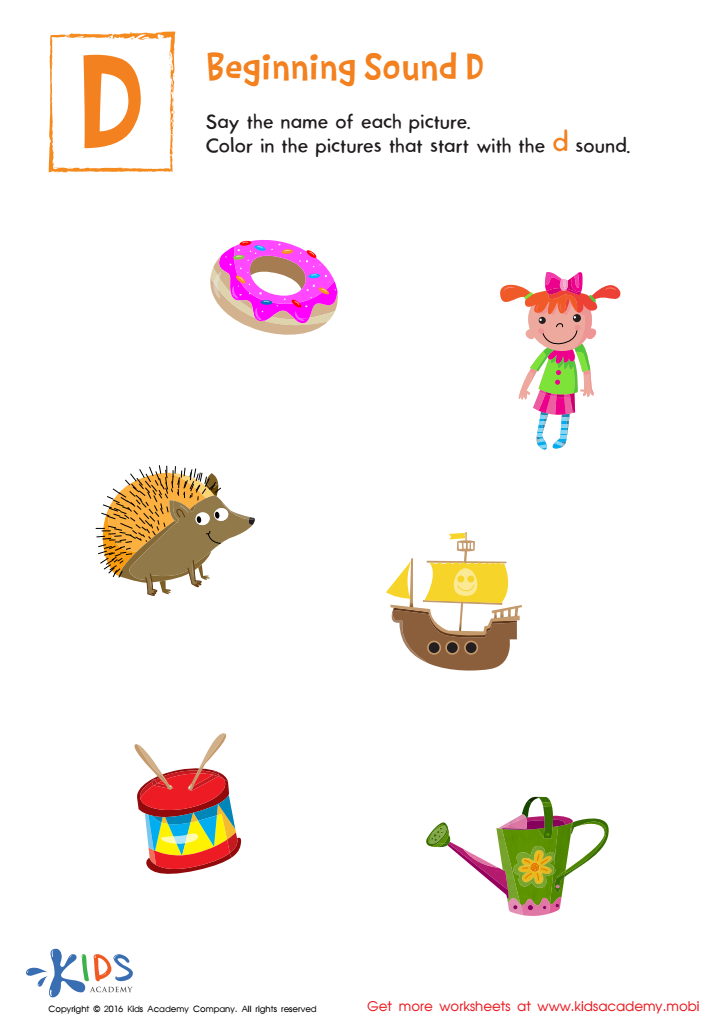
Beginning Sound D Worksheet








Vocabulary expansion and phonics for 3-year-olds are critical components of early childhood education that can profoundly impact a child's future success in reading and learning. Parents and teachers should care about these areas because they lay the groundwork for effective communication and literacy skills, which are essential for academic achievement and personal development.
At the age of three, children's brains are highly receptive to language acquisition. This period, often referred to as a "sensitive period" for language development, sees rapid growth in vocabulary and word recognition abilities. By expanding vocabulary, children can better express themselves, understand more complex instructions, and engage in richer conversations. This not only aids their social and emotional development but also fosters a love for reading and learning.
Phonics, the relationship between sounds and their corresponding letters or groups of letters, is equally crucial. It equips children with the tools to decode new words, enhancing their reading fluency and comprehension. Strong phonics skills help children recognize patterns in words, making it easier for them to tackle unfamiliar words and read independently.
Investing time in vocabulary expansion and phonics at this early stage sets a solid foundation for lifelong learning. It empowers children to become confident readers and effective communicators, opening up a world of knowledge and opportunities for them. Therefore, both parents and teachers should actively engage in practices that support these essential early language skills.







