Artistic Expression Holiday Coloring Pages Worksheets for 3-Year-Olds
7 filtered results
-
From - To
Discover our collection of Artistic Expression Holiday Coloring Pages Worksheets designed specially for 3-year-olds! These engaging and fun coloring activities encourage creativity while helping young learners develop fine motor skills and hand-eye coordination. With festive themes for every holiday, these worksheets provide a fantastic way for children to explore colors and express themselves artistically. Perfectly suited for home or classroom use, our printable pages are easy to access and promote imaginative play. Let your little ones embrace the joy of holiday art as they color, create, and gain confidence in their artistic abilities. Download them today and watch their creativity blossom!
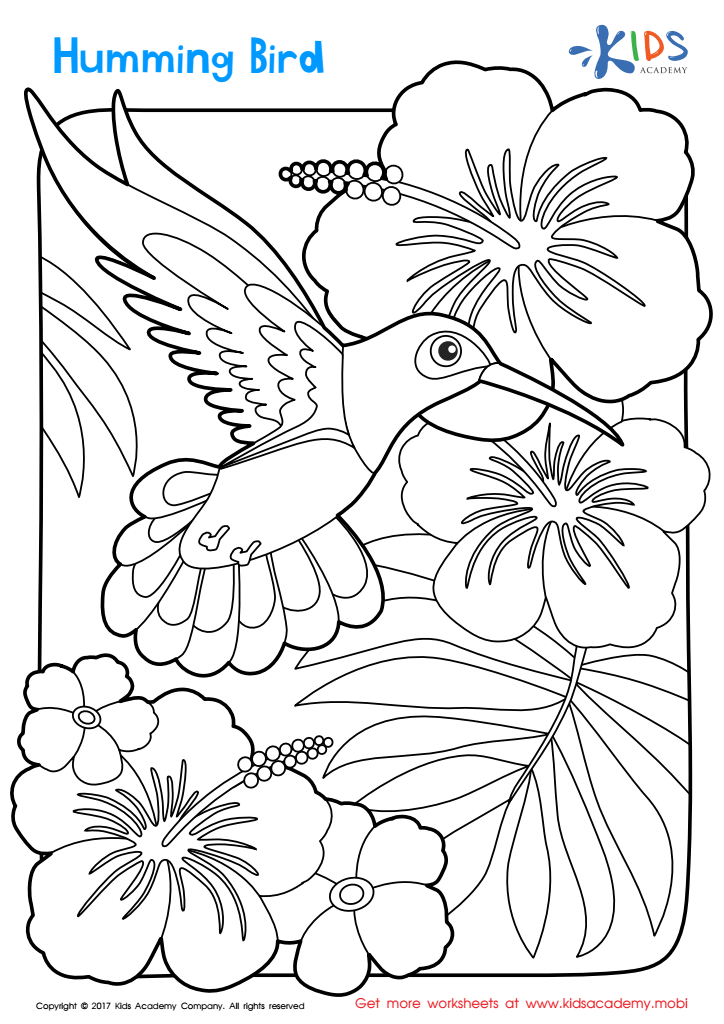
Humming Bird Worksheet
 Assign to My Students
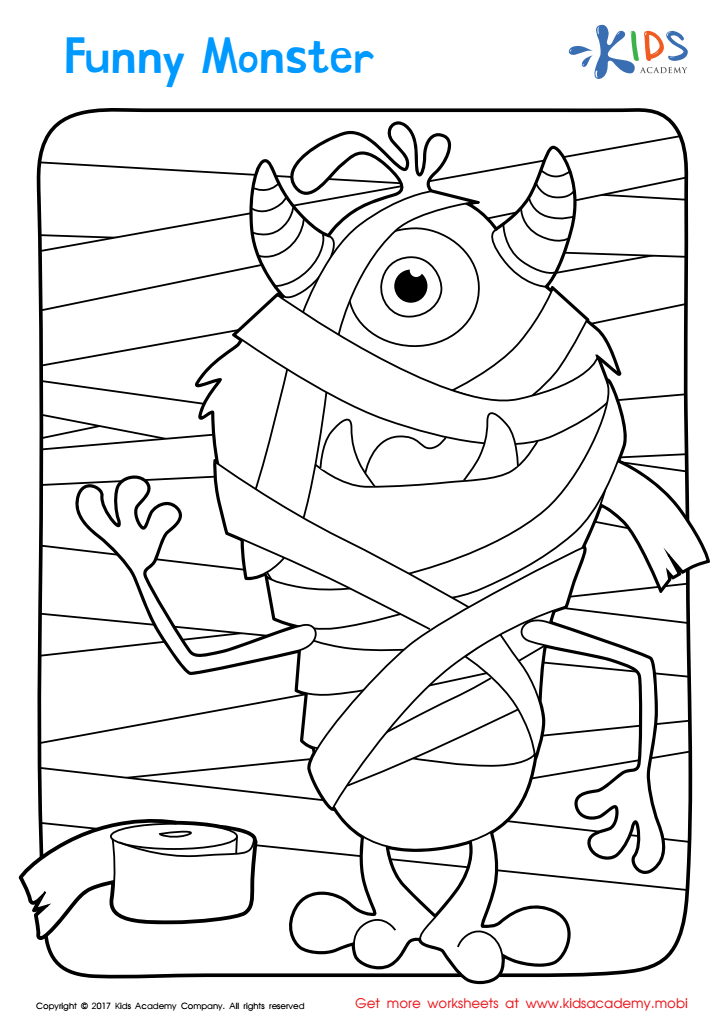
Halloween: A Funny Monster Worksheet
Assign to My Students
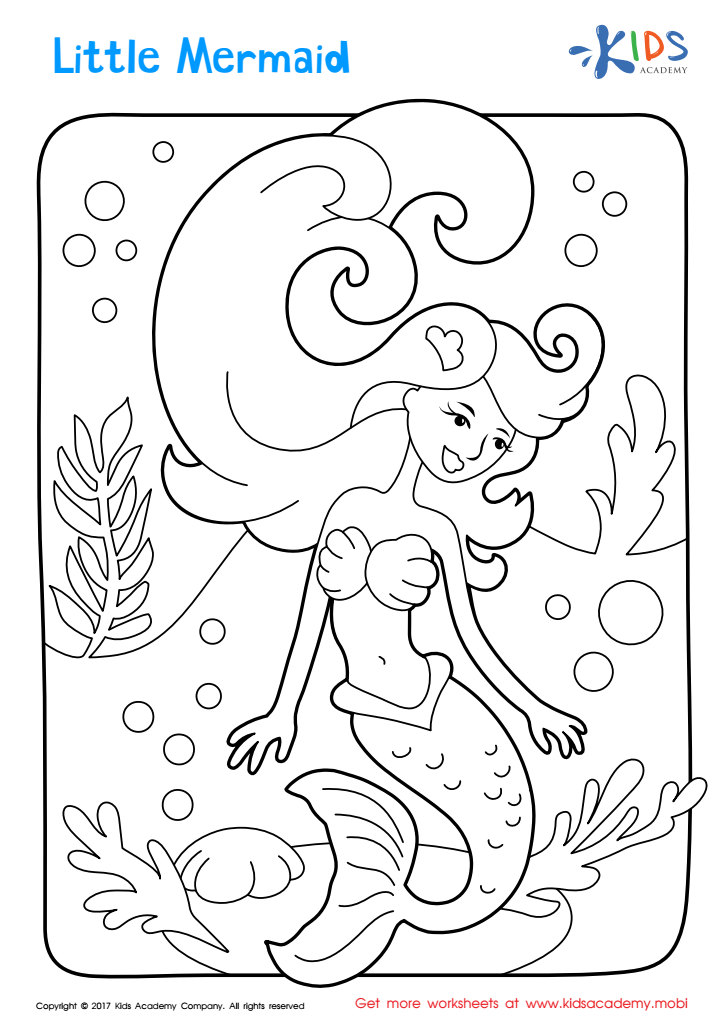
Little Mermaid Coloring Page
Assign to My Students
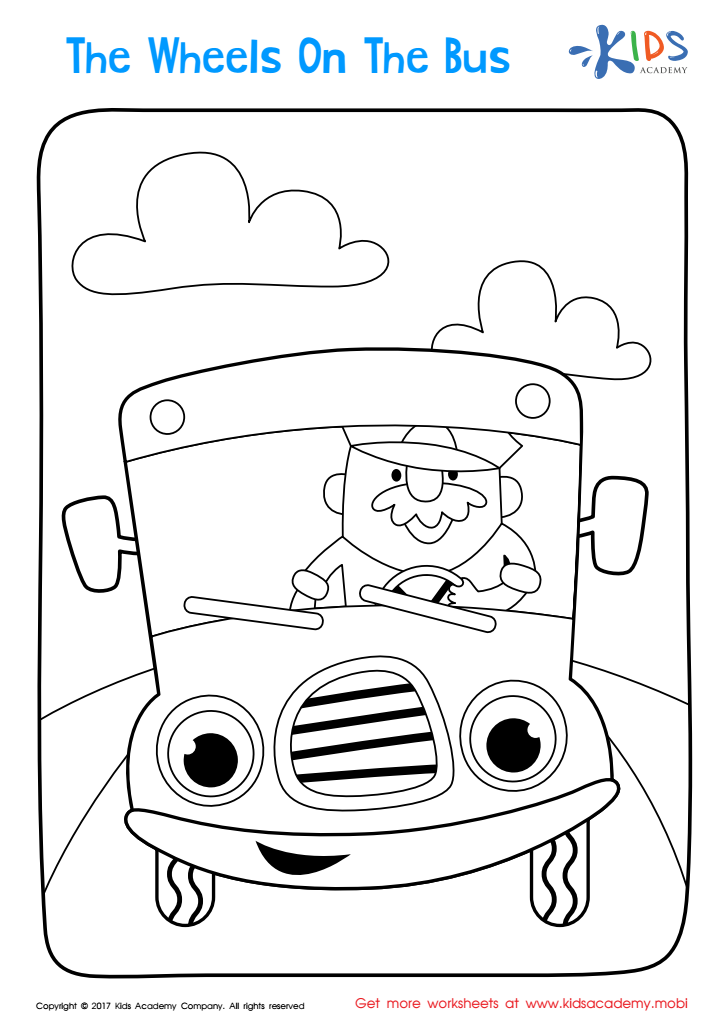
The Wheels on the Bus Coloring Page
Assign to My Students
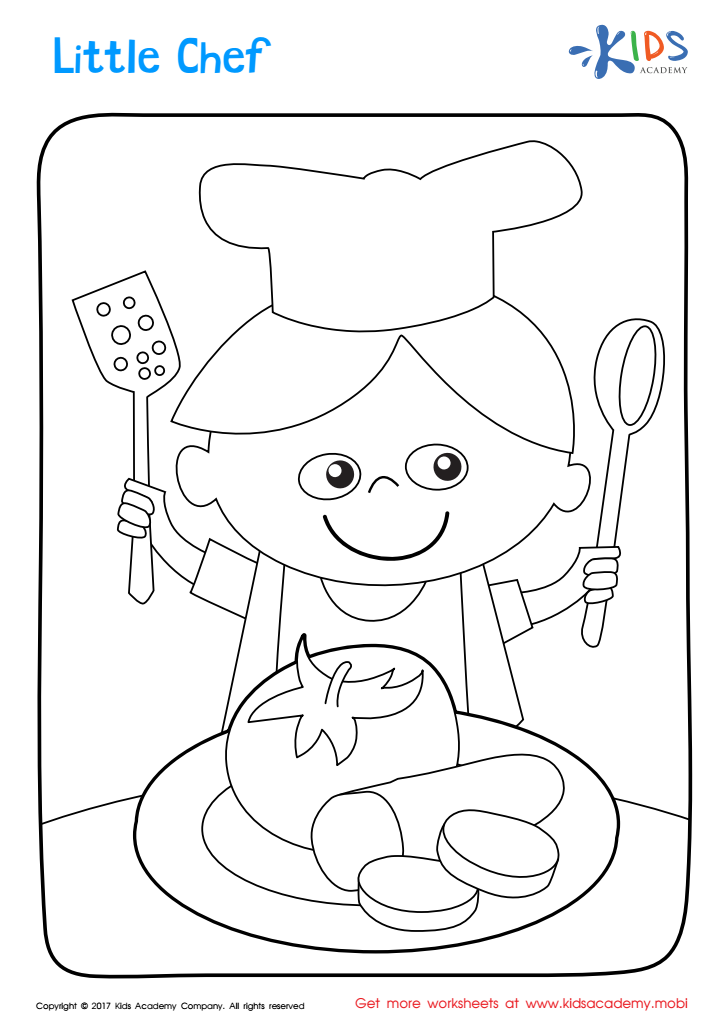
Little Chef Coloring Page
Assign to My Students
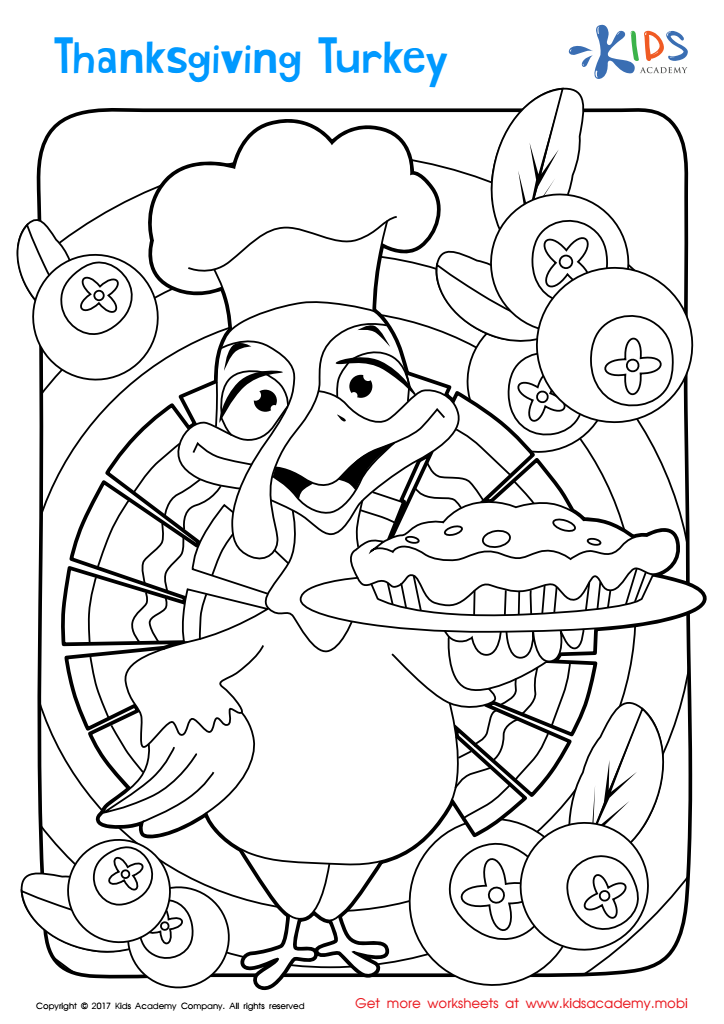
Turkey Thanksgiving Day Worksheet
Assign to My Students
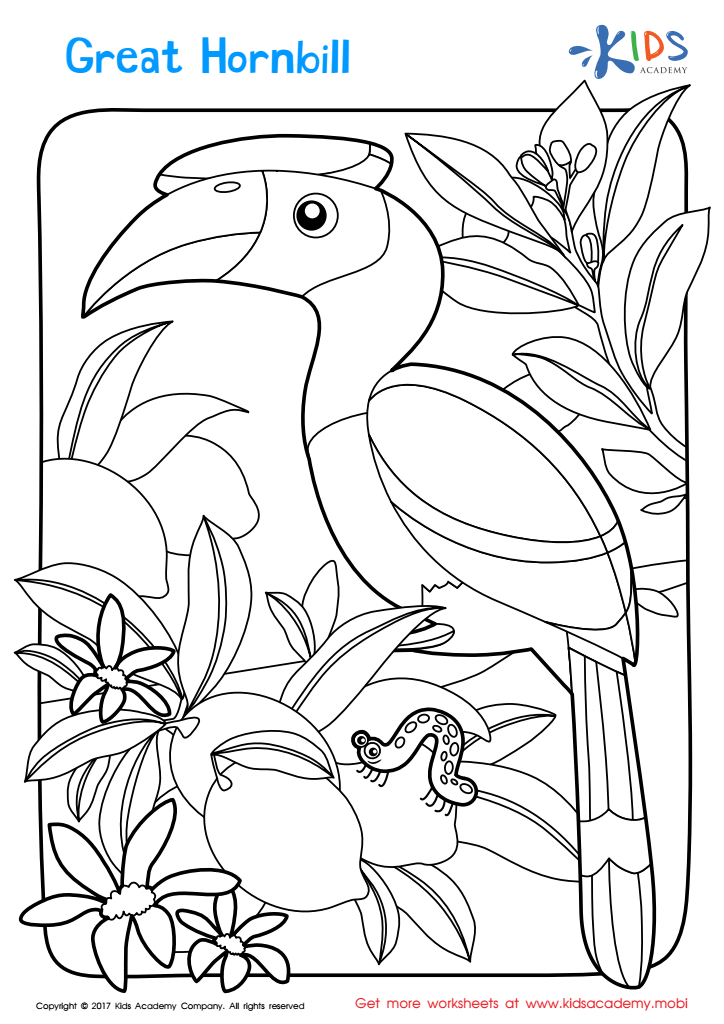
Great Hornbill Worksheet
Assign to My Students








Artistic expression is crucial for the development of young children, and Holiday Coloring Pages for 3-year-olds provide a fun and effective way to engage them in this process. First and foremost, coloring helps enhance fine motor skills, which are essential for tasks such as writing later in life. As children use crayons or markers, they learn hand-eye coordination and improve their dexterity.
Moreover, holiday-themed coloring pages introduce children to cultural concepts and celebrations, fostering early awareness and appreciation of diversity. These activities encourage creativity, allowing children to explore their imagination as they choose colors and create designs. Artistic expression gives them a voice and empowers them to communicate feelings and ideas, which is particularly important at this age.
Furthermore, participating in coloring activities can serve as a calming and enjoyable experience, helping young ones develop focus and concentration. This process can also strengthen bonds between parents, teachers, and children by promoting shared experiences and dialogue about the meaning of each holiday.
In summary, Artistic Expression Holiday Coloring Pages are more than just fun; they are foundational tools that support fine motor development, cultural awareness, creativity, and emotional expression in young children. Thus, parents and teachers should prioritize these activities.