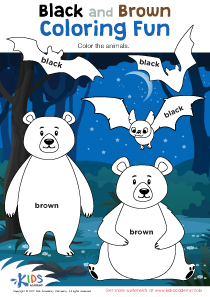
Color recognition English for Beginners Worksheets for 3-Year-Olds
21 filtered results
-
From - To
Introduce your 3-year-old to the vibrant world of English with our Color Recognition for Beginners Worksheets! Specially designed for toddlers, these fun and engaging worksheets blend learning with play. Each activity focuses on identifying and naming colors, enhancing vocabulary, and improving fine motor skills through coloring exercises. Perfect for little learners, these printables are an excellent resource for parents and teachers assisting English as a Second Language (ESL) students. Watch your child’s confidence grow as they master color recognition and take their first steps in English language learning. Download today and make learning colorful and fun!
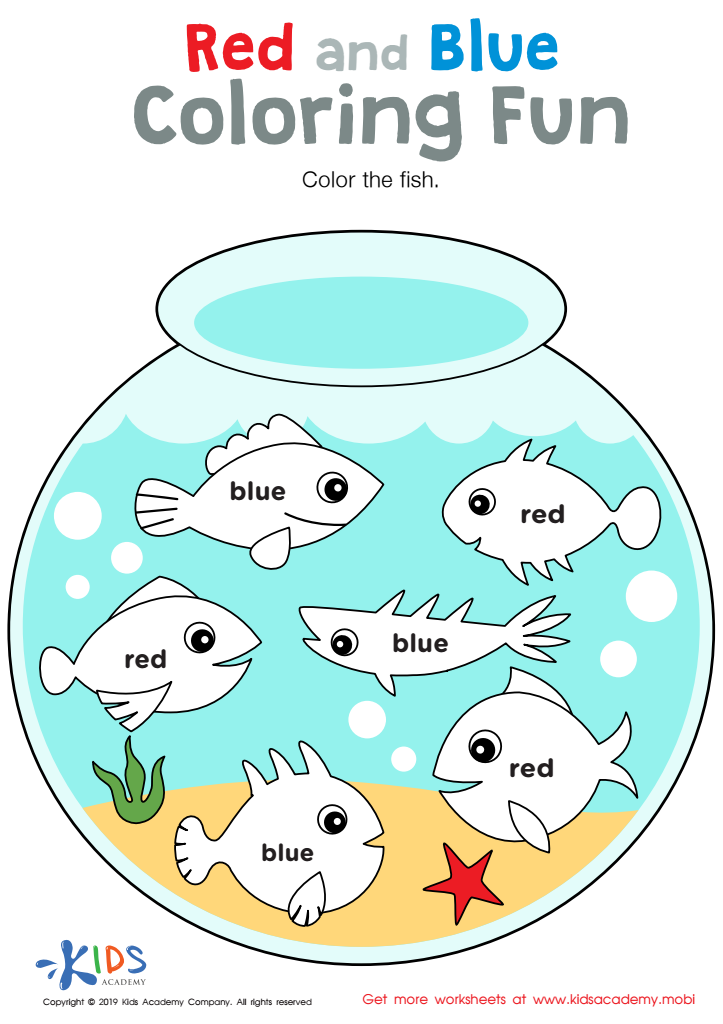
Red and Blue Coloring Fun Worksheet
 Assign to My Students
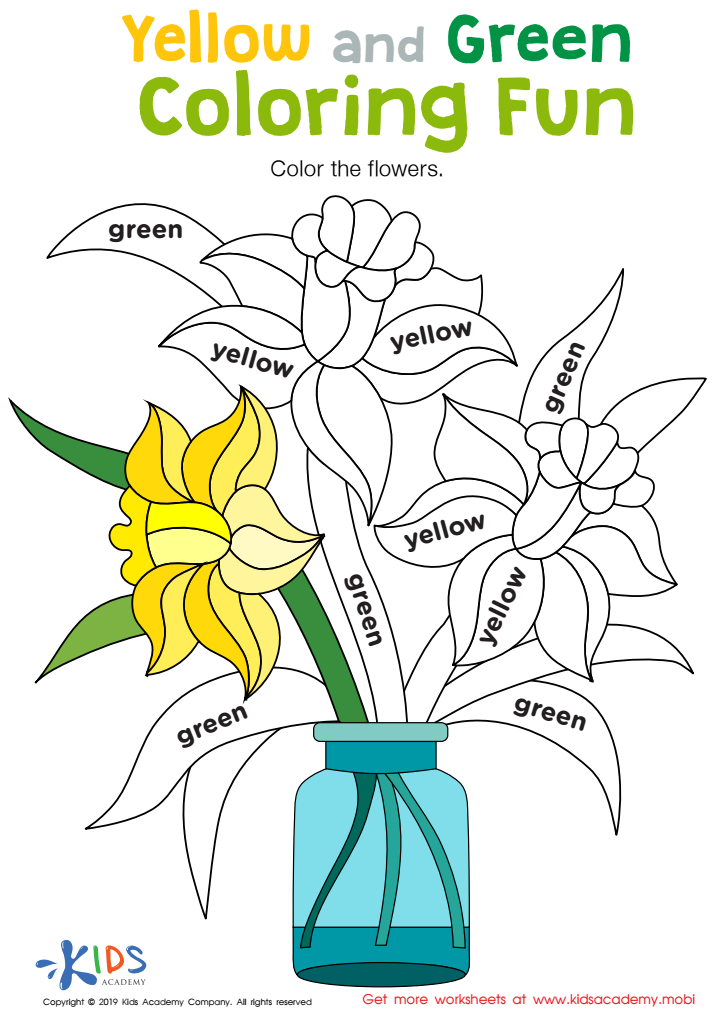
Yellow and Green Coloring Fun Worksheet
Assign to My Students
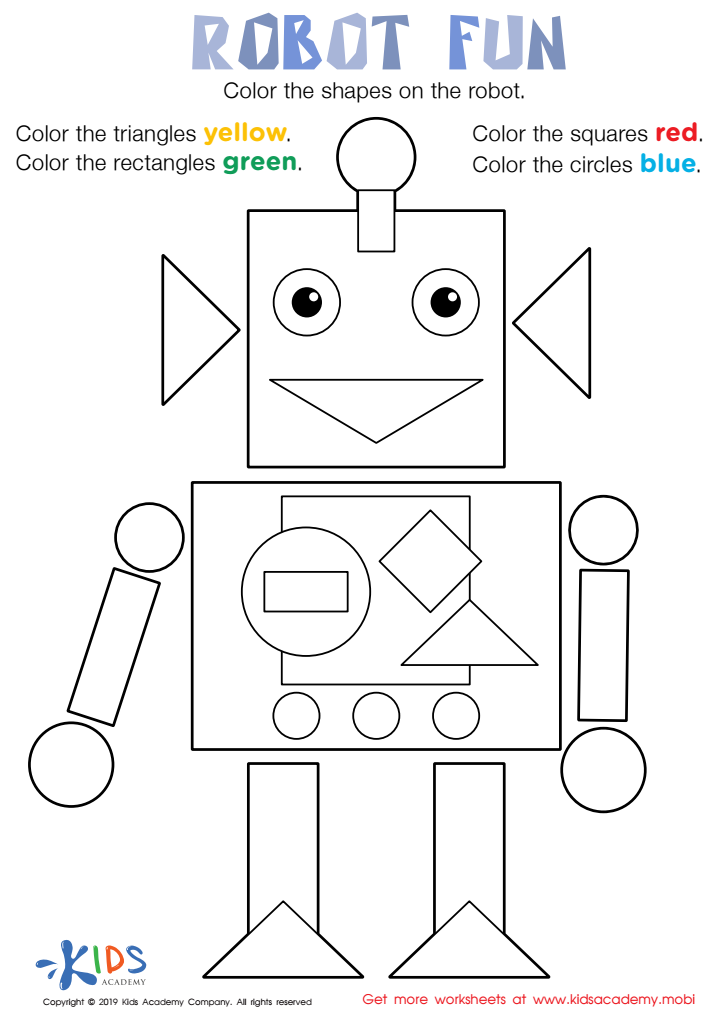
Robot Fun Worksheet
Assign to My Students
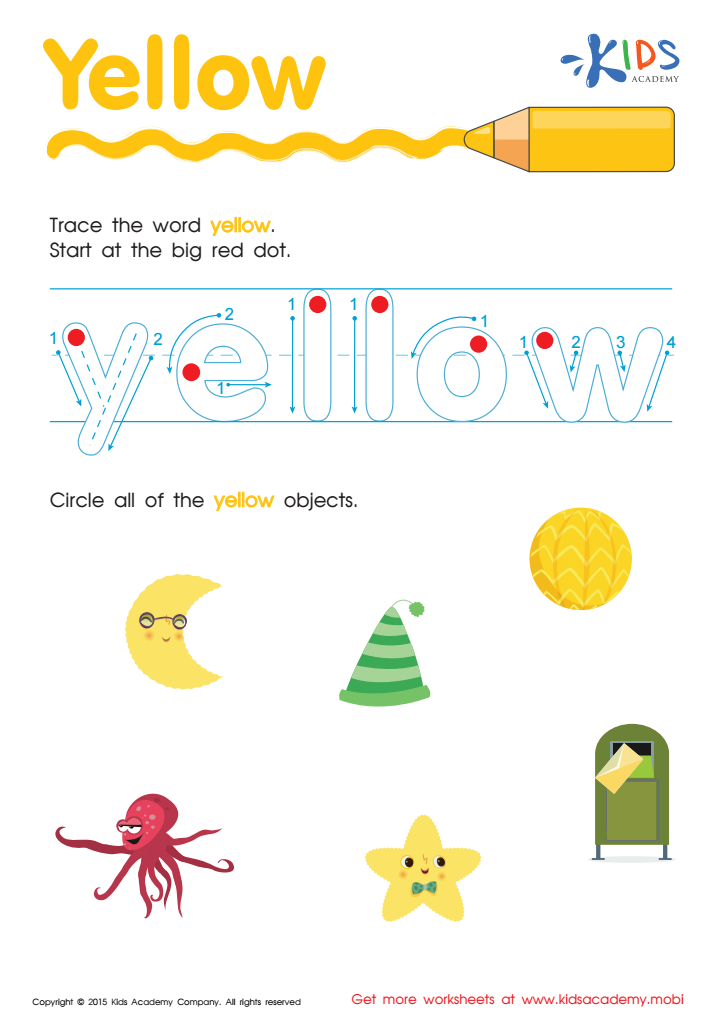
Yellow Tracing Color Words Worksheet
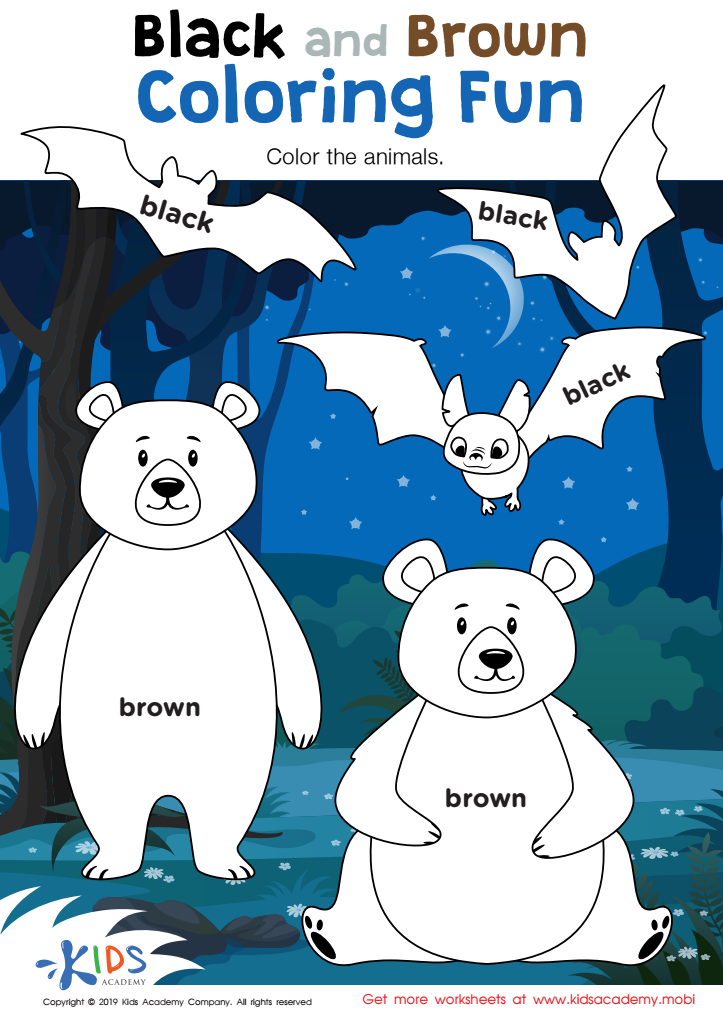
Black and Brown Coloring Fun Worksheet
Assign to My Students
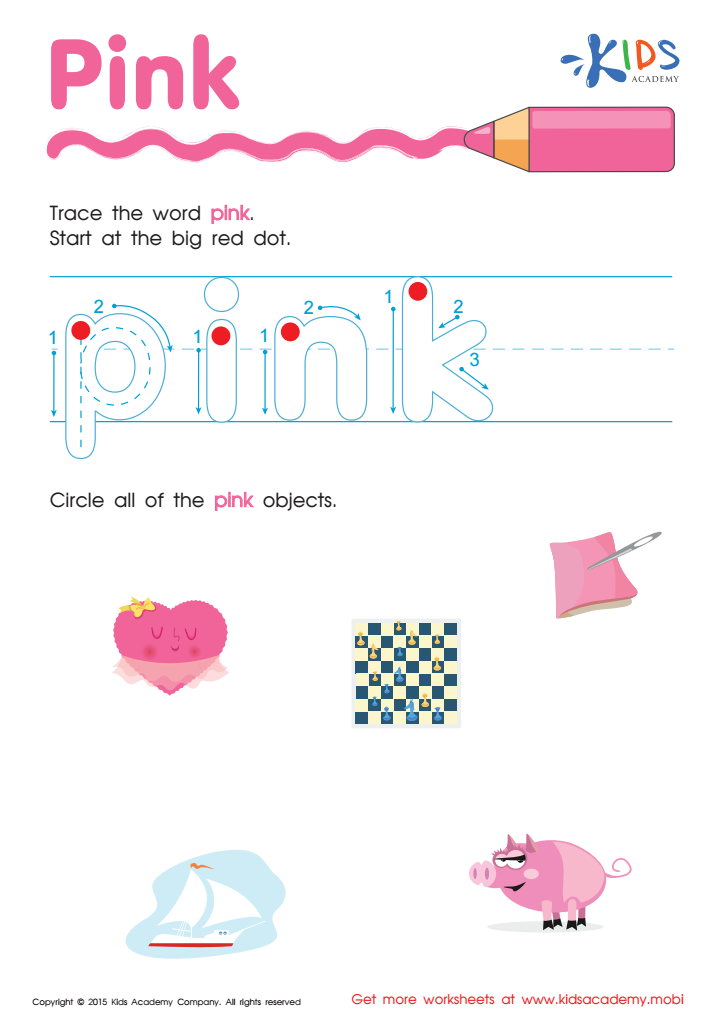
Pink Tracing Color Words Worksheet
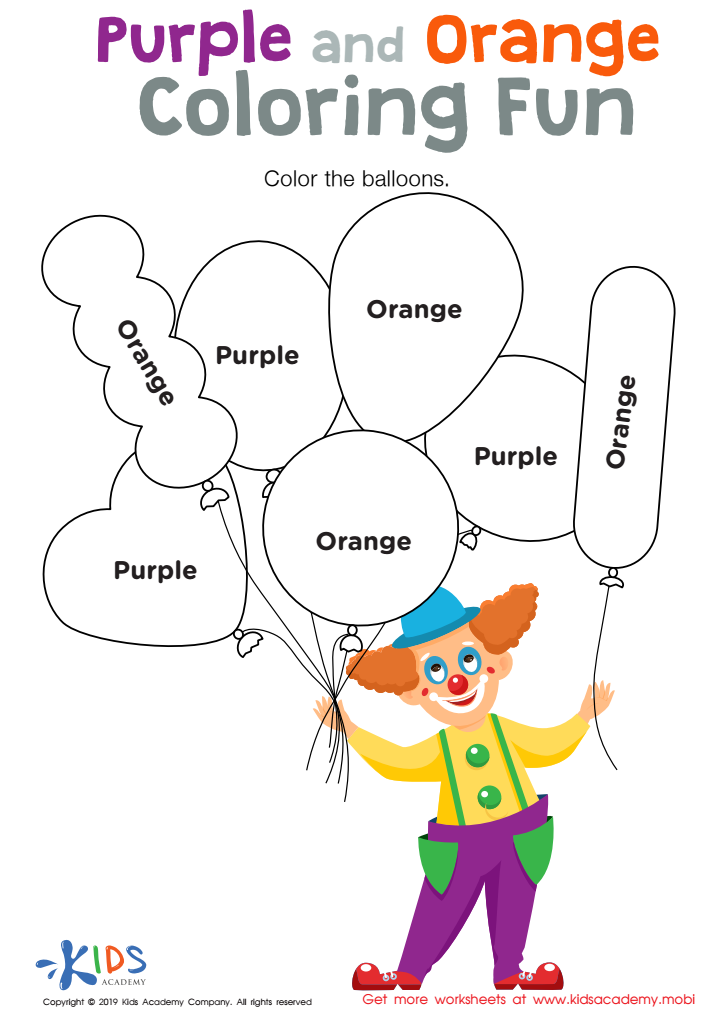
Purple and Orange Coloring Fun Worksheet
Assign to My Students
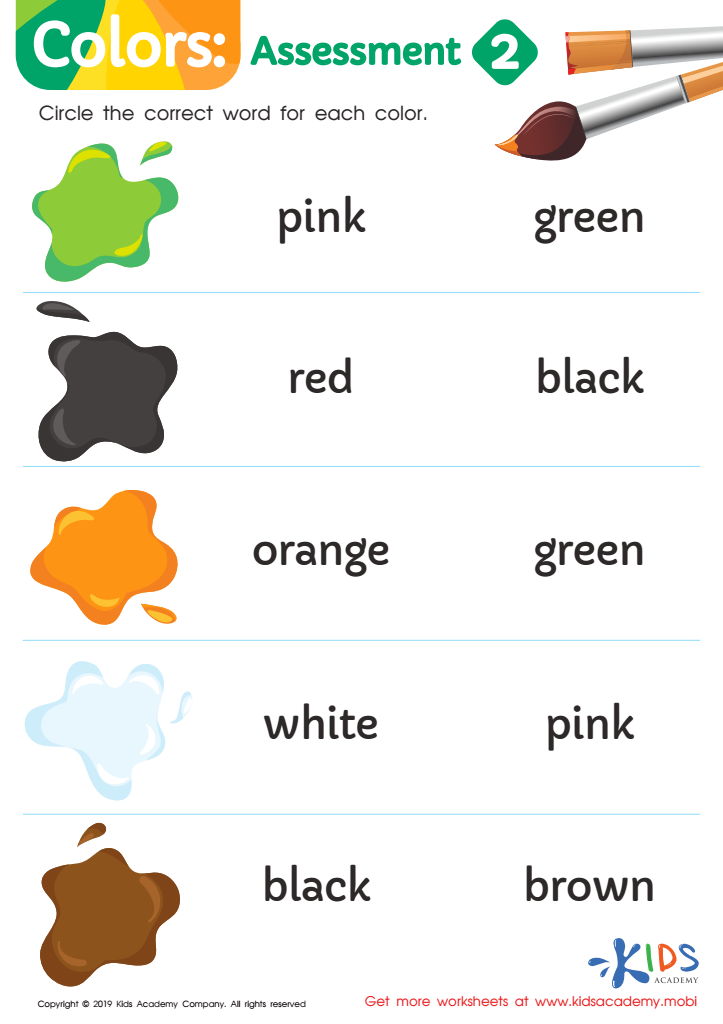
Colors: Assessment 2 Worksheet
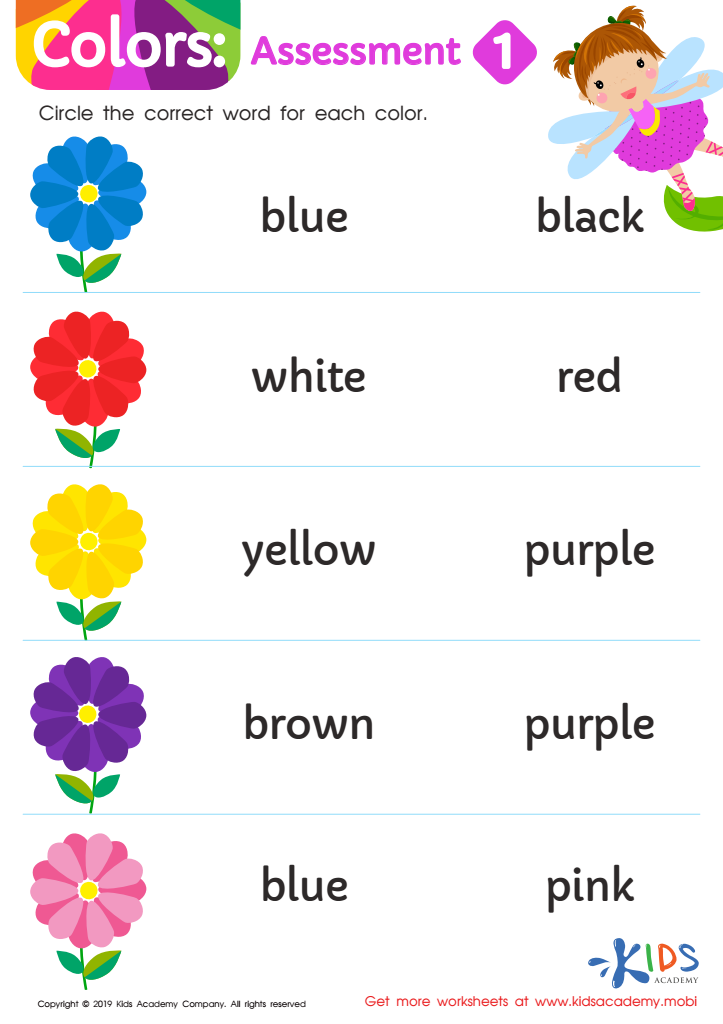
Colors: Assessment 1 Worksheet
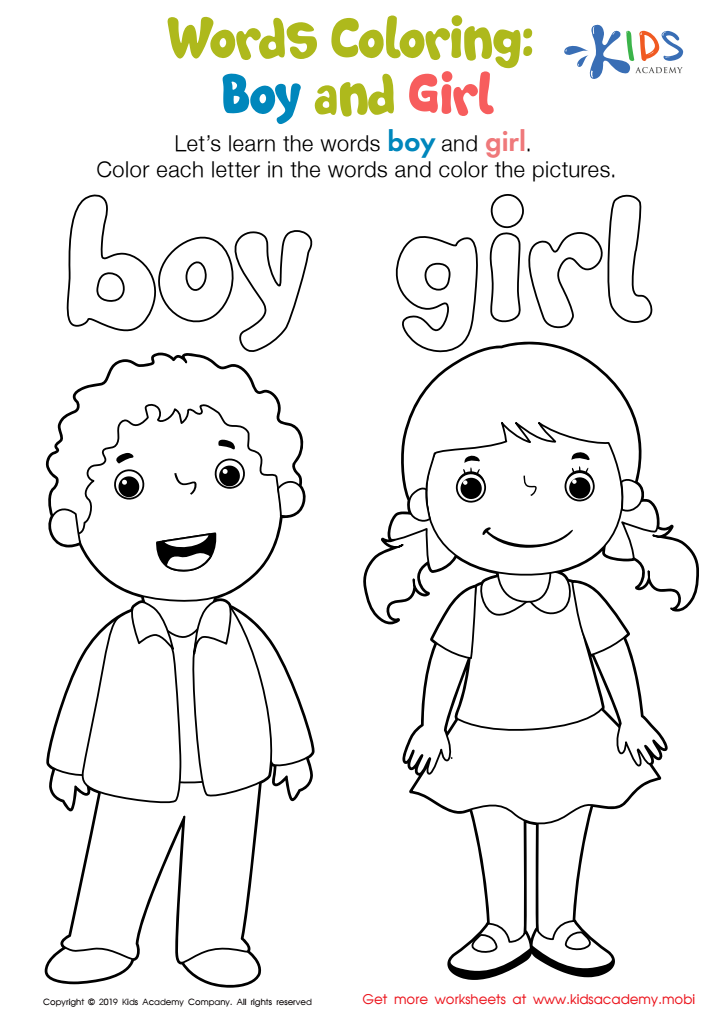
Boy and Girl Words Coloring Worksheet
Assign to My Students
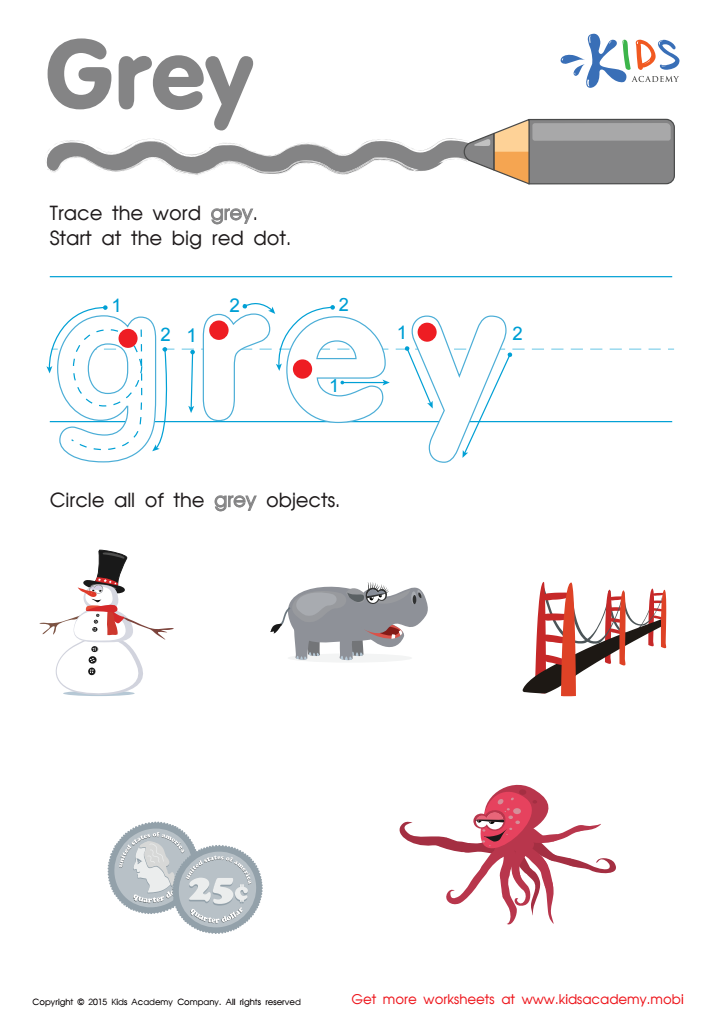
Grey Tracing Color Words Worksheet
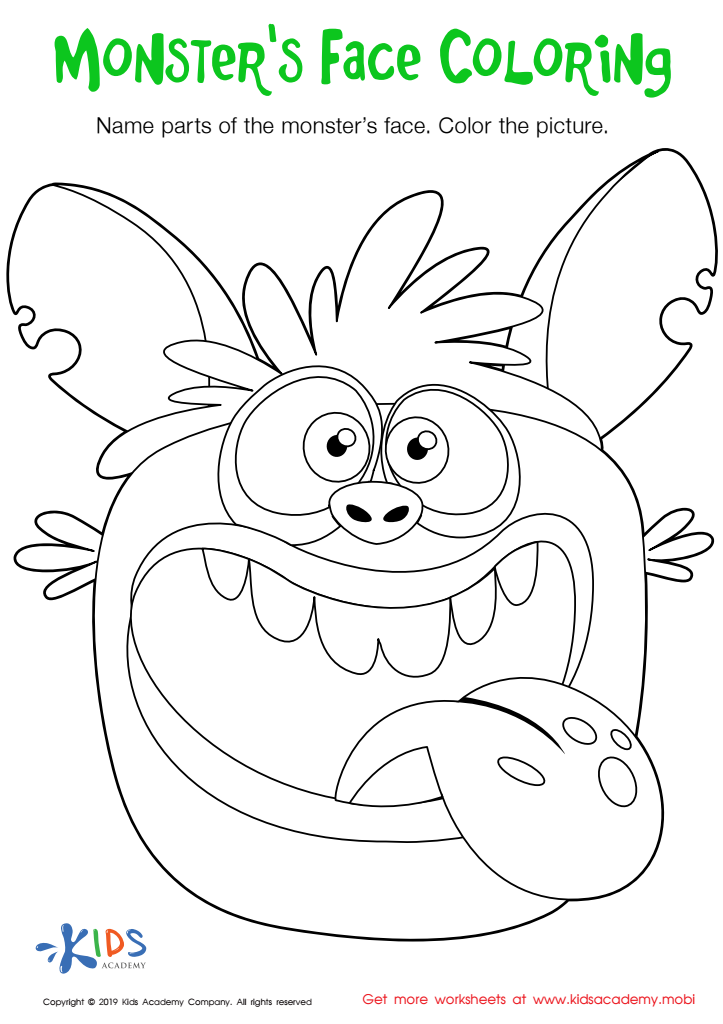
Monster's Face Coloring Worksheet
Assign to My Students
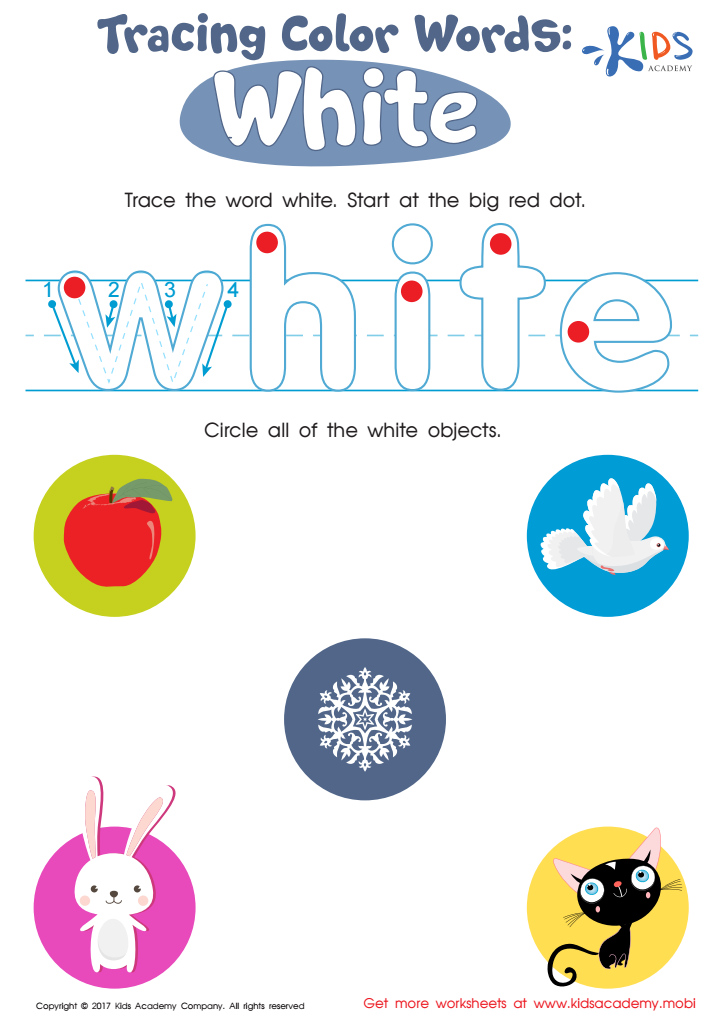
White Tracing Color Words Worksheet
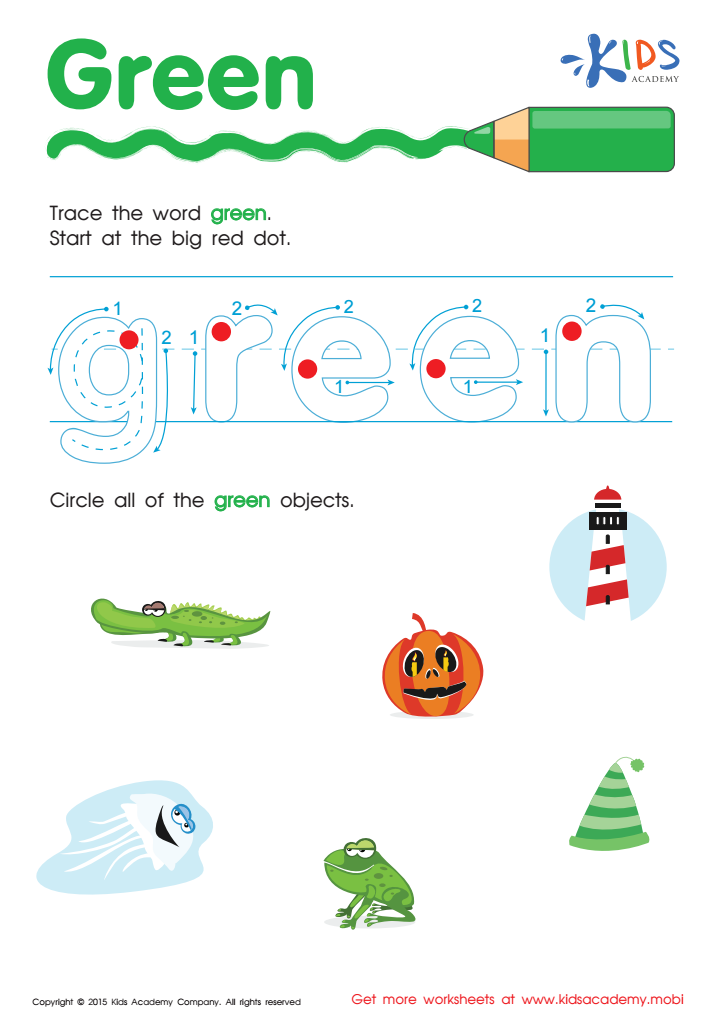
Green Tracing Color Words Worksheet
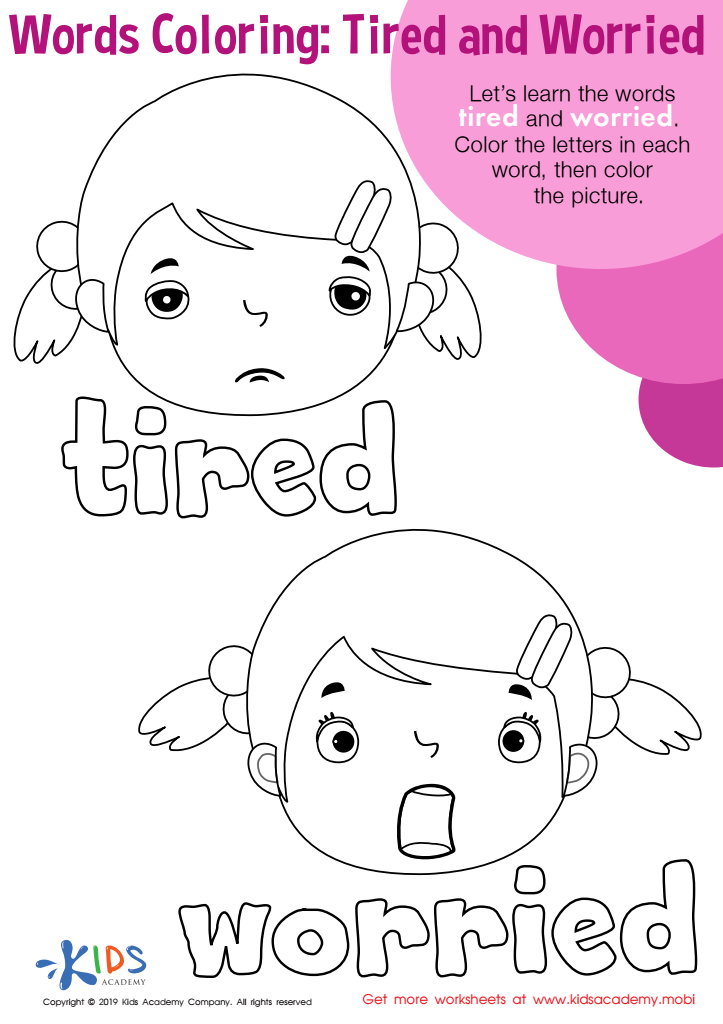
Tired and Worried Words Coloring Worksheet
Assign to My Students
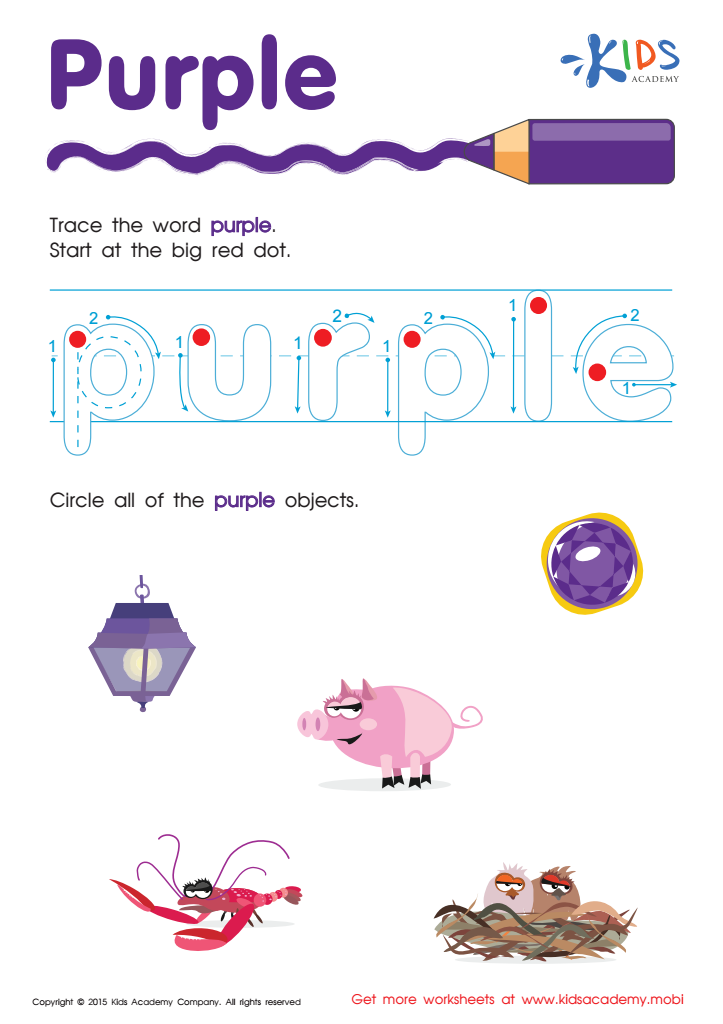
Purple Tracing Color Words Worksheet
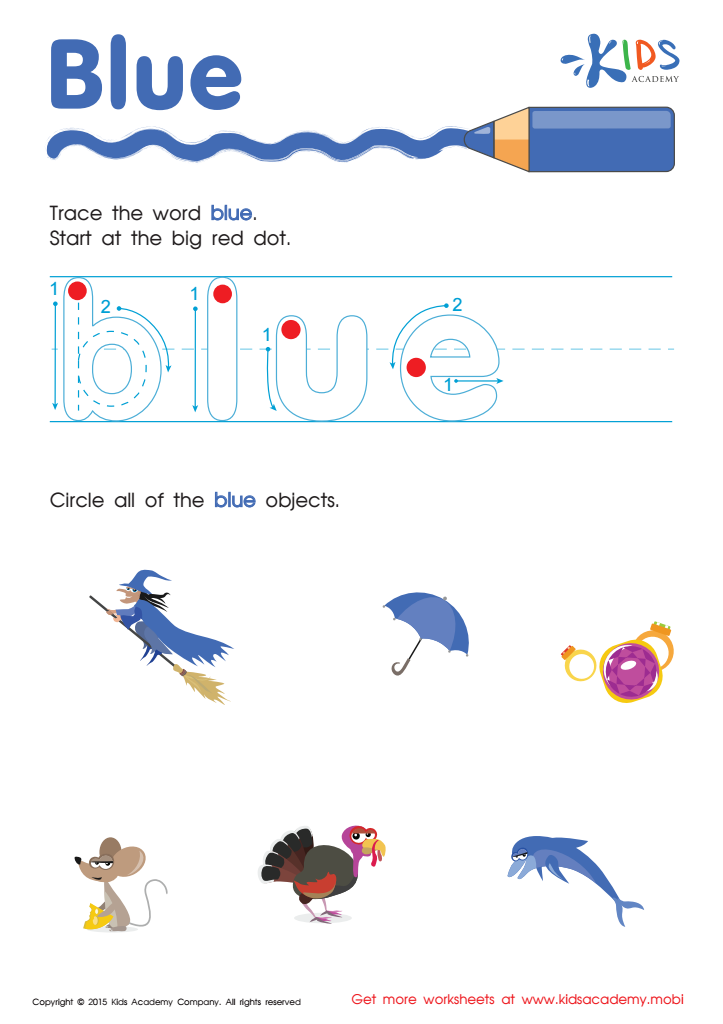
Blue Tracing Color Words Printable
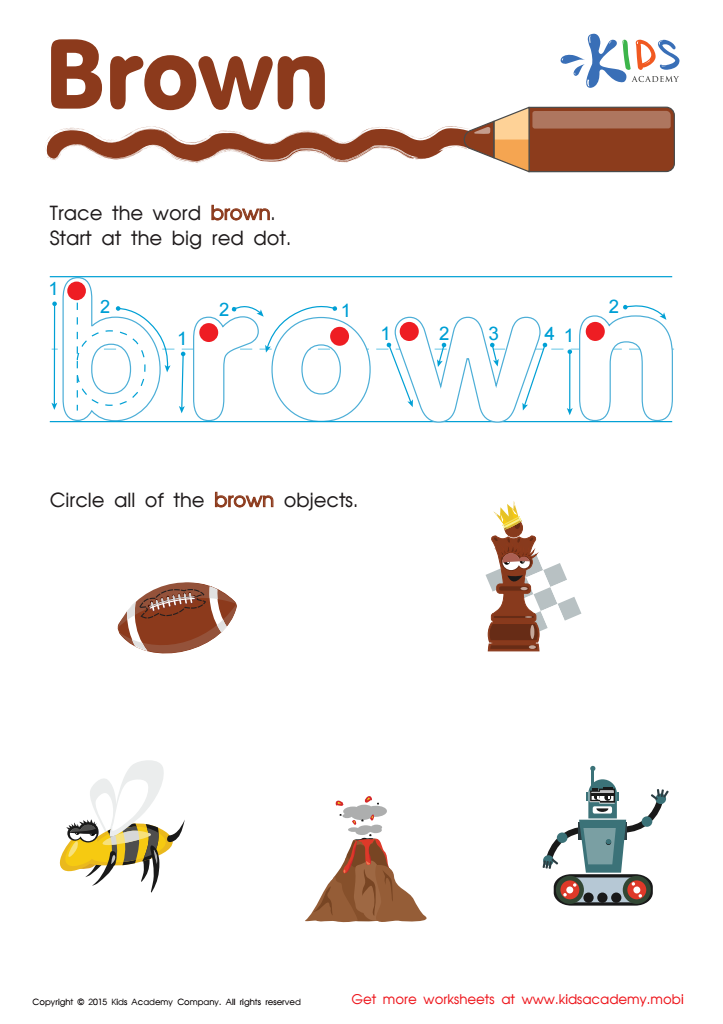
Brown Tracing Color Words Worksheet
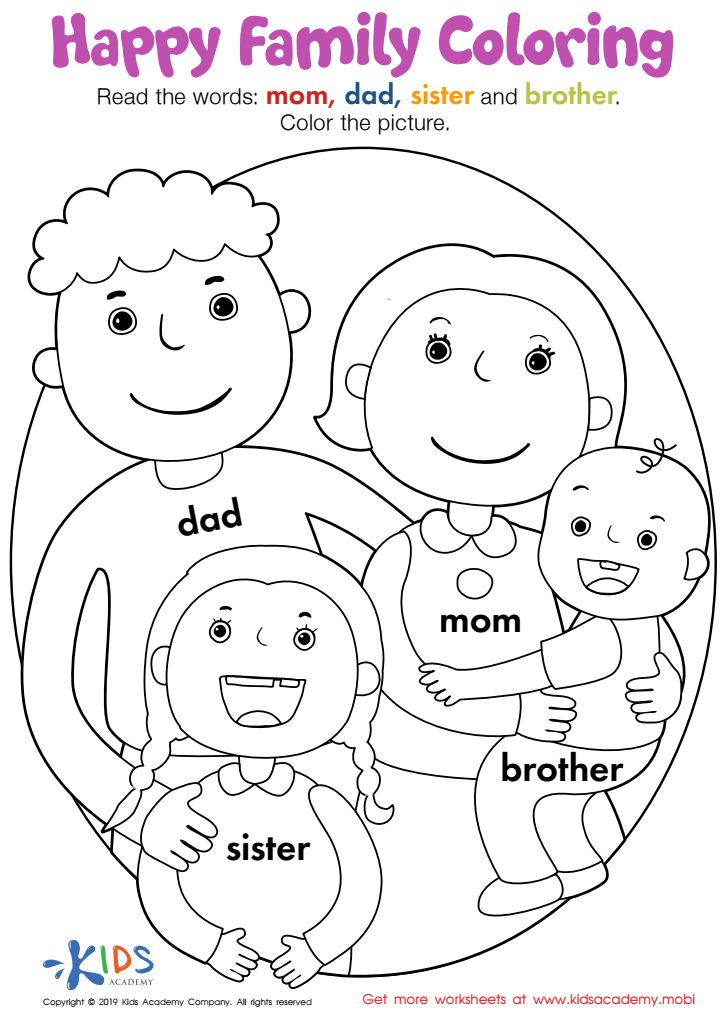
Happy Family Coloring Worksheet
Assign to My Students
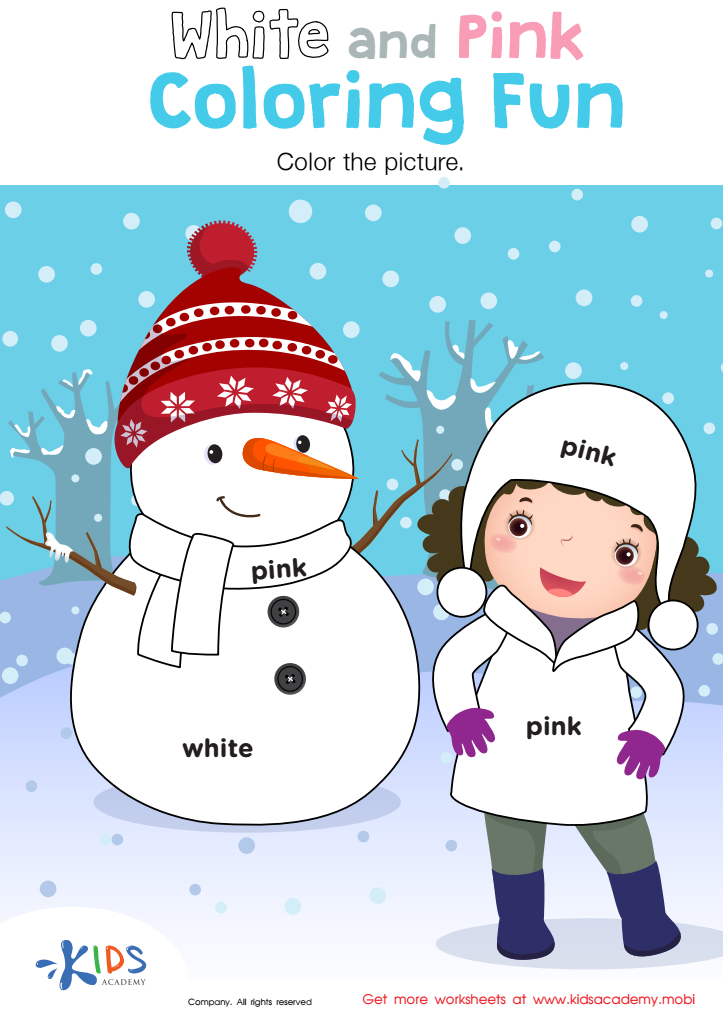
White and Pink Coloring Fun Worksheet
Assign to My Students
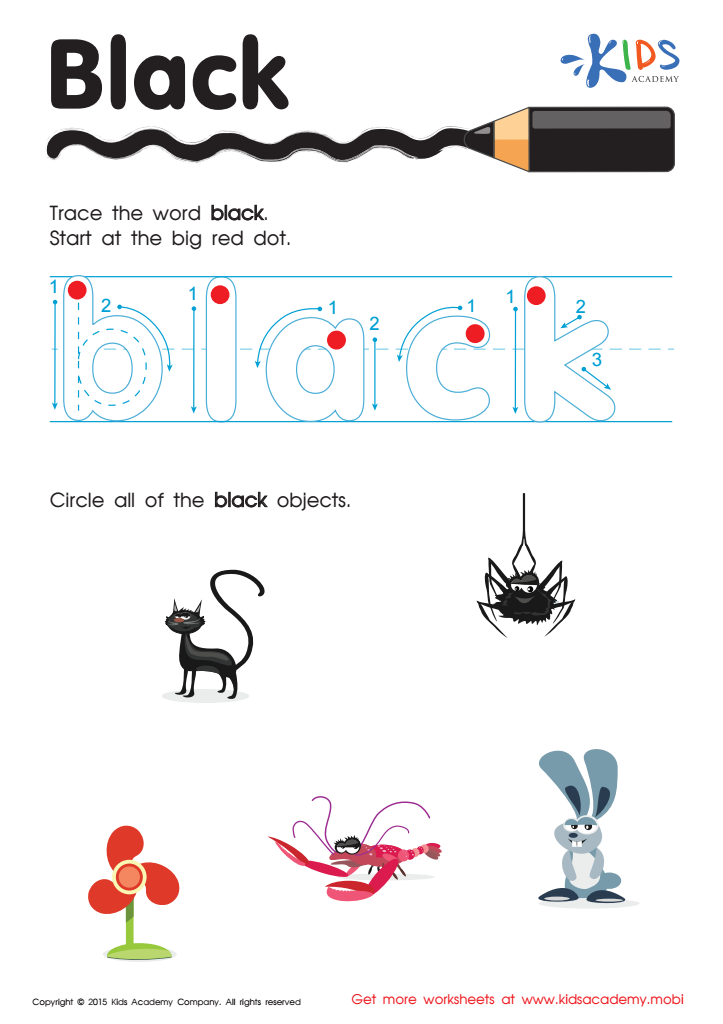
Black Tracing Color Words Printable





Color recognition is crucial for the cognitive development of 3-year-old children, and parents and teachers should give it special attention. At this formative age, learning to identify and name colors can significantly enhance a child's visual and memory skills. Teaching color recognition in English not only helps in distinguishing shades and tones but also builds a foundational vocabulary that facilitates clearer communication.
Understanding colors aids children in categorizing and organizing their world, which is essential for tasks such as sorting and comparing objects. This skill forms the basis for more complex learning activities, including reading and mathematics. For example, recognizing colors can help children understand patterns, issues of size, and numeric groupings.
Moreover, early color recognition boosts language development, as children learn to associate words with their corresponding colors. Engaging in activities that involve color identification, such as coloring books or sorting games, can make learning both fun and effective. It fosters creativity and enhances fine motor skills through activities like painting and crafting.
Finally, proficiency in English at a young age is advantageous as it lays the groundwork for future literacy. Children who learn English color names early are more likely to grasp the language’s nuances quicker, giving them an educational head start. Thus, parents and teachers should integrate color recognition into early childhood learning to cultivate a well-rounded developmental environment.