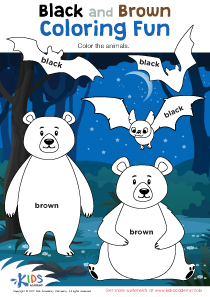
Letter recognition English for Beginners Worksheets for 3-Year-Olds
39 filtered results
-
From - To
Discover our fun and engaging Letter Recognition English Worksheets designed specifically for 3-year-olds! Perfect for beginners, these resources help young learners familiarize themselves with the alphabet through colorful activities and interactive tasks. Our worksheets encourage playful learning, improving fine motor skills while teaching essential letter shapes and sounds. With a variety of exercises, including tracing, matching, and coloring, children will develop their language skills and boost their confidence in reading. Ideal for parents and educators alike, these worksheets make learning letters an enjoyable adventure. Equip your child with a strong foundation in literacy with our easy-to-use, print-friendly materials!
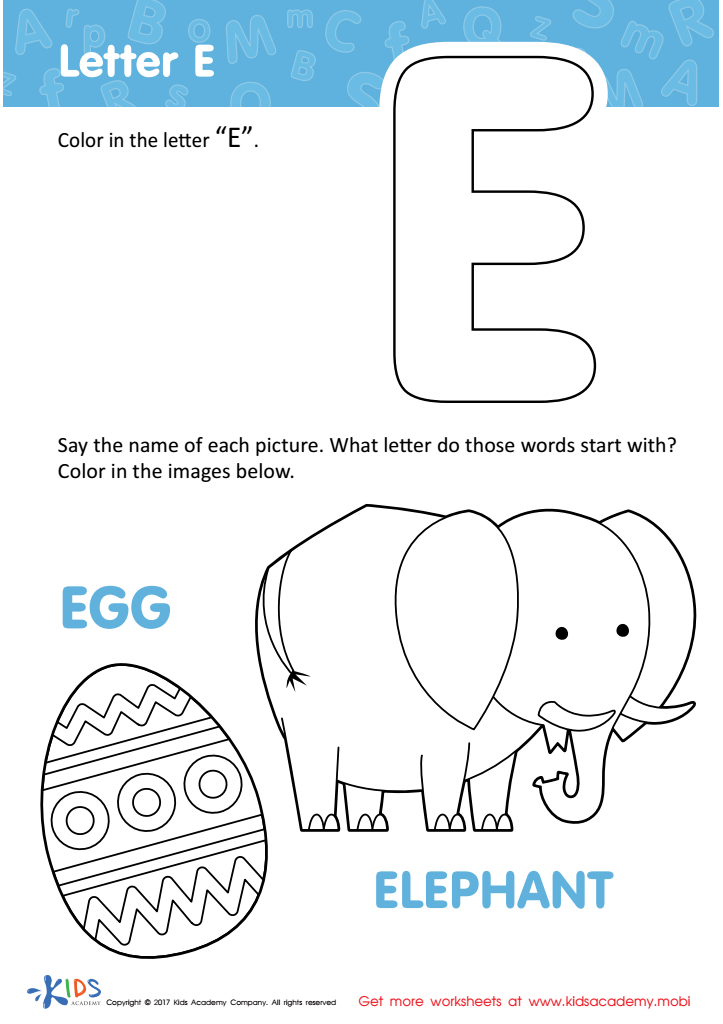
Letter E Coloring Sheet
 Assign to My Students
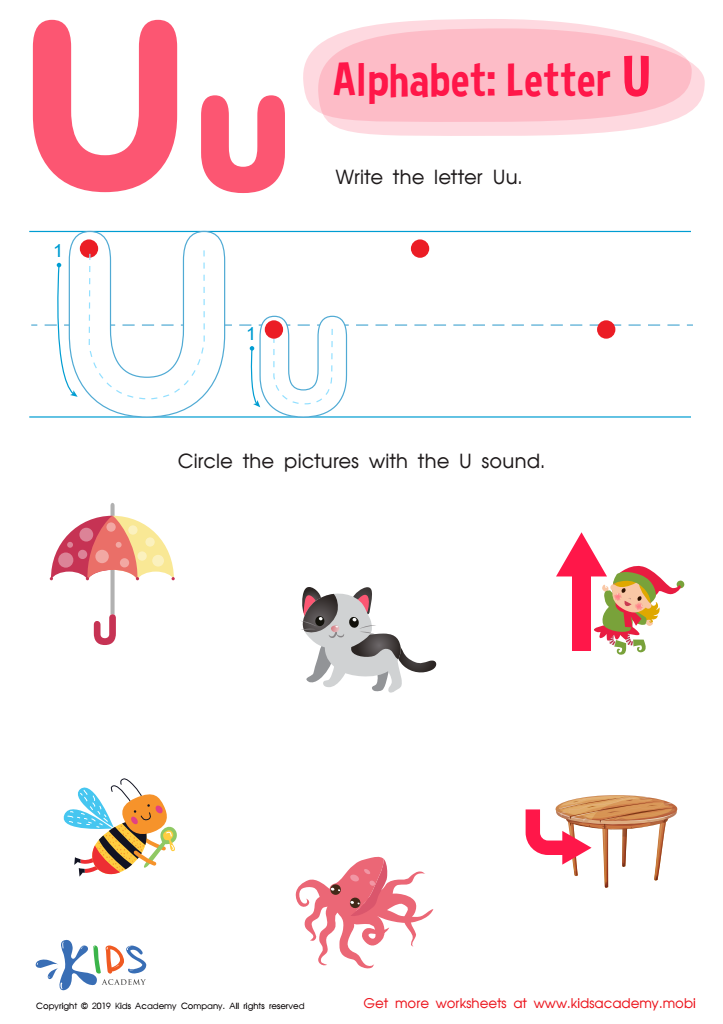
Letter U Tracing Worksheet
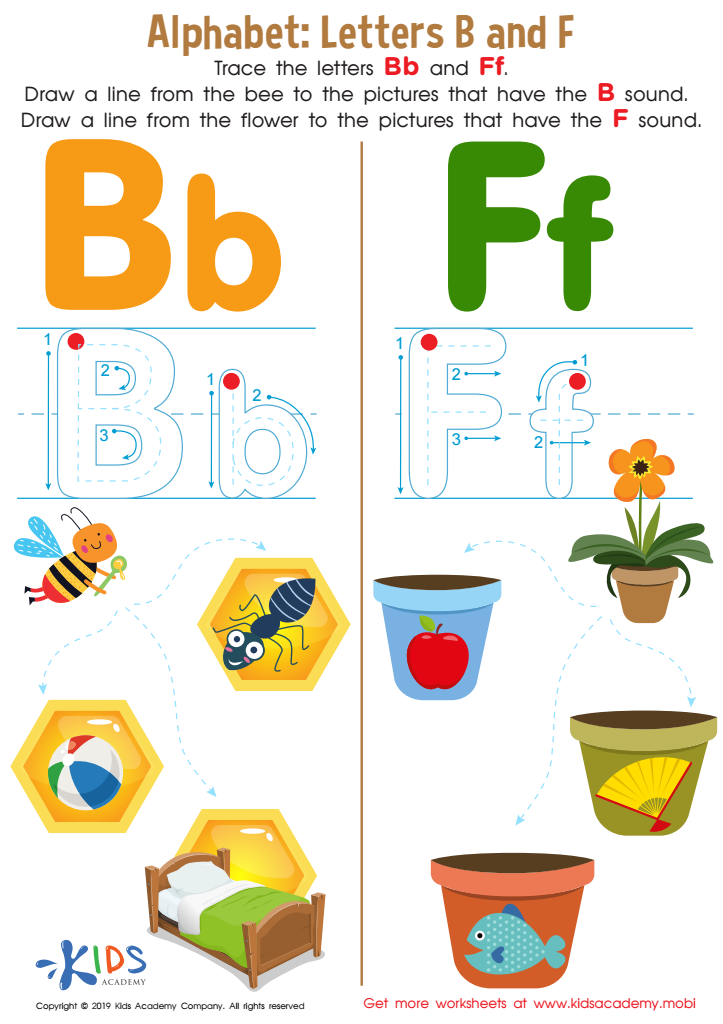
Letters B and F Tracing Worksheet
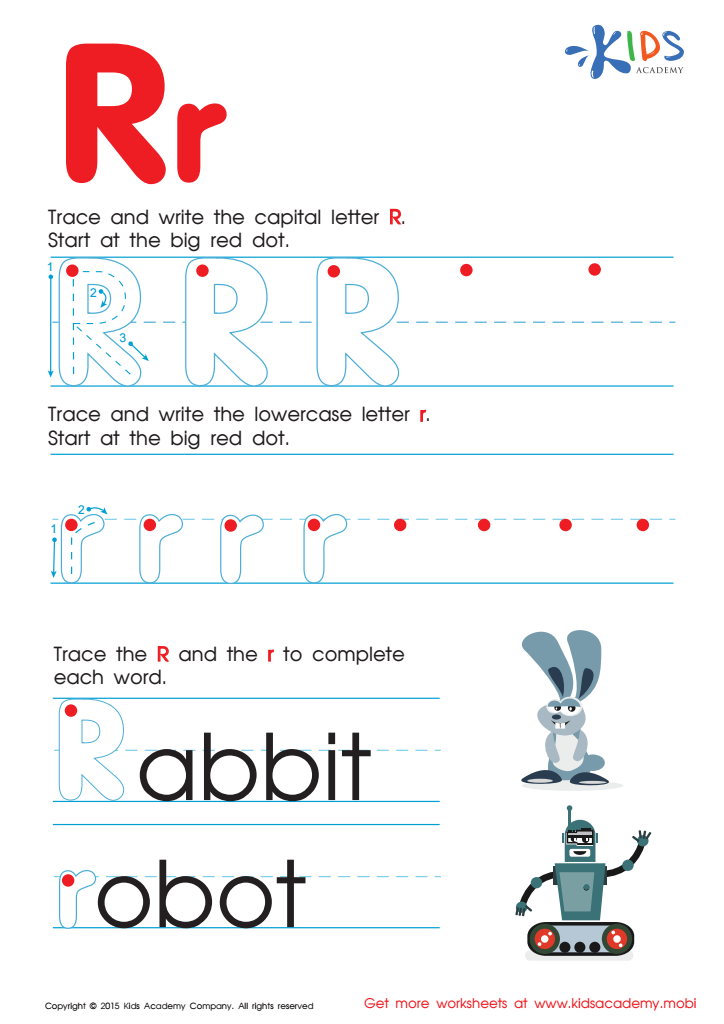
Letter R Tracing Page
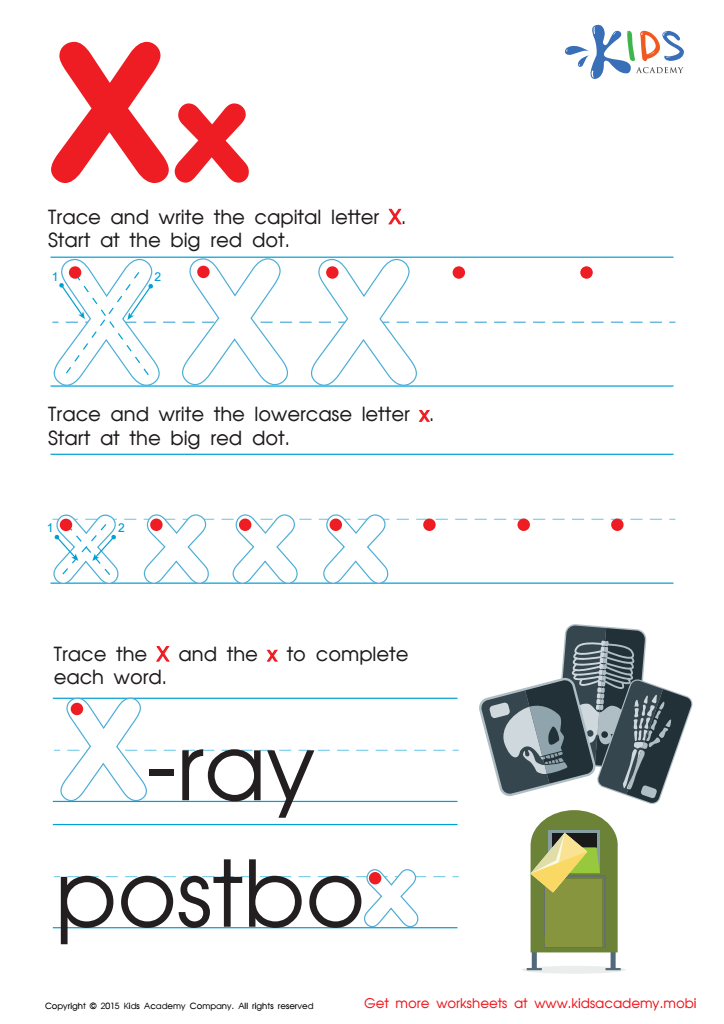
Letter X Tracing Page
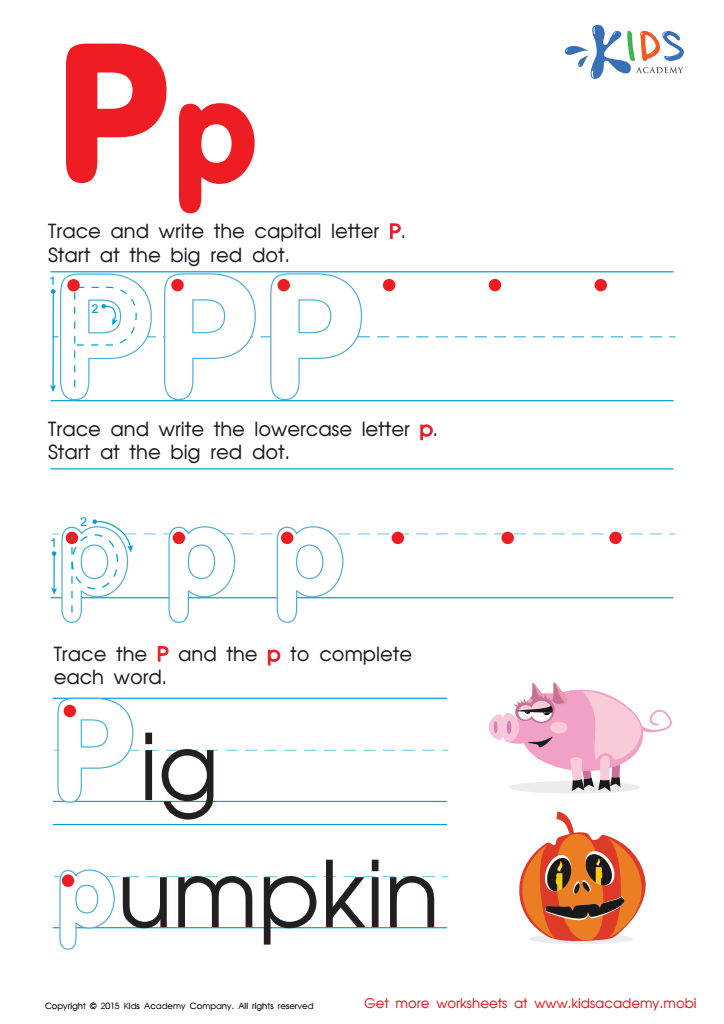
Letter P Tracing Page
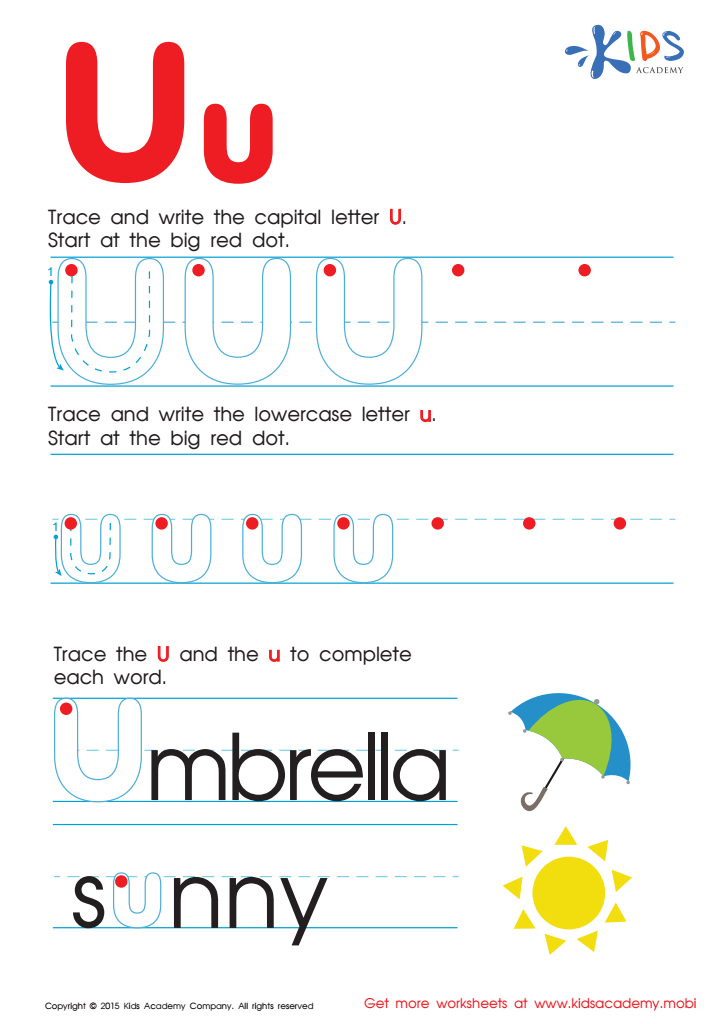
Letter U Tracing Page
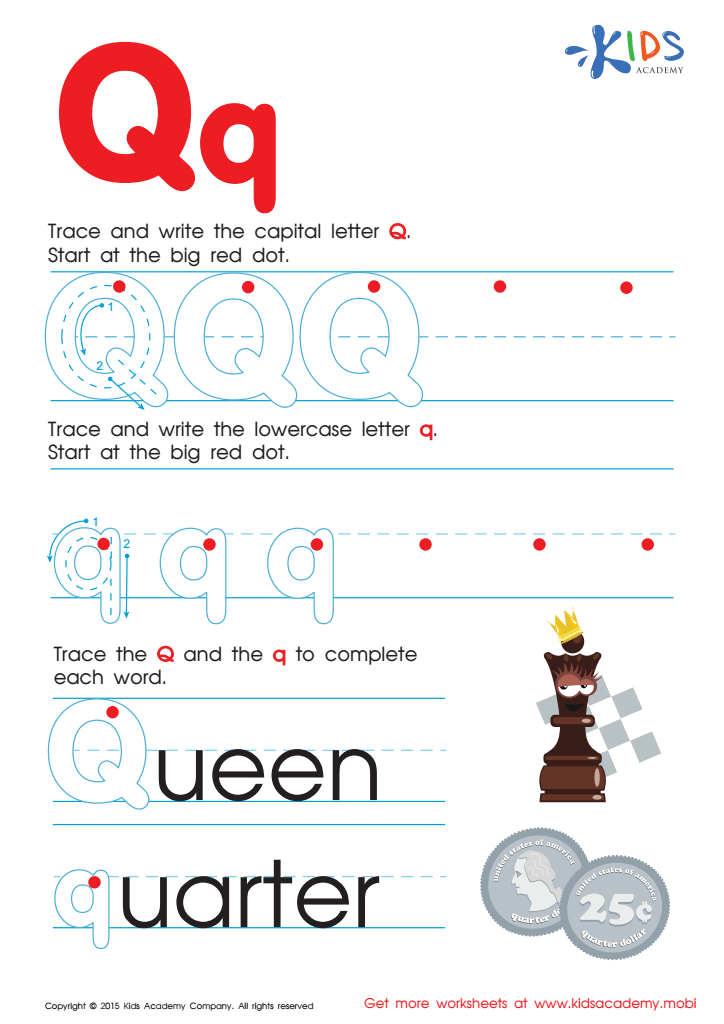
Letter Q Tracing Page
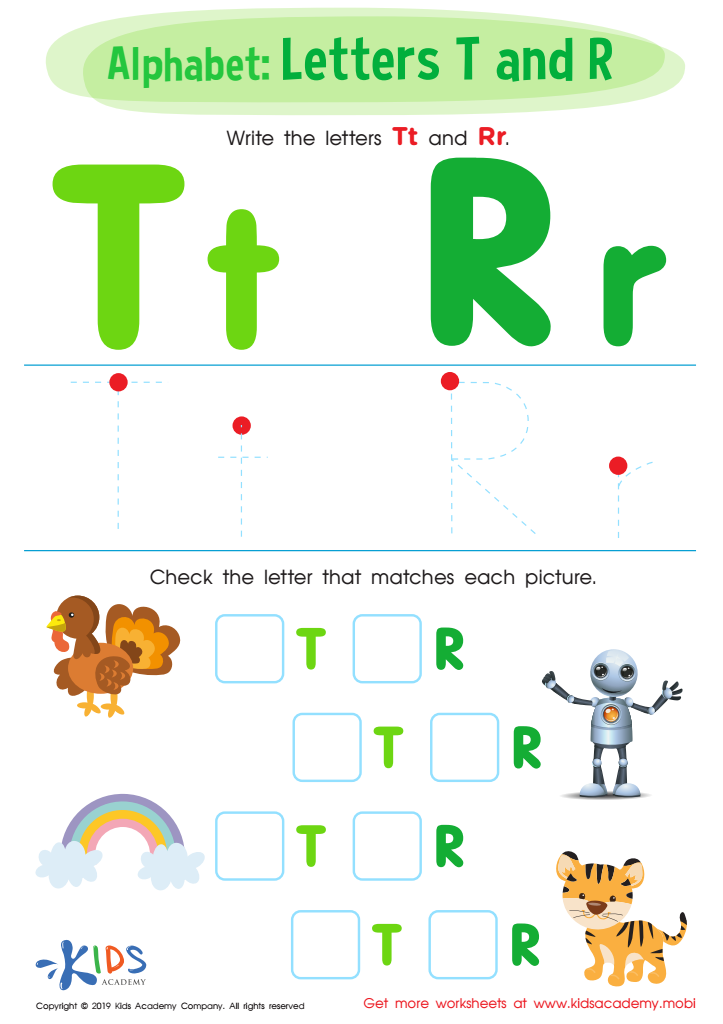
Letters T and R Worksheet
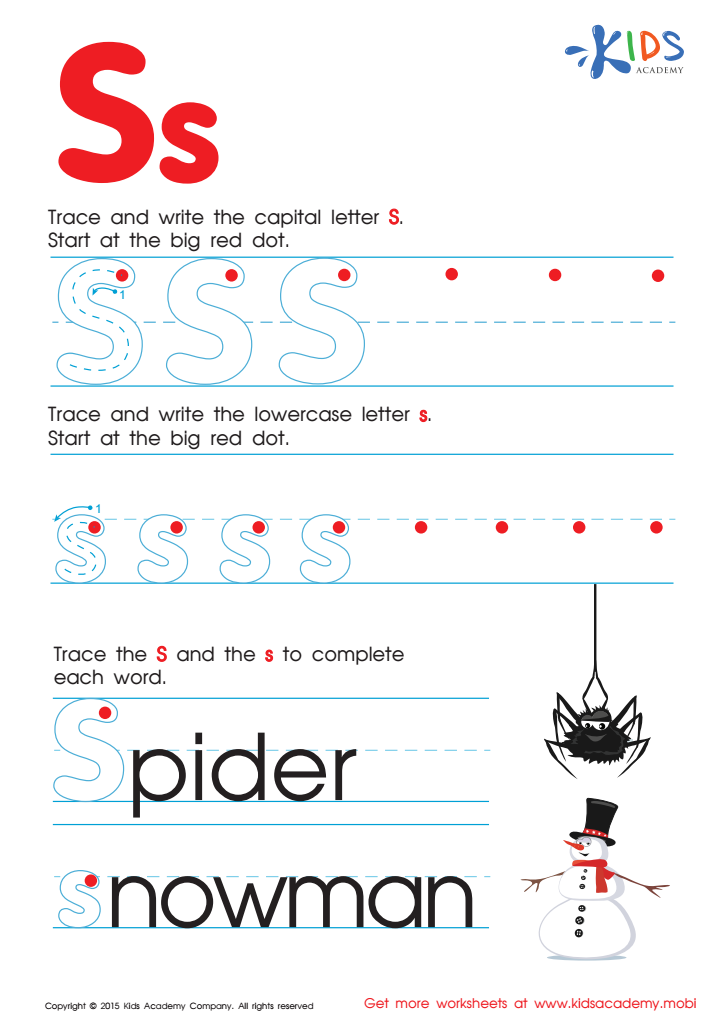
Letter S Tracing Page
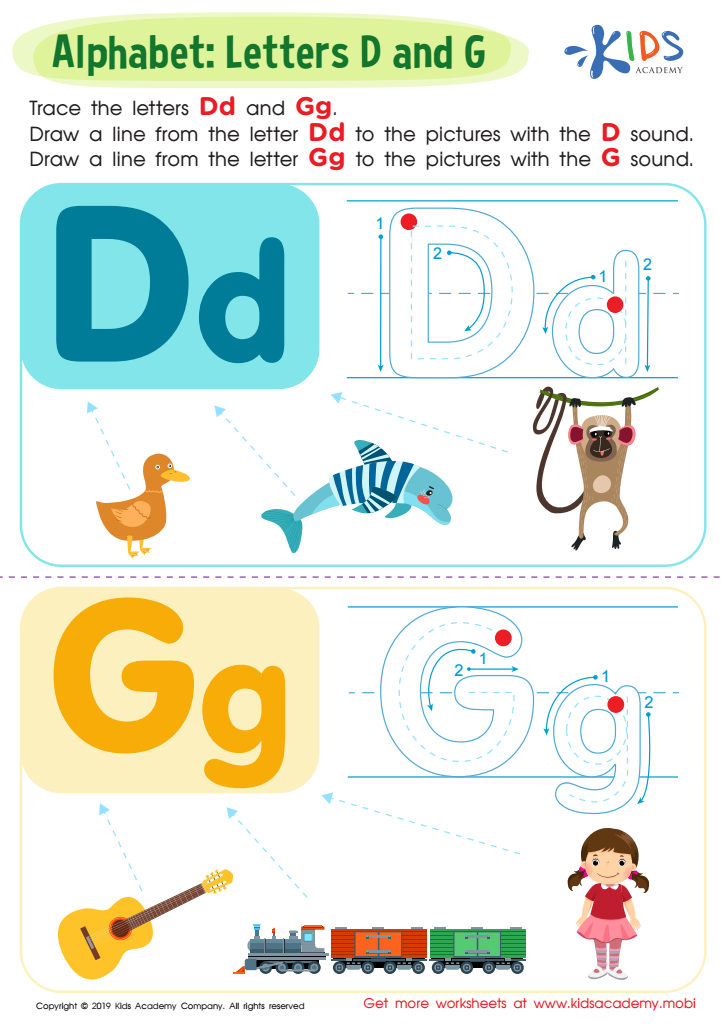
Letter D and G Tracing Worksheet
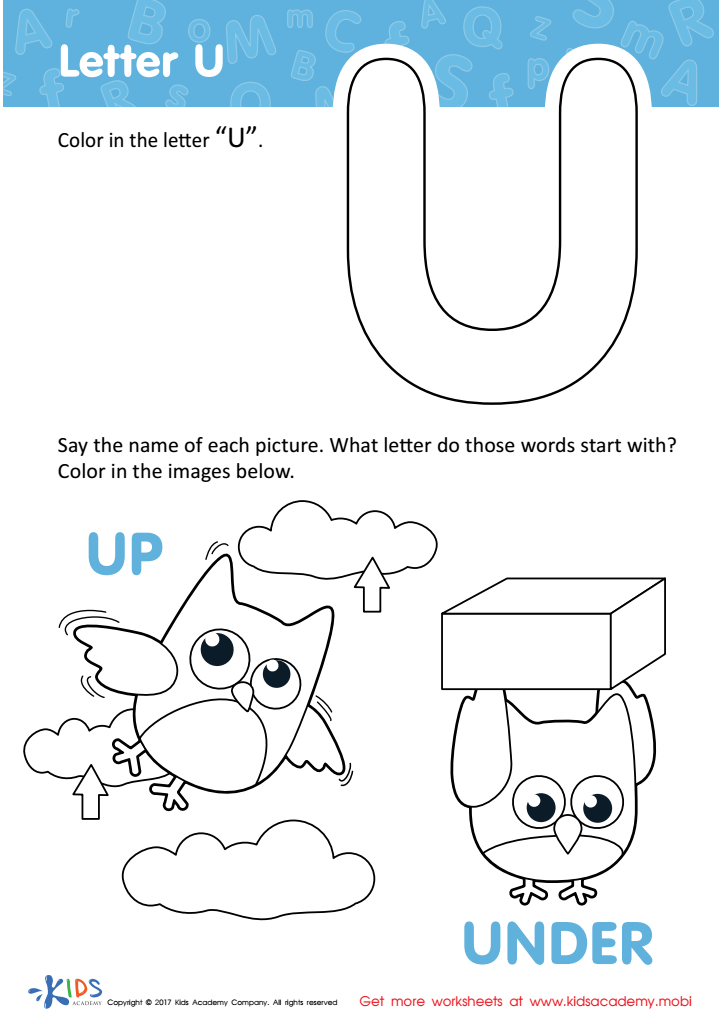
Letter U Coloring Sheet
Assign to My Students
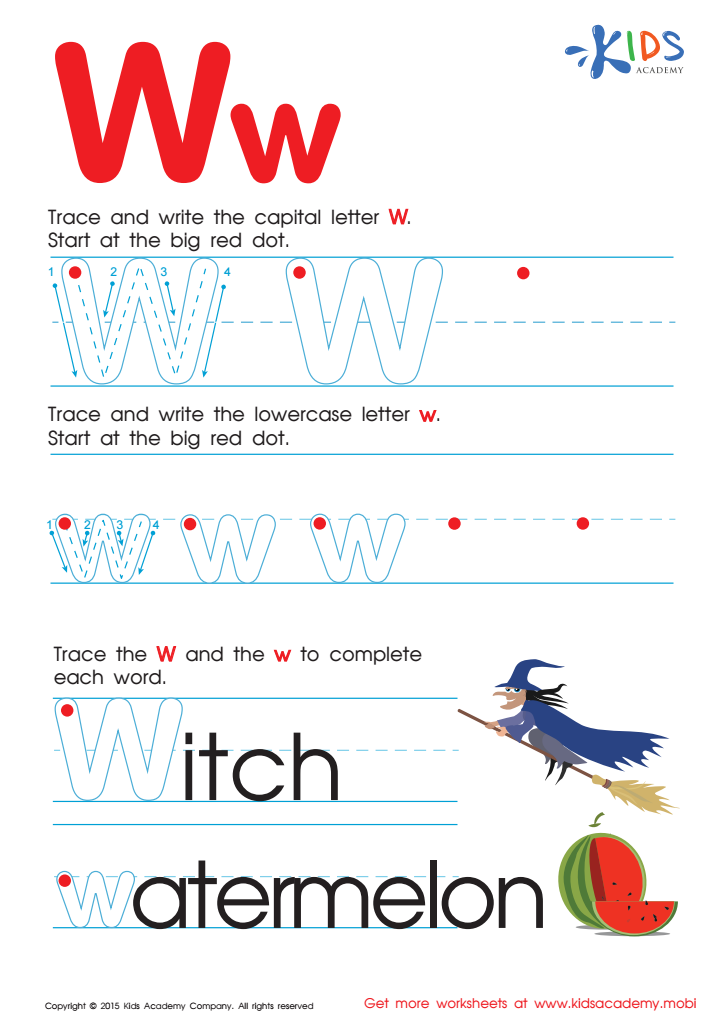
Letter W Tracing Page
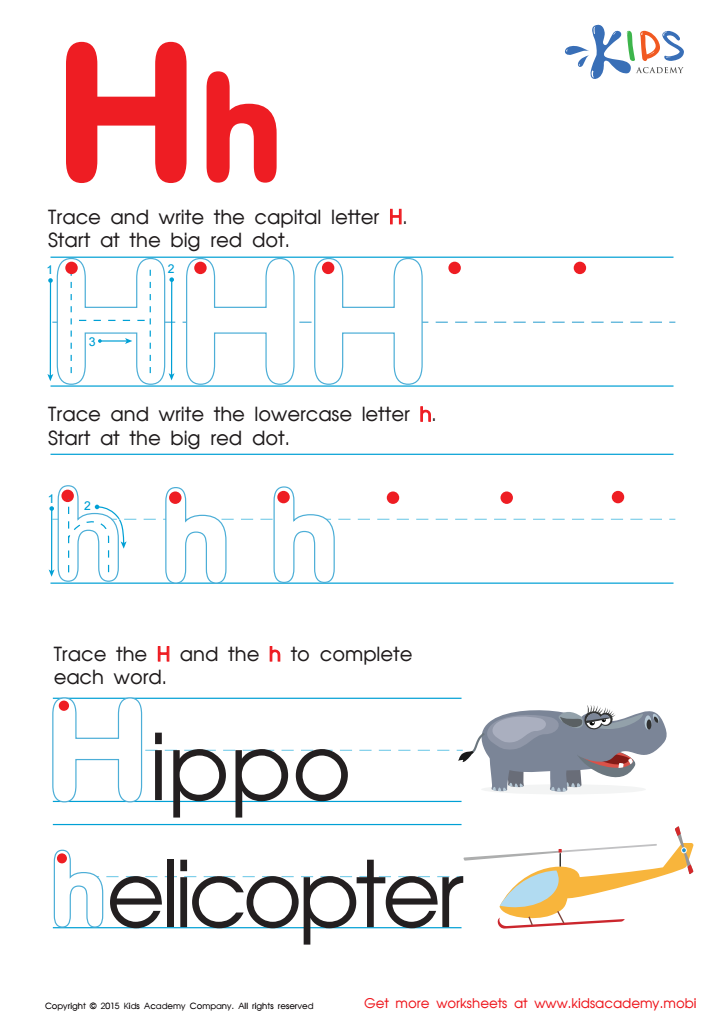
Letter H Tracing Page
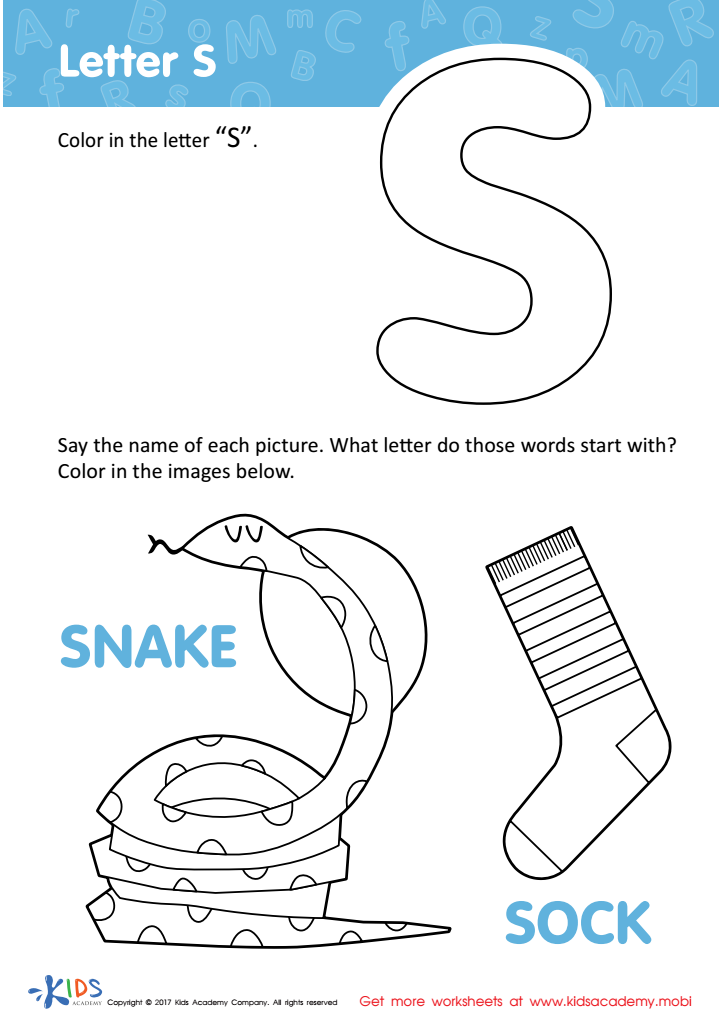
Letter S Coloring Sheet
Assign to My Students
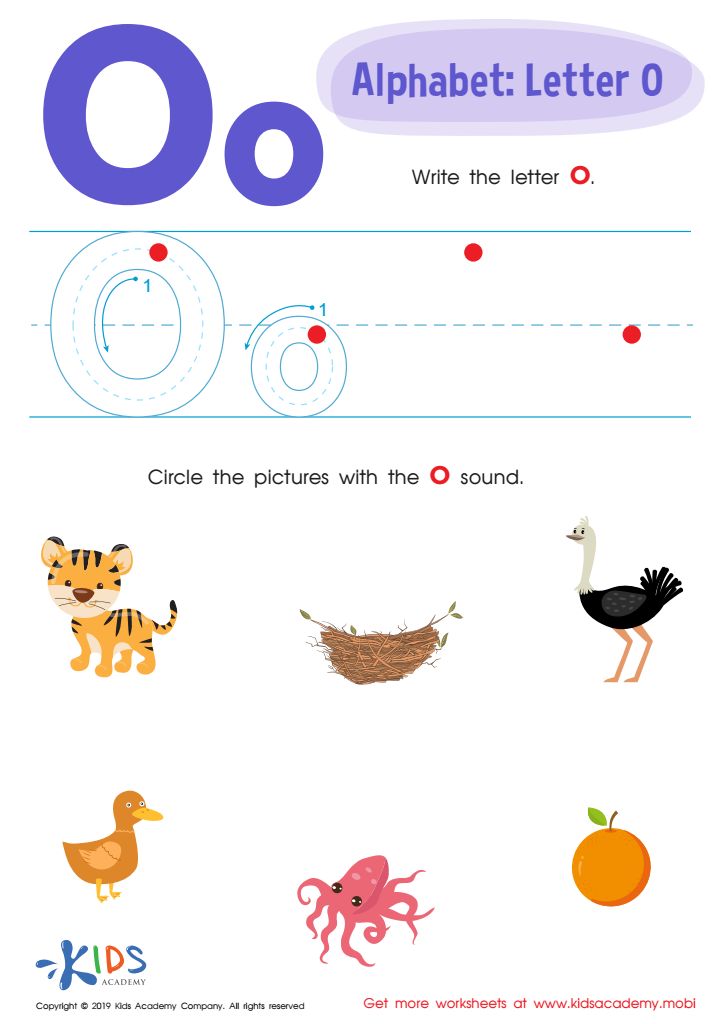
Letter O Tracing Worksheet
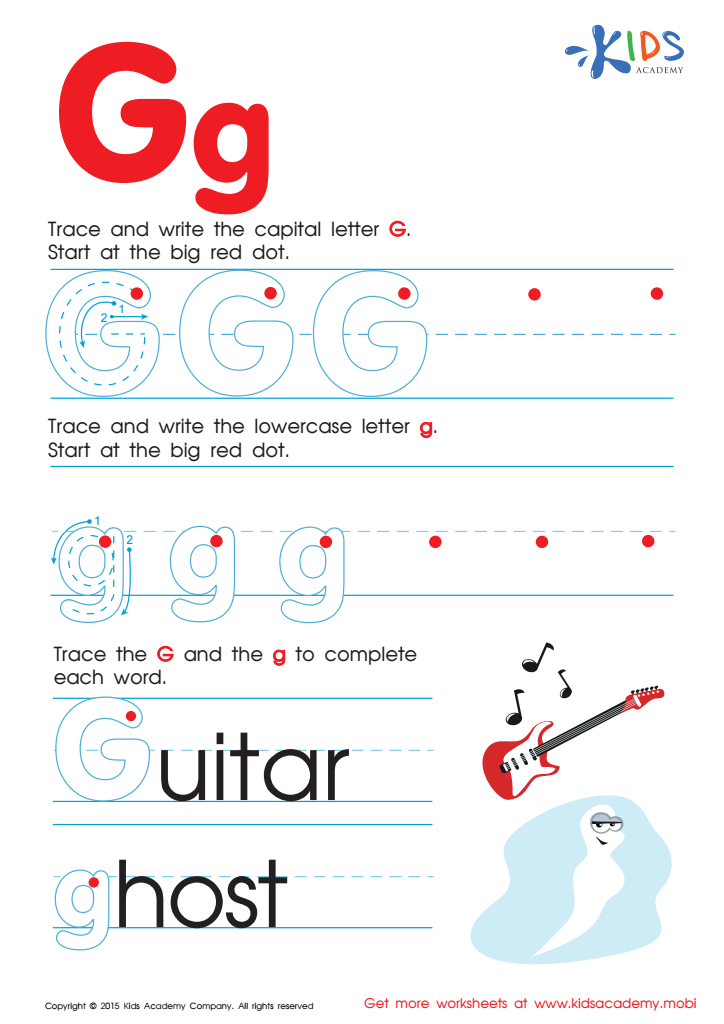
Letter G Tracing Page
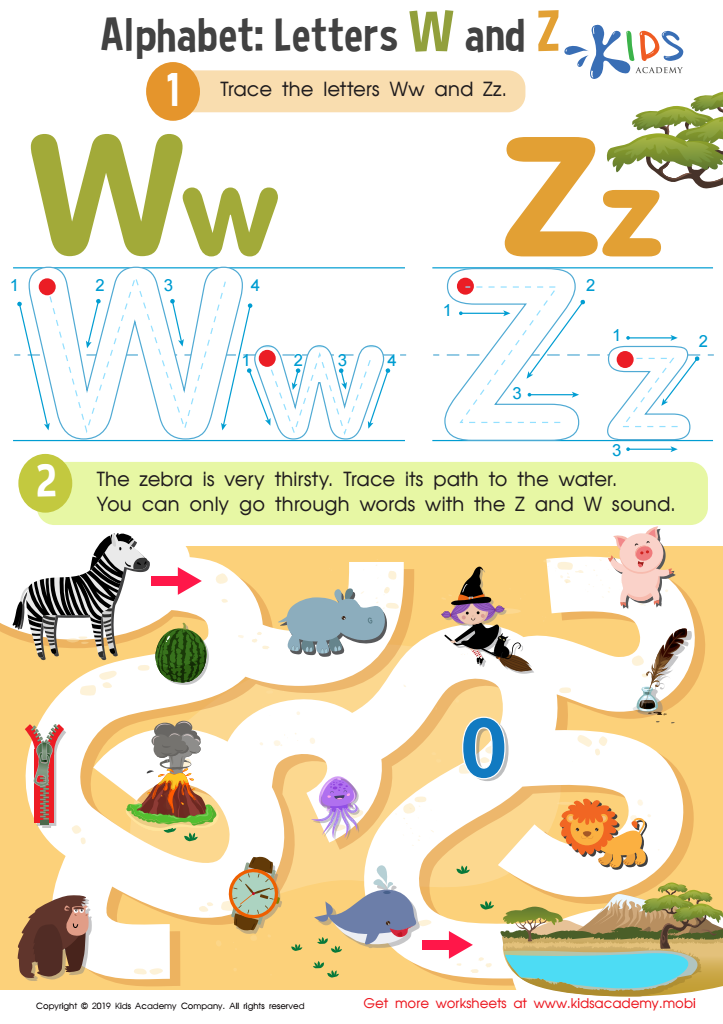
Letters W and Z Tracing Worksheet
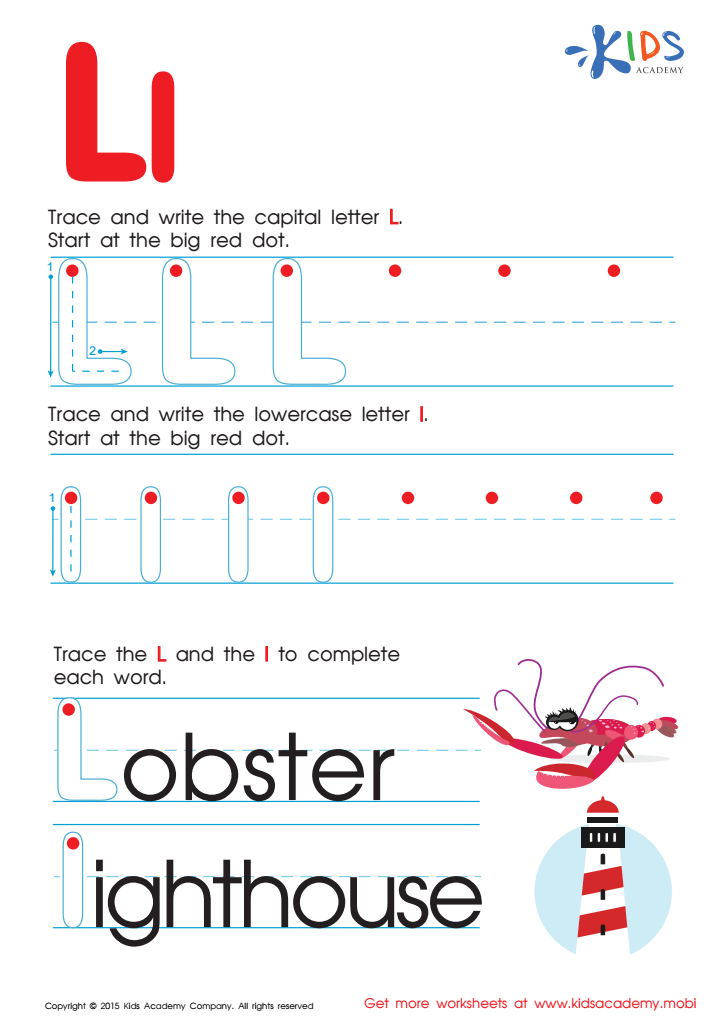
Letter L Tracing Page
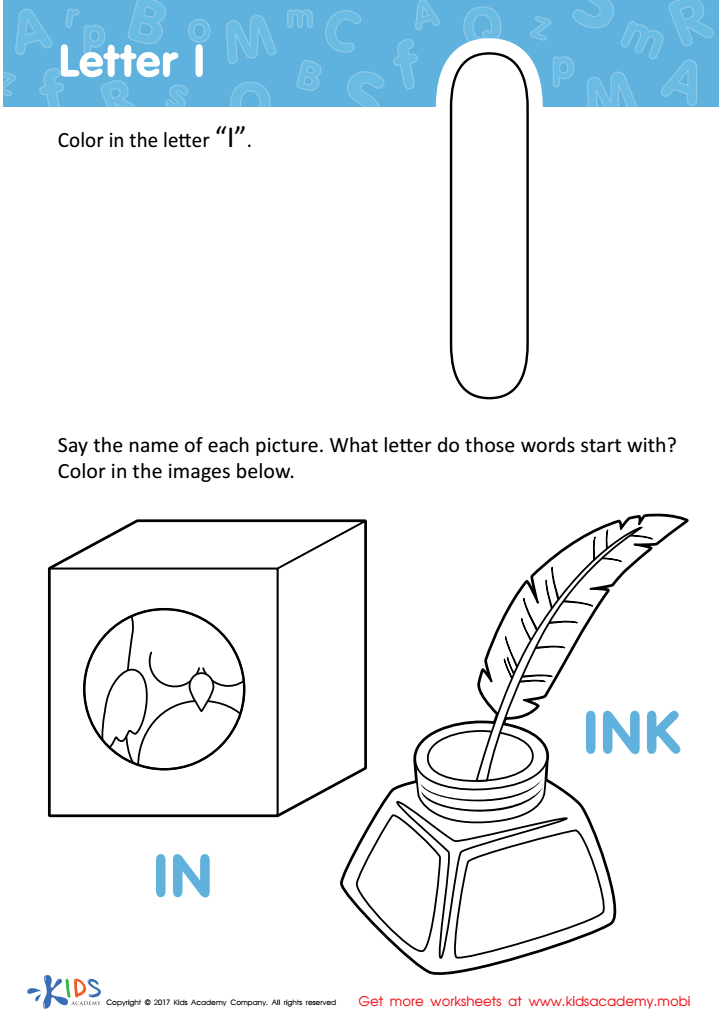
Letter I Coloring Sheet
Assign to My Students
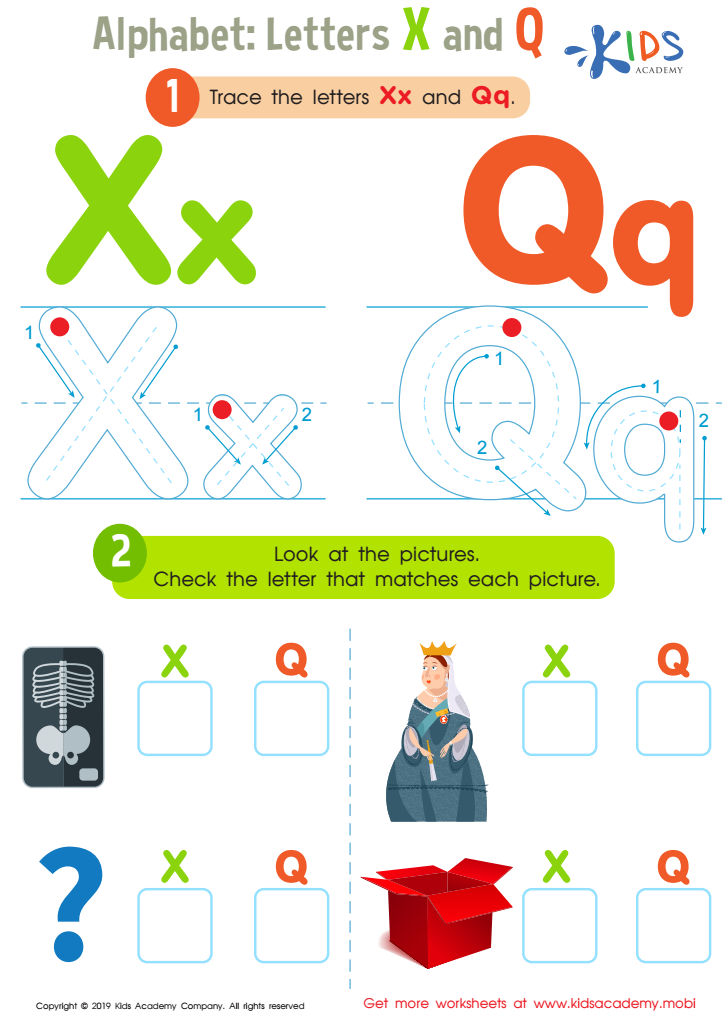
Letters X and Q Tracing Worksheet

Long and Short U Worksheet
Assign to My Students
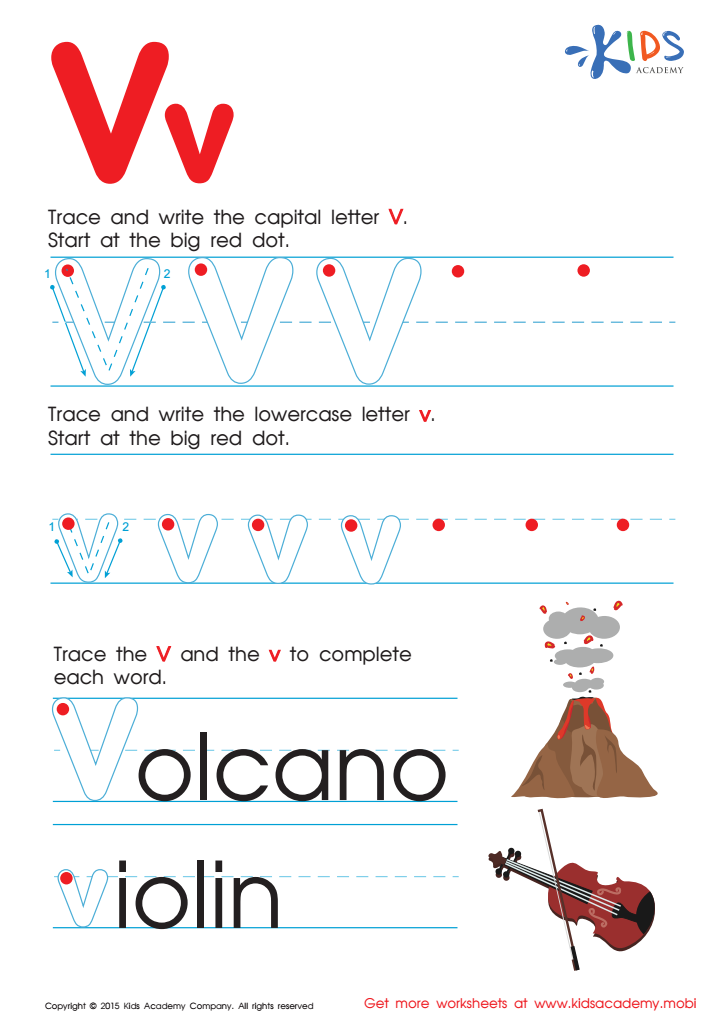
Letter V Tracing Page
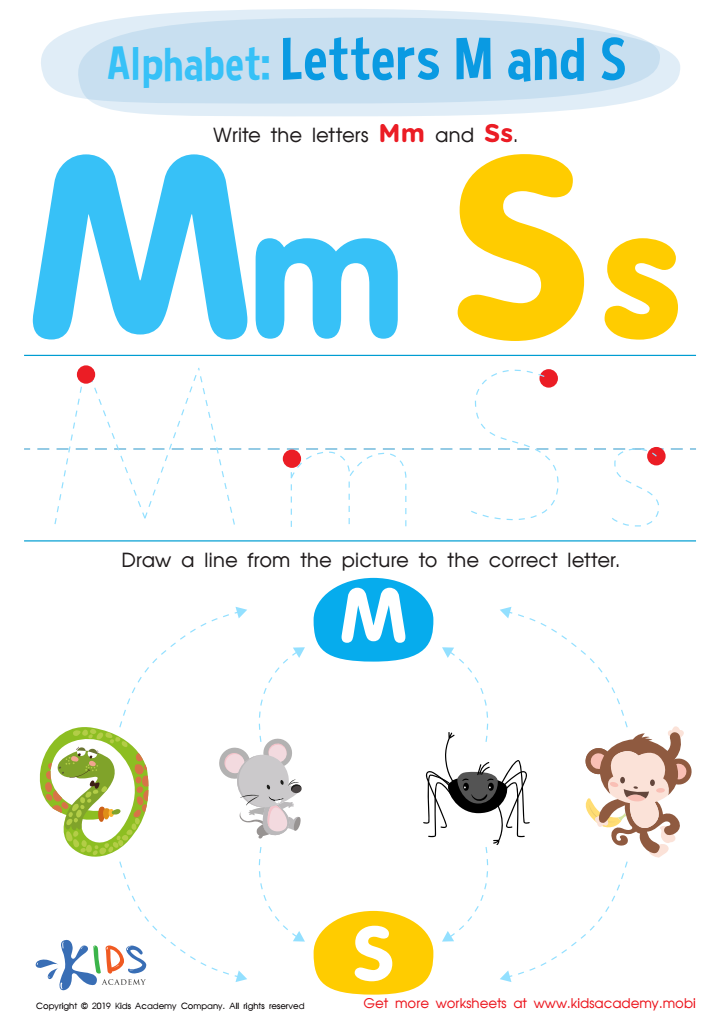
Letters M and S Tracing Worksheet





Letter recognition is a foundational skill for young learners that significantly impacts their future literacy and academic success. For 3-year-olds, developing this ability is vital as it sets the stage for reading and writing proficiency. When parents and teachers prioritize letter recognition in English, they help children build crucial phonemic awareness, which enhances their ability to decode and understand language.
At this age, children are naturally curious and absorb information quickly. Engaging them through fun and interactive activities fosters a positive attitude toward learning. By recognizing letters, children can start to connect sounds to symbols, leading to better communication skills. This early exposure encourages them to explore books and stories, igniting a lifelong love for reading.
Additionally, letter recognition aids in developing fine motor skills, particularly when young learners practice writing letters. Furthermore, it supports cognitive growth, as children learn to categorize and differentiate between various letters and their sounds. In essence, fostering letter recognition in 3-year-olds not only equips them with essential language skills but also boosts their confidence and competence as future learners. Parents and teachers play crucial roles in this development, making early literacy a shared responsibility.