Basic geometry understanding Worksheets for 3-Year-Olds
6 filtered results
-
From - To
Introduce your little ones to the world of shapes and patterns with our Basic Geometry Understanding Worksheets for 3-Year-Olds. These expertly crafted worksheets are designed to help toddlers recognize and identify different geometric shapes such as circles, squares, triangles, and more. Through fun and engaging activities, young children will develop essential early math skills, hand-eye coordination, and spatial awareness. Ideal for at-home learning or preschool settings, our printable worksheets provide a solid foundation for future geometry concepts in a playful and enjoyable way. Start your child's educational journey with our interactive geometry learning tools today!
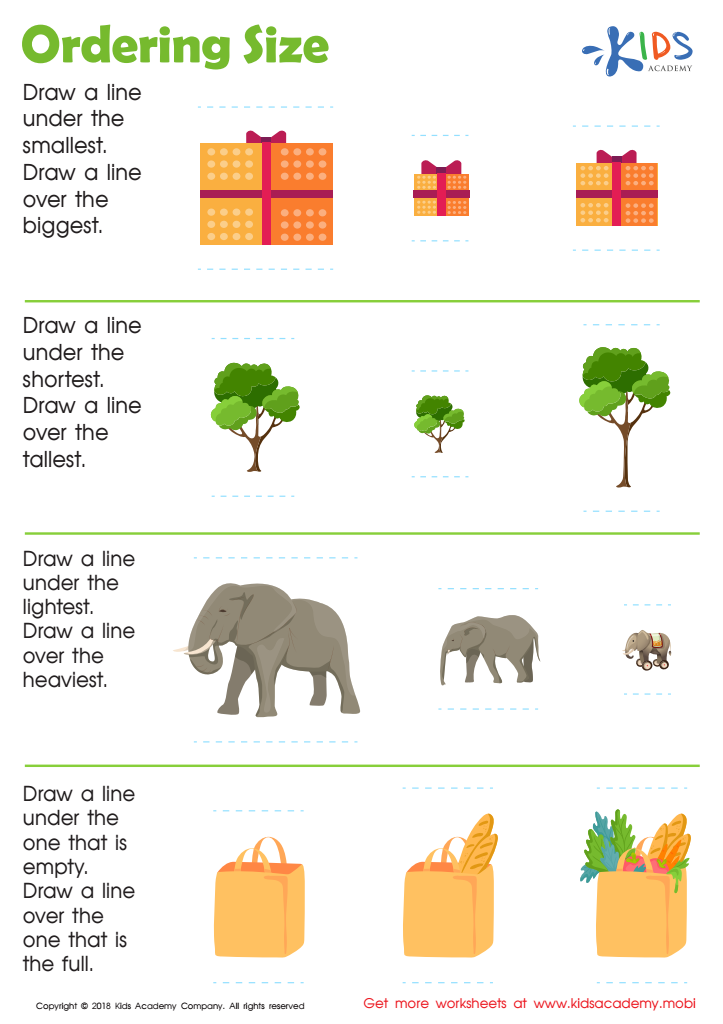
Ordering Size Worksheet
 Assign to My Students
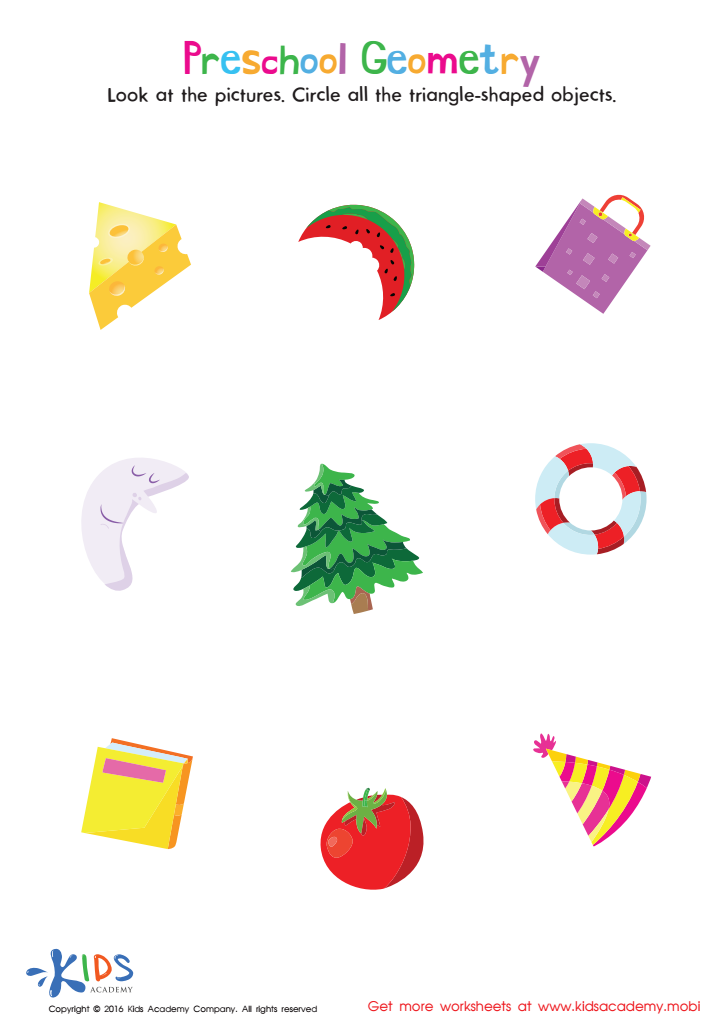
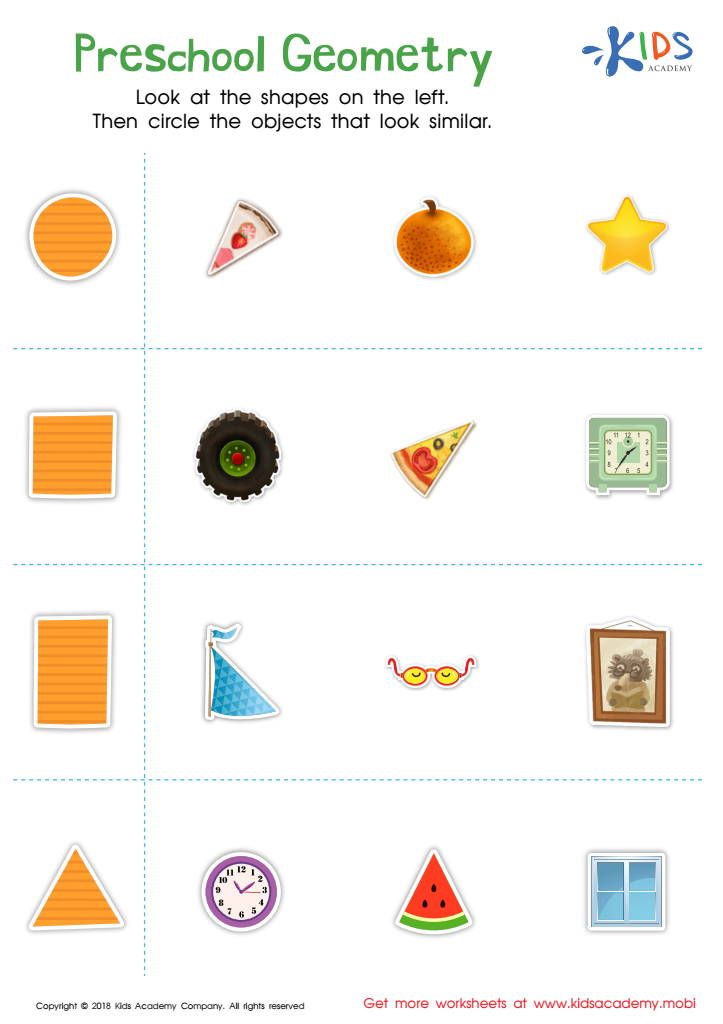
Preschool Geometry Worksheet
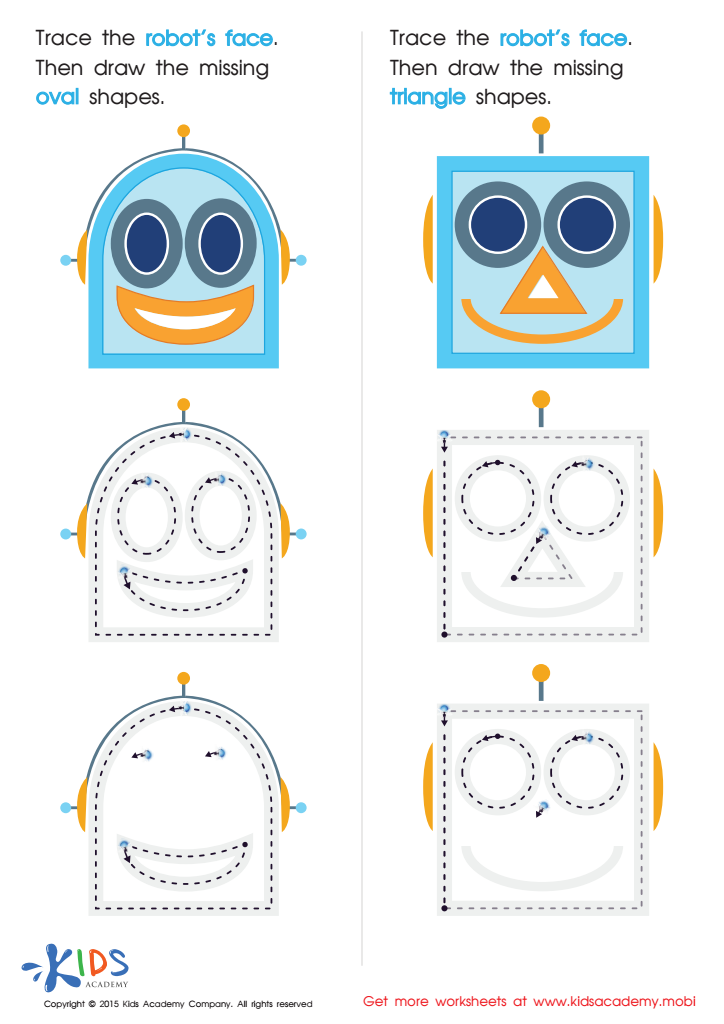
Drawing Ovals And Triangles with Fun Printable
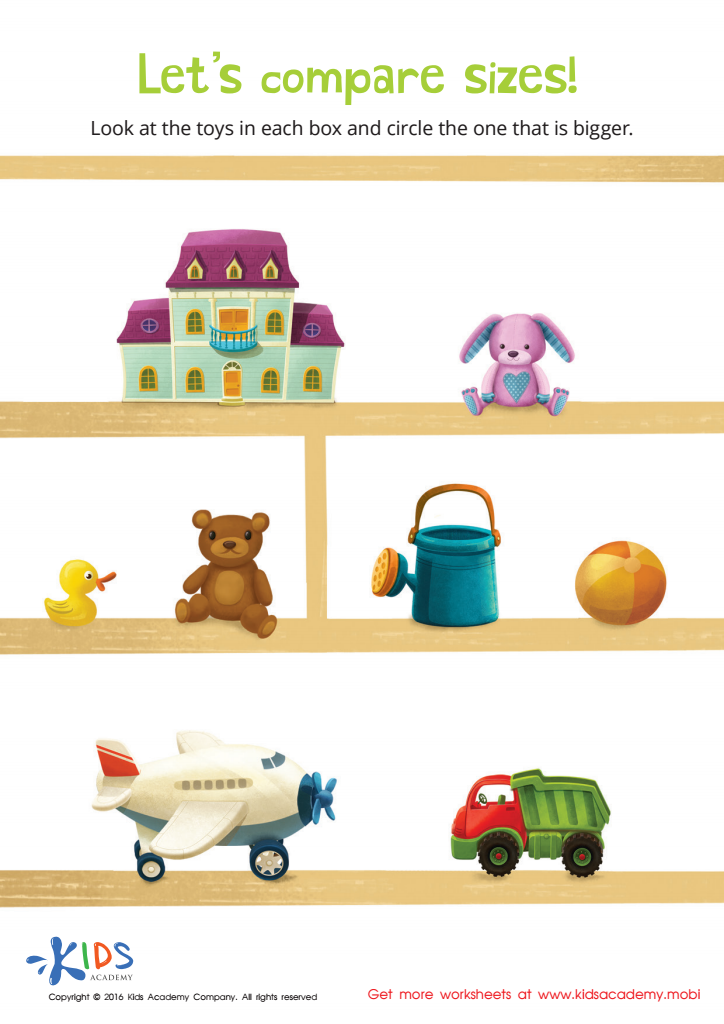
Classifying by Size Sorting Worksheet
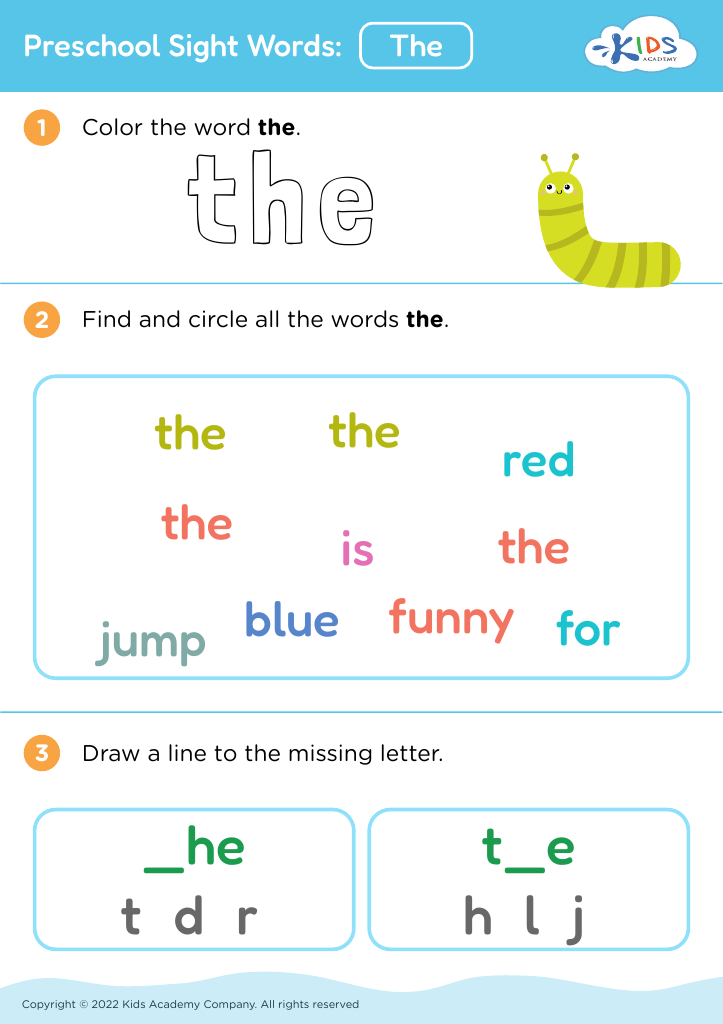







Introducing basic geometry to 3-year-olds is essential for several developmental reasons. Firstly, geometric concepts such as shapes, sizes, and spatial understanding lay the foundation for later mathematical learning. Recognizing and naming shapes improves children's vocabulary and language skills. More importantly, it encourages problem-solving and critical thinking abilities.
Spatial awareness, a key component of geometry, helps children understand their environment and relationship to it. Activities like sorting shapes strengthen fine motor skills and hand-eye coordination, crucial for writing and other tasks.
Moreover, engaging with geometry fosters creativity. Children use shapes to draw, build, and navigate, blending imagination with real-world elements. This active learning approach can make lessons more enjoyable and memorable.
Socially, playing with geometric toys or games promotes cooperation, sharing, and turn-taking among peers. It provides opportunities for positive interactions and emotional development.
In sum, early exposure to geometry supports cognitive growth, enhances various skills, and sets the groundwork for future academic success. By introducing these concepts early, parents and teachers help nurture an inquisitive mindset and a lifelong love for learning. Prioritizing basic geometry understanding enables children to efficiently cope with more complex mathematical problems later in life.








