Color Identification Worksheets for 3-Year-Olds - Page 2
31 filtered results
-
From - To
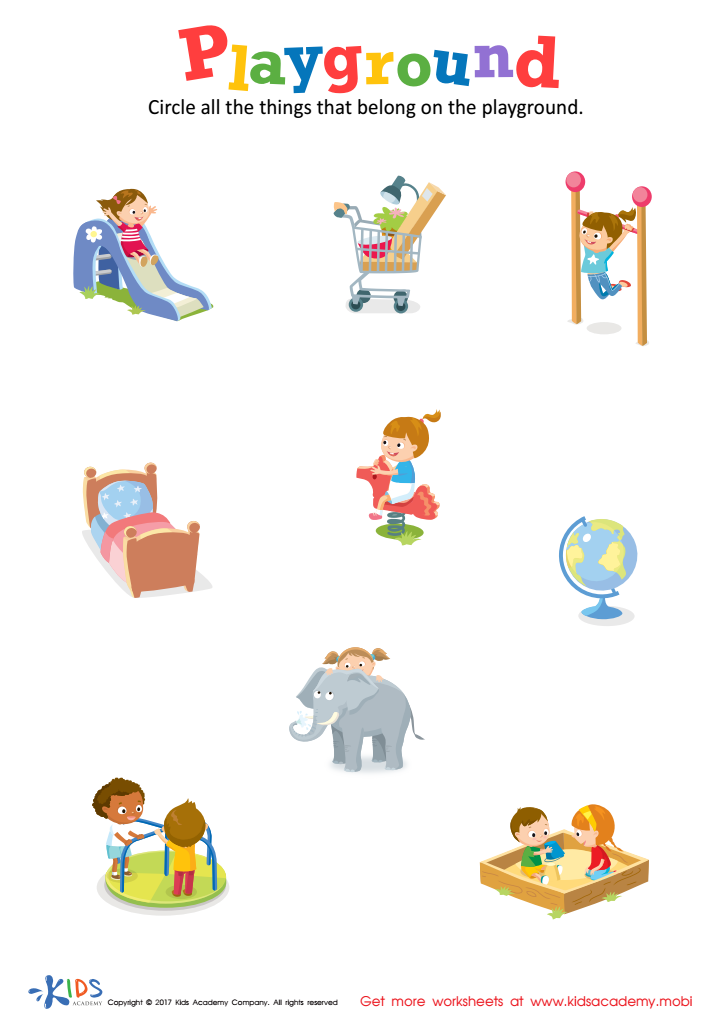
Playground Worksheet
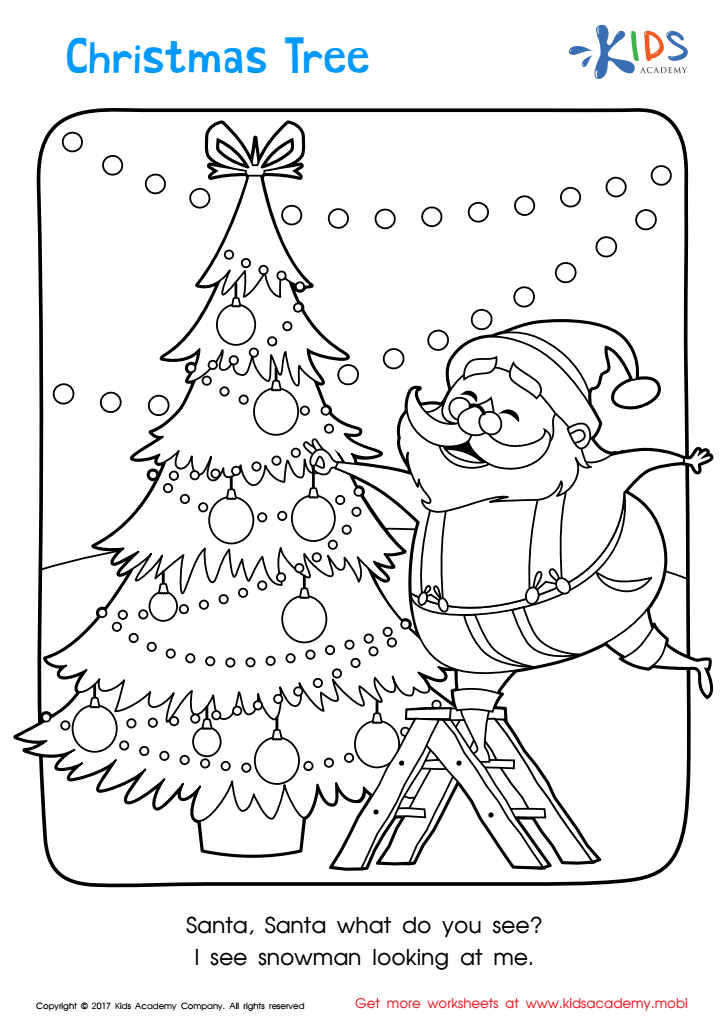
Christmas: Christmas Tree Printable
 Assign to My Students
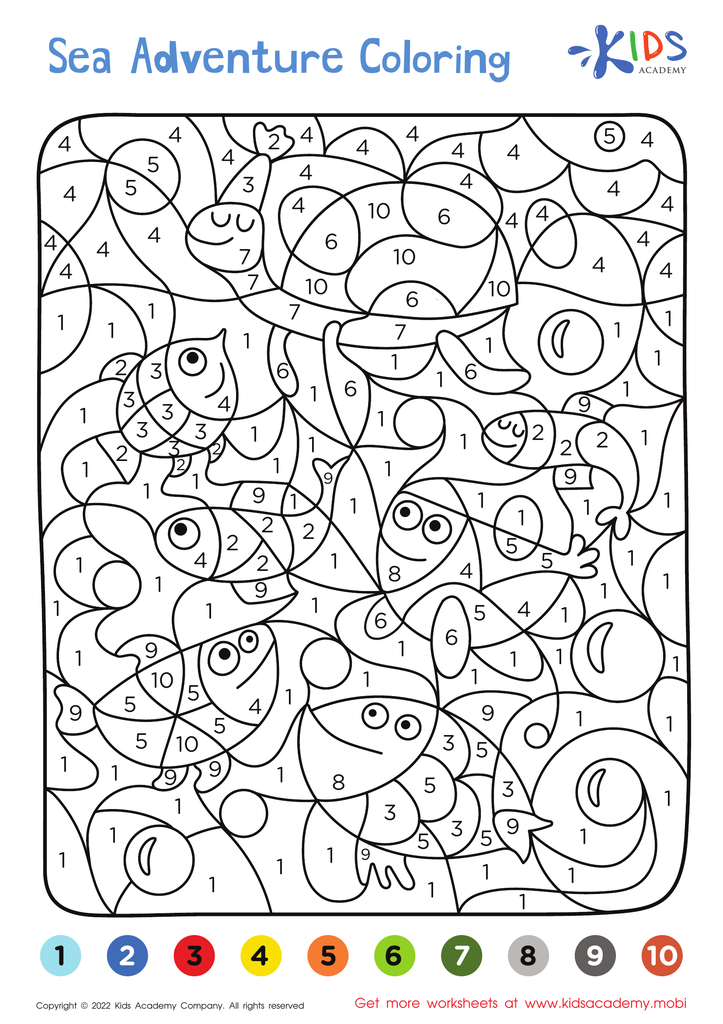
Sea Adventure – Coloring by Numbers
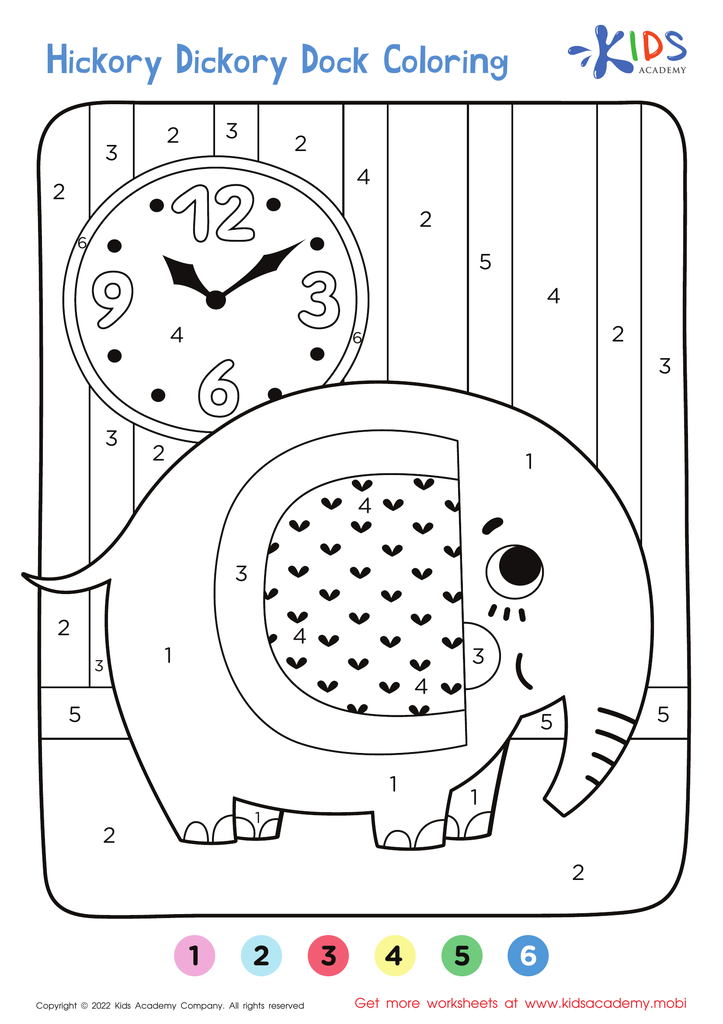
Hickory Dickory Dock – Coloring by Numbers
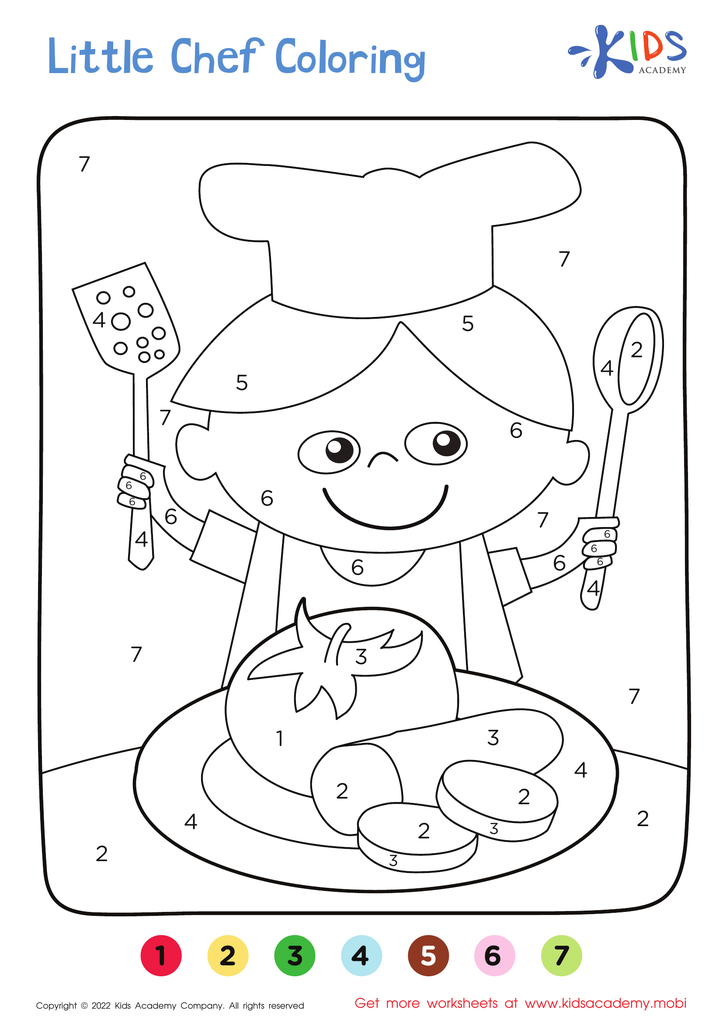
Little Chef – Coloring by Numbers
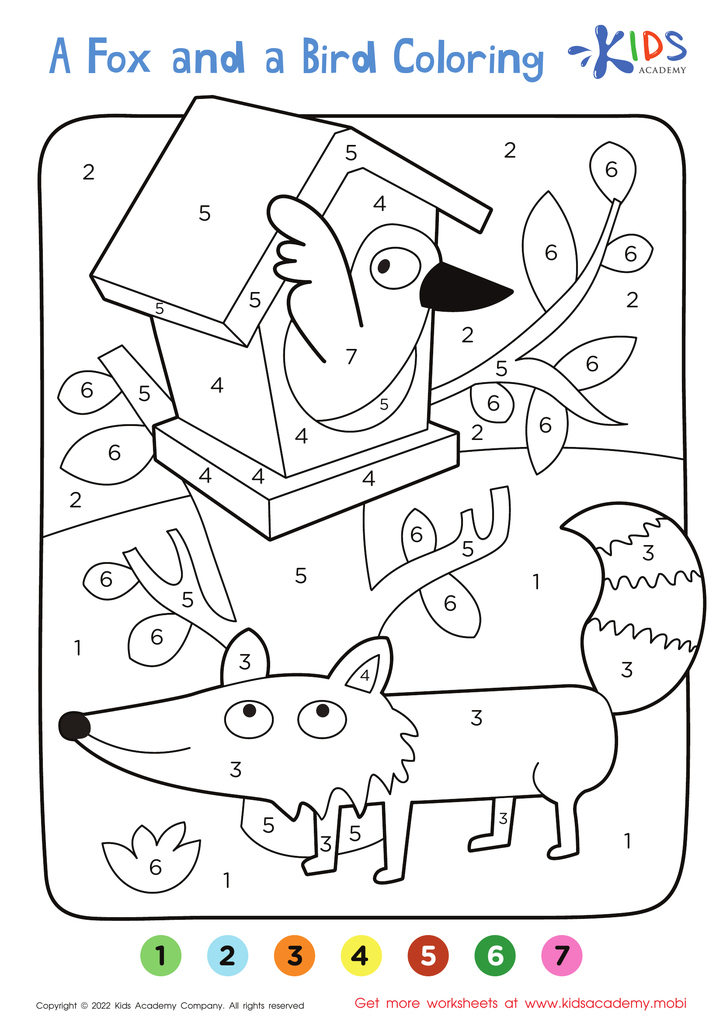
A Fox and a Bird – Coloring by Numbers







Color identification is an essential skill for 3-year-olds as it lays the foundation for their cognitive development, learning, and ability to interact with the world. At this age, children are like sponges, absorbing information quickly, and learning colors helps them categorize and process the visual stimuli they encounter daily. This cognitive ability supports early math skills, such as sorting and pattern recognition, which are crucial for their later academic success.
Introducing color concepts can also enhance language development. As children learn to identify and name colors, they expand their vocabulary and improve their communication skills. This ability enables them to express themselves more clearly, fostering better social interactions with peers and adults.
Moreover, knowing colors assists in the development of fine motor skills and hand-eye coordination. Activities involving coloring, painting, or sorting objects by color encourage the use of small muscles in the hands and improve dexterity, preparing children for writing and other tasks.
Lastly, color identification can be a fun and engaging way for parents and teachers to bond with children. Interactive games and colorful experiences make learning enjoyable, sparking curiosity and a love for learning in young minds. Therefore, emphasizing color identification is a crucial aspect of early childhood education and development.








