Letter recognition Worksheets for 3-Year-Olds
67 filtered results
-
From - To
Discover our engaging Letter Recognition Worksheets for 3-Year-Olds! These fun and interactive activities are designed to help young learners identify and differentiate between letters. Our worksheets include colorful illustrations, tracing exercises, and simple games that capture children's attention while promoting early literacy skills. With a focus on both uppercase and lowercase letters, each worksheet encourages hands-on learning, making it perfect for at-home learning or classroom use. Support your child's educational journey and boost their confidence in recognizing letters with these thoughtfully crafted resources. Start building a strong foundation in reading and writing today! Ideal for parents and educators alike.
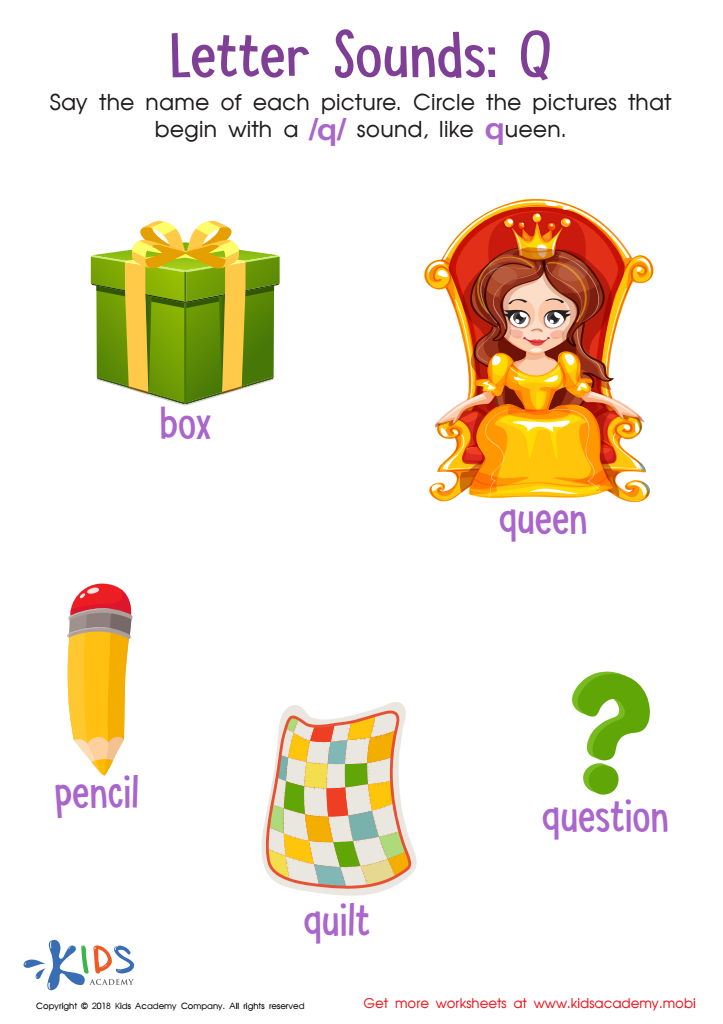
Letter Q Sounds Worksheet
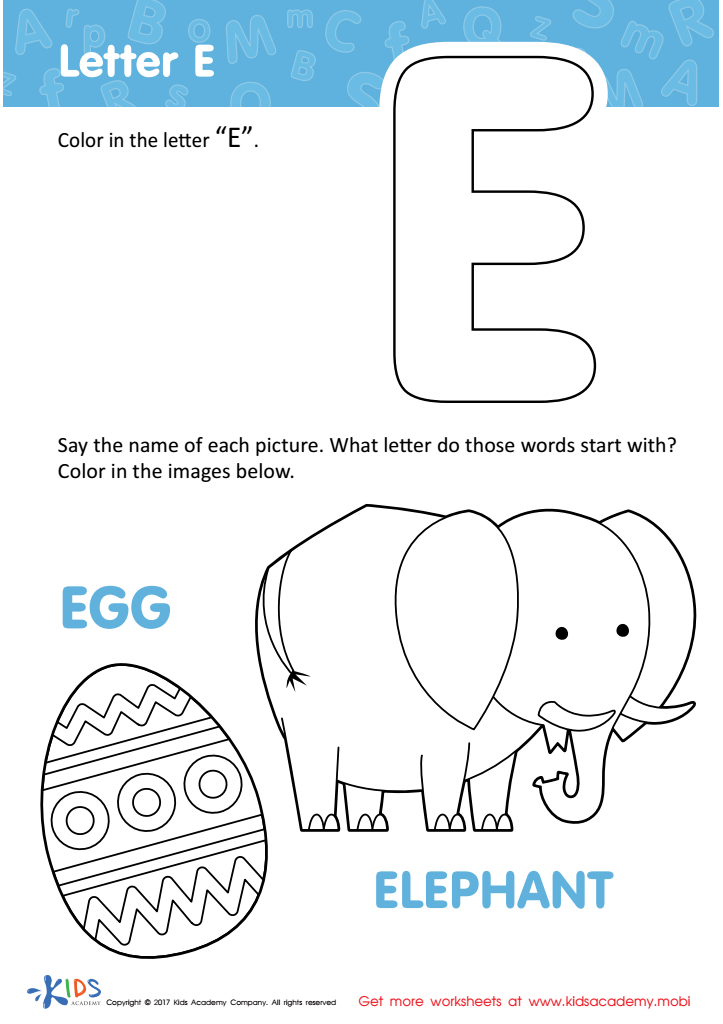
Letter E Coloring Sheet
 Assign to My Students
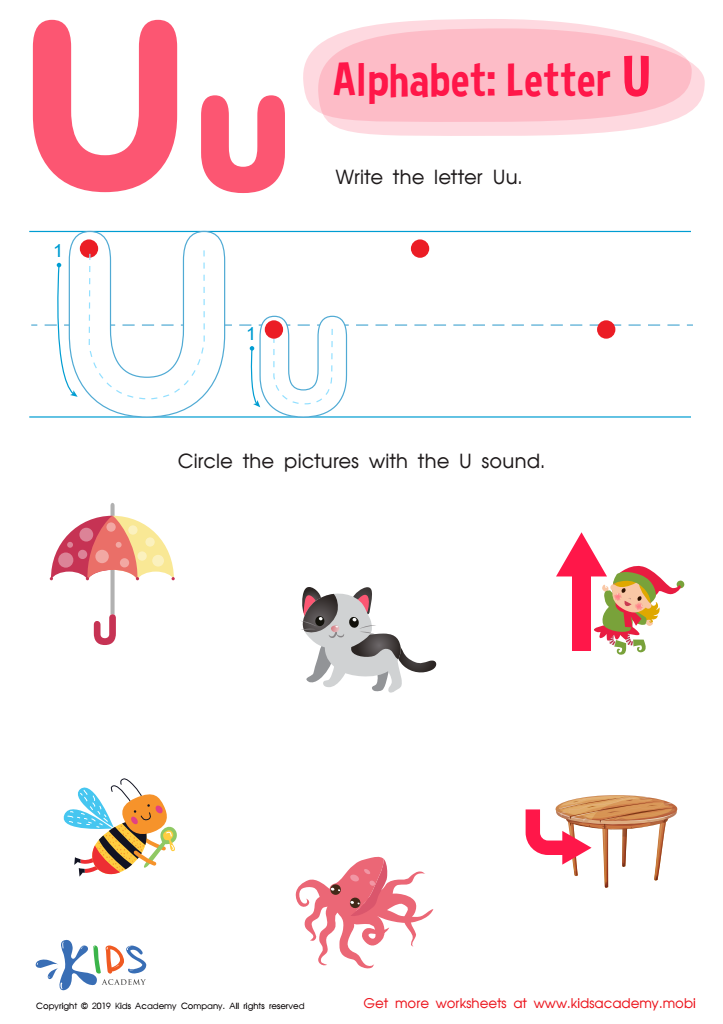
Letter U Tracing Worksheet
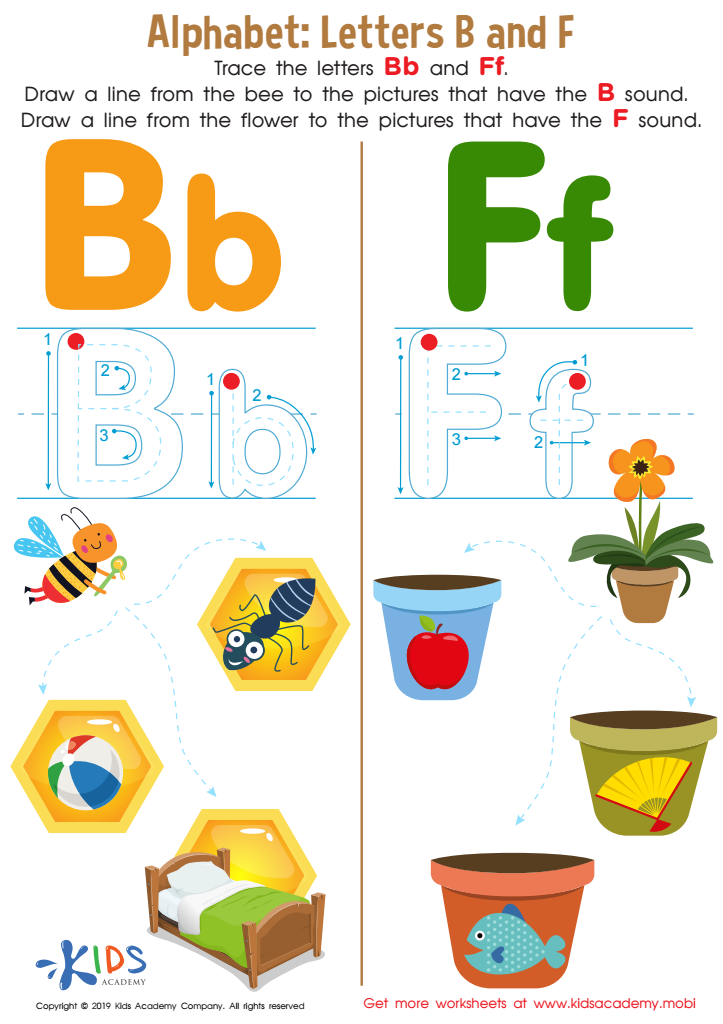
Letters B and F Tracing Worksheet
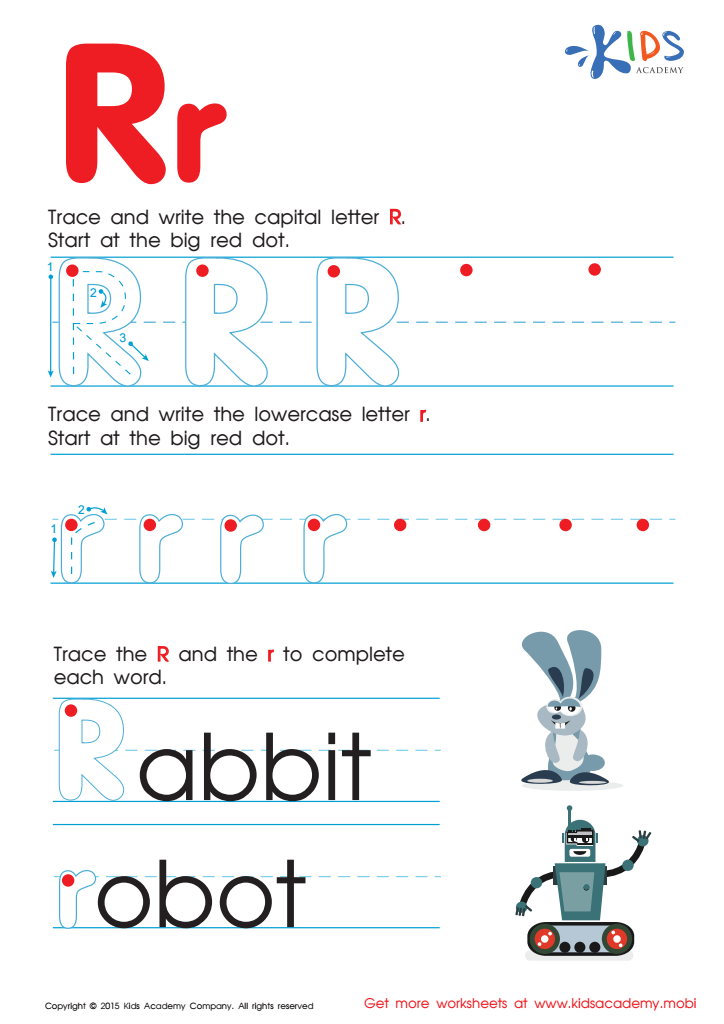
Letter R Tracing Page
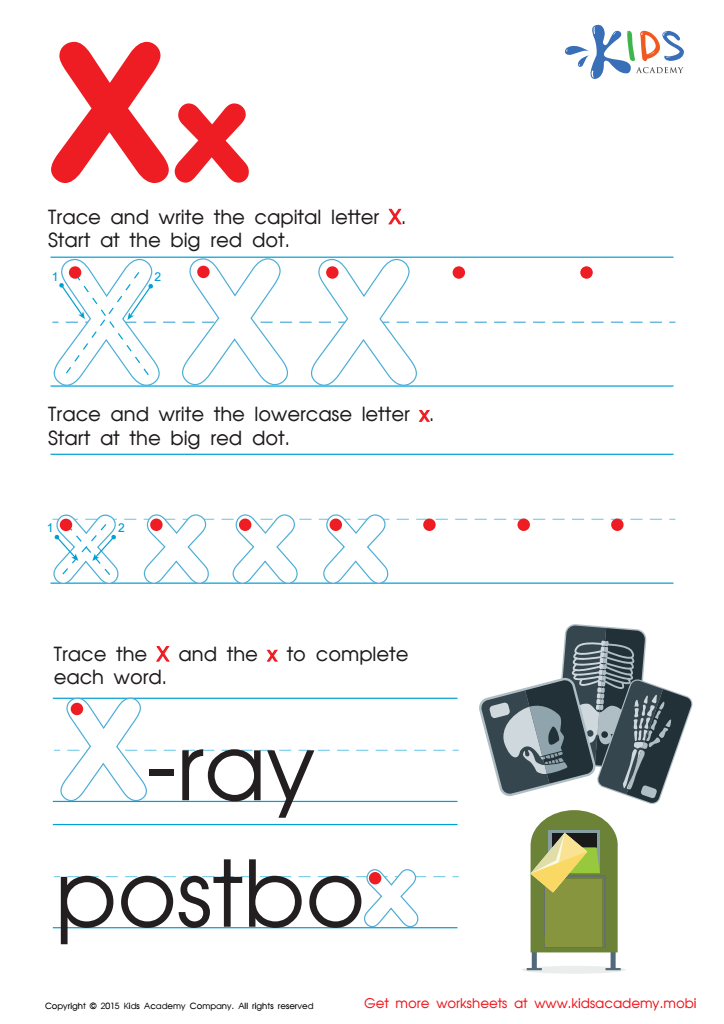
Letter X Tracing Page
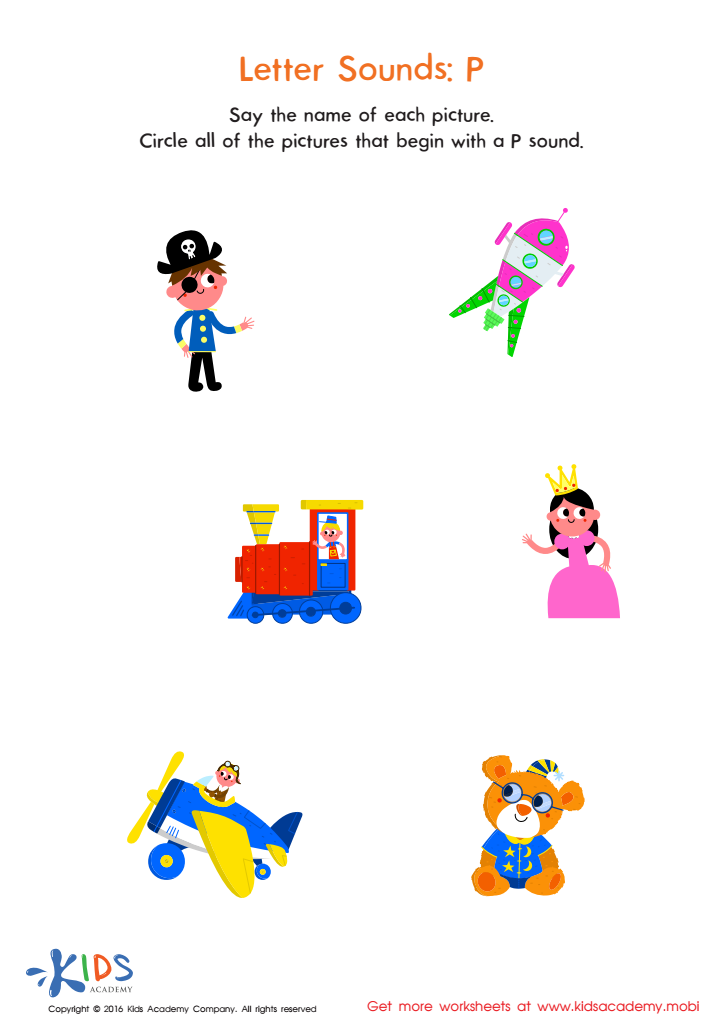
Letter P Sound Worksheet
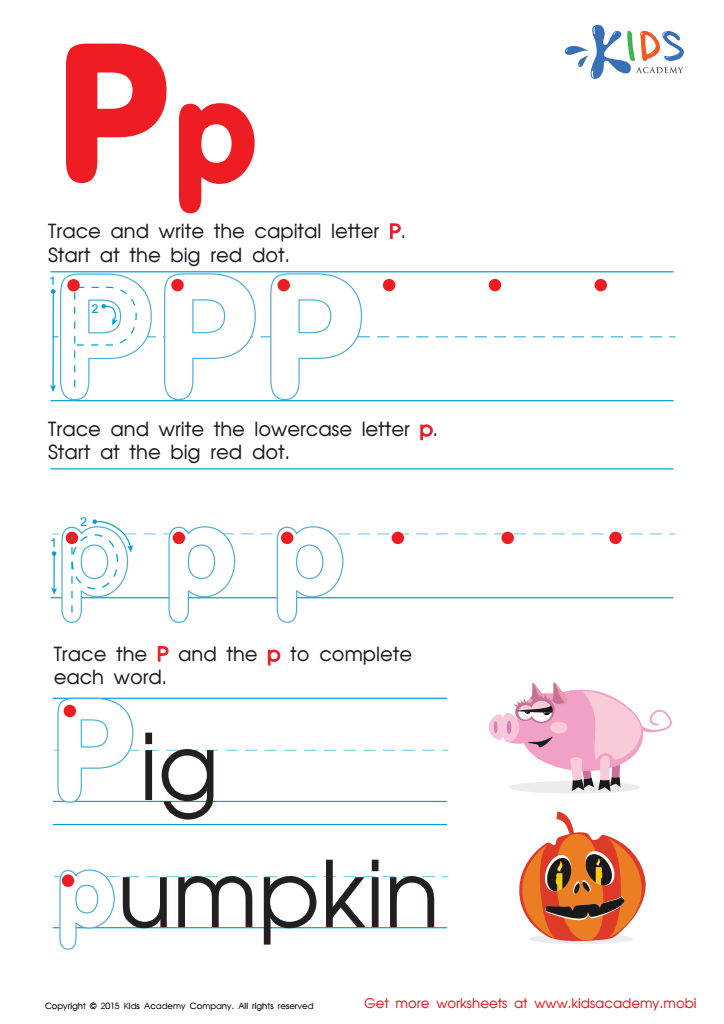
Letter P Tracing Page
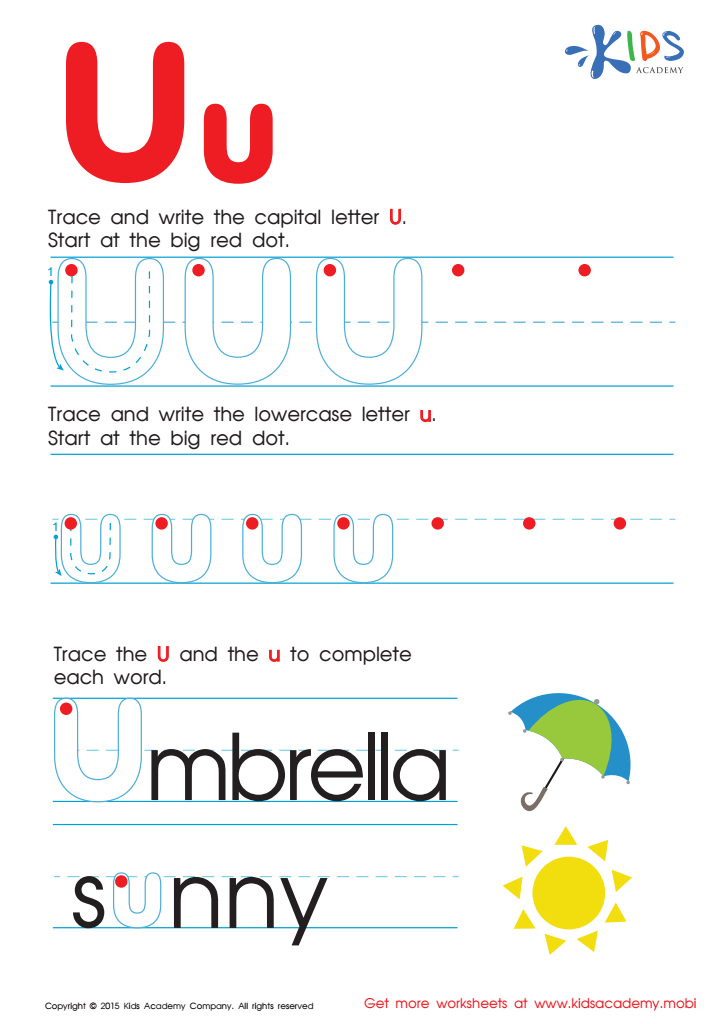
Letter U Tracing Page
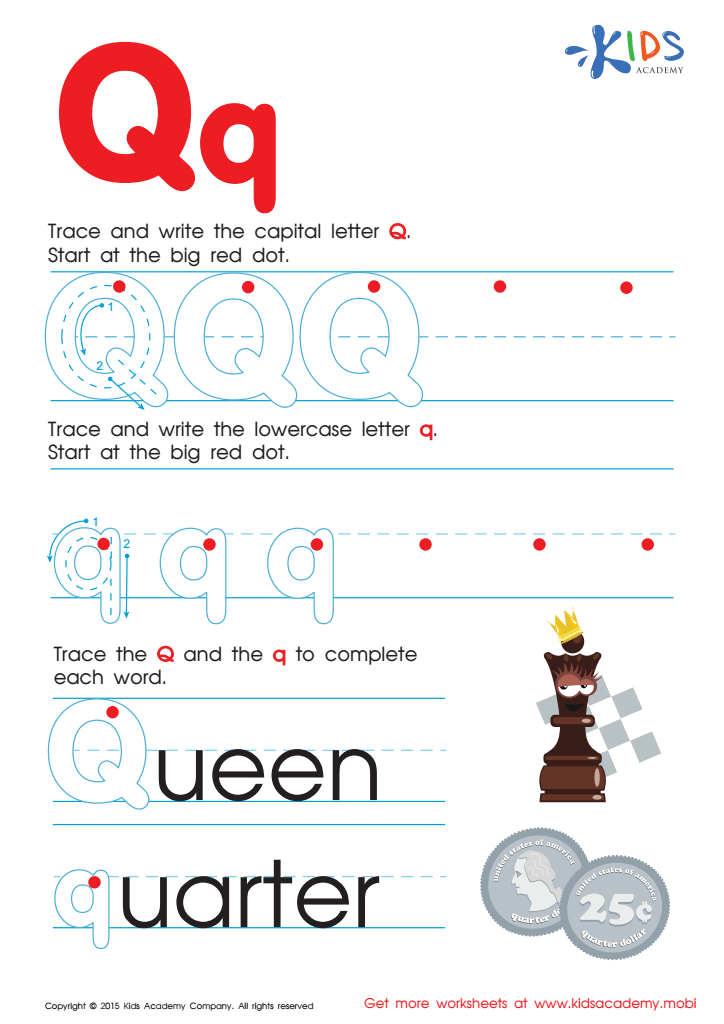
Letter Q Tracing Page
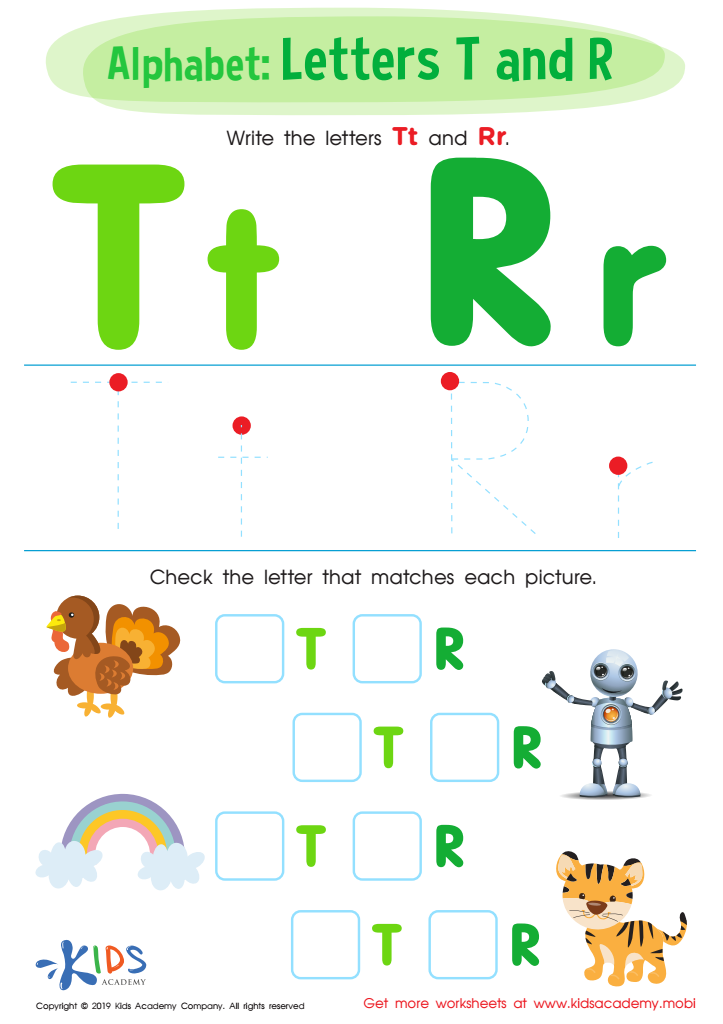
Letters T and R Worksheet
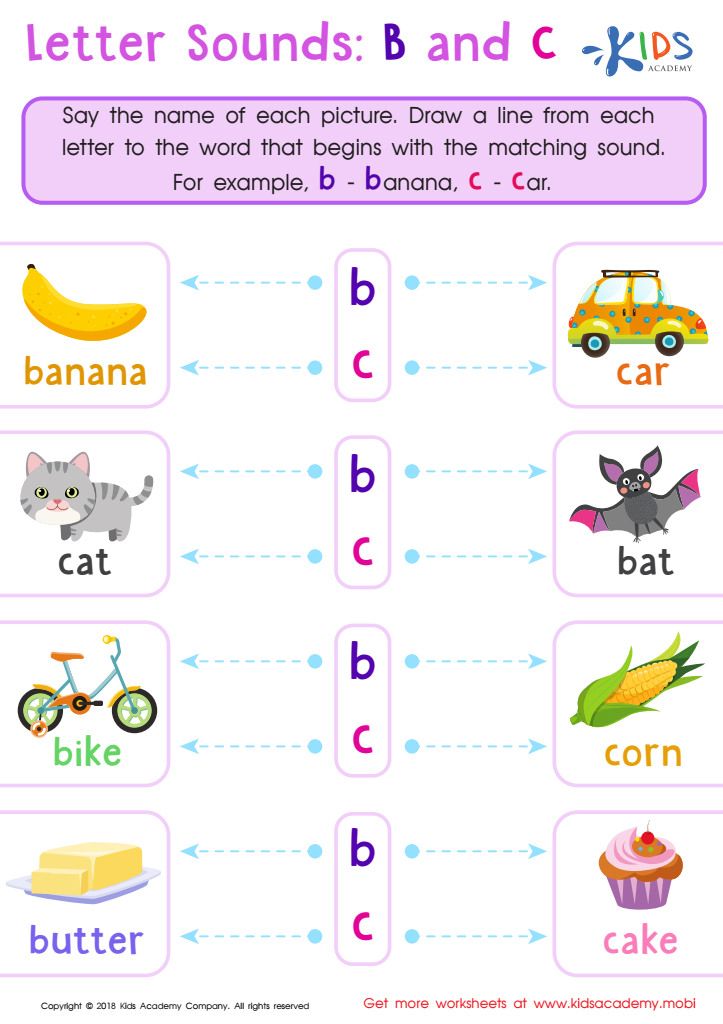
Letter B and C Sounds Worksheet
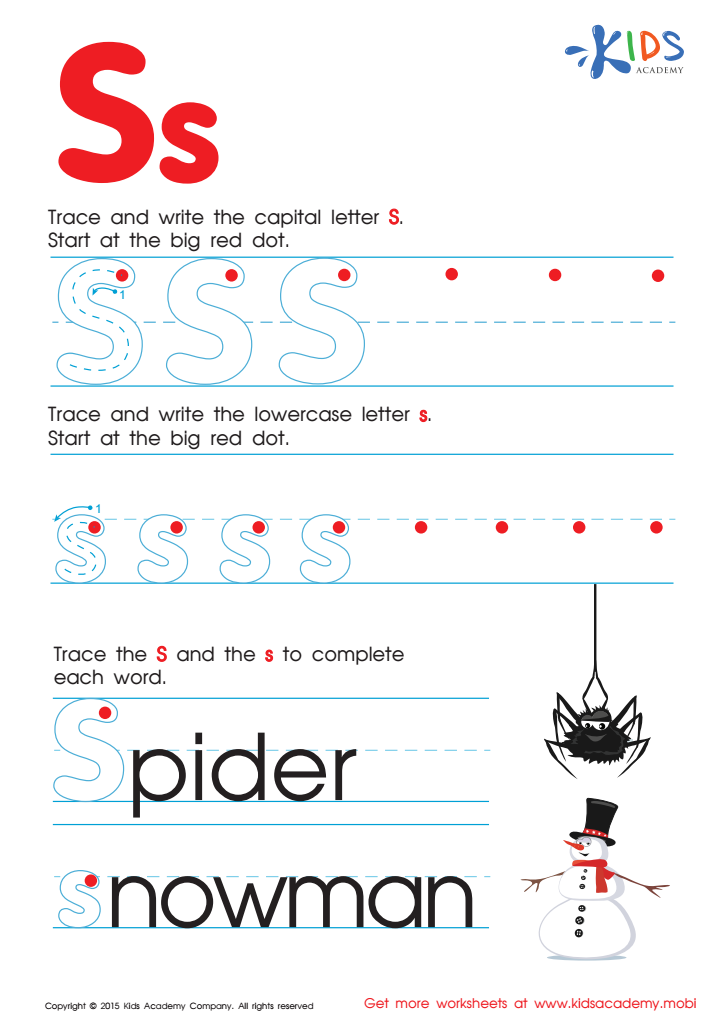
Letter S Tracing Page
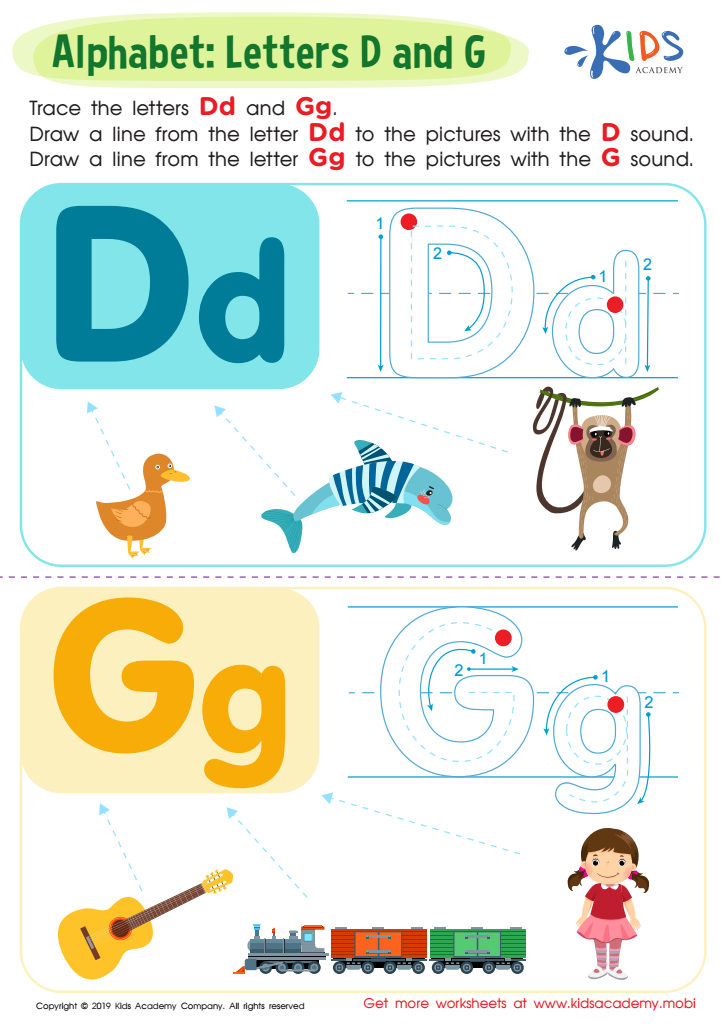
Letter D and G Tracing Worksheet
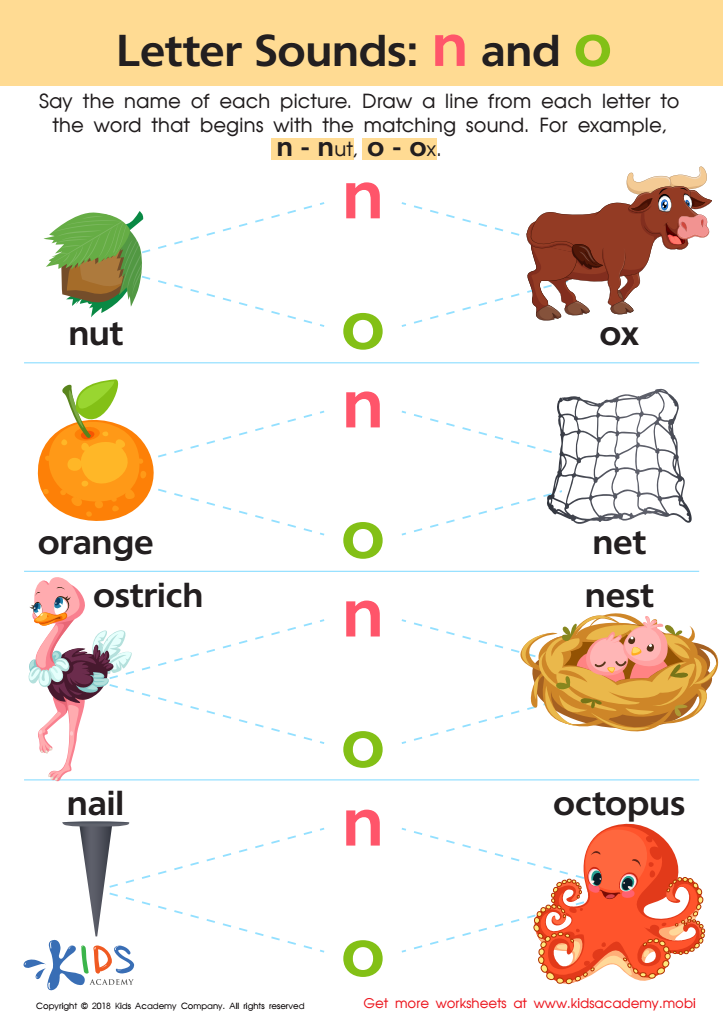
Letter N and O Sounds Worksheet
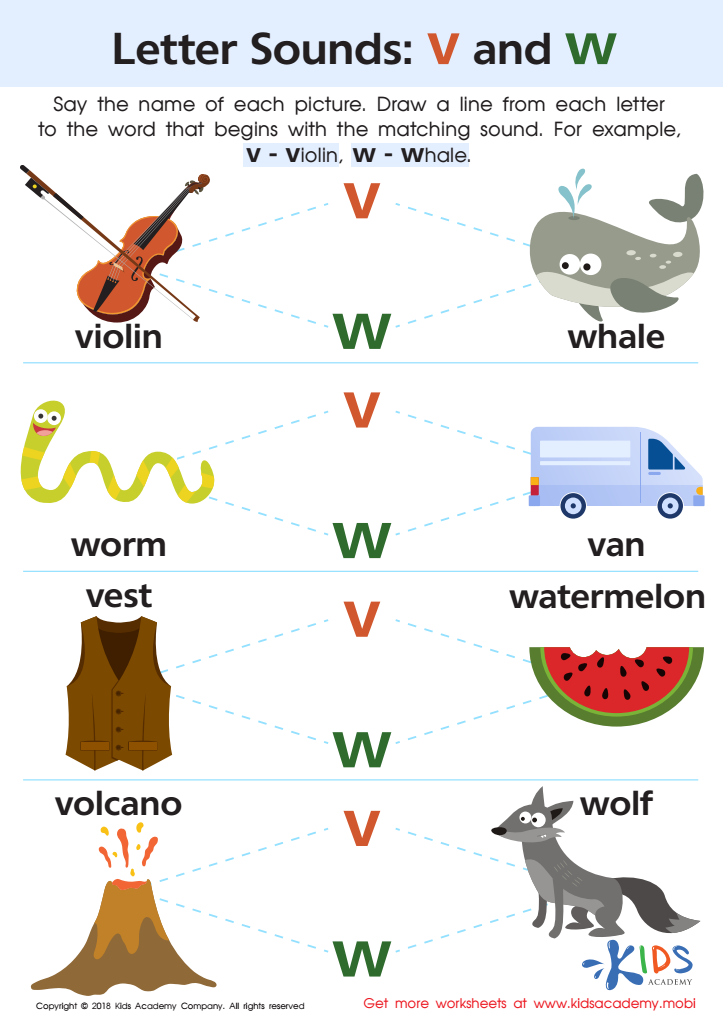
Letter V and W Sounds Worksheet
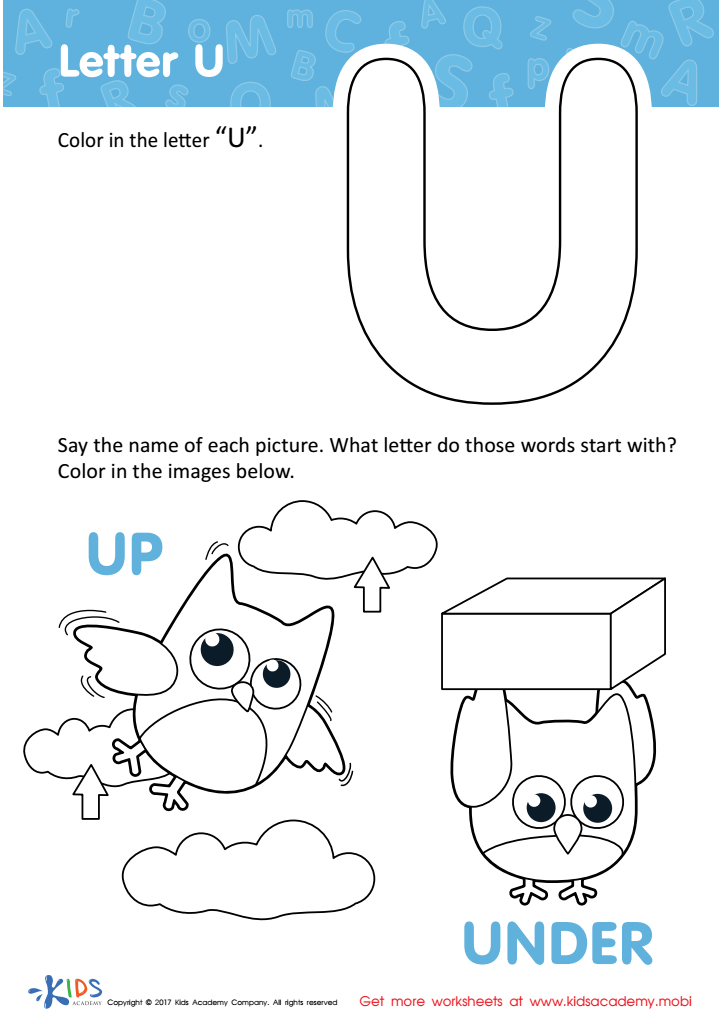
Letter U Coloring Sheet
Assign to My Students
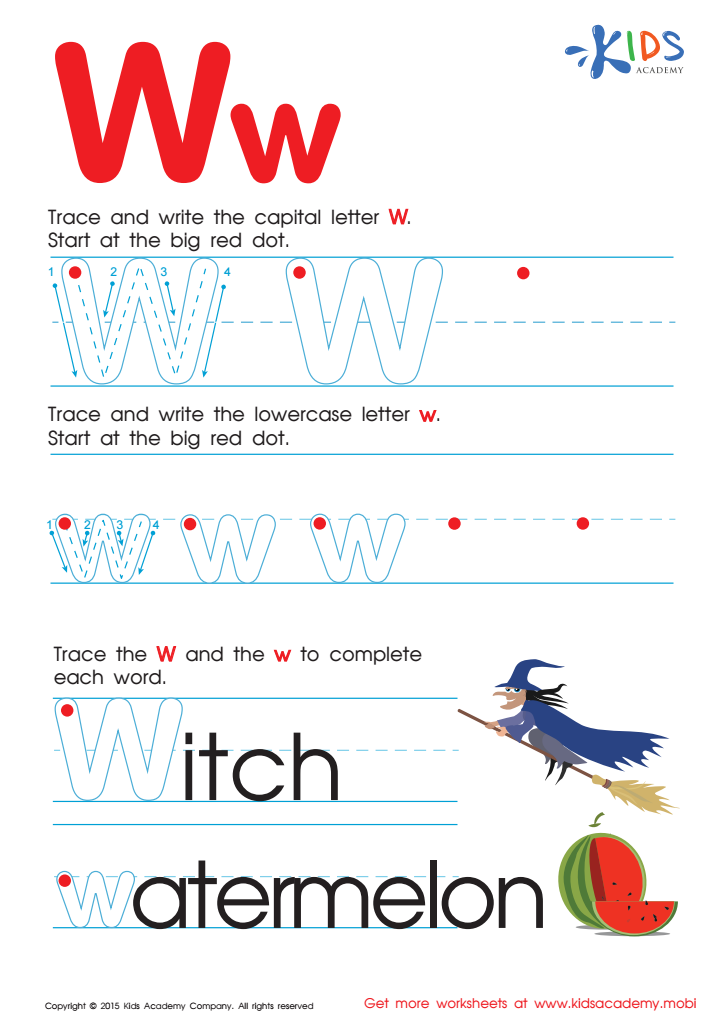
Letter W Tracing Page

Letter H Tracing Page
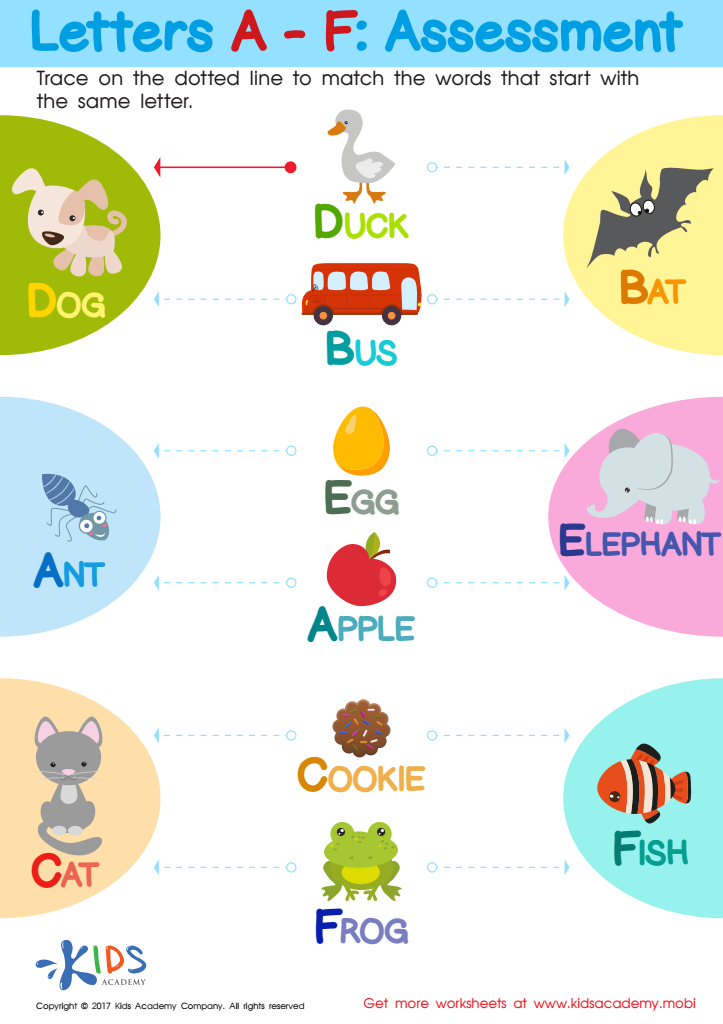
Letters A - F Worksheet
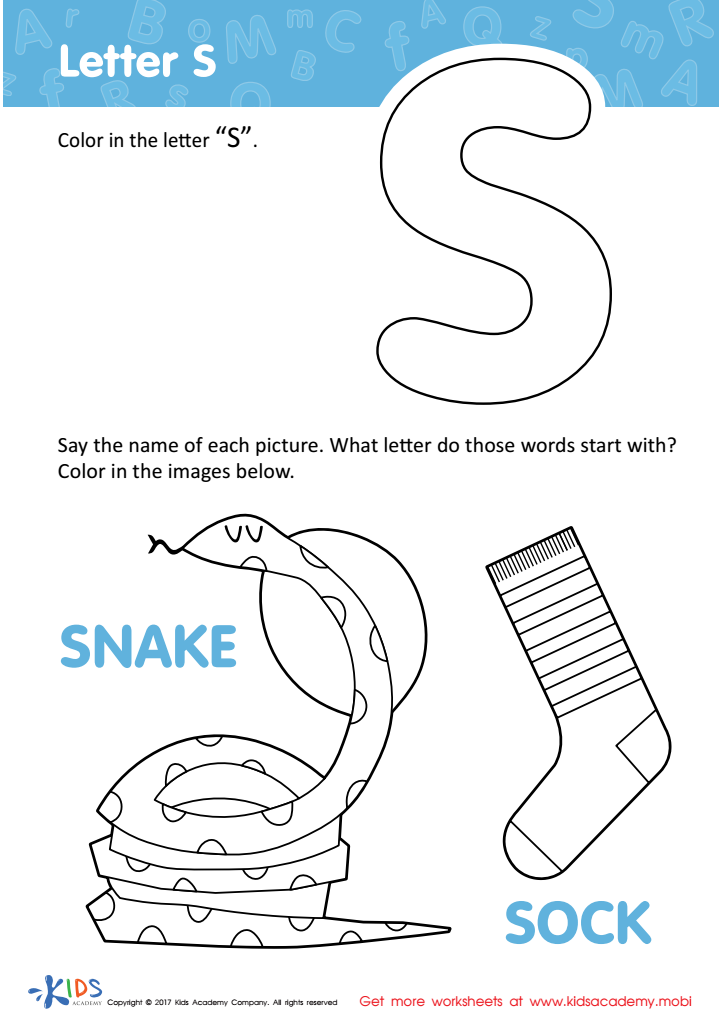
Letter S Coloring Sheet
Assign to My Students
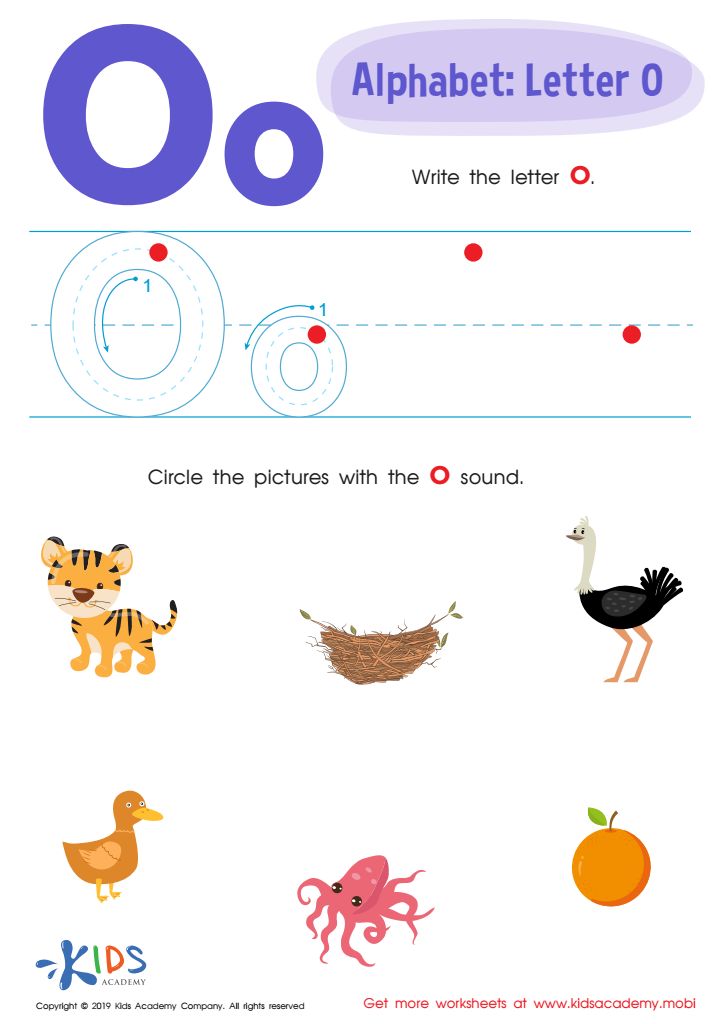
Letter O Tracing Worksheet
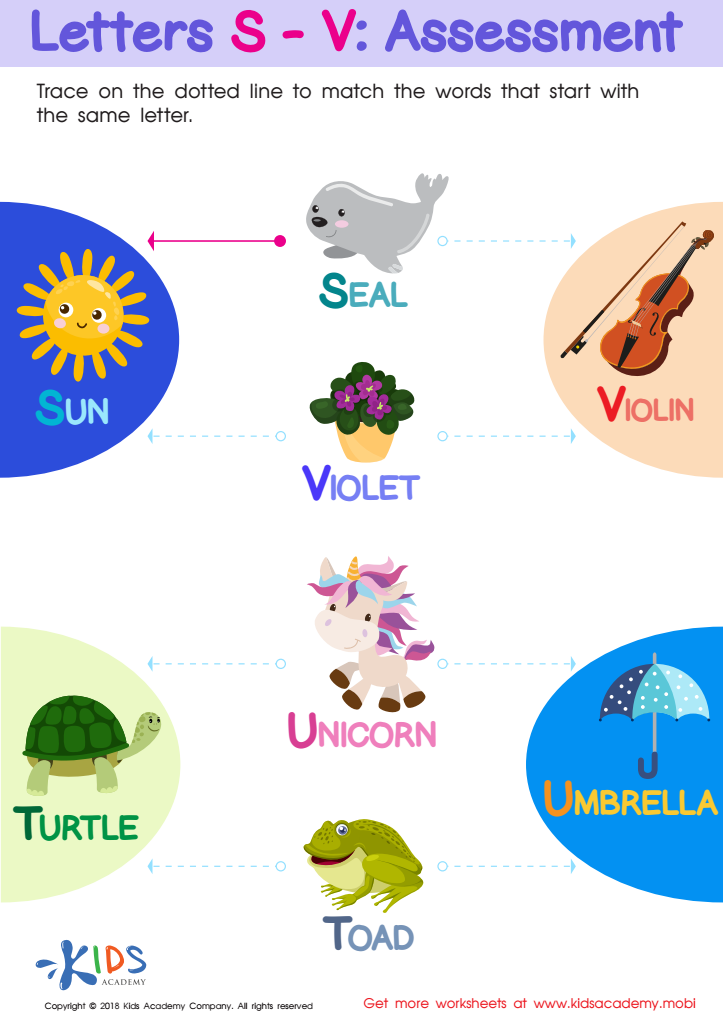
Letters S - V Tracing Worksheet
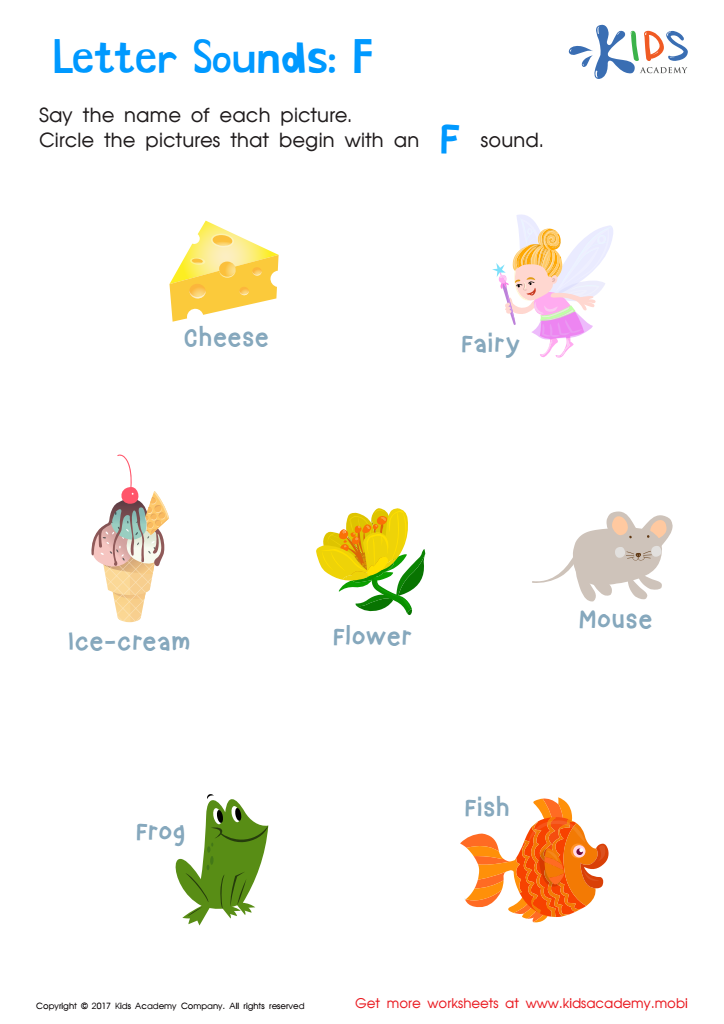
Letter F Sounds Worksheet








Letter recognition is a foundational skill in early childhood literacy that significantly sets the stage for a child's future academic success. At the age of 3, children are curious and eager to learn, making it an ideal time to introduce them to letters. Recognizing letters helps children understand the relationship between sounds and symbols, which is crucial for reading and writing later on.
Additionally, learning letter recognition enhances vocabulary development and reading comprehension skills. When children can identify letters, they become more aware of words and phrases in their environment, promoting language use and conversation skills. This literacy foundation also supports fine motor skills, as many letter-learning activities involve writing or drawing.
For parents and teachers, engaging 3-year-olds in fun letter recognition activities fosters a love for learning and boosts confidence. This positive early exposure to letters reduces anxiety towards reading as they progress in school. Ultimately, emphasizing letter recognition cultivates essential skills that lead to lifelong learning and academic achievement, well beyond the preschool years. Encouraging letter recognition not only enhances cognitive development but also strengthens the bond between caregivers and children through shared interactive learning experiences.








