Letter-sound association Worksheets for 3-Year-Olds
7 filtered results
-
From - To
Enhance your 3-year-old's early literacy skills with our engaging Letter-Sound Association Worksheets! Designed specifically for young learners, these worksheets make learning letters and their corresponding sounds fun and interactive. Your child will enjoy colorful activities that promote recognition of letters in various contexts. From matching letters to their sounds to playful illustrations, these resources help build essential phonemic awareness. Our worksheets foster a solid foundation for reading readiness, ensuring your little one develops confidence and creativity while learning. Perfect for home or classroom use, these worksheets are an excellent tool for parents and educators dedicated to early childhood education success!
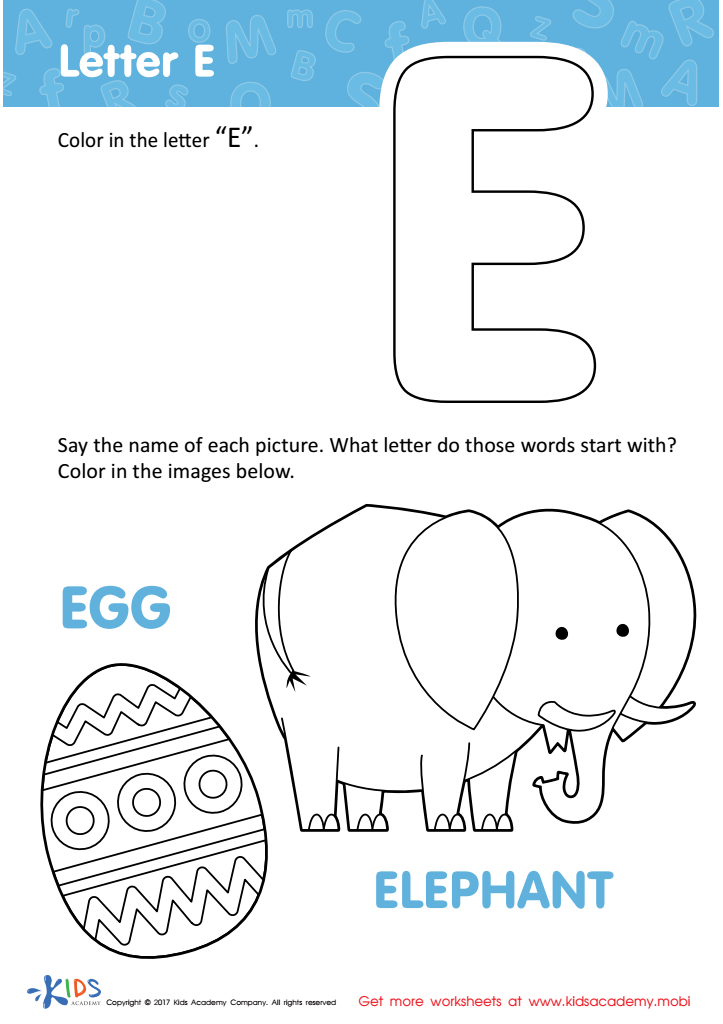
Letter E Coloring Sheet
 Assign to My Students
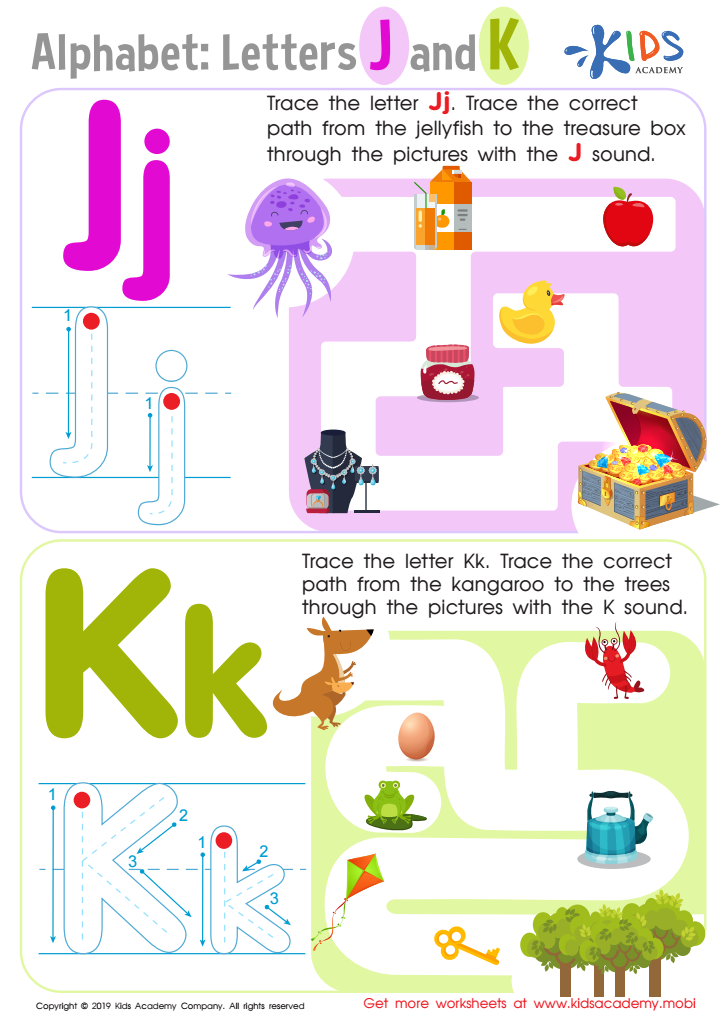
Letters J and K Tracing Worksheet
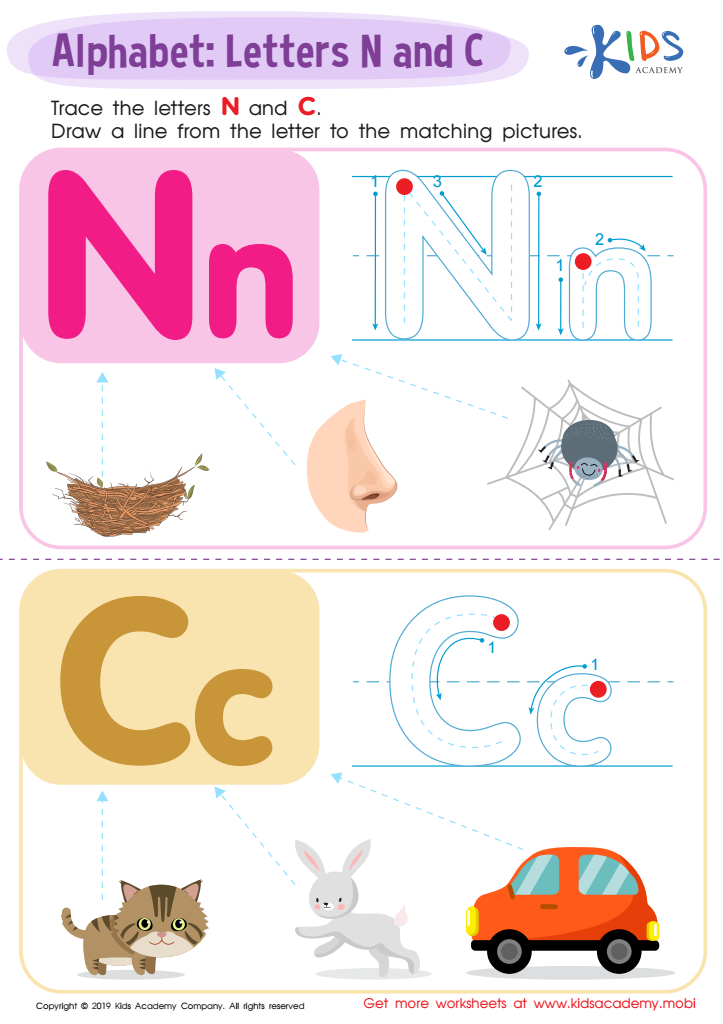
Letter N and C Tracing Worksheet
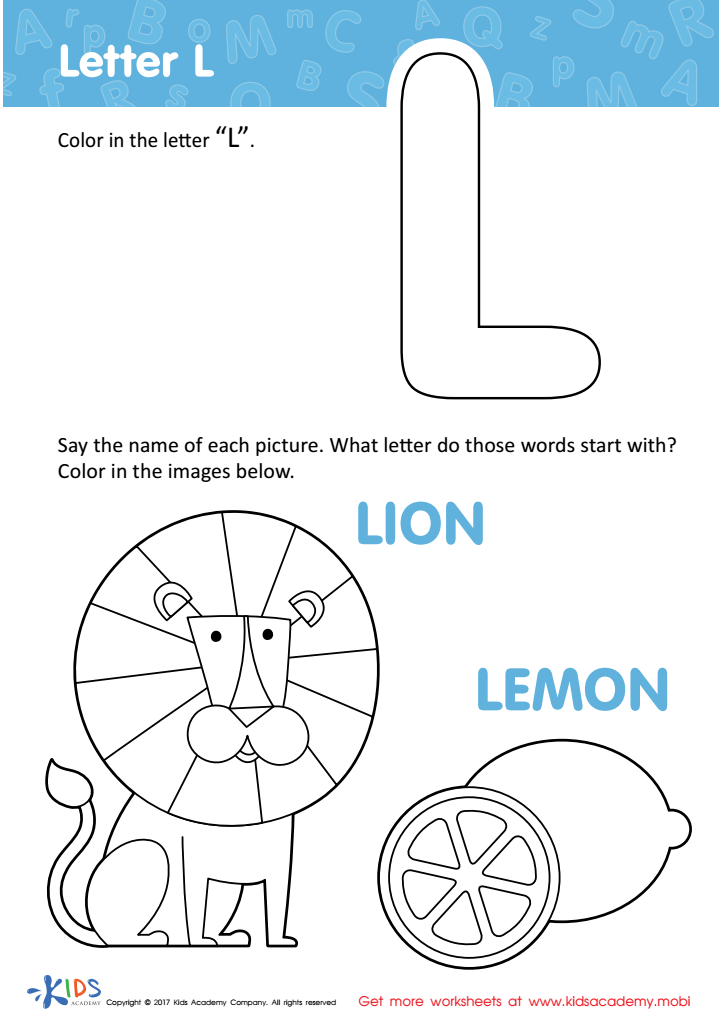
Letter L Coloring Sheet
Assign to My Students
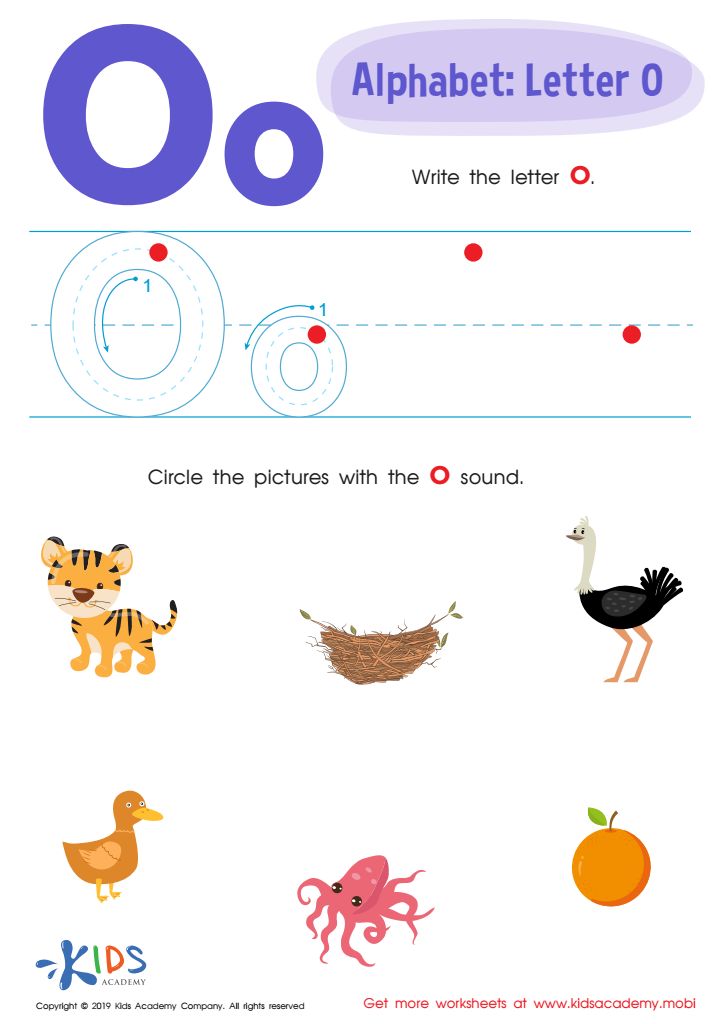
Letter O Tracing Worksheet
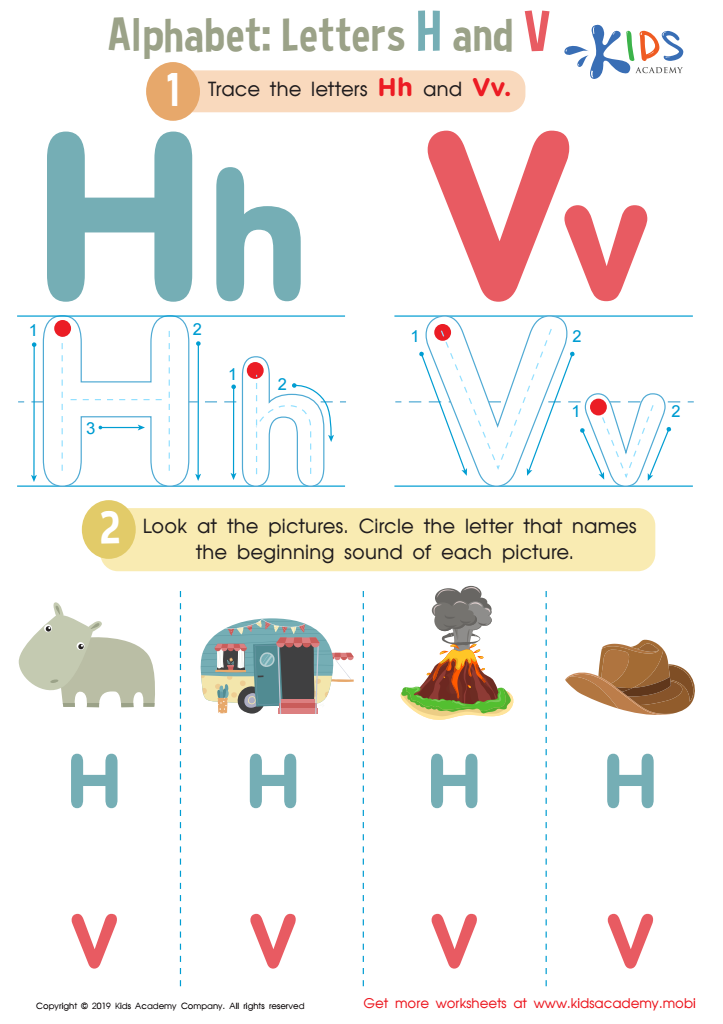
Letters H and V Tracing Worksheet
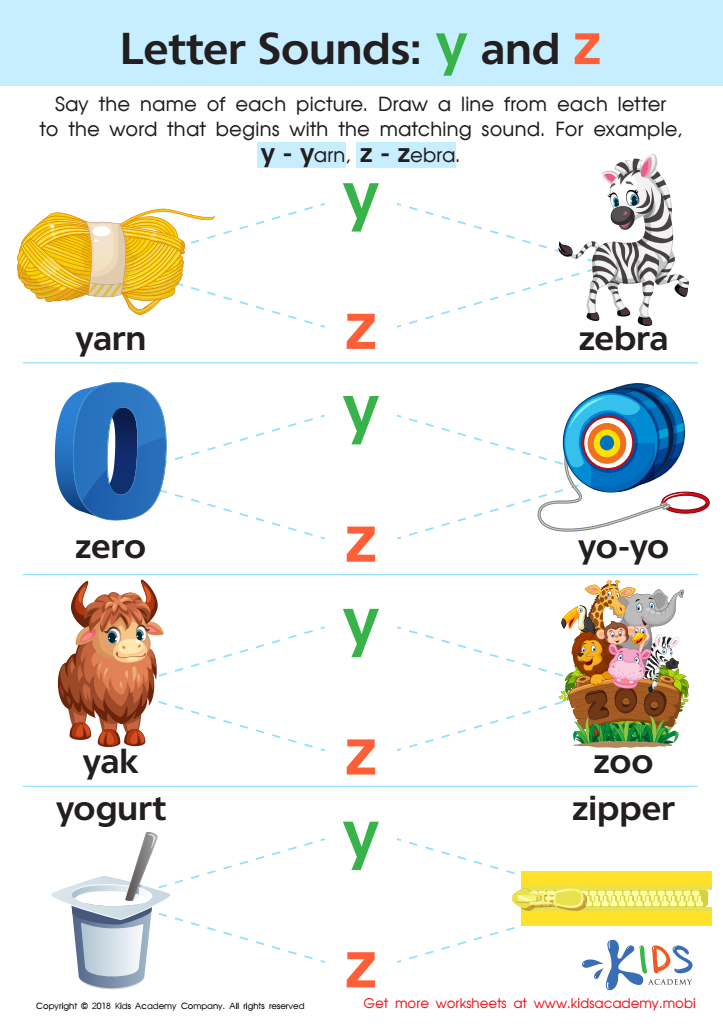
Letter Y and Z Sounds Worksheet







Letter-sound association is a critical building block for early literacy development, making it essential for parents and teachers to emphasize its importance for 3-year-olds. At this age, children are naturally exploring their language environment and beginning to recognize letters and sounds. By fostering letter-sound associations, we help them decode words, which is fundamental for reading success later on.
Caring about letter-sound associations can lead to enhanced vocabulary development, as children learn to link sounds with their corresponding letters, facilitating word recognition and pronunciation. This foundational skill also builds phonemic awareness—the ability to hear, identify, and manipulate sounds in spoken words, crucial for spelling and reading proficiency.
Additionally, introducing letter-sound associations early can ignite a love for reading and learning. Engaging activities, like singing songs, interactive games, and storytelling, can make this learning enjoyable. When parents and teachers actively encourage exploration of letters and sounds, they empower children to become confident learners and readers.
Overall, prioritizing letter-sound association lays the groundwork for educational success. By nurturing these skills at an early age, caregivers support children’s cognitive development, leading to improved literacy outcomes and a lifelong love of learning.








