Spelling practice Worksheets for 3-Year-Olds - Page 2
33 filtered results
-
From - To
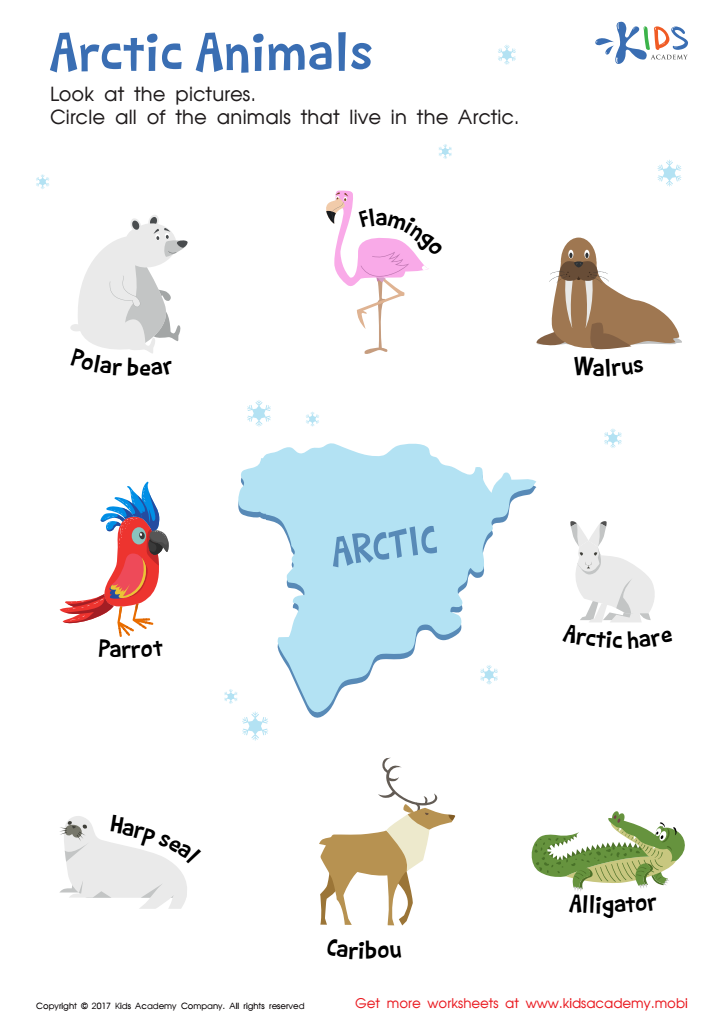
Arctic Animals Worksheet
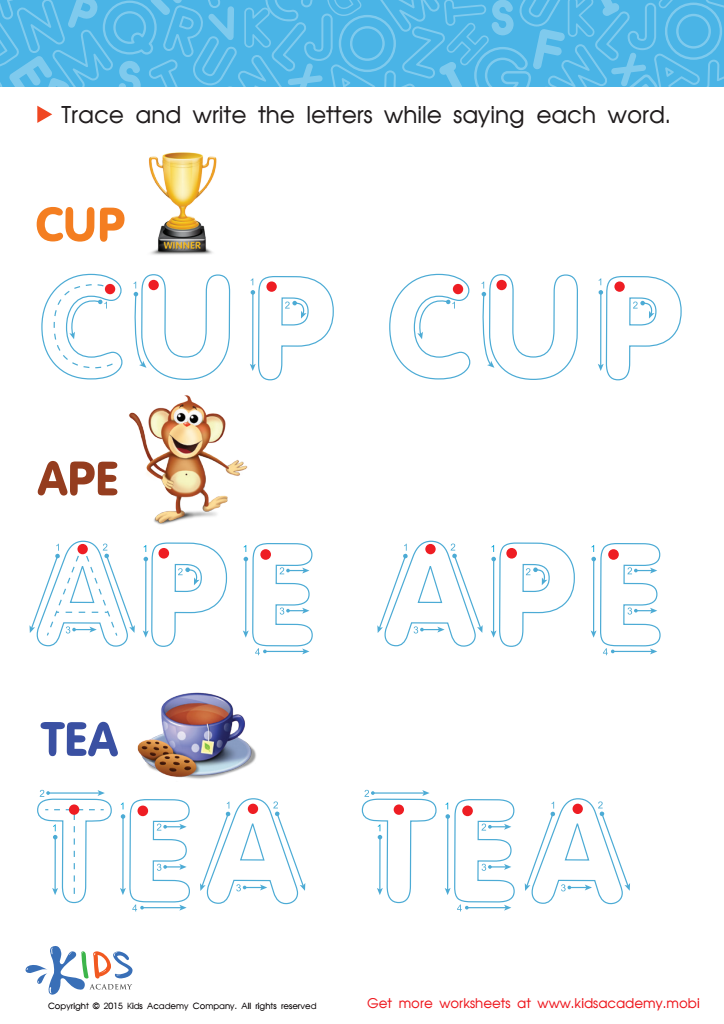
A Cup, an Ape and Tea Spelling Worksheet
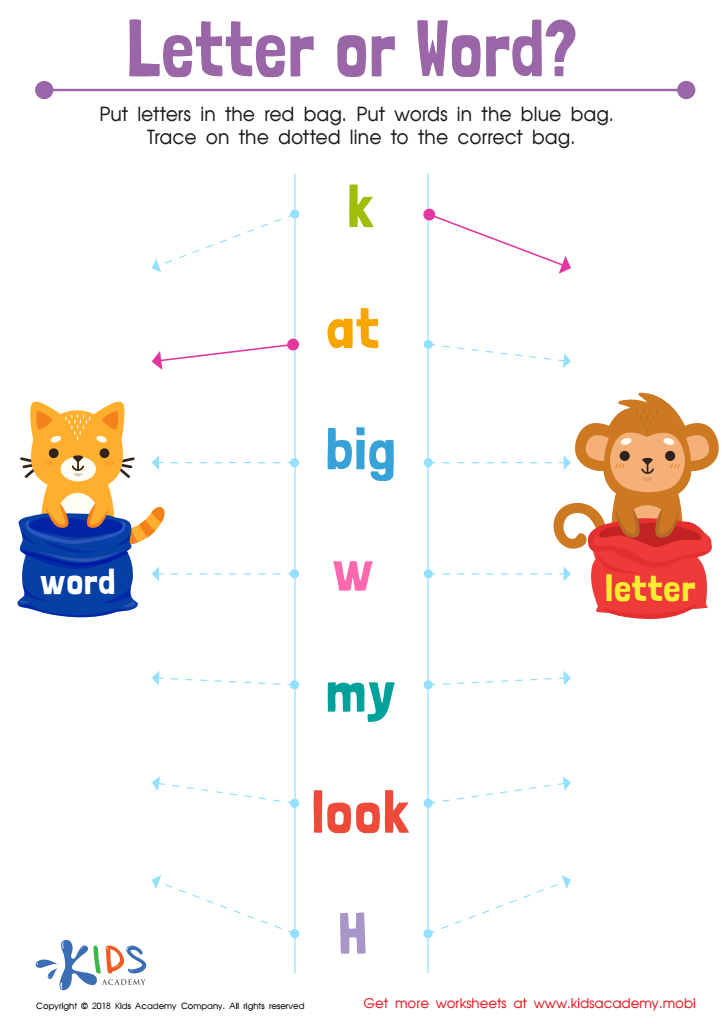
Letter or Word? Worksheet
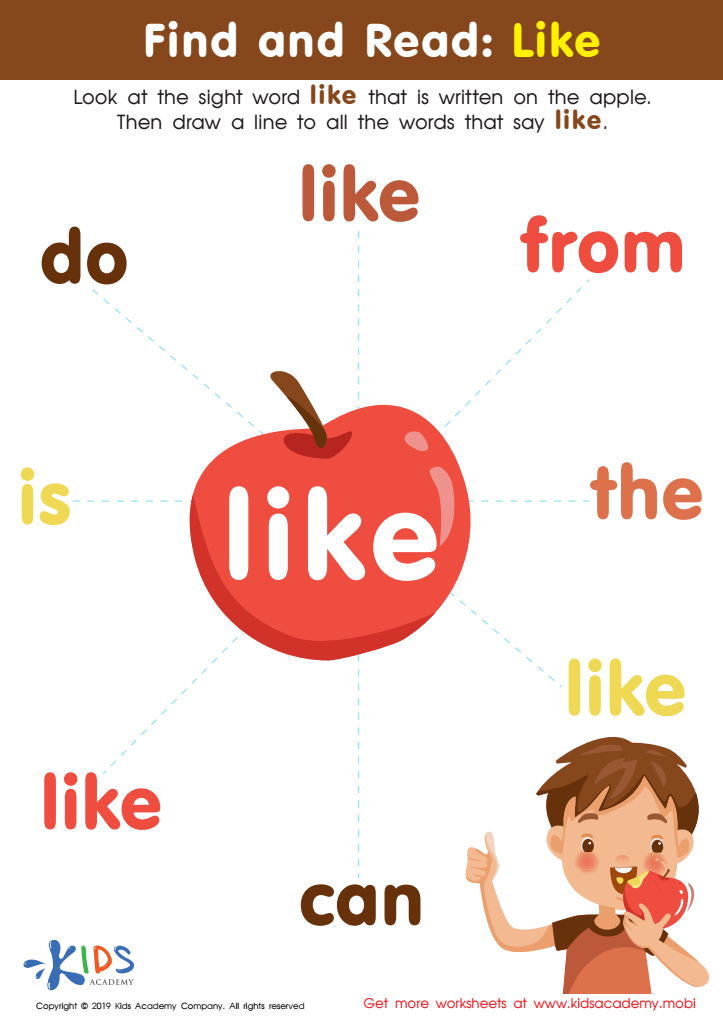
Find and Read: Like Worksheet
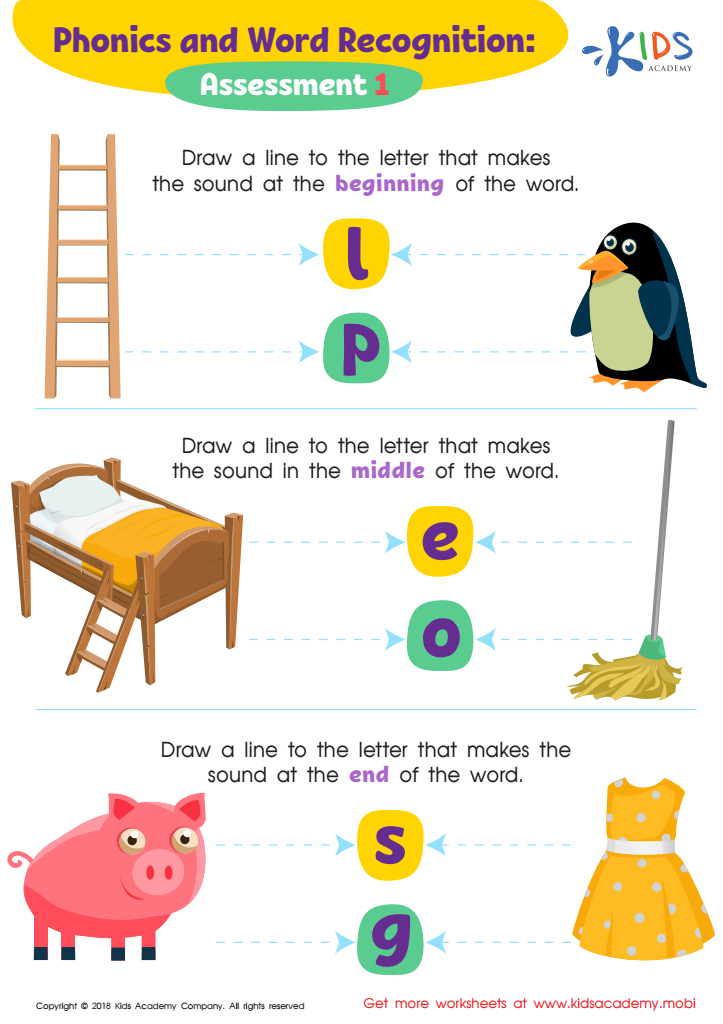
Phonics and Word Recognition: Assessment 1 ELA Worksheet
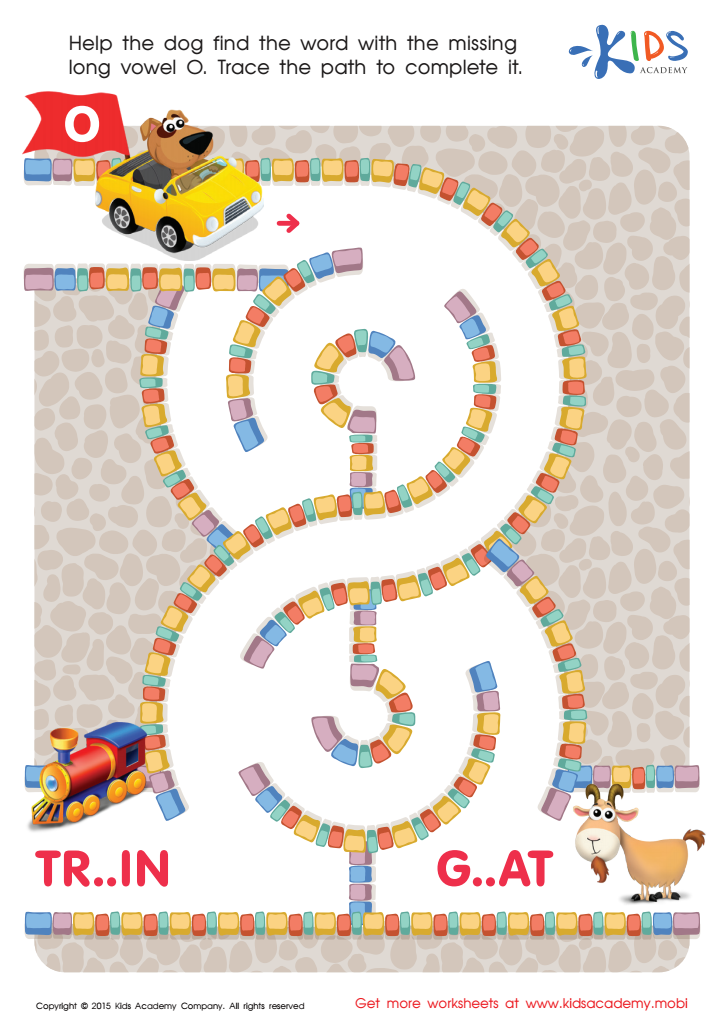
Long Vowel Sound O Worksheet
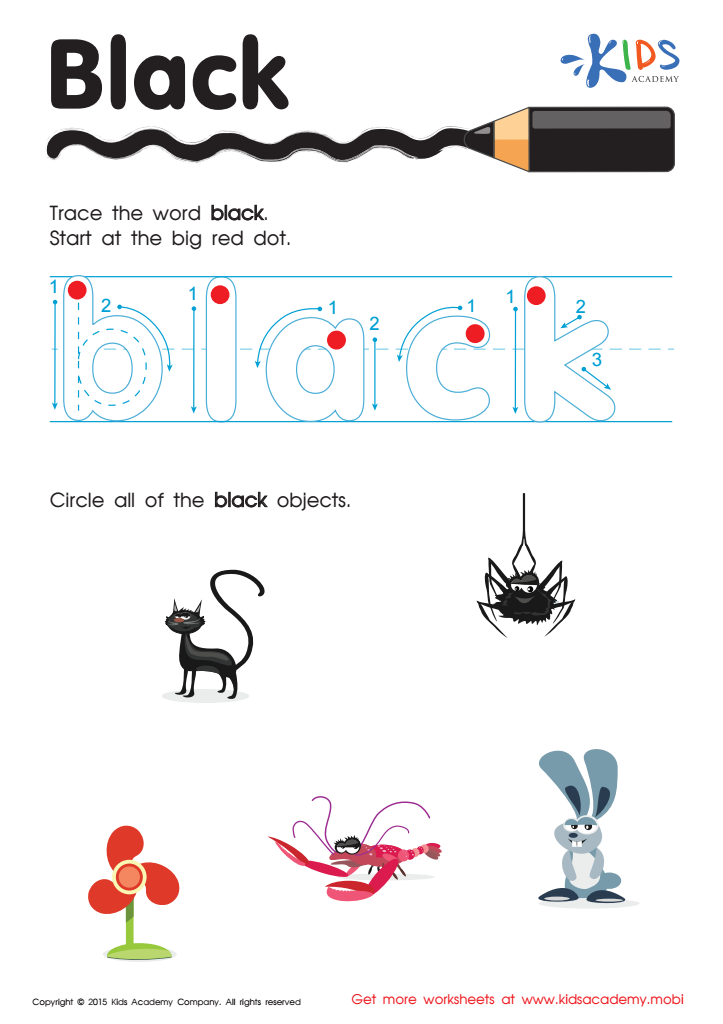
Black Tracing Color Words Printable
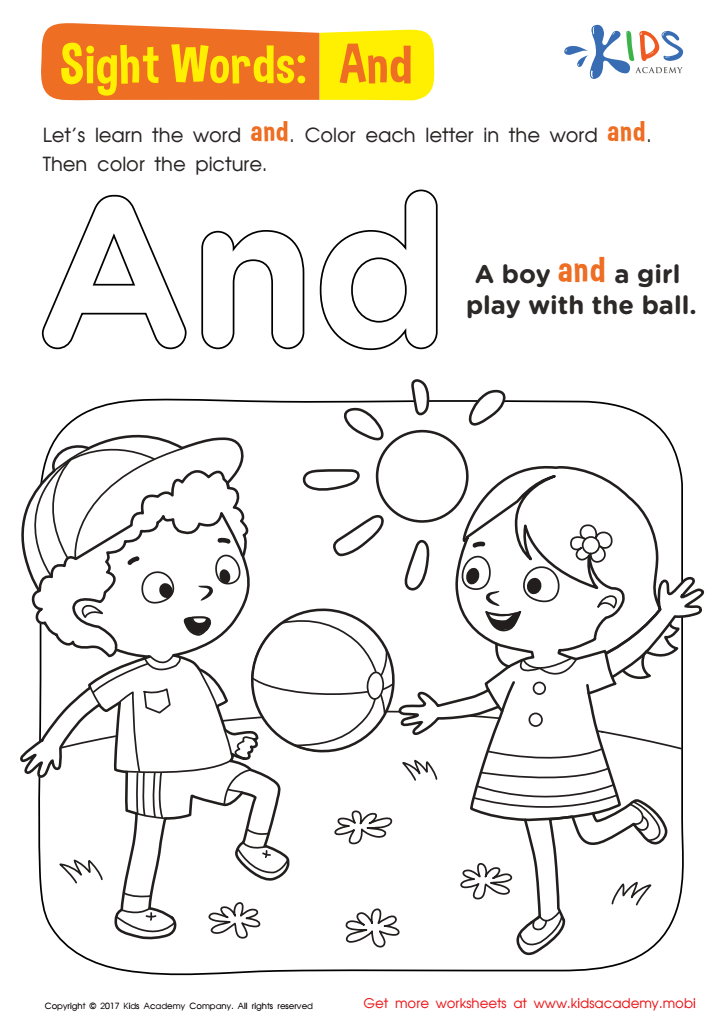
And Worksheet Sight Words Worksheet
 Assign to My Students
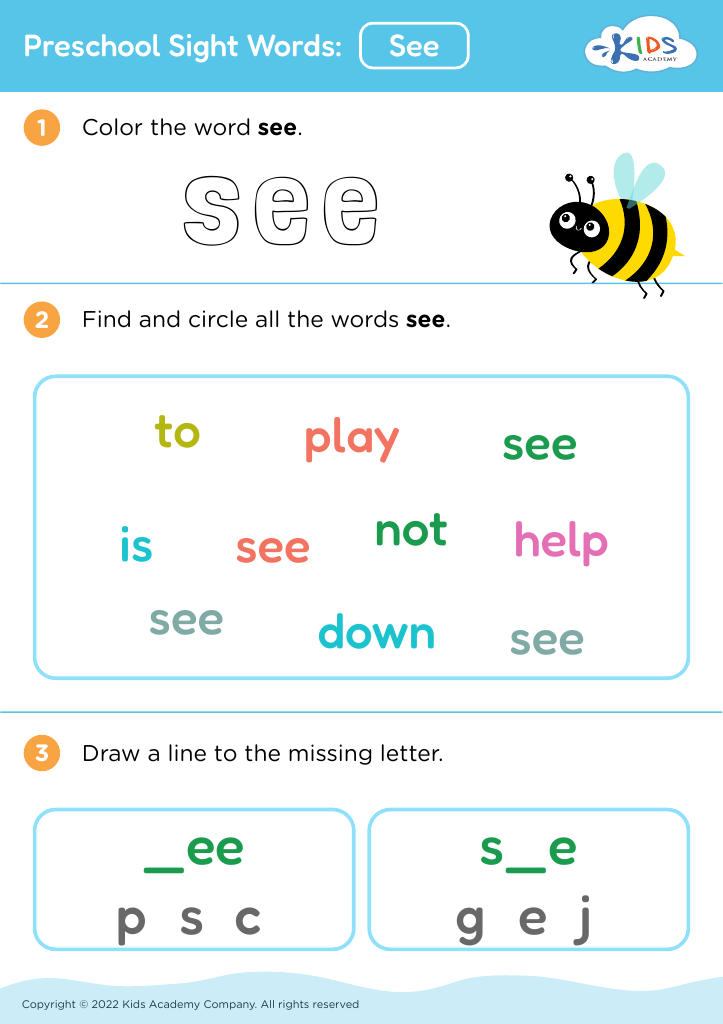






Spelling practice for 3-year-olds lays a crucial foundation for literacy development. At this stage, children are in a critical period for language acquisition, and engaging them in spelling activities helps strengthen their phonemic awareness—the ability to hear, identify, and manipulate sounds in words. This skill is essential for tackling reading and writing later on.
When parents and teachers introduce simple spelling activities, such as letter recognition games and sound matching, they create a playful learning environment. These activities not only enhance vocabulary but also promote fine motor skills as children learn to write letters. Consistent practice helps build a sense of achievement and boosts self-confidence.
Moreover, spelling practice aligns with early learning standards and reading readiness. It involves memorization and pattern recognition, skills that are transferable to math and other learning areas. Early spelling can foster a love for learning, making children more eager and curious about language.
By prioritizing spelling in everyday activities, parents and teachers can nurture a lifelong appreciation for reading and writing, setting children on the path to academic success. Involvement in these early learning experiences emphasizes the importance of literacy, shaping well-rounded individuals ready to engage with the world.








