
Understanding quantity Worksheets for 3-Year-Olds
23 filtered results
Difficulty Level
Grade
Age
-
From - To
Subject
Activity
Standards
Our "Understanding Quantity Worksheets for 3-Year-Olds" are expertly designed to help young children grasp basic math concepts in a fun, engaging way. Through colorful illustrations and interactive activities, these worksheets introduce counting, number recognition, and simple comparisons. Kids will practice identifying more or fewer, matching quantities, and understanding the concept of quantity using everyday objects. Perfect for preschool learning, these resources build a solid foundation for future math skills while making learning enjoyable and accessible. Foster your child's curiosity and early mathematical abilities with our developmental, age-appropriate worksheets.
Favorites
With answer key
Interactive
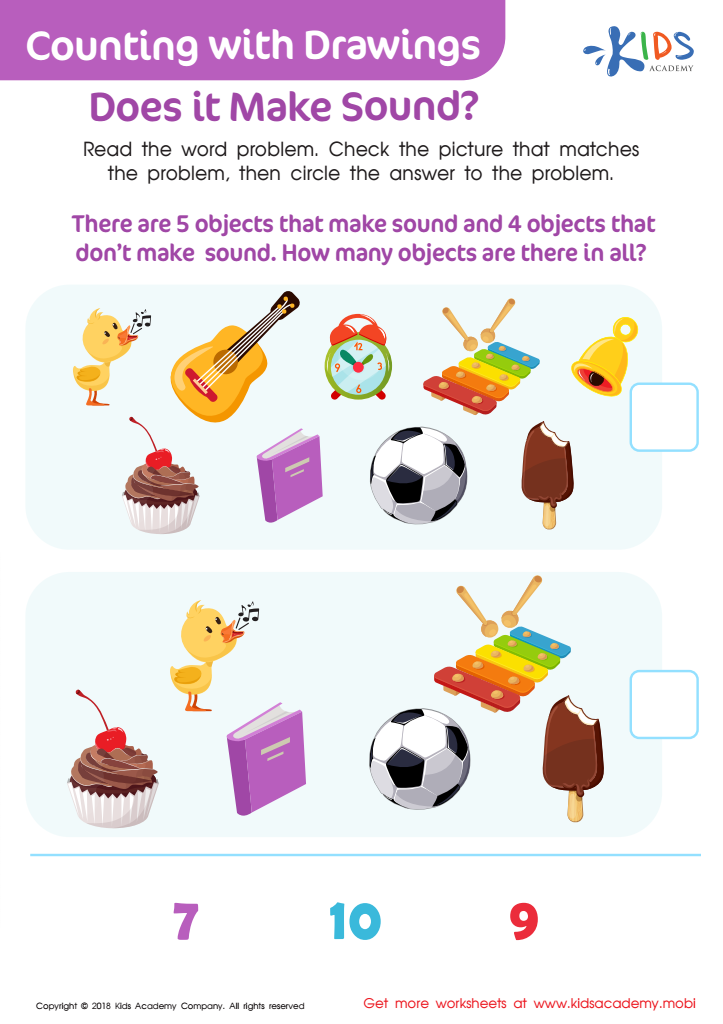
Counting With Drawings. Does It Make Sound? Worksheet
Introduce word problems with this simple worksheet. Ask your students to name the objects pictured, then read the word problem and ask them to circle the answer. With practice, it'll help them scale this challenging area of math.
 Assign to My Students
Counting With Drawings. Does It Make Sound? Worksheet
Worksheet
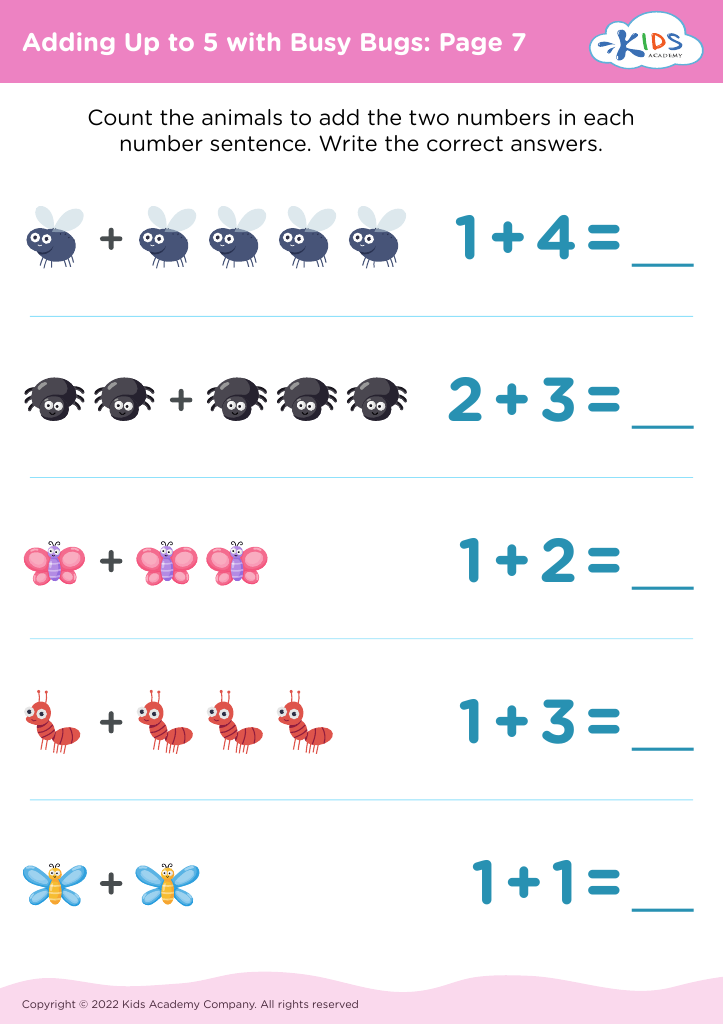
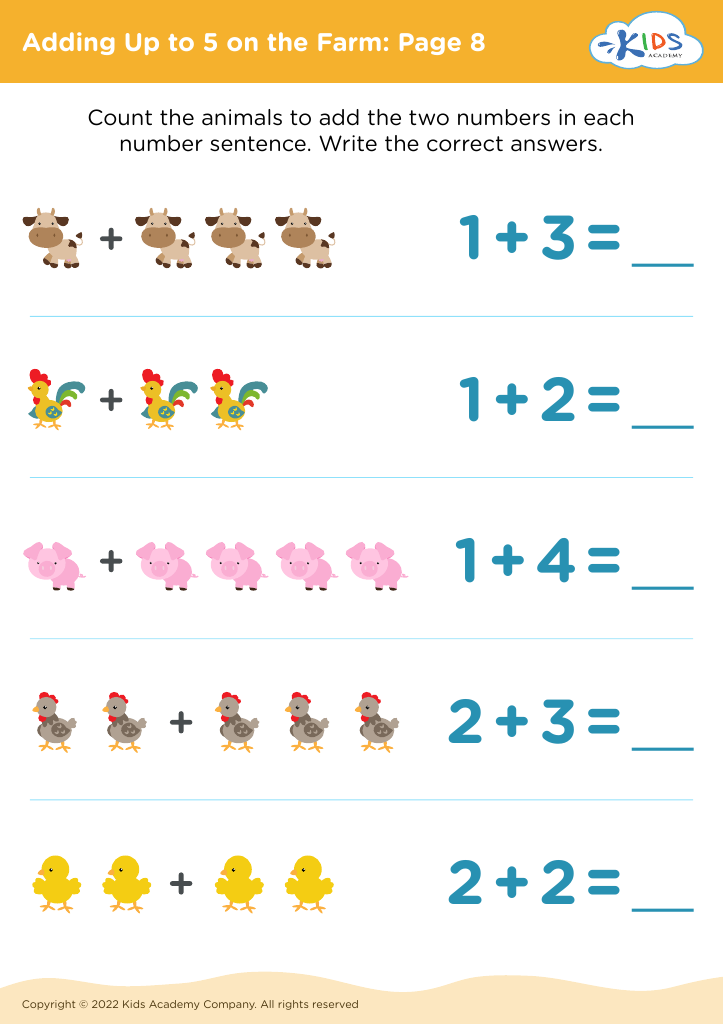
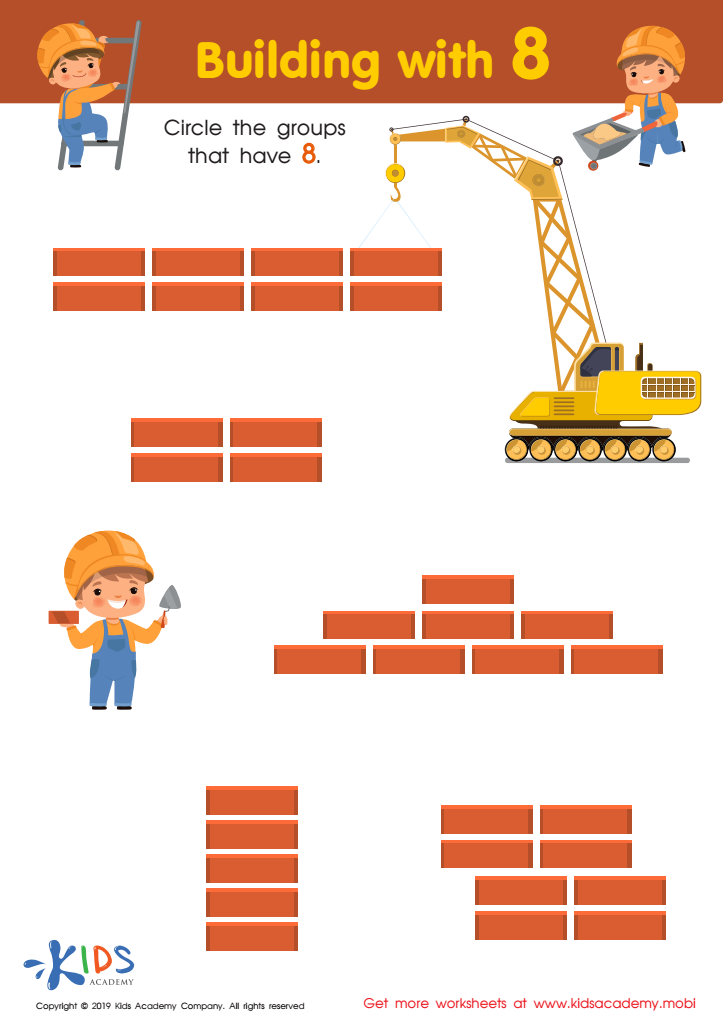
Building with 8 Worksheet
Your child can learn more with this simple exercise! Get them counting and help them circle the groups of 8 bricks. It's a great addition to their post-school lessons, supporting their counting skills. Plus, it's a fun way to learn!
Building with 8 Worksheet
Worksheet
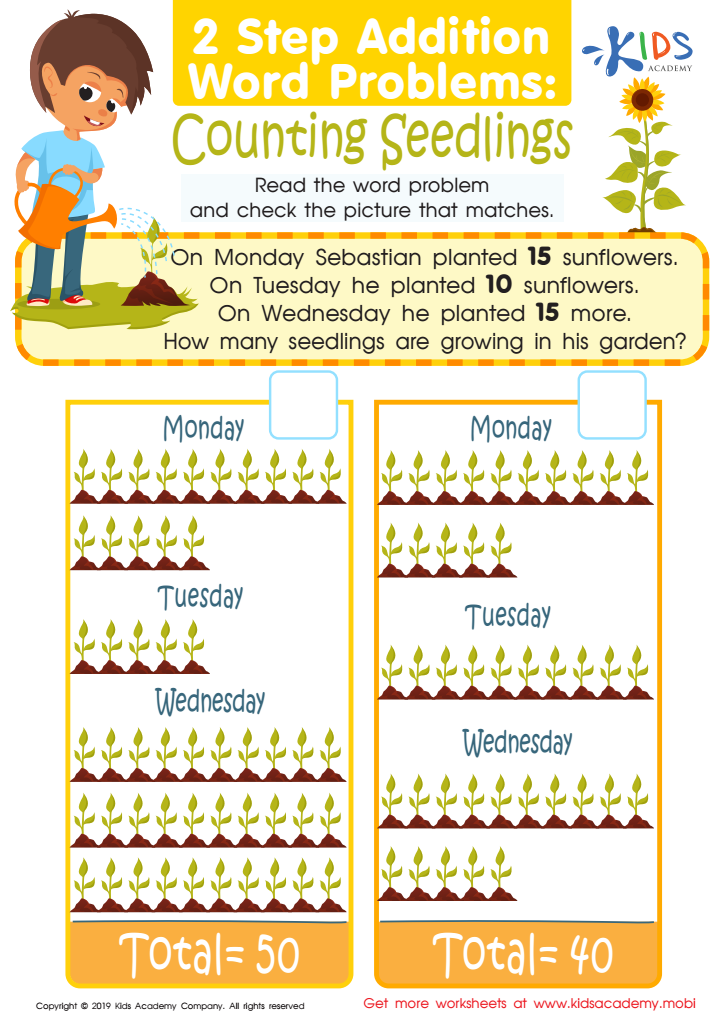
Counting Seedlings Worksheet
Understanding math word problems is key. Multiple steps can prove challenging - this free worksheet provides one-to-one picture representation to help kids solve multi-step addition word problems. Strengthen addition skills by choosing the matching picture to the answer.
Counting Seedlings Worksheet
Worksheet
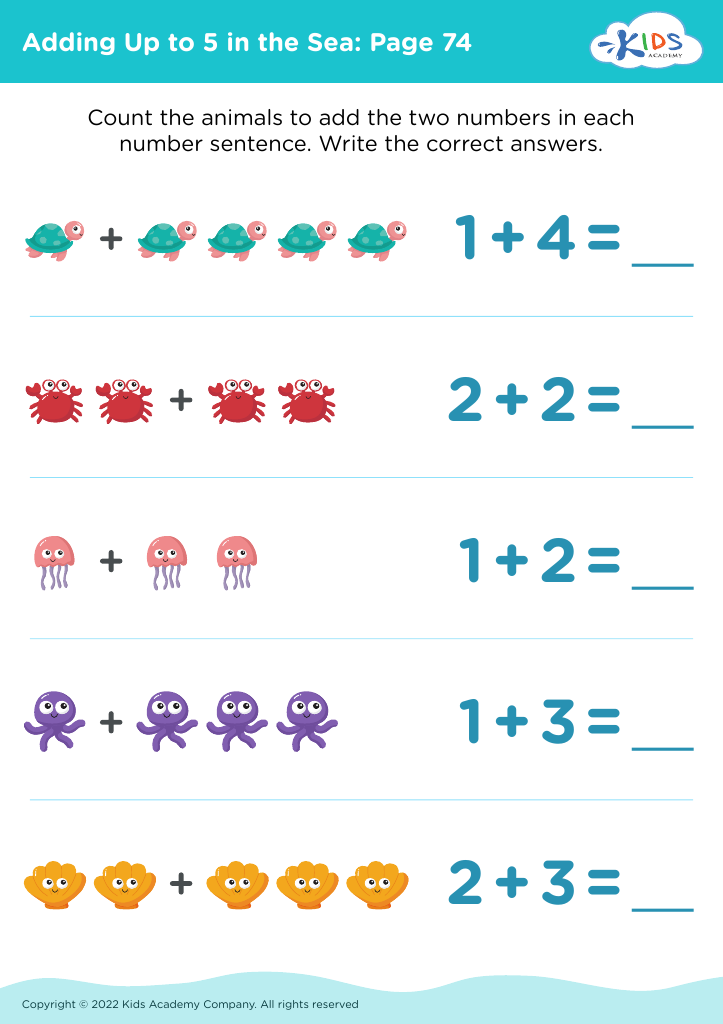
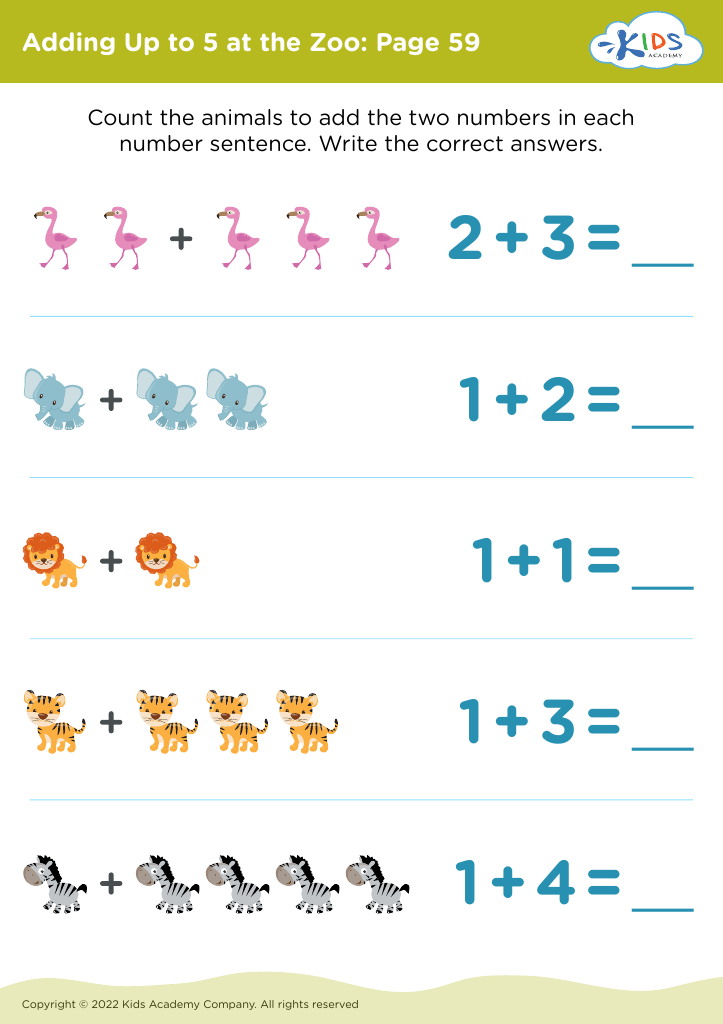
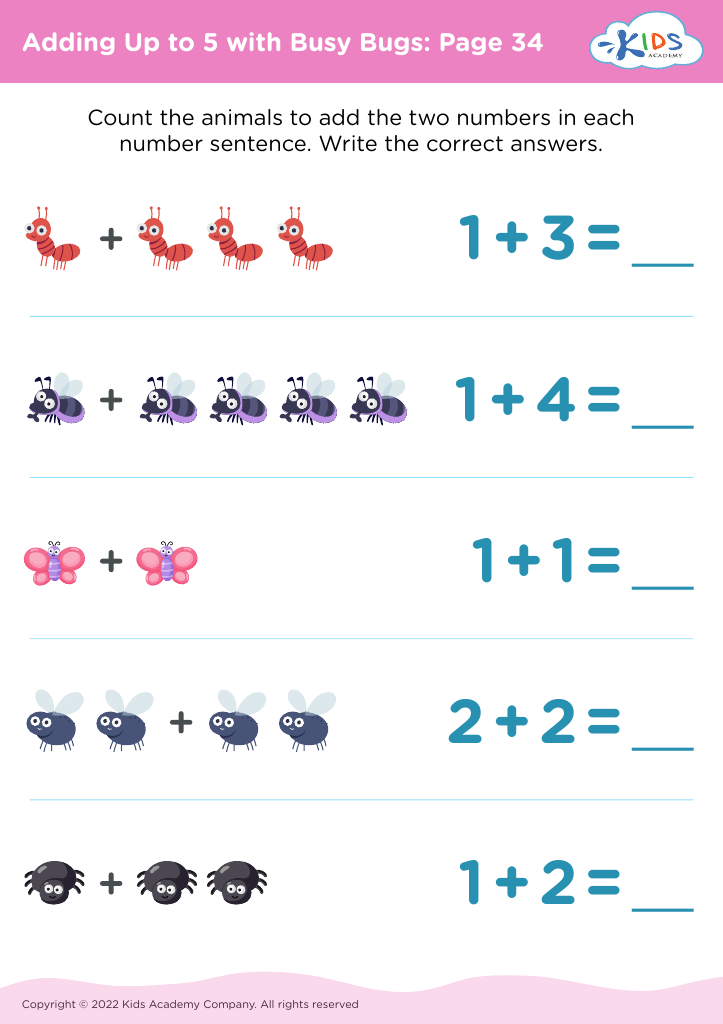
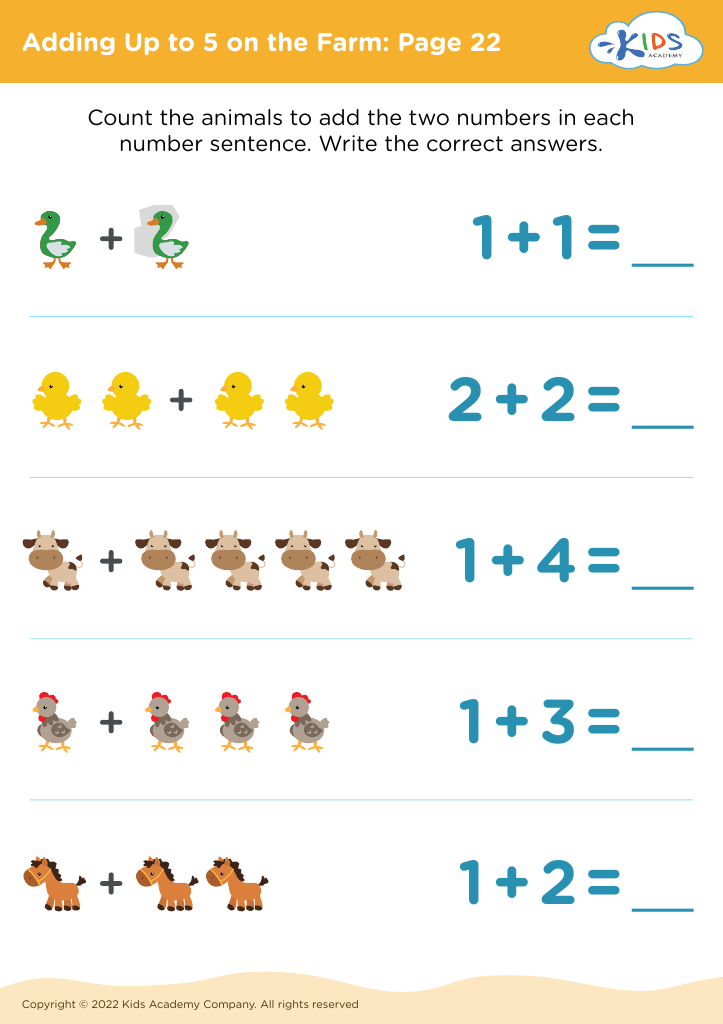
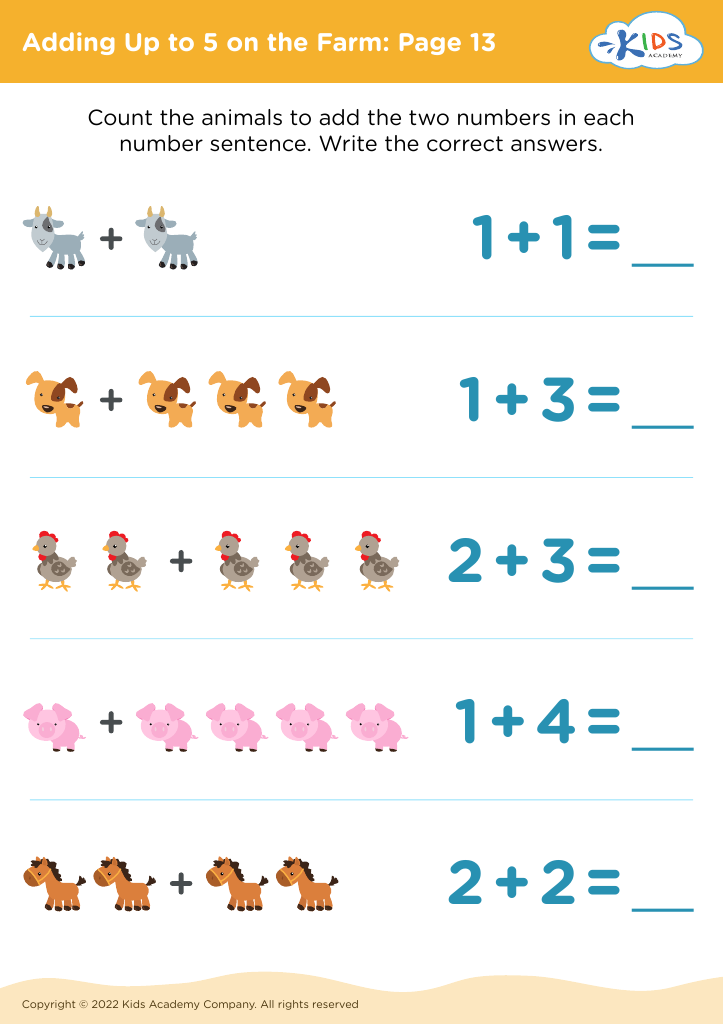
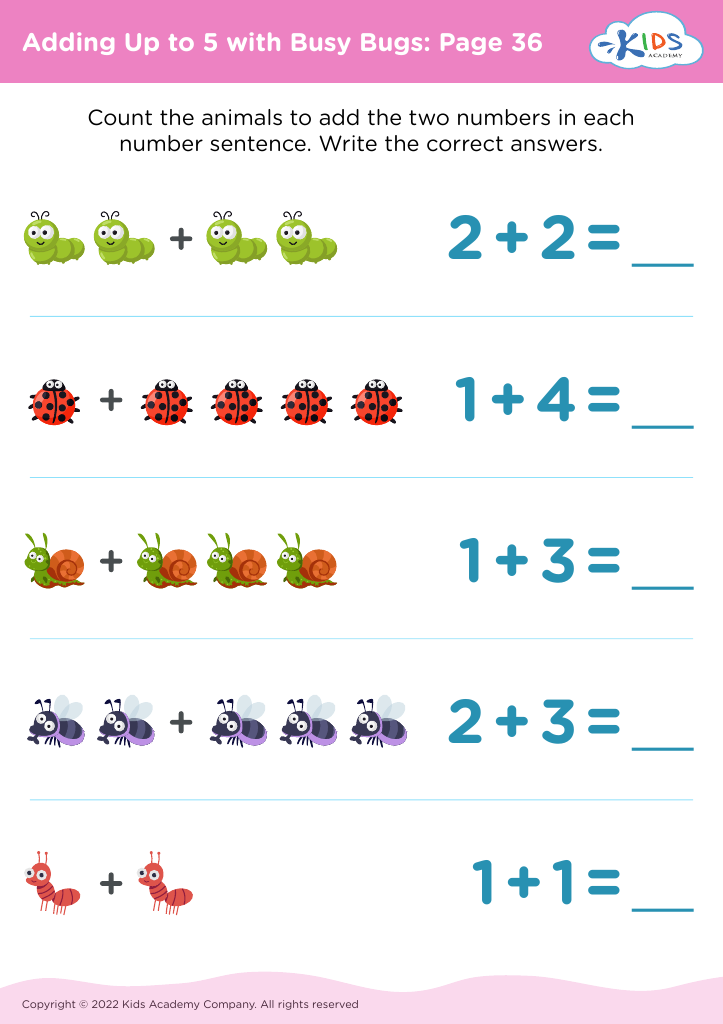
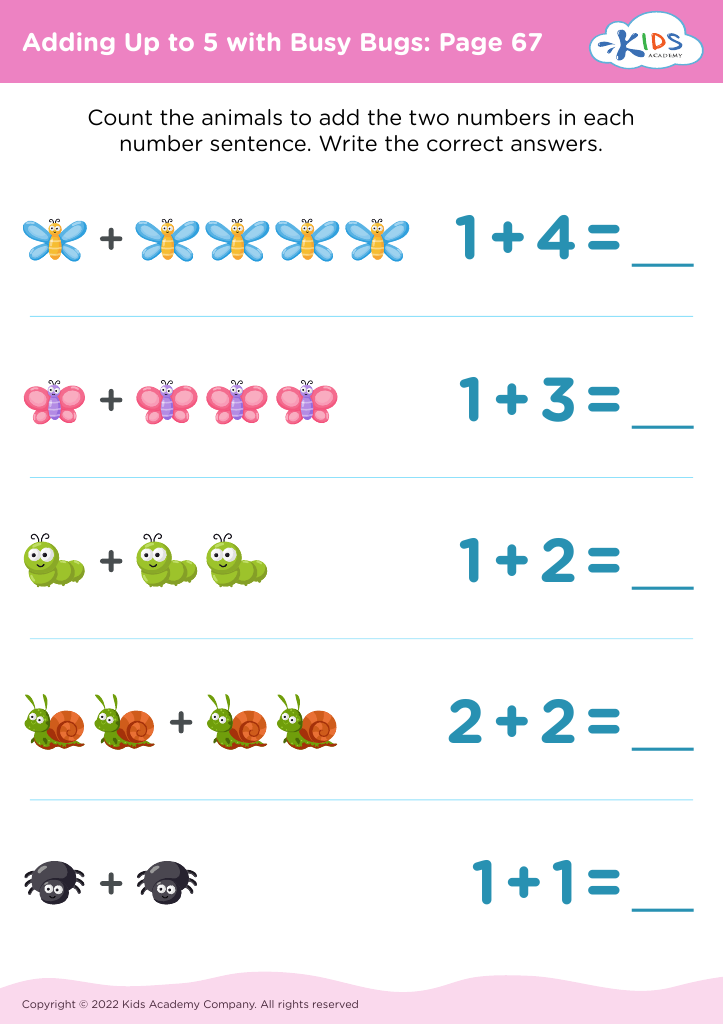
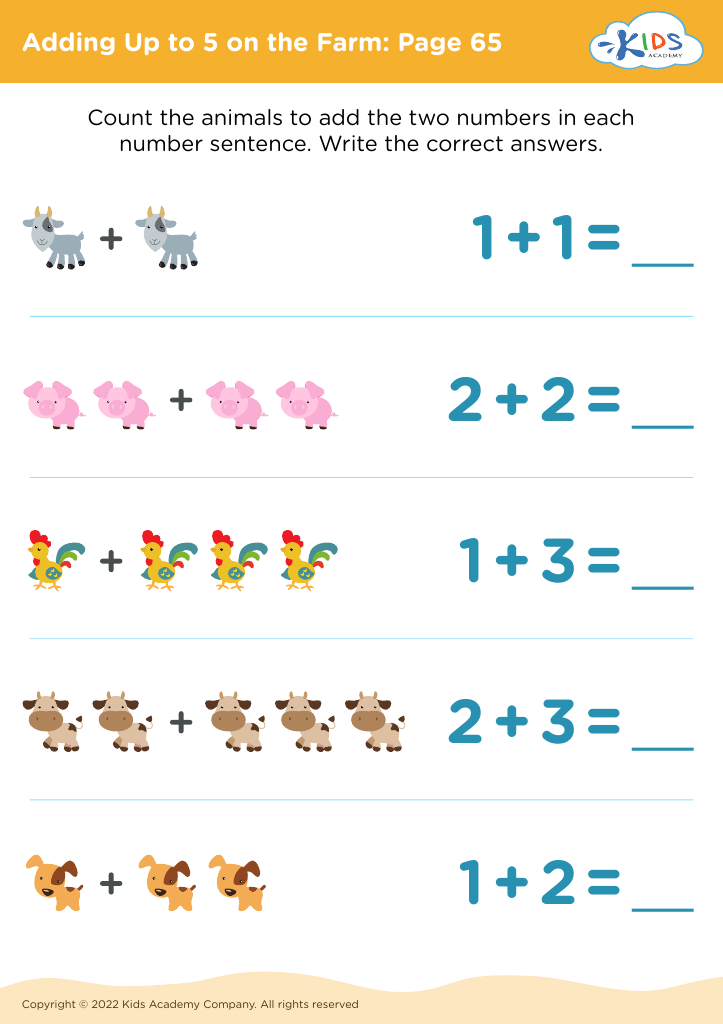
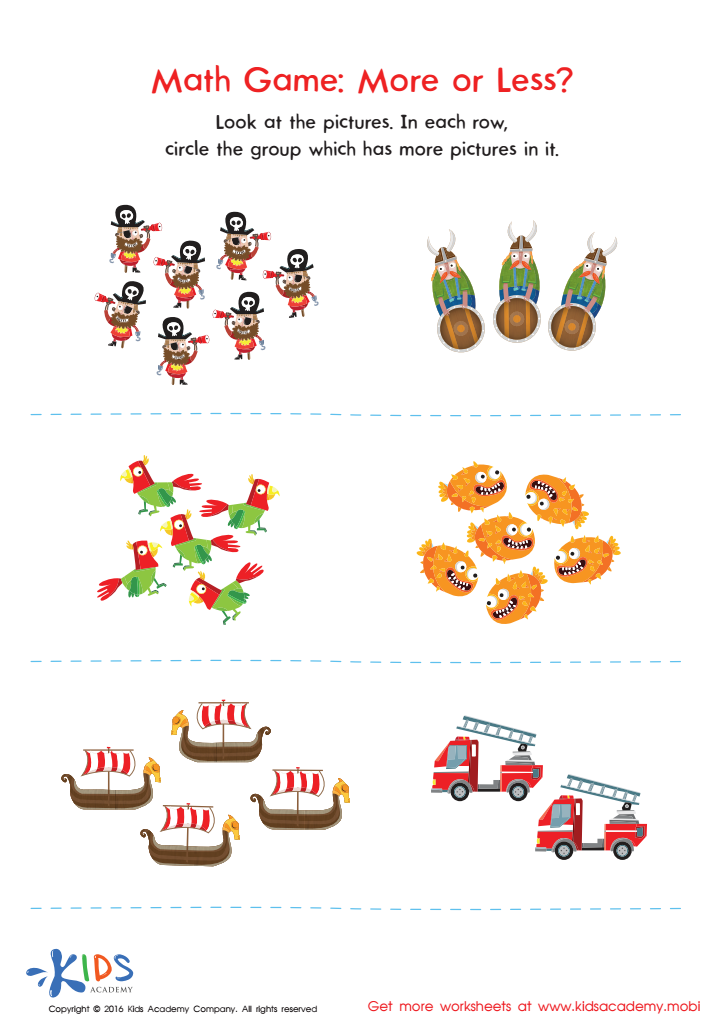
More or Less Worksheet
Counting and understanding quantity are essential skills for kindergarteners. Get your free printable more or less worksheet now!
More or Less Worksheet
Worksheet
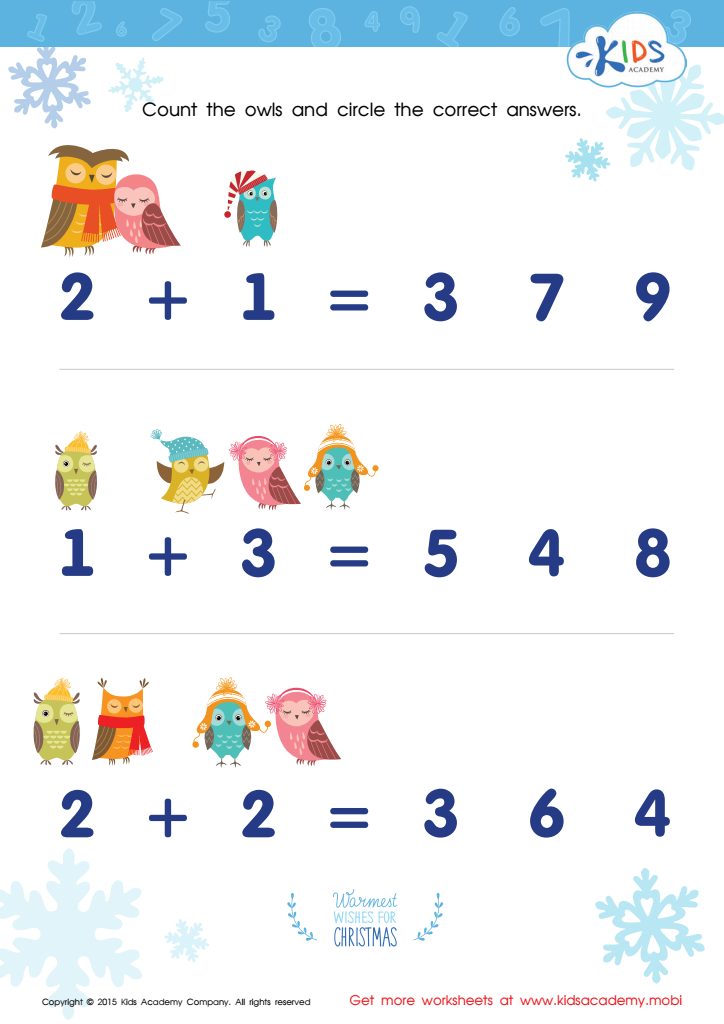
Count Little Owls Worksheet
Math fun awaits! Count the cute little owls and practice adding single digits up to three indoors. Bright pictures help kids solve these simple problems. Get the free worksheets and enjoy the holiday season with Kids Academy!
Count Little Owls Worksheet
Worksheet
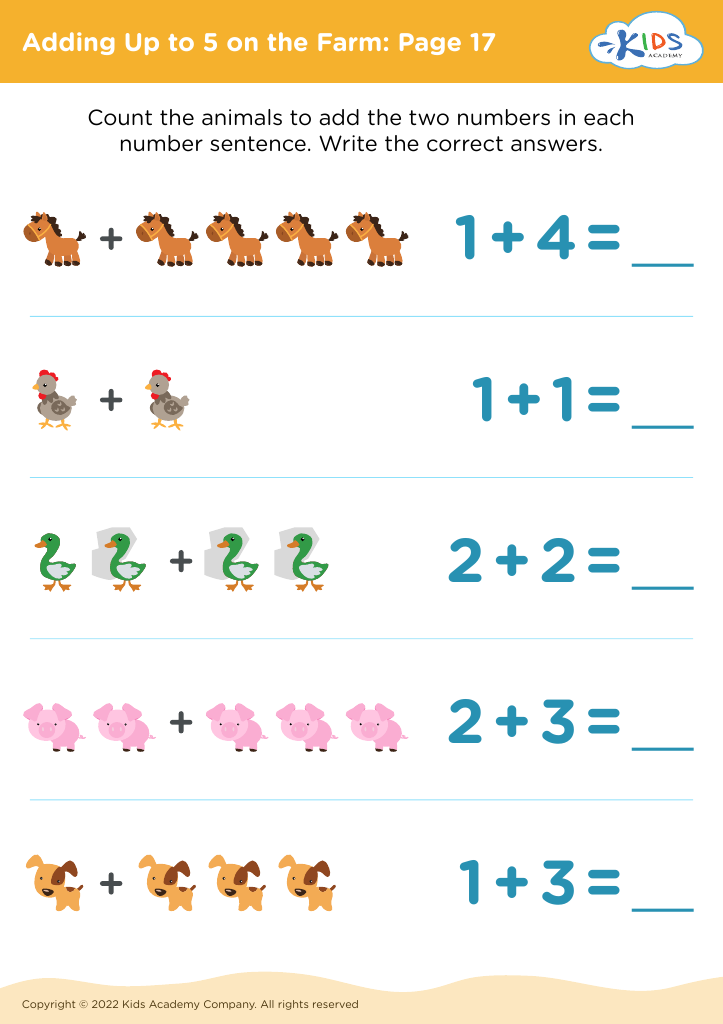
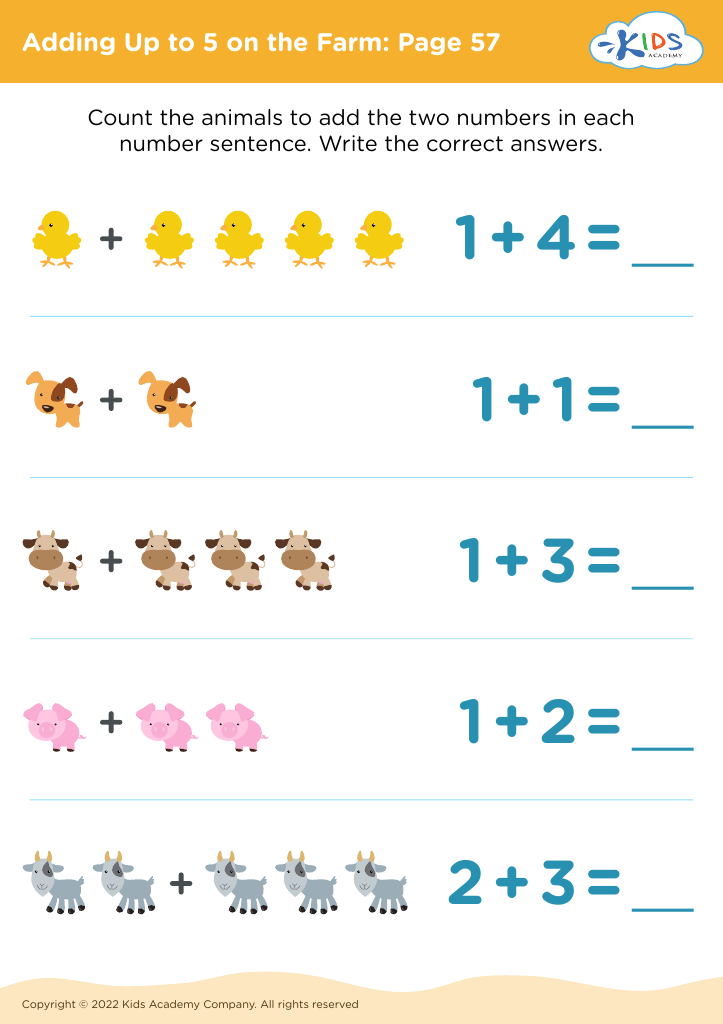
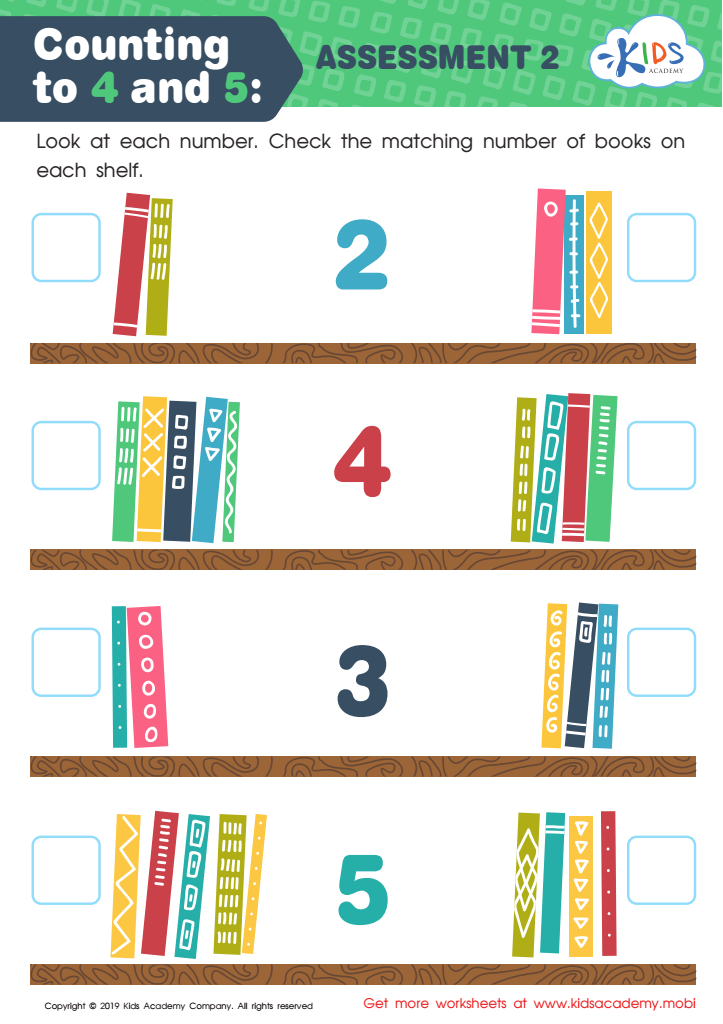
Counting to 4 and 5: Assessment 2 Worksheet
Counting is a key skill for math success. Help your kids get off to a good start by counting the books on each shelf in the pictured printout. Point to each set of books, counting aloud, and then look for the matching number in the centre. With this simple worksheet, your kids can get the practice they need before taking on more advanced math skills.
Counting to 4 and 5: Assessment 2 Worksheet
Worksheet
Join Kids Academy for Free
Who is primarily going to use this learning content?


.jpg)




Understanding quantity is a foundational math skill that significantly impacts a child’s cognitive development and future learning. At age three, children begin to grasp the concepts of more, less, and equal, which are crucial for their ability to understand numbers and mathematical operations later on. Parents and teachers caring about this development can foster a love for learning and improve problem-solving skills.
Introducing quantity through play and everyday activities helps young children become familiar with counting, measuring, and comparing. For example, sorting objects by size, counting toys, or comparing the number of snacks between two bowls are practical exercises that make the concept tangible for preschoolers. This early introduction can build confidence and interest in mathematics.
Furthermore, early quantity understanding supports the development of logical thinking and pattern recognition, which are vital skills beyond mathematics, benefiting language development and spatial awareness. Children who develop these skills early on are better prepared for the structured learning environment of preschool and kindergarten, where these concepts become more formalized.
Overall, fostering early quantity understanding helps create a solid foundation for academic success and daily life skills. Parents and teachers play an essential role in providing stimulating and supportive environments that promote this aspect of cognitive development.








