Critical Thinking 2D Shapes Worksheets for 3-Year-Olds
3 filtered results
-
From - To
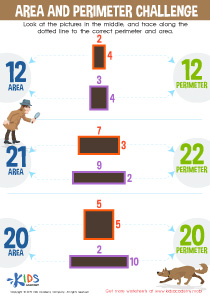
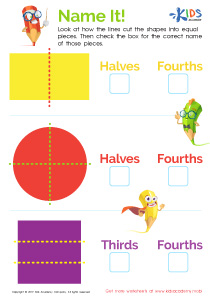
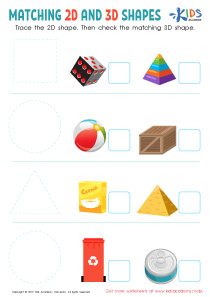
Explore our engaging Critical Thinking 2D Shapes Worksheets designed specifically for 3-year-olds. These worksheets promote early math skills through fun, interactive activities that challenge young minds to recognize, identify, and differentiate various 2D shapes. Each exercise encourages critical thinking by prompting children to solve problems and make connections between concepts. With colorful visuals and age-appropriate tasks, these worksheets captivate kids' attention while fostering cognitive development. Perfect for parents and educators seeking to enhance foundational geometry skills, our resources offer a delightful way to introduce shapes in a playful, effective manner. Unleash your child’s potential in math with these enriching activities!
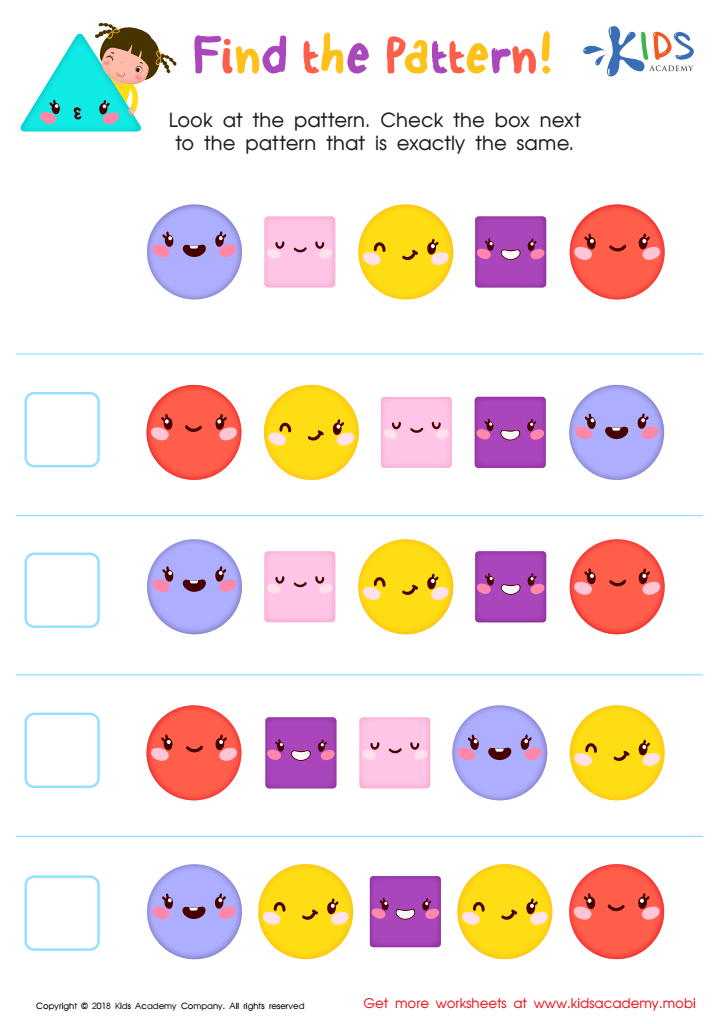
Find the Pattern Worksheet
 Assign to My Students


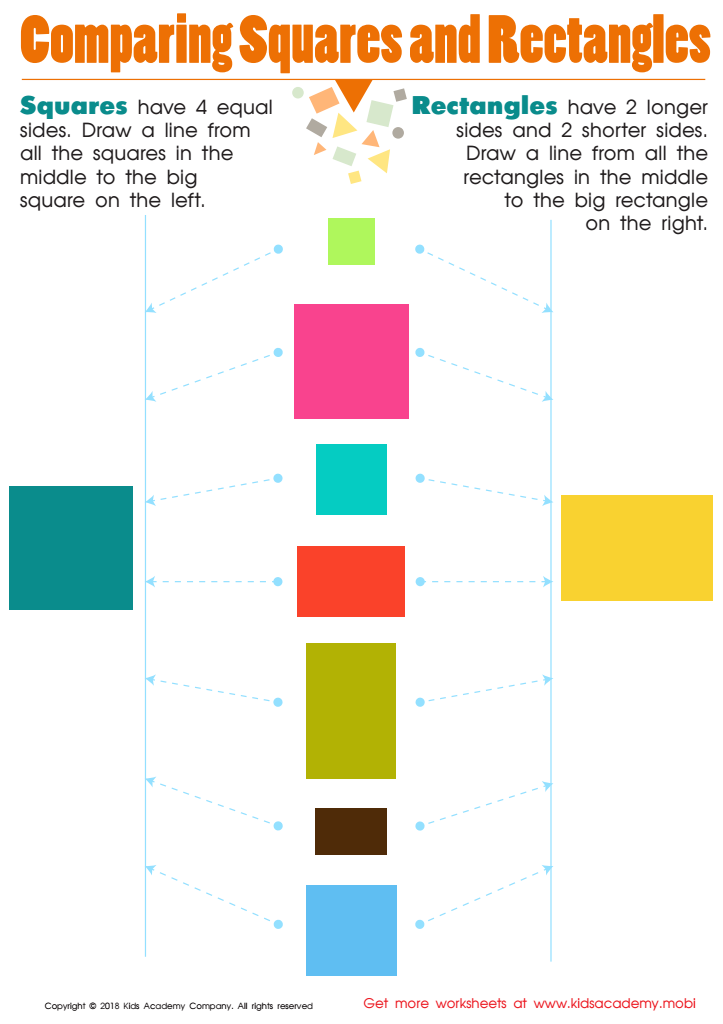
Comparing Squares Rectangles Worksheet
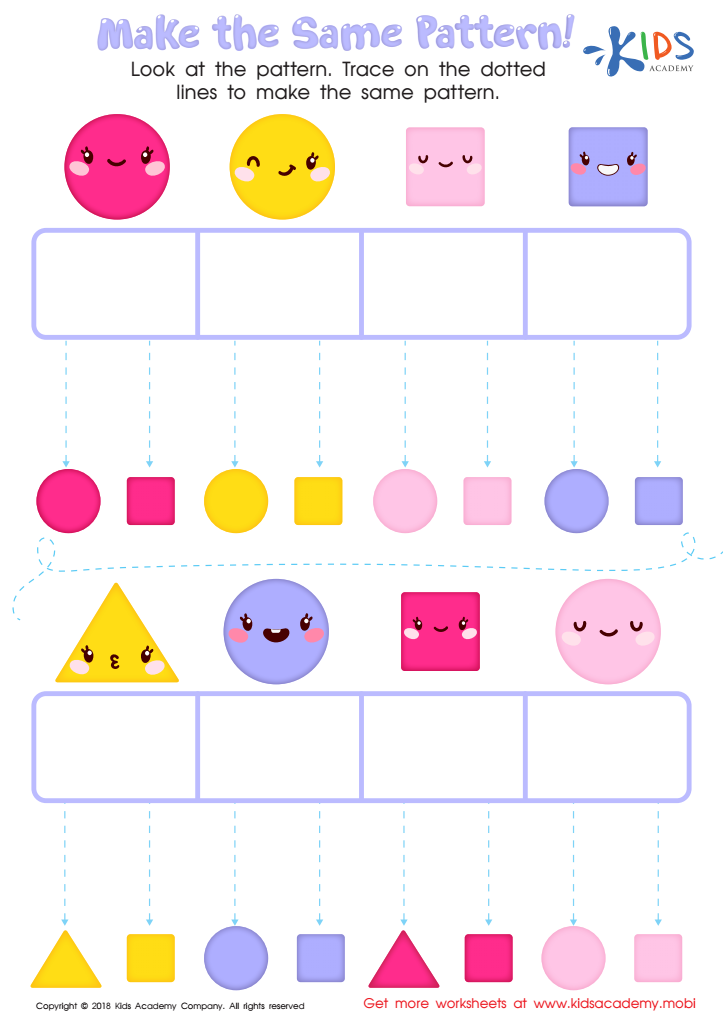
Make the Same Pattern Worksheet








Developing critical thinking skills in 3-year-olds, especially through interactive activities involving 2D shapes, is essential for their cognitive growth. At this early age, children's brains are highly receptive, and exposure to foundational concepts shapes their overall learning trajectory. Understanding 2D shapes—such as squares, circles, and triangles—enhances their abilities to categorize, analyze, and recognize patterns.
Engaging with shapes helps strengthen spatial awareness, which is crucial for later math skills. It lays the groundwork for geometry, measurement, and even problem-solving. Additionally, activities involving shapes encourage creativity and innovation, as children explore different combinations and configurations.
Furthermore, critical thinking related to 2D shapes fosters essential communication skills. When children describe shapes, discuss similarities and differences, or explain their reasoning, they practice articulating their thoughts, enhancing vocabulary and conversational skills.
Lastly, developing critical thinking at such a young age supports emotional resilience. When faced with challenges—like completing a shape puzzle—children learn perseverance and the satisfaction of overcoming obstacles. Consequently, parents and teachers should prioritize critical thinking in shape-related activities for young children, as it nurtures holistic development, setting a firm foundation for future learning.