Problem-Solving Skills Addition & Subtraction Worksheets for 3-Year-Olds - Page 2
70 filtered results
-
From - To
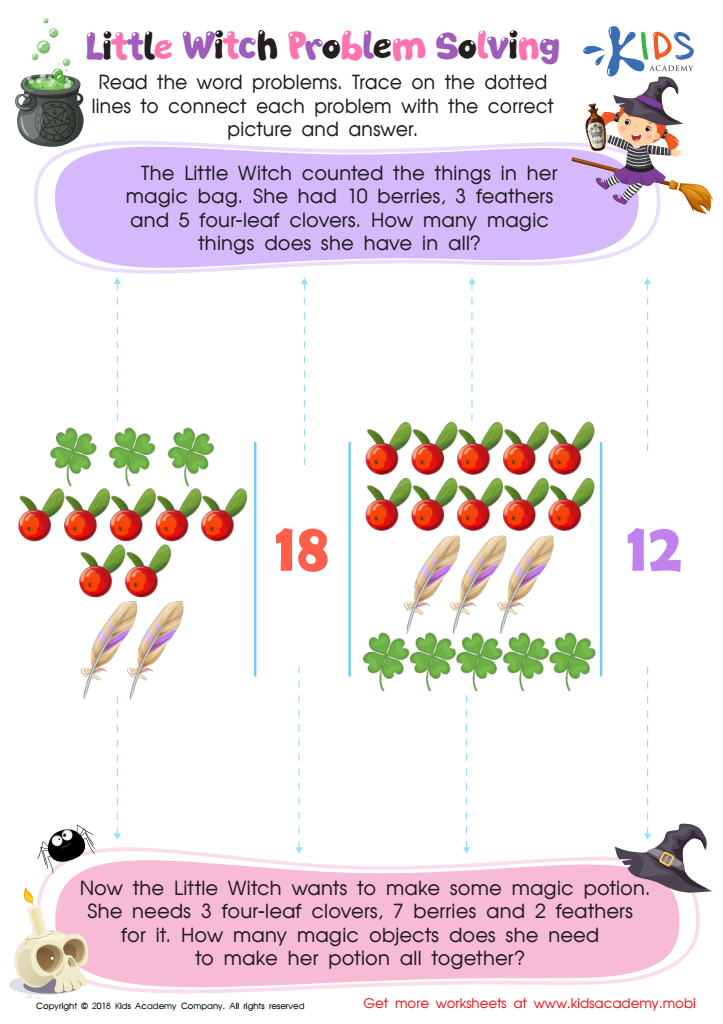
Little Witch Problem Solving Worksheet
 Assign to My Students
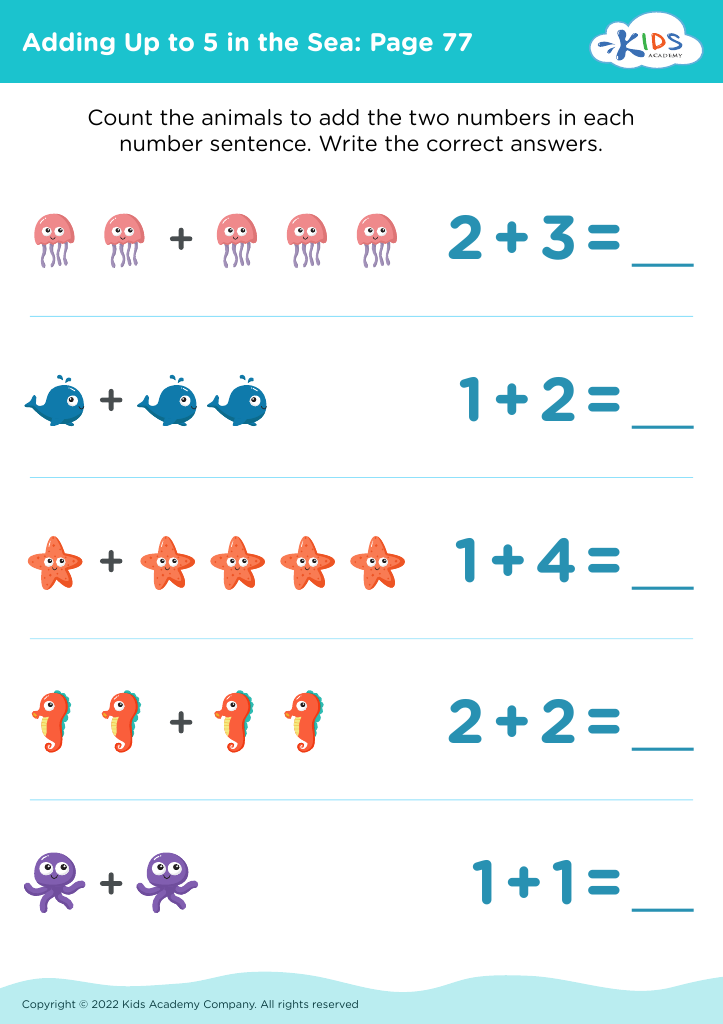
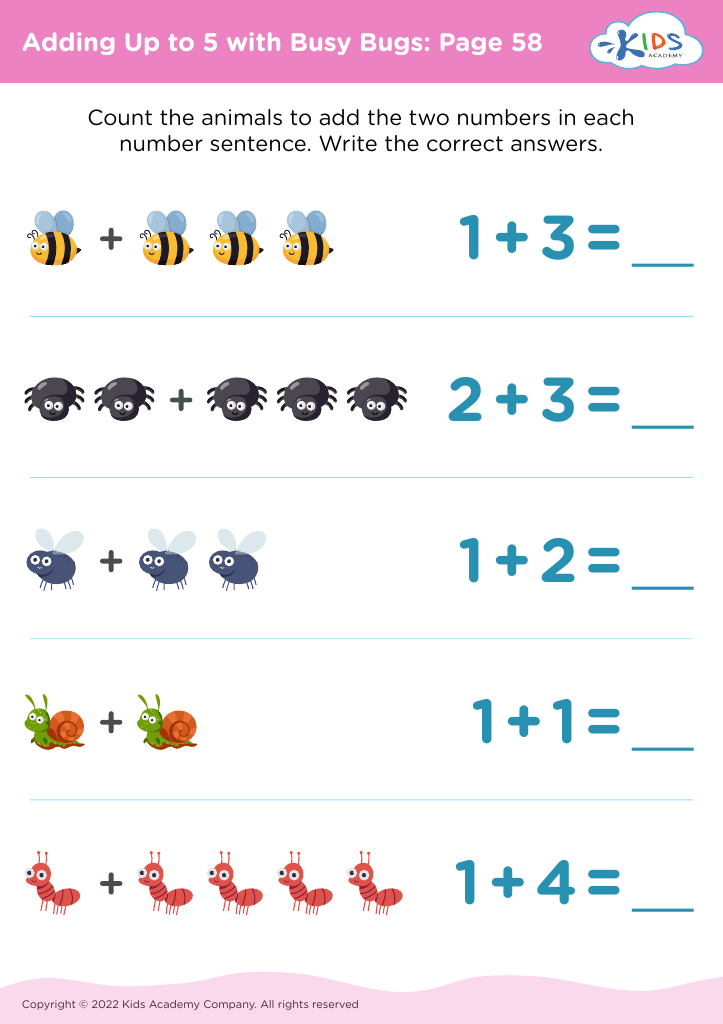
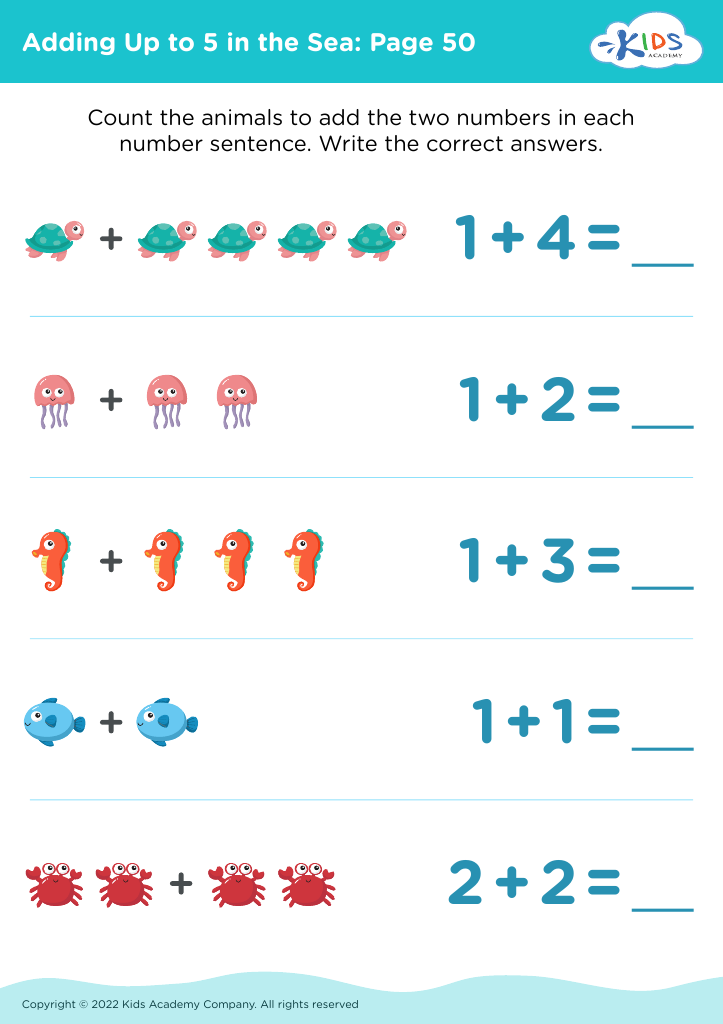
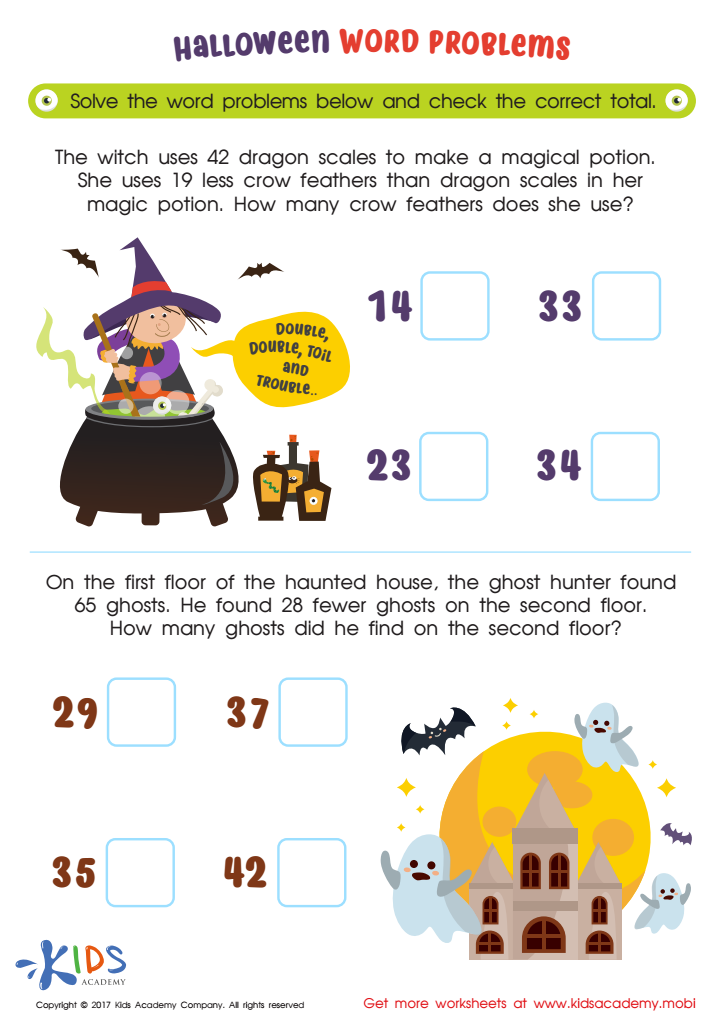
Halloween Word Problems Printable
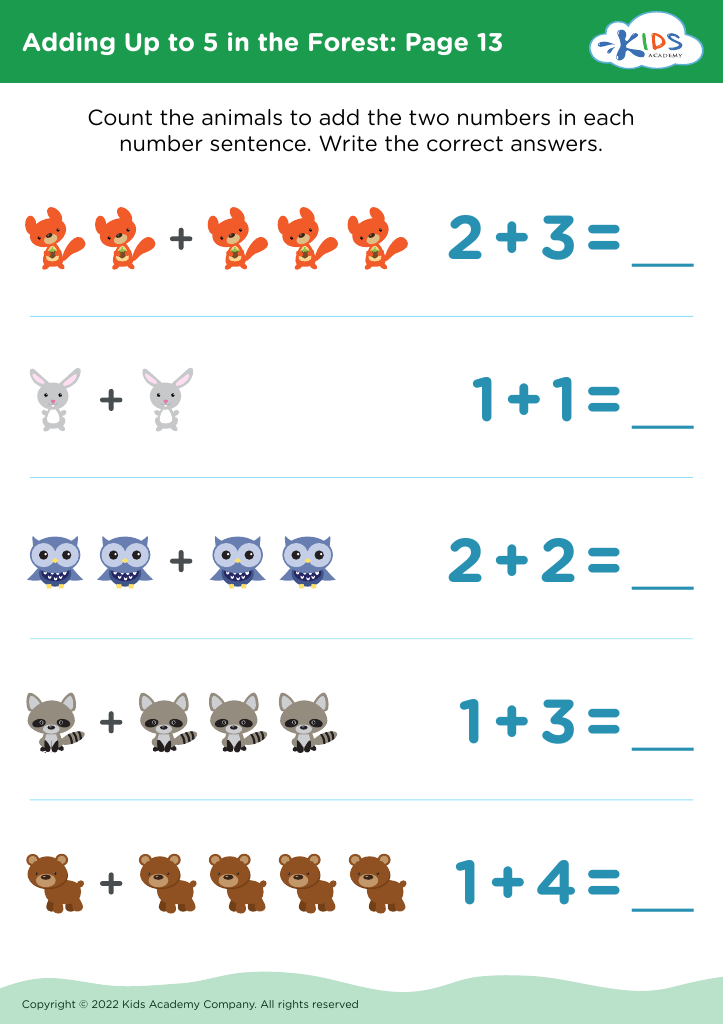
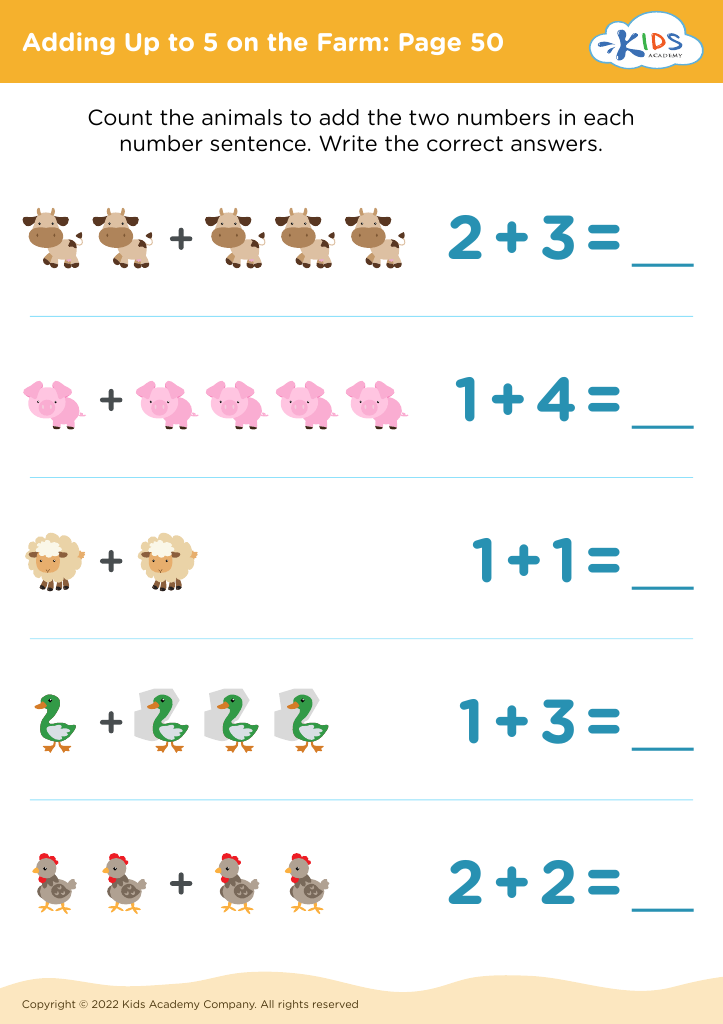
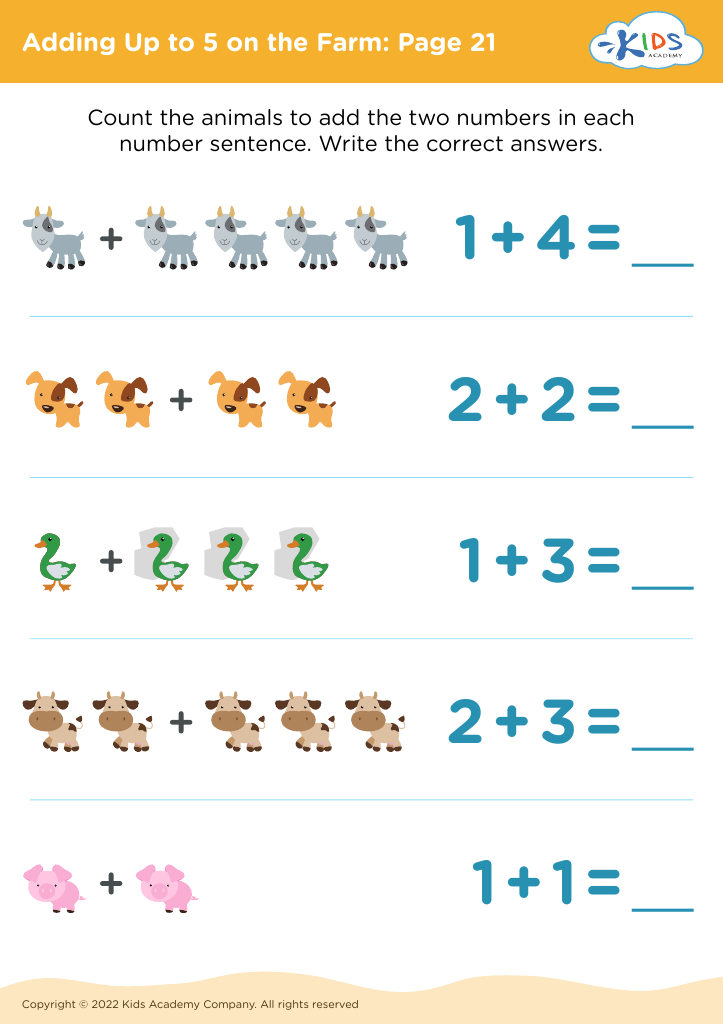
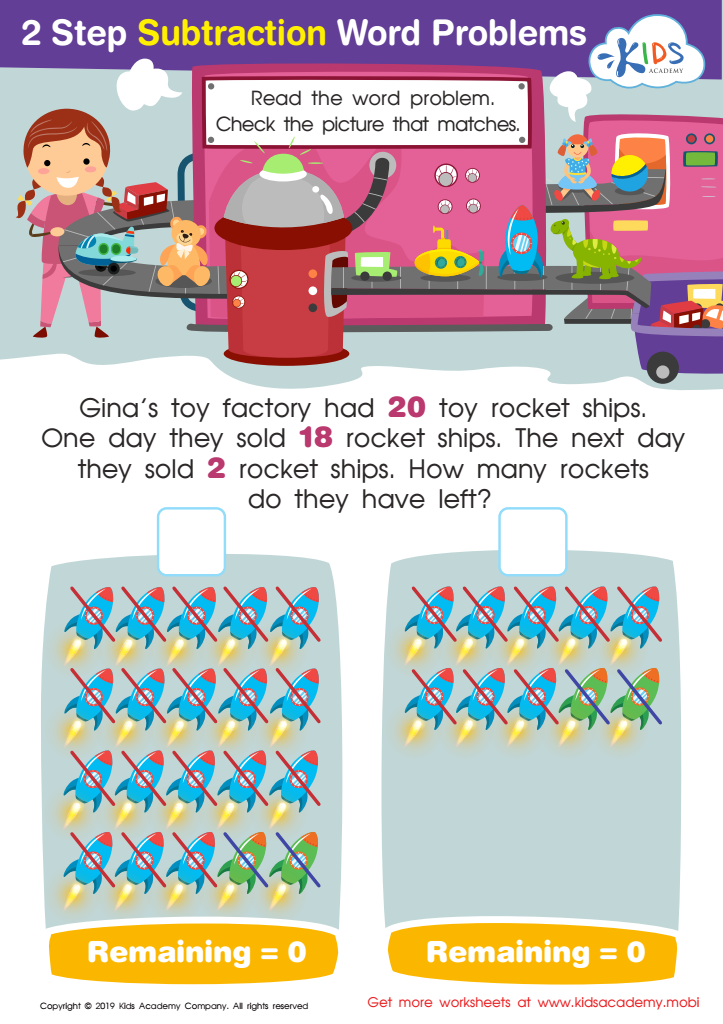
Step Subtraction Word Problems Worksheet
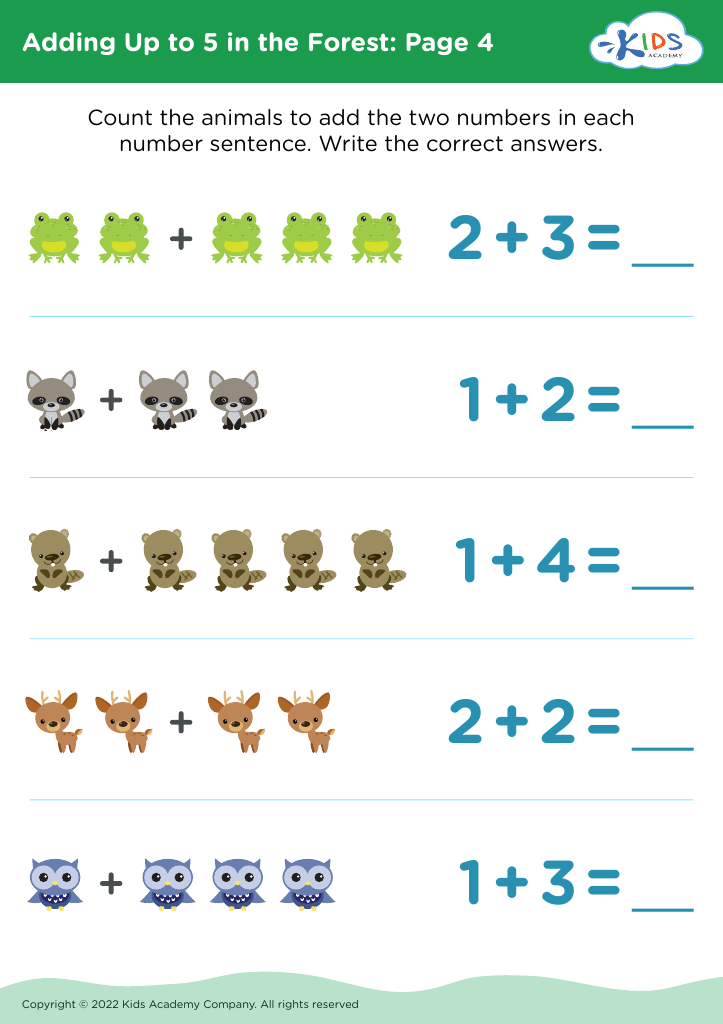
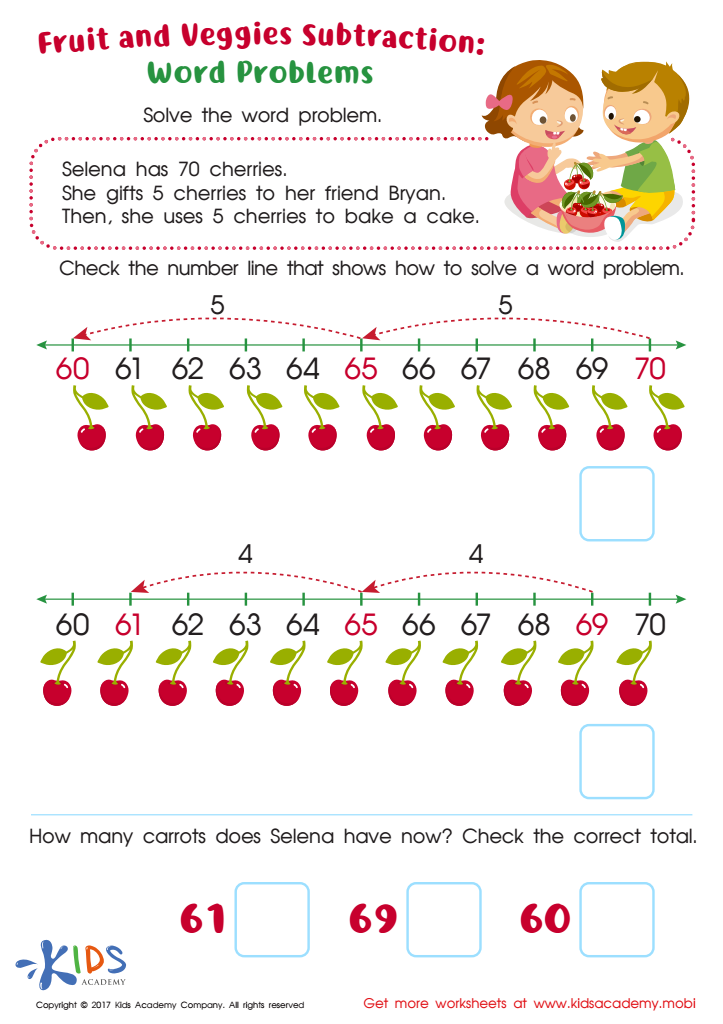
Subtraction Word Problems Free Printable
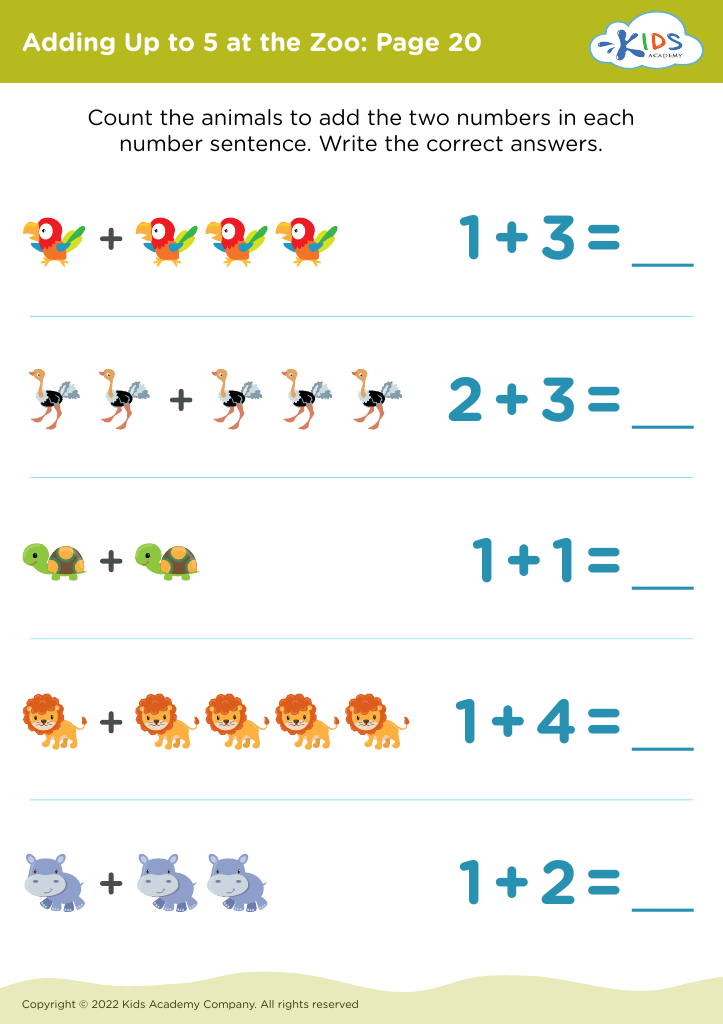
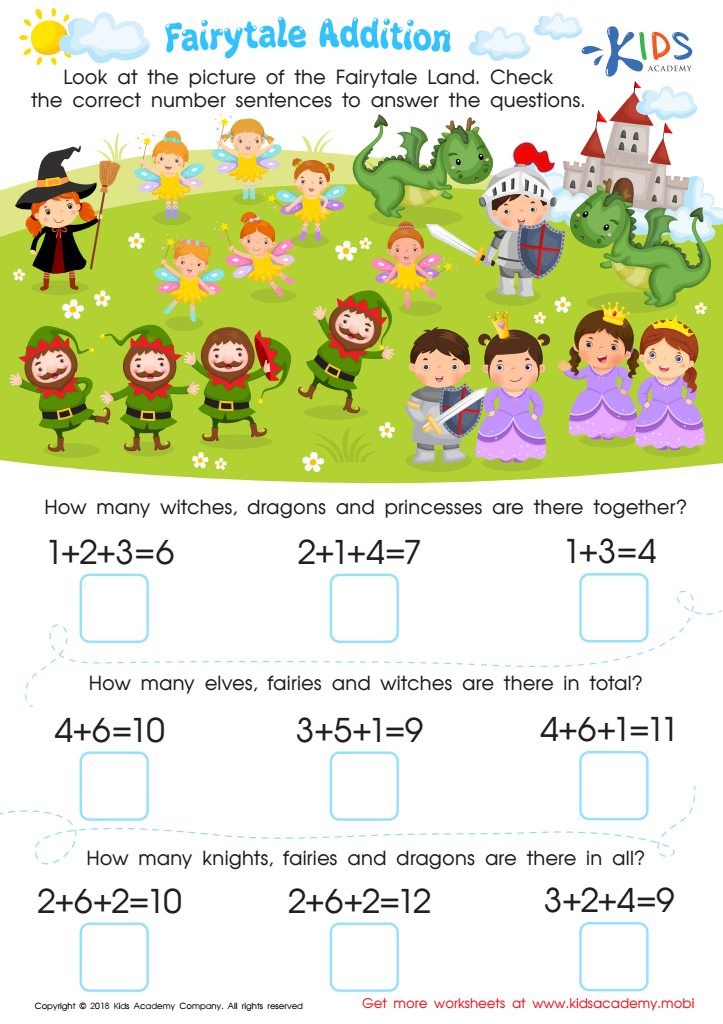
Fairytale Addition Worksheet
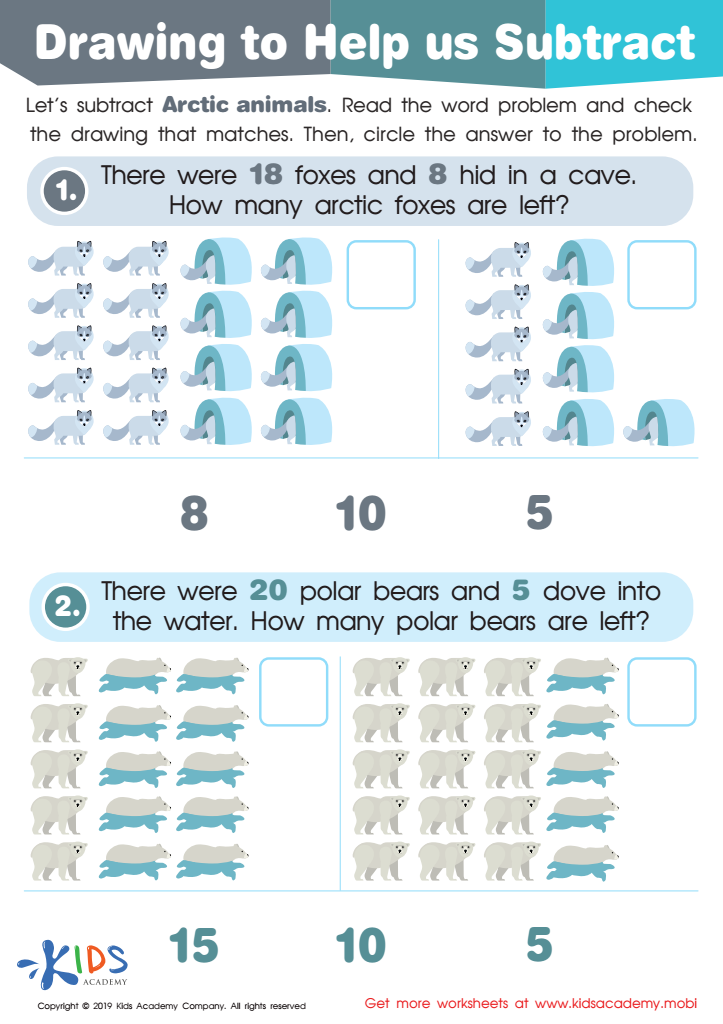
Drawing to Help Us Subtract Worksheet
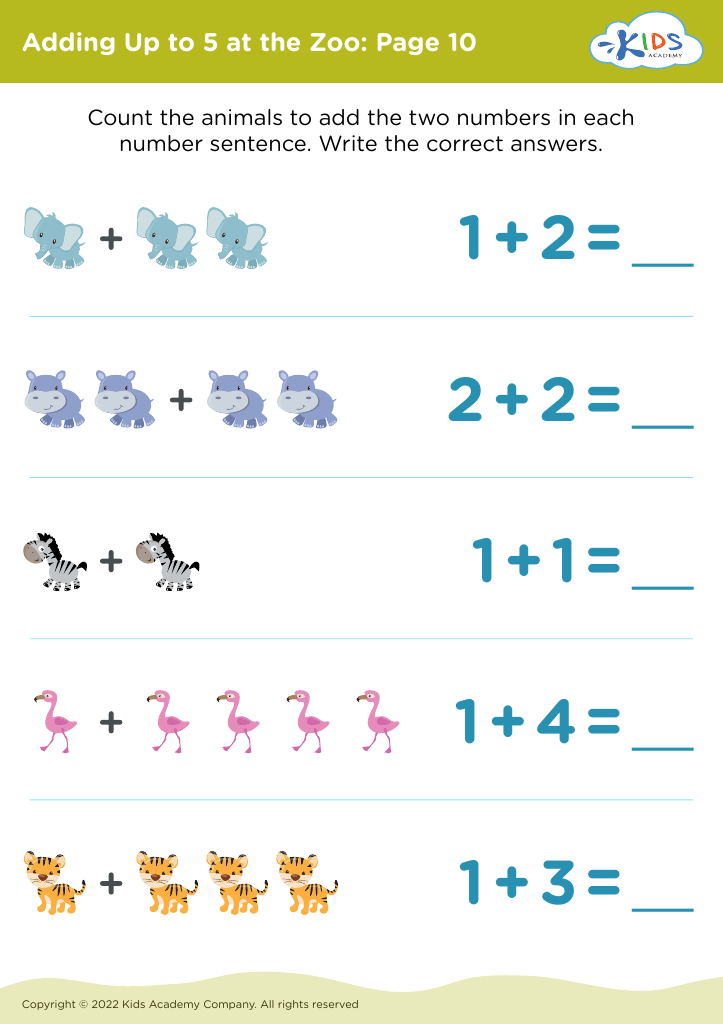
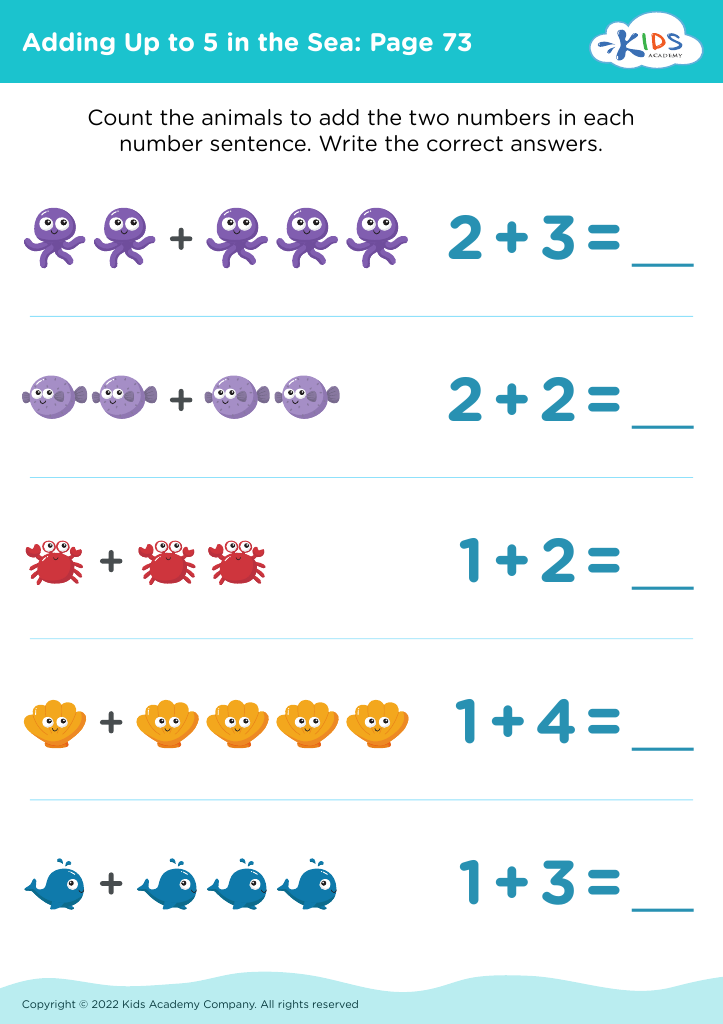
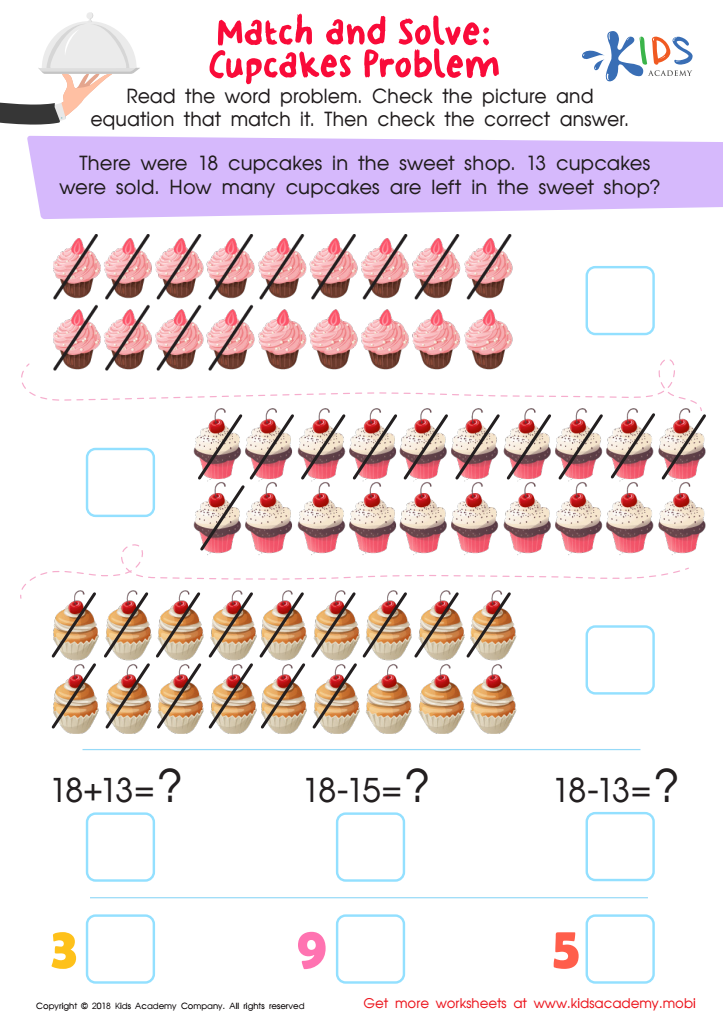
Match and Solve: Cupcakes Problem Worksheet
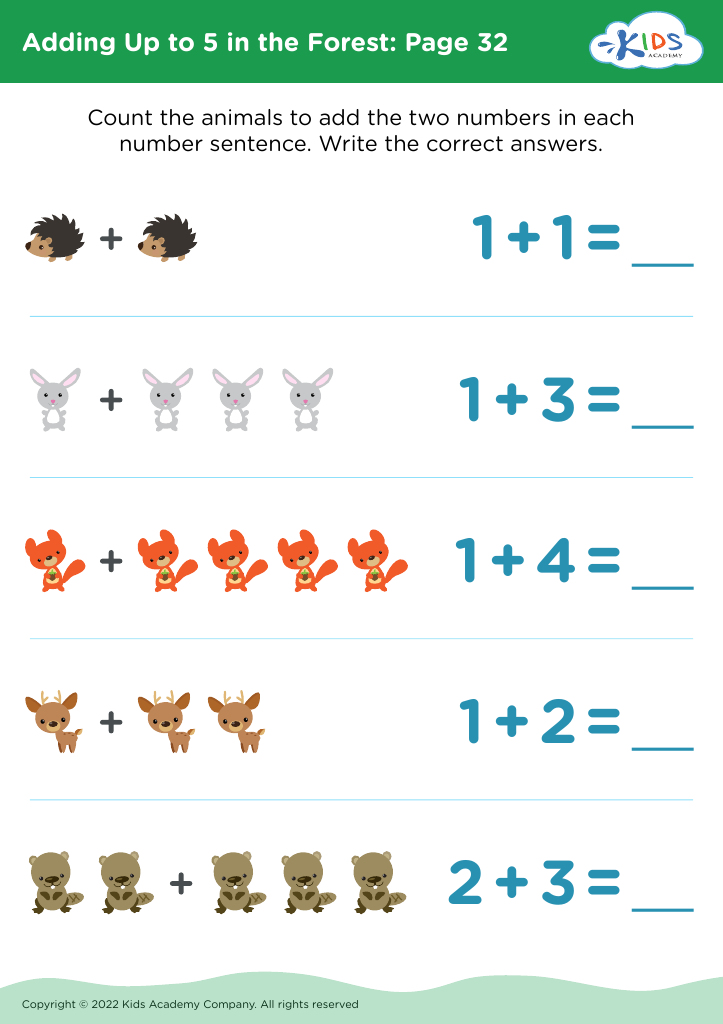
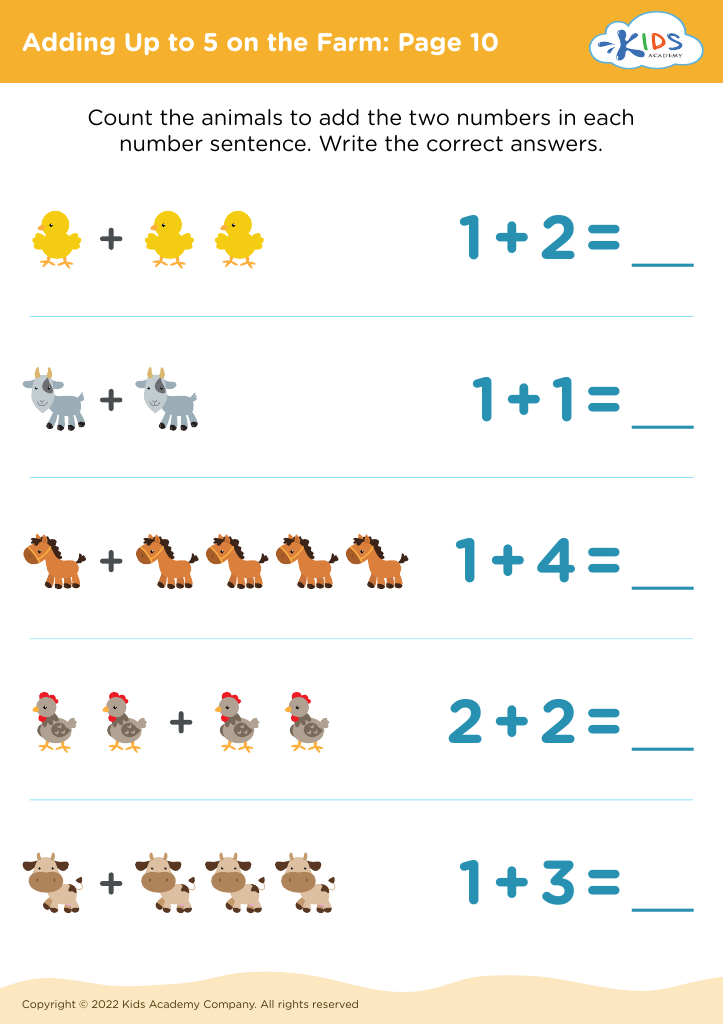
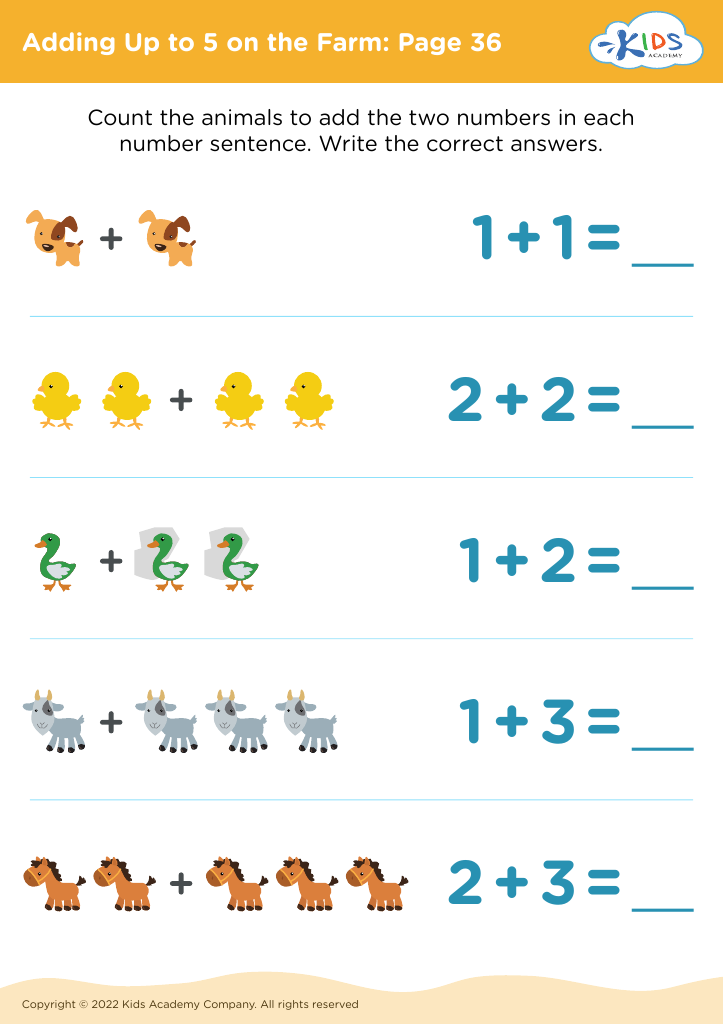
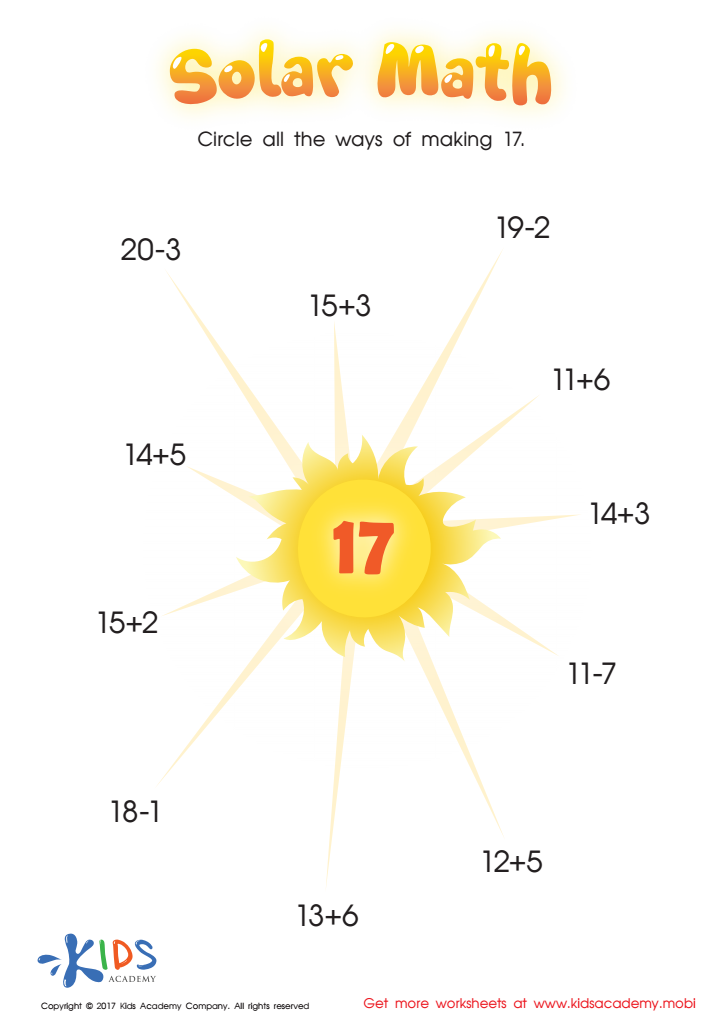
Solar Math Substraction Worksheet
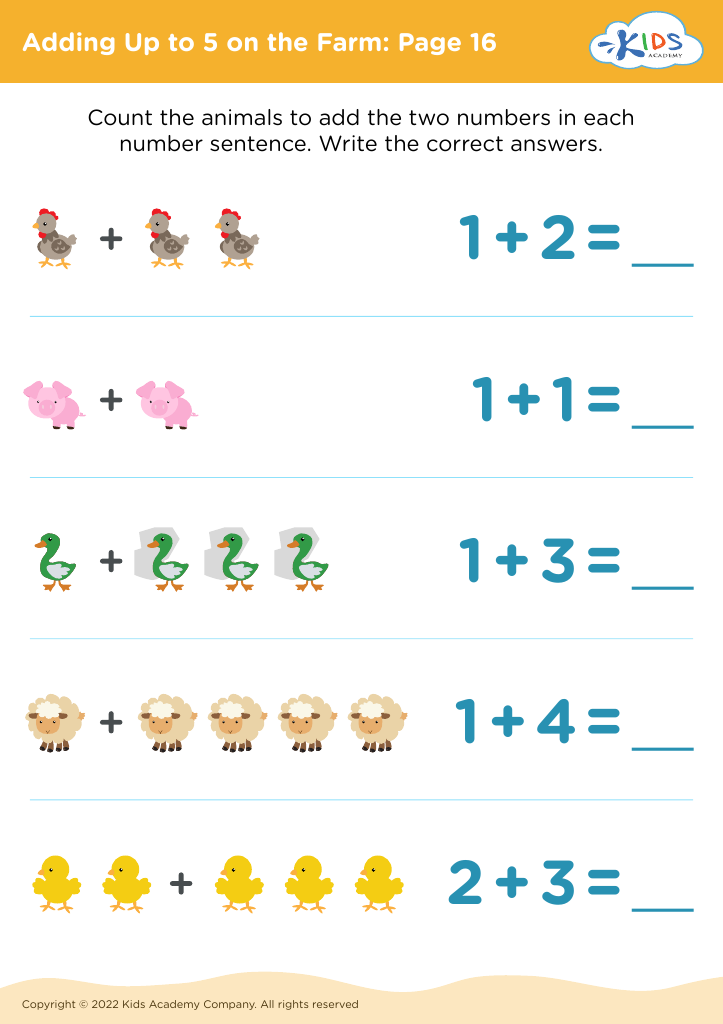
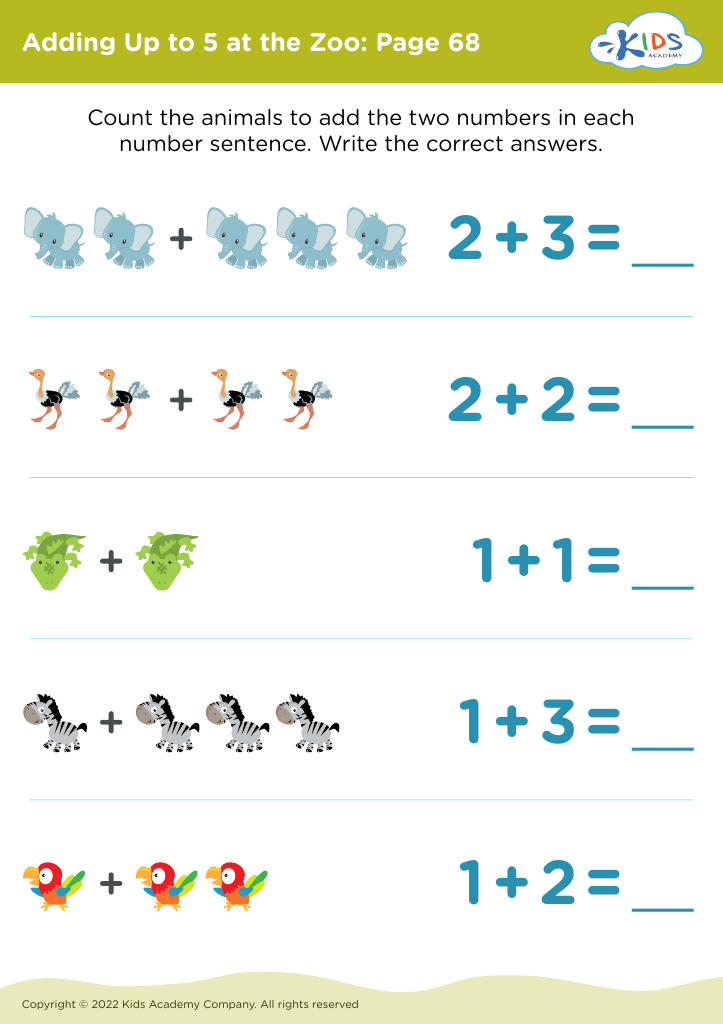
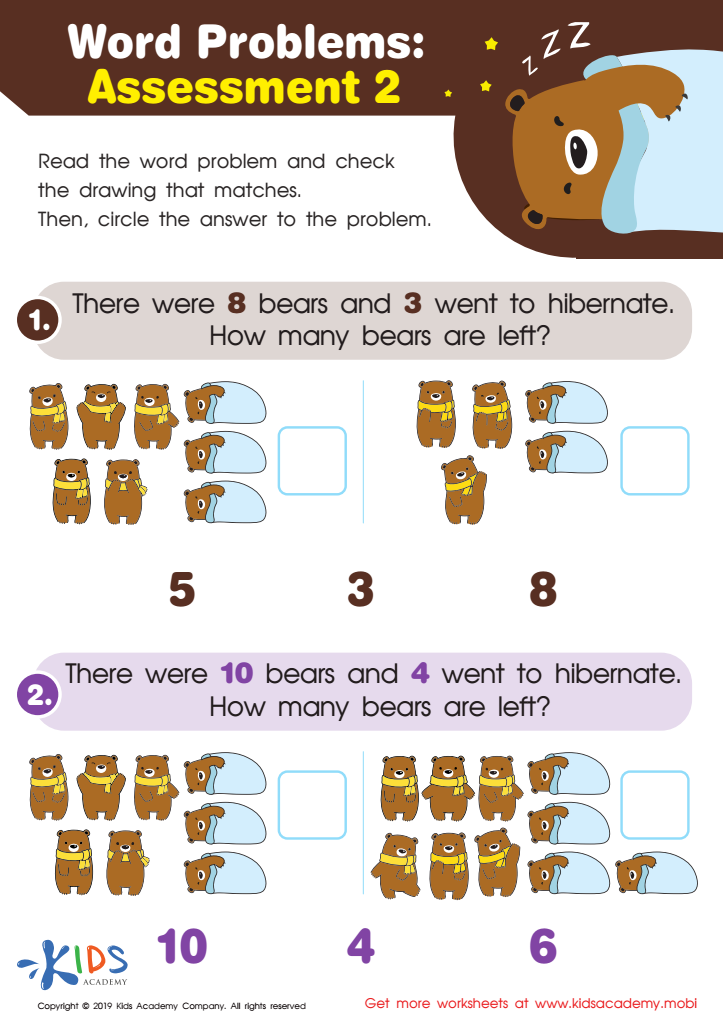
Word Problems: Assessment 2 Worksheet








Fostering problem-solving skills in addition and subtraction for 3-year-olds is vital for several reasons. Firstly, these fundamental math skills form the foundation for more advanced mathematical concepts they'll encounter later in life. Early exposure to basic arithmetic encourages cognitive development, helping children to understand patterns, sequences, and relationships between numbers.
Developing problem-solving skills through addition and subtraction also enhances critical thinking and decision-making abilities. It allows young children to approach various situations and challenges logically. This process of resolving simple problems builds confidence and perseverance, crucial traits for their academic journey and everyday life.
Additionally, engaging in math-related activities at an early age supports language development. Talking about math problems and solutions boosts vocabulary and communication skills as children express their thought processes. Games and interactive exercises involving counting, adding, and taking away objects make learning fun, reinforcing these concepts in a context they find enjoyable.
Socially, these skills encourage cooperation and teamwork when children work on math problems together, sharing ideas and solutions. This foundational training thus promotes both intellectual growth and important soft skills, underscoring why parents and teachers should prioritize problem-solving in math from an early age.








