Understanding quantity Addition & Subtraction Worksheets for 3-Year-Olds
21 filtered results
-
From - To
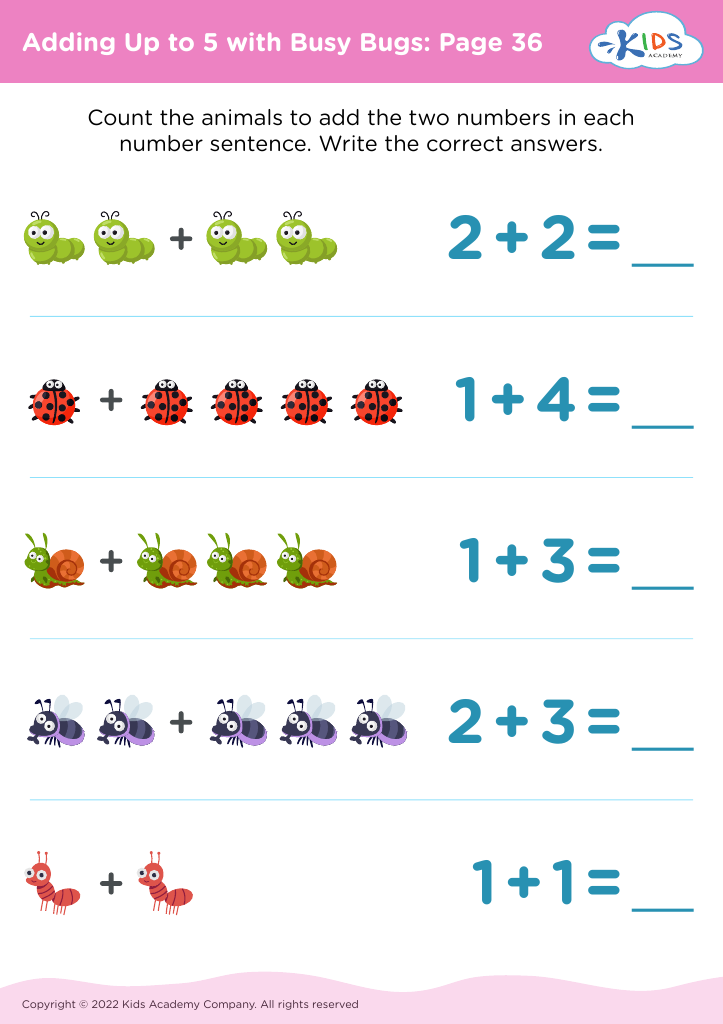
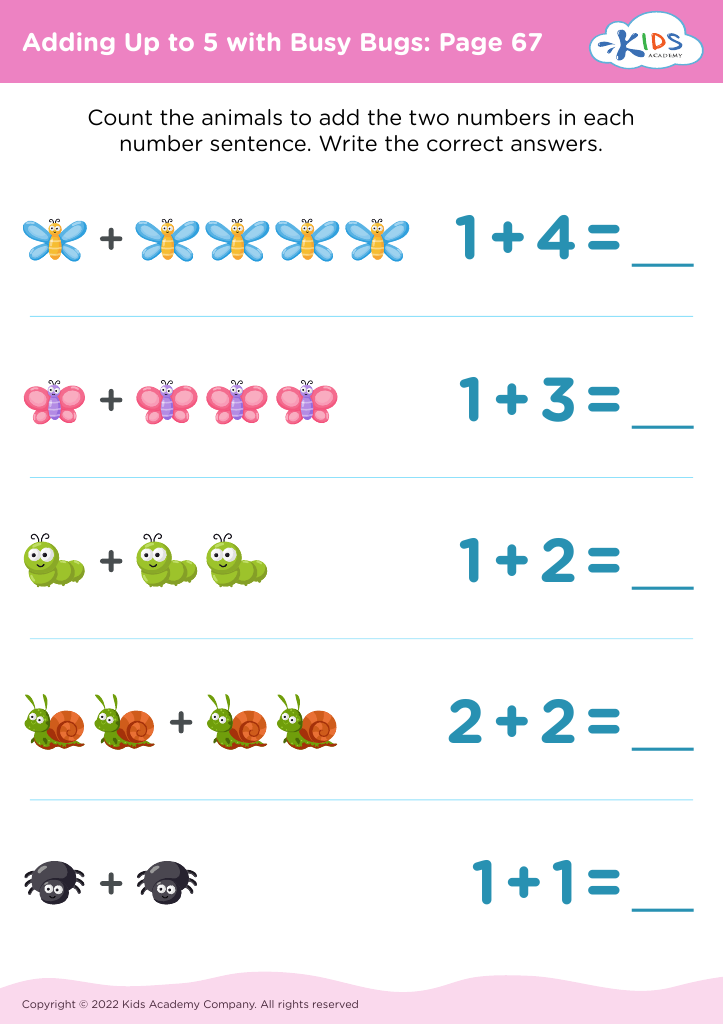
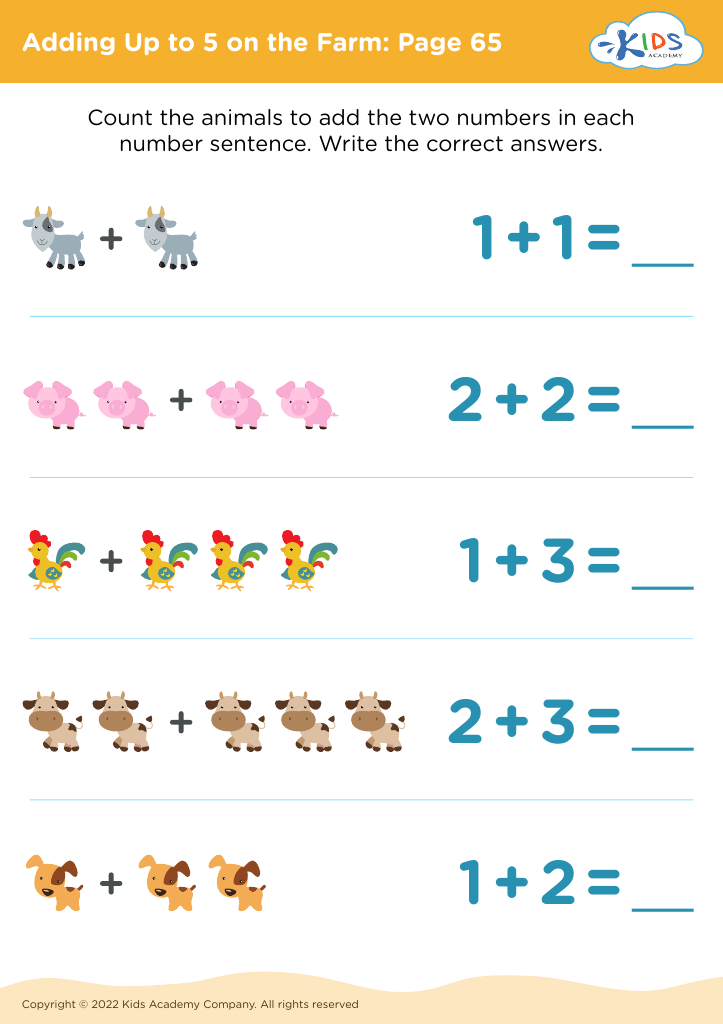
Explore our engaging Understanding Quantity Addition & Subtraction Worksheets designed specifically for 3-year-olds! These interactive worksheets help young learners grasp essential math concepts by focusing on the visual representation of numbers and quantities. With colorful illustrations and playful activities, children will enjoy identifying and adding or subtracting items while developing their counting skills. The worksheets encourage hands-on learning, allowing 3-year-olds to connect with math through their everyday experiences. Foster your child’s confidence in math with these engaging resources that make learning fun and memorable! Unlock their potential early with our carefully crafted activities that lay the foundation for future math success!
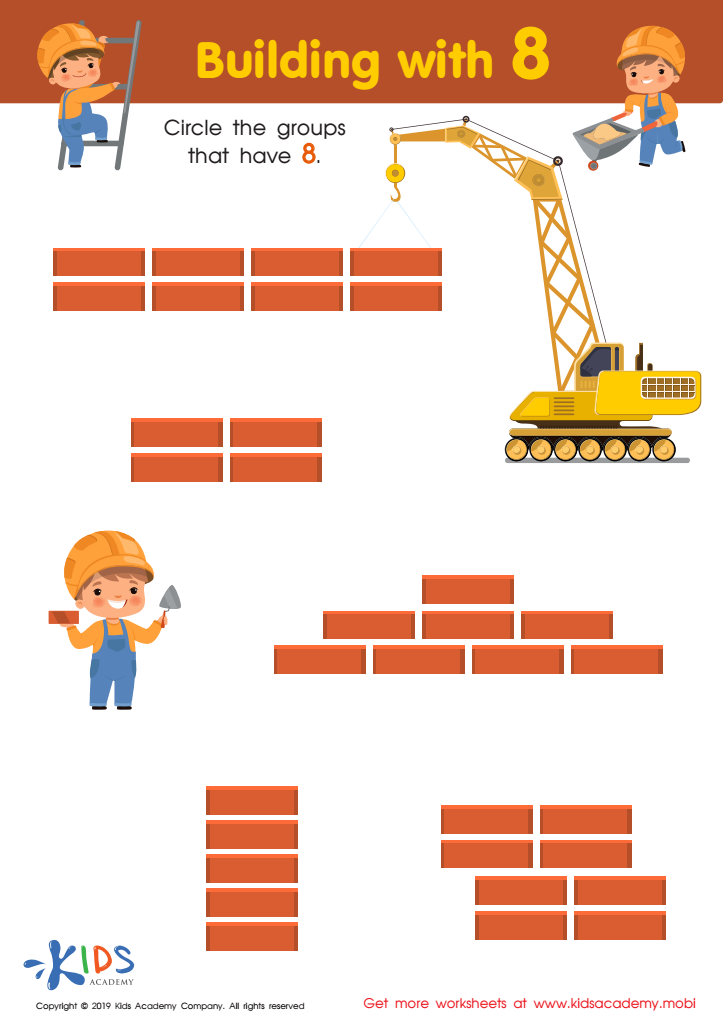
Building with 8 Worksheet
 Assign to My Students
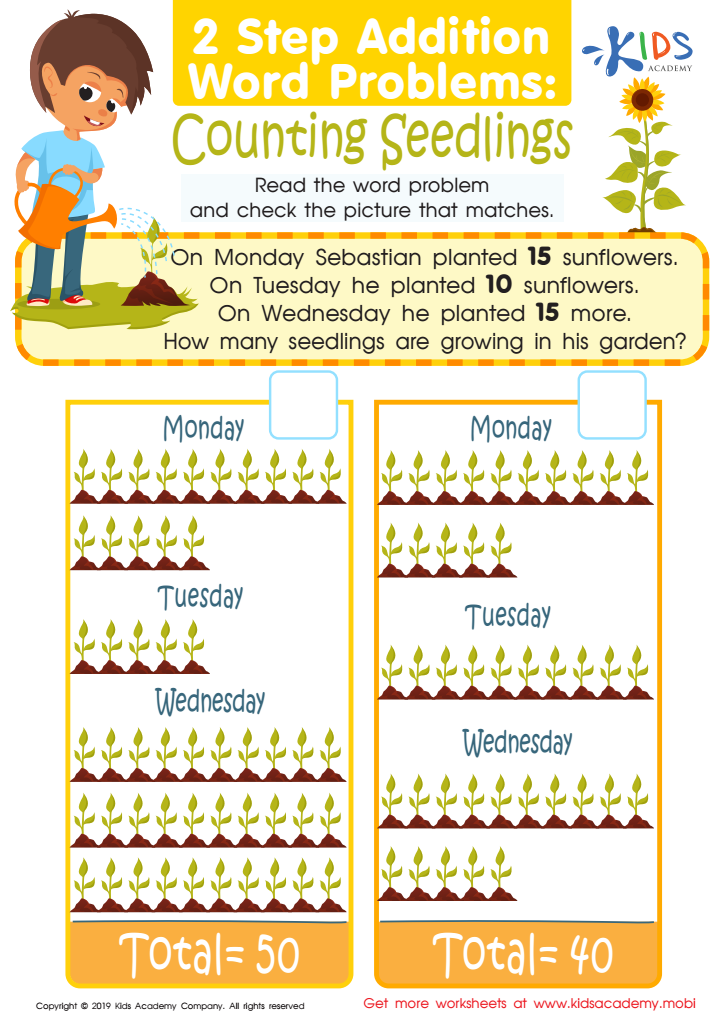
Counting Seedlings Worksheet
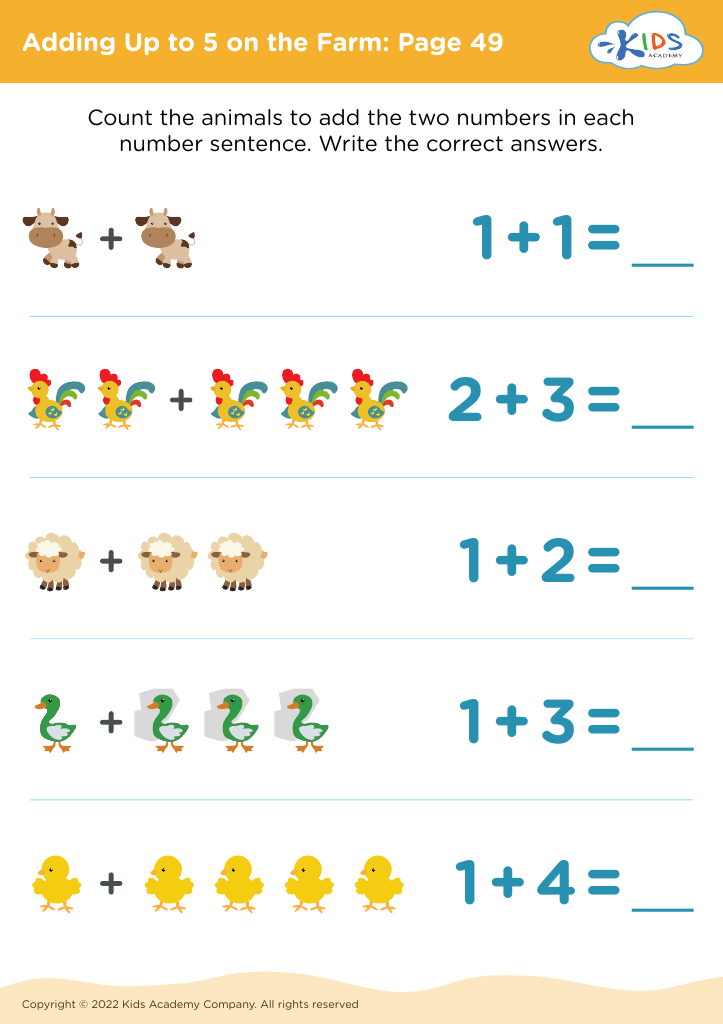
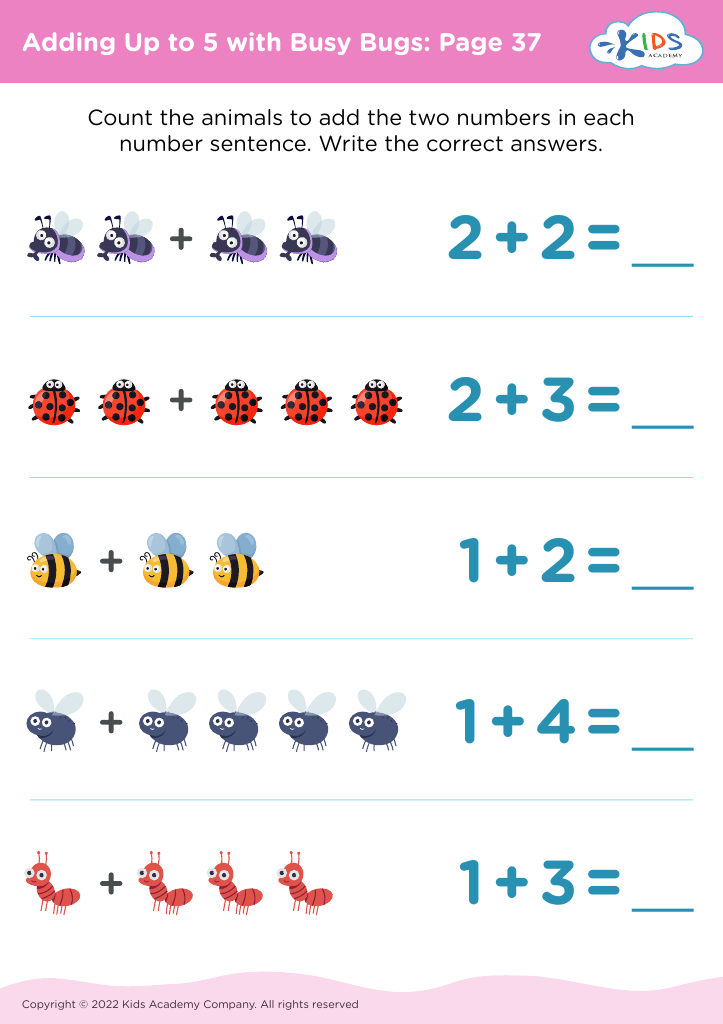
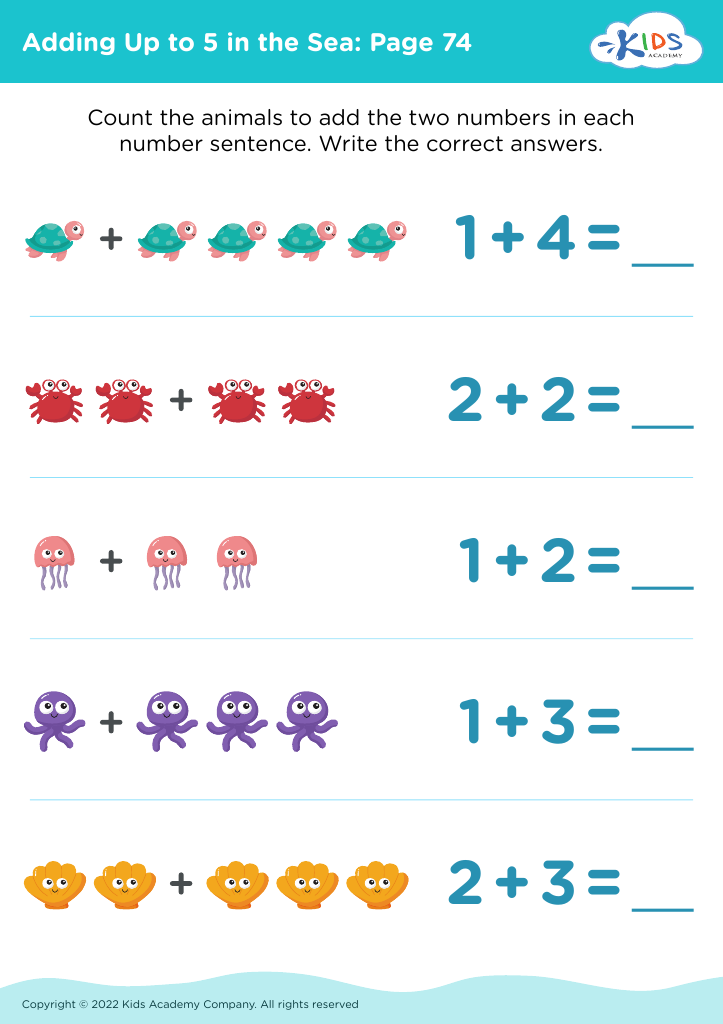
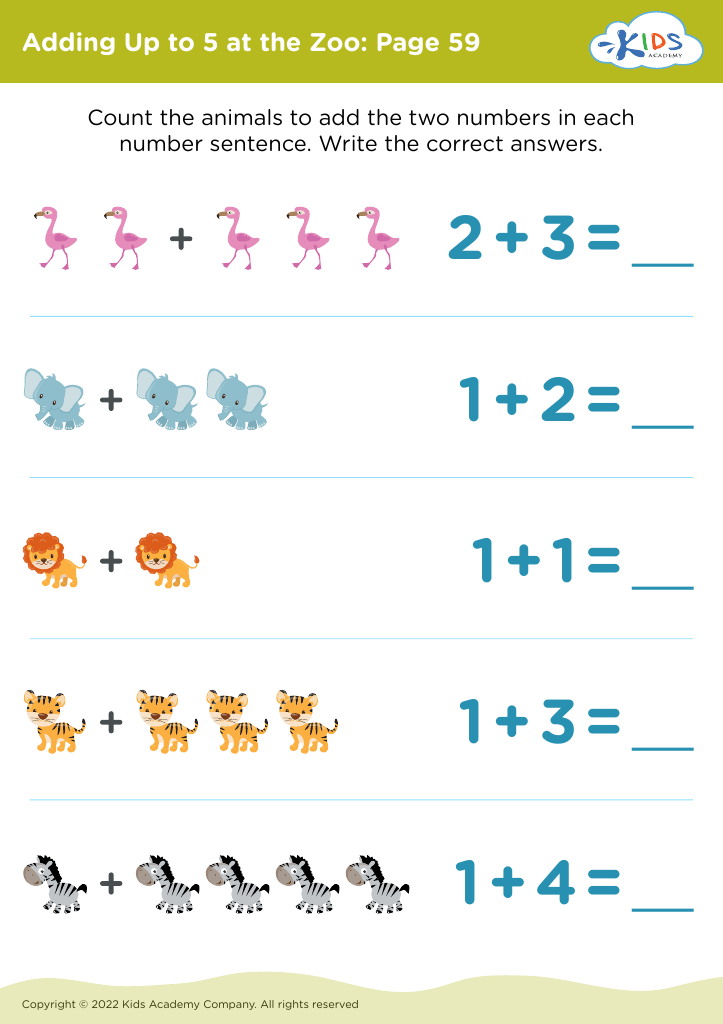
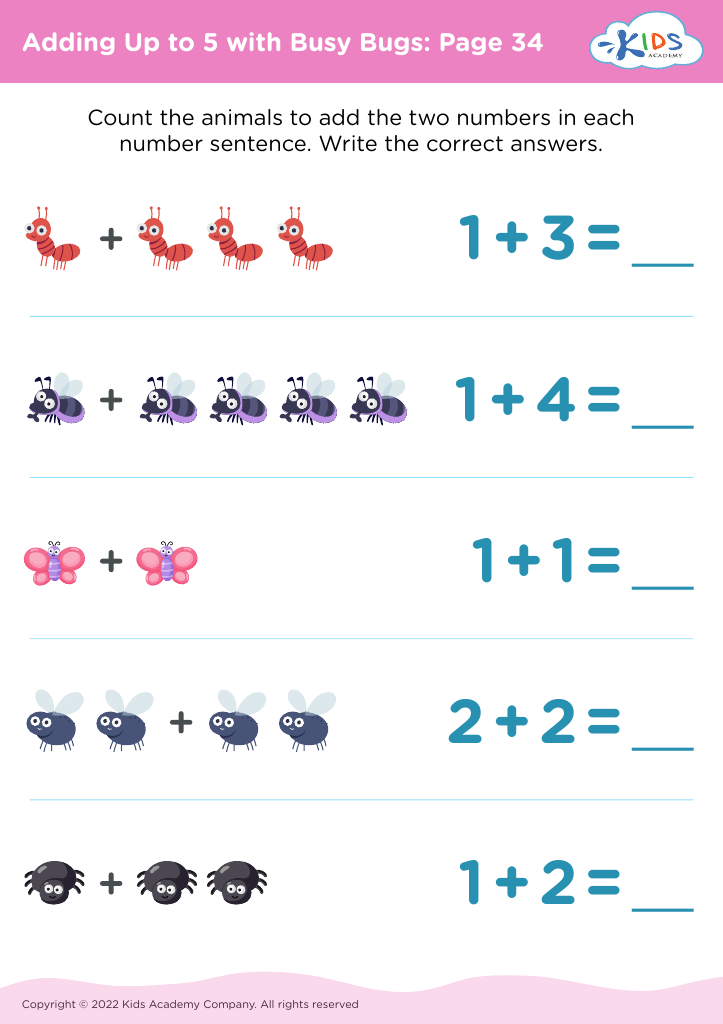
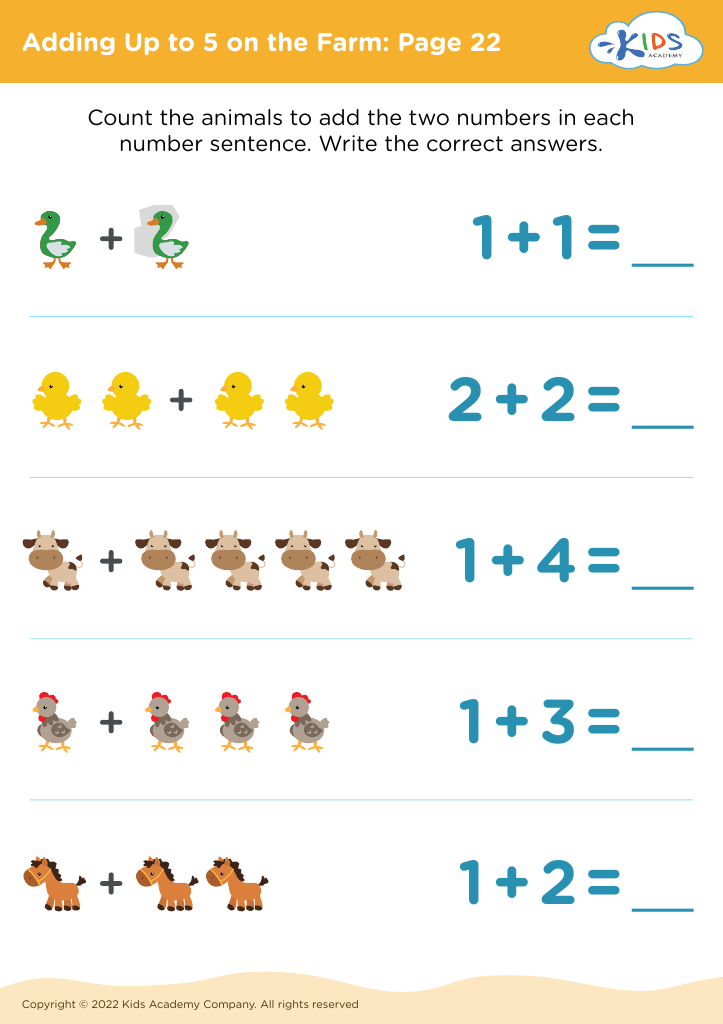
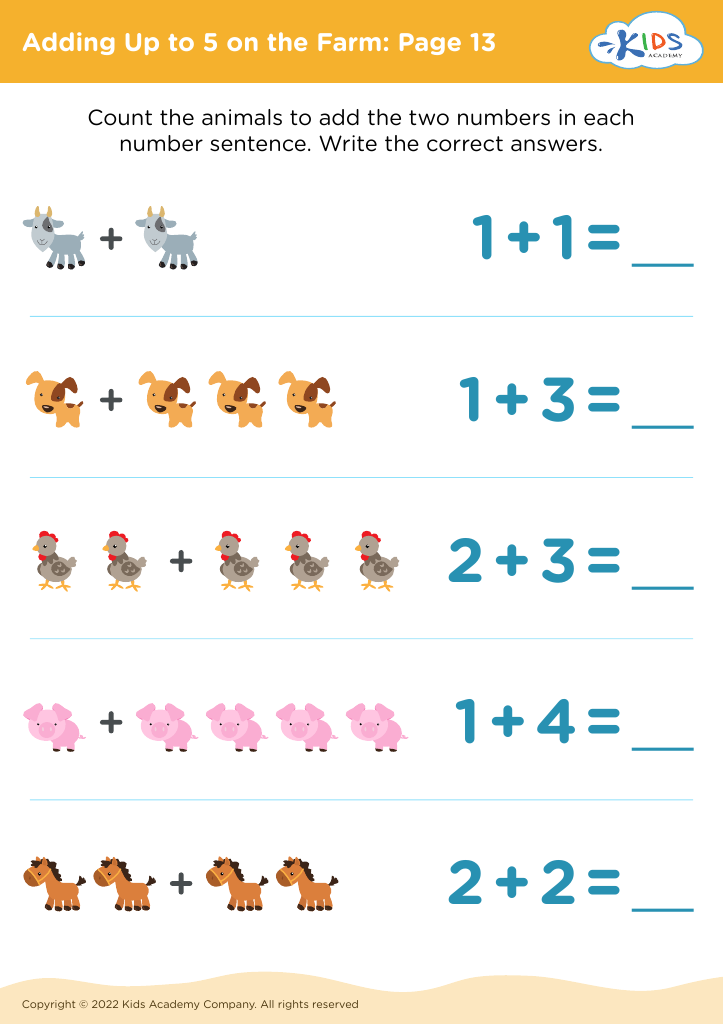
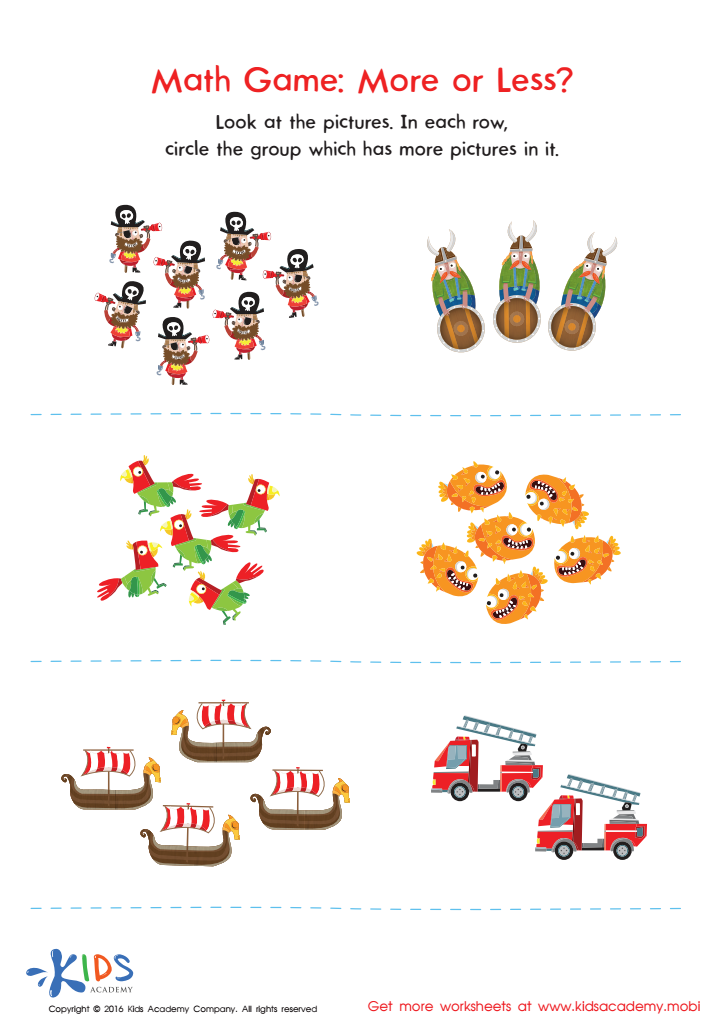
More or Less Worksheet
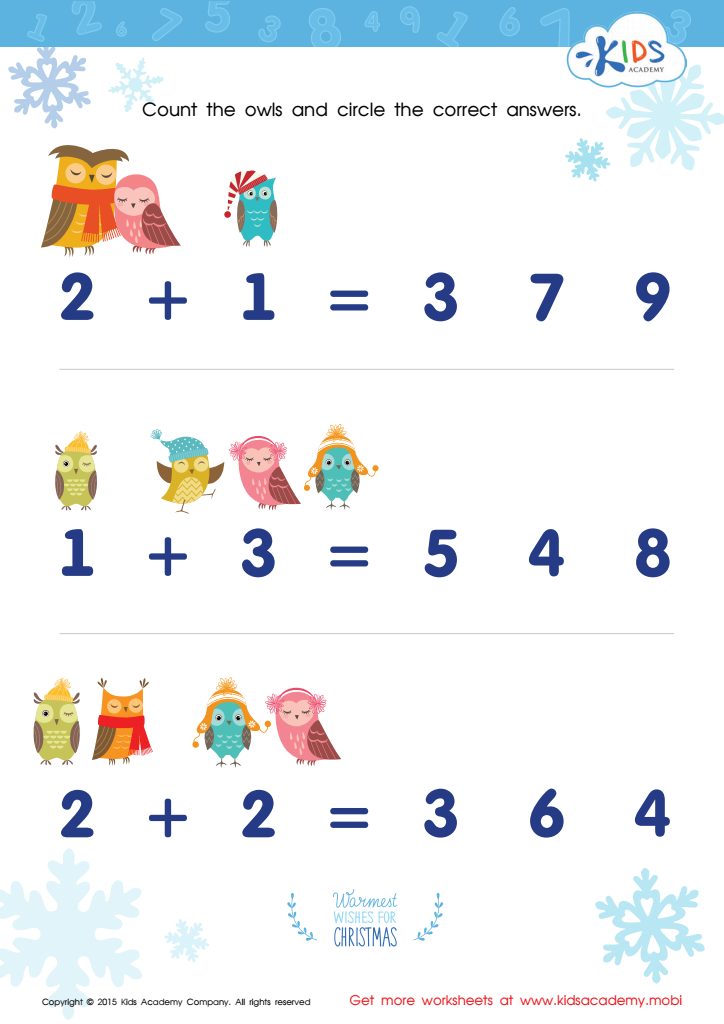
Count Little Owls Worksheet
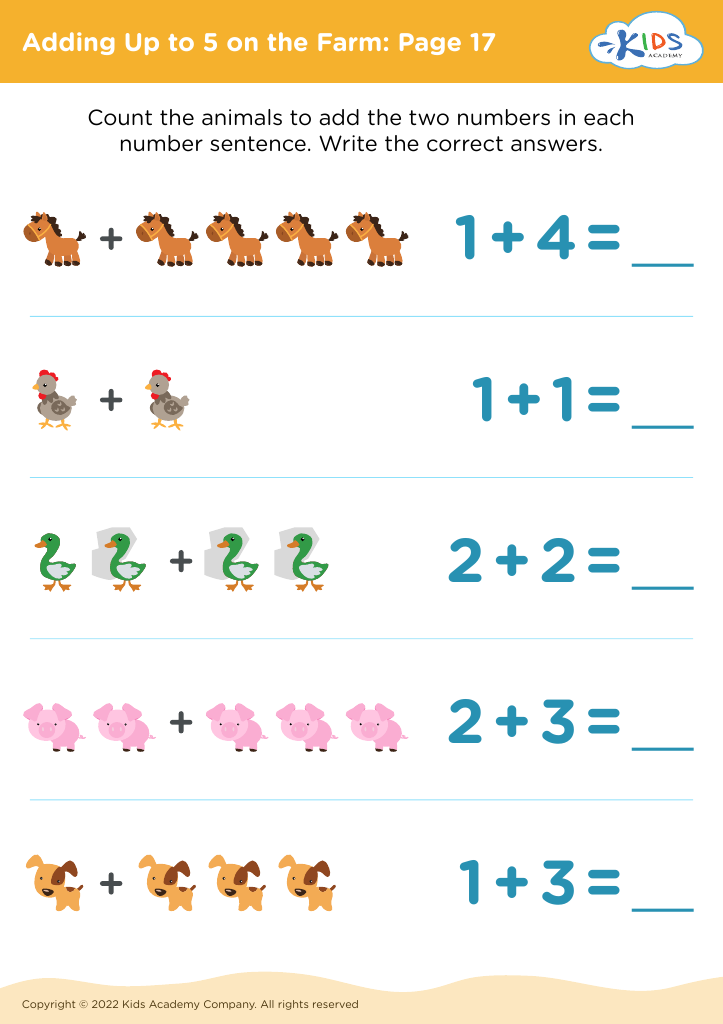
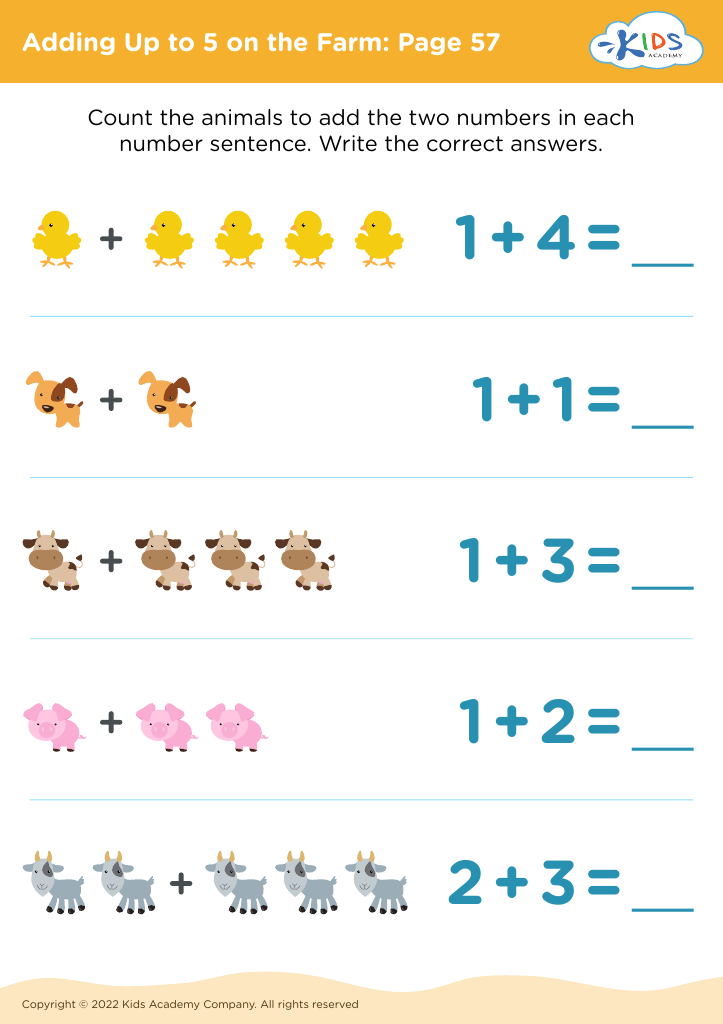
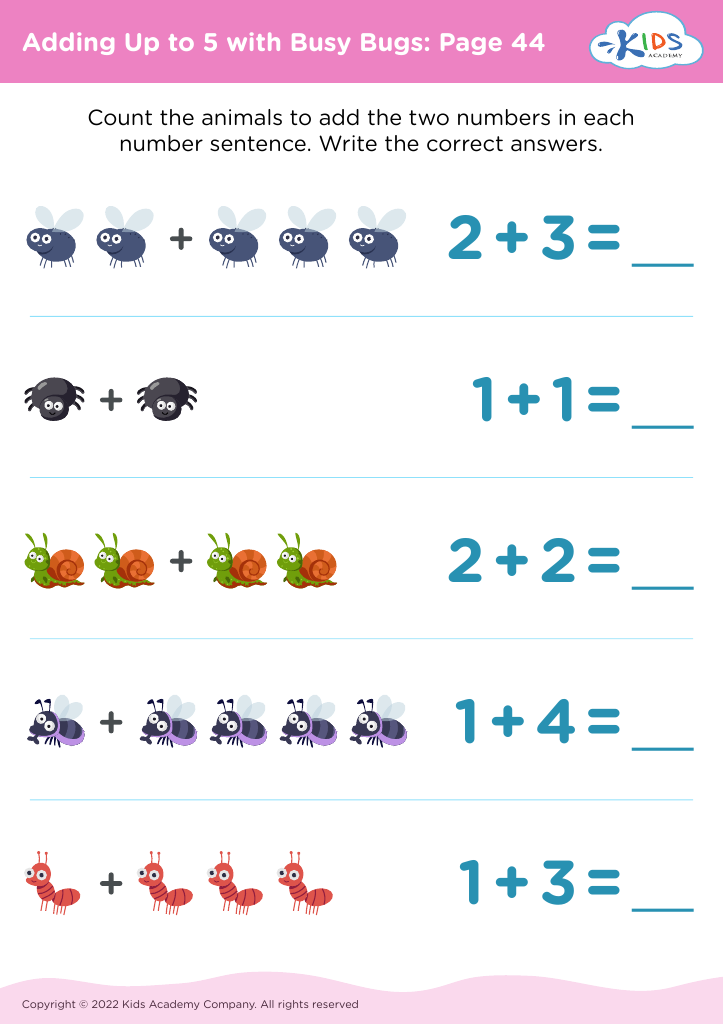
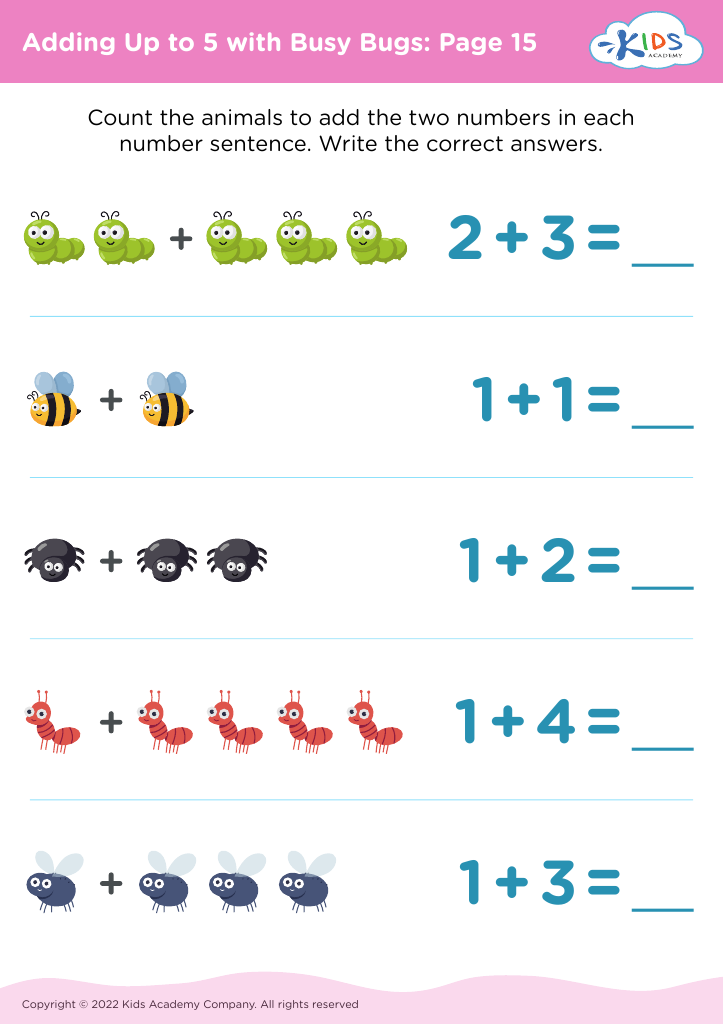








Understanding quantity, addition, and subtraction lays a foundational math competence for young learners, and parents and teachers play critical roles in this process for 3-year-olds. At this age, children are naturally curious and ready to explore basic mathematical concepts. Engaging them in activities that involve counting objects, comparing quantities, or simple addition and subtraction fosters cognitive development and critical thinking skills.
First, grasping these concepts helps children develop numeracy awareness, which is essential for later academic success. Early exposure encourages a positive attitude towards math and promotes lifelong learning. Additionally, understanding quantity enhances problem-solving skills, as children learn to navigate everyday situations involving numbers, such as sharing toys or distributing snacks.
Moreover, interacting with mathematical concepts supports language development and social skills, as children describe their thoughts and engage in cooperative play. Parent and teacher involvement gives reassurance and builds a child’s confidence in tackling math-related challenges.
By prioritizing understanding in quantity, addition, and subtraction, caregivers set the stage for a strong mathematical foundation, ensuring that children are prepared for more complex concepts in the future. This investment in early learning ultimately benefits not just the child but society as a whole, promoting numeracy and critical skills that contribute to informed decision-making.








