Problem-Solving Skills Addition Worksheets for 3-Year-Olds - Page 2
48 filtered results
-
From - To
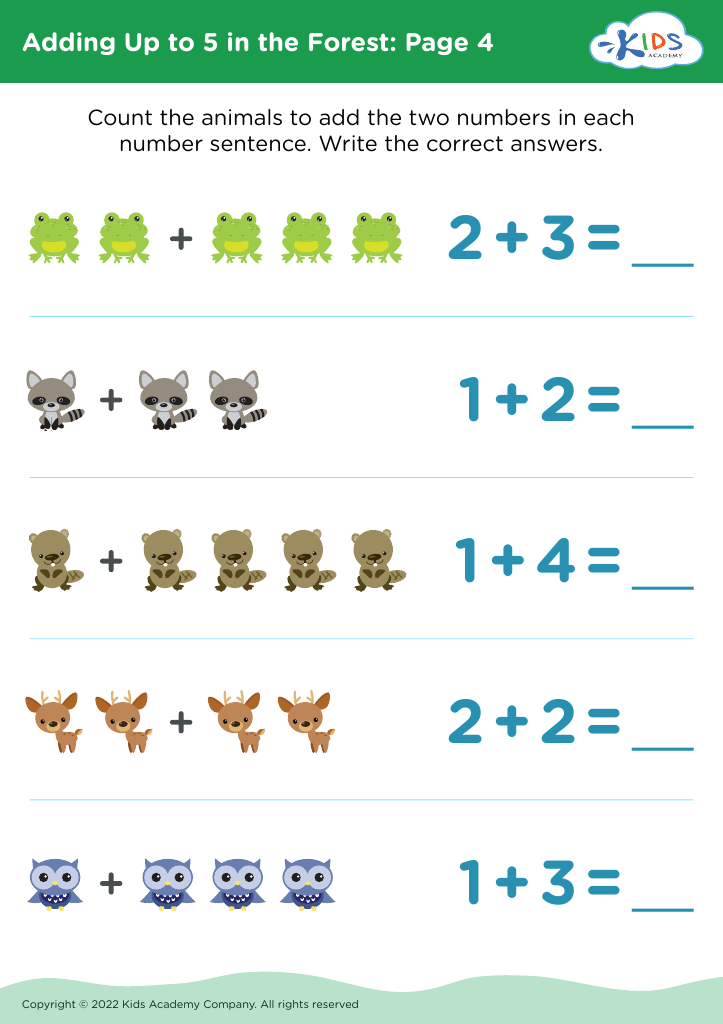
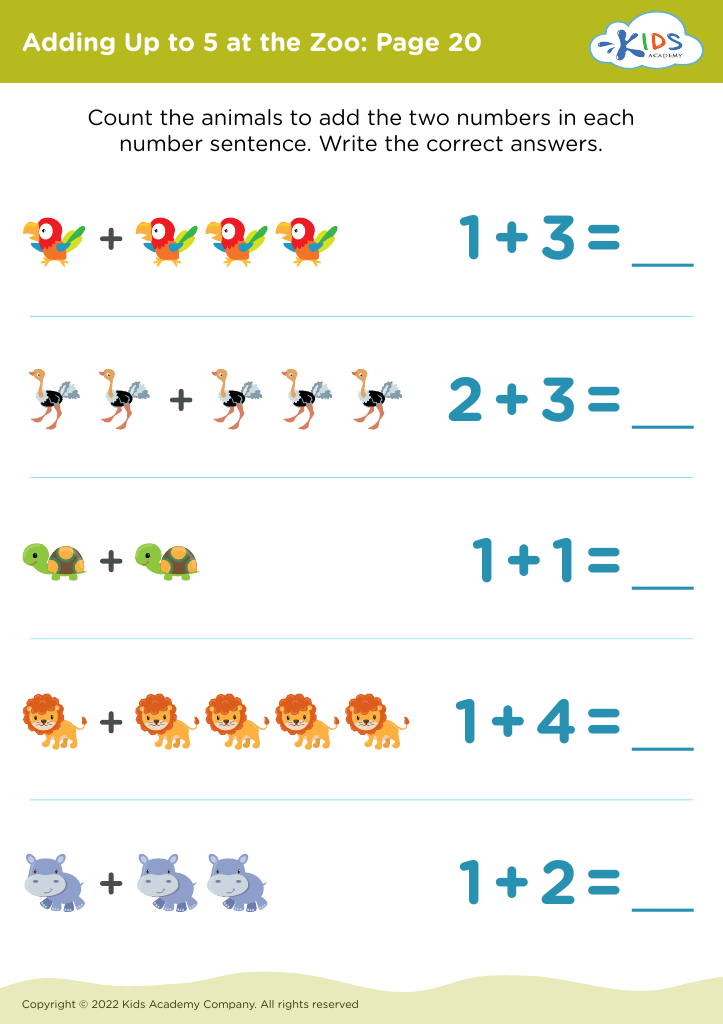
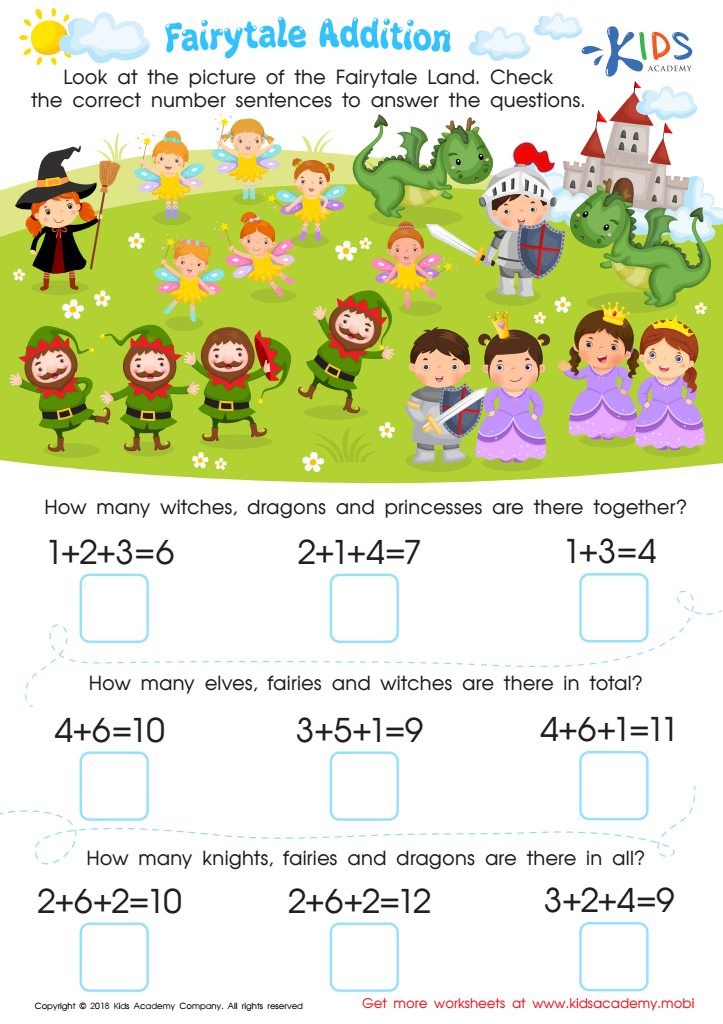
Fairytale Addition Worksheet
 Assign to My Students
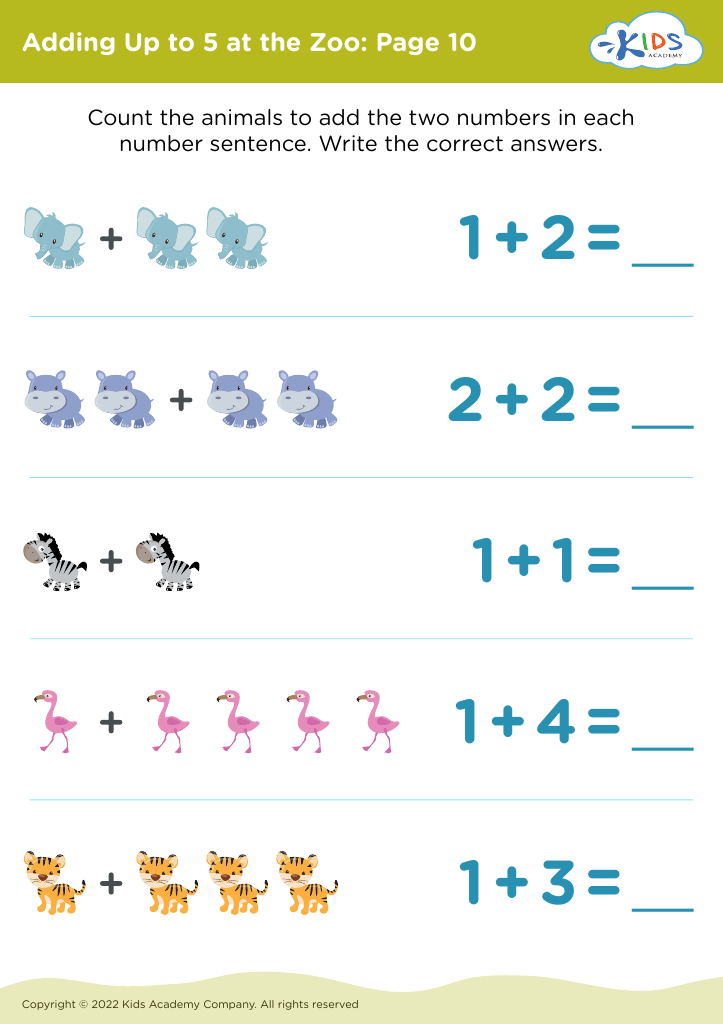
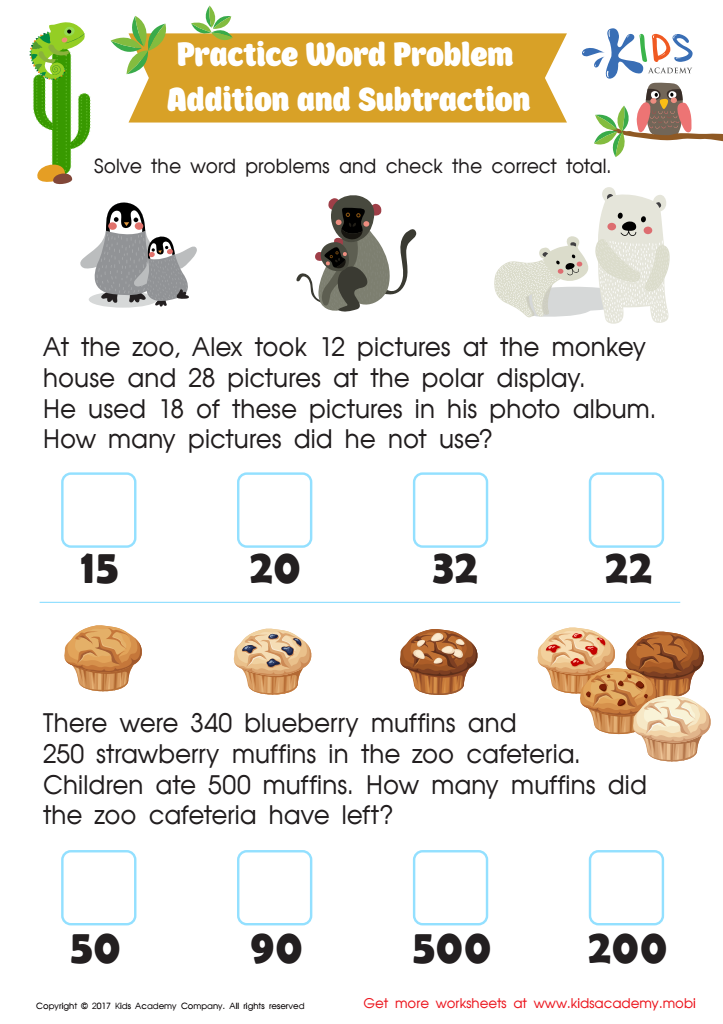
Addition and Subtraction: Word Problems Worksheet
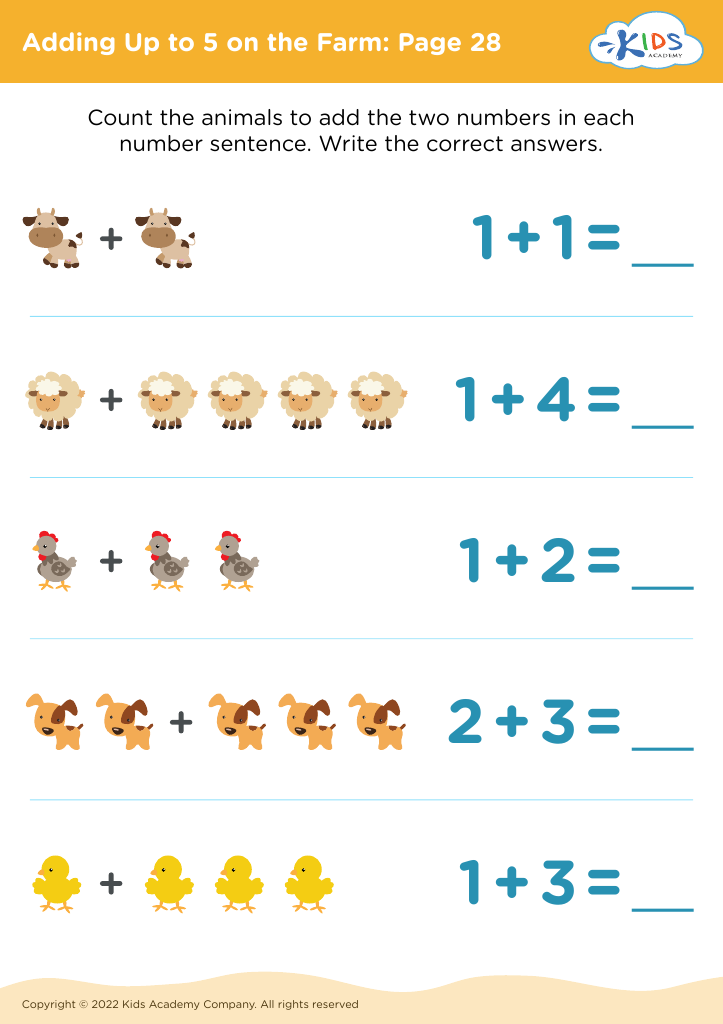
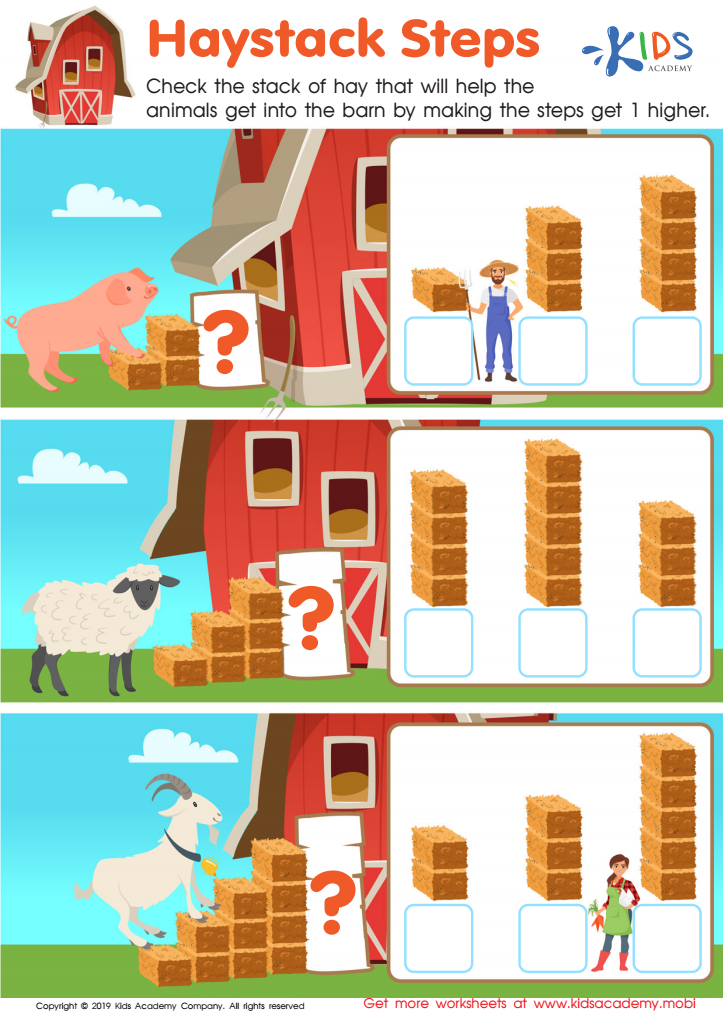
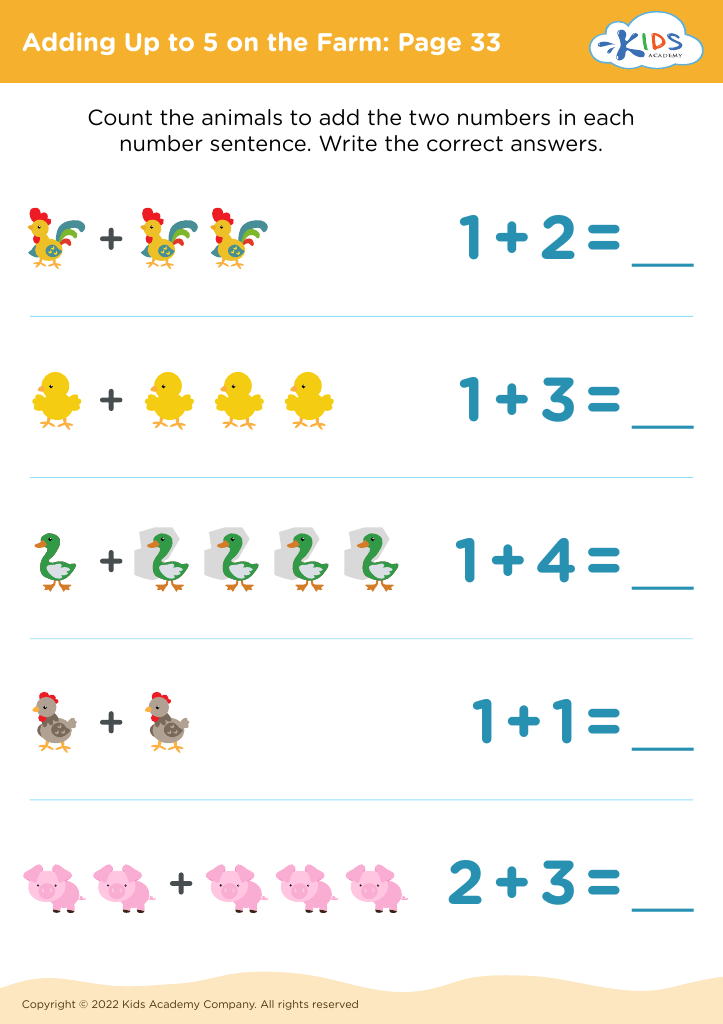
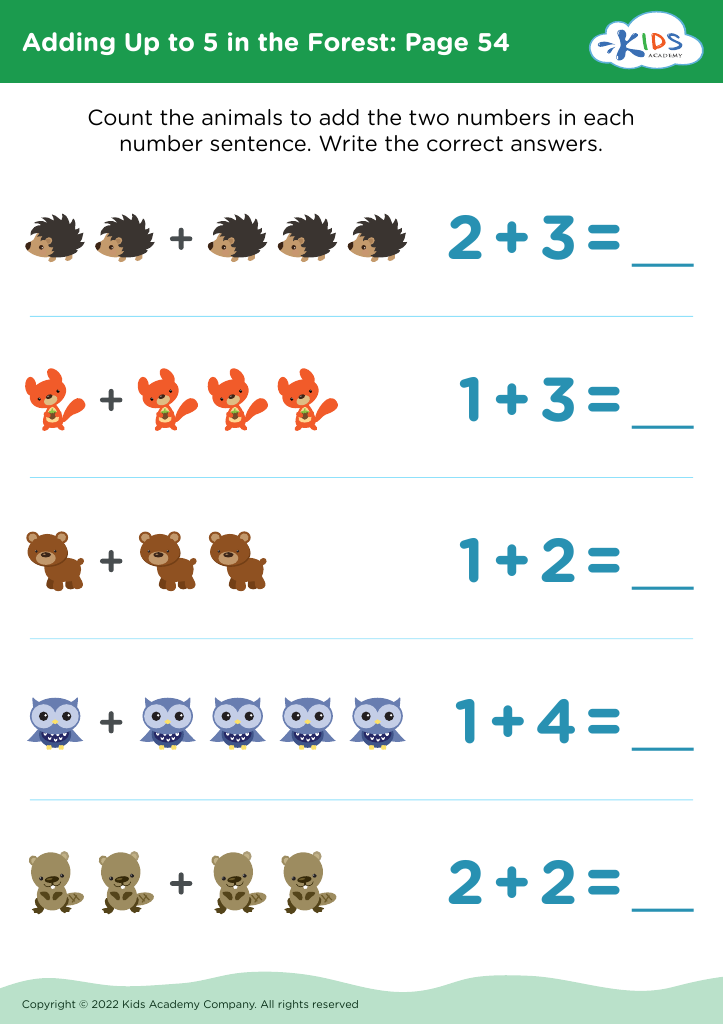
Haystack Steps Worksheet
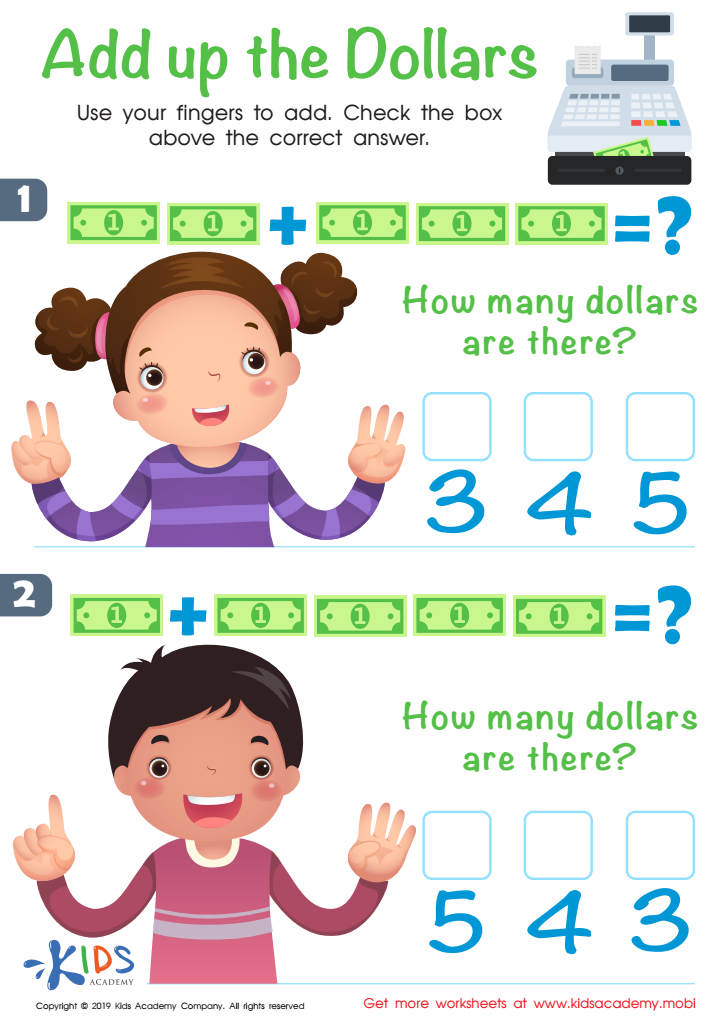
Add up the Dollars Worksheet
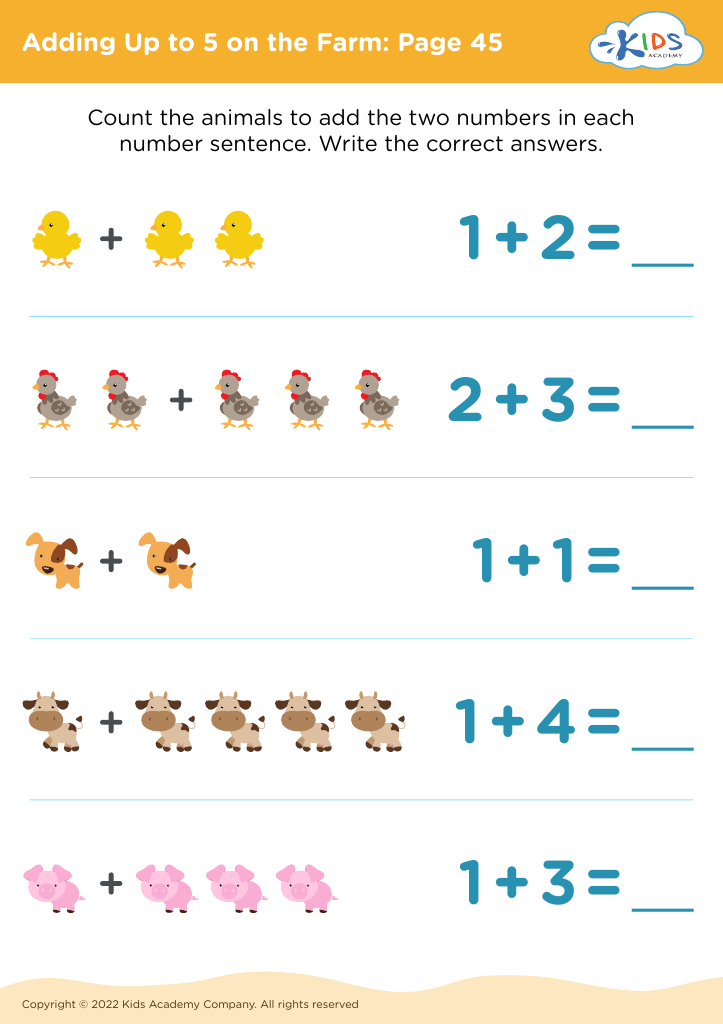
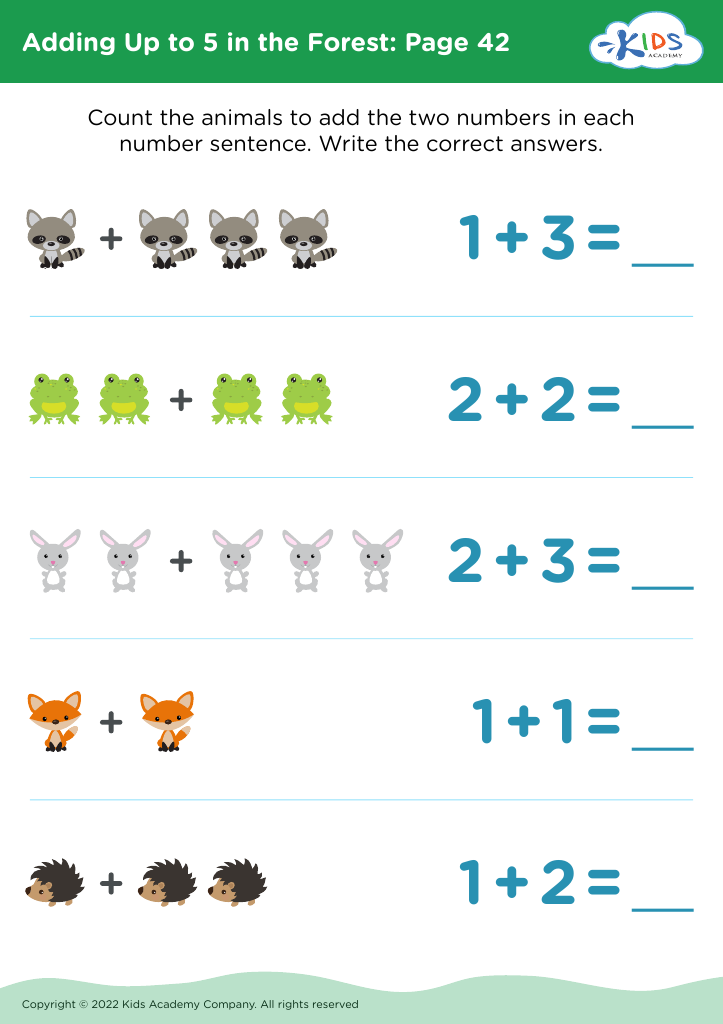
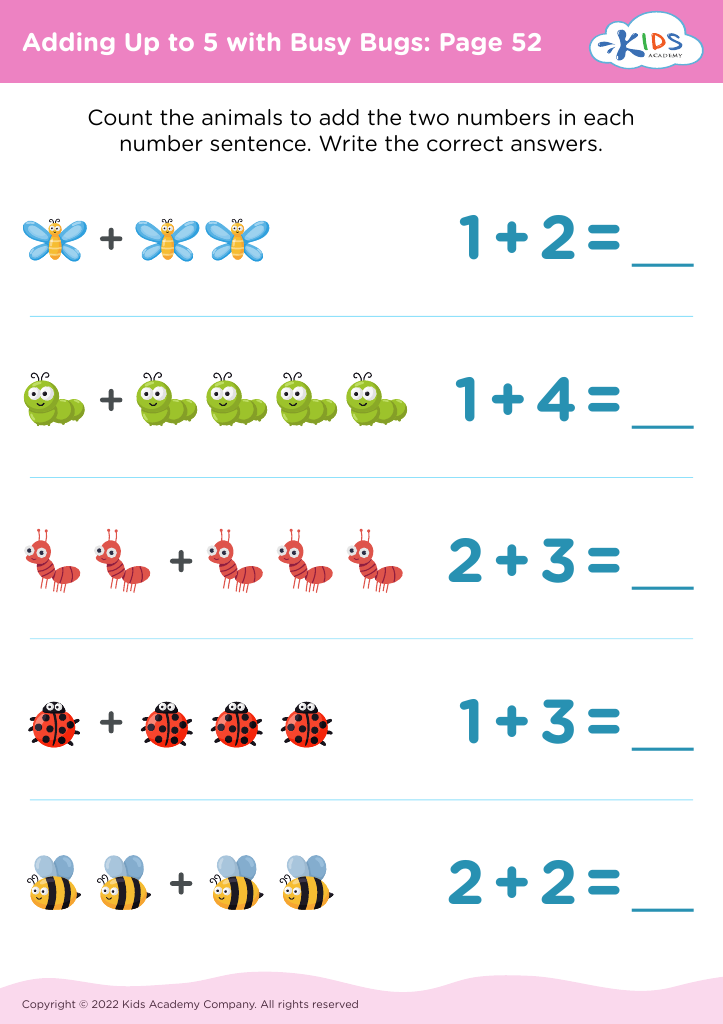








Developing problem-solving skills in 3-year-olds is crucial for their early cognitive and emotional development. During this formative period, children begin to understand and interact with the world around them, setting the foundation for future learning and personal growth. Here’s why parents and teachers should prioritize fostering these skills:
Cognitive Development: Problem-solving encourages children to think critically and creatively. It helps them learn how to analyze a situation, make decisions, and find solutions, which are essential cognitive processes that benefit later academic pursuits.
Emotional Resilience: Learning to solve problems builds emotional resilience in young children. Overcoming challenges, even small ones, boosts their confidence and teaches them perseverance and patience, critical for handling more significant life obstacles.
Social Skills: When children work on problem-solving activities with peers or adults, they learn important social skills like cooperation, communication, and empathy. These interactions lay the groundwork for positive relationships and teamwork in the future.
Independence: Problem-solving skills foster independence. As children learn to navigate and resolve minor issues on their own, they become more self-sufficient and capable, reducing reliance on others and supporting their overall development.
Engaging 3-year-olds with age-appropriate problem-solving activities, puzzles, and games helps inculcate these essential skills, ultimately contributing to well-rounded individuals capable of thriving in various environments.








