Check out this FREE Trial Lesson on Addition for age 3!

A

Favorites
With answer key
Interactive
  • 3
  • Visual Learning
  • Addition
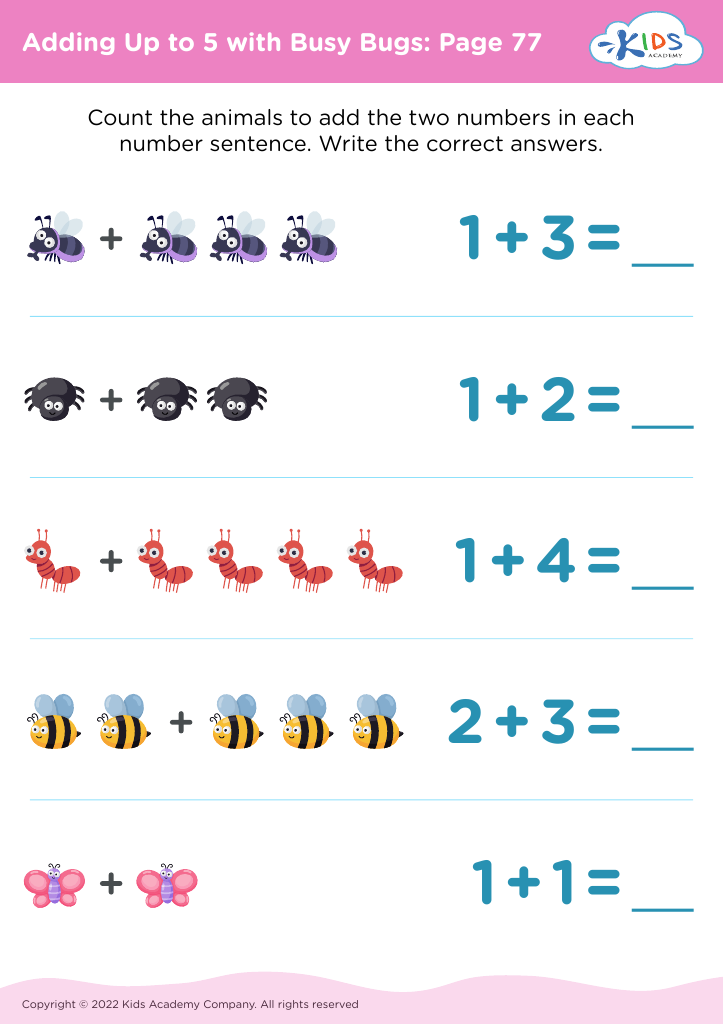
Adding Up to 5 with Busy Bugs: Page 77
Worksheet
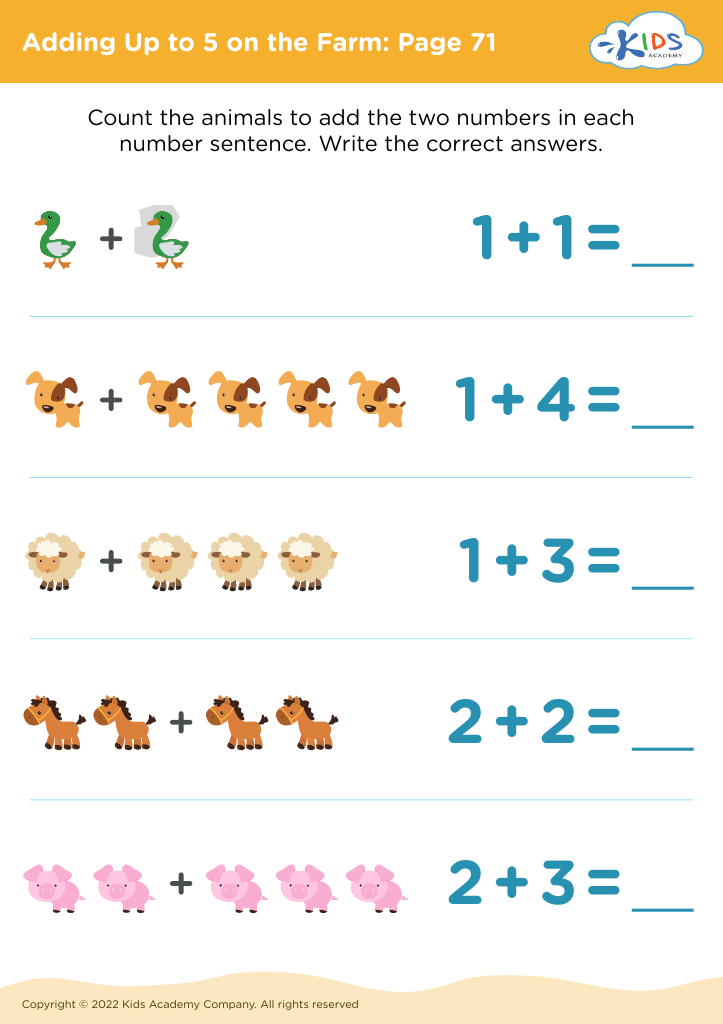
Adding Up to 5 on the Farm: Page 71
Worksheet
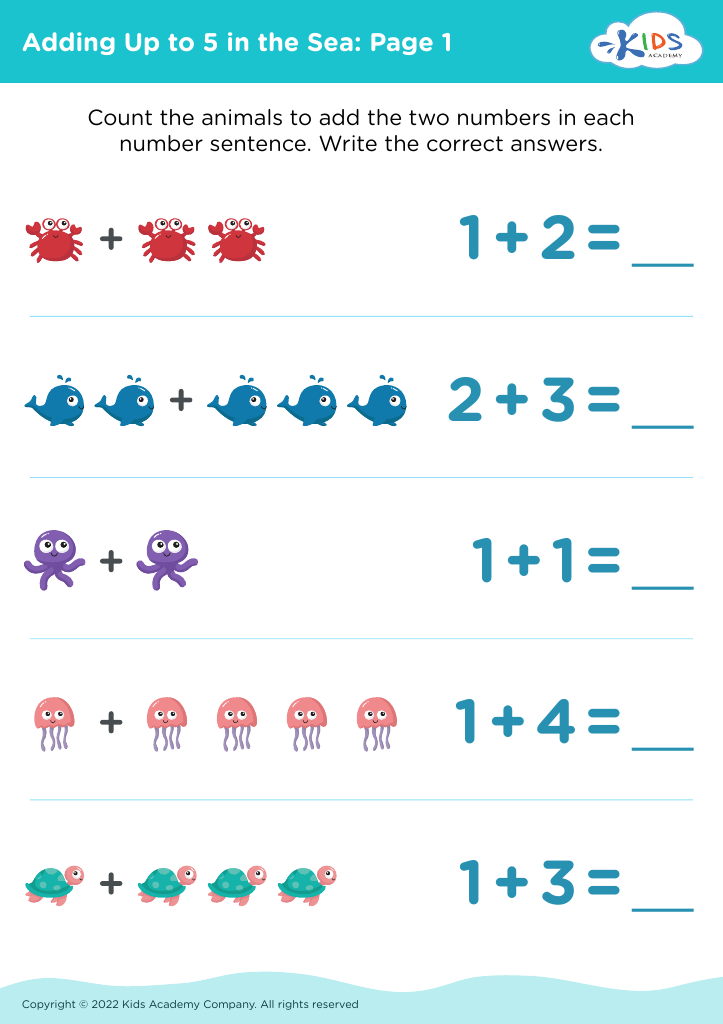
Adding Up to 5 in the Sea: Page 1

Adding Up to 5 in the Sea: Page 1

Adding Up to 5 in the Sea: Page 1
Worksheet
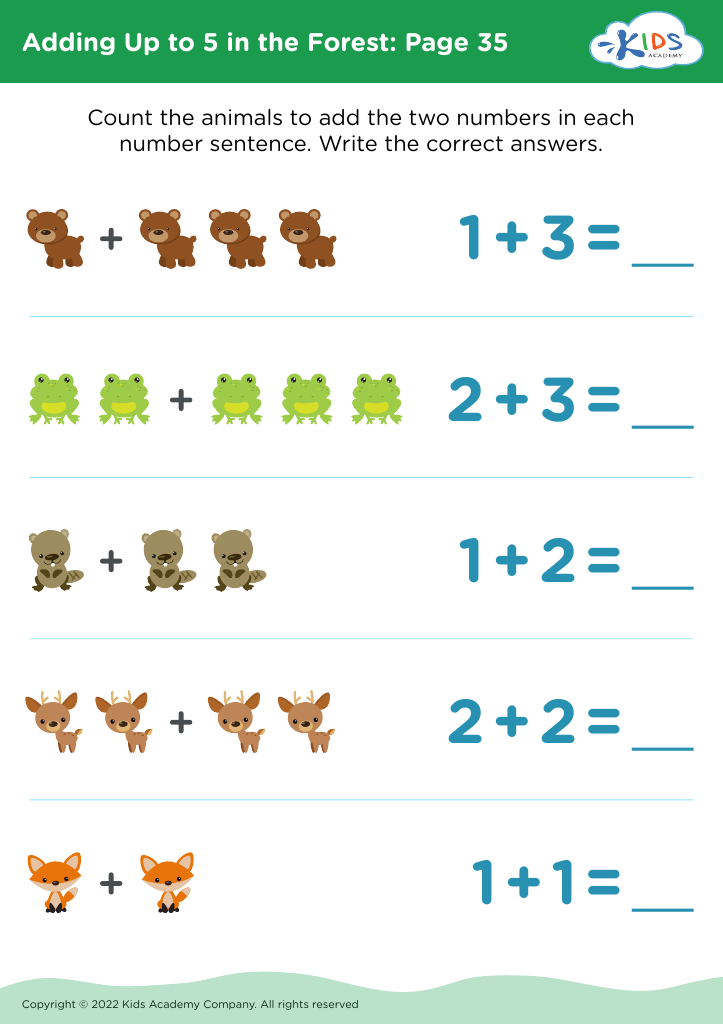
Adding Up to 5 in the Forest: Page 35
Worksheet
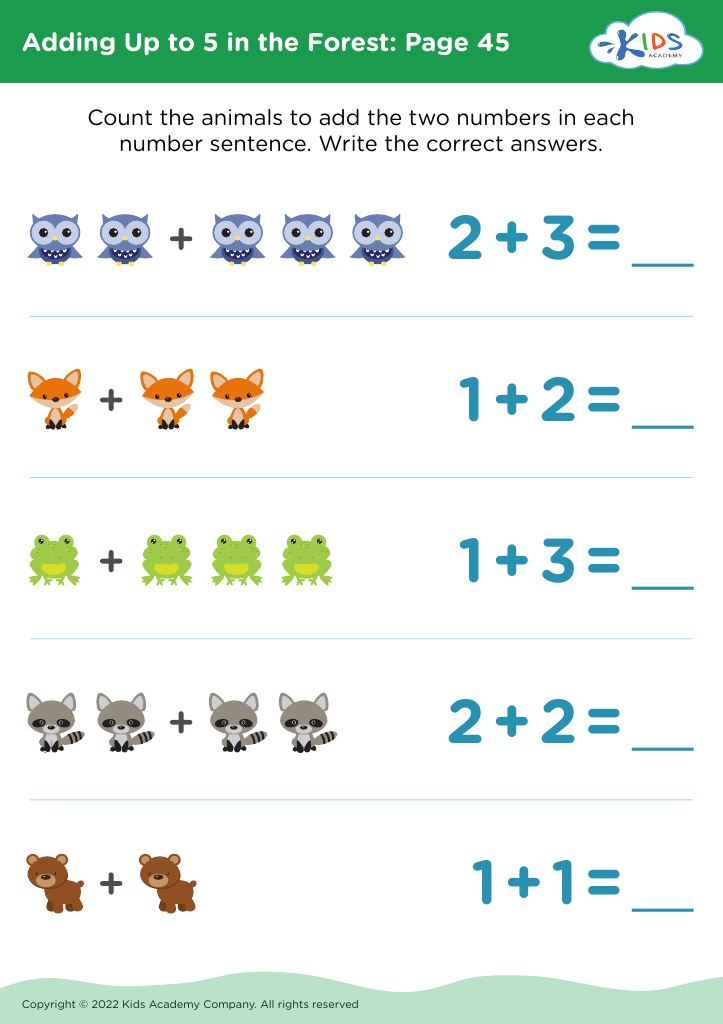
Adding Up to 5 in the Forest: Page 45
Worksheet
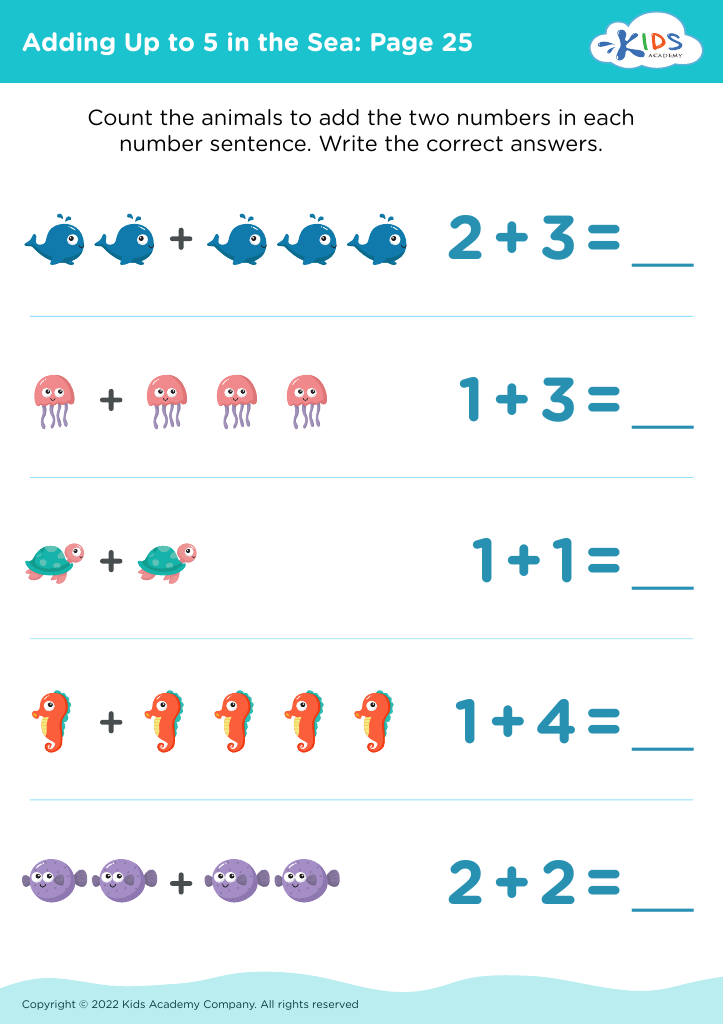
Adding Up to 5 in the Sea: Page 25
Worksheet
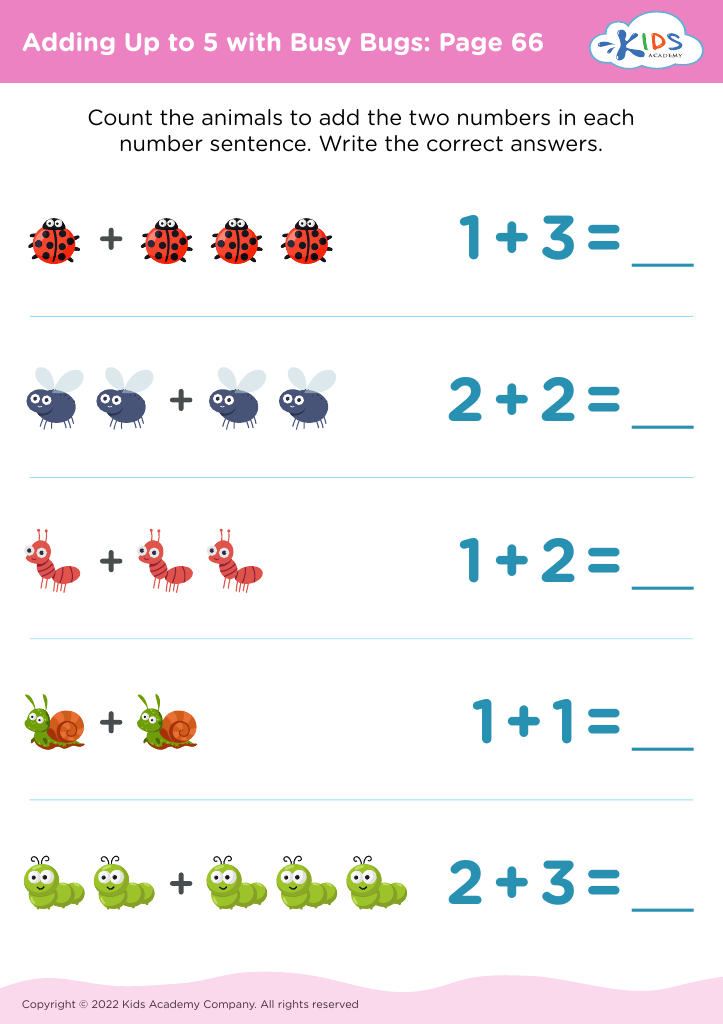
Adding Up to 5 with Busy Bugs: Page 66
Worksheet
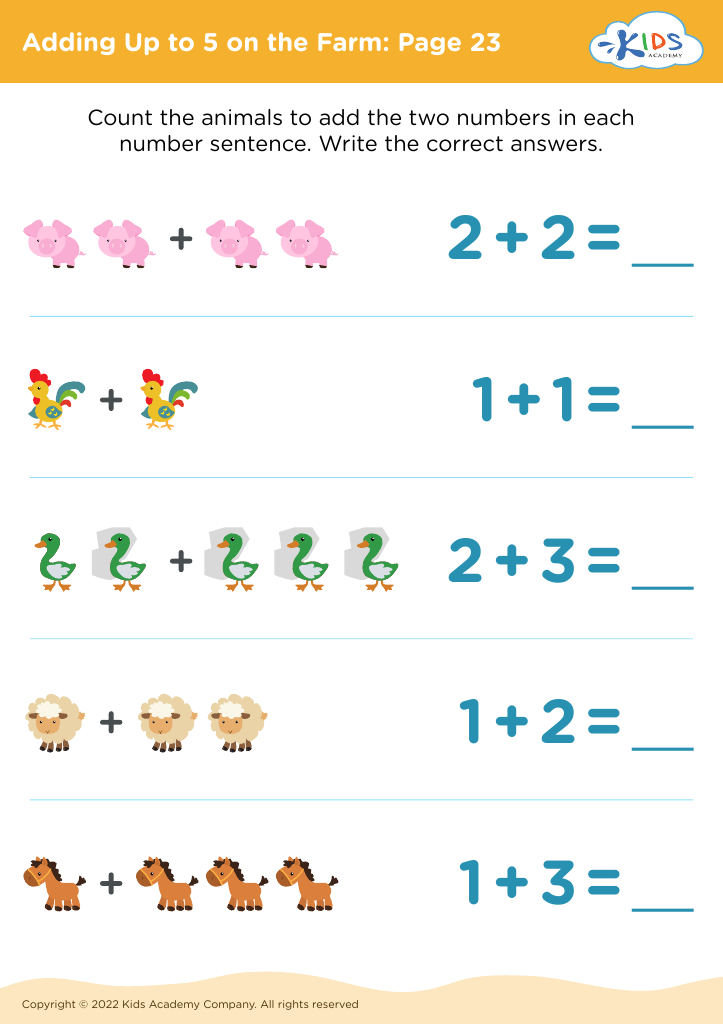
Adding Up to 5 on the Farm: Page 23
Worksheet
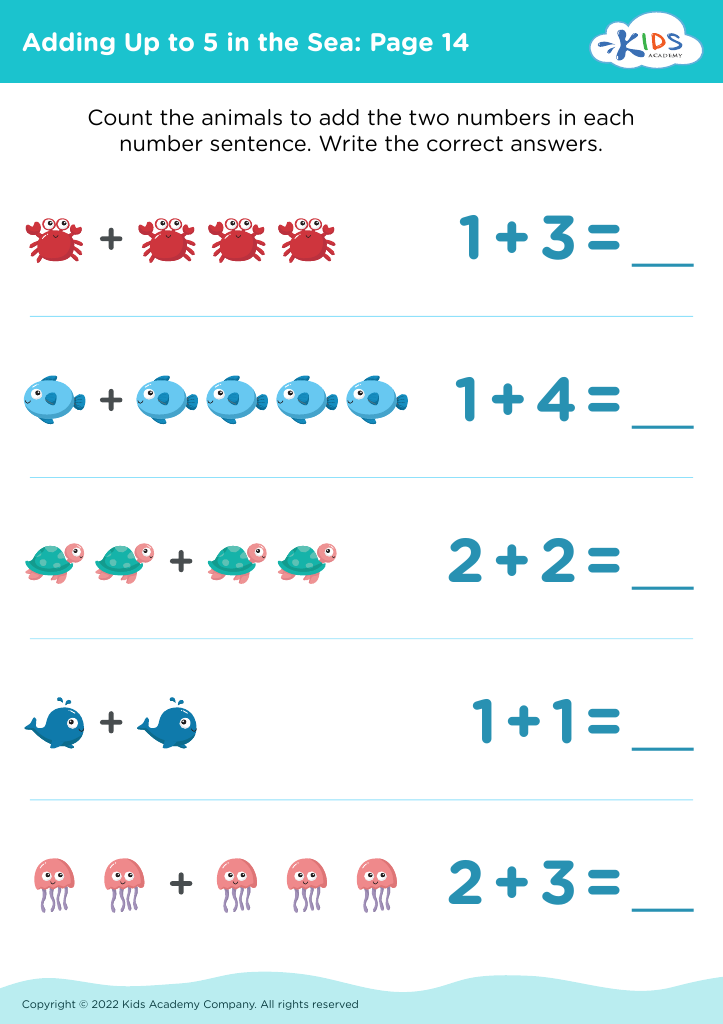
Adding Up to 5 in the Sea: Page 14
Worksheet
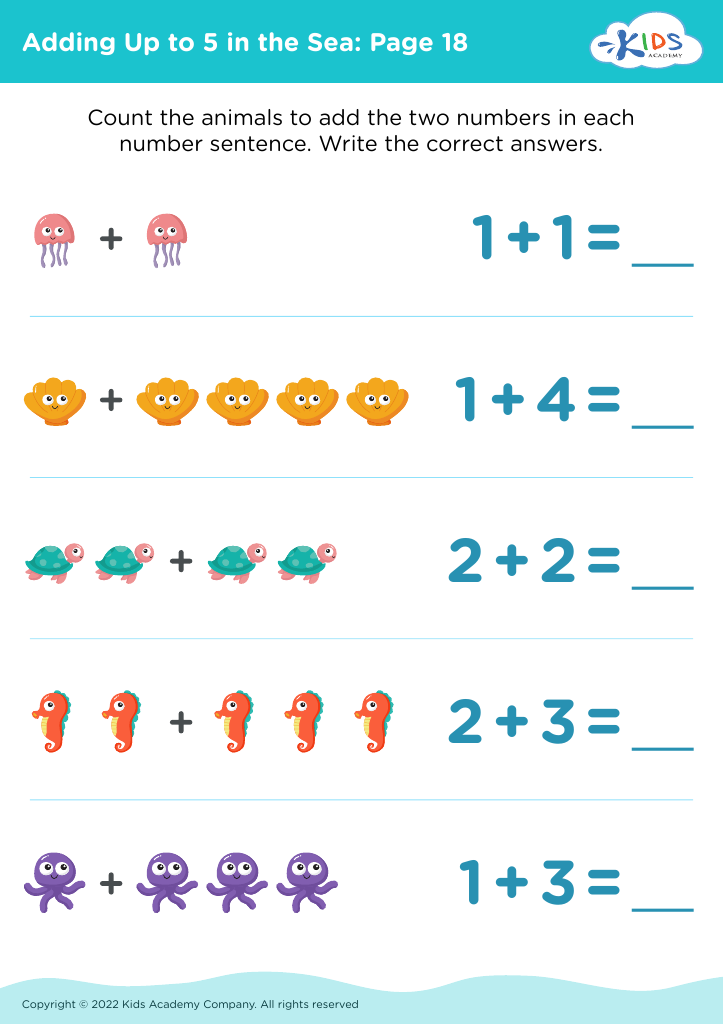
Adding Up to 5 in the Sea: Page 18
Worksheet
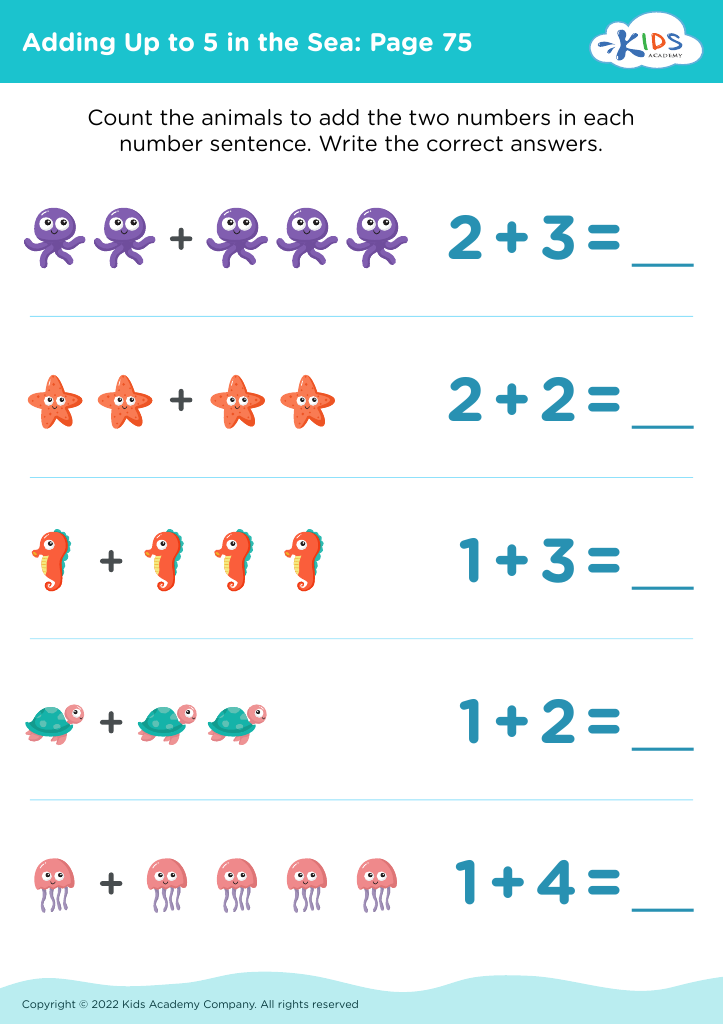
Adding Up to 5 in the Sea: Page 75
Worksheet
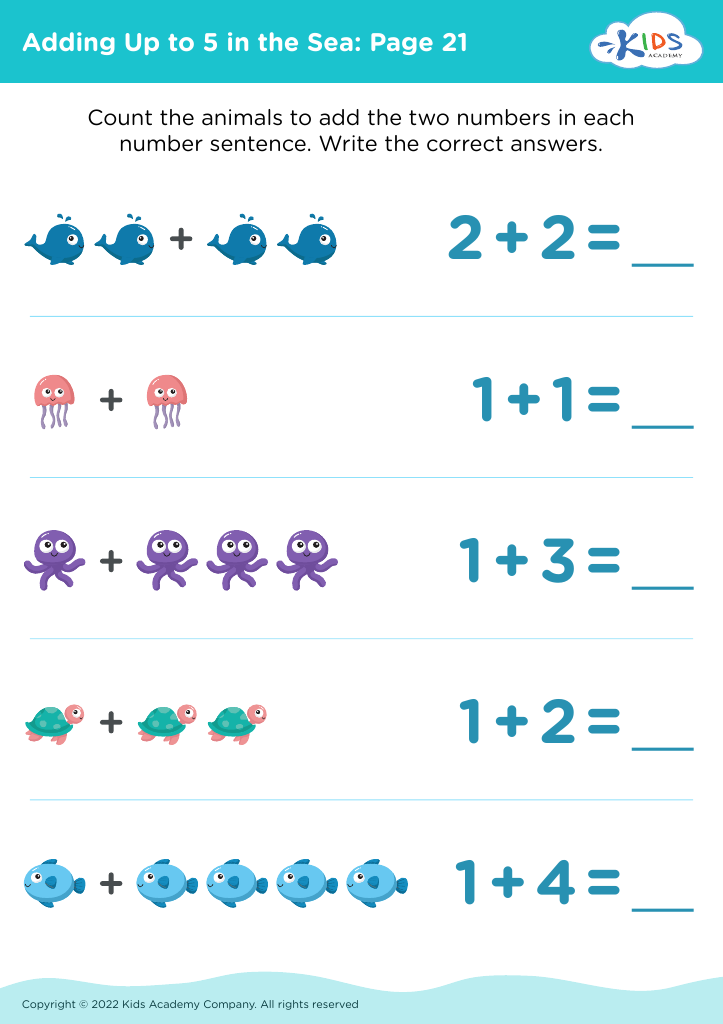
Adding Up to 5 in the Sea: Page 21
Worksheet
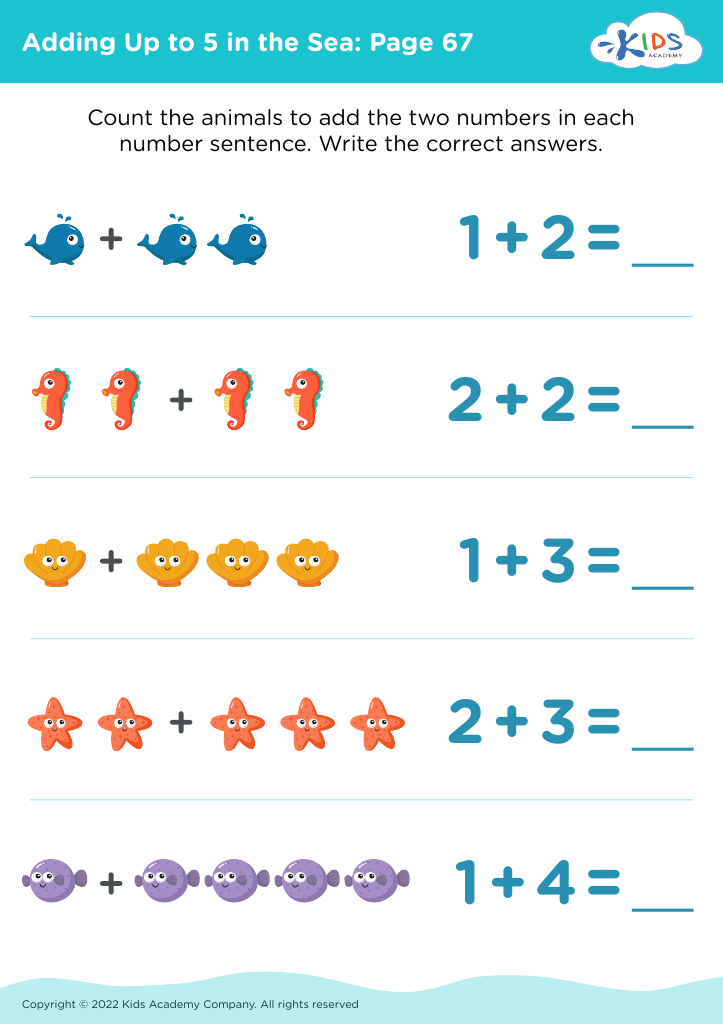
Adding Up to 5 in the Sea: Page 67
Worksheet
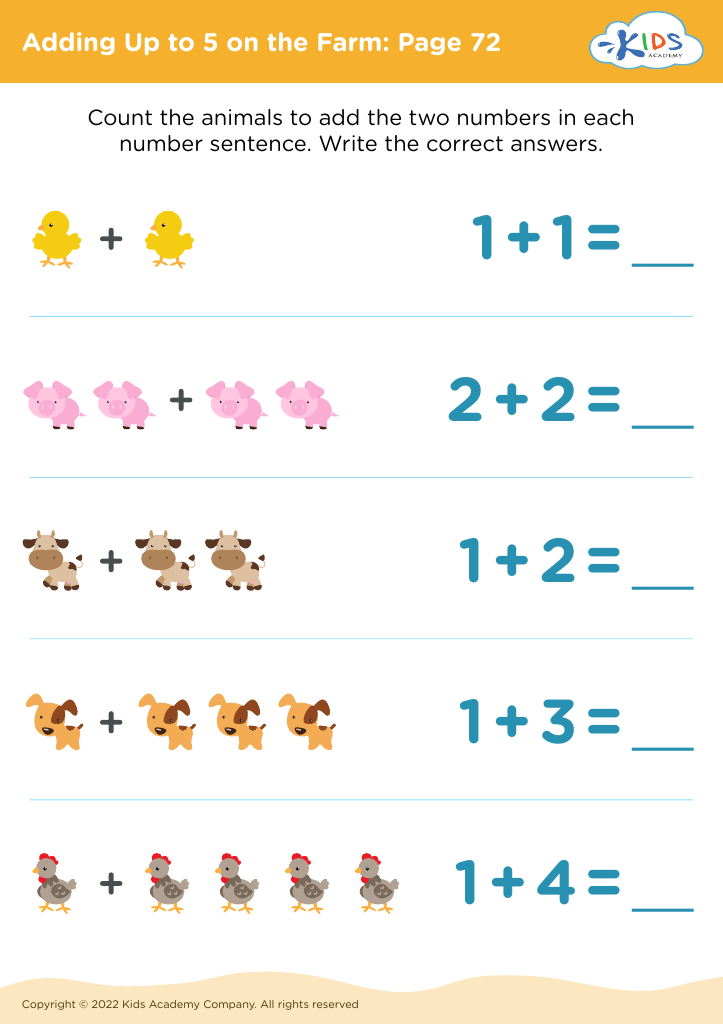
Adding Up to 5 on the Farm: Page 72
Worksheet
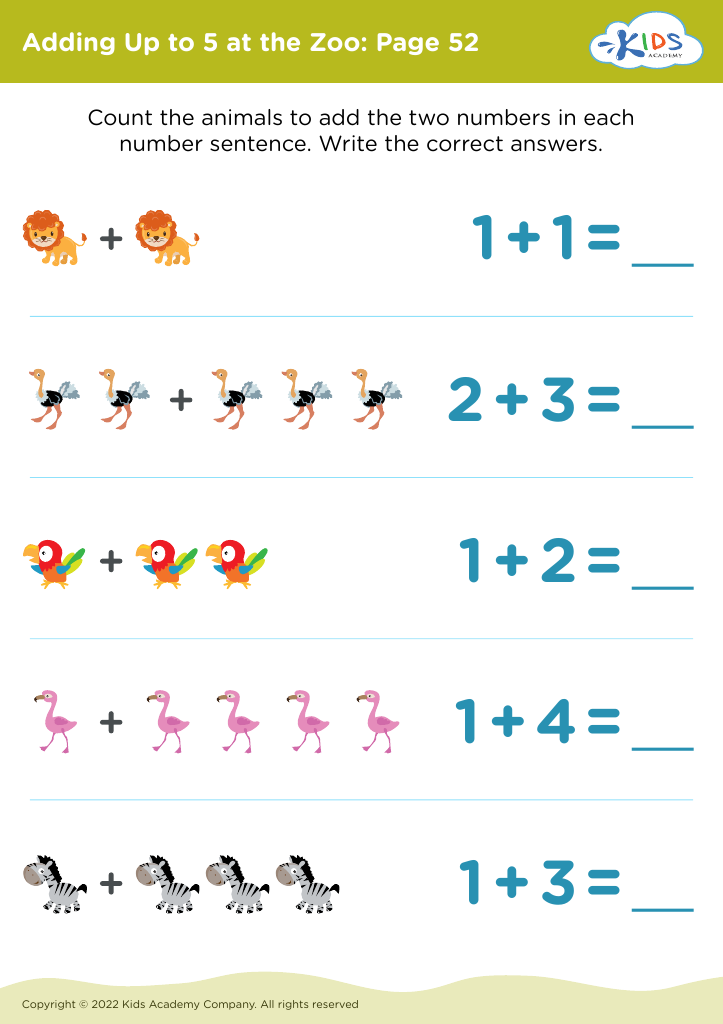
Adding Up to 5 at the Zoo: Page 52
Worksheet
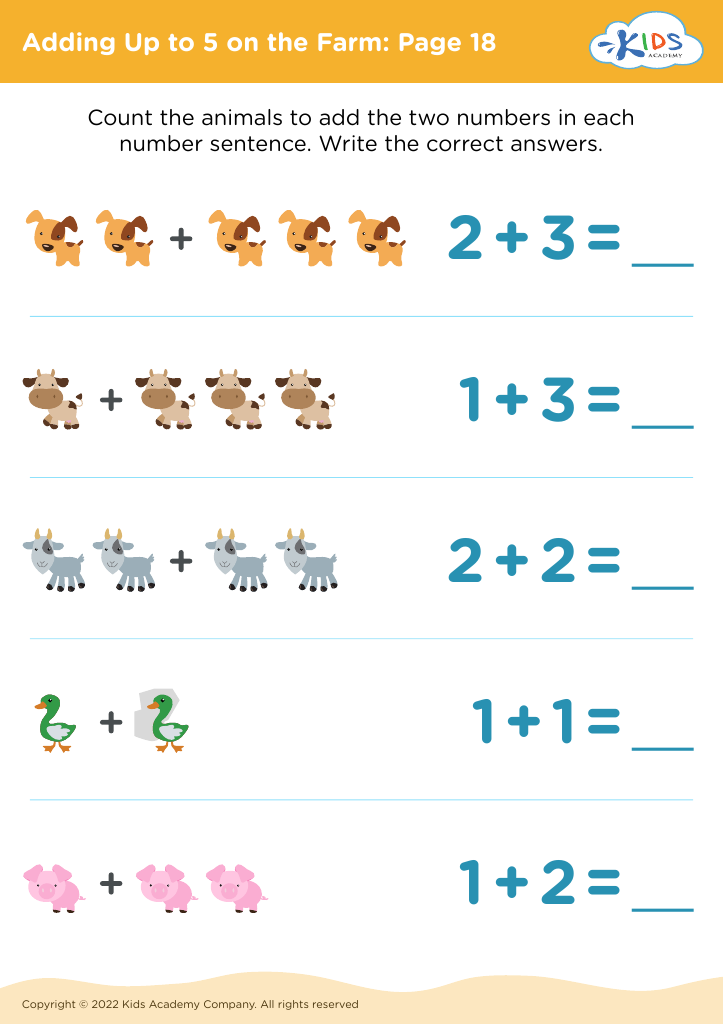
Adding Up to 5 on the Farm: Page 18
Worksheet
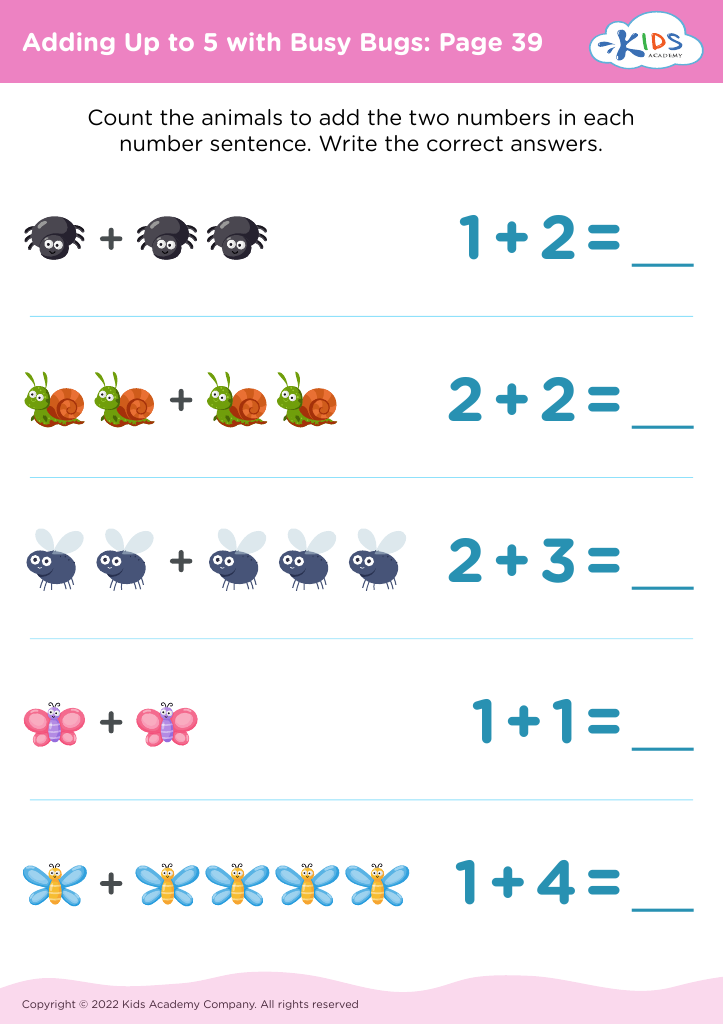
Adding Up to 5 with Busy Bugs: Page 39
Worksheet
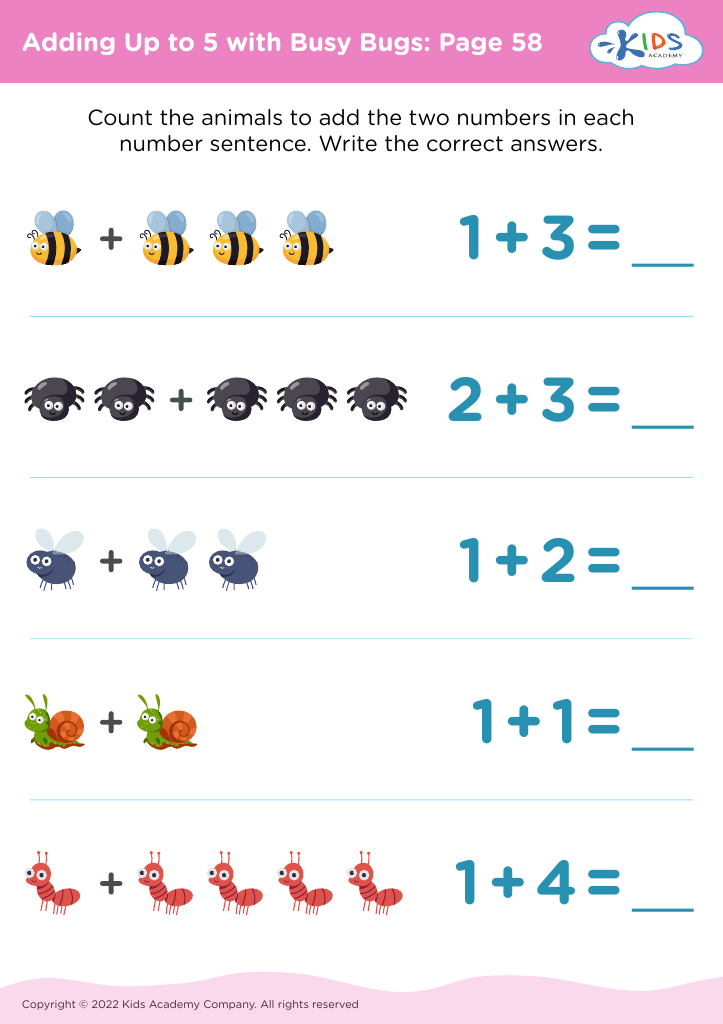
Adding Up to 5 with Busy Bugs: Page 58
Worksheet
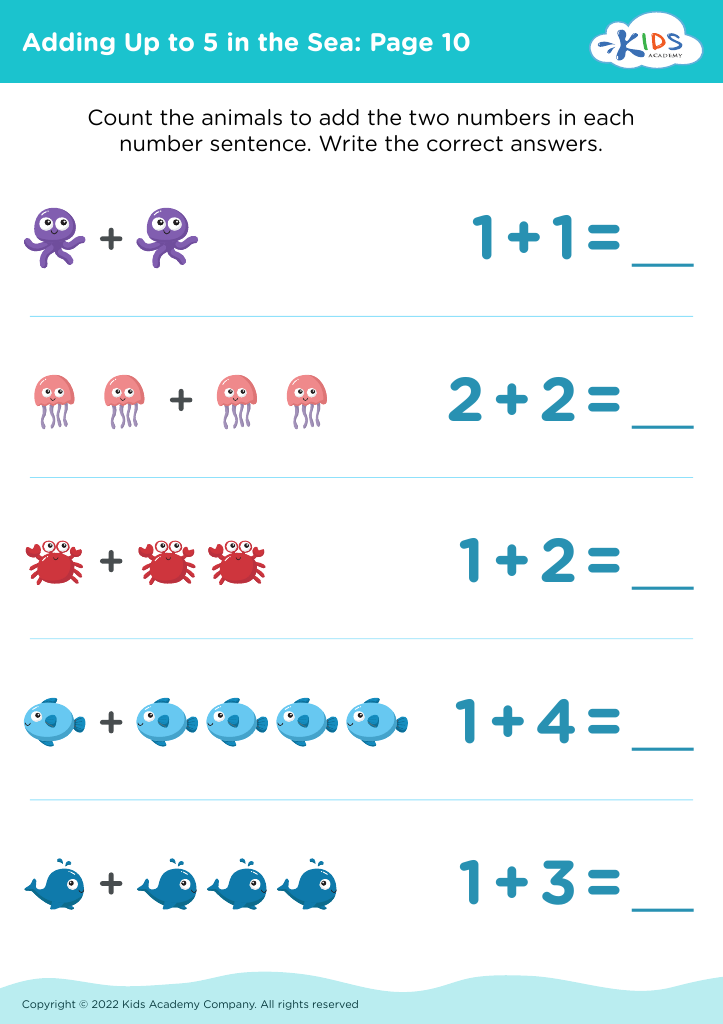
Adding Up to 5 in the Sea: Page 10
Worksheet
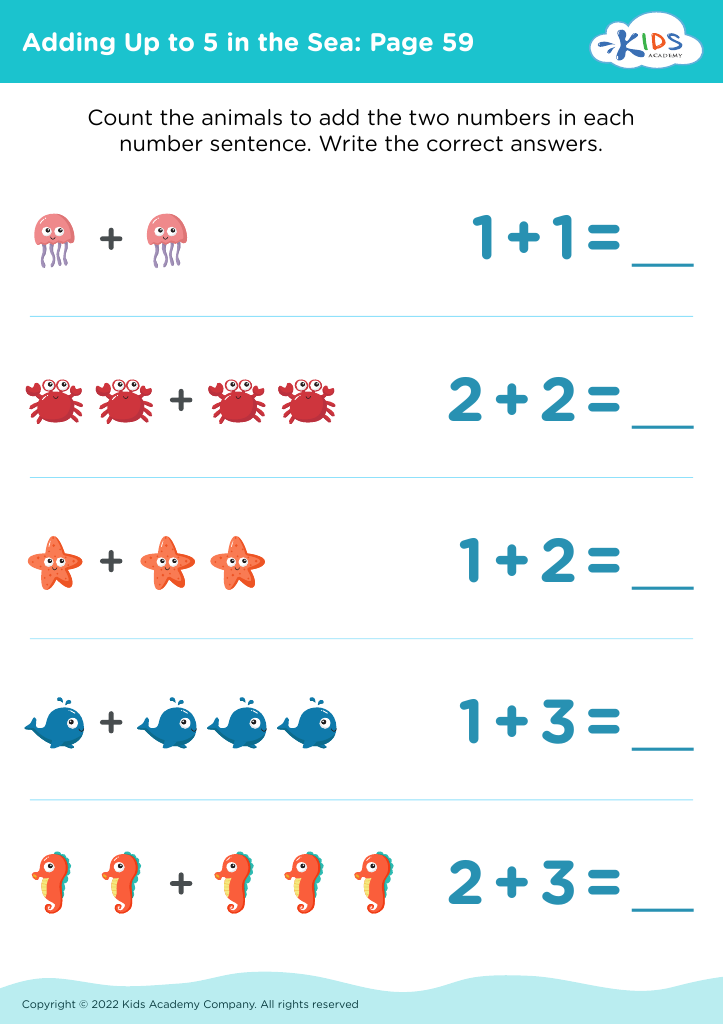
Adding Up to 5 in the Sea: Page 59
Worksheet
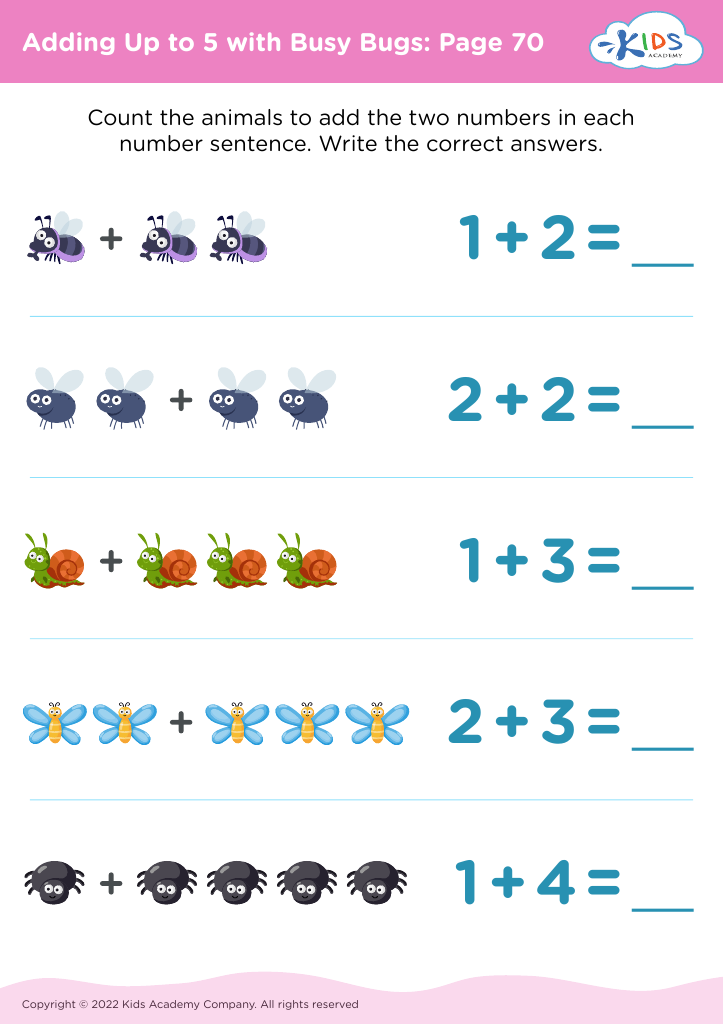
Adding Up to 5 with Busy Bugs: Page 70
Worksheet
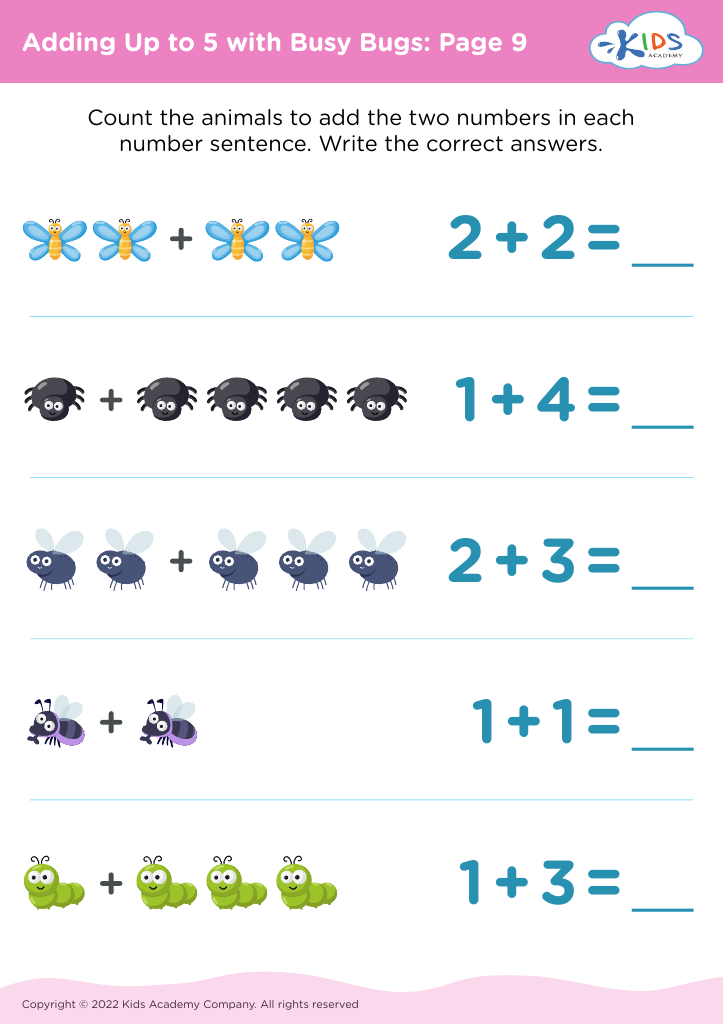
Adding Up to 5 with Busy Bugs: Page 9
Worksheet
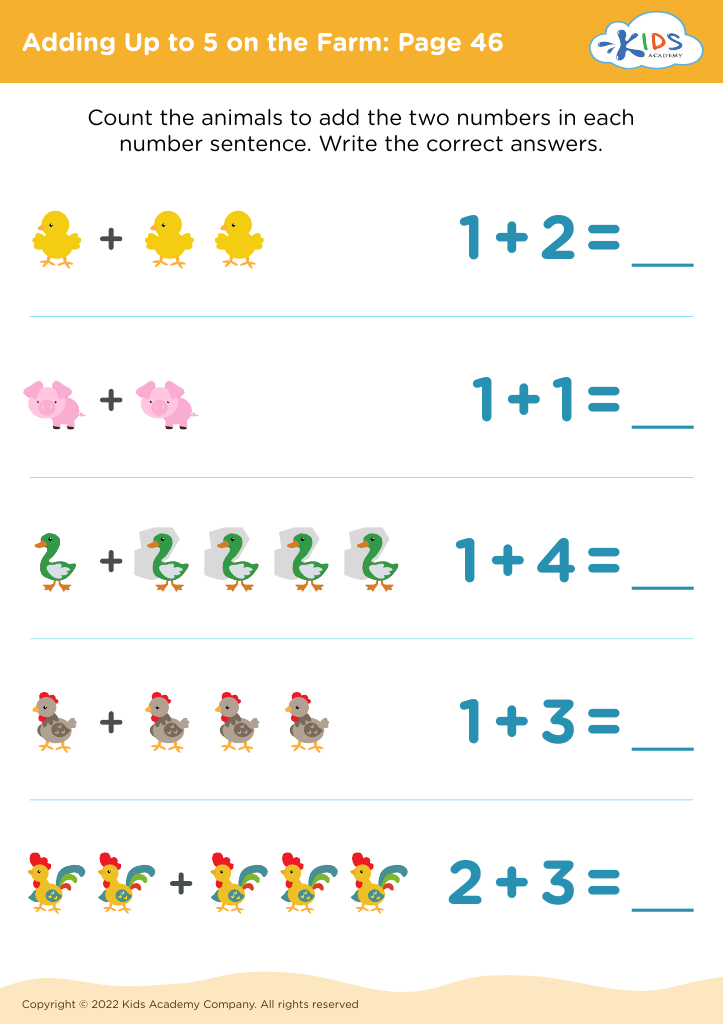
Adding Up to 5 on the Farm: Page 46
Worksheet
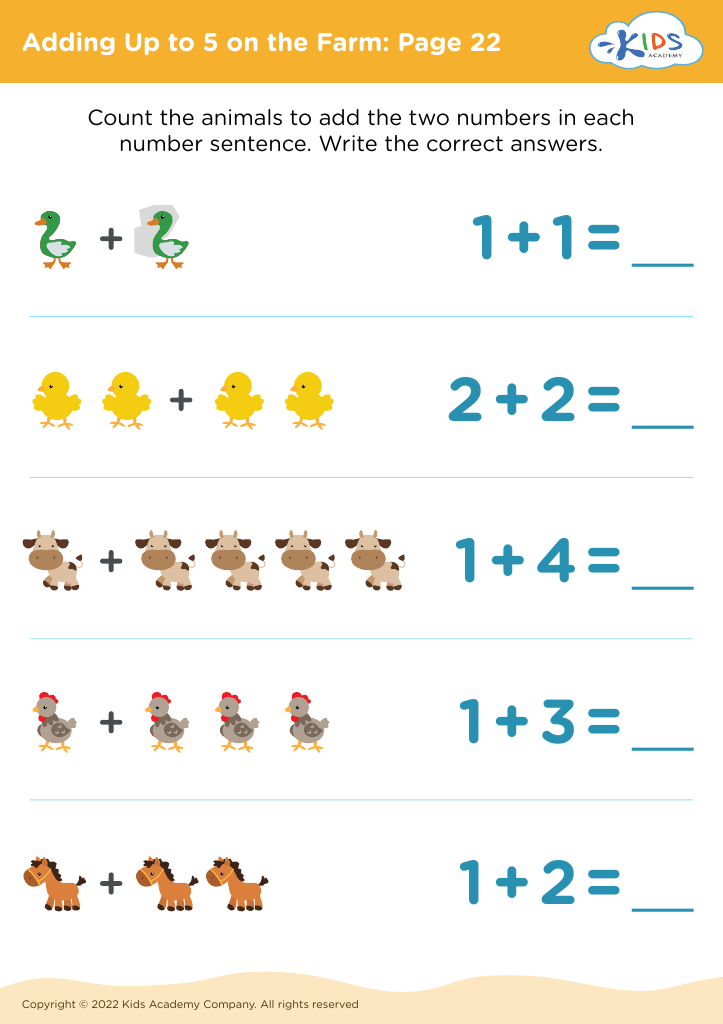
Adding Up to 5 on the Farm: Page 22
Worksheet


Parents and teachers should care about visual learning for addition for 3-year-olds because foundational math skills are crucial for cognitive development and future academic success. At this young age, children’s brains are highly receptive to visual and sensory information. Visual learning methods, such as using objects, pictures, or interactive activities, help concretize abstract math concepts. By physically manipulating items like blocks or counters, children develop a clearer understanding of addition as combining groups of objects.

Visual learning supports multiple learning styles and can make math fun and engaging, which fosters a positive attitude towards the subject. It also aids in developing fine motor skills and hand-eye coordination. Moreover, visual representations help build memory retention and recall by associating numbers with tangible items.

For 3-year-olds, the emphasis is on exploration and play-based learning. Incorporating visual addition into their daily activities meets them at their level of understanding and interest. This approach lays a strong numerical foundation, making it easier for children to transition to more abstract math problems later in their education. In essence, visual learning in early math sets the stage for lifelong numeracy skills, critical thinking, and problem-solving abilities. It ensures children are not intimidated by numbers but view them as friendly and familiar elements of everyday life.