Basic Counting Numbers Worksheets for 3-Year-Olds
3 filtered results
-
From - To
Explore our engaging Basic Counting Numbers Worksheets designed specifically for 3-year-olds! These fun and interactive worksheets introduce young learners to the foundational skills of counting and number recognition. Through colorful visuals and simple activities, children will enjoy counting objects, tracing numbers, and practicing one-to-one correspondence, making learning enjoyable. Each worksheet’s structured approach helps build confidence and reinforces early math concepts. Perfect for parents and educators alike, our resources facilitate a playful learning environment that prepares little ones for future math challenges. Download these worksheets today to jumpstart your child's numerical journey and watch their counting skills flourish!
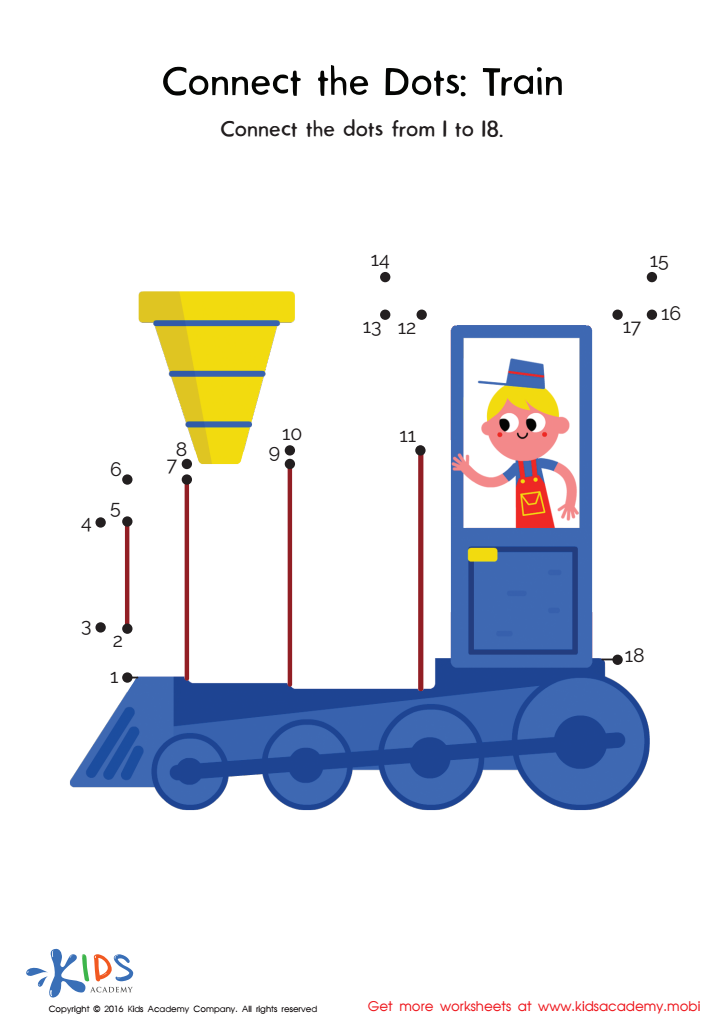
 Assign to My Students
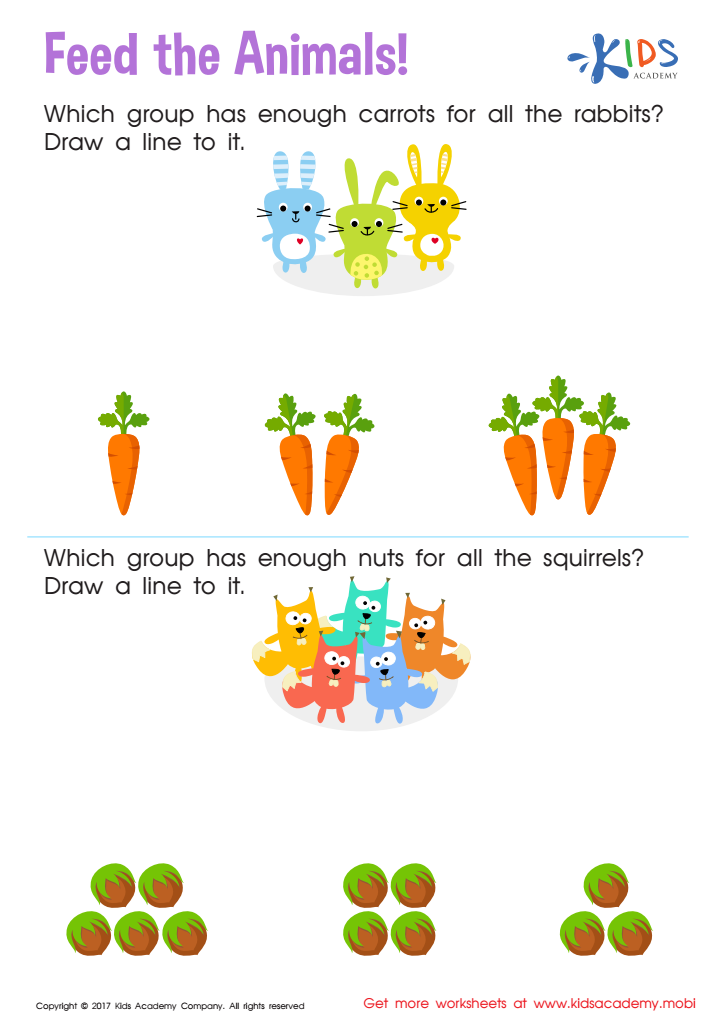
Count and Match: Feed the Animals Worksheet
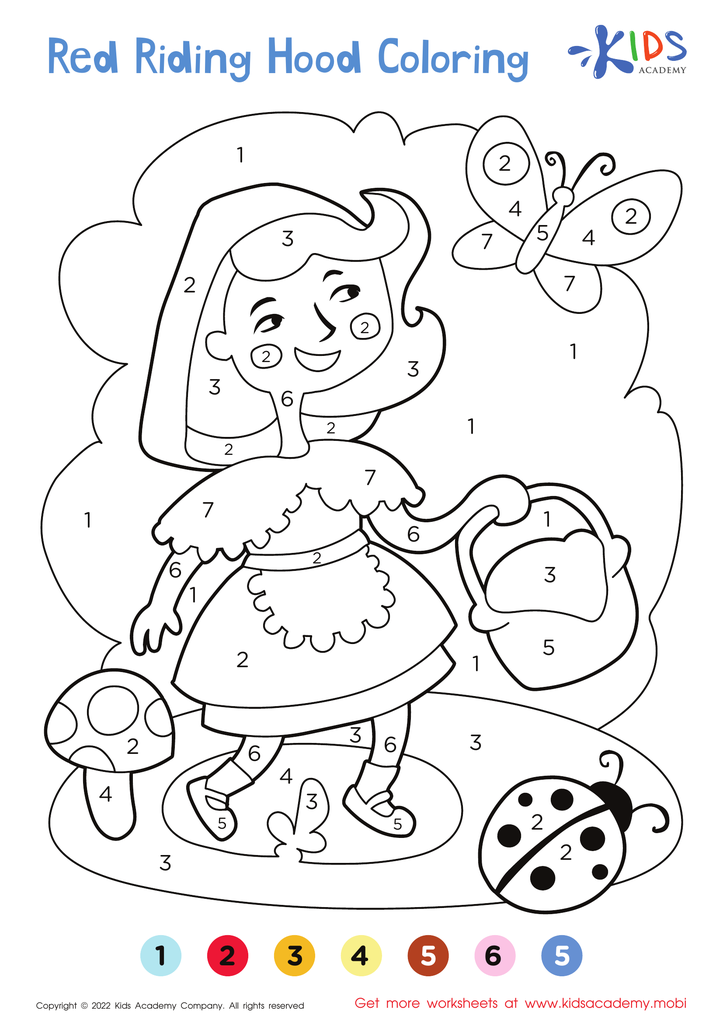
Little Red Riding Hood – Coloring by Numbers








Basic counting numbers are foundational for a child’s cognitive development, especially at the age of three. Parents and teachers should prioritize this skill because it sets the stage for future mathematical understanding. Children begin to understand quantity, which is essential for everyday tasks—like sharing snacks or playing games. Learning to count helps develop their ability to recognize patterns, explore relationships between numbers, and grasp the concept of order.
Furthermore, counting fosters language development, as children learn to articulate numbers and associate them with real objects. This interplay between mathematics and language enhances overall communication skills. Engaging children in counting any time—such as during car rides, bath time, or while reading—turns learning into a fun, interactive experience.
Socially, learning to count cultivates essential skills such as patience, turn-taking, and cooperation when counting items or playing games with peers. When parents and teachers show enthusiasm for counting, it nurtures a child's curiosity and drives a greater love for learning.
In summary, focusing on basic counting numbers in early education not only prepares children for academic success but also supports their development in myriad areas, enriching their overall growth during these crucial formative years.








