Concentration improvement Numbers Worksheets for 3-Year-Olds
3 filtered results
-
From - To
Boost your child's concentration skills with our engaging Concentration Improvement Numbers Worksheets for 3-year-olds! Designed to make learning fun, these worksheets feature lively illustrations and interactive activities that captivate young minds. As children practice counting, matching numbers, and identifying quantities, they'll enhance their focus and cognitive skills in an enjoyable way. These worksheets are perfect for home or preschool environments, providing a vital foundation for early math learning. Encourage your little ones to concentrate, explore, and develop their number sense with our educational resources tailored specifically for their age group. Start their journey to math mastery today!
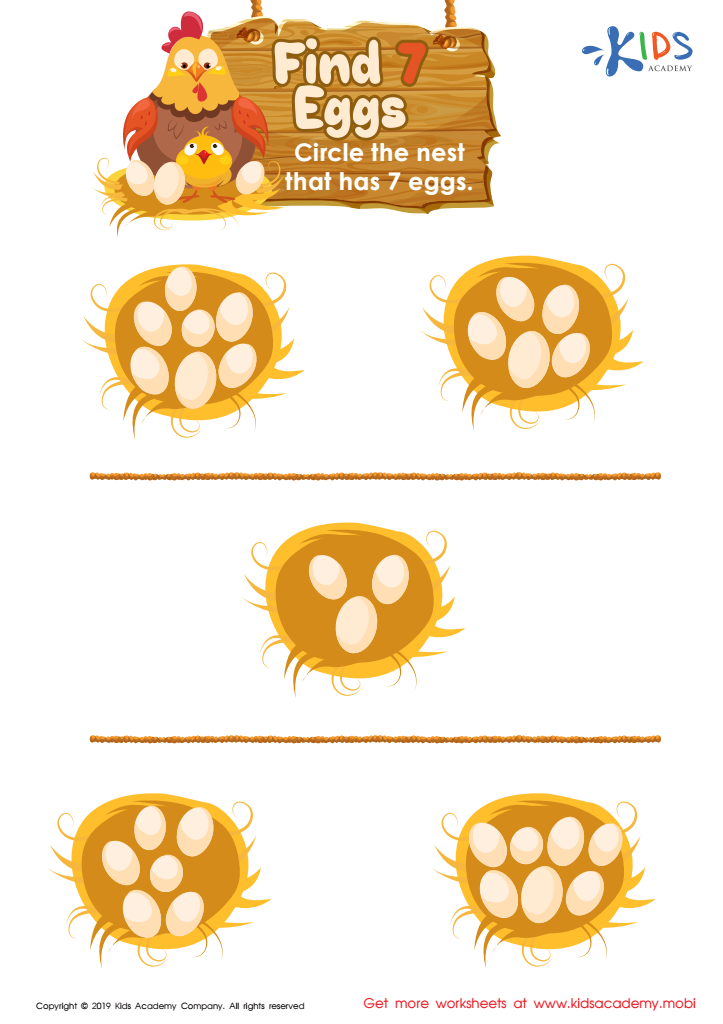
Find 7 Eggs Worksheet
 Assign to My Students
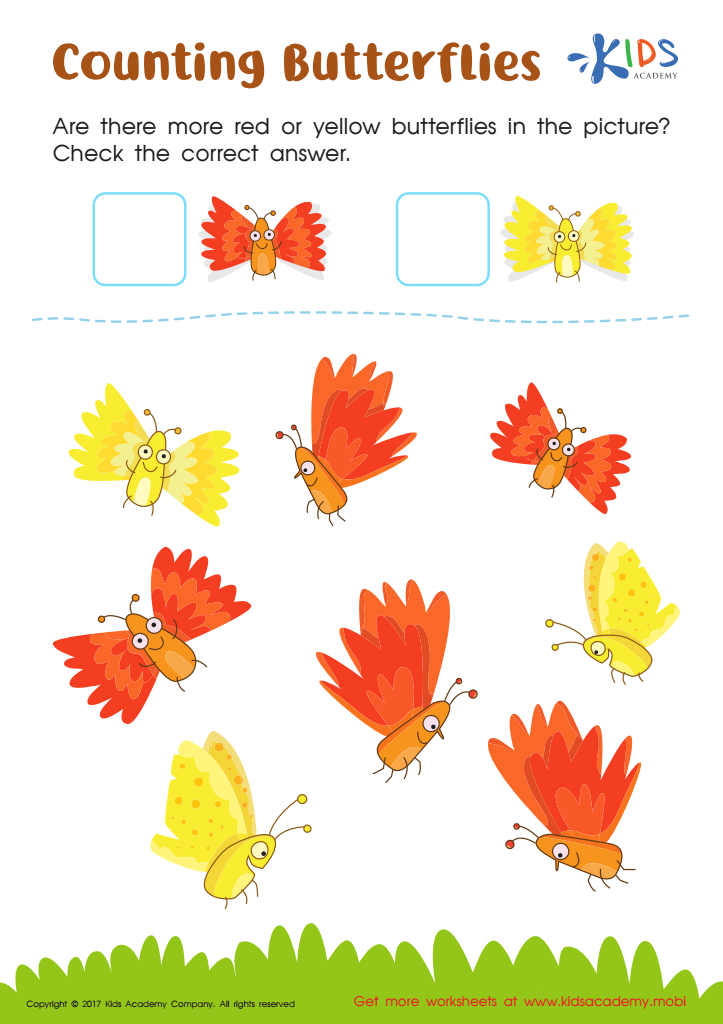
Counting Butterflies Worksheet
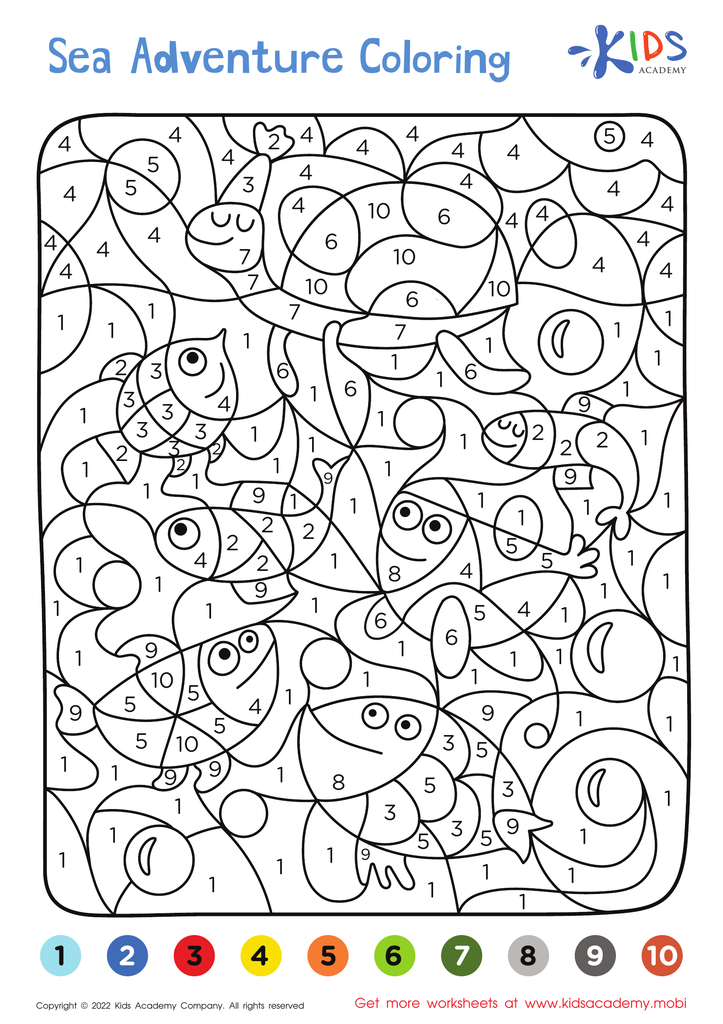
Sea Adventure – Coloring by Numbers








Concentration is a foundational skill that significantly impacts a child's development, particularly for 3-year-olds who are in a crucial stage of cognitive growth. Monitoring concentration improvement numbers can help parents and teachers better understand a child's focus levels and learning capabilities. Fostering concentration at this age enhances a child’s ability to engage in tasks, follow instructions, and interact with peers, thus promoting social skills.
Improved concentration correlates with higher levels of curiosity and creativity, which are vital for holistic development. By identifying any concentration challenges early on, parents and teachers can implement strategies and activities tailored to engage and develop a child’s attention span. This could include structured activities, enriching play experiences, and variety in learning methods that keep the child motivated.
Furthermore, understanding concentration metrics enables educators to create appropriate learning environments and curricula, addressing the unique needs of each child. This early investment can lead to improved academic performance in the long run, solidifying the importance of a focus on concentration from a young age. Ultimately, nurturing concentration improvement fosters a love for learning and equips children with the necessary skills for lifelong success.








