
Basic arithmetic practice Math Worksheets for 3-Year-Olds
12 filtered results
Difficulty Level
Grade
Age
-
From - To
Subject
Activity
Standards
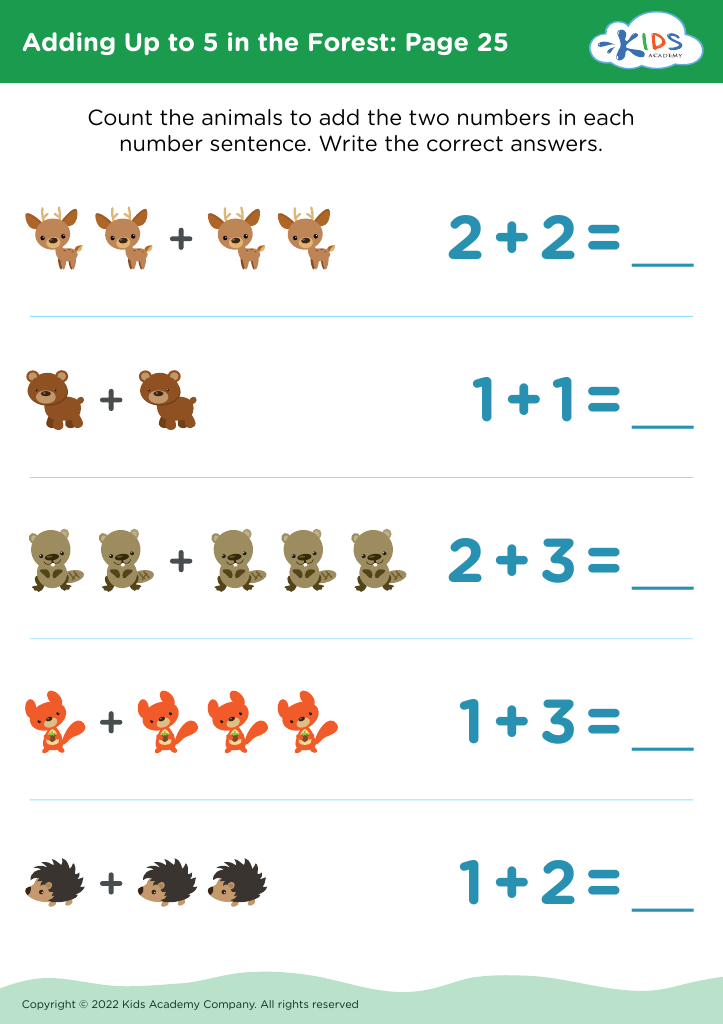
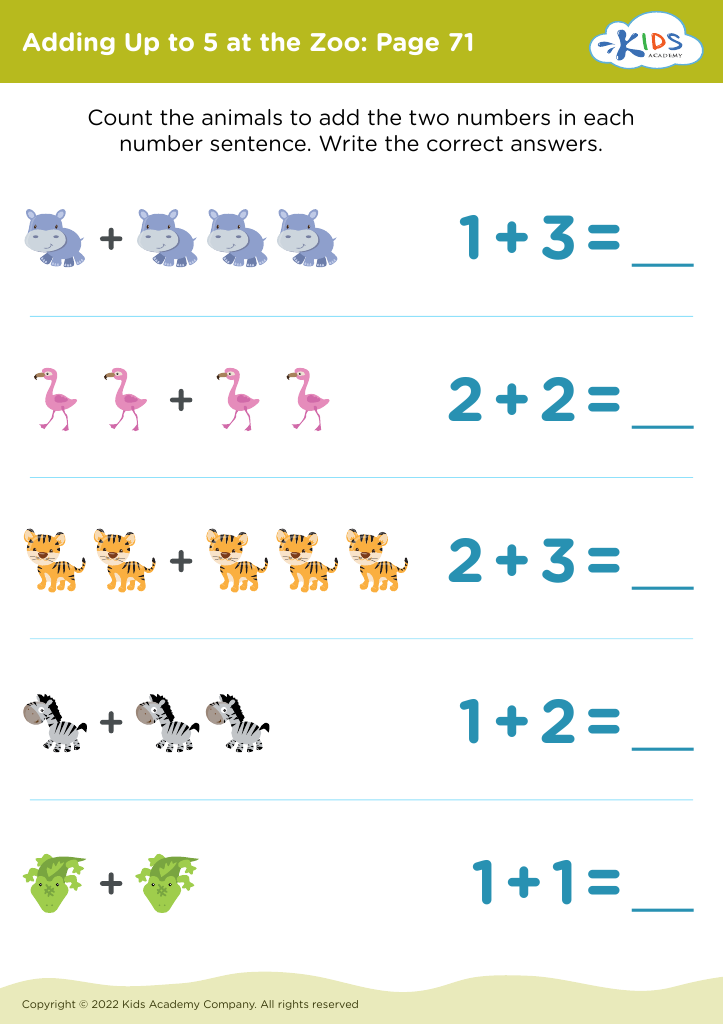
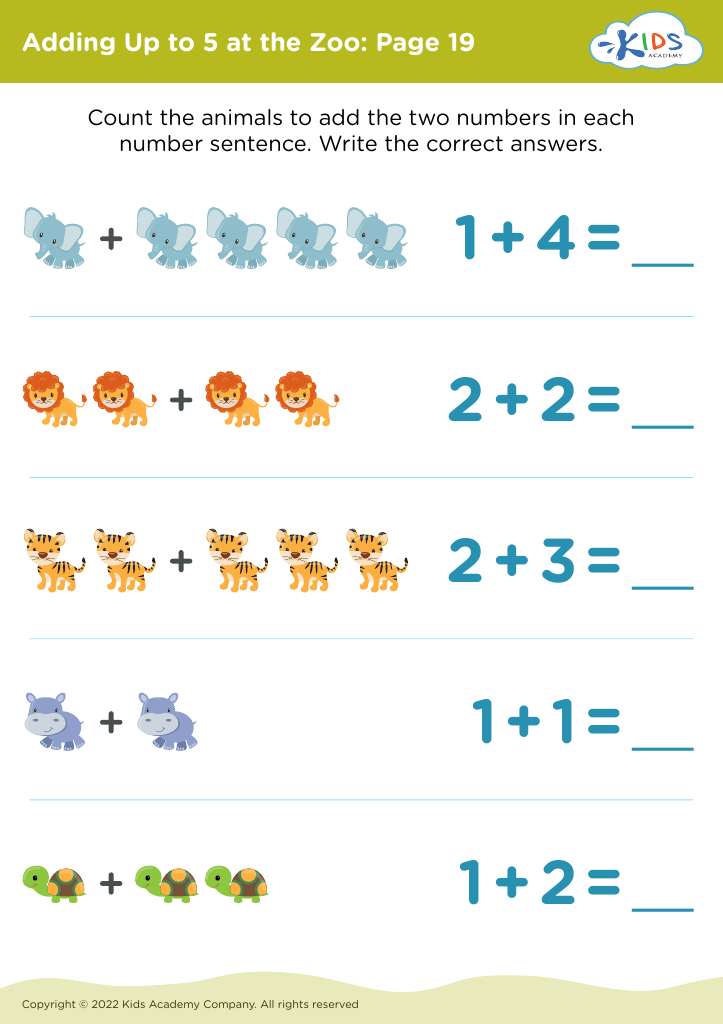
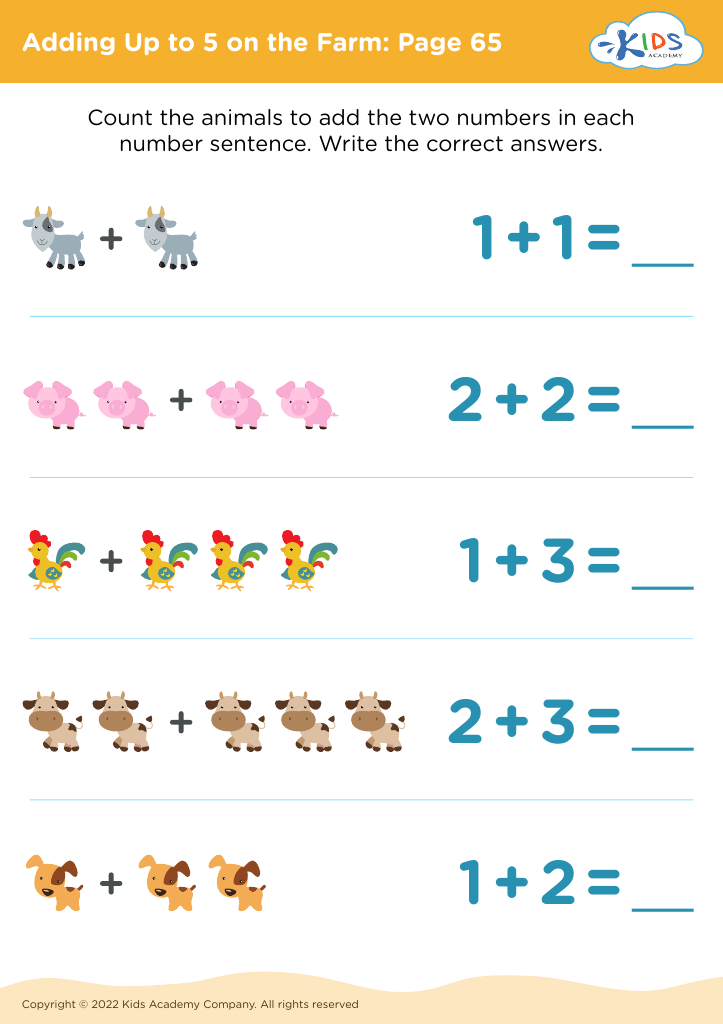
Discover a fun and engaging way to introduce basic arithmetic concepts to your 3-year-old with our Math Worksheets! Designed specifically for preschoolers, these worksheets make learning essential math skills enjoyable and interactive. Your little ones will practice fundamental activities such as counting, recognizing numbers, and simple addition and subtraction. Each worksheet is colorful and age-appropriate, capturing the curiosity and attention of young learners. This resource not only builds confidence but also lays a strong foundation for future math success. Let your child explore the world of numbers in a playful way with our Basic Arithmetic Practice Math Worksheets!
Favorites
With answer key
Interactive
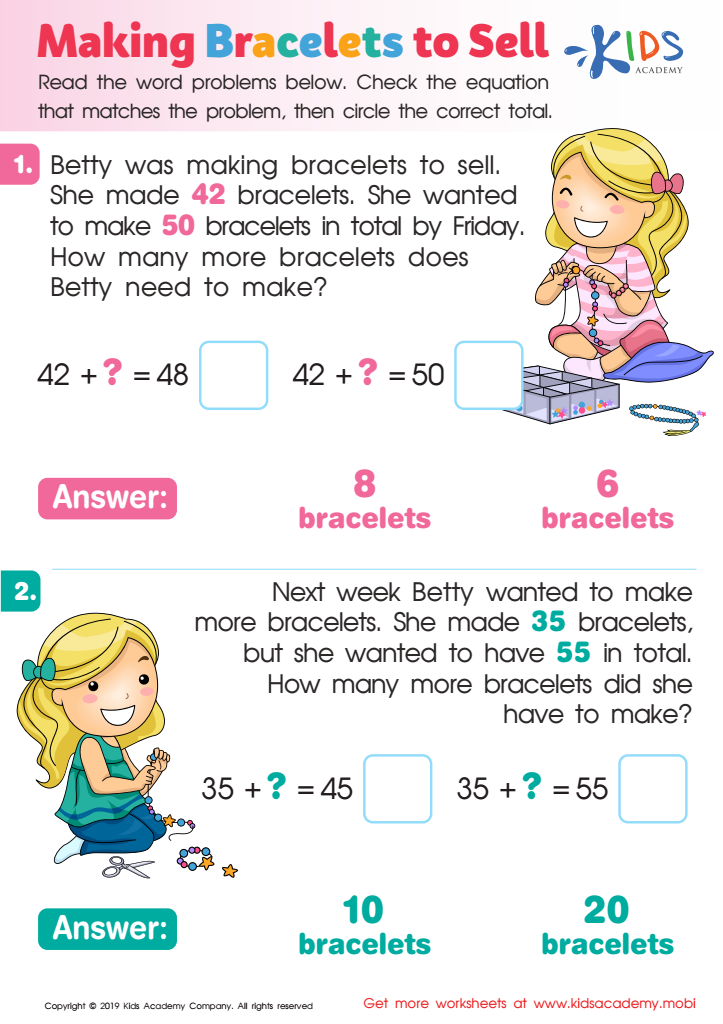
Making Bracelets to Sell Worksheet
Got kids who love crafting? This worksheet will be right up their alley! Let them use their creative and problem-solving skills to check equations and decide the correct total. It's just like making beads into a bracelet but on paper! Print out this downloadable PDF and get ready for a fun craft session.
 Assign to My Students
Making Bracelets to Sell Worksheet
Worksheet
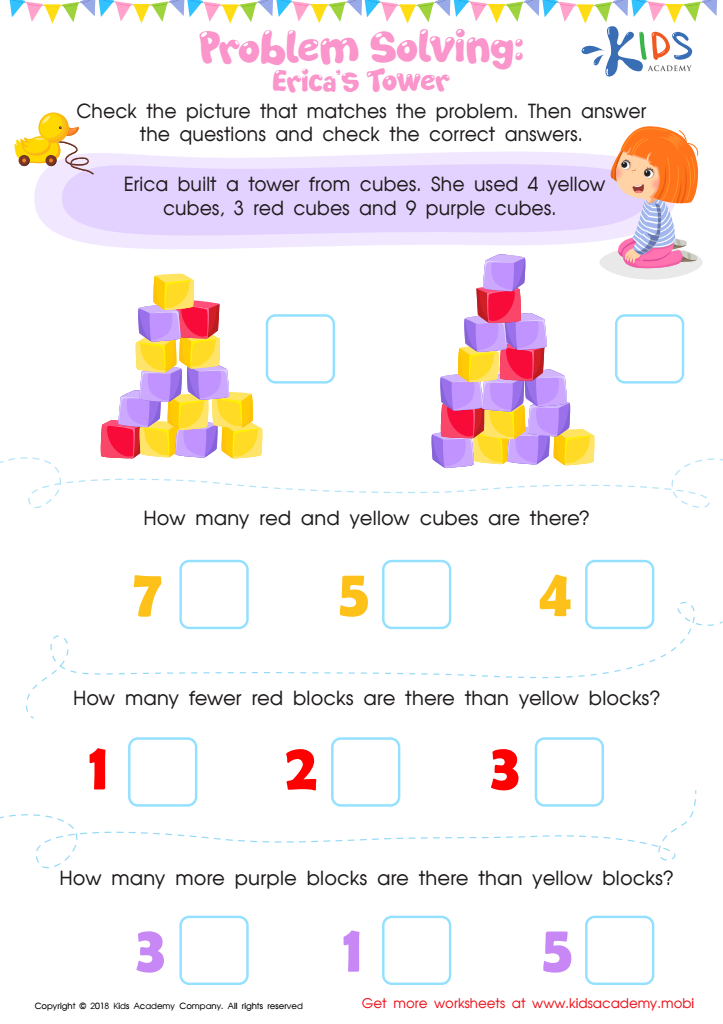
Problem Solving: Erica's Tower Worksheet
Sweet Erica needs your math student's help! Download the PDF worksheet and have your little math whiz read the word problems, match the pictures and solve basic addition/subtraction problems with two/three addends, minuends and subtrahends. They'll be having fun while strengthening their math fact skills!
Problem Solving: Erica's Tower Worksheet
Worksheet
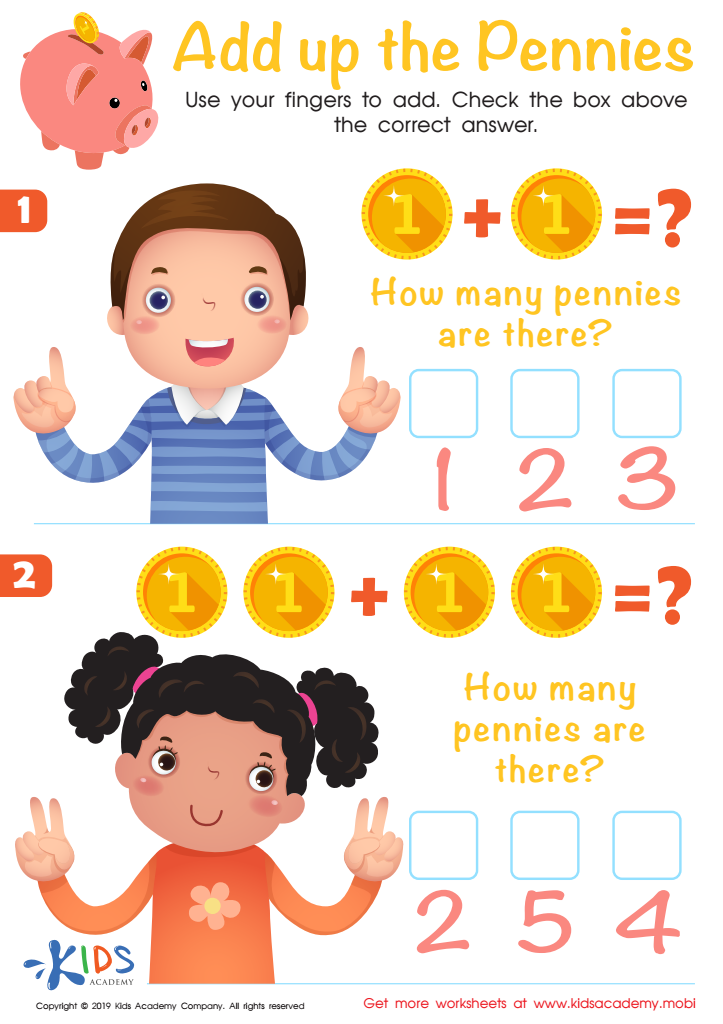
Add up the Pennies Worksheet
Help your kids ace their math skills with this simple worksheet! You can guide them to use their fingers to add numbers and then check the box above the correct answer. With practice and your support, they can become faster and better at adding numbers. No sweating required!
Add up the Pennies Worksheet
Worksheet
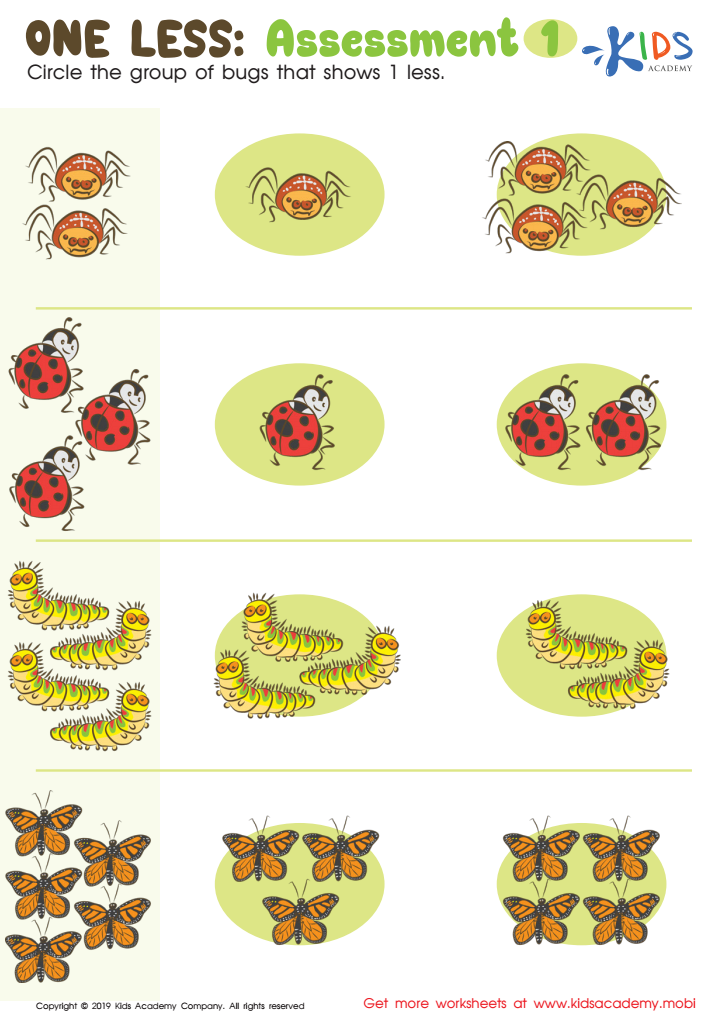
One Less: Assessment 1 Worksheet
Help your kids with counting using this worksheet that has pictures of bugs! There are four different bugs and insects. Show them each one and ask them to count, then circle the group that has 1 less than the previous group. Don't worry if your kids don't like bugs - it's just a picture!
One Less: Assessment 1 Worksheet
Worksheet
Join Kids Academy for Free
Who is primarily going to use this learning content?




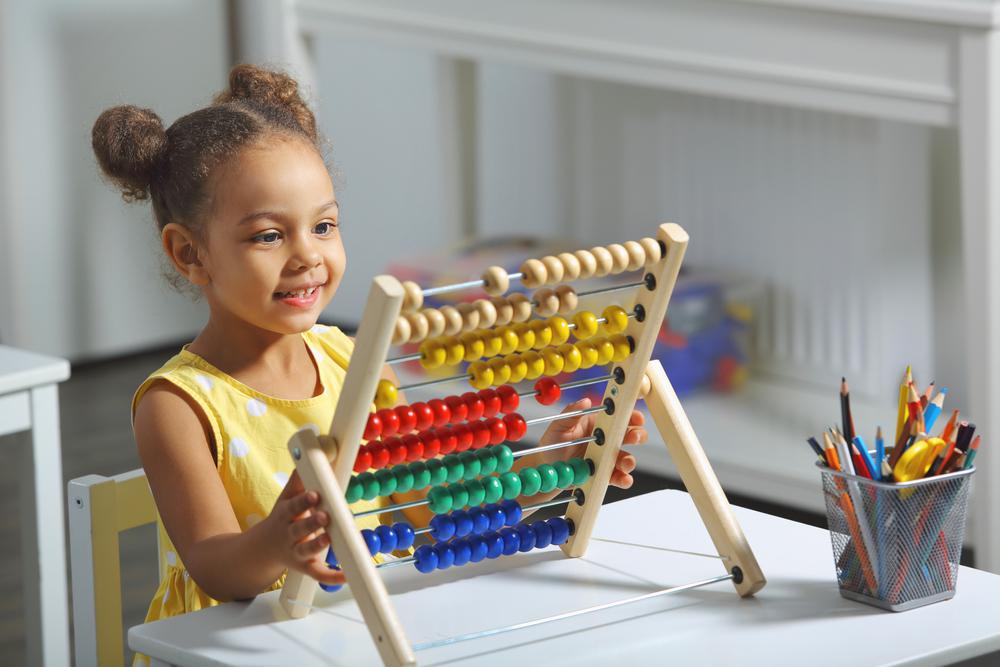


Parents and teachers should prioritize basic arithmetic practice with 3-year-olds because early math skills lay a strong foundation for future learning. At this age, children are naturally curious and eager to explore patterns, numbers, and basic concepts like addition and subtraction through playful activities. Engaging them in arithmetic helps develop critical thinking, problem-solving abilities, and cognitive skills.
Moreover, early math exposure supports language development, as discussing quantities and mathematical concepts builds vocabulary and communication skills. It enhances fine motor skills through activities like counting objects or manipulating toys to learn about numbers.
Socially, involving children in group math activities encourages collaboration and communication with peers, fostering their social skills and emotional development. Celebrating their small achievements in understanding arithmetic builds confidence and a positive attitude towards learning.
Additionally, establishing a solid early foundation in math can help bridge the gap later on, reducing anxiety associated with more complex mathematical concepts in the future. The skills learned through playful arithmetic practice at this age can lead to greater academic success down the line. Ultimately, investing time in basic arithmetic now contributes not only to cognitive development but also equips children with the essential skills they'll carry throughout their educational journey.








