
Basic math comprehension Math Worksheets for 3-Year-Olds
4 filtered results
Difficulty Level
Grade
Age
-
From - To
Subject
Activity
Standards
Discover our "Basic Math Comprehension Worksheets for 3-Year-Olds," designed to facilitate early math skills in a fun and engaging way. Our worksheets help young learners develop essential concepts such as counting, number recognition, and simple addition through colorful illustrations and interactive activities. Tailored to the unique learning styles of preschoolers, these resources encourage hands-on exploration and problem-solving. Ideal for parents and educators, these printable worksheets promote curiosity and confidence while laying a strong foundation for future math success. Start your child's mathematical journey today with our delightful and educational math comprehension activities!
Favorites
With answer key
Interactive
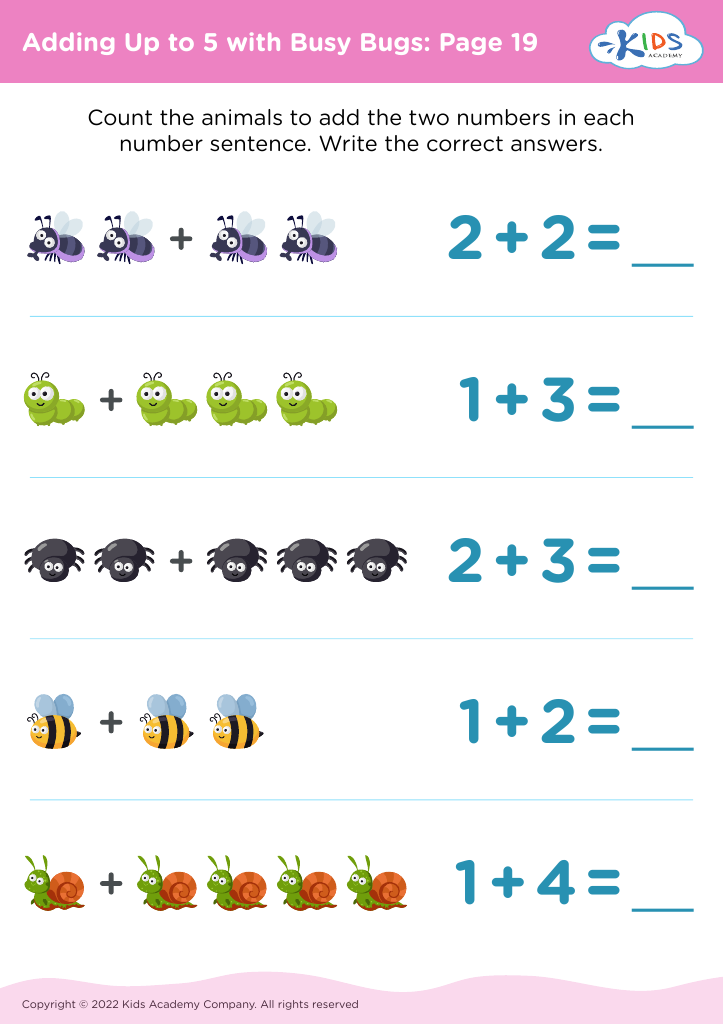
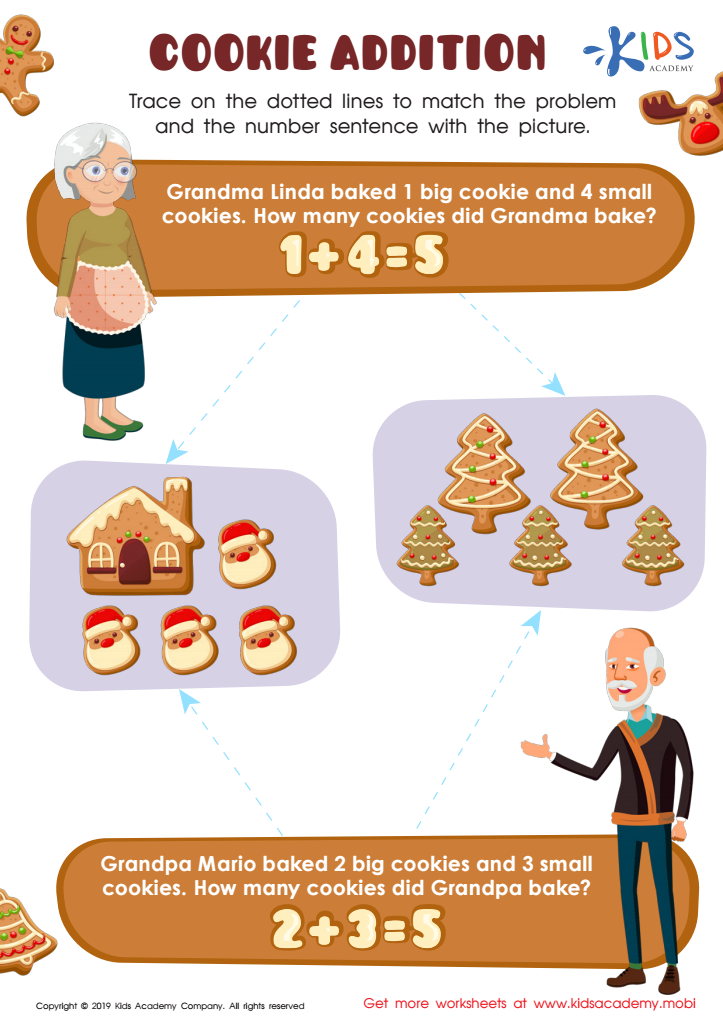
Cookie Addition Worksheet
Let your kids have fun identifying pictures in their worksheet. Read word sentences to them and help them turn them into number problems. Then, get them to trace the lines to match the problem and the number sentence with the picture. They’ll love it, especially if they love cookies!
 Assign to My Students
Cookie Addition Worksheet
Worksheet
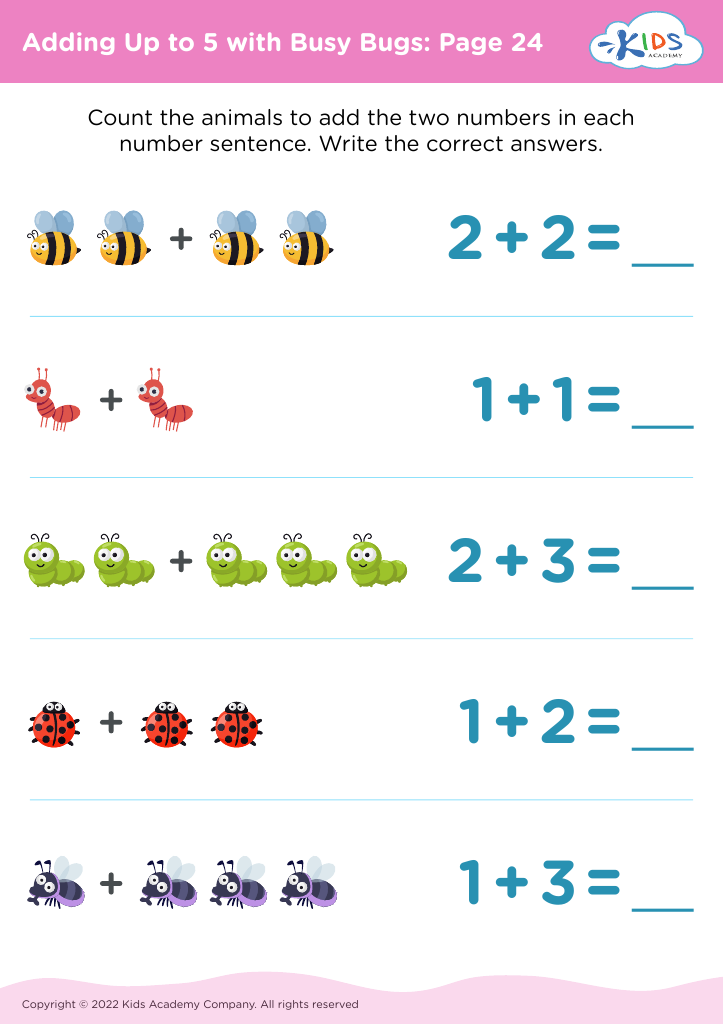
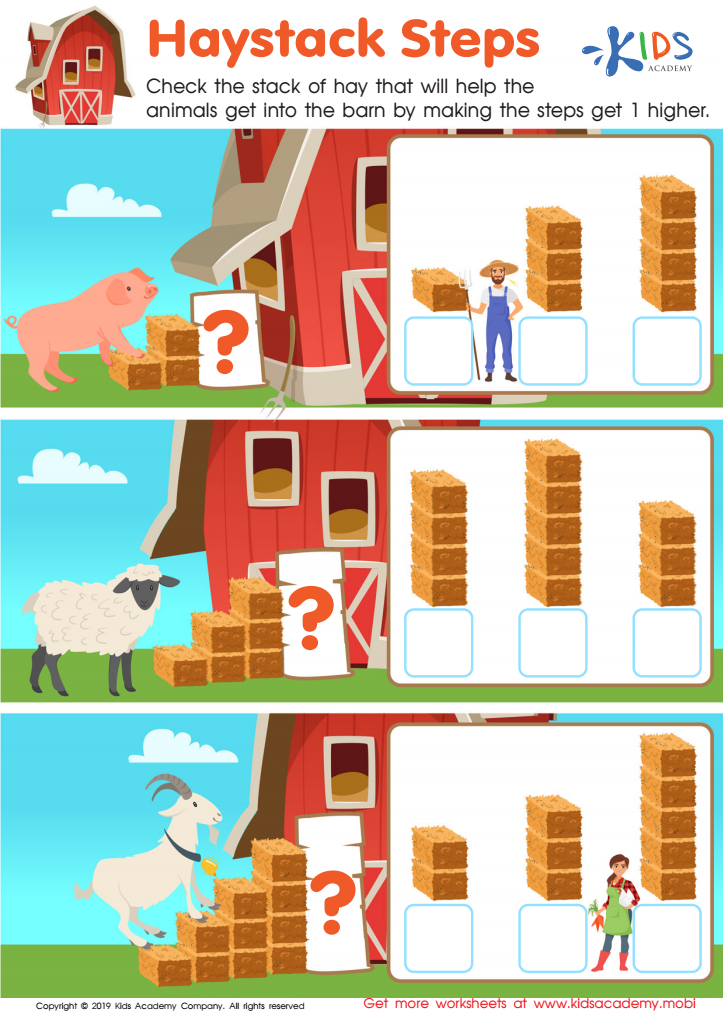
Haystack Steps Worksheet
Have your kids ever visited a farm? What activities and sights did they enjoy? Farmers are essential to our lives, growing food and providing us with dairy and eggs. In this worksheet, a farmer has made a haystack for his animals to climb into the barn. Ask your kids to add an extra layer to the stack to make the climb easier.
Haystack Steps Worksheet
Worksheet
Join Kids Academy for Free
Who is primarily going to use this learning content?






Basic math comprehension for 3-year-olds is crucial for several reasons. First and foremost, this foundational skill fosters critical thinking and problem-solving abilities in young children. Engaging with simple math concepts, such as counting, identifying shapes, and understanding patterns, helps build cognitive development, which is vital at this formative stage.
Moreover, early exposure to math in a playful context benefits children's language development. Vocabulary related to numbers, quantities, and spatial awareness enriches their communication skills while enhancing their ability to articulate thoughts and logic.
Additionally, instilling a positive attitude towards math from a young age can combat negative perceptions that often develop later. If children find math enjoyable, they are more likely to engage with it enthusiastically throughout their educational journey and beyond.
Finally, early math comprehension supports social skills: interactions around counting or sharing resources encourage collaboration and patience among peers. For parents and teachers alike, nurturing basic math comprehension can secure a child's academic success and emotional well-being, laying the groundwork for lifelong learning and confidence in mathematical abilities. Thus, prioritizing basic math for young learners is an investment in their future.








