
Cognitive Development Math Worksheets for 3-Year-Olds
134 filtered results
Difficulty Level
Grade
Age
-
From - To
Subject
Activity
Standards
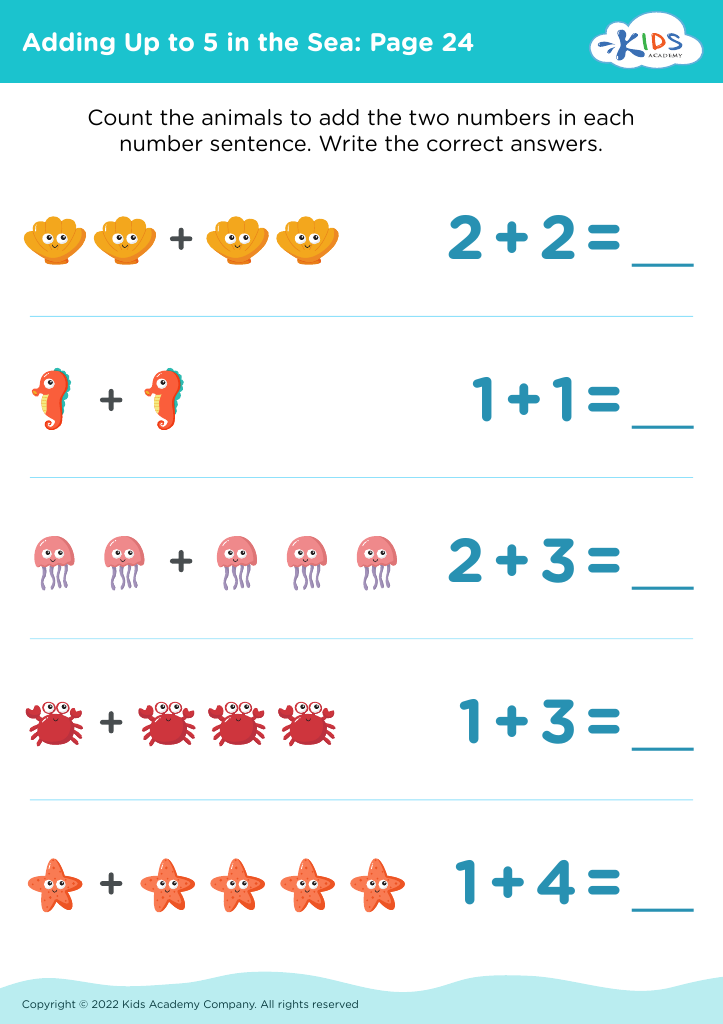
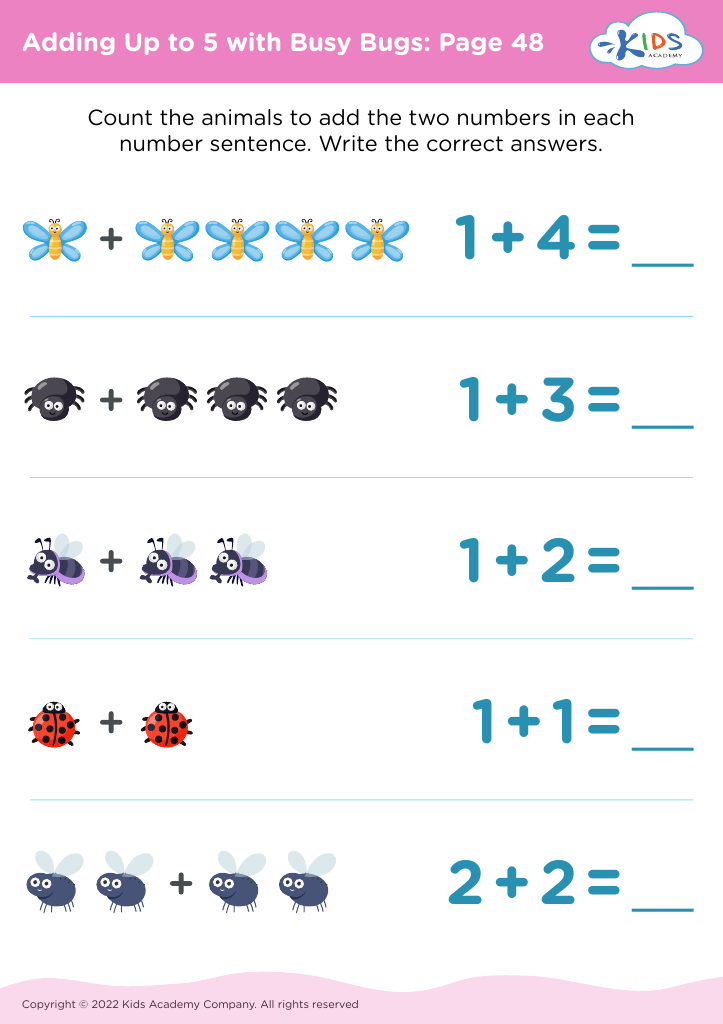
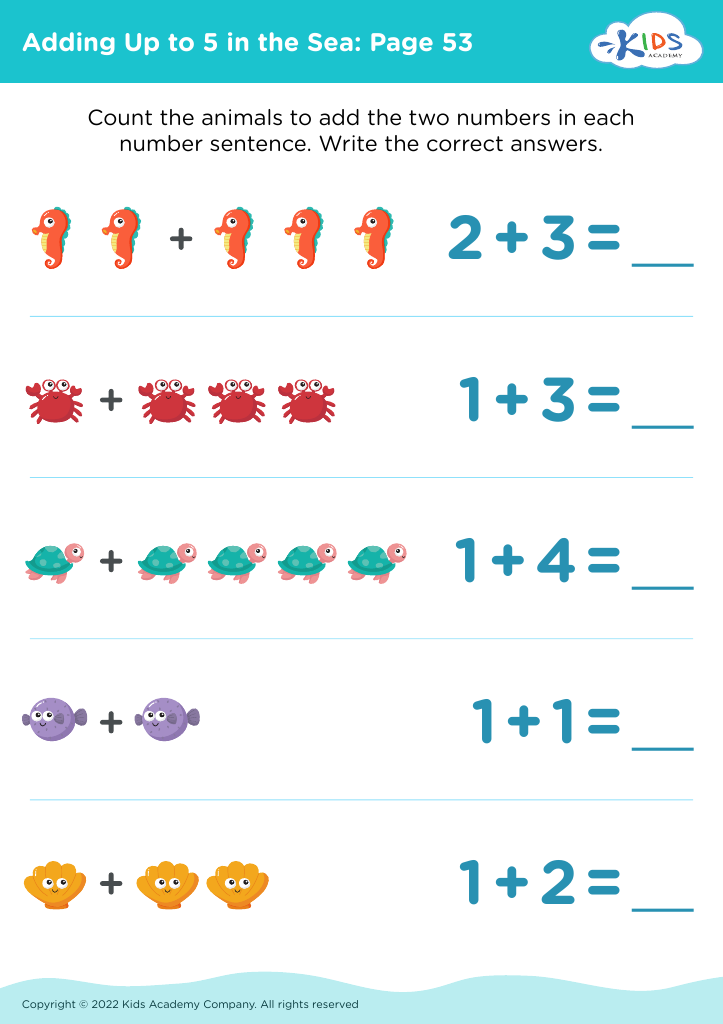
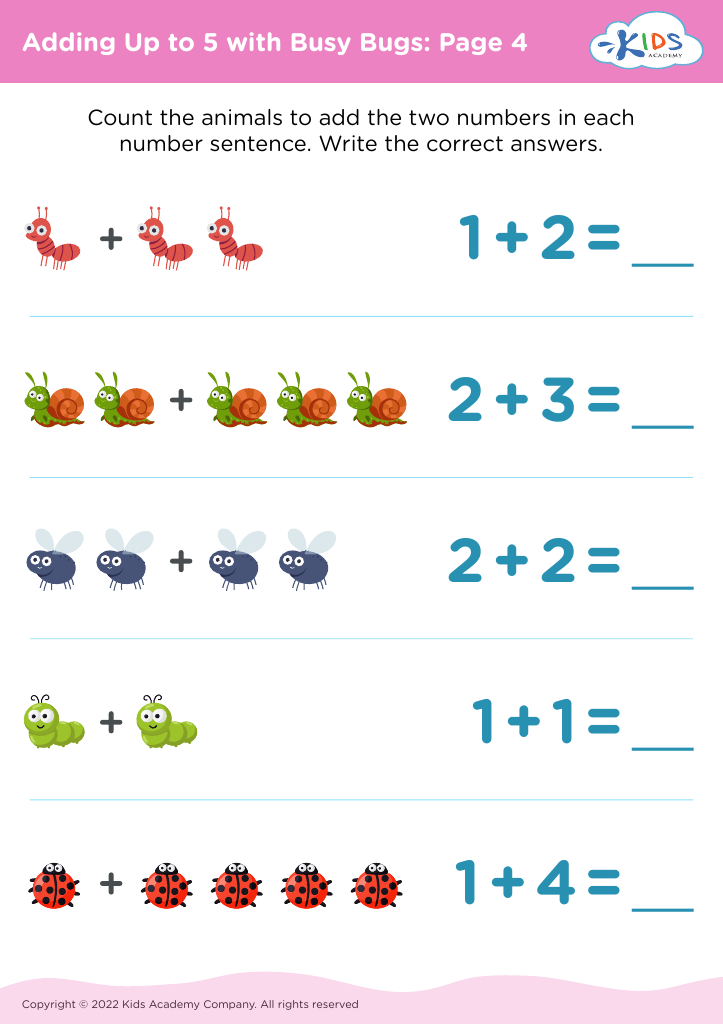
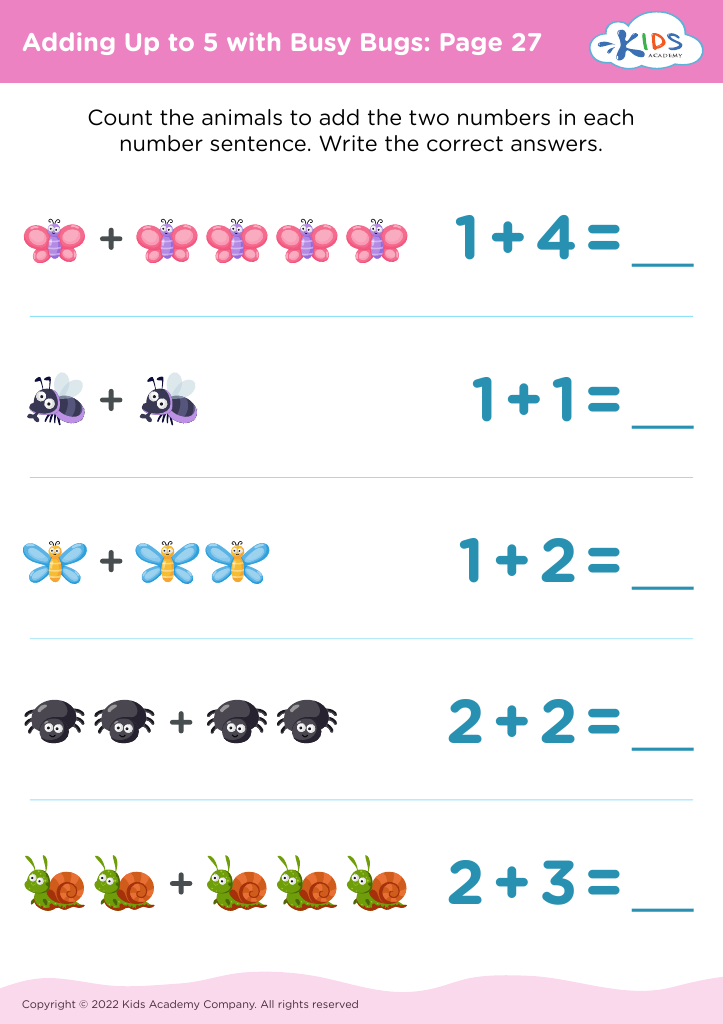
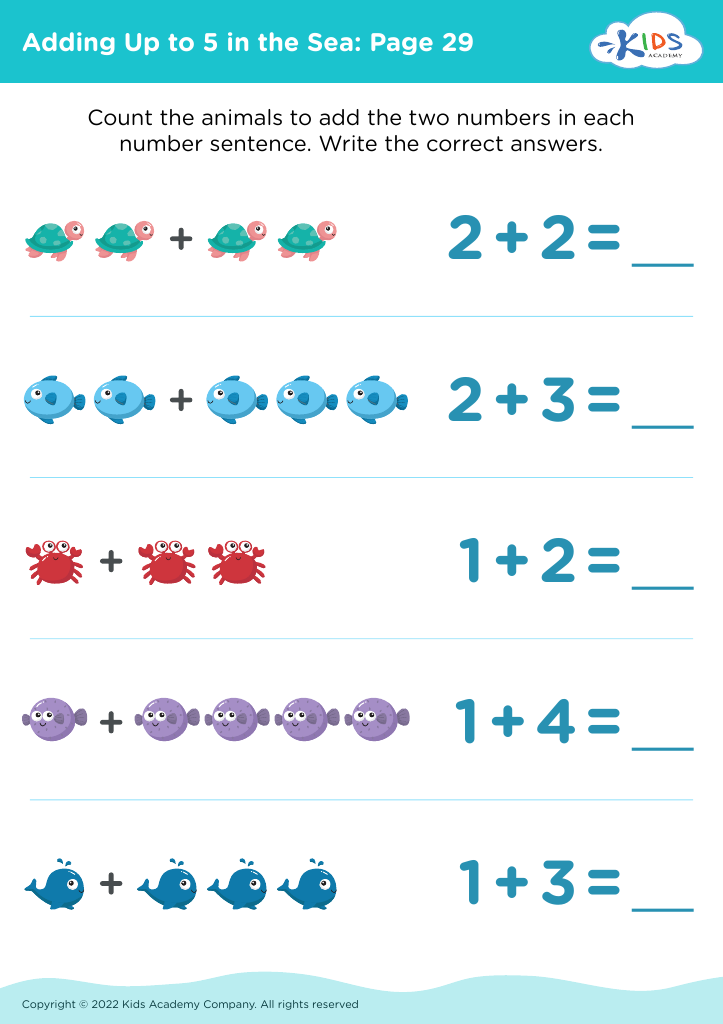
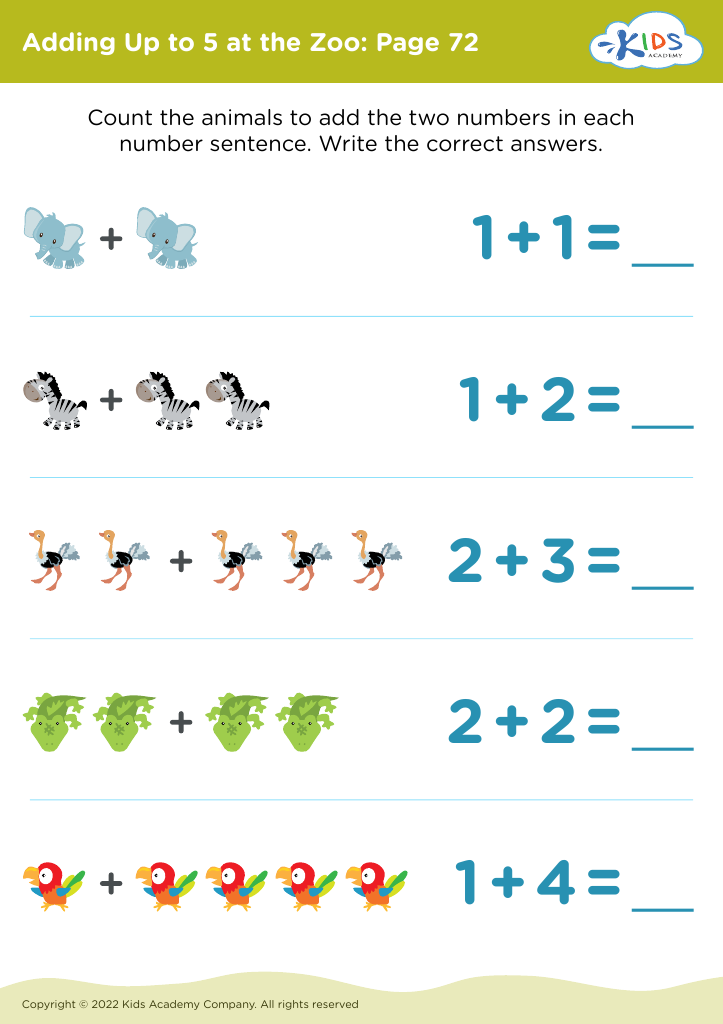
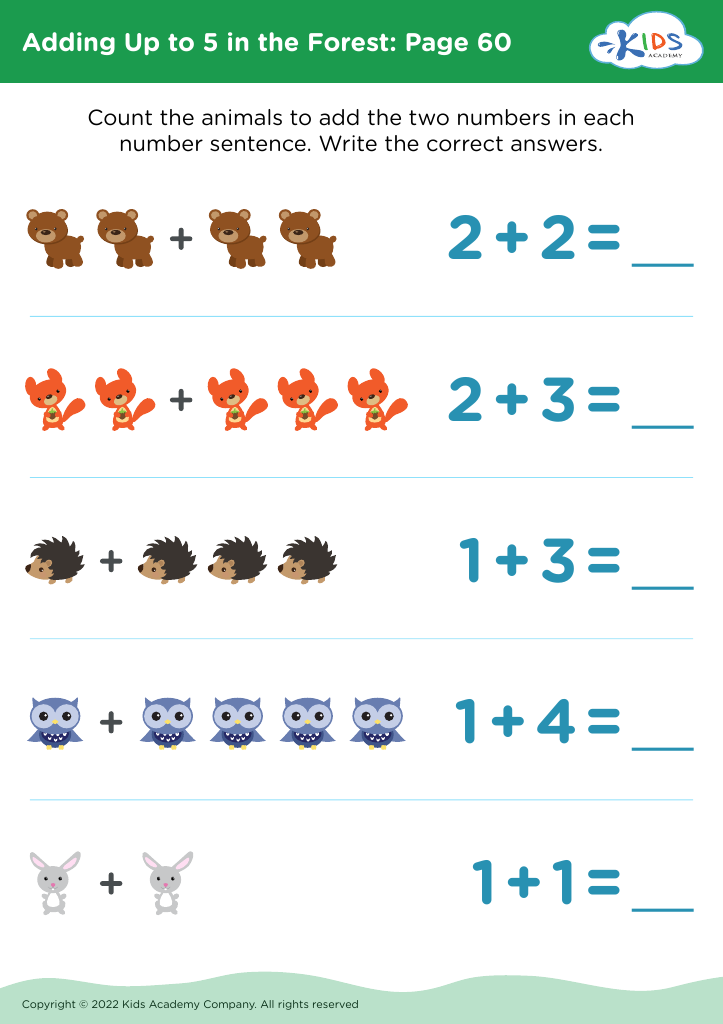
Enhance your child's cognitive development with our engaging math worksheets designed specifically for 3-year-olds. These worksheets foster critical thinking and problem-solving skills through fun activities that introduce basic math concepts. Each worksheet is crafted to promote early numeracy, shape recognition, and pattern understanding, enabling young learners to build a solid foundation for future learning. With vibrant illustrations and interactive exercises, children will enjoy exploring mathematical ideas while honing their cognitive abilities. Perfect for home or preschool settings, our cognitive development math worksheets provide an enjoyable way to accompany your child on their educational journey. Start nurturing their love for math today!
Favorites
With answer key
Interactive
 Assign to My Students
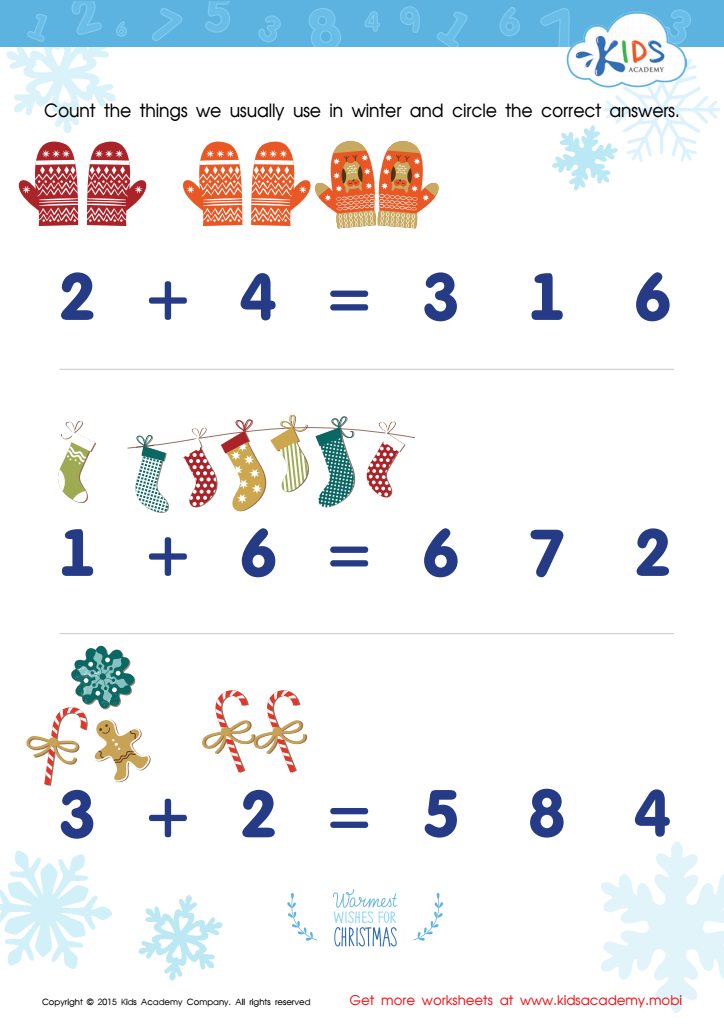
Count Winter Things Worksheet
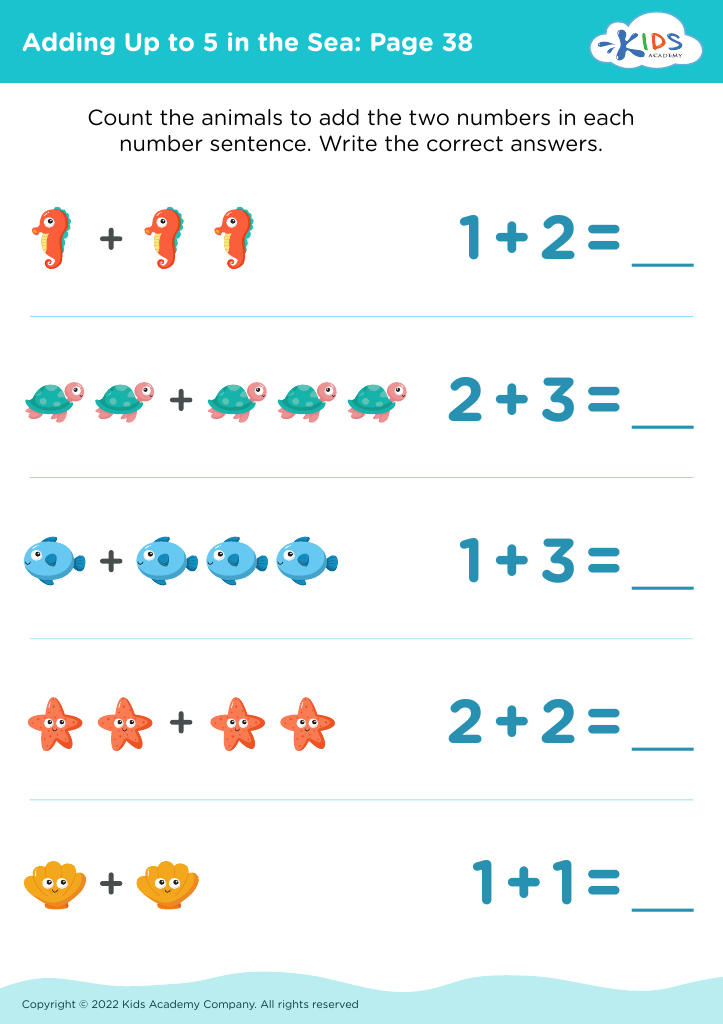
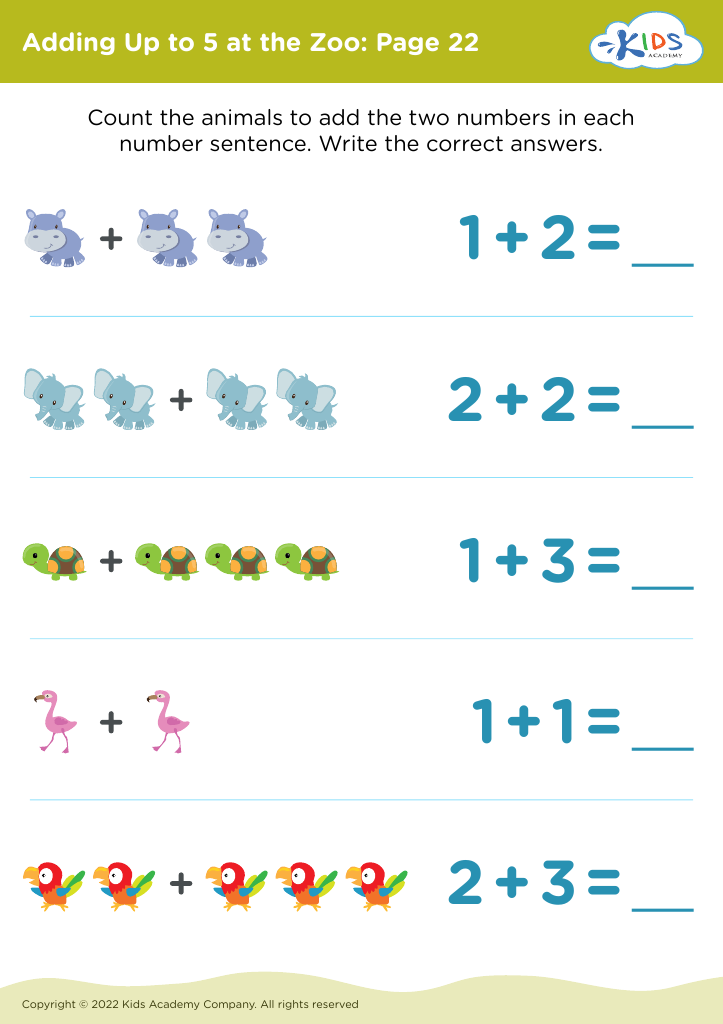
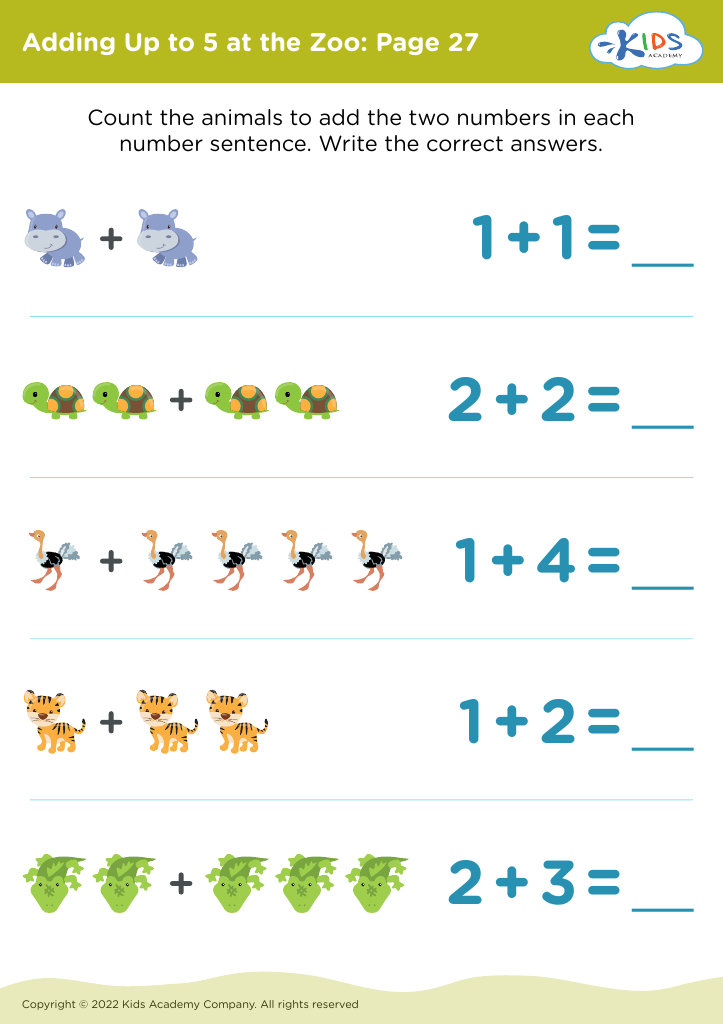
This chilly winter afternoon, help your kid warm up with Kids Academy's free math worksheet - full of bright pictures and addition practice. Let them count the things and write in the numbers for a great brain training and math head start. Get more free math worksheets here. (80 words)
Count Winter Things Worksheet
Worksheet
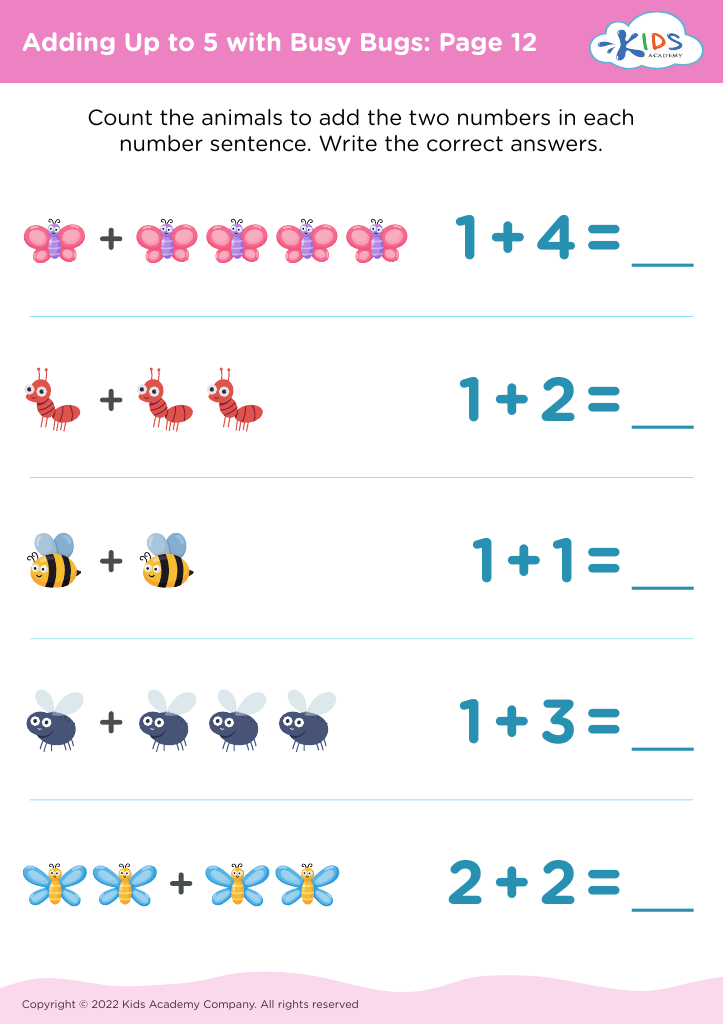
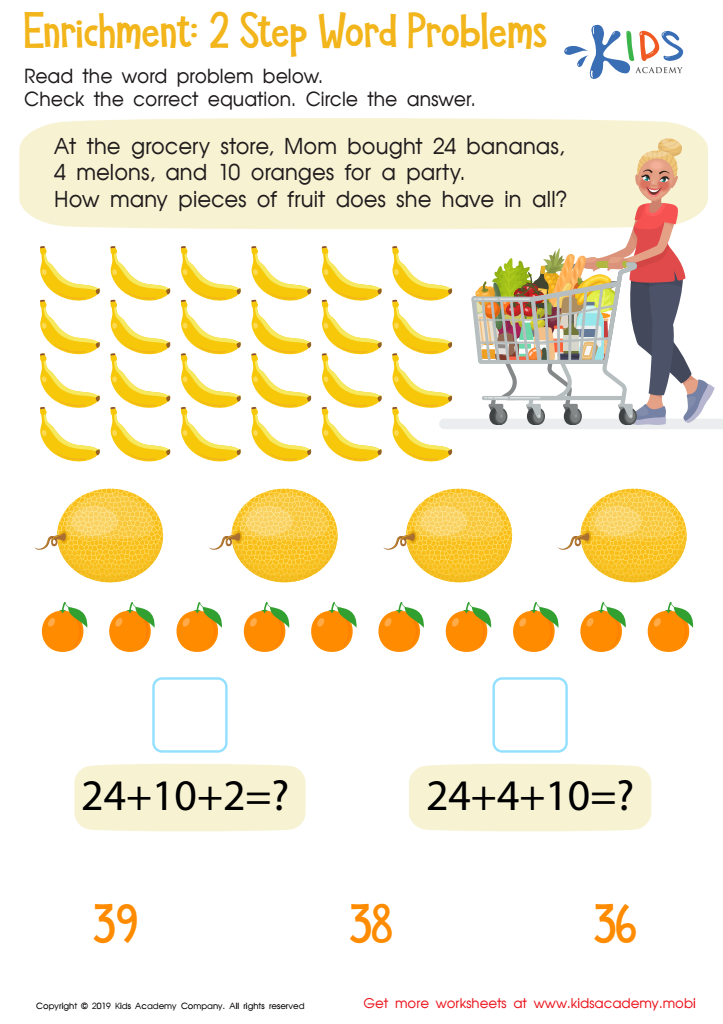
Enrichment -2 Step Word Problems Worksheet
Help your students learn math easier and faster with this colorful worksheet. Read the word problem and then guide them in checking the correct equation and finding the answer. Your students will benefit from the extra help, as they work through new concepts each day.
Enrichment -2 Step Word Problems Worksheet
Worksheet
Learning to Write 1 Worksheet
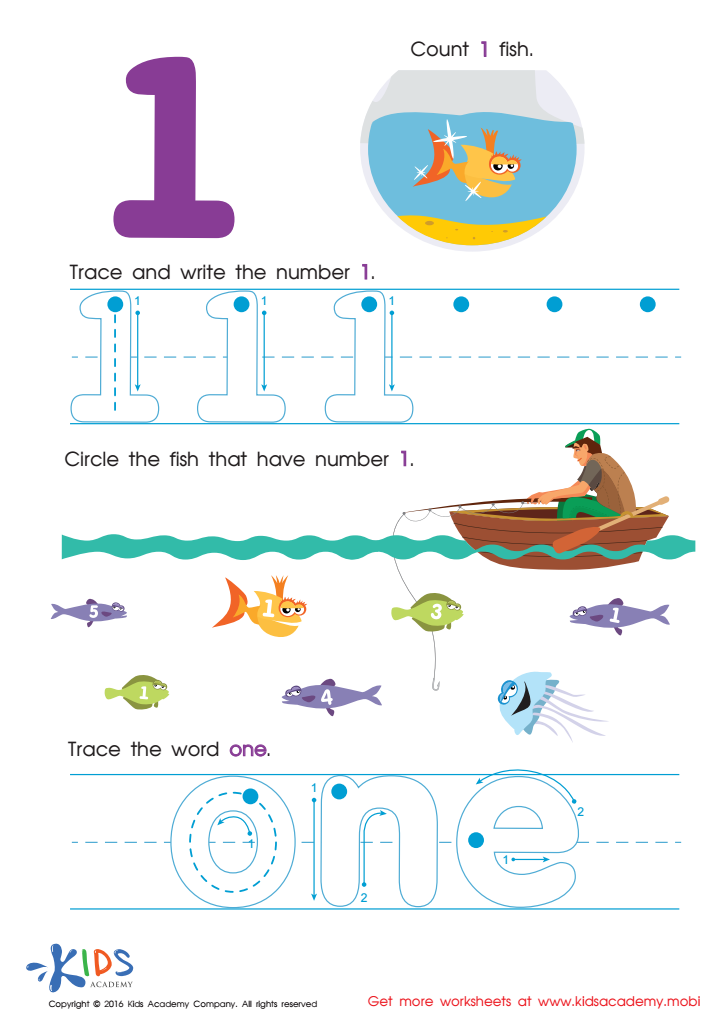
Learning to write numbers can be easy and fun! Get this new number worksheet to help your child excel. Practice counting, tracing and writing the number “one”, then circle the fish with “1” on them. Revise spelling and have fun! Get more tracing numbers worksheets at Kids Academy and enjoy the learning process.
Learning to Write 1 Worksheet
Worksheet
Join Kids Academy for Free
Who is primarily going to use this learning content?






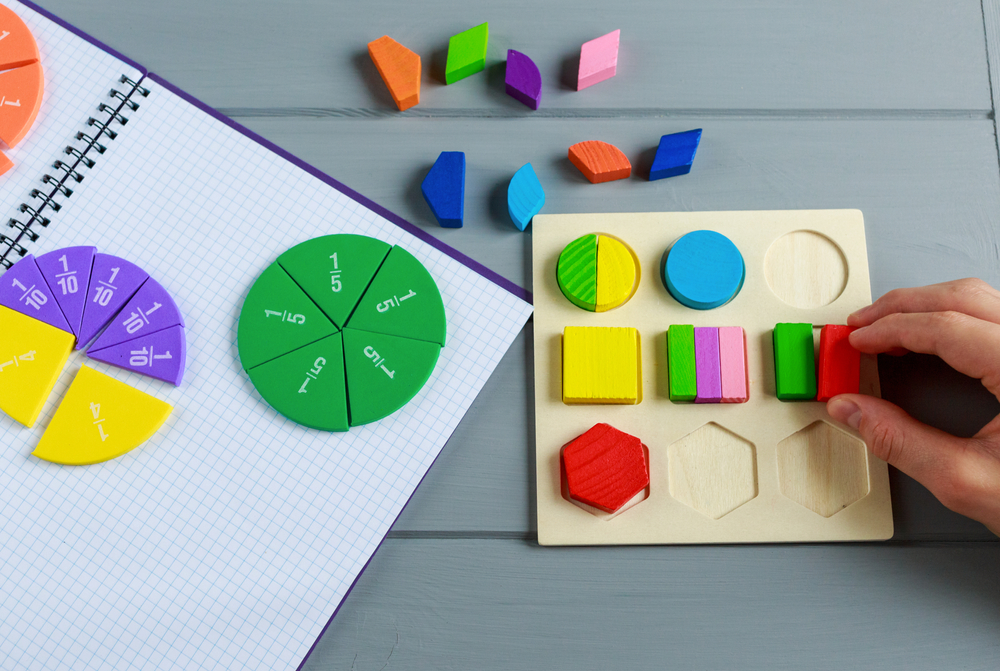

Parents and teachers should prioritize cognitive development in mathematics for 3-year-olds because it lays a crucial foundation for future learning. At this stage, children are naturally curious, making it an ideal time to introduce mathematical concepts through play and everyday experiences. Engaging in activities like counting objects, sorting shapes, and recognizing patterns enhances critical thinking and problem-solving skills. These foundational skills are not only essential for later mathematics but also foster overall intellectual growth.
Supporting cognitive development in math during early childhood can lead to improved confidence and interest in learning. Children who develop strong mathematical reasoning at an early age are more likely to succeed academically as they progress through school. Furthermore, mathematics is interlinked with various life skills, including logic, organization, and decision-making.
Incorporating fun, interactive activities helps nurture a positive attitude towards mathematics, counteracting common anxieties that may form later. Lastly, early math exposure can bridge gaps in educational opportunities, equipping all children for future success, regardless of their background. For these reasons, it is vital for parents and teachers to be actively involved in fostering cognitive development in mathematics during this formative stage.








