Counting skills Math Worksheets for 3-Year-Olds
232 filtered results
-
From - To
Enhance your child's counting skills with our engaging Math Worksheets for 3-Year-Olds! Designed to make learning fun, these worksheets provide a variety of activities including colorful illustrations, counting exercises, and interactive tasks that captivate young learners. Children will develop essential math skills as they count objects, connect the dots, and complete fun puzzles. These worksheets promote number recognition, enhance fine motor skills, and boost cognitive development. Perfect for preschool, home-schooling, or extra practice, our resources support early learning by balancing education with play. Start your child's math journey today with our delightful counting skills worksheets!
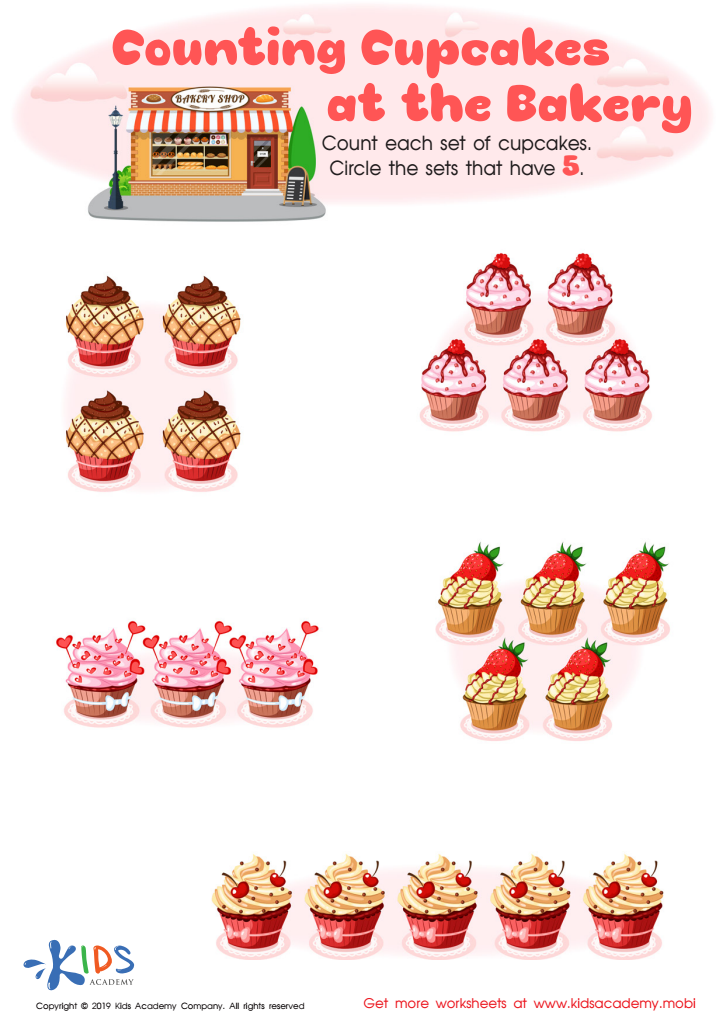
Counting Cupcakes Worksheet
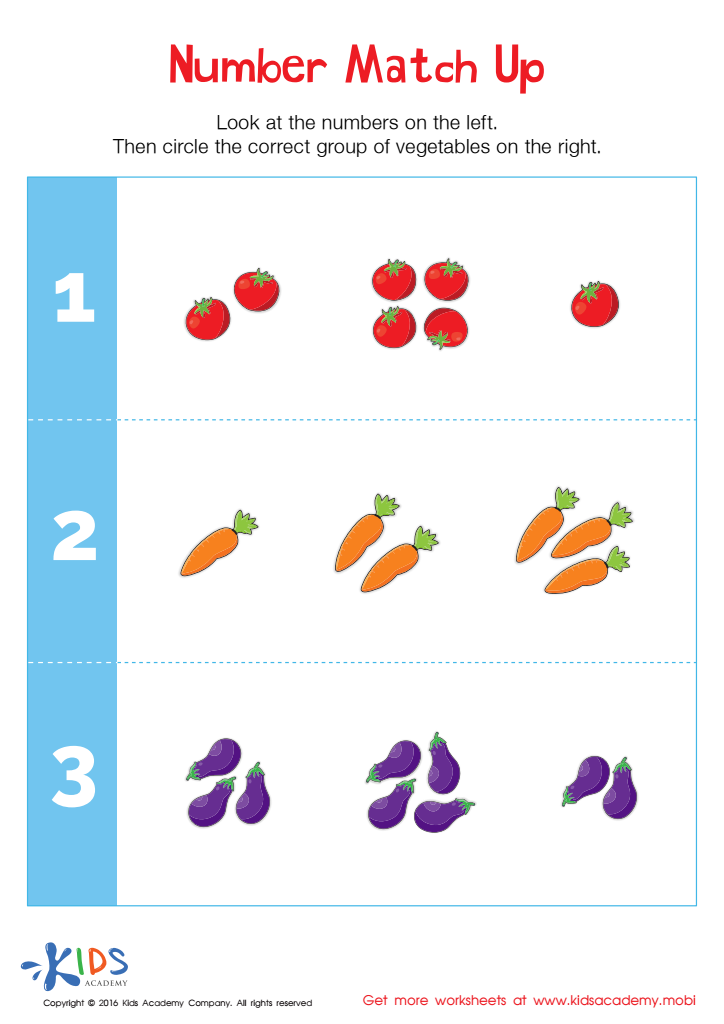
Number Match Up Worksheet
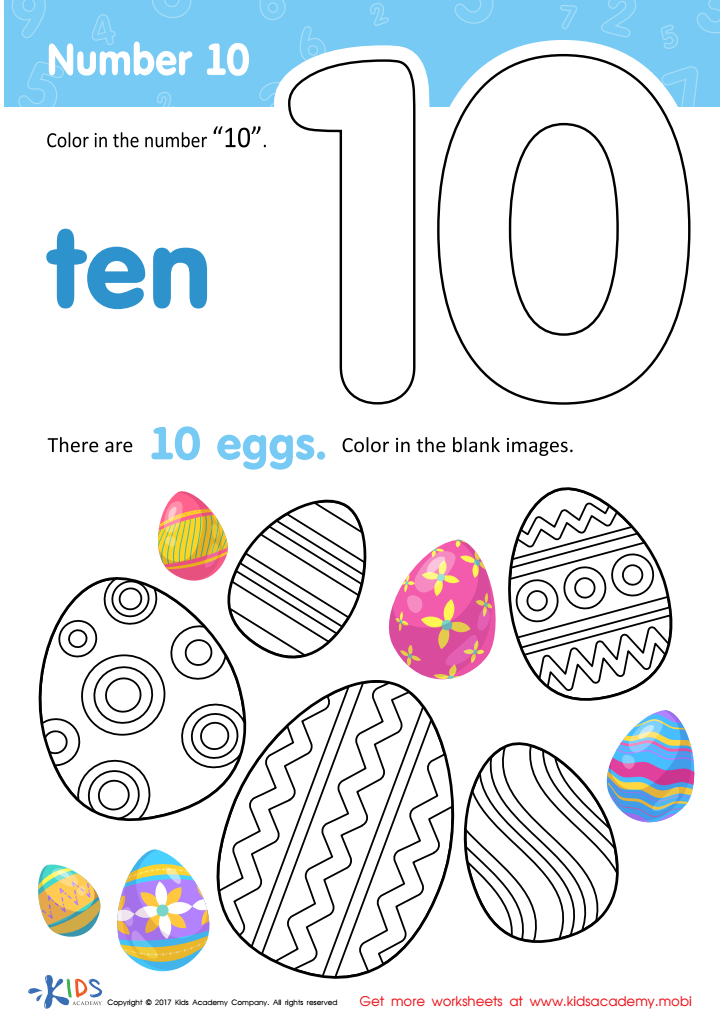
Number 10 Printable
 Assign to My Students
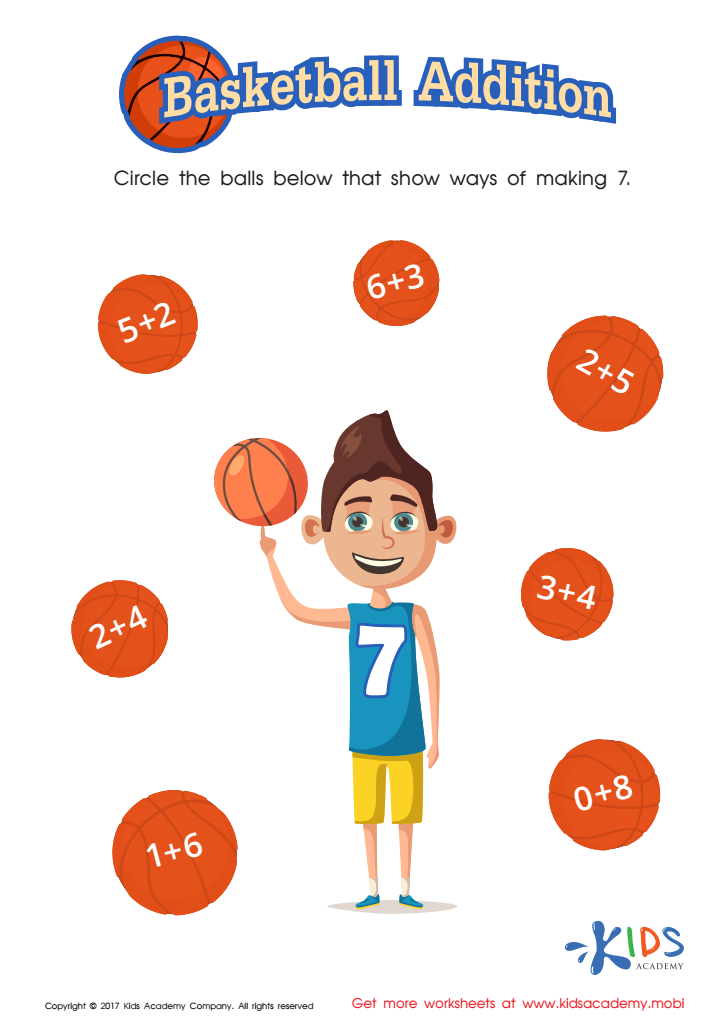
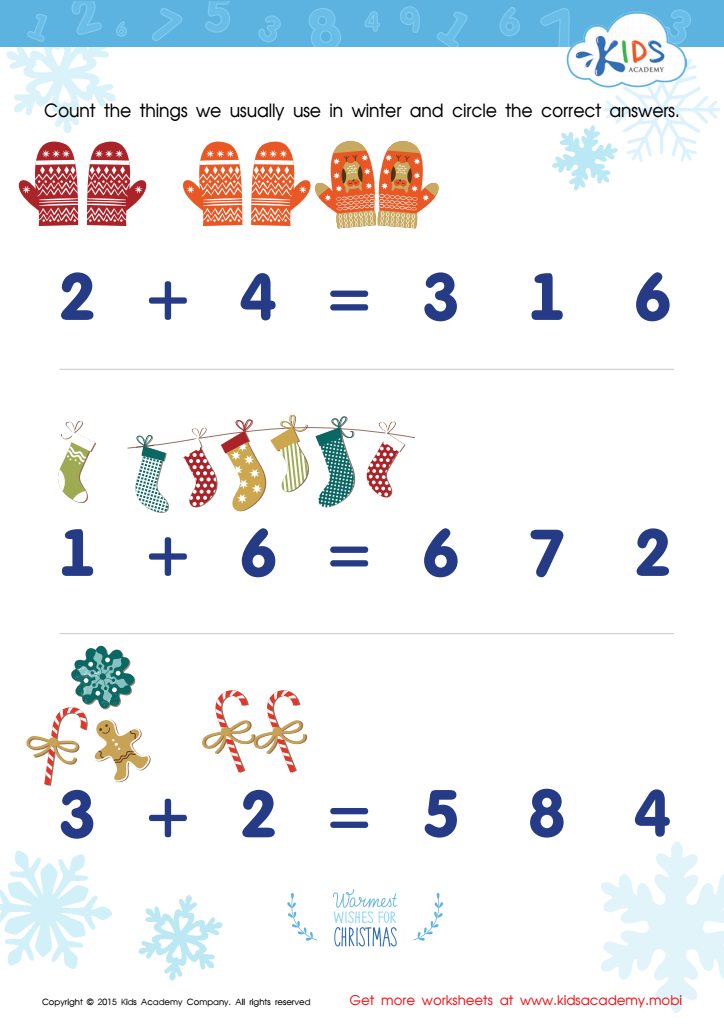
Count Winter Things Worksheet
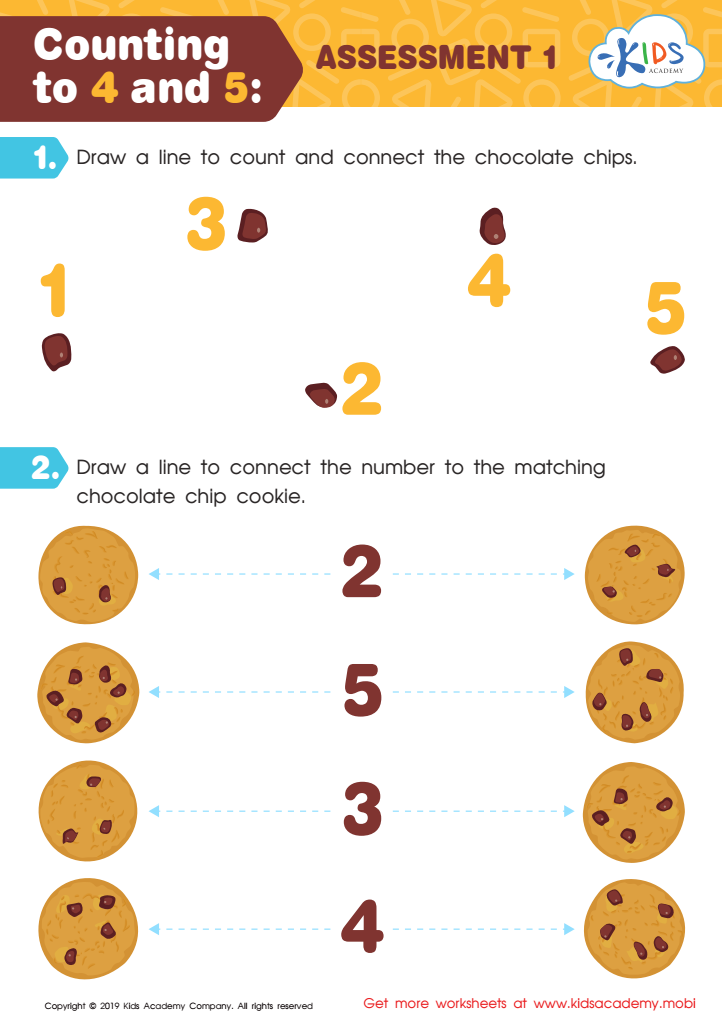
Counting to 4 and 5: Assessment 1 Worksheet
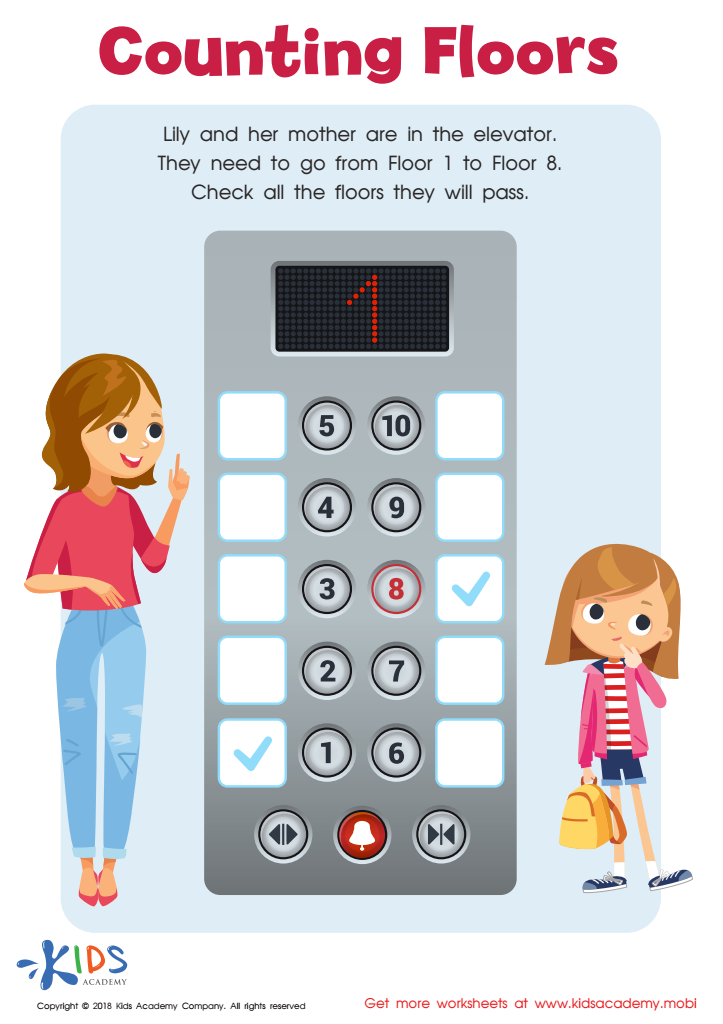
Counting Floors Worksheet
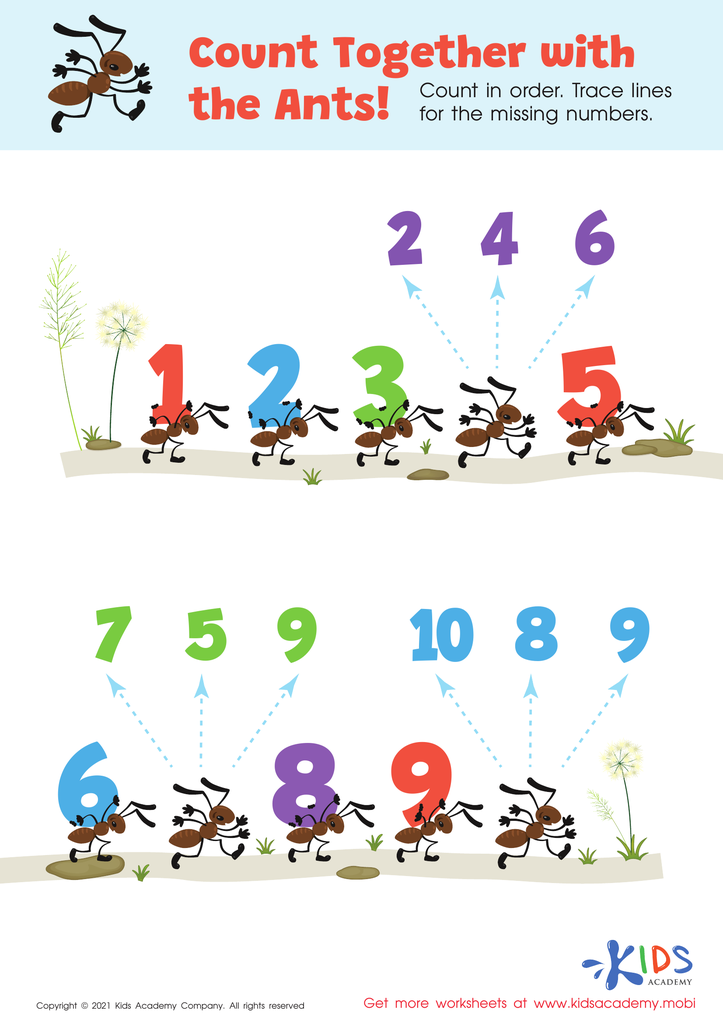
Count Together with the Ants Worksheet
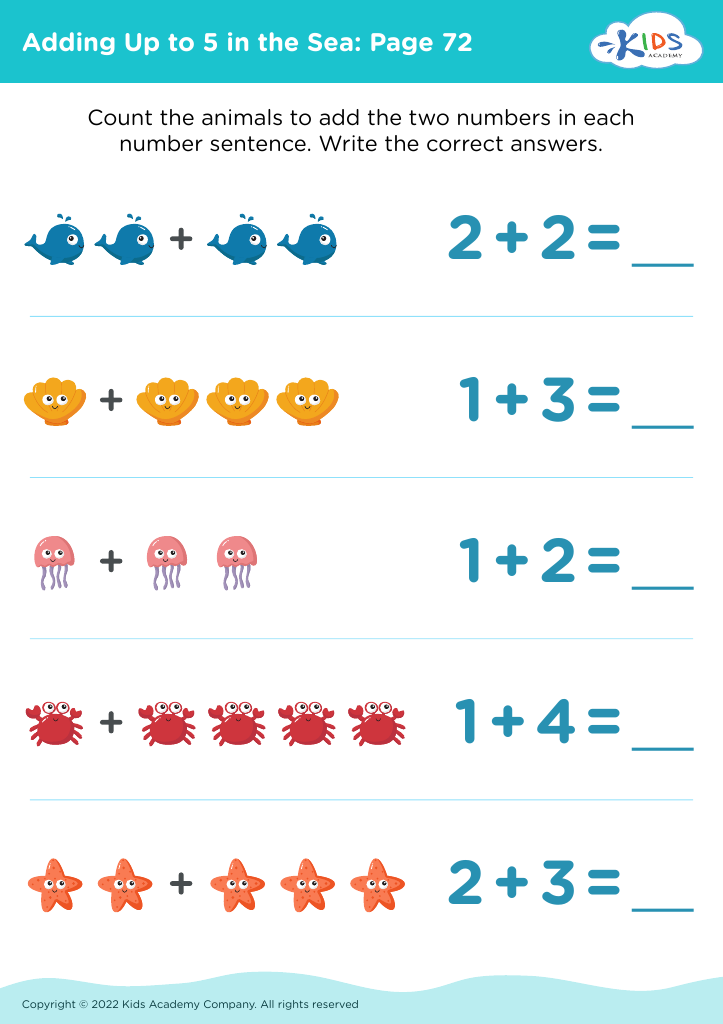
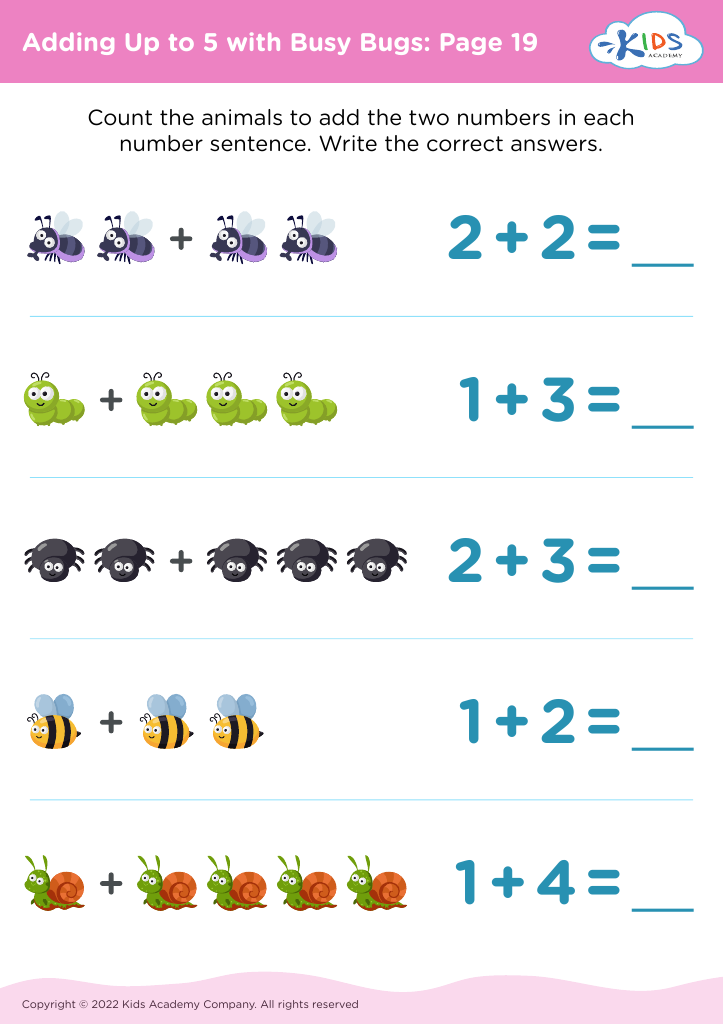
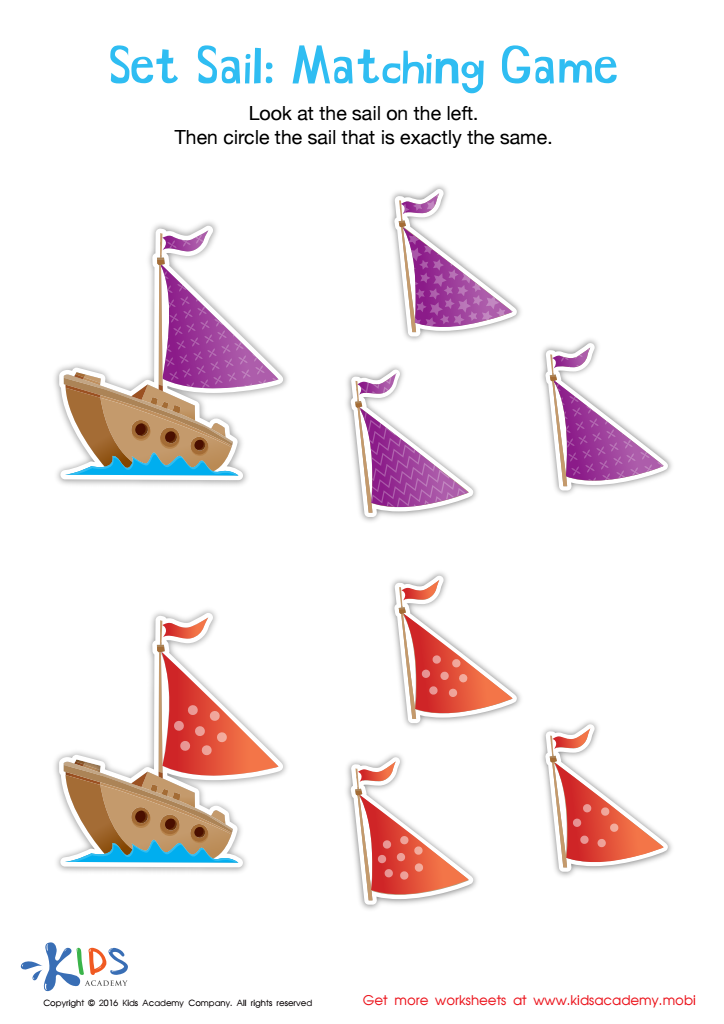
Set Sail Worksheet
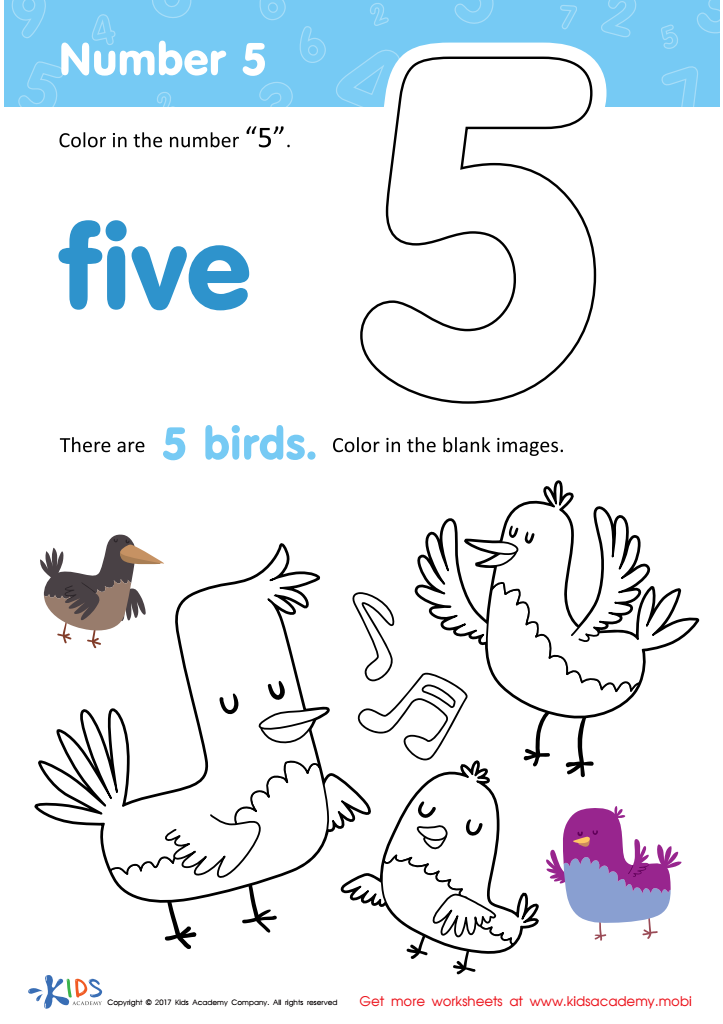
Number 5 Printable
Assign to My Students
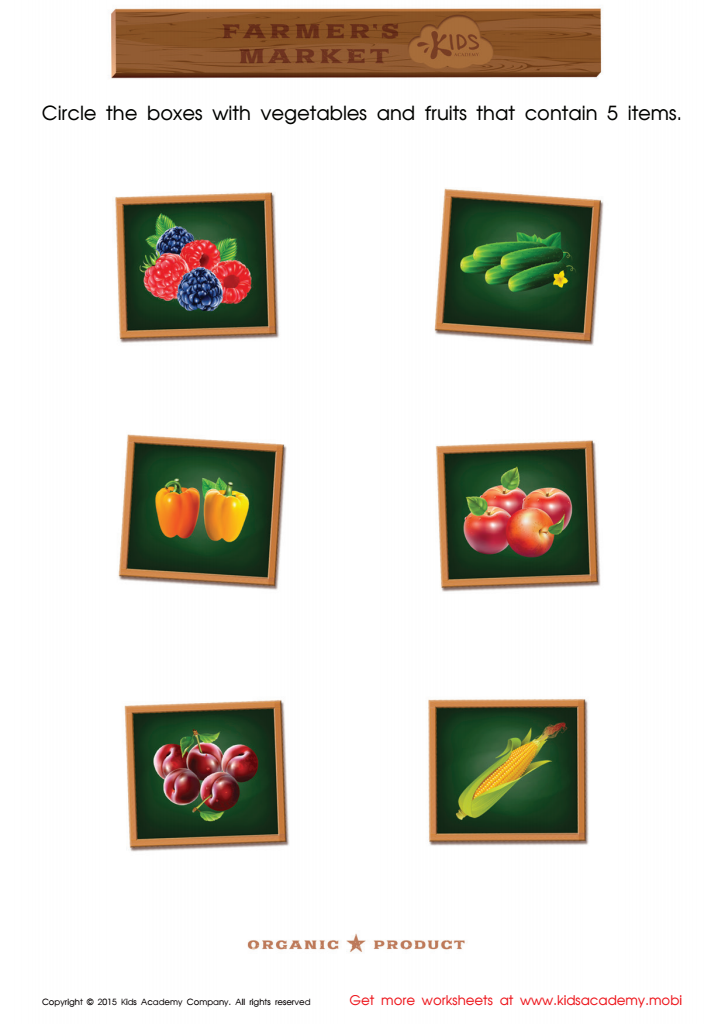
Count and Match Vegetables 1 – 7 Math Worksheet
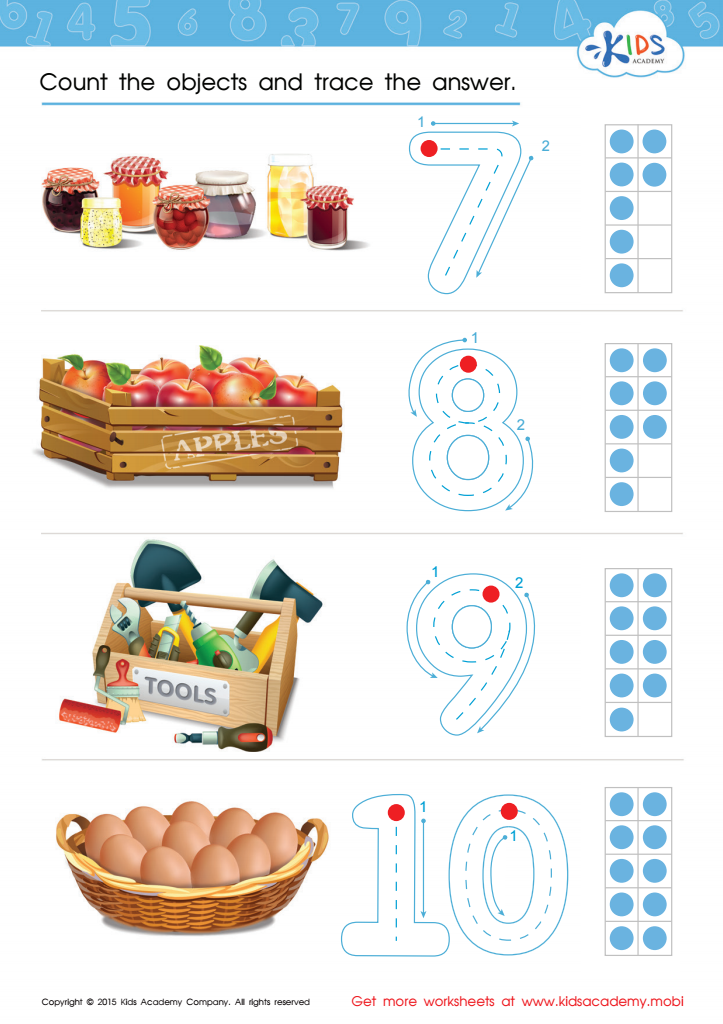
Count and Trace 7 – 10 Worksheet
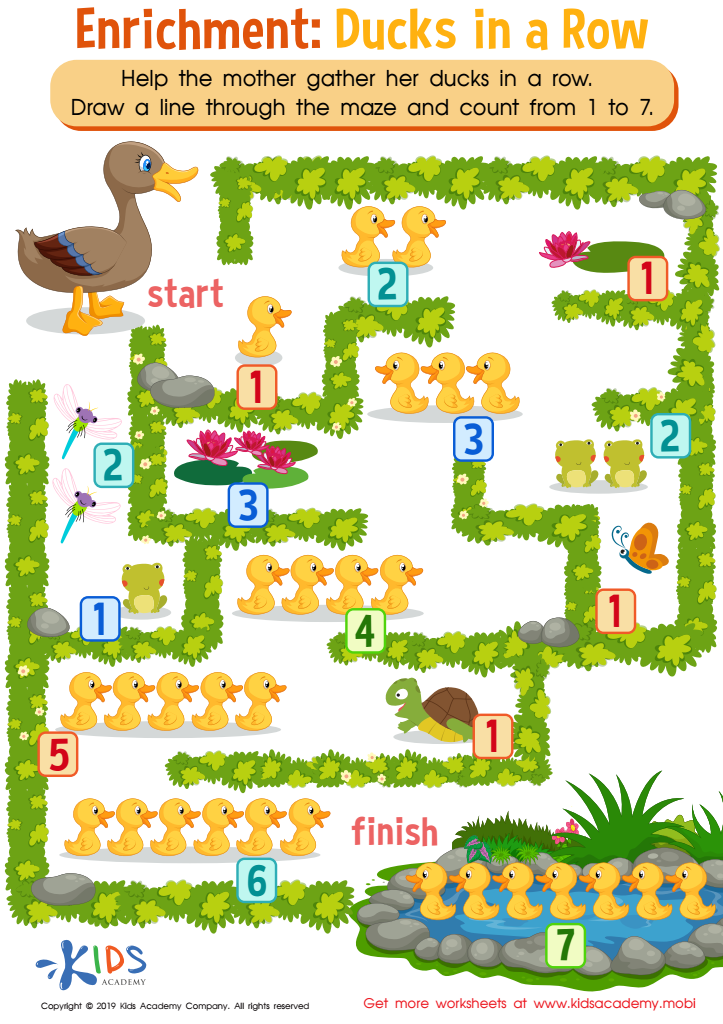
Ducks in a Row Worksheet
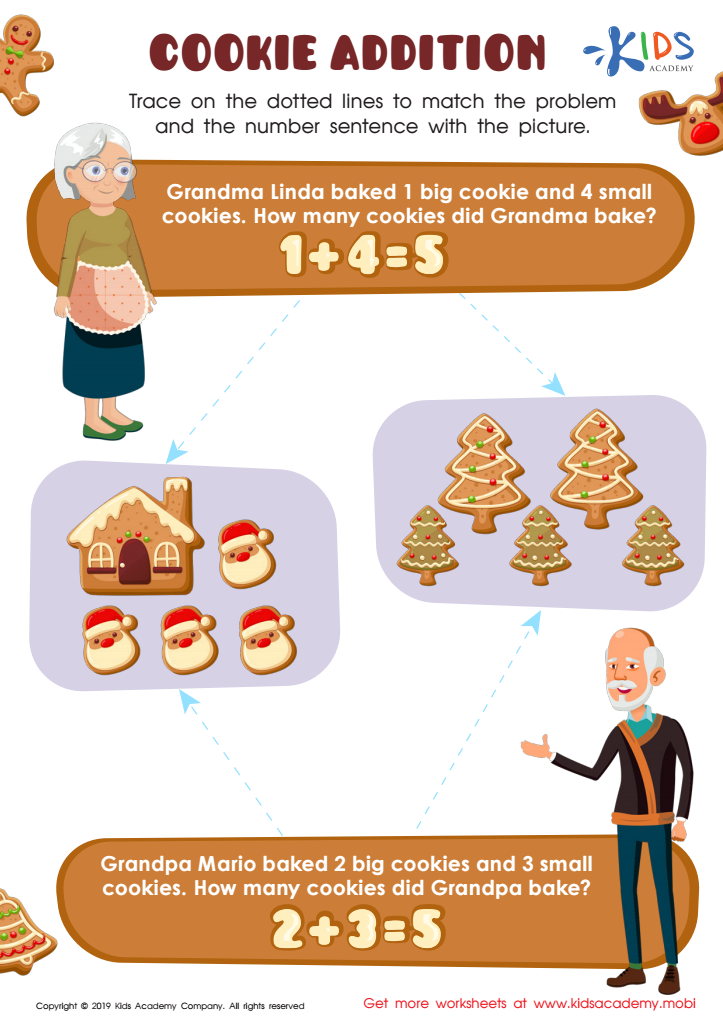
Cookie Addition Worksheet
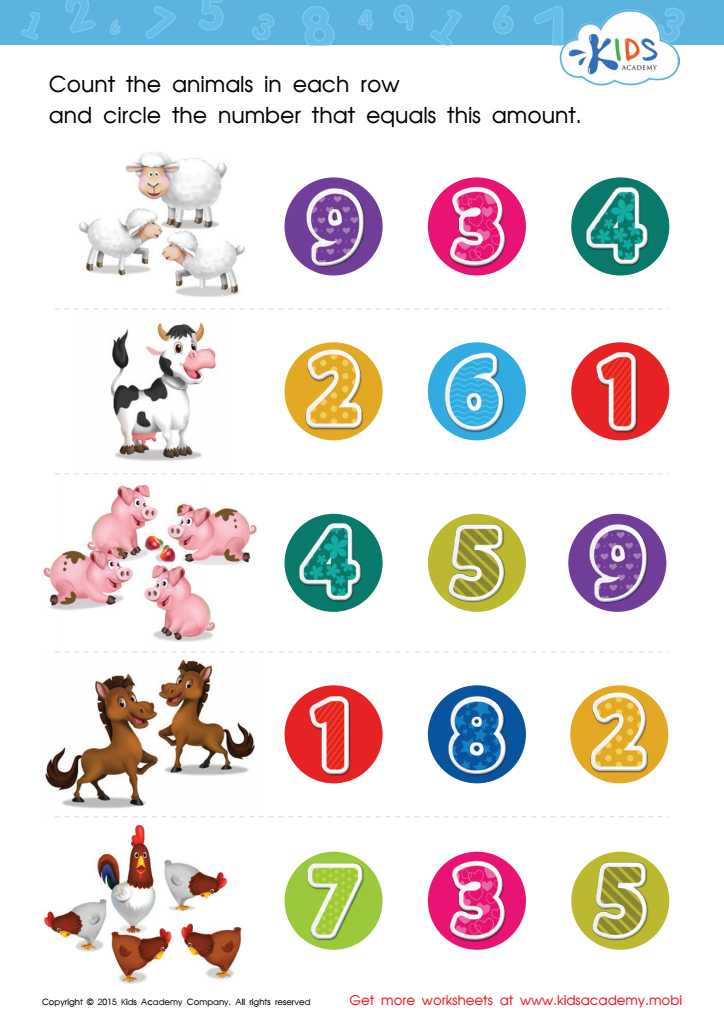
Count and Match 1 – 5 Math Worksheet
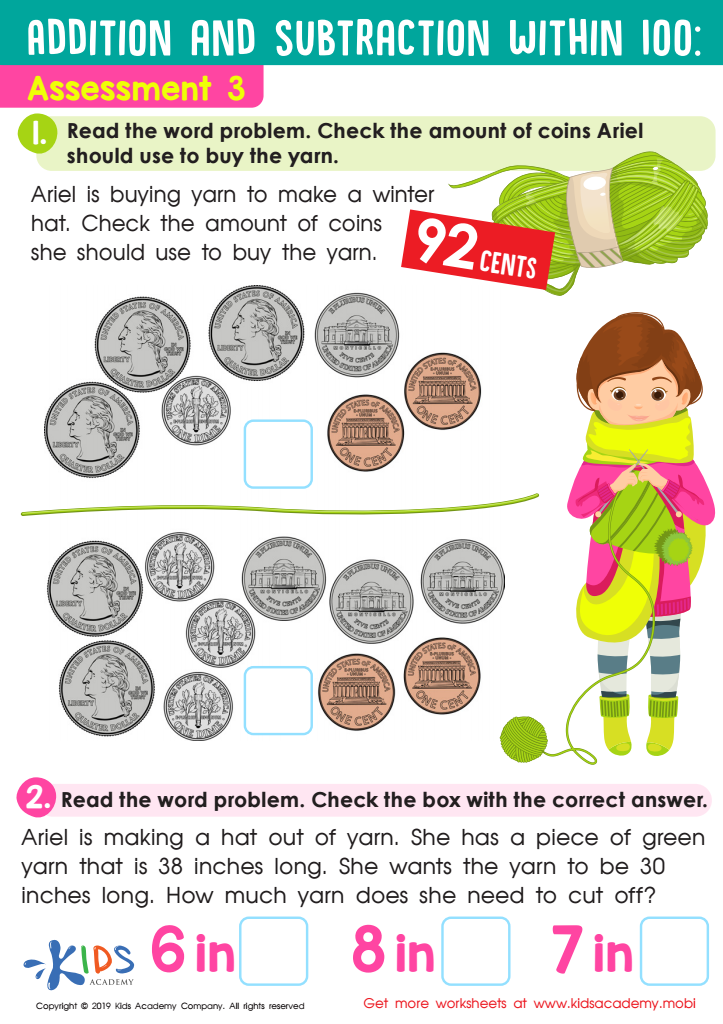
Assessment 3 Math Worksheet
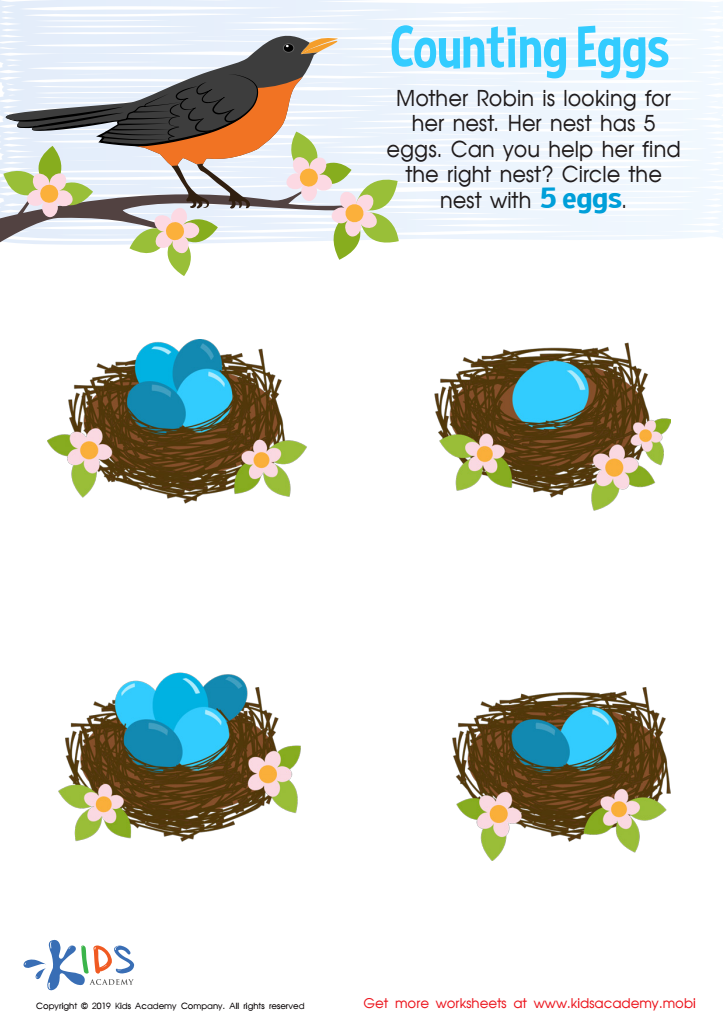
Counting Eggs Worksheet
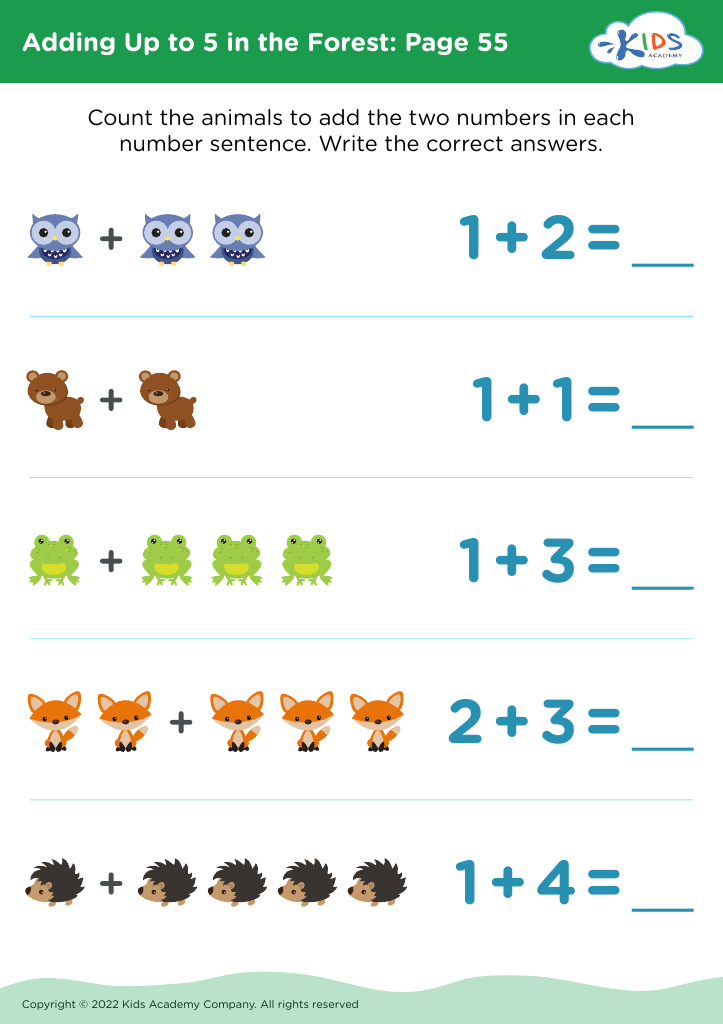




.jpg)


Counting skills are foundational to a child's mathematical understanding and overall cognitive development. For three-year-olds, developing counting skills is crucial as it lays the groundwork for future academic success. At this age, children are naturally curious and eager to learn, making it an ideal time to introduce counting in engaging and playful ways.
Parents and teachers should prioritize counting skills because they enhance various cognitive areas, including memory, pattern recognition, and problem-solving. Mastering counting helps children understand concepts of quantity, relationships, and comparisons, which are essential for more complex mathematics later on. Additionally, counting strengthens language skills, as it encourages vocabulary building through number names and related descriptions.
Incorporating counting activities in everyday routines—such as counting toys during playtime, steps while walking, or snacks at mealtime—make the learning experience enjoyable and meaningful. This active engagement fosters a positive attitude towards math, reducing anxiety related to the subject in later years. Moreover, promoting counting skills nurtures a sense of achievement and builds self-confidence in young learners. Ultimately, by prioritizing counting skills in early childhood, parents and teachers contribute significantly to a child's cognitive foundation, nurturing a lifelong understanding and appreciation of mathematics.








