Nature appreciation Math Worksheets for 3-Year-Olds
5 filtered results
-
From - To
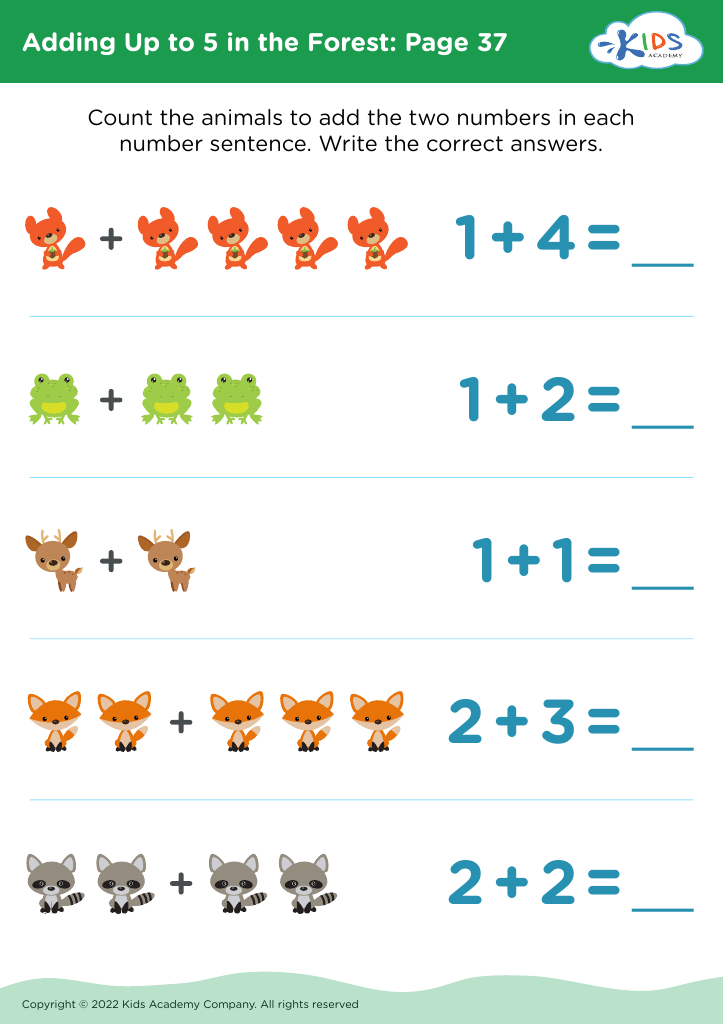
Discover the joy of learning with our Nature Appreciation Math Worksheets for 3-year-olds! Designed to nurture early numeracy skills while fostering a love for the environment, these engaging and colorful worksheets introduce young learners to counting, shape recognition, and basic addition through nature-themed activities. Children will explore vibrant illustrations of plants, animals, and natural elements, making math both fun and relatable. Perfect for home or classroom use, these worksheets promote observational skills and environmental awareness, preparing little ones for a life-long appreciation of nature while building essential math foundations. Download now and inspire your child's love for math and the outdoors!
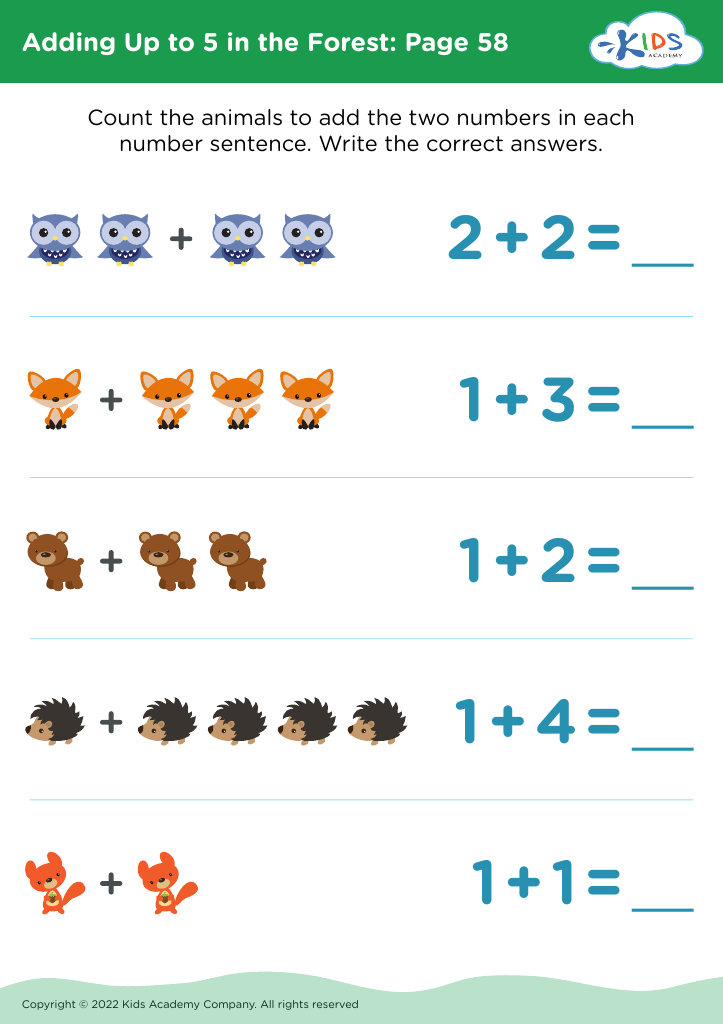
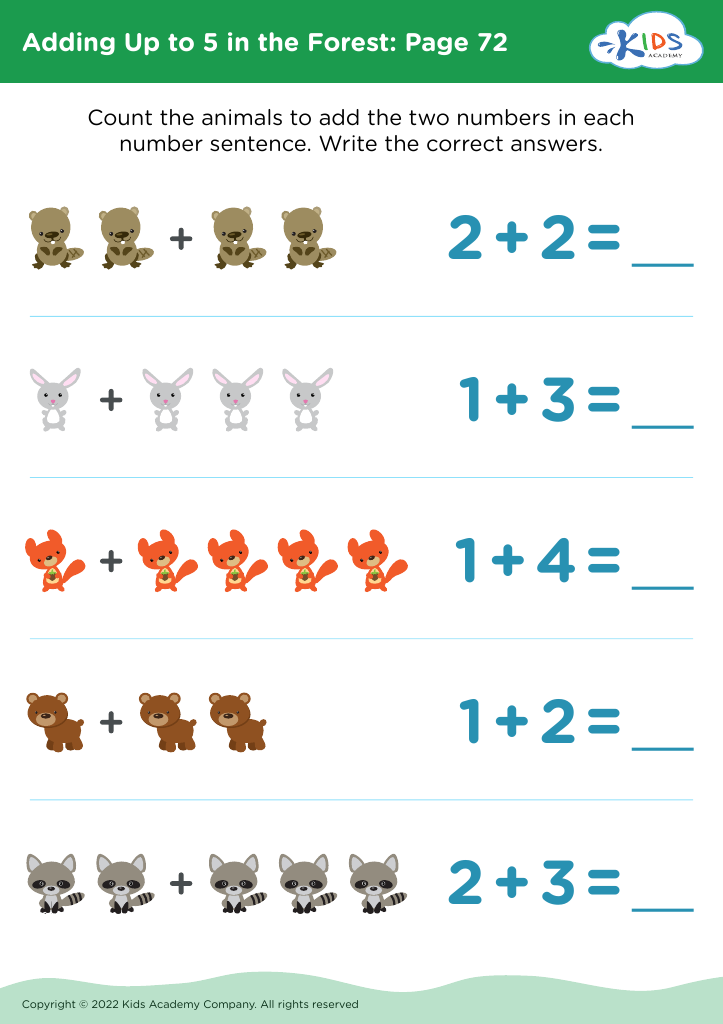
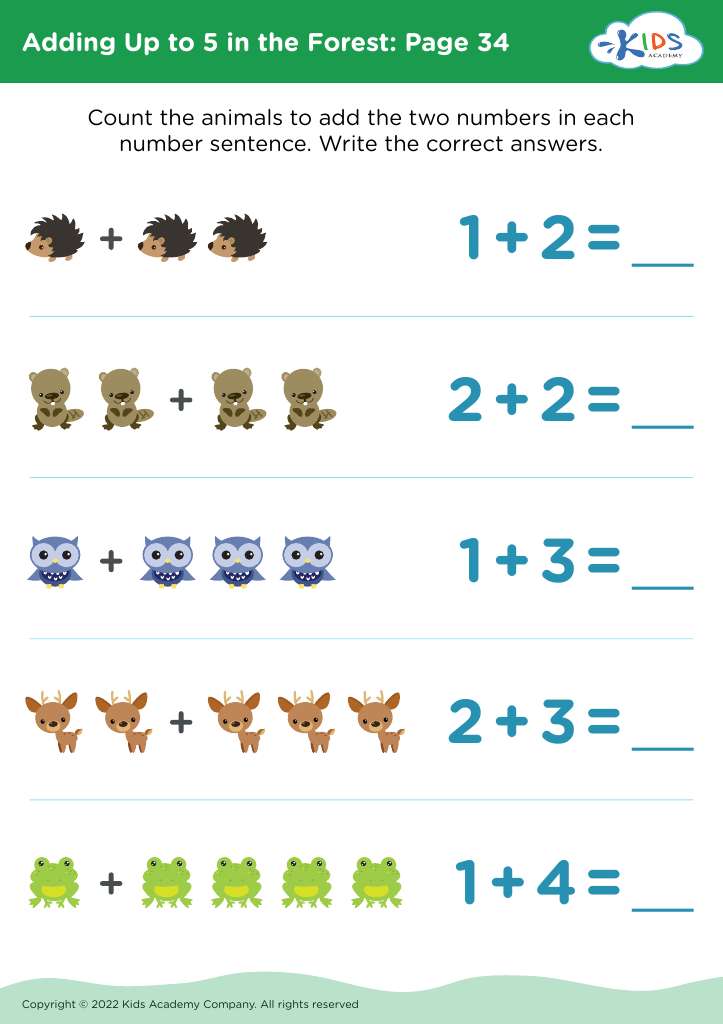
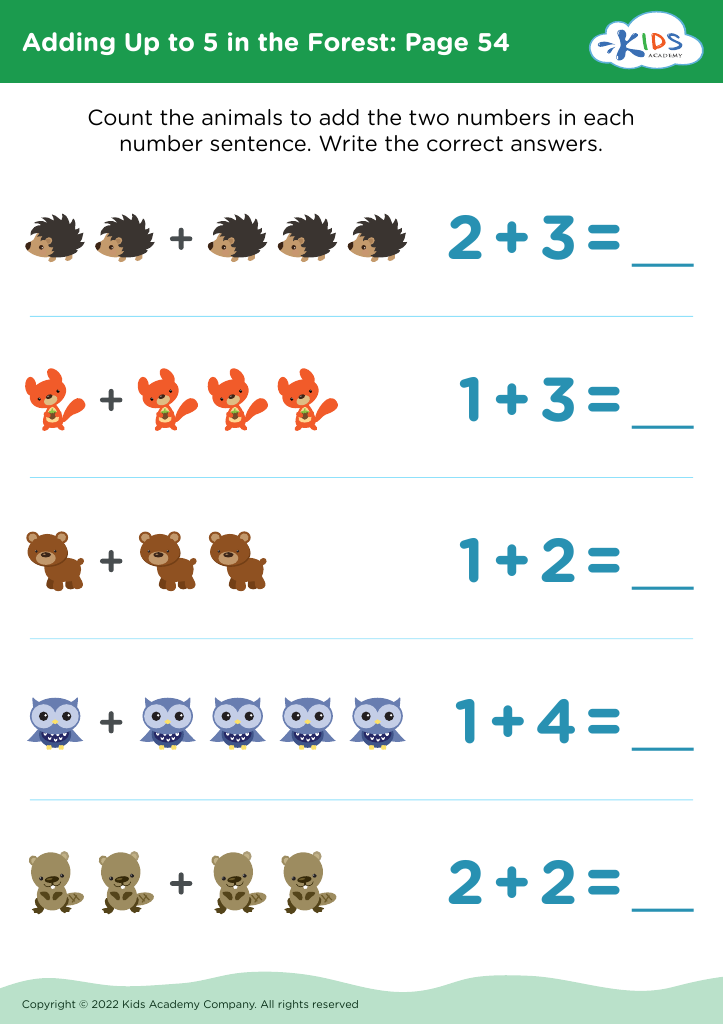







Nature appreciation math engages 3-year-olds in foundational concepts while fostering a love for the outdoors. It merges early math skills with sensory experiences, making learning robust, interactive, and fun. By integrating nature into math activities, teachers and parents can help children grasp basic concepts like counting, sorting, and measuring, often using natural elements such as leaves, rocks, or sticks.
This approach enhances cognitive development through play-based learning. For instance, counting flowers or comparing sizes of different stones helps children relate math to the world around them. Additionally, exploring nature fosters curiosity and observational skills, encouraging children to ask questions and seek answers—key components of early scientific thinking.
Moreover, appreciating nature cultivates emotional intelligence. As children splash in puddles or marvel at a butterfly, they develop a sense of wonder and respect for their environment, which instills lifelong values of conservation and stewardship. Moreover, spending time outdoors can positively impact a child's physical and emotional wellbeing, promoting greater mood stability and focus.
In summary, parents and teachers should embrace nature appreciation math; it enriches learning experiences, nurtures essential skills, and fosters a deep connection with the environment, paving the way for well-rounded development.








