Vocabulary expansion Math Worksheets for 3-Year-Olds
4 filtered results
-
From - To
Unlock your child's potential with our engaging Vocabulary Expansion Math Worksheets designed specifically for 3-Year-Olds! These fun and interactive worksheets seamlessly combine early math skills with vocabulary development, ensuring your little one enhances their language while learning core concepts like counting, shapes, and measurements. Our colorful and appealing visuals capture children's attention and encourage them to explore various math vocabulary associated with everyday activities. Perfect for homeschooling or supplementary education, these worksheets foster curiosity and support cognitive growth. Give your child the tools to succeed beyond numbers—cultivate their vocabulary and math skills today with Kids Academy! Download now and watch them thrive!
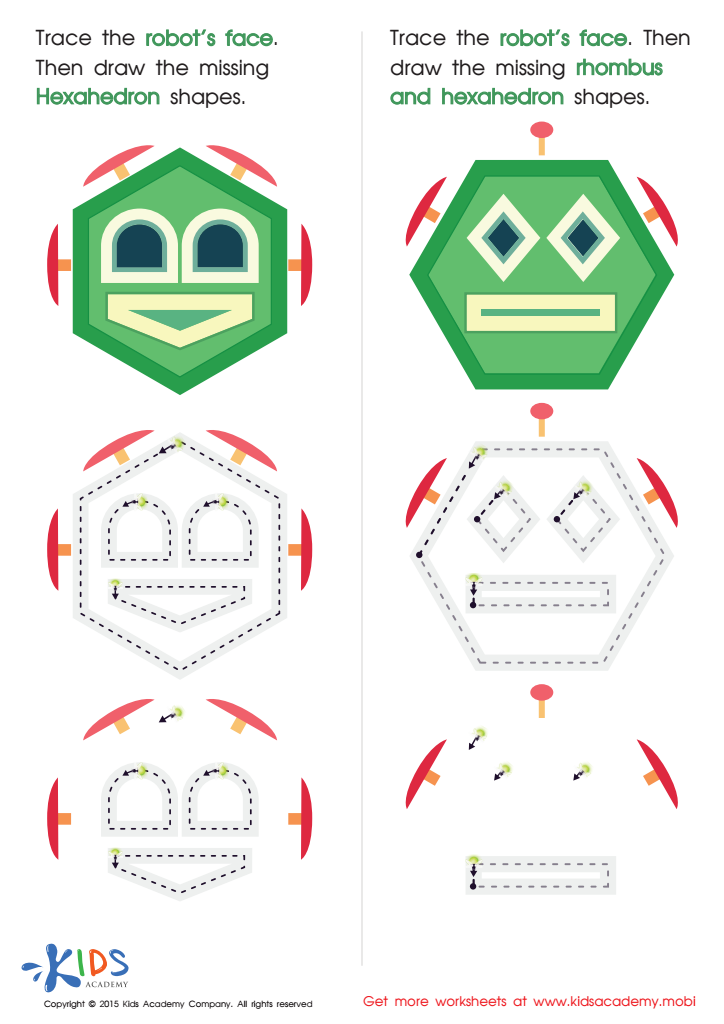
Practice Drawing Hexahedrons And a Rhombus Worksheet
 Assign to My Students
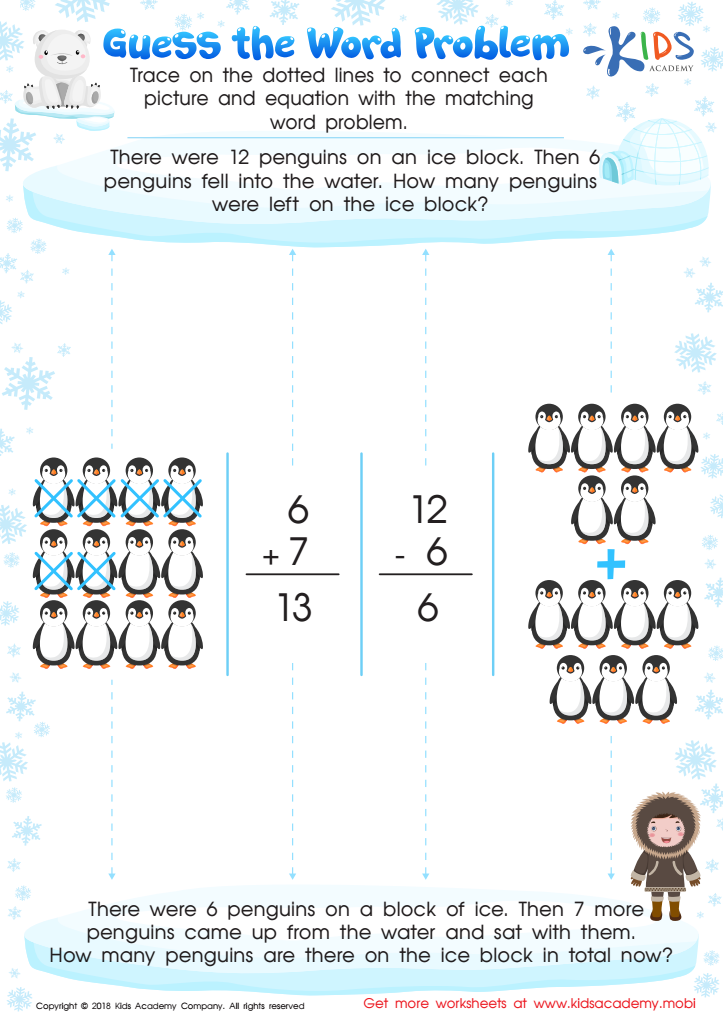
Guess the Word Problem Worksheet
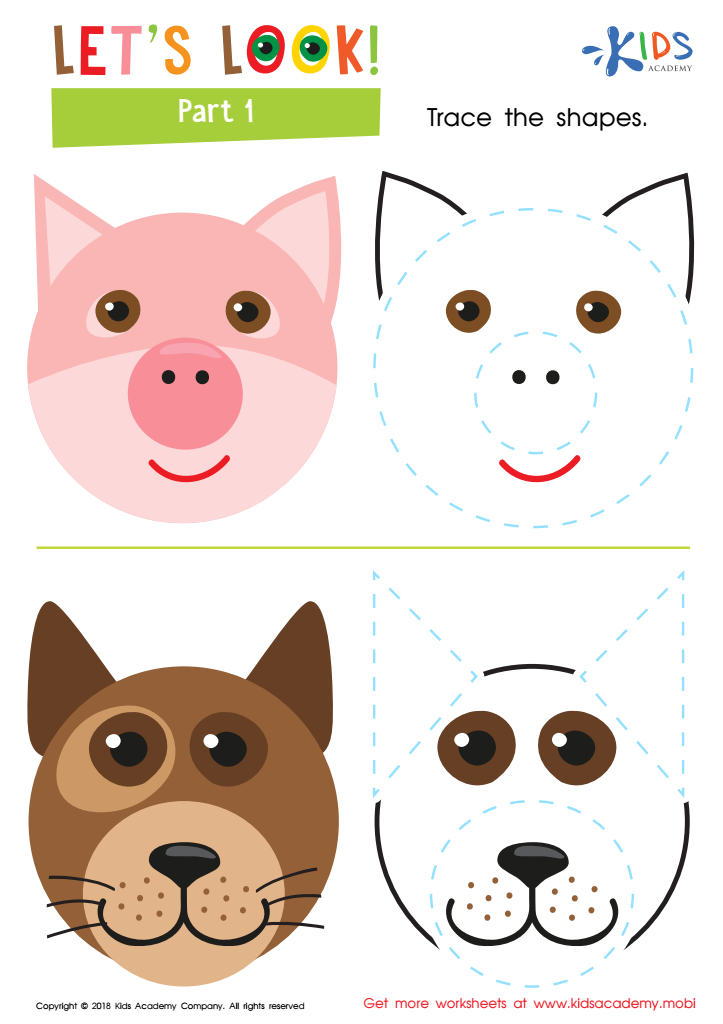
Let's Look! Part 1 Worksheet
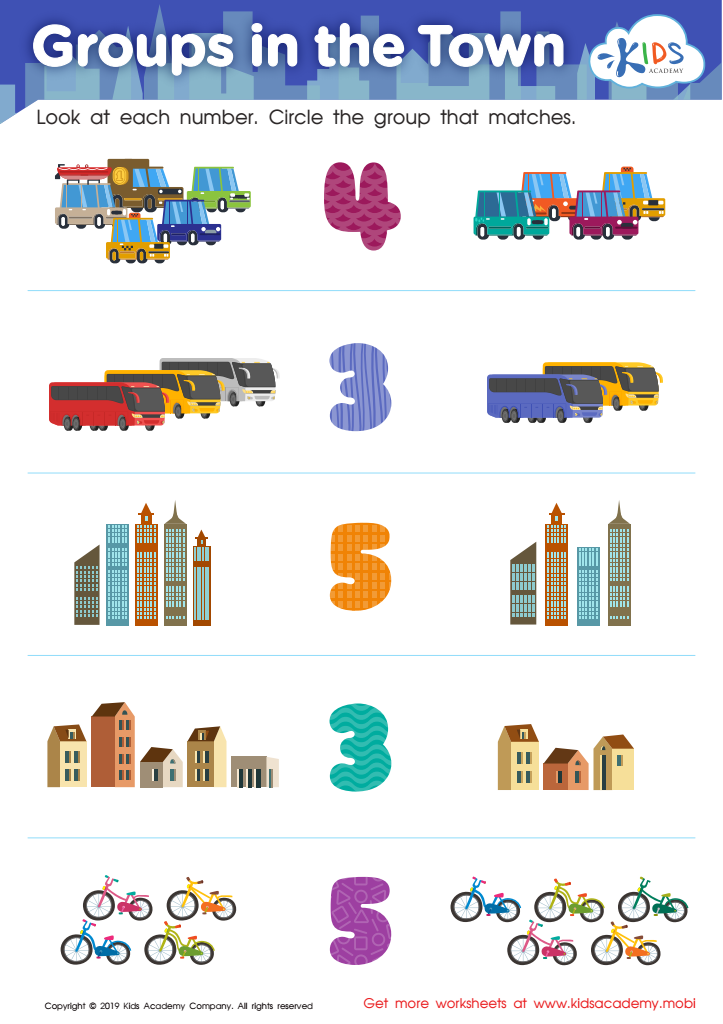
Groups in the Town Worksheet






%20(1).jpg)
Parents and teachers should prioritize vocabulary expansion in math for 3-year-olds as it lays a robust foundation for future learning. During these formative years, children are naturally curious and eager to explore their environment, making it the perfect time to introduce mathematical concepts through language. When young learners encounter terms like "more," "less," "big," "small," and "shape," they begin to understand relationships and quantities beyond mere numbers.
Expanding vocabulary encourages cognitive development, enhancing critical thinking skills. Knowing the right terminology allows children to articulate their thoughts, investigate mathematical ideas, and express their reasoning. This ability to communicate effectively fosters a deeper understanding of math, making connections between words and concepts that enrich their overall learning experience.
Moreover, with a solid vocabulary foundation, children are better equipped to take on more complex mathematical problems as they progress through their education. Early exposure to math vocabulary also alleviates anxiety often associated with learning math later on. Therefore, investing time in vocabulary expansion in math not only supports language development but cultivates confident, inquisitive learners who are well-prepared for future academic challenges. Encouraging this early engagement benefits both social skills and academic success in the long run.








